Best Sony Street Photography Lenses: Prime Lens FAQ for Real-World Shooting
Choosing a street photography lens is about more than a spec sheet. Street shooters need a focal length that matches their vision, a size they can carry all day, and handling that feels natural when moments appear without warning.
While comparison tools can be helpful for narrowing the field, real-world street photography also depends on how a lens balances on your Sony body, how visible it feels in a crowd, and how confidently you can work in changing light. Here are the most common questions we hear at Unique Photo when photographers compare Sony lenses for city shooting.
Is a 35mm prime usually better than a 50mm prime for street photography?
For many photographers, yes. A 35mm lens is often considered the classic street focal length because it gives you context without feeling too wide. You can include architecture, sidewalks, storefronts, and layered subjects while still keeping a person prominent in the frame. That makes 35mm especially useful if your style is immersive, environmental, and story-driven.
A 50mm prime offers a tighter angle of view, which can be excellent if you prefer cleaner compositions, stronger subject separation, or a bit more working distance. In busy urban settings, 50mm can help simplify backgrounds and isolate gestures or expressions. The tradeoff is that it usually feels less flexible in tight streets, subways, cafés, and crowded events where backing up is not always possible.
If you are torn between the two, 35mm is often the easier first choice for street work. But if your eye naturally sees in tighter frames, 50mm can absolutely be the better artistic fit.
How does handling matter compared to what a lens comparison tool shows?
Comparison databases are useful for checking dimensions, weight, and maximum aperture, but they cannot fully express how a lens behaves in motion. Street photography is fast, reactive, and often done one-handed or from unconventional angles. A lens that looks manageable on paper may feel front-heavy after several hours, while a slightly larger lens may still balance beautifully on the right camera body.
Handling also includes focus ring feel, how quickly you can raise the camera, whether the lens draws attention, and how comfortable it is to carry on a strap all day. For street photographers, those factors can be just as important as sharpness charts or aperture numbers. At Unique Photo, we always recommend using comparison tools as a starting point, then thinking carefully about your shooting style and how long you typically stay out with your camera.
Does size and weight really affect street photography that much?
Absolutely. Street photography often involves long walks, quick transitions, and frequent shooting from the shoulder or chest. A compact setup encourages spontaneity. The less your camera feels like a burden, the more likely you are to keep it with you and react quickly when a scene unfolds.
That does not mean every street lens must be tiny. Some photographers are happy to trade a larger lens for wider aperture performance or a specific rendering style. But in crowded environments, a smaller lens generally feels less conspicuous and more comfortable. It is easier to carry into a market, through a train station, or on an all-day city walk without fatigue becoming part of the decision-making process.
If you are still learning what focal length suits you best, a flexible zoom can help you test your preferences before committing to a prime. The Sony FE 24-105mm f/4 G OSS Lens is a practical option for discovering whether you naturally gravitate toward 35mm, 50mm, or something wider or tighter during a day of street shooting.
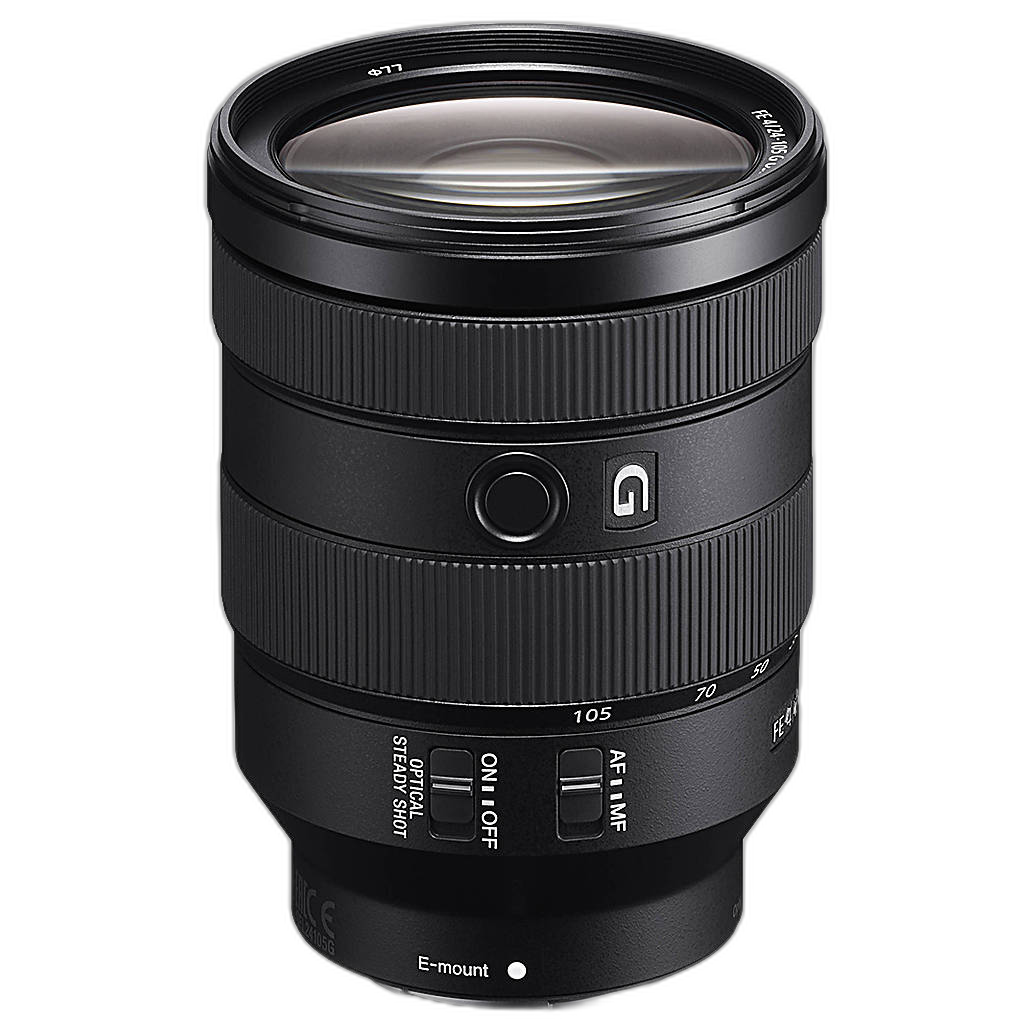
By reviewing your favorite images afterward, you can see which focal lengths consistently match your instincts in real situations.
How should I think about a 35mm f/1.8 versus a 50mm f/1.2 for city shooting?
These lenses serve different priorities. A 35mm f/1.8-style lens typically appeals to photographers who want a lighter, more agile setup with a versatile field of view. It is well suited to candid scenes, environmental portraits, nighttime sidewalks, and storytelling compositions where the surroundings matter as much as the subject.
A 50mm f/1.2-style lens is usually chosen for its premium rendering, dramatic shallow depth of field, and strong low-light potential. It can produce beautiful subject isolation and a more cinematic look, but it is generally larger, heavier, and more noticeable. For some street shooters, that is a worthwhile tradeoff. For others, it changes how they move through public spaces and can make the camera feel less invisible.
If your priority is discretion, comfort, and versatility, the more compact 35mm approach usually wins. If your priority is maximum subject separation and a signature look, the larger 50mm may be worth carrying. The right answer depends on whether you want your lens to disappear or to deliver a very specific visual style.
Are comparison tool size measurements enough to judge all-day carry comfort?
Not by themselves. Measurements tell you the physical footprint, but all-day comfort also depends on weight distribution, camera grip size, strap choice, and how you carry the camera. A lens can be relatively short but still feel dense. Another lens may look bigger but carry comfortably because it balances better.
Street photographers should also think about how often they raise the camera, whether they shoot one-handed, and whether they keep the setup around the neck, across the shoulder, or in a small bag between locations. Those practical details affect fatigue more than a product page can communicate.
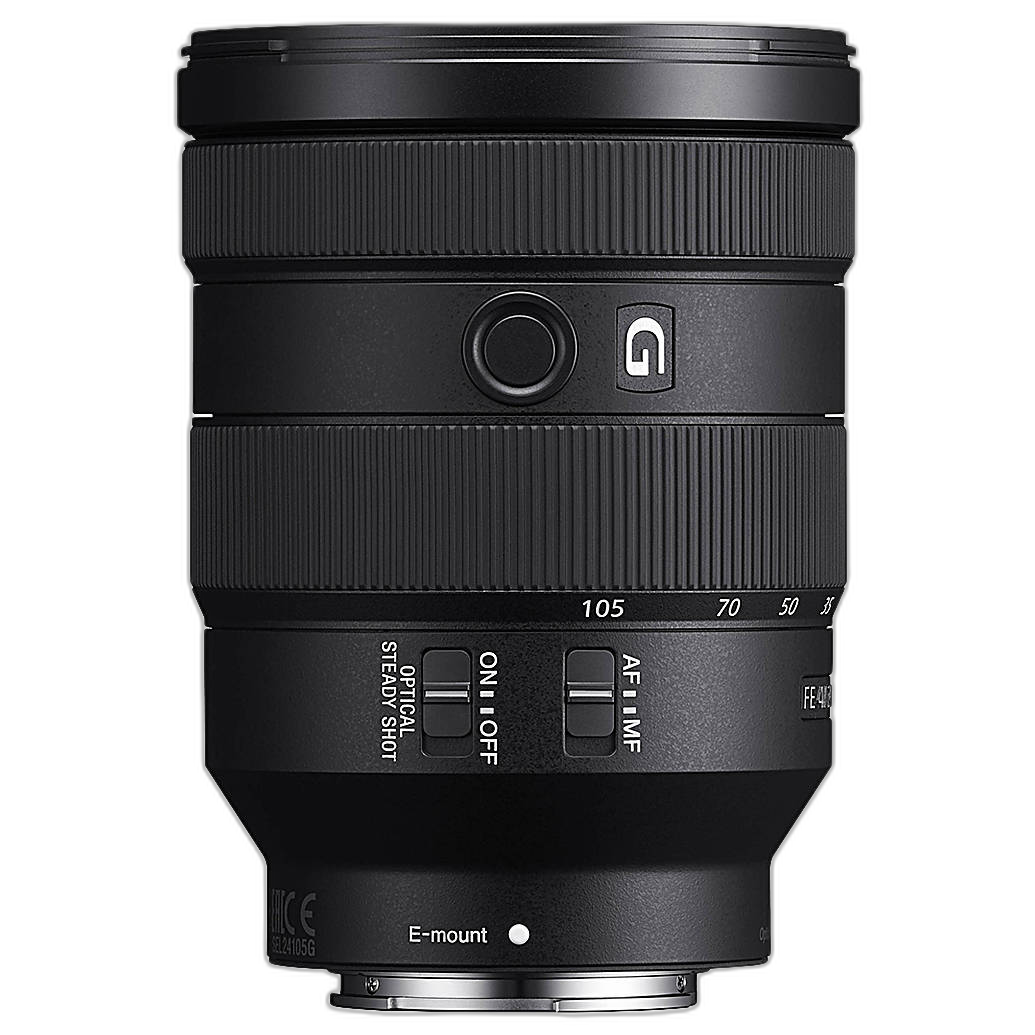
That is why many photographers use a zoom first to learn their habits, then move to a prime once they know exactly what they value most. A versatile lens like the Sony FE 24-105mm f/4 G OSS Lens can help reveal whether your real challenge is focal length, low-light ability, or carry comfort.
What focal length is best if I shoot in dense city environments?
In dense urban spaces, 35mm is often the sweet spot because it works in narrow streets, indoor markets, and transit environments where space is limited. It lets you stay close to the action and preserve a sense of place. If your work is about atmosphere and interaction, 35mm is hard to beat.
That said, 50mm can be excellent for photographers who prefer cleaner framing and a little more distance from subjects. It is often easier to isolate moments across the street, frame single figures against graphic backgrounds, or capture details without stepping directly into a scene.
If your city shooting includes dramatic architecture or you want an even broader perspective for storytelling, an ultra-wide can add a different layer to your kit. The Sony FE 12-24mm f/2.8 GM Lens is not a traditional everyday street prime, but it can be a powerful creative tool for photographers who emphasize scale, leading lines, and exaggerated perspective in urban work.
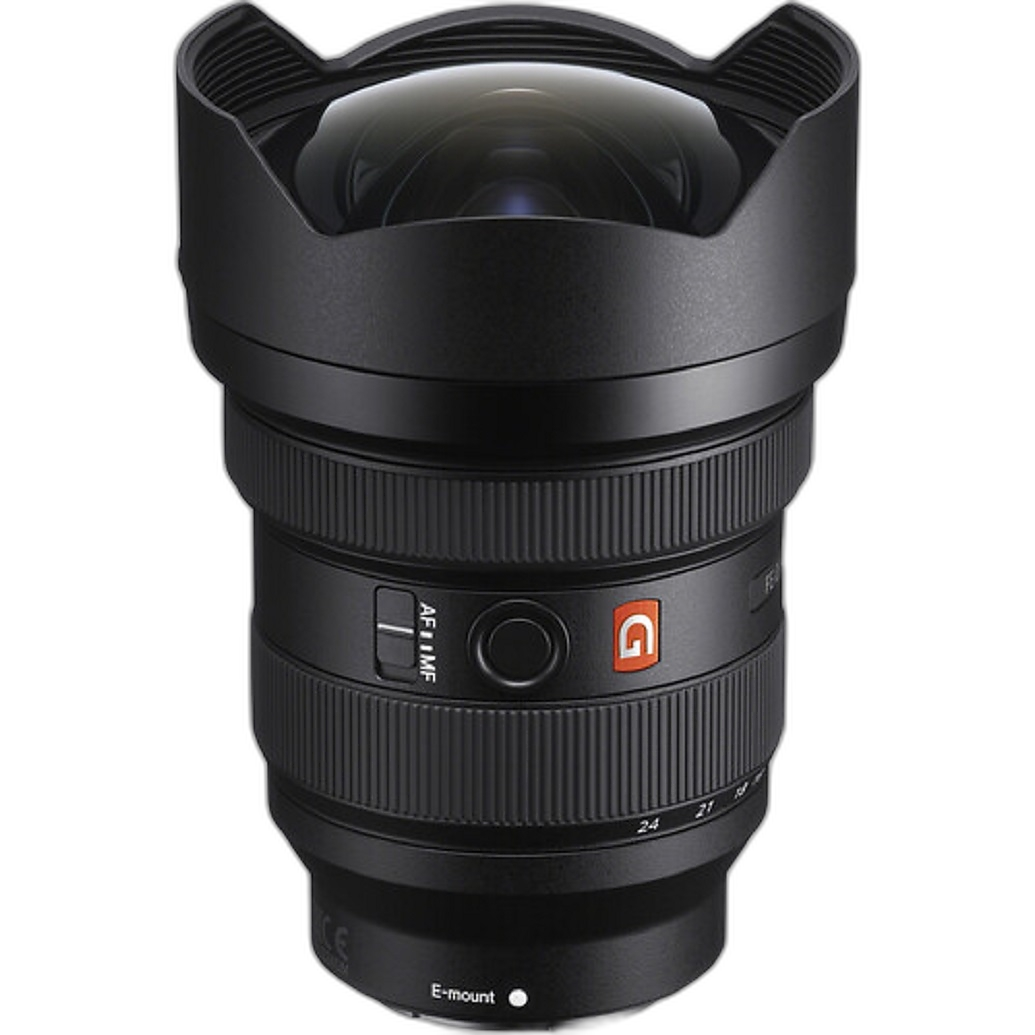
For most street photographers, though, ultra-wide lenses are a complement rather than a replacement for a 35mm or 50mm prime.
Should I trust spec-based lens comparison results when stealth is important?
You should treat them as helpful, but not definitive. Stealth in street photography is influenced by more than lens dimensions. Camera behavior, your shooting technique, and even your body language matter. A compact lens can still attract attention if you bring the camera dramatically to your eye for every shot. Likewise, an experienced photographer can work discreetly with a larger setup by anticipating moments and moving calmly.
That said, smaller and lighter lenses generally make stealth easier. They look less intimidating, feel less fatiguing, and encourage a more fluid shooting rhythm. If blending in is central to your style, favoring a modestly sized prime is usually the practical move.
What if I am still not sure whether I want a prime at all?
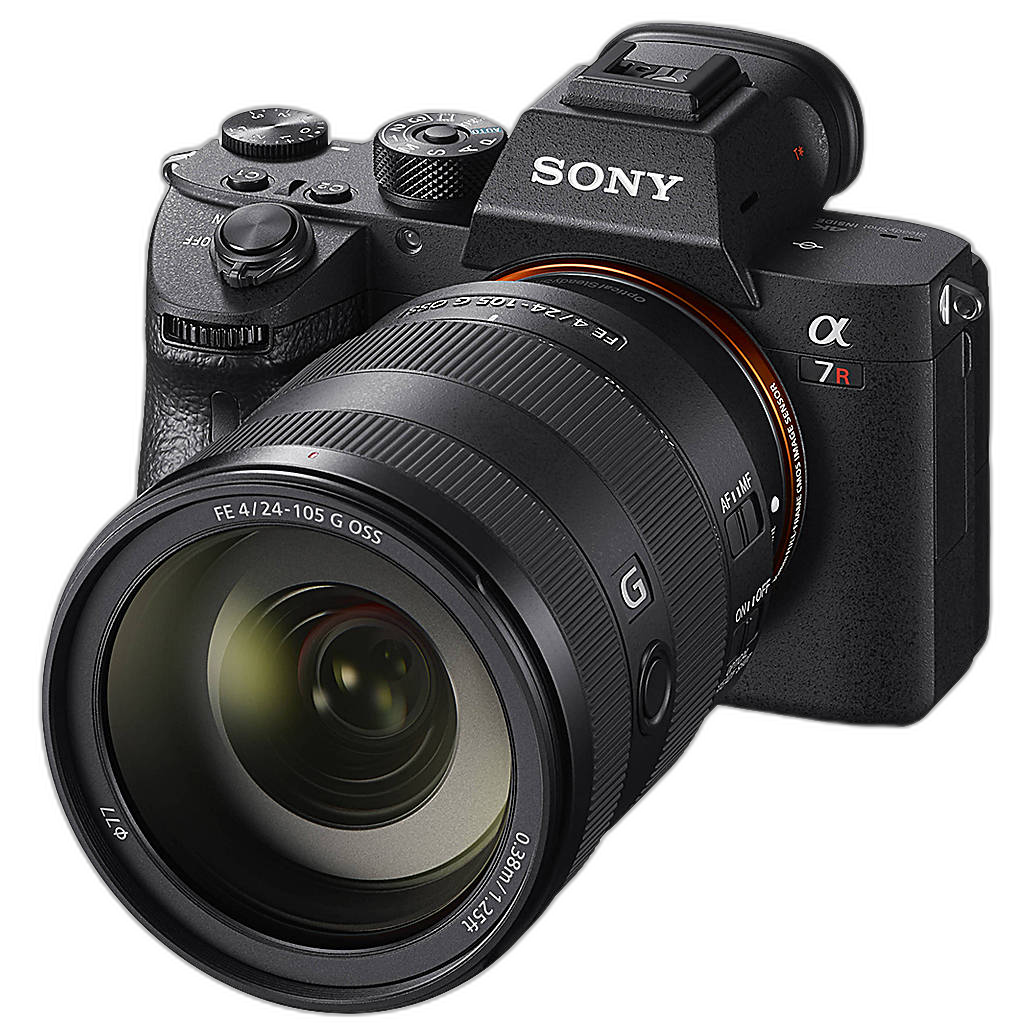
That is a common question, especially for photographers refining their style. A zoom can be the smartest bridge between experimentation and specialization. The Sony FE 24-105mm f/4 G OSS Lens is especially useful because it spans wide-to-short-telephoto perspectives that frequently come up in street and travel photography. You can spend time shooting at 35mm, 50mm, and beyond, then review your images to see where your instincts consistently land.
Once you identify your most-used focal length, shopping for a prime becomes much easier. Instead of choosing based on theory, you are choosing based on your own pictures. That usually leads to a more satisfying lens purchase and a kit that better supports your personal way of seeing.
How can I improve my street photography beyond just choosing the right lens?
The best lens is only part of the equation. Strong street photography comes from timing, observation, and confidence in public spaces. Learning to anticipate movement, work with changing light, and compose quickly matters just as much as choosing 35mm or 50mm. Many photographers benefit from expanding their visual education through workshops, talks, and photo events that explore how experienced shooters build stories from everyday scenes.
At Unique Photo, we offer educational opportunities and photography events that can help photographers strengthen technique and creative decision-making. Programs such as EXPO: Stories from the Road - Photography Across Worlds w. Matthew Borowick can be inspiring for photographers interested in observation, narrative, and building a stronger point of view.

What is the simplest way to choose the best Sony street photography lens for me?
Start with your shooting behavior, not just the spec chart. Ask yourself whether you like being close to the action or slightly removed from it. Consider whether you want environmental context or tighter subject isolation. Think about how long you carry your camera, how important discretion is, and whether low-light performance outweighs size.
If you want an agile, classic street perspective, a 35mm prime is often the strongest all-around answer. If you prefer tighter framing and stronger background blur, a 50mm prime may fit your vision better. And if you are still deciding, a zoom like the Sony FE 24-105mm f/4 G OSS Lens can help you test focal lengths in the field before making a final commitment.
Need help choosing the right Sony lens for your next city walk? Visit Unique Photo to explore Sony lenses, compare options with guidance from our team, and find the gear that fits your street photography style.