Sony 24-70mm f/2.8 GM II vs Sigma 24-70mm: Real-World FAQ
Choosing between a premium standard zoom and a more budget-conscious alternative is one of the most common decisions Sony shooters face. If you are comparing the Sony 24-70mm f/2.8 GM II and Sigma 24-70mm f/2.8 DG DN, the real question is not just what a comparison chart shows, but how those differences translate into landscapes, portraits, travel, and everyday professional use.
At Unique Photo, we recommend treating lab-style comparison tools as a starting point rather than the final answer. Resolution, contrast, autofocus behavior, handling, and overall shooting experience can all matter differently depending on whether you work handheld, on a tripod, in controlled portrait sessions, or out in changing light.
How accurate are lens comparison tools when evaluating these two 24-70mm lenses?
Lens comparison tools can be very helpful for spotting broad trends such as center sharpness, corner performance, distortion, and vignetting. They are most useful when you want to confirm whether one lens is generally stronger at a certain focal length or aperture. However, they do not fully capture real-world variables like subject distance, atmospheric conditions, camera body pairing, stabilization technique, autofocus consistency, or how a lens feels over a long shooting day.
In practice, both lenses are capable of professional image quality. A chart may reveal small advantages for one lens at specific settings, but those differences can shrink significantly in actual shooting, especially after stopping down for landscape work or delivering final edited files for clients. The most meaningful takeaway is usually whether a lens meets your needs consistently, not whether it wins every test scene by a small margin.
Does the Sony 24-70mm f/2.8 GM II justify the higher price for landscape photography?
For many landscape photographers, the answer depends on how demanding their workflow is. If you regularly print large, shoot wide-open in difficult edge-to-edge scenes, or want the best possible combination of sharpness, flare resistance, and handling, the premium Sony option can make sense. That said, many landscape shooters work from f/5.6 to f/11 on a tripod, where the gap between high-end zooms often becomes much smaller in finished images.
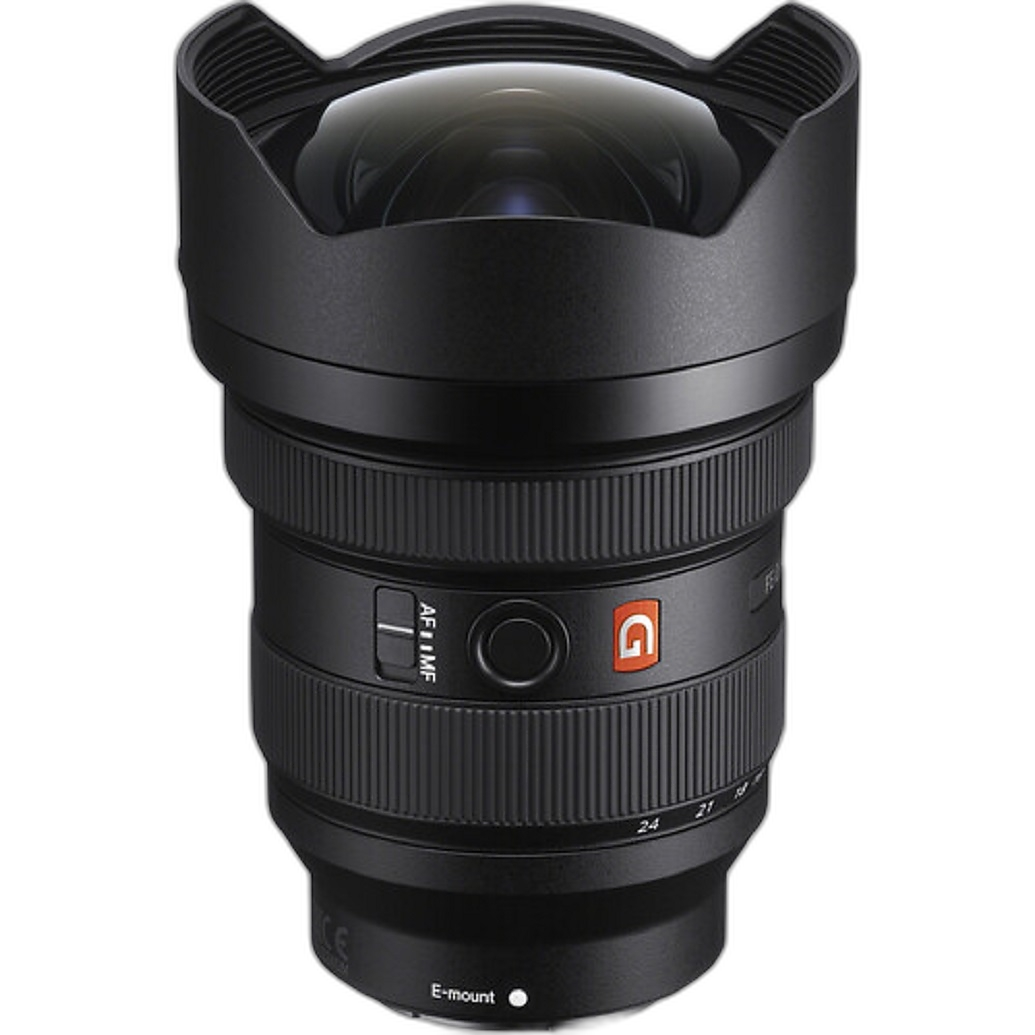
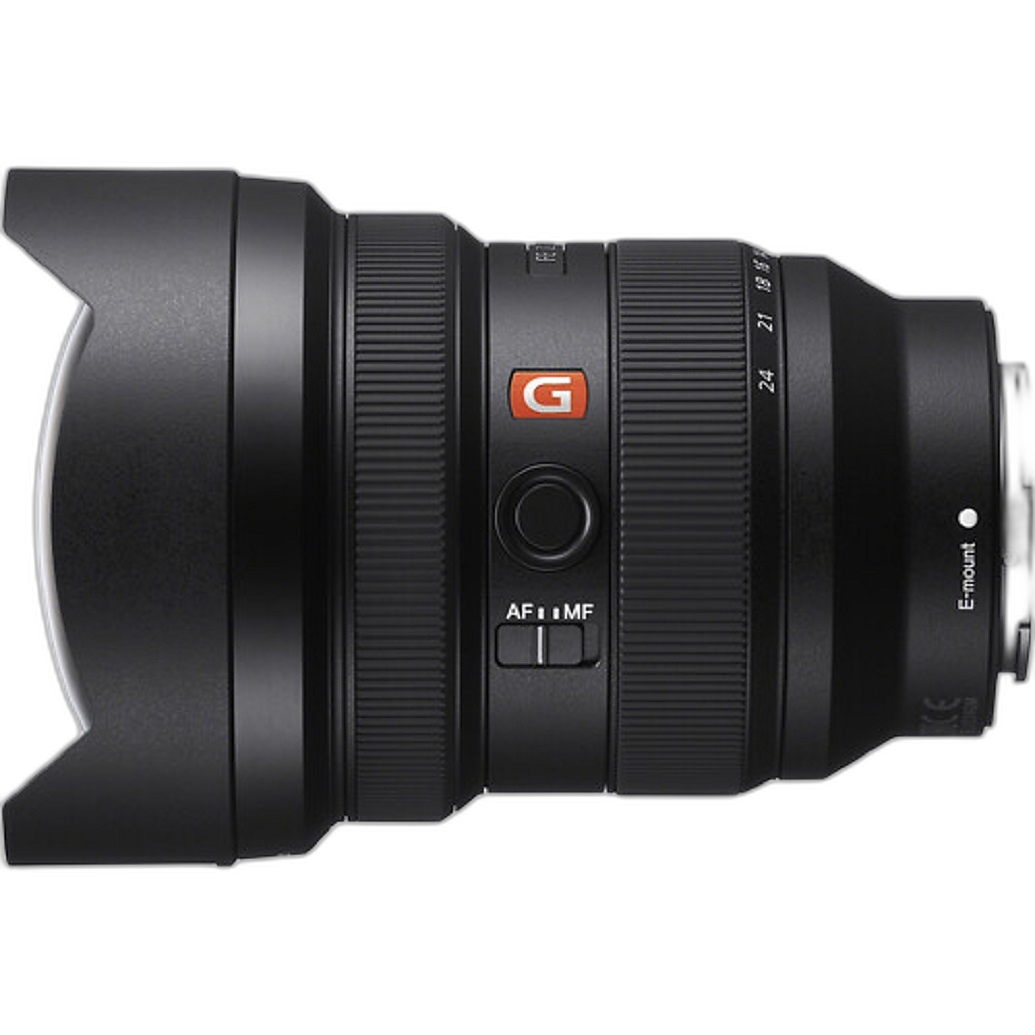
If your work leans heavily toward wide scenic compositions, you may also get more value by complementing your kit with a dedicated wide-angle lens rather than spending entirely for marginal differences in a standard zoom. For example, the Sony FE 12-24mm f/2.8 GM Lens is an outstanding landscape choice for dramatic foregrounds, interiors, and expansive vistas on Sony full-frame bodies.
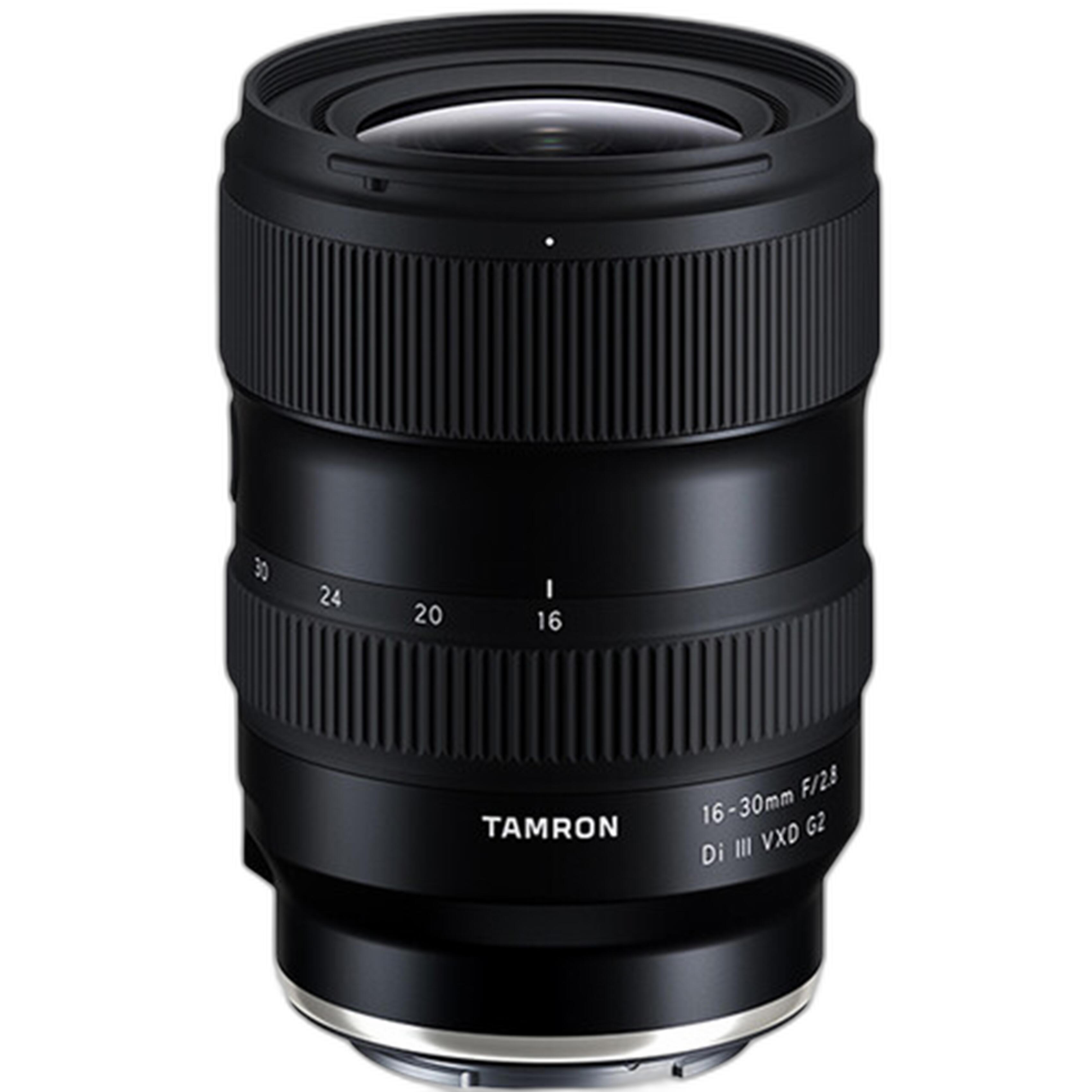
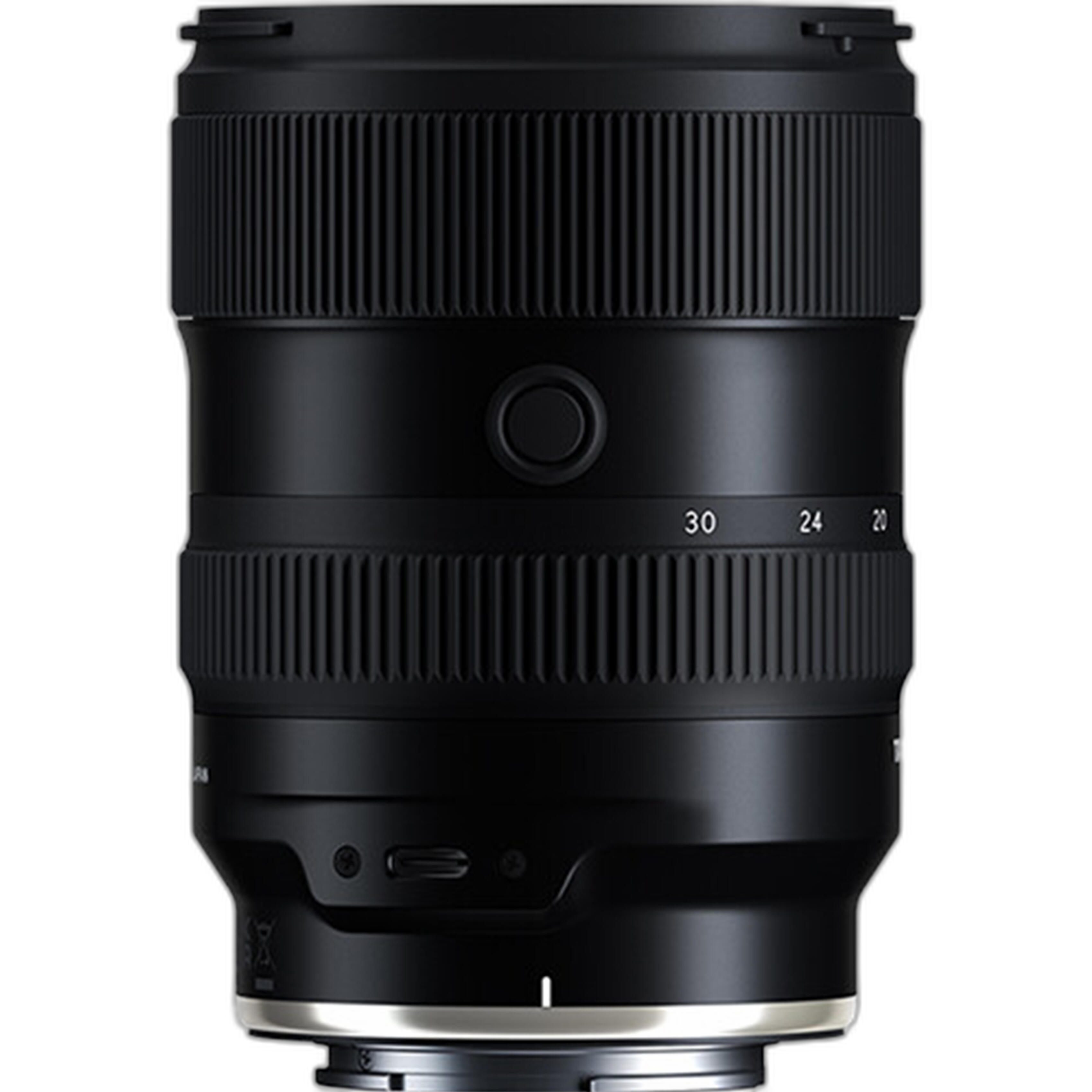
Another strong option for wide landscape coverage is the Tamron 16-30mm F/2.8 Di III VXD G2 Lens for Sony E, which can be attractive for photographers balancing performance and budget.
Is the Sony 24-70mm f/2.8 GM II noticeably better for portraits?
For portrait work, differences are often less about headline sharpness and more about rendering. Many photographers notice distinctions in micro-contrast, transition from focus to blur, resistance to veiling flare in backlit setups, and how consistently the lens locks onto eyes in fast-moving sessions. In those areas, premium lenses often earn their price by delivering a polished overall look and a very dependable shooting experience.
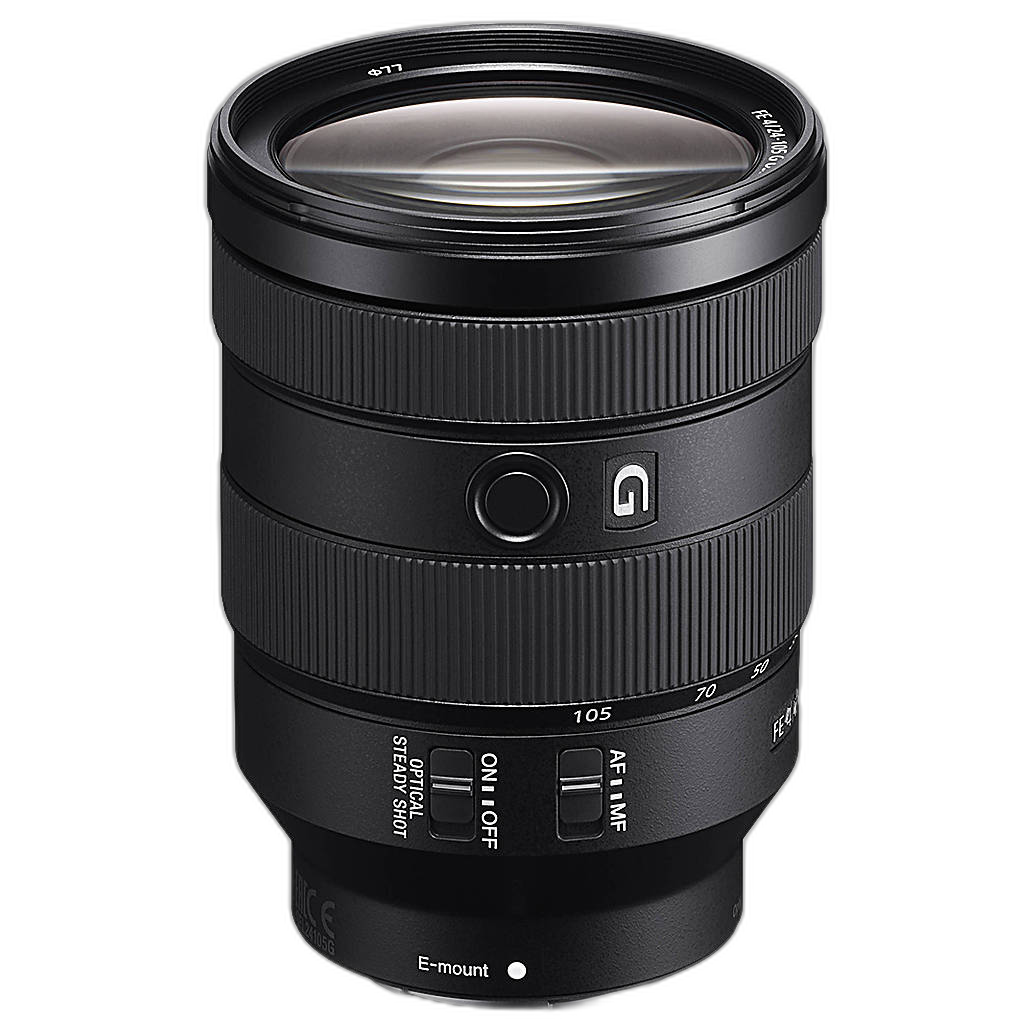
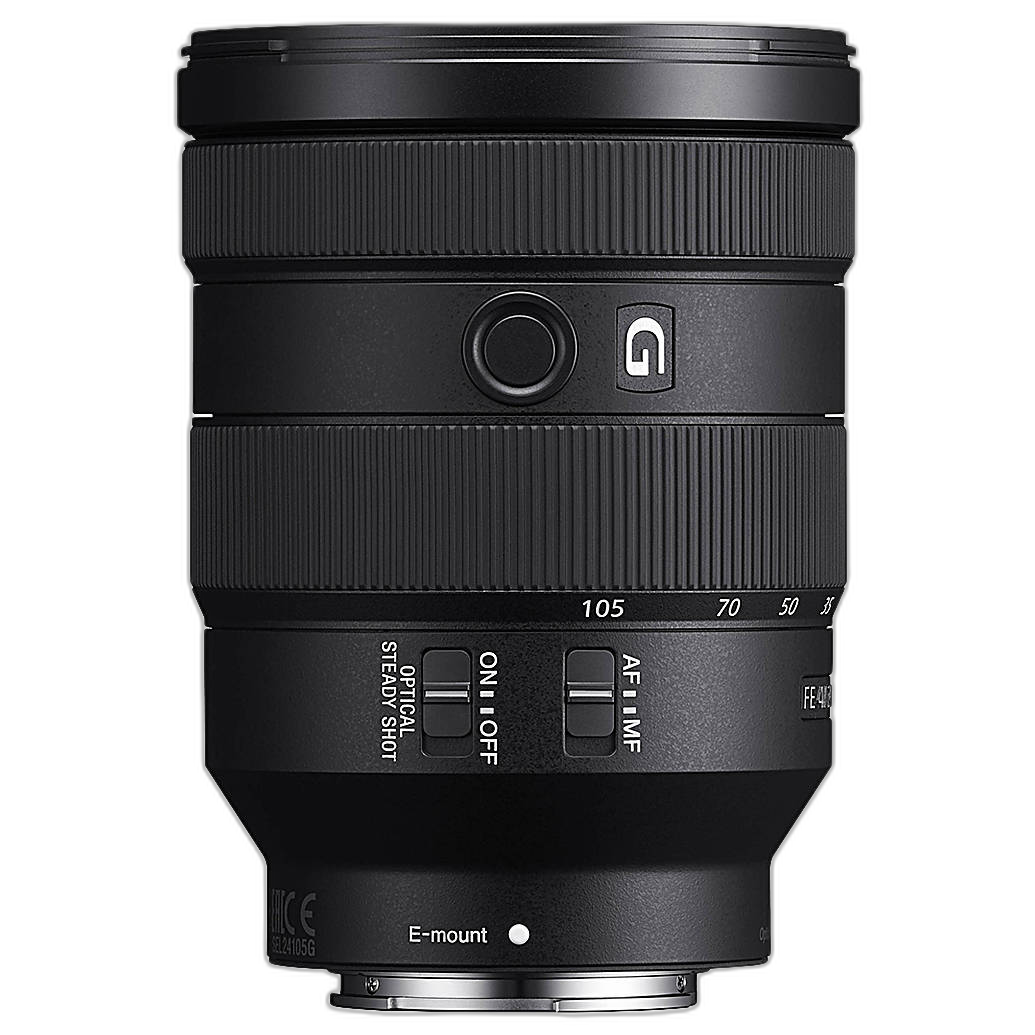
That said, portraits are also shaped heavily by focal length choice. If you like a bit more reach for headshots, compression, and event coverage, a lens like the Sony FE 24-105mm f/4 G OSS Lens may be worth considering. While it is an f/4 lens rather than f/2.8, its extended zoom range makes it a practical portrait and travel option for many Sony users.
For portrait photographers who mostly shoot in controlled light, the value equation often comes down to whether you need every bit of speed, background separation, and autofocus refinement available.
Are autofocus differences between Sony and Sigma meaningful in real use?
They can be, especially depending on your camera body and subject matter. On modern Sony bodies, native Sony lenses often offer the most seamless integration for subject tracking, eye AF, and burst shooting behavior. That does not automatically mean third-party lenses are inadequate, but it can mean the Sony lens feels a little more responsive or predictable in high-pressure situations such as weddings, events, or active portrait sessions.
If you mainly photograph landscapes, architecture, travel, or slower-paced portraits, autofocus differences may be minor in day-to-day use. If your income depends on capturing fleeting expressions or movement, even small gains in consistency can justify paying more for a native flagship lens.
Do color rendering and contrast differences really matter?
Yes, but usually in subtle ways. Lenses can differ in how they render contrast, color saturation, and tonal transitions before editing. Some photographers prefer the slightly more refined look they perceive from premium Sony glass, while others are perfectly satisfied with the output from Sigma, especially when editing RAW files.
For photographers who batch-edit large jobs, a lens whose files need less correction for contrast, flare, or edge consistency can save time over the course of a season. For casual or enthusiast shooters, those differences may be easy to normalize in post-processing. In other words, color and rendering matter most when you are sensitive to lens character or need repeatable results across many assignments.
Is the GM II build quality worth it if I mostly shoot from a tripod?
If your work is primarily tripod-based landscapes, product photography, or careful studio shooting, build quality still matters, but perhaps not in the same way it does for event and travel shooters. A higher-end build can give you better weather resistance, smoother controls, improved durability over years of use, and more confidence in harsh outdoor conditions. However, if your lens spends most of its time mounted in controlled situations, those advantages may not have the same financial value.
Tripod shooters often benefit more from optical performance at working apertures, resistance to environmental challenges, and overall reliability than from handling refinements alone. If you rarely work in rain, dust, or fast-paced environments, the lower-cost lens may be the smarter buy, freeing budget for other focal lengths that expand your system.
Which lens offers better value for hybrid shooters who do landscapes, portraits, and travel?
For hybrid shooters, value is about balancing performance, weight, versatility, and budget. If you want one lens to handle client portraits, family sessions, travel, and scenic work with minimal compromise, a 24-70mm f/2.8 is hard to beat. The Sony option is appealing if you prioritize top-tier autofocus, premium construction, and the strongest all-around native integration. The Sigma option is often attractive if you want professional results while keeping overall system cost more manageable.
There is also a case for choosing a different type of zoom entirely. The Sony FE 24-105mm f/4 G OSS Lens is especially compelling for travel and general-purpose photography because the extra reach reduces lens changes and increases convenience.
If your travel kit needs stronger wide-angle coverage for landscapes and interiors, pairing a standard zoom with the Tamron 16-30mm F/2.8 Di III VXD G2 Lens for Sony E can create a very flexible setup.
When should you spend more on the Sony instead of saving with the Sigma?
Spend more on the Sony if you are a demanding enthusiast or working professional who values every performance edge, especially in autofocus, handling, durability, and native system compatibility. It is also the stronger choice if you regularly shoot critical paid work where small gains in consistency are meaningful.
Save with the Sigma if your priority is maximizing image quality per dollar, especially for landscapes, travel, general portrait work, and less demanding action scenarios. For many photographers, the money saved can fund another lens, accessories, filters, memory cards, or even a workshop that improves results more than a modest optical gain would.
What is the best way to decide between them before buying?
The best approach is to match the lens to your actual shooting style rather than to internet debate alone. Ask yourself how often you shoot wide-open, how much you rely on continuous autofocus, whether you print large, how important weight and handling are, and whether your work happens in controlled conditions or unpredictable environments.
It also helps to think in terms of your full kit. A landscape-first shooter may be better served by adding a specialist wide lens such as the Sony FE 12-24mm f/2.8 GM Lens, while a travel-focused photographer may appreciate the convenience of the Sony FE 24-105mm f/4 G OSS Lens. System planning often leads to a better decision than comparing two lenses in isolation.
At Unique Photo, we help photographers compare lenses based on how they actually shoot, not just what a chart suggests. Explore our Sony and Tamron lens selection, and if you are building out a full-frame E-mount kit, shop with Unique Photo for expert guidance, competitive pricing, and gear that fits your real-world needs.