Travel Tripod FAQ: Lightweight, Stable, and Worth Packing?
Choosing a travel tripod is all about compromise: you want something light enough to carry all day, but sturdy enough to trust for long exposures, self-portraits, city night scenes, and landscape work. At Unique Photo, we usually recommend thinking beyond the tripod alone and considering the size and weight of your camera kit, because a compact camera setup can dramatically expand your tripod options.
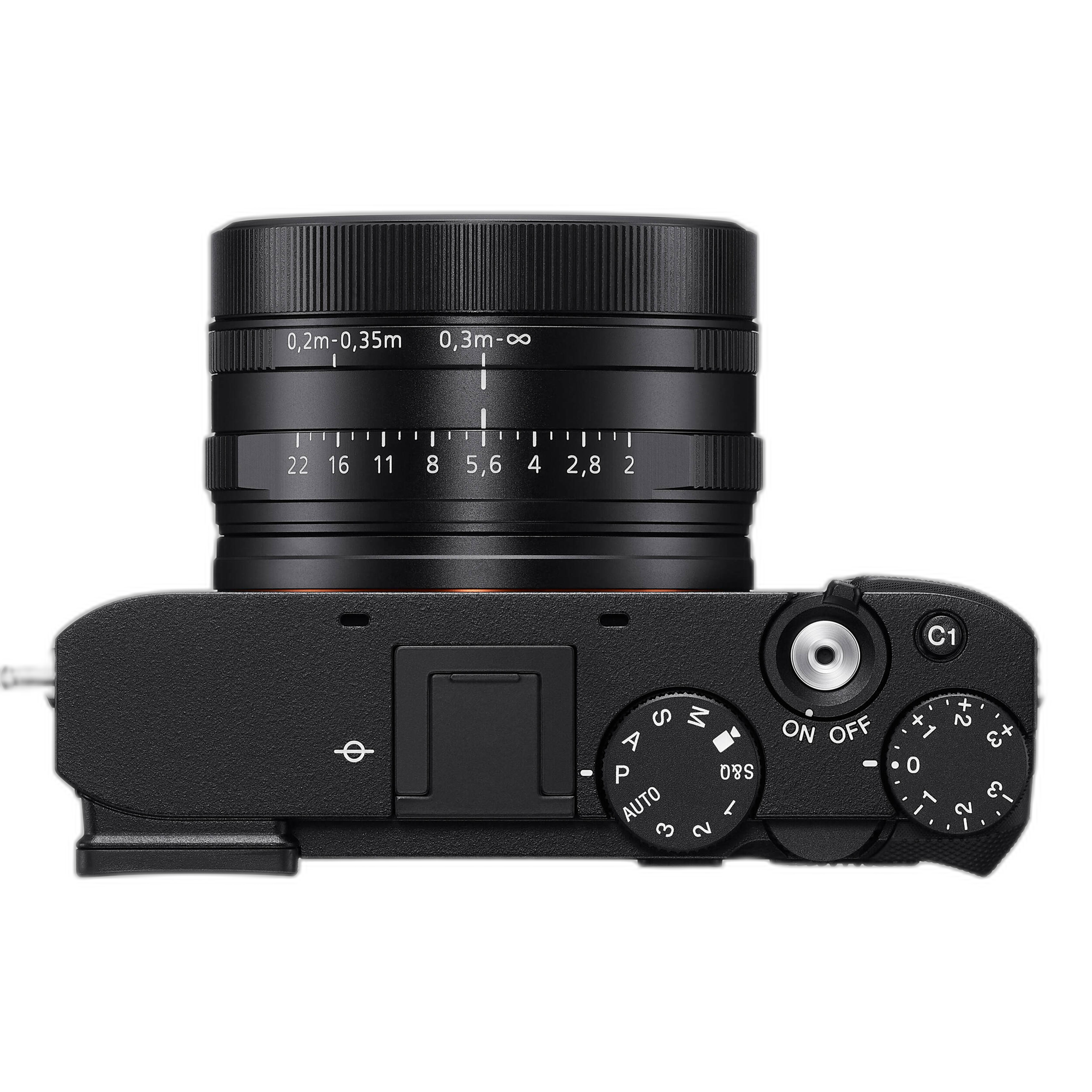
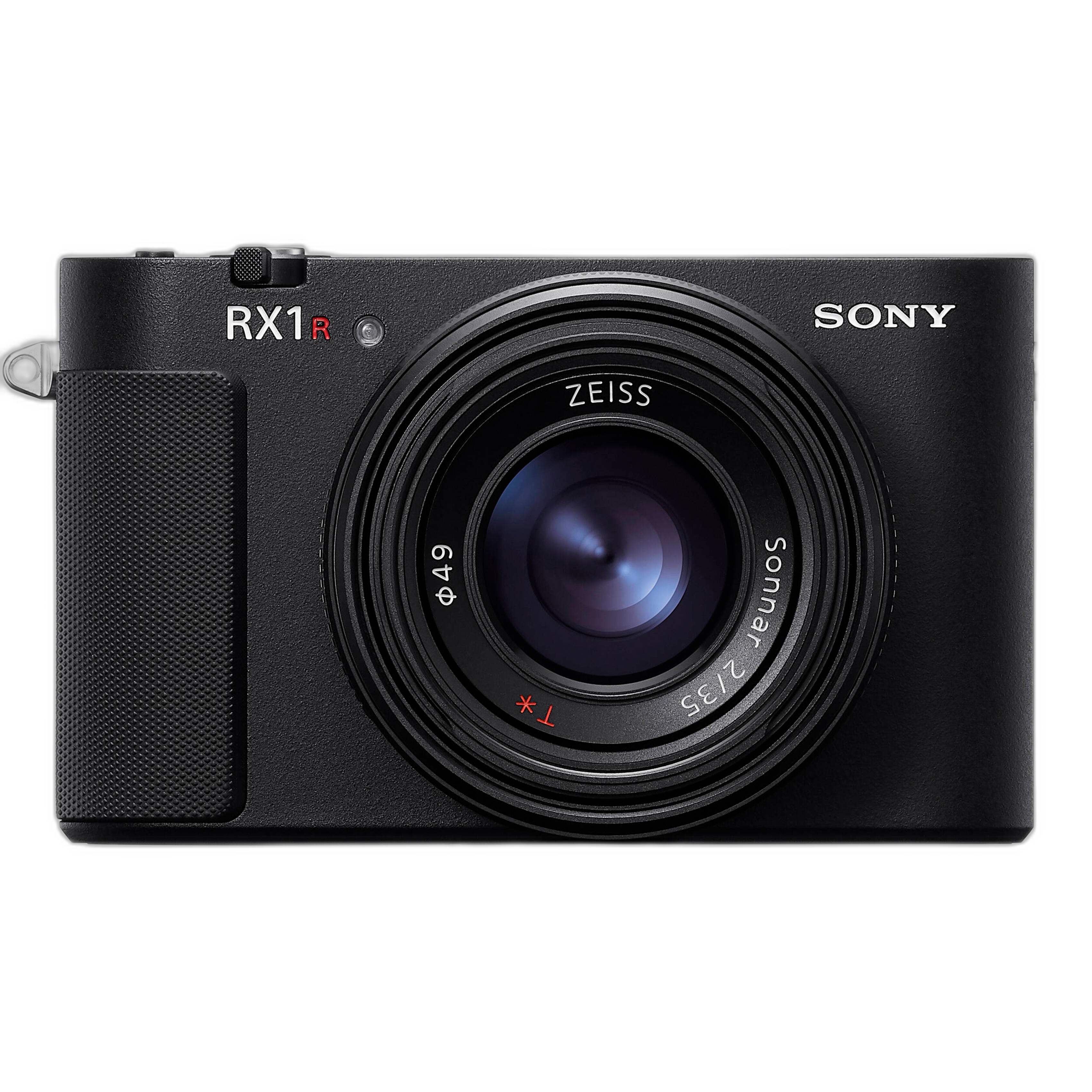
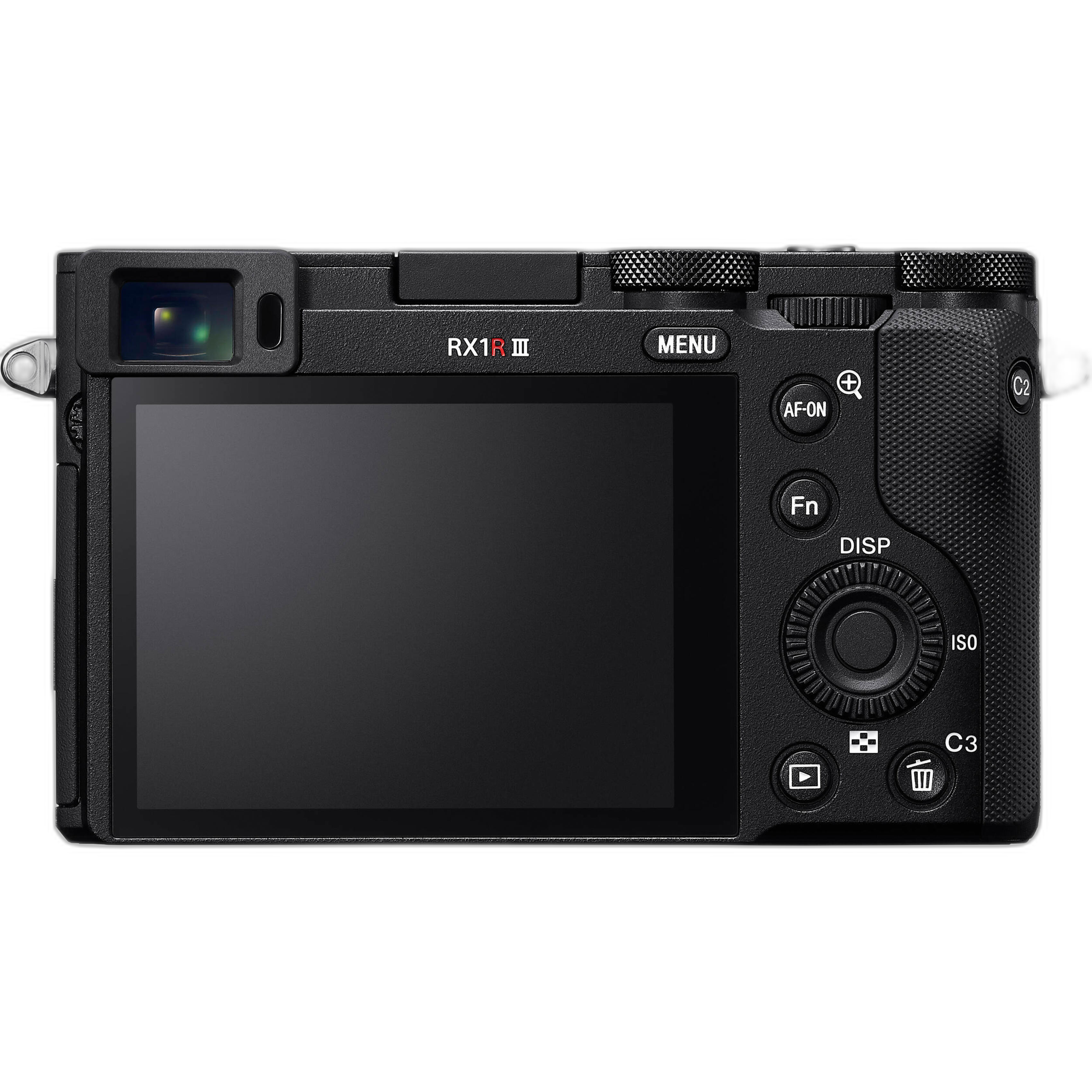
If you travel with smaller gear, you may be able to use a lighter support without giving up stability. For example, a compact full-frame camera such as the Sony RX1R III Premium Compact Camera keeps your overall load low, making a travel tripod more practical for flights, day trips, and long walking routes.
What is the lightest tripod that is still stable enough for long exposures?
The lightest tripod that still works for long exposures is not defined by weight alone. Stability depends on leg diameter, leg lock design, center column construction, head quality, ground conditions, and, most importantly, the camera and lens you place on top. In practical use, an ultra-light tripod can work very well for a compact camera or a small prime-lens setup, but the same tripod may struggle with larger lenses, wind, or uneven terrain.
For travel photographers shooting cityscapes, architecture, or landscapes at slower shutter speeds, the best approach is to buy the lightest tripod that still gives you a comfortable safety margin. If your kit is compact, you can often prioritize portability without sacrificing real-world results. That is one reason many travelers pair lightweight support with cameras like the Sony RX1R III, which delivers full-frame image quality in a much smaller package than an interchangeable-lens system.
Are carbon fiber tripods worth the extra cost for travel?
For frequent travelers, carbon fiber tripods are often worth the higher price. They are usually lighter than aluminum alternatives, easier to carry over long distances, and more pleasant to handle in cold weather. Better carbon fiber models also do a good job damping vibration, which can help when shooting long exposures or working in breezy conditions.
That said, value depends on how often you travel and how demanding your shooting style is. If you only occasionally use a tripod on vacation, an affordable aluminum model may be enough. But if you regularly fly, hike, or shoot sunrise and nighttime scenes, a lighter tripod tends to get packed more often and used more often. In other words, the best tripod is the one you are actually willing to bring.
How do premium travel tripods compare with cheaper alternatives?
Premium travel tripods usually justify their price through better folded size, cleaner engineering, faster setup, stronger locks, smoother heads, and better overall fit and finish. They are often designed to collapse more compactly, which matters if you want a tripod that fits inside or alongside a carry-on bag without becoming awkward.
Cheaper alternatives can still be very capable, especially if you are shooting a light camera setup. However, the differences tend to show up over time: leg locks may loosen sooner, the head may creep under load, or setup may be less refined. For photographers who travel often, convenience matters just as much as specifications. A tripod that deploys quickly and packs neatly can make it much easier to catch blue-hour light, spontaneous street scenes, or stable hotel-room video clips.
Does camera size affect which travel tripod you should buy?
Absolutely. One of the most overlooked ways to improve tripod stability is to reduce the size and weight of the camera system itself. A compact, high-quality camera places less strain on the tripod, which means you can often choose a smaller and lighter support than you would need for a larger mirrorless body with a heavy zoom lens.
The Sony RX1R III is a good example of a travel-friendly camera that can pair beautifully with compact support gear. Because the system stays relatively small, you can put more emphasis on portability while still keeping enough stability for long exposures and careful composition.
What features matter most in a travel tripod?
When comparing travel tripods, focus on folded length, total weight, load capacity, maximum height, minimum height, and the quality of the tripod head. For travel specifically, folded size is often critical. A tripod that folds short enough to fit in luggage or a backpack is far more convenient than one that must always be strapped to the outside.
Also pay attention to whether the tripod relies heavily on a center column to reach eye level. Raising the center column can reduce stability, so it is better when a tripod is reasonably tall even before the column is extended. Finally, look for dependable leg locks and feet that can handle mixed surfaces such as pavement, dirt, rock, and indoor flooring.
Can a travel tripod work for video as well as still photography?
Yes, but video places different demands on support gear. For still photography, stability during the exposure is the main concern. For video, smooth panning, tilt control, and resistance to small vibrations become much more important. If you shoot travel video, interviews, or event coverage, you may need a sturdier tripod or a more specialized head than you would for stills alone.
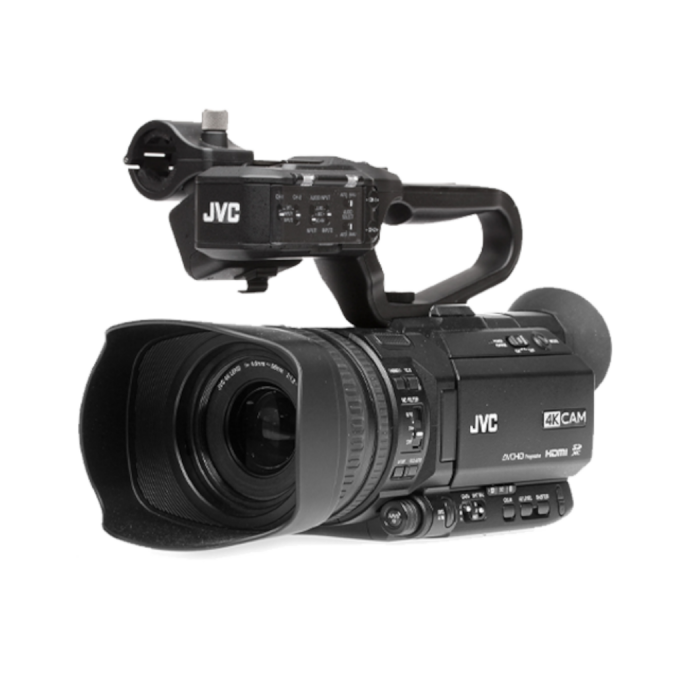
Compact camcorders can benefit from travel-friendly support, especially when shooting on location. For example, the JVC GY-HM250U Compact Handheld Camcorder with Integrated 12x Lens is designed for mobile video production, and using it on a stable tripod can improve framing consistency and reduce fatigue during extended shoots.
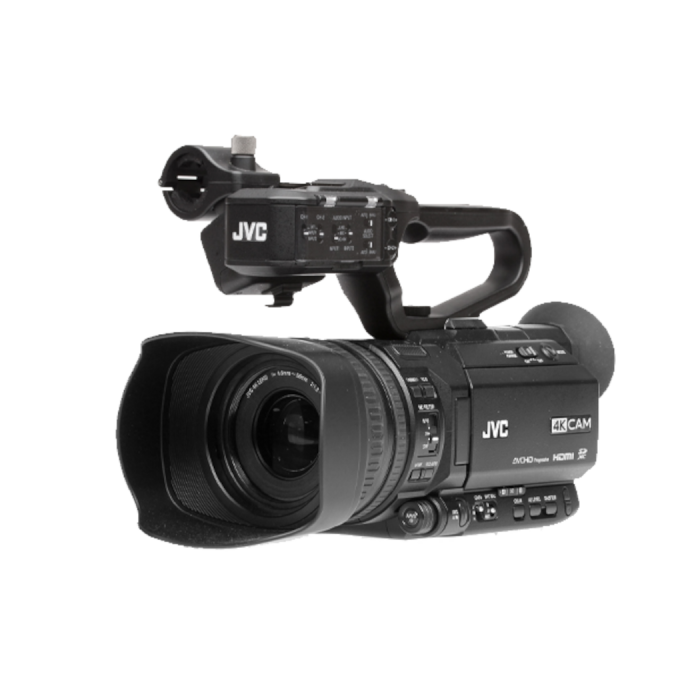
If your work includes sports or event-style production, a compact camcorder such as the JVC GY-HM250SP can also benefit from tripod support when you need a locked-off angle, steadier long-lens shots, or more polished footage on the road.
How much should you spend on a travel tripod?
A good rule is to match your tripod investment to both your camera kit and your travel frequency. If you travel once or twice a year and use a lightweight camera, an entry-level or midrange travel tripod may be perfectly reasonable. If you travel often, shoot in low light, or depend on your support gear for paid work, moving up to a better-built model usually makes sense.
It is also smart to think in terms of system value. A tripod protects image quality by reducing blur and helping you work at lower ISO settings or with longer exposures. If you already own premium camera gear, it makes little sense to undermine it with an unstable support system. Even a compact high-end camera deserves a tripod that complements its performance.
What is the best way to improve stability from a lightweight tripod?
Even a compact travel tripod can perform better with good technique. Spread the legs wider when possible, avoid extending the center column unless necessary, and keep the thickest leg sections extended first. On windy days, use your body as a windbreak, shoot with a remote release or self-timer, and make sure the tripod is planted on solid ground.
Another major factor is keeping the camera setup balanced and compact. Smaller cameras are easier to stabilize on lightweight supports, which is one reason compact full-frame travel cameras remain so appealing. If portability is a top priority, combining a camera like the Sony RX1R III with a well-chosen travel tripod can be an especially efficient solution.
Should you prioritize folded size or maximum height?
For most travelers, folded size deserves slightly more attention than maximum height. A tripod that is easy to pack is much more likely to come with you, while a tall tripod that is inconvenient to carry may stay behind in the hotel room. That said, height still matters for comfort, especially during long shooting sessions.
The ideal balance is a tripod that reaches a useful working height without requiring full center column extension, yet still folds small enough to fit your bag. If you use a compact camera or camcorder, you may be able to choose a shorter, lighter tripod without compromising usability. Smaller gear gives you more flexibility, which is a real advantage for travel.
At Unique Photo, we recommend choosing your travel tripod as part of a complete portable imaging kit. Whether you are pairing support gear with a compact full-frame camera like the Sony RX1R III or building a lightweight video setup around a JVC handheld camcorder, the right balance of portability and stability makes every trip more productive. Explore travel-friendly cameras and accessories at Unique Photo to build a setup you will actually want to bring everywhere.