
If you shoot weddings, corporate events, concerts, school performances, or fast-moving social content, the mirrorless vs. DSLR question is no longer just about preference—it’s about workflow, autofocus reliability, stabilization, low-light confidence, and how much gear you want to carry for long days. This guide is for event videographers who want the current real-world consensus, plus a few smart camera picks available at Unique Photo.
The short version: for most event videography in 2026, mirrorless is the clear recommendation. Modern mirrorless cameras generally offer better subject-detection autofocus, stronger video feature sets, improved live exposure preview, more advanced stabilization options, and more compact bodies. DSLRs can still work, especially if you already own lenses and know your system well, but they are no longer the default recommendation for video-first event coverage.
Why Mirrorless Has Become the Consensus for Event Video
Event videography is demanding. Light changes constantly, subjects move unpredictably, and there are no do-overs for key moments like vows, speeches, entrances, or first dances. Mirrorless cameras have pulled ahead because they address those exact pain points better than most DSLRs.
- Autofocus: Eye, face, and subject-detection AF in mirrorless bodies is now a major advantage for solo shooters and hybrid teams.
- Video tools: Mirrorless models more often include advanced codecs, high-resolution video options, log profiles, better monitoring tools, and cleaner HDMI workflows.
- Electronic viewfinders and LCD preview: What you see is much closer to what you get, which helps in mixed lighting and fast exposure changes.
- Stabilization: Many mirrorless bodies offer highly effective in-body image stabilization, which is useful for handheld coverage and roaming gimbal-free work.
- Size and weight: Smaller bodies can reduce fatigue over long shoots, especially when paired with compact lenses or support rigs.
That said, DSLRs still have a few strengths. They can offer excellent battery life, familiar ergonomics, and great value if you already own a full lens ecosystem. But if you are buying today with event video in mind, the market has largely settled on mirrorless.
Mirrorless vs. DSLR at a Glance
| Category | Mirrorless | DSLR |
|---|---|---|
| Autofocus for video | Usually best-in-class with subject detection | Often less advanced in live view/video |
| Video features | Typically broader and more current | Often more limited on newer buying options |
| Live exposure preview | Excellent via EVF/LCD | Optical finder does not preview exposure |
| Body size | Usually smaller and lighter | Often larger and heavier |
| Battery life | Usually shorter | Often stronger |
| Lens ecosystem | Strong and growing rapidly | Strong, but many systems are aging |
| Best current choice for event video | Yes | Mainly for existing users on a budget |
What Event Videographers Should Prioritize
When shopping for an event camera, don’t just chase headline resolution. Prioritize the features that directly improve deliverables and reduce missed moments:
- Reliable continuous autofocus for walking subjects and candid coverage
- Strong low-light performance for receptions, banquet halls, and stage work
- Stabilization for handheld B-roll and fast repositioning
- Codec and profile options for color flexibility in post
- Heat management and recording reliability for long-form events
- Card redundancy and professional handling for paid work
- Comfortable ergonomics for 8-to-12-hour shooting days
Our Pick
For most event videographers, a modern full-frame mirrorless body is the smartest investment. It gives you the strongest balance of autofocus, low-light performance, modern video tools, and system longevity. If you want the broadest recommendation from today’s consensus, start there.
Recommended Cameras for Event Videography
Sony a7R VI Mirrorless Camera
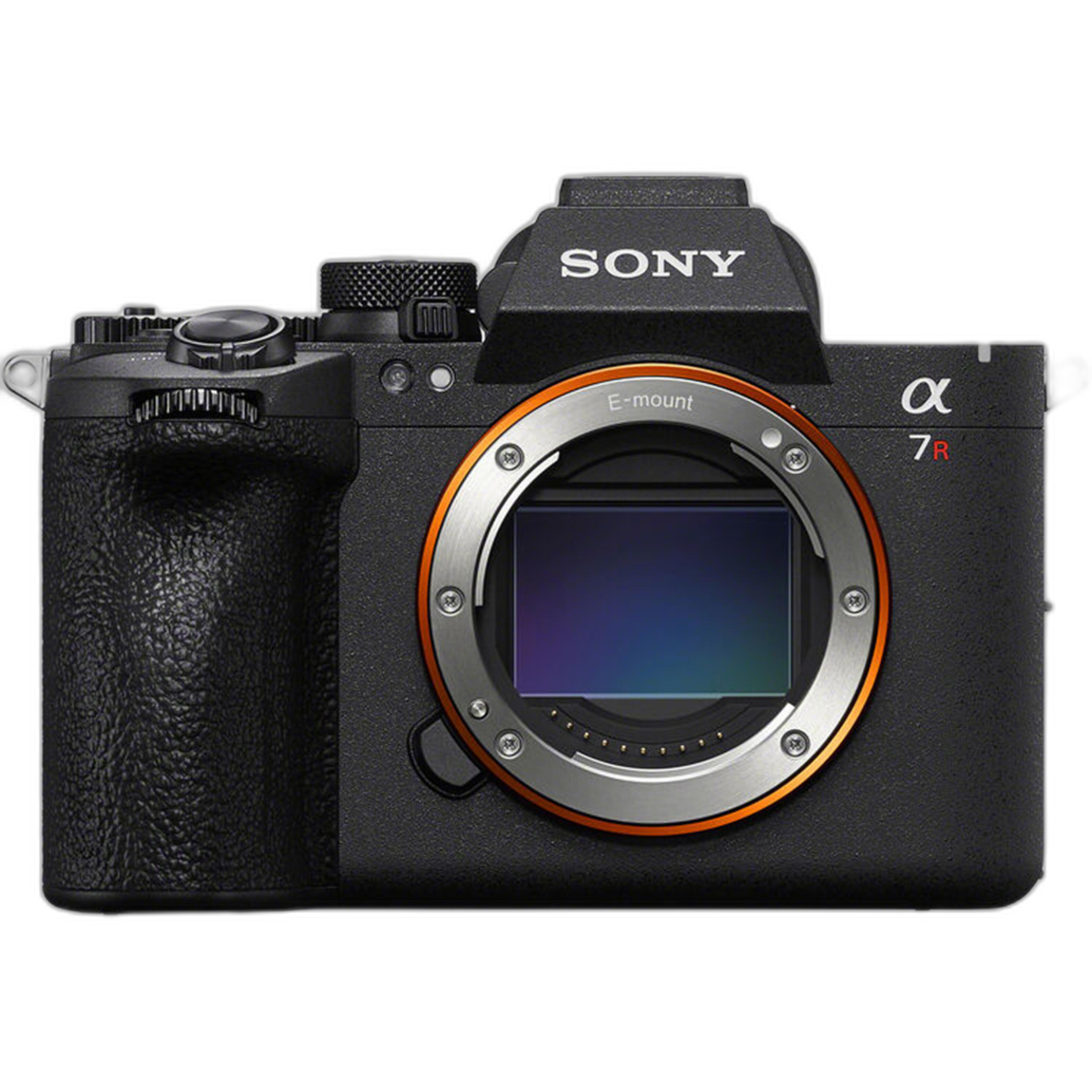
The Sony a7R VI Mirrorless Camera is a compelling option for event shooters who need a premium hybrid body with the benefits of Sony’s mature mirrorless ecosystem. For video, Sony remains one of the first systems many professionals consider because of its autofocus performance, broad lens selection, and deep support across accessories, cages, monitors, and gimbals.
For event videography, this kind of body makes sense for professionals who shoot both high-end photo and video coverage and want one camera that can do both at a high level. If your business includes weddings, corporate storytelling, red carpet work, or live event highlight reels, a full-frame Sony mirrorless body is aligned with the current industry consensus.
- Excellent choice for hybrid shooters
- Strong autofocus ecosystem for unpredictable subjects
- Full-frame format is well suited to low-light event work
- Ideal for users investing in a modern mirrorless platform
Used Fair Canon EOS R3 Mirrorless Digital Camera (Body Only)

If speed, responsiveness, and professional dependability matter most, the Used Fair Canon EOS R3 Mirrorless Digital Camera is a very interesting event-video choice. Buying used can also be a smart move for professionals who want flagship-level handling and performance without stretching the budget as far as a new premium body might require.
The EOS R3 line is associated with pro-level operation, fast acquisition, and strong subject tracking—exactly the traits event shooters value when moments happen once and fast. For hybrid event teams or videographers who also cover high-speed moments on the photo side, this is an appealing mirrorless option.
- Pro-oriented body style and handling
- Excellent fit for demanding paid event work
- Used inventory can offer strong value
- A great step up for serious shooters moving beyond entry-level gear
Used Nikon Zf Mirrorless Camera with 40mm f/2 SE Lens - Excellent
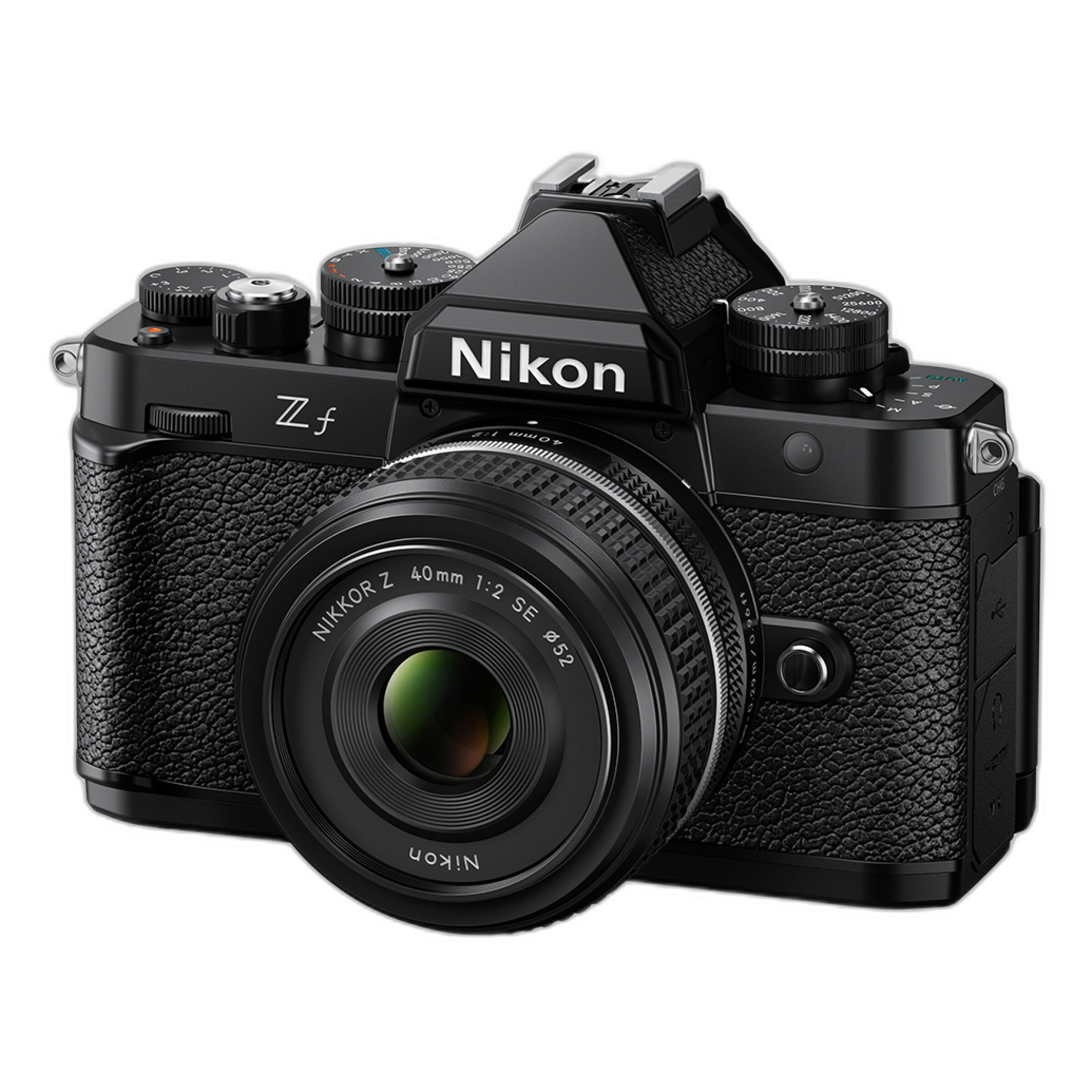
The Used Nikon Zf Mirrorless Camera with 40mm f/2 SE Lens offers a different kind of event-video value: portability, style, and a ready-to-shoot kit. For solo creators, content teams, and event shooters who want a lighter setup for behind-the-scenes clips, social edits, or documentary-style coverage, this package can make a lot of sense.
The included 40mm f/2 lens is especially attractive for general-purpose storytelling. It is a useful focal length for candid coverage, venue details, prep footage, and natural-looking walkaround clips. While a cinema-style or multi-camera event business may eventually require a more specialized setup, this is a practical entry into a current-generation mirrorless workflow.
- Useful all-around lens included
- Good fit for creators building a compact event kit
- Used gear can improve value
- Strong option for documentary-style event coverage
OM SYSTEM OM-5 Mirrorless Camera (Silver, Body Only)
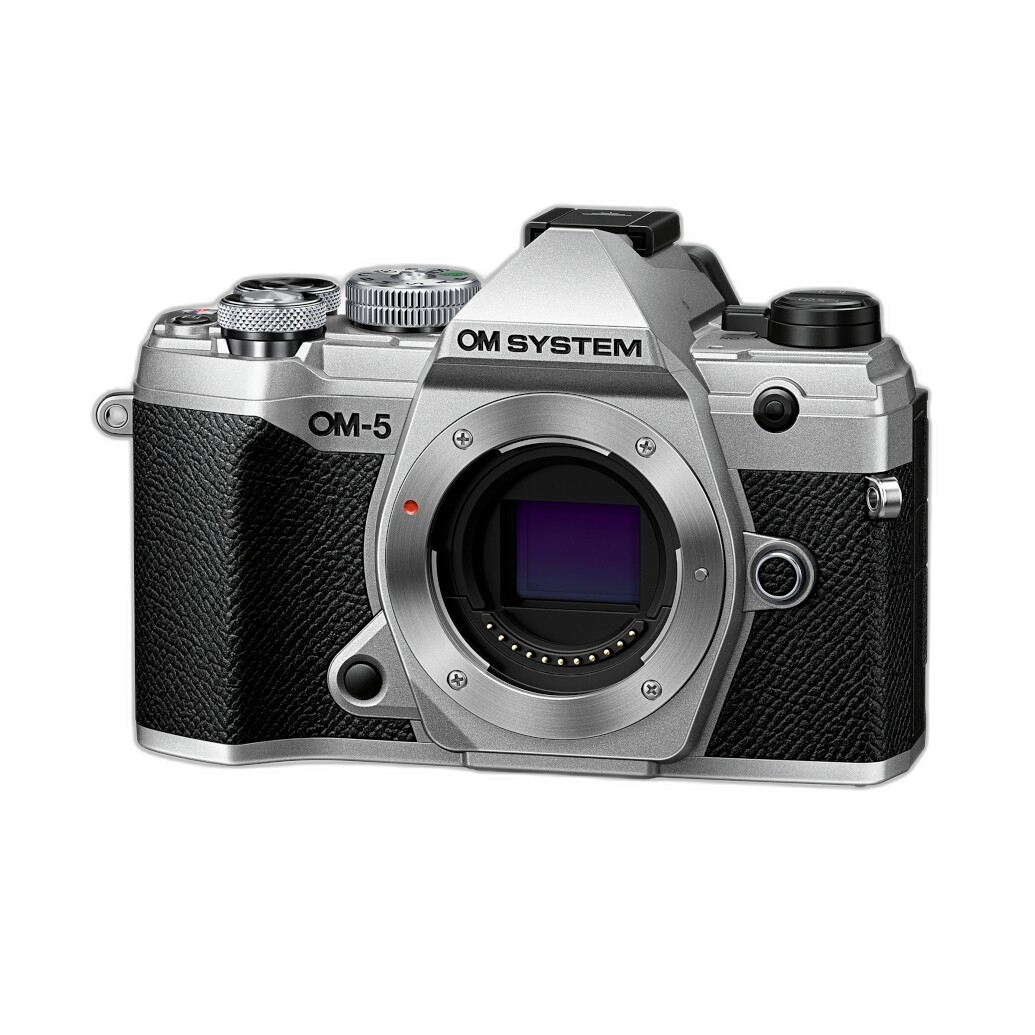
The OM SYSTEM OM-5 Mirrorless Camera is worth considering if portability is a top priority. Not every event videographer needs the largest sensor or the bulkiest rig. For travel event work, lightweight setups, gimbal-friendly shooting, or creators who prioritize mobility, the OM-5 offers the fundamental mirrorless benefits in a compact body.
This camera makes the most sense for videographers who want to move quickly, stay discreet, or build a smaller kit around lightweight lenses. While many full-time event pros may still prefer full-frame for the toughest low-light jobs, compact mirrorless bodies like this can be excellent for daytime events, social content coverage, and run-and-gun production.
- Compact and easy to carry all day
- Great for travel, walkaround, and lightweight support setups
- Mirrorless advantages in a smaller package
- Appealing for creators who value mobility over maximum body size
Best Choice by Type of Event Shooter
| Shooter Type | Best Fit | Why |
|---|---|---|
| High-end wedding and hybrid pro | Sony a7R VI | Premium mirrorless platform with strong hybrid appeal |
| Demanding professional event coverage | Used Canon EOS R3 | Pro handling and strong performance potential at used value |
| Compact documentary/social shooter | Used Nikon Zf with 40mm f/2 | Versatile ready-to-go kit with lighter footprint |
| Travel and lightweight event creator | OM SYSTEM OM-5 | Portable mirrorless body for agile shooting |
Helpful Accessories and Education
Think Tank V2 Mirrorless Mover 10 Cool Grey
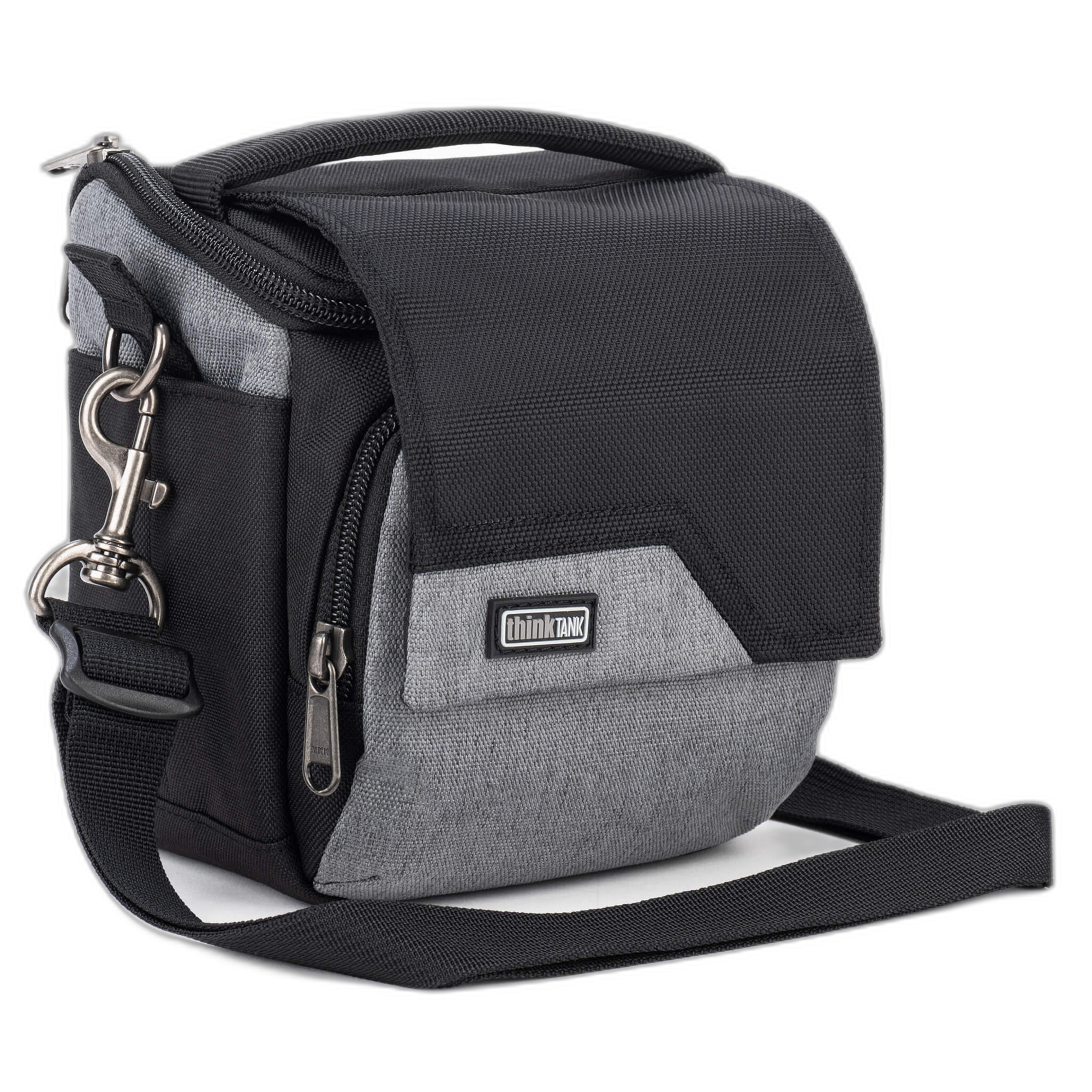
One understated advantage of switching from DSLR to mirrorless for event work is that your kit can often become smaller and easier to manage. The Think Tank V2 Mirrorless Mover 10 Cool Grey is a smart accessory choice for keeping a streamlined event setup protected and organized. For shooters carrying one body and a small lens set, a purpose-built mirrorless bag can improve speed on location.
Understanding Your Sony Mirrorless Camera: Intermediate (Sony)
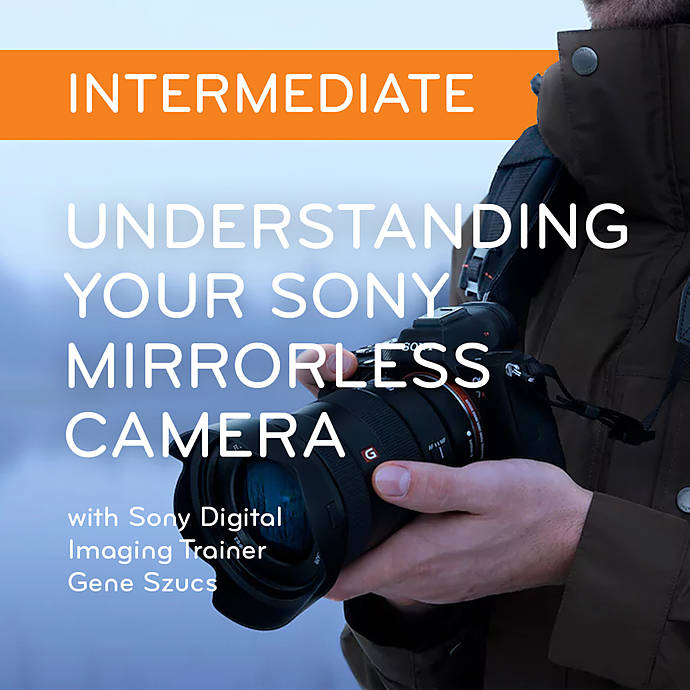
If you are moving into Sony for event work, education matters. Understanding Your Sony Mirrorless Camera: Intermediate (Sony) is a useful add-on for creators who want to get more from autofocus settings, menu customization, and shooting workflow. With event videography, faster setup and better familiarity can make a real difference in the field.
So, Should You Still Buy a DSLR for Event Videography?
In most cases, no—not if you are starting fresh. The consensus today is that mirrorless is the better long-term investment for event video. DSLR systems still have life left in them, and experienced users can absolutely produce excellent work with DSLR gear, but newer buyers will usually get more current autofocus performance, stronger video tools, and a more future-facing lens roadmap by choosing mirrorless.
The practical exception is budget and existing ownership. If you already have a DSLR system with dependable lenses and your current work does not demand advanced tracking autofocus or newer video features, it can still make sense to keep using what you know. But for a new purchase, mirrorless wins.
Final Recommendation
If you are shopping for event videography gear today, buy mirrorless unless you have a very specific reason not to. For professionals who want a premium all-around system, the Sony a7R VI Mirrorless Camera is the standout recommendation here. If you want pro-level capability with used-market value, the Canon EOS R3 is especially attractive. For lighter, more compact workflows, the Nikon Zf kit and OM SYSTEM OM-5 are both worthwhile options.
Whether you are upgrading from DSLR or building your first serious event-video kit, Unique Photo is a great place to compare bodies, explore used gear, and round out your setup with classes and accessories that help you work faster and more confidently on real jobs.