Best Beginner Cameras Under $1000 in 2024: FAQ for New Photographers
Shopping for your first serious camera can feel overwhelming, especially when popular entry-level mirrorless models dominate every recommendation list. At Unique Photo, we help new photographers narrow the field by focusing on what matters most: ease of use, lens options, long-term growth, and overall value.
If you are comparing beginner cameras in the under-$1000 range, this FAQ covers the most common questions we hear from shoppers who want a capable, modern system they can actually learn with.
1. What should beginners look for in a camera under $1000?
The best beginner camera is not just the one with the most impressive spec sheet. For most new photographers, the right choice is a camera that offers reliable autofocus, good image quality, comfortable handling, simple menus, and an affordable lens system that makes it easy to grow over time. It is also smart to think about your primary use case. If you want family photos, travel, and everyday shooting, portability and ease of operation matter a lot. If you want video content creation, features like a flip screen, microphone input, and dependable subject tracking become more important.
In this price range, the strongest values are usually mirrorless cameras with kit lenses. A good kit gets you shooting immediately while giving you room to add lenses and accessories later.
2. Is the Canon R50 or Sony ZV-E10 a better choice for a newbie?
Both are strong beginner-friendly options, but they serve slightly different users. The Canon EOS R50 is a great all-around starter camera for someone who wants an approachable hybrid model for stills and video. Canon's guided interface, responsive autofocus, and compact design make it especially welcoming for first-time camera owners. It is often the easier camera to recommend to someone who wants to learn photography without fighting the controls.
The Sony ZV-E10 is especially appealing for creators who are more video-focused. It is popular because of its compact body, strong autofocus performance, flip-out screen, and access to Sony's broad E-mount ecosystem. If your top priority is vlogging, YouTube, or social content, the ZV-E10 often stands out.
Our general advice is simple: choose the Canon R50 if you want a more photography-first beginner experience with strong hybrid performance, and choose the Sony ZV-E10 if your workflow leans more heavily toward video creation and future Sony lens expansion.
3. Which camera is easier to learn on as a complete beginner?
For many first-time users, Canon's entry-level interface tends to feel more intuitive. The R50 is well suited to someone stepping up from a smartphone because it does a good job blending automatic assistance with the ability to learn manual controls gradually. Beginners often appreciate a camera that helps them get sharp, colorful photos right away while still teaching the fundamentals over time.
That said, ease of learning is also influenced by the support around the camera. Hands-on classes, in-store guidance, and opportunities to review your work can make a huge difference. Unique Photo regularly offers educational opportunities and events for photographers looking to improve their skills, including portfolio-oriented learning experiences.
If you are serious about growing, pairing the right camera with education is often more valuable than chasing one extra feature on a spec sheet.
4. What lenses should I consider with a starter camera kit?
For most beginners, the kit lens is the right place to start. A standard zoom gives you flexibility for portraits, travel, family moments, and everyday practice. It also helps you discover what focal lengths you enjoy before you invest in additional glass.
After that, lens choice depends on your goals. If you buy into Sony's E-mount system and eventually want to explore landscapes, architecture, or dramatic environmental portraits, an ultra-wide lens can become a valuable addition. For example, the Zeiss Batis 18mm f/2.8 AF lens for Sony full-frame E-mount cameras is a premium wide-angle option that showcases the long-term expansion potential of the Sony ecosystem.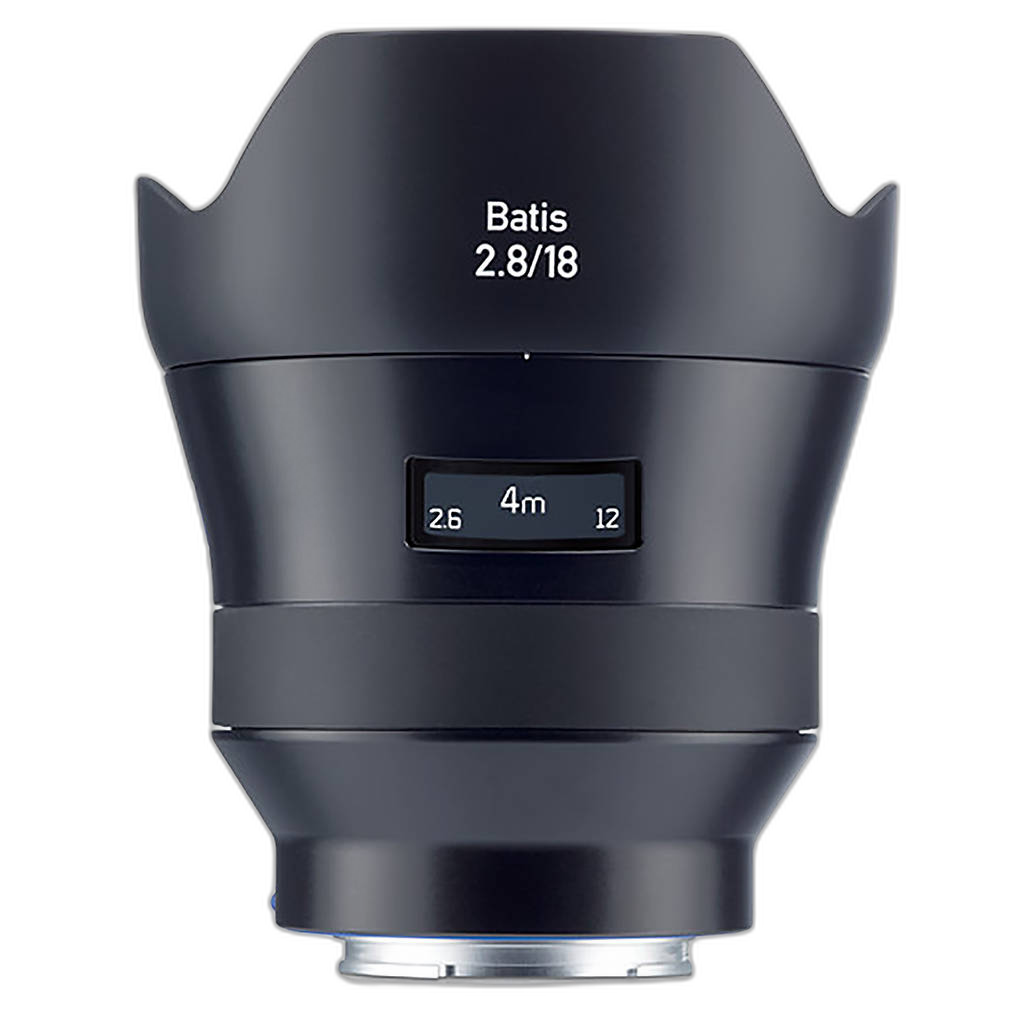
While this particular lens is more advanced than what most beginners need on day one, it illustrates an important point: choosing a camera system is really about choosing a lens roadmap. Start with the kit lens, then add based on what you actually shoot.
5. Are there cheaper alternatives that still offer good image quality for learning?
Yes. If your main goal is learning exposure, composition, autofocus, and editing, you do not need to spend right up to the $1000 limit. Many affordable entry-level cameras and value-oriented mirrorless kits still produce excellent image quality, especially when paired with good light and thoughtful technique. In many cases, spending a bit less on the body and saving room in your budget for an extra battery, memory card, or educational support is the smarter move.
Image quality differences between modern beginner cameras are often smaller than people expect. The bigger differences usually come from autofocus behavior, lens selection, ergonomics, and video features. If a lower-priced camera feels comfortable in your hands and gives you a simple path to better lenses later, it can be a very smart buy.
6. Should beginners spend more on accessories or put everything into the camera body?
Beginners usually get better results by leaving room in the budget for practical accessories rather than spending every dollar on the body alone. A camera is only as useful as the shooting setup around it. For some users, that means a bag, memory cards, and spare power. For others, it may mean streaming tools, webcam accessories, or protective support items.
If you are considering an older Canon Rebel as a low-cost learning platform and want to use it for livestreaming or video calls, the Canon EOS Webcam Accessories Starter Kit can be a useful add-on.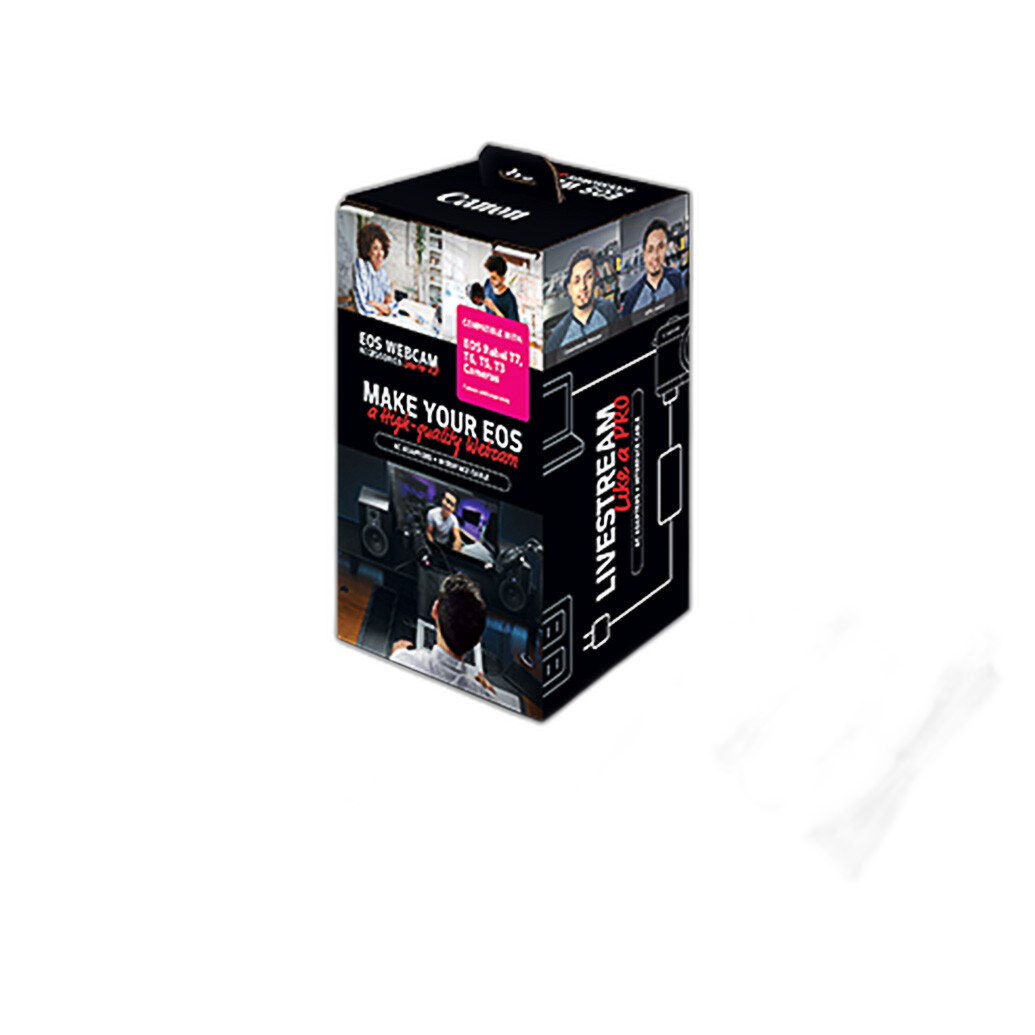
Likewise, if you are building around Sony E-mount gear and want to protect your equipment when changing lenses, even simple accessories like a body cap matter for keeping your camera in good condition over time.
7. Is it better to buy a camera for photography, video, or both?
Most beginners benefit from buying a hybrid camera that can do both reasonably well. Interests change quickly. Many shoppers start out wanting family photos, then become interested in short-form video, travel content, or portraits. A beginner-friendly hybrid camera lets you experiment without needing to replace your setup right away.
If still photography is your primary goal, prioritize ergonomics, viewfinder comfort, and lens options. If video is a major priority, look closely at autofocus during recording, microphone support, screen articulation, and stabilization options. The Canon R50 and Sony ZV-E10 both make sense here, but the Sony tends to attract more video-first users while the Canon often feels more balanced for general-purpose learning.
8. How important is system growth for a first camera?
It matters more than many beginners realize. Your first camera should not just meet your needs today; it should also give you room to try new subjects tomorrow. A strong lens ecosystem, readily available accessories, and a clear upgrade path make ownership much more satisfying in the long run.
Sony users often appreciate the breadth of E-mount lens options across price tiers, from starter lenses to premium optics like the Zeiss Batis line.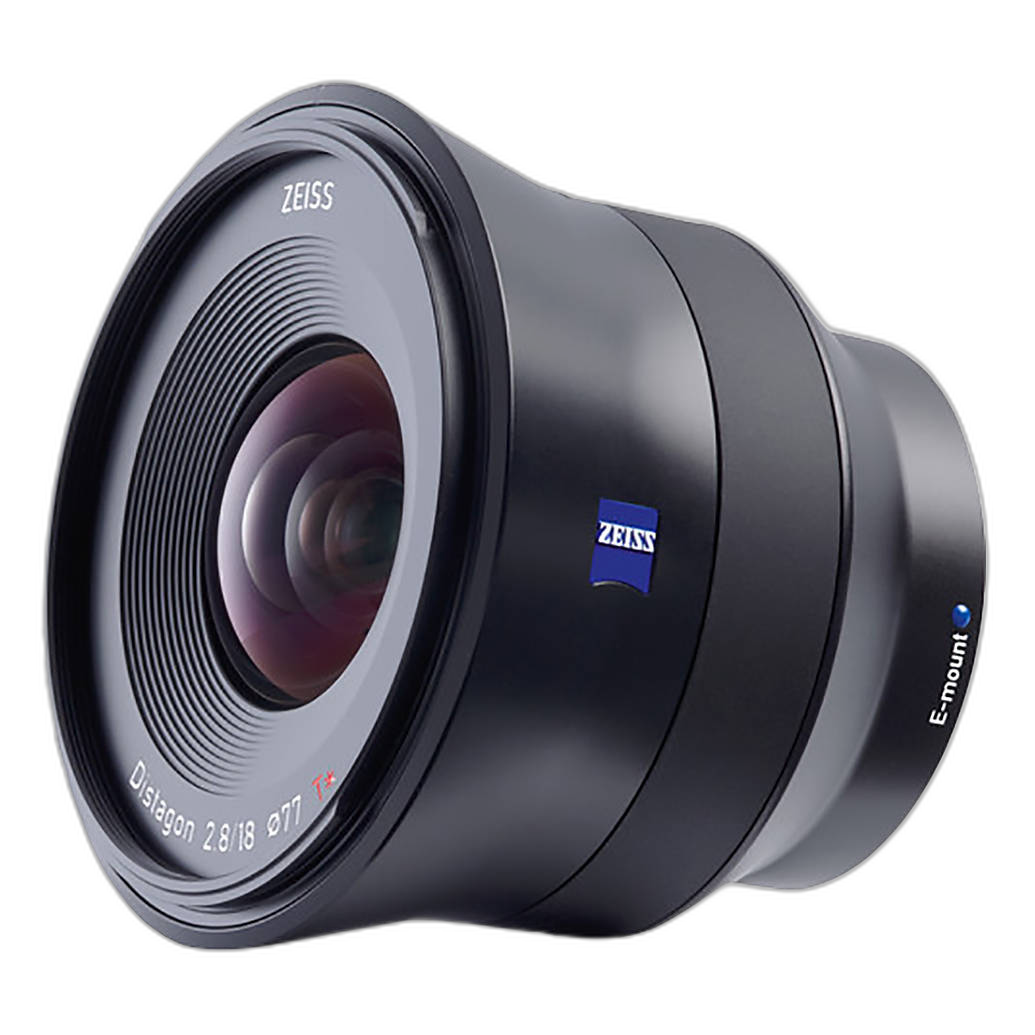
Canon users may value the brand's approachable handling and straightforward path into the EOS mirrorless family. Either way, the real question is not just which body you buy first, but which system you want to learn and grow with over the next several years.
Choosing a beginner camera under $1000 is really about matching the camera to your goals, not chasing hype. If you are deciding between options like the Canon R50, Sony ZV-E10, or other affordable starter kits, Unique Photo can help you compare systems, lenses, and accessories so you build a setup that makes sense from day one. Explore cameras, lenses, and learning opportunities at Unique Photo to get started with confidence.