Sony portrait lenses: what photographers are comparing right now
When photographers start comparing Sony portrait lenses, the conversation usually centers on three things: facial rendering, skin tone friendliness, and how backgrounds look at different focal lengths. If you've been reviewing Lens Compare Beta results and wondering which lens choice leads to more flattering portraits, you're asking the right questions.
For portrait work, the lens you choose affects much more than sharpness. Focal length changes perspective, subject-to-background separation changes the feel of the image, and contrast plus color rendering can influence how easy it is to create natural-looking skin tones in post. At Unique Photo, many Sony shooters narrow their choices not by lab specs alone, but by how a lens draws faces in real-world sessions.
In general, classic portrait focal lengths for Sony full-frame cameras fall in the 50mm to 135mm range, though some photographers love environmental portrait lenses around 35mm to 40mm. Wider options can work too, but once you go very wide, facial proportions can become less flattering unless you're intentionally using that look.
What focal length is best for flattering portraits on Sony?
If your goal is flattering portraits with natural facial proportions, 85mm is often the first recommendation. It provides a comfortable working distance, gentle compression, and pleasing background blur. That said, it is not the only answer.
Here's how common portrait focal lengths typically behave:
50mm: Great for half-body portraits, lifestyle work, and environmental portraits. It feels natural, but if you get too close for a tight headshot, facial features can start to look slightly exaggerated.
85mm: A classic headshot and portrait focal length. It flatters facial structure and gives backgrounds a softer, more compressed appearance.
105mm: Excellent for tighter portraits and elegant compression. Many photographers love this range for beauty work and outdoor portraits.
135mm: Ideal for dramatic separation and very flattering compression, though it requires more working distance.
35mm to 40mm: Better for environmental portraits where the setting matters. These focal lengths can look amazing when used carefully, especially when the subject is not positioned too close to the lens.
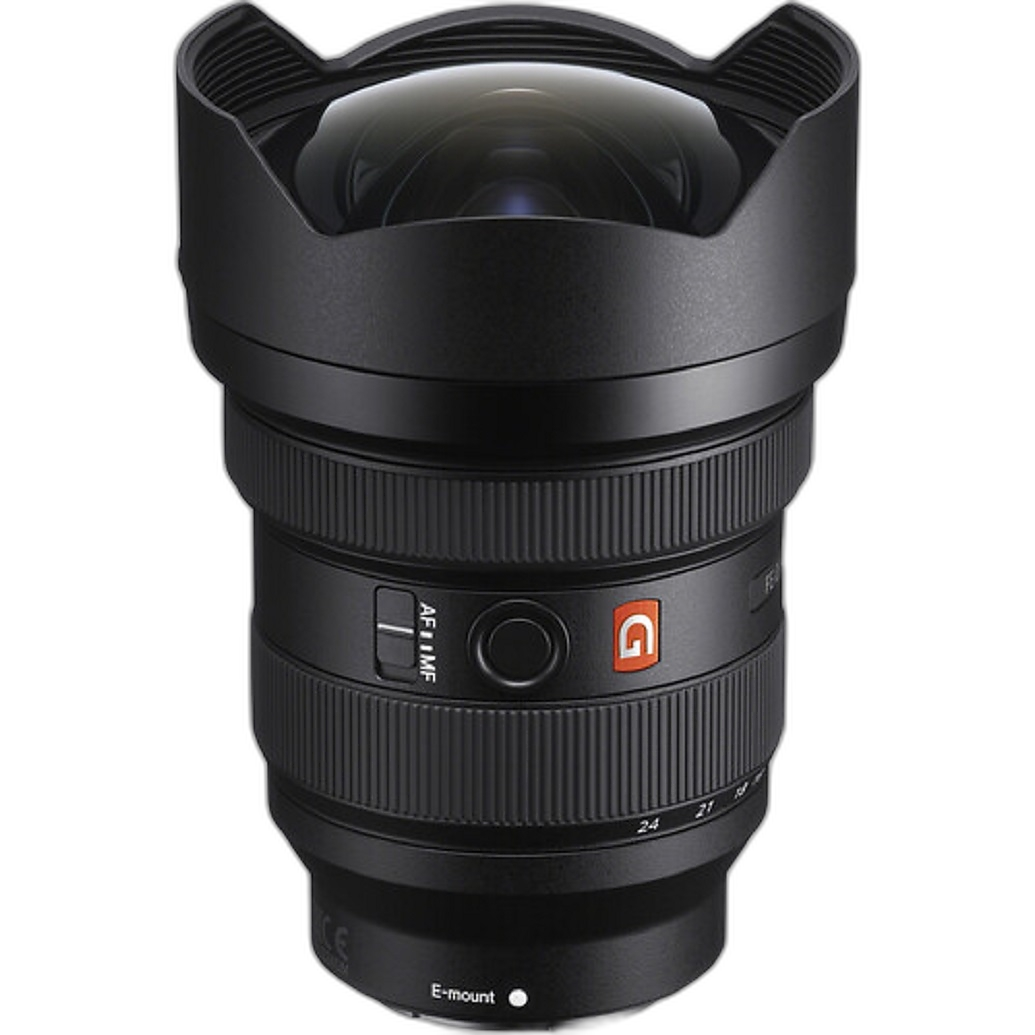
While an ultra-wide lens like the Sony FE 12-24mm f/2.8 GM is not a traditional portrait lens, it can be useful for bold editorial environmental portraits where you want the location to dominate the frame.
How Lens Compare Beta results help when choosing a Sony portrait lens
Lens comparison tools are helpful, but they should be interpreted correctly. When users share Lens Compare Beta screenshots, they often focus on center sharpness, edge detail, distortion, or contrast. For portrait photography, those metrics matter, but not always in the same way they matter for landscape or architecture shooting.
For portraits, pay closer attention to these practical takeaways:
Microcontrast: Higher contrast can make images look crisp and premium, but it can also emphasize skin texture more aggressively.
Color rendering: Slight differences in warmth, magenta, or neutrality can influence skin tone treatment.
Bokeh transitions: The way a lens moves from sharp focus to blur often matters more than raw blur amount.
Compression and perspective: This comes from focal length and camera distance, not just aperture.
Field curvature and edge behavior: Less important for tight portraits, more important for group portraits or environmental scenes.
A comparison chart may tell you one lens is technically sharper, but in portrait work, many shooters still prefer the lens that produces smoother transitions, gentler contrast, or more flattering rendering. That is why real-world testing remains valuable. Unique Photo customers often compare zooms and primes by asking not simply which one is sharper, but which one makes people look their best.
Best Sony lens choices for portraits: primes vs zooms
When choosing between portrait primes and zooms, the right answer depends on your workflow.
Primes usually offer wider apertures, stronger background blur, and a more specialized rendering style. They are often preferred for dedicated portrait sessions, beauty work, and low-light shooting.
Zooms provide flexibility and speed. If you shoot events, family sessions, senior portraits, or content that quickly shifts from full-body to close-up compositions, a quality zoom can be the more practical tool.
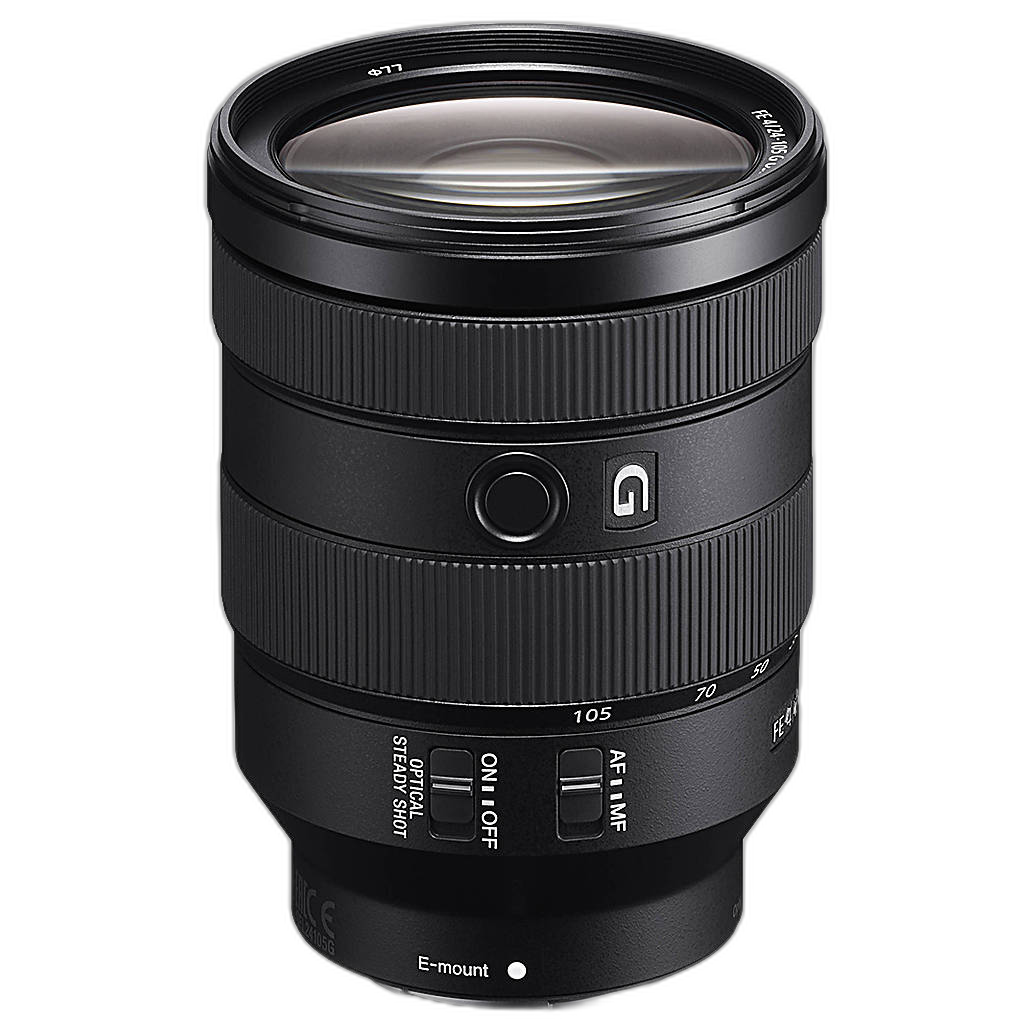
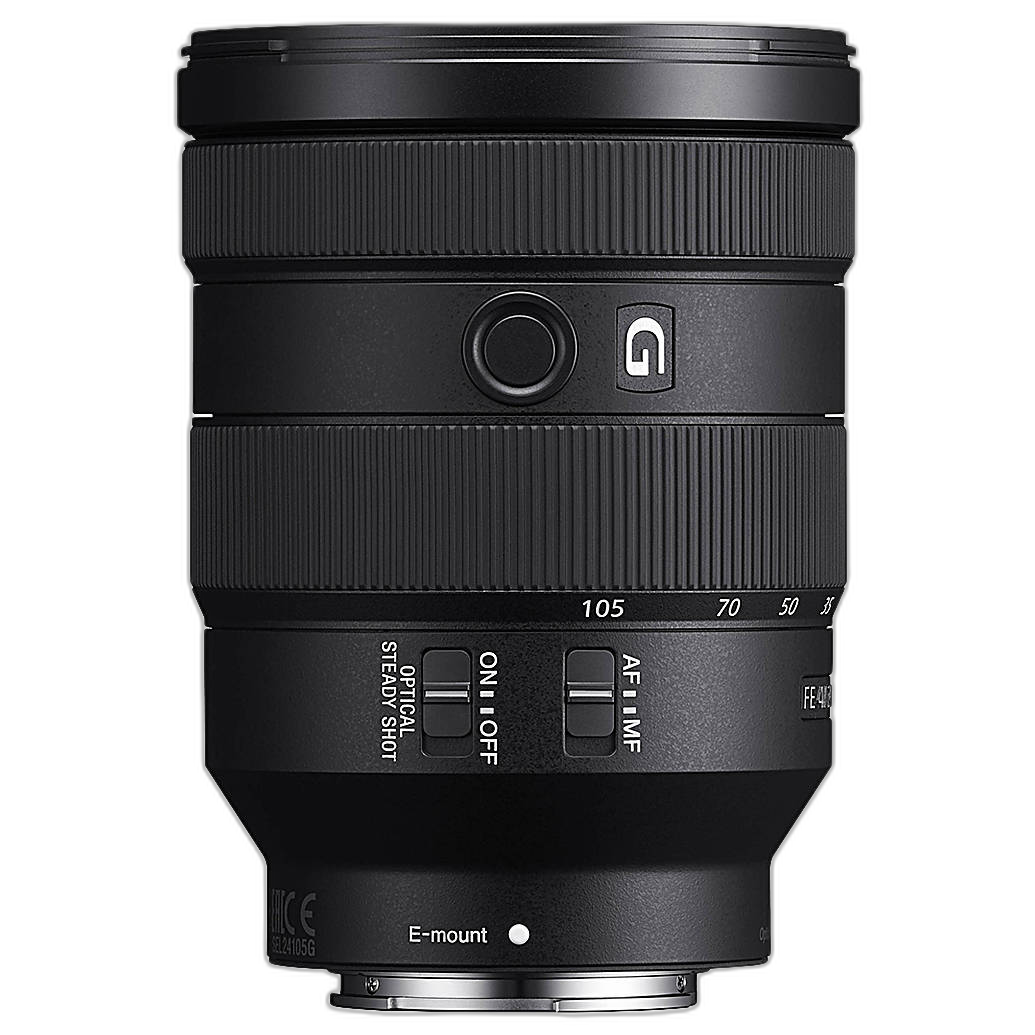
A strong example is the Sony FE 24-105mm f/4 G OSS. While it is not a classic ultra-fast portrait prime, it covers useful portrait focal lengths from environmental frames to tighter compositions, and its 85mm to 105mm range can produce attractive subject separation when you manage distance well. For photographers who want one lens to handle portraits, events, and general work, this is a very versatile option available at Unique Photo.
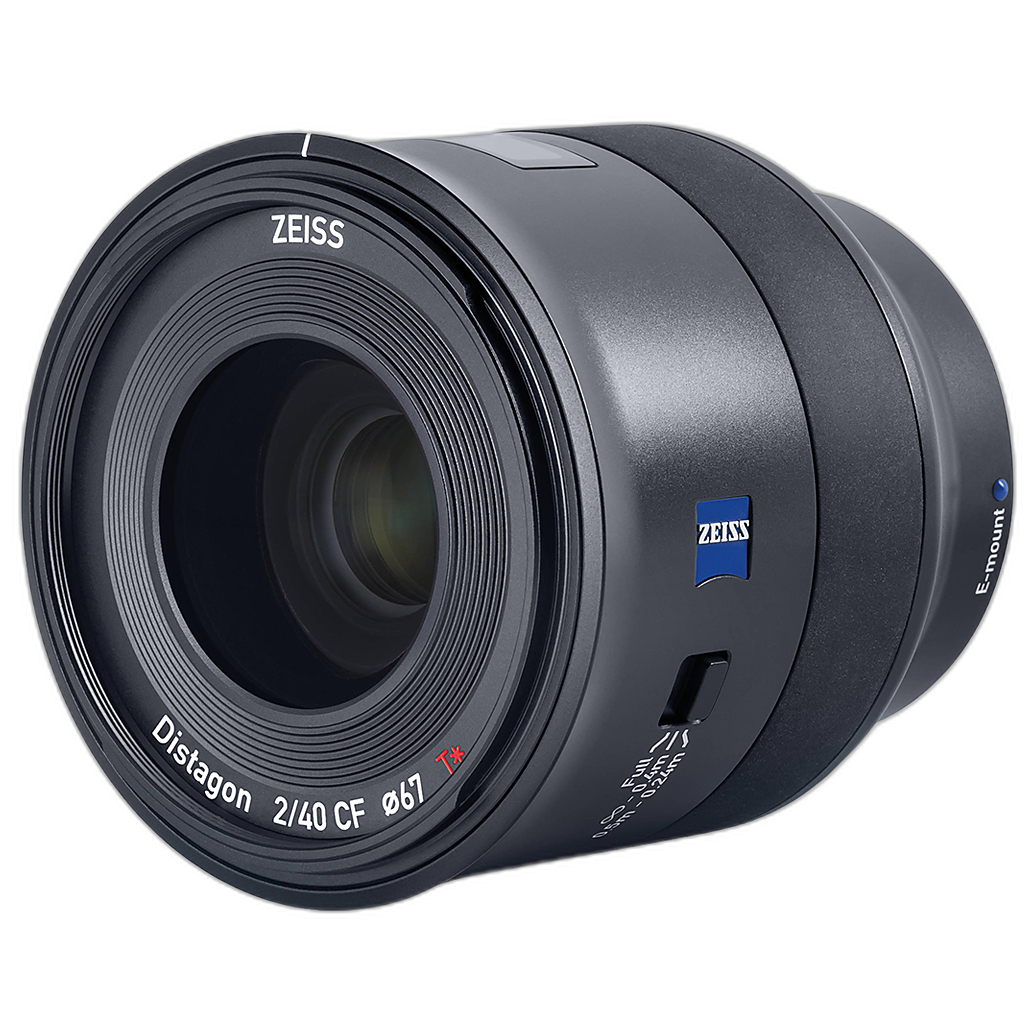
Another interesting option for portrait photographers who like a more environmental look is the Zeiss Batis 40mm f/2 CF for Sony E. A 40mm lens sits in a sweet spot between 35mm and 50mm, making it useful for storytelling portraits, lifestyle photography, and natural perspective images where the background remains an active part of the composition.
How to get flattering skin tones with Sony cameras and portrait lenses
Lens choice influences color, but lighting and white balance have the biggest effect on flattering skin tones. If your portraits look too magenta, too yellow, or too harsh, the fix may have less to do with brand-specific rendering and more to do with the overall capture process.
To improve skin tones in Sony portraits, focus on these areas:
Use soft, directional light. Open shade, window light, a softbox, or diffused flash typically produces more even skin than direct overhead sun.
Set white balance intentionally. Auto white balance can shift from frame to frame. Custom Kelvin or a gray card can help keep skin consistent.
Expose skin carefully. Slight underexposure can muddy tones, while overexposure can reduce subtle tonal variation. Watch highlights on foreheads and cheeks.
Choose backgrounds that complement skin. Green foliage can reflect color casts into skin. Warm walls, grass, and colored clothing all affect tone.
Avoid over-sharpening. Some very crisp lenses combined with aggressive sharpening can make skin feel less flattering.
If you want to improve your portrait lighting overall, educational resources and workshops can help as much as gear upgrades. Unique Photo also offers learning opportunities like Portrait Lighting Made Easy with Joel Grimes, which is especially relevant for photographers trying to create polished skin tones through better light control.

How background blur changes with Sony portrait lenses
Many photographers assume creamy bokeh comes only from a fast aperture, but flattering backgrounds are created by a combination of factors:
Focal length: Longer focal lengths usually make backgrounds appear larger and softer.
Subject-to-background distance: The farther the background is from your subject, the blurrier it becomes.
Camera-to-subject distance: The closer you are, the shallower depth of field can appear.
Aperture: Wider apertures reduce depth of field, but they are only one part of the equation.
That means a lens like the Sony FE 24-105mm f/4 G OSS at the long end can still create beautiful portrait separation, especially outdoors with a distant background. On the other hand, a moderate focal length like the Zeiss Batis 40mm f/2 may show more of the environment, which can be a positive if you want context rather than total blur.
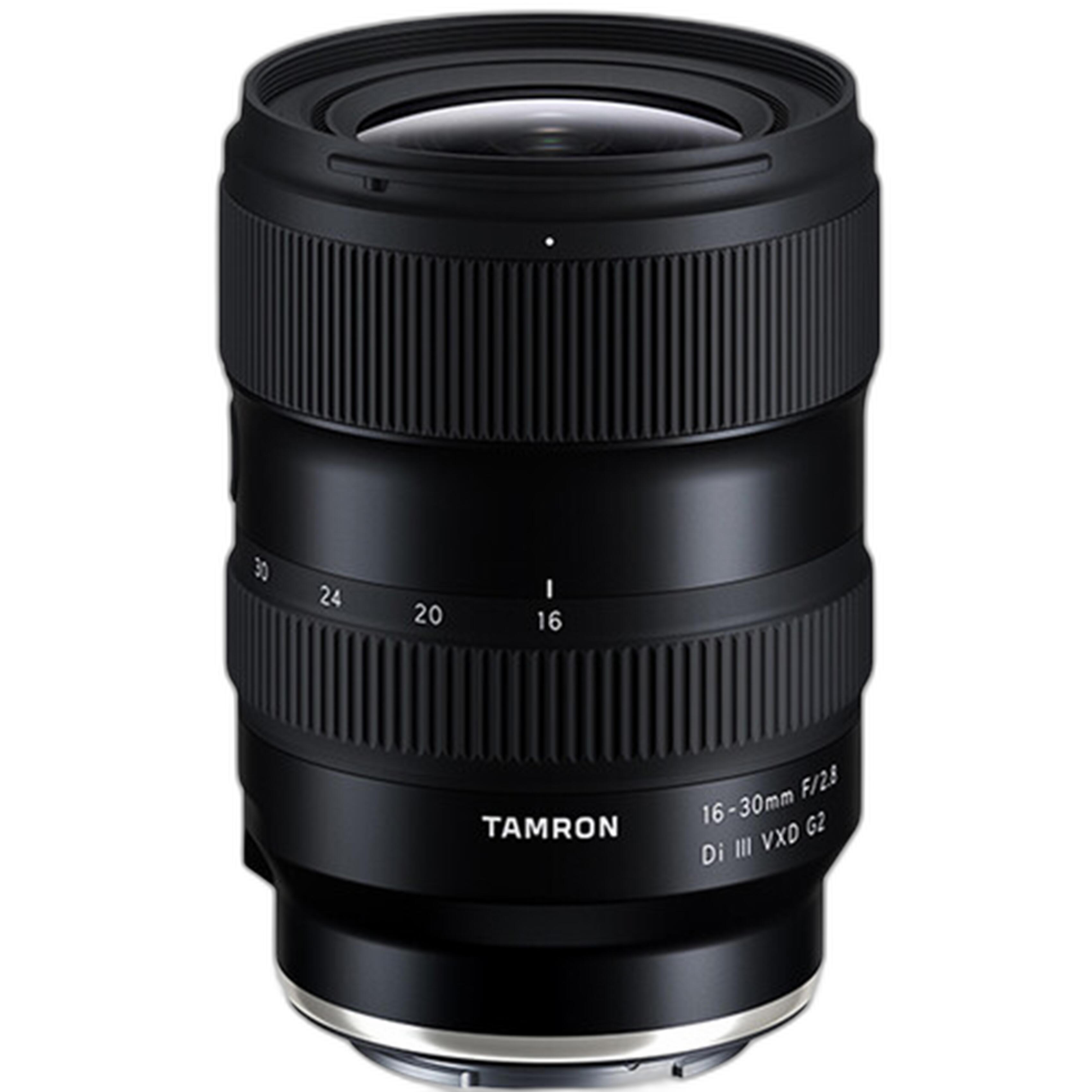
For environmental portraiture, some photographers also explore wider options like the Tamron 16-30mm F/2.8 Di III VXD G2 for Sony E. This type of lens is less about classic headshot compression and more about placing a subject in a dramatic setting. It can work well for musicians, athletes, architecture-based portraits, and editorial work where the background is part of the story.
Are wider Sony lenses good for portraits?
Yes, but with caveats. Wide-angle lenses can be excellent for environmental portraits, branding sessions, travel portraits, and creative editorial images. The key is managing distance and composition.
To keep wide-angle portraits flattering:
Do not place the camera too close for a tight face crop.
Keep the subject near the center if you want to avoid edge stretching.
Use the environment intentionally so the wide perspective adds meaning.
Watch vertical lines to prevent distracting distortion in architectural settings.
The Sony FE 12-24mm f/2.8 GM is a specialized creative choice rather than a standard portrait recommendation, but in the right hands it can produce memorable results. The Tamron 16-30mm F/2.8 Di III VXD G2 offers a similar environmental mindset with a range that may feel more practical for storytelling portraits.
Which Sony portrait lens is best for headshots, couples, and lifestyle sessions?
The best portrait lens depends on what you shoot most often:
For headshots: Look toward 85mm, 105mm, or 135mm options for flattering compression and smoother backgrounds.
For couples and families: A flexible zoom such as the Sony FE 24-105mm f/4 G OSS is convenient because it handles groupings, individual portraits, and candid moments without constant lens changes.
For lifestyle and branding portraits: A lens around 40mm to 50mm often works well, making the Zeiss Batis 40mm f/2 CF a compelling choice for photographers who want natural perspective with a premium look.
For environmental storytelling: Wider lenses like the Tamron 16-30mm F/2.8 or even the Sony FE 12-24mm f/2.8 GM can create a stronger sense of place.
If you're still deciding, one of the best ways to shop at Unique Photo is to compare the lens to your actual shooting style rather than buying strictly by online hype. The lens that delivers the most flattering results for your subjects may not be the one with the most extreme specifications.
Practical tips for better Sony portraits beyond the lens choice
Even the best Sony portrait lens cannot fix weak portrait technique. To get more flattering results consistently, remember these fundamentals:
Raise the camera slightly above eye level for a naturally flattering angle in many portraits.
Turn the subject's body away from camera and let the face come back toward the lens.
Use separation from the background to increase depth and reduce distractions.
Pose hands carefully to avoid tension.
Choose light before choosing location; beautiful light usually matters more than a dramatic backdrop.
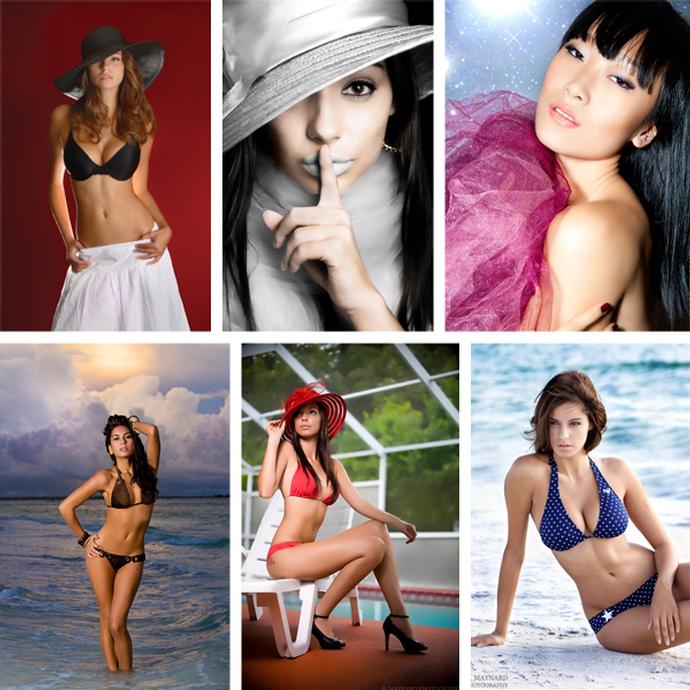
Photographers who want to build these skills may benefit from portrait education in addition to lens research. Unique Photo offers workshop-style learning such as the Stunning Portraits Workshop with David Maynard and ExpoImaging, a useful reminder that better portraits come from a blend of technique, lighting, and lens selection.
Final thoughts on choosing the right Sony portrait lens
If you are comparing Sony portrait lenses through Lens Compare Beta and user discussions, remember that flattering portraits are about more than sharpness charts. The best lens for portraits balances focal length, rendering, background control, and the way it supports your style of shooting.
For an all-around option, the Sony FE 24-105mm f/4 G OSS is a practical and highly useful portrait zoom. For environmental portraits with a more intimate documentary feel, the Zeiss Batis 40mm f/2 CF stands out. For location-driven or editorial work, the Tamron 16-30mm F/2.8 Di III VXD G2 and Sony FE 12-24mm f/2.8 GM open up more dramatic visual possibilities.
At Unique Photo, the smartest approach is to match your lens choice to the type of portrait work you actually shoot most: headshots, couples, branding, family sessions, or environmental storytelling.
For next steps, consider exploring internal resources such as Sony lens category pages, portrait photography workshops, and lens buying guides on Unique Photo. Helpful internal linking options for this topic include pages for Sony lenses, mirrorless portrait lenses, portrait lighting classes, and lens buying guides.