Introduction: Choosing the Right Travel Camera Is Always a Trade-Off
Travel photographers rarely choose a camera based on image quality alone. On a long trip, the best camera is often the one that balances size, weight, lens flexibility, durability, and day-to-day reliability in a way that suits how you actually travel. A compact setup may help you move faster through airports and cities, while a larger interchangeable-lens system can reward you with stronger files and more creative control. Film cameras bring character and a slower pace, but they also demand patience and tolerance for mechanical uncertainty. Cinema-oriented systems offer tremendous output, though they can quickly become impractical for lightweight travel.
This review looks at the pros and cons photographers typically weigh when deciding between different camera types for travel. Rather than treating every traveler the same, the goal is to evaluate which type of camera makes sense for different styles of trips, from minimalist urban travel to extended documentary journeys. Along the way, accessories and support gear also matter, because travel reliability depends on more than the camera body itself. If you are building a travel kit, Unique Photo is an excellent place to buy cameras, accessories, power solutions, and protection plans.
Compact and Phone-Based Travel Systems: Smallest Load, Fastest Pace
Why Many Travelers Prioritize Size and Weight
For many photographers, the biggest advantage of a compact camera or phone-based shooting setup is simple: you actually carry it everywhere. Travel days often involve long walks, crowded public transit, changing weather, and limited bag space. A smaller camera reduces fatigue and keeps you more flexible, especially if photography shares space with family travel, business travel, or adventure itineraries.
Modern phone-based tools have become especially compelling for lightweight travelers. A dedicated mobile rig can improve ergonomics, accessory mounting, and handling without taking up the space of a traditional camera kit.
The Trade-Off: Limits in Image Quality and Lens Reach
The downside of the smallest travel systems is that they can feel restrictive when conditions become challenging. Low light, fast action, long focal lengths, and extensive post-processing latitude still tend to favor larger-sensor cameras. While phones and compact systems can produce excellent results, photographers used to interchangeable lenses may miss true telephoto reach, shallow depth of field, or the flexibility of specialty optics.
That said, if the alternative is leaving a larger camera in the hotel, a lightweight system often wins in practice.
Mirrorless Cameras: The Modern Sweet Spot for Travel
Best Balance of Portability and Performance
For many travelers, mirrorless cameras remain the most practical all-around choice. They usually offer strong image quality, relatively compact bodies, and access to a wide range of lenses. This combination makes them attractive for photographers who need one system that can handle landscapes, street photography, portraits, and occasional wildlife or detail work.
The strongest argument for mirrorless travel kits is scalability. You can pack one compact prime for a minimalist trip or build a more complete kit around zooms and specialty lenses for destination work. That flexibility is hard to beat.
The Hidden Cost: Lenses Still Determine Your Real Travel Weight
Even when mirrorless bodies are small, the total travel burden depends heavily on lenses, chargers, batteries, and supports. A full-frame mirrorless setup can become surprisingly heavy once you add a standard zoom, telephoto, and backup accessories. Travelers often discover that lens discipline matters more than body size.
This is where carry comfort becomes important. A well-designed strap can make long days substantially easier, particularly for street shooting or city exploration.

DSLRs and Larger Traditional Systems: Proven Reliability, More Bulk
Why Some Travelers Still Prefer Bigger Cameras
Although mirrorless dominates the conversation, some photographers still value larger traditional camera systems for their familiar handling, robust battery life, and proven dependability. On long trips where charging opportunities are inconsistent, endurance can matter as much as image quality. A camera that lasts longer between charges reduces stress and simplifies packing.
Larger bodies can also be easier to handle with gloves, in rough weather, or during extended shooting sessions. For photographers who prioritize ergonomics and durability over absolute portability, bulk can be an acceptable compromise.
The Real Drawback: Travel Friction
The main issue is cumulative weight and visibility. Bigger cameras attract more attention, add fatigue over time, and can make spontaneous shooting less enjoyable. They also take up valuable room in carry-on bags. For travelers trying to remain agile and discreet, larger systems often work against the experience.
Film Cameras for Travel: Character, Simplicity, and Risk
The Appeal of Traveling with Film
Film remains deeply attractive for travel because it changes the rhythm of photography. It encourages selectivity, patience, and a more intentional approach to image-making. Classic cameras also produce a rendering and tactile experience that digital systems cannot fully replicate.
The Used Polaroid SX-70 Alpha 1 Camera W/ Close up kit - Good is a perfect example of a travel camera that prioritizes experience and style over practicality. For travel journals, personal documentary work, and instant keepsakes, few cameras are as memorable to use. The folding design is appealing for packing, and instant prints can become part of the trip itself rather than something reviewed later.
The Used Ermanox Ernemann Camera With 100MM F/2 - As Is *Needs Shutter Replaceme represents the opposite side of film travel romance: historical charm with serious reliability concerns. Cameras like this may appeal to collectors or photographers who embrace uncertainty, but for actual travel use, mechanical condition is everything.
Where Film Struggles on Long Trips
Film introduces constraints that matter more on the road than they do at home. You need to carry stock, protect it from heat and airport scanning concerns, and accept a fixed number of exposures. If a camera has mechanical issues, repair options while traveling may be nonexistent. Instant film adds another layer of expense and fragility.
For some photographers, these constraints are the point. For others, they create too much risk for major trips where missed moments cannot be recreated.
Cinema Cameras and Video-First Travel Kits: Exceptional Output, Higher Demands
When Travel Includes Serious Filmmaking
If your trip centers on documentary work, commercial capture, or cinematic travel content, a dedicated cinema camera system may be justified. These systems offer advanced codecs, strong dynamic range, production-friendly formats, and rigging options that hybrid stills cameras often cannot match as comfortably.
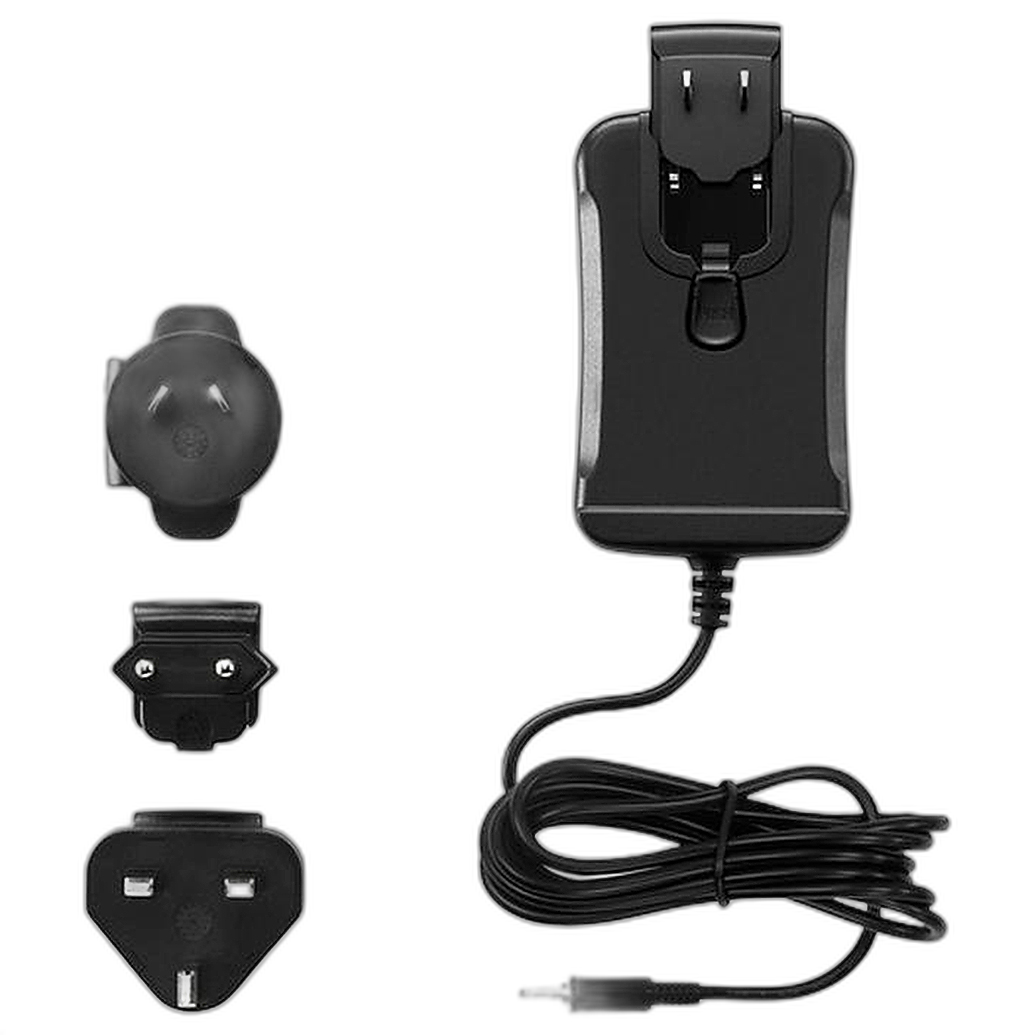
But travel exposes every weakness in a cinema kit. Power, rigging, storage, and support accessories all add complexity. A simple example is power management: a dependable accessory like the Blackmagic Design Power Supply for Pocket Cinema Camera can be crucial when planning stationary shooting sessions or backup charging solutions on the road.
Rigging and Support Add Capability but Reduce Mobility
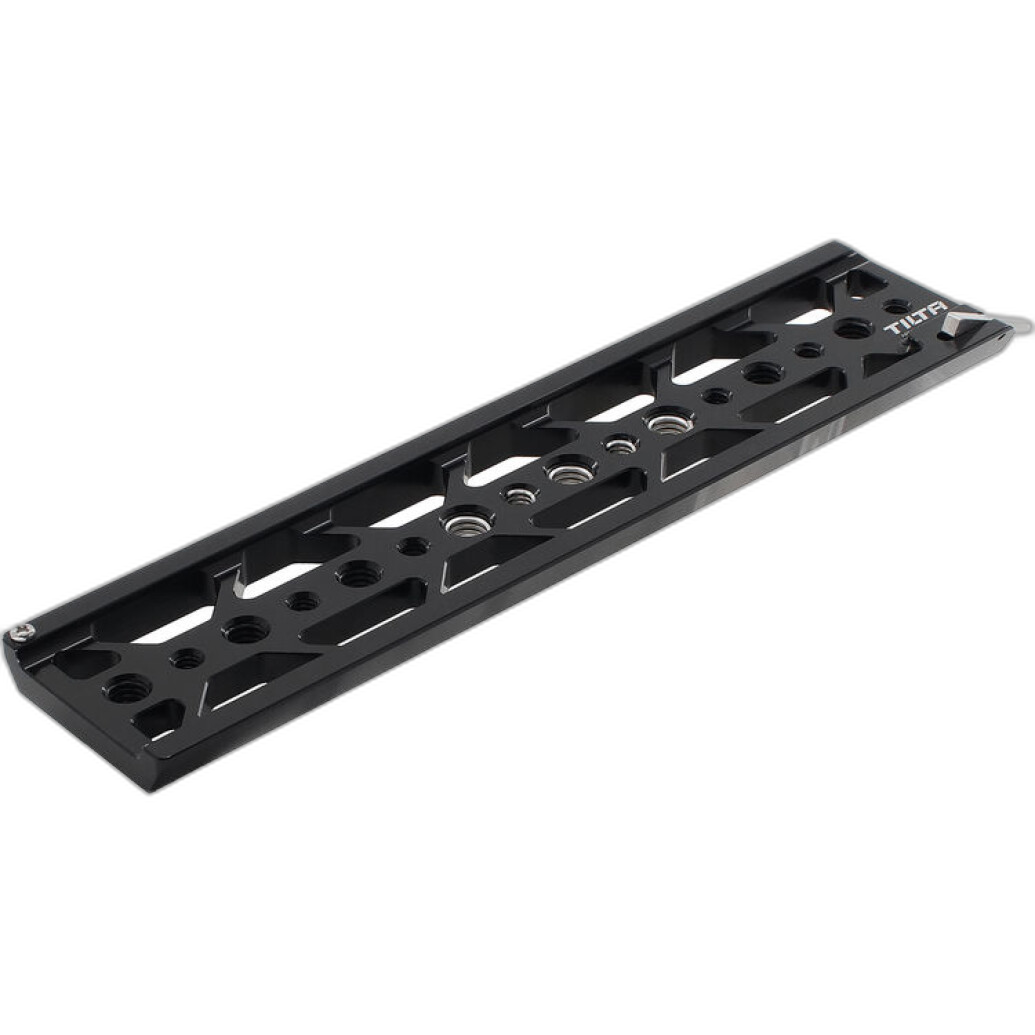
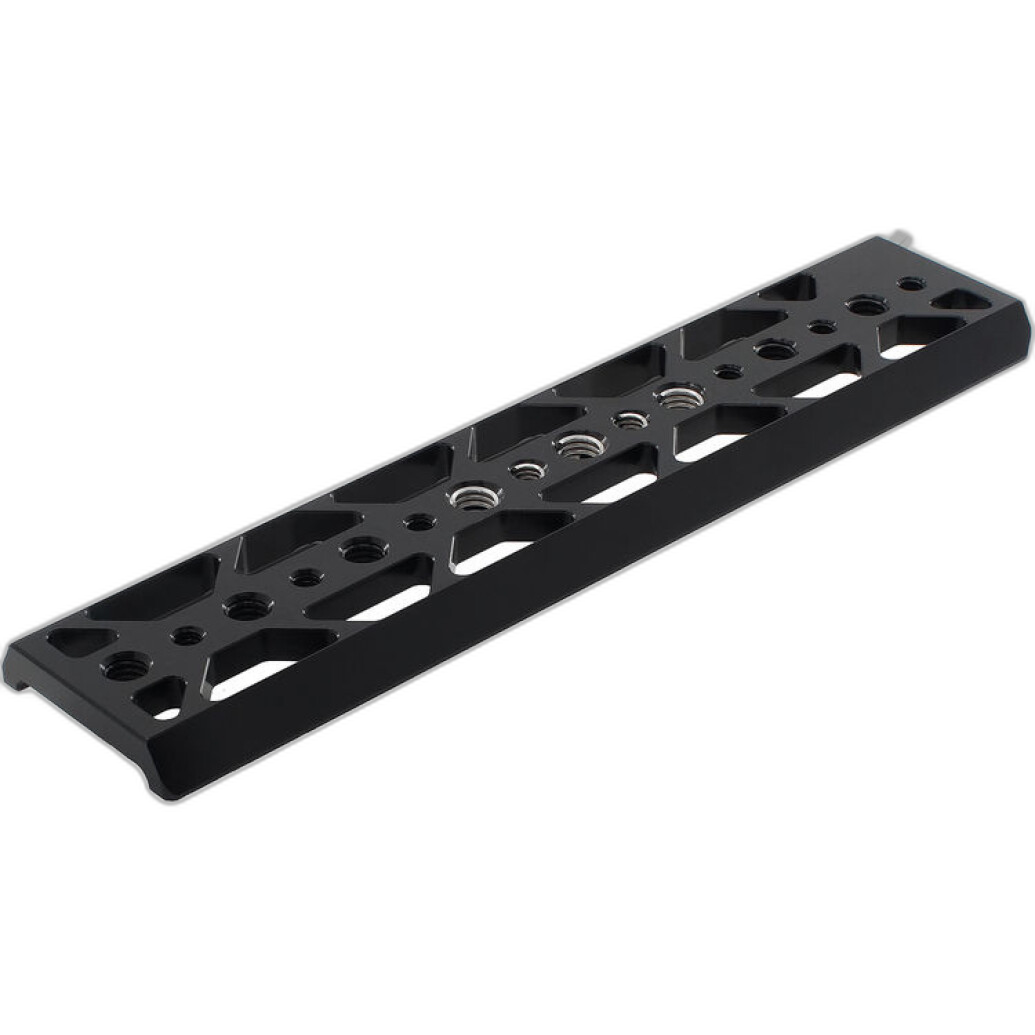
Travel shooters working with cinema tools often build around support accessories. The Tilta 10 Lightweight Dovetail Plate (Black) is the sort of component that makes a rig more modular and production-ready, especially if a camera needs to transition between tripod, shoulder, or other support configurations. For controlled shoots, this is valuable. For fast-moving travel, it is one more item to pack, secure, and manage.
Reliability Matters More When the Kit Gets More Complex
As systems become more specialized and expensive, warranty coverage becomes part of travel planning. A product like the RED Extended Warranty - KOMODO-X (Within 6 to 12 Months of Camera Purchase) reflects a practical reality: professional travel shooters cannot afford downtime. Protection plans do not make a system lighter, but they can make an ambitious travel kit more viable if your trip involves paid work.
Reliability on Long Trips: The Most Underrated Camera Feature
Why Dependability Beats Spec Sheets
When photographers debate travel camera types, reliability often matters more than headline performance. A camera that starts every day, charges easily, survives changing conditions, and works with a straightforward kit is often the smartest travel choice. Complicated systems increase the number of possible failure points. Older gear may have charm, but not always dependability. Highly specialized gear may offer better output, but only if you can support it consistently.
Battery strategy, charging access, weather resistance, and after-sales support all influence what is realistic for extended travel. Buying from a trusted retailer like Unique Photo helps because you can source not only the camera, but also power accessories, rigging components, and service protection in one place.
Pros and Cons of Different Travel Camera Types
Pros
- Compact and phone-based systems: easiest to carry, most discreet, ideal for casual and everyday travel coverage
- Mirrorless systems: excellent balance of image quality, lens choice, and manageable size
- DSLR and larger systems: strong ergonomics, often dependable battery life, familiar handling
- Film cameras: unique rendering, engaging shooting experience, strong emotional and artistic appeal
- Cinema cameras: best for dedicated filmmaking, advanced codecs, stronger production workflows
Cons
- Compact and phone-based systems: less flexibility in focal lengths, lower performance in demanding conditions
- Mirrorless systems: can become heavy once multiple lenses are added
- DSLR and larger systems: bulky, more conspicuous, less pleasant for all-day carry
- Film cameras: limited exposures, film logistics, variable reliability, slower workflow
- Cinema cameras: heavy support requirements, more power needs, larger overall footprint for travel
Verdict: Which Camera Type Is Best for Travel?
There is no universal best travel camera type, only the best fit for the trip and the photographer. If portability and spontaneity are your top priorities, a compact or phone-based system is often the smartest option. If you want the best all-around combination of quality and flexibility, mirrorless remains the strongest recommendation for most travelers. If your work is video-first, a cinema-oriented setup may be worth the extra burden, but only if you plan carefully for power, rigging, and reliability. Film cameras can make travel photography more memorable and distinctive, yet they demand a willingness to accept limitations and uncertainty.
My recommendation is simple: choose the lightest system that still lets you make the pictures or footage you truly care about. For most photographers, that means resisting overpacking and prioritizing reliability over theoretical capability. If you are assembling a travel-ready setup, from support gear to power accessories and protection options, Unique Photo is a smart place to buy.