Choosing a Travel Camera Setup: What Matters Most?
Travel camera discussions usually come down to a familiar tradeoff: do you prioritize the best possible image quality, the lightest and easiest kit to carry, or a balanced setup that helps you keep shooting comfortably on the road? In conversations about travel photography, users often share very different preferences based on destination, shooting style, and how much gear they want to manage in transit.
Since the available products here are travel-related accessories, an ultra-wide travel lens, and education gear rather than multiple camera bodies, this comparison focuses on two common travel-photography approaches: a lightweight convenience-first setup versus an image-quality-first interchangeable-lens setup. We also look at how accessories and training can improve your travel shooting experience without adding unnecessary bulk.
Side-by-Side Travel Photography Comparison
| Category | Lightweight Convenience-First Travel Setup | Image-Quality-First Travel Setup |
|---|---|---|
| Main Priority | Portability, simplicity, less gear fatigue | Higher optical performance, creative flexibility, stronger landscape/architecture results |
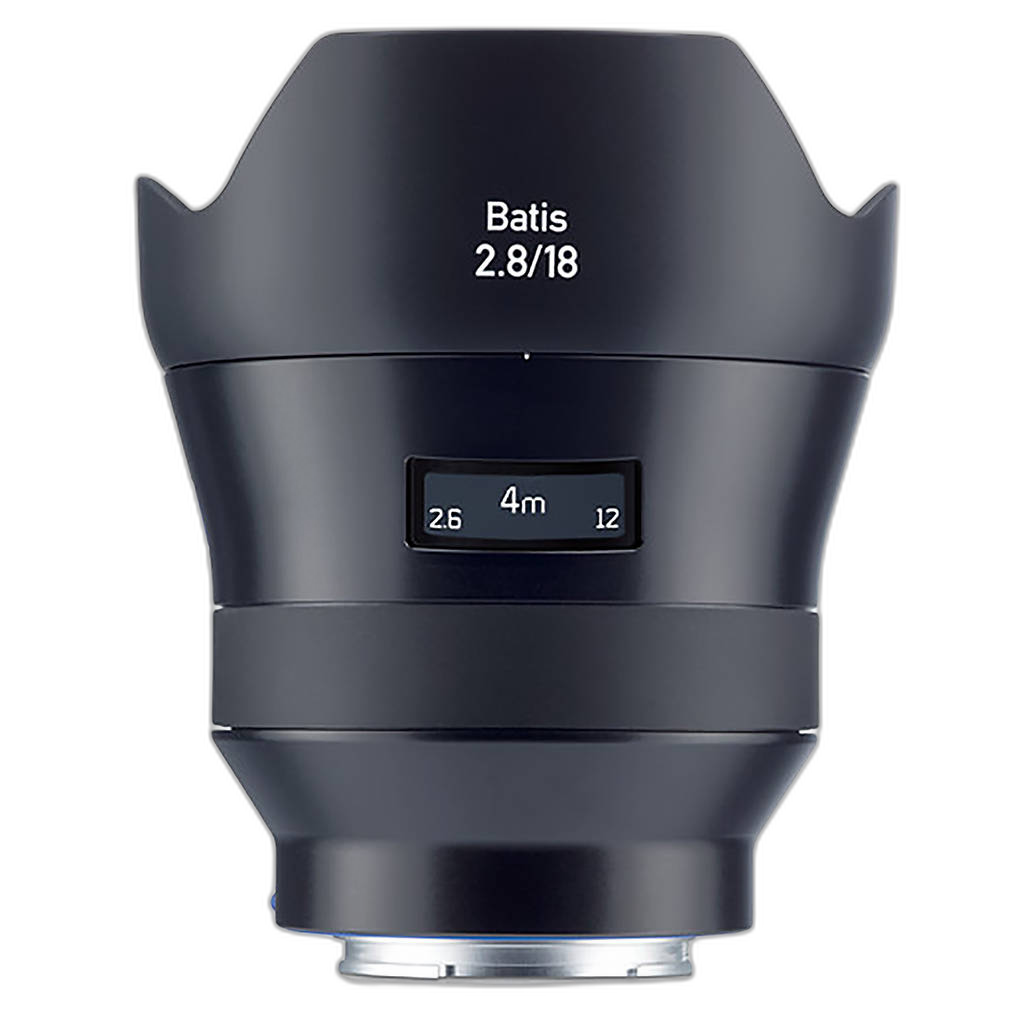
| Key Product | Peak Design Travel Crossbody 3L Sage | Zeiss Batis 18mm f/2.8 AF lens for Sony Full Frame E-Mount Cameras |
| Best For | City walks, day trips, casual travel, minimal packing | Landscape, architecture, interiors, premium travel image quality |
| Portability | Excellent | Good, but requires a compatible Sony full-frame E-mount camera body |
| Durability/Practicality | Helpful for keeping gear organized and accessible during travel | Solid premium lens choice for serious travel shooters |
| Learning Curve | Low | Moderate; best results come from understanding composition and wide-angle shooting |
| Travel Benefit | Carry only what you need and stay mobile | Capture dramatic vistas and interiors with high-end optics |
| Potential Drawback | Does not improve image quality by itself | Less minimalist, more expensive, body-dependent |
Products That Support a Better Travel Photography Experience
| Product | Type | Travel Use | Best Fit |
|---|---|---|---|
| Zeiss Batis 18mm f/2.8 AF lens for Sony Full Frame E-Mount Cameras | Ultra-wide prime lens | Landscapes, architecture, interiors, environmental travel scenes | Travelers prioritizing image quality |
| Peak Design Travel Crossbody 3L Sage | Compact carry solution | Organized, lightweight transport for essentials | Travelers prioritizing portability |
| NJCS: Travel Portraits with Bobbi Lane (Fujifilm and Profoto) | Educational class | Helps improve travel portrait technique | Travelers wanting better results from existing gear |
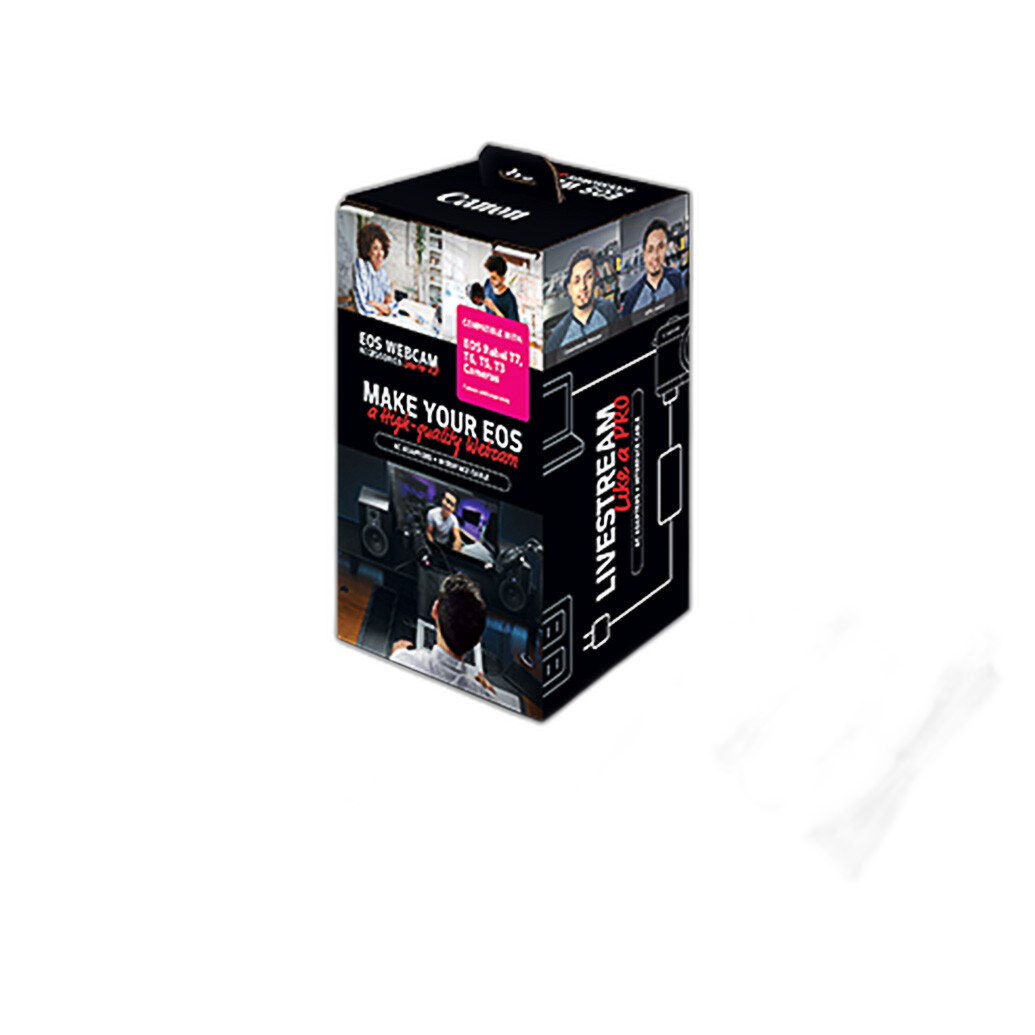
| Canon EOS Webcam Accessories Starter Kit for EOS Rebel Cameras | Accessory kit | More useful for remote content or post-trip streaming than travel shooting itself | Canon Rebel users with hybrid travel/content needs |
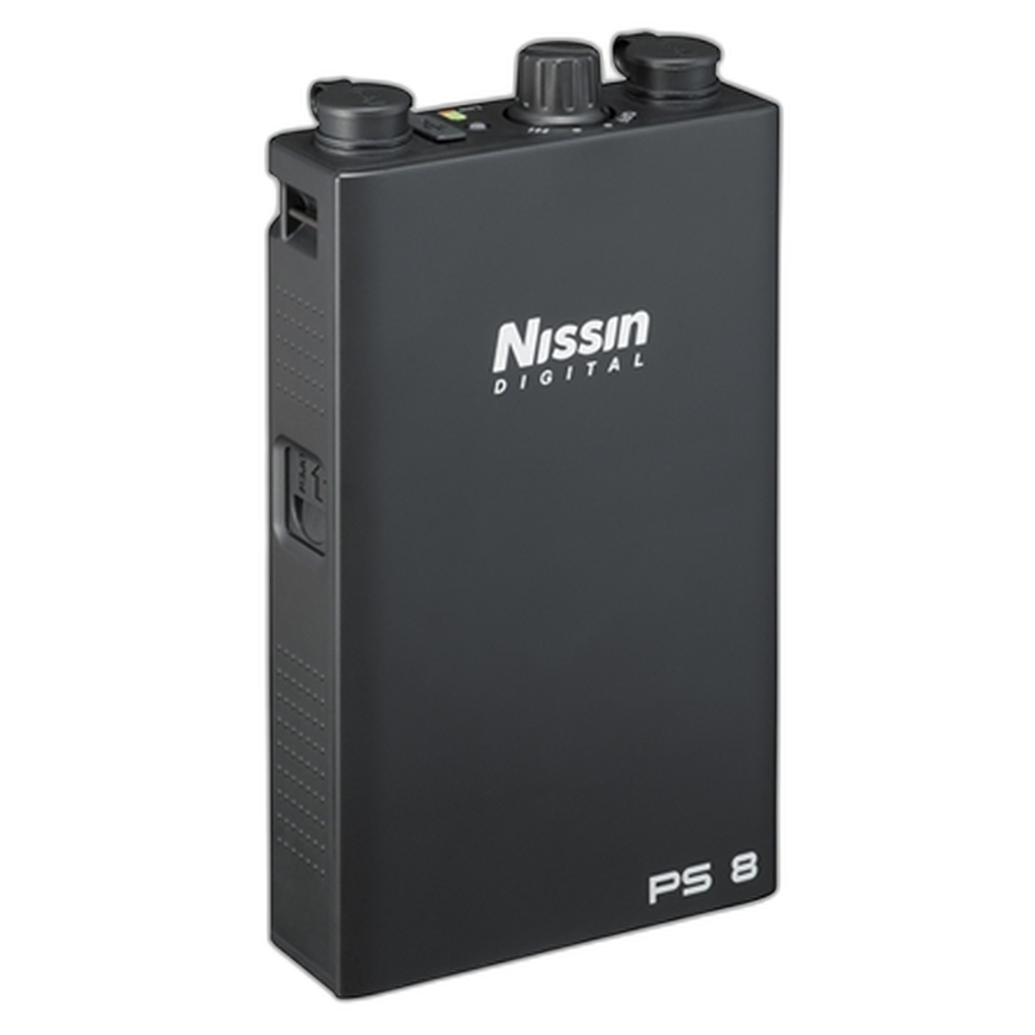
| Nissin PS 8 Power Pack for Select Canon Cameras | Power accessory | Useful only for select flash-based workflows | Advanced travelers shooting flash on location |
| Canon CarePAK PRO EOS Cinema Cameras - 4000-5499.99 - 2 year warranty | Service plan | Protection value, but not a travel-camera recommendation | Cinema users |
Image Quality
Best Choice for Premium Travel Images
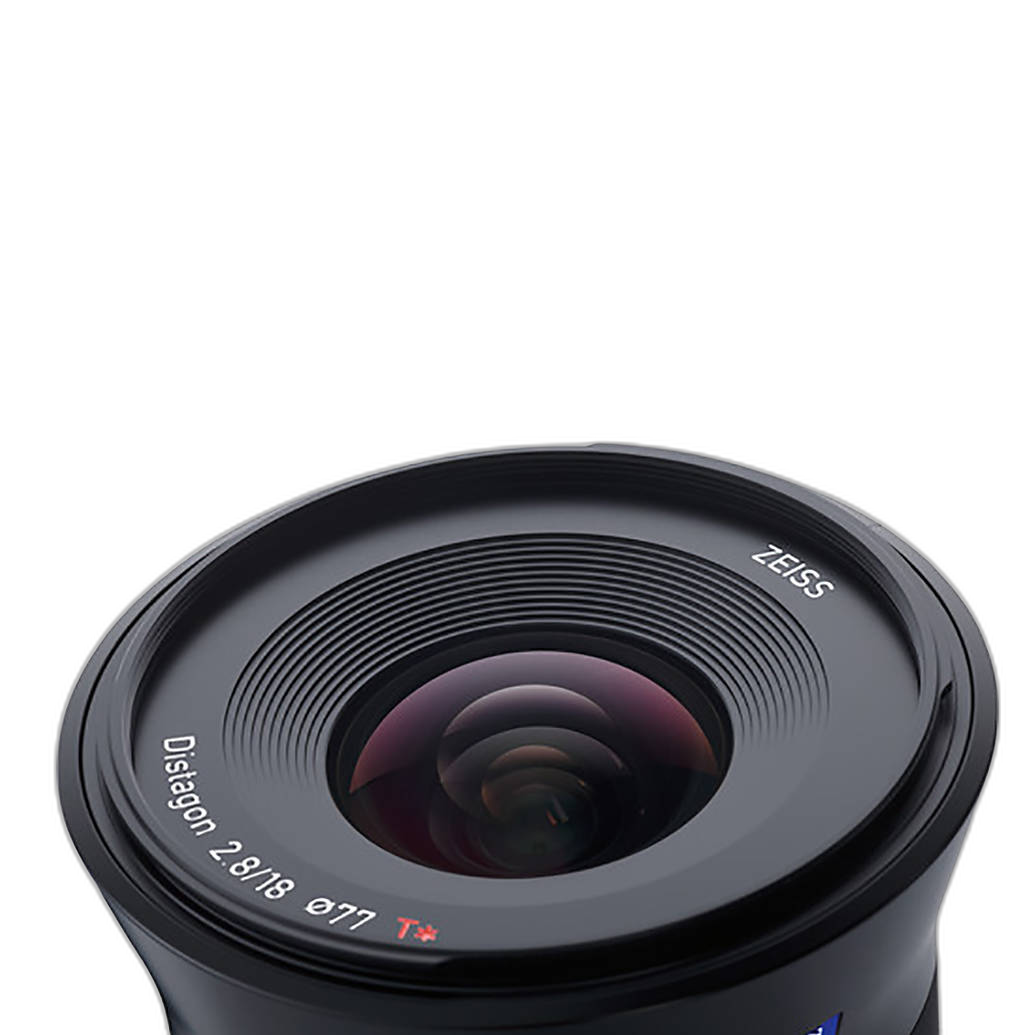
If your idea of travel photography includes sweeping cityscapes, dramatic landscapes, tight interiors, and immersive environmental compositions, the Zeiss Batis 18mm f/2.8 AF lens is the standout product in this lineup. An 18mm full-frame field of view is especially attractive for travelers who want to capture the scale of a place rather than just isolated details.
Zeiss Batis lenses are well regarded for strong optical performance, and for travel shooters using Sony full-frame E-mount cameras, this lens can deliver the kind of sharp, polished files that make the extra gear worthwhile. It is not the smallest possible travel solution, but it speaks directly to the forum-style preference for travelers who refuse to sacrifice image quality.
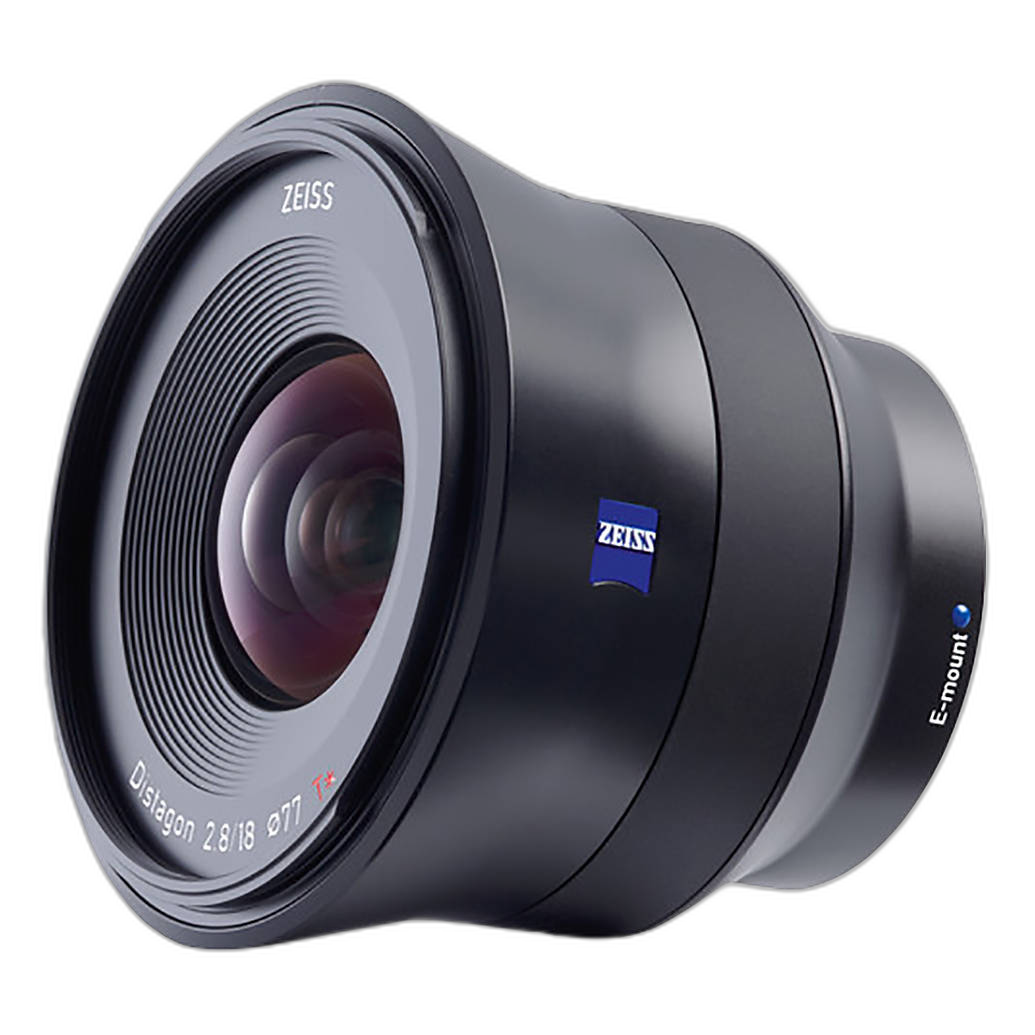
The tradeoff, of course, is that a premium lens-based setup demands a bigger commitment. You need a compatible body, you need to think more intentionally about what you pack, and you may feel the weight difference after a full day of walking. But if image quality is your top priority, this is the stronger direction.
Portability and Travel Convenience
Best Choice for Keeping Your Kit Light
For many travelers, the best camera is the one they actually bring everywhere. That is why portability often wins these debates. A compact carry option like the Peak Design Travel Crossbody 3L Sage fits the convenience-first philosophy well. Even without a listed image, its role is clear: keep a small setup accessible, organized, and easy to carry.
This kind of accessory matters because travel photography is often limited less by camera specs and more by how willing you are to carry gear all day. A small crossbody solution encourages mobility, faster access, and less fatigue. For travelers who prefer a compact body, one lens, spare battery, and personal essentials, a bag in this size class can make the entire experience smoother.
While it obviously will not improve image quality on its own, it supports the practical side of travel shooting: comfort, speed, and convenience. In many real-world travel discussions, that is exactly what users end up valuing most.
Durability and Practical Readiness
What Travelers Really Mean by “Durable”
When users debate travel cameras, durability usually means more than weather sealing. It also means whether a setup is manageable in busy airports, safe to carry in crowded places, and easy to use under changing conditions. In that broader sense, a streamlined setup often feels more durable in practice because there is simply less to juggle.
The Zeiss lens route offers premium build quality and dependable performance for serious shooters, while a compact bag-centered travel kit reduces exposure to drops, gear swaps, and packing headaches. So the better choice depends on your travel style: optical durability and performance versus system simplicity and lower carry stress.
Learning Curve and Getting Better Results
Improving Travel Photos Without Buying More Gear
One of the smartest points that comes up in travel photography threads is that technique often matters more than equipment. The NJCS: Travel Portraits with Bobbi Lane (Fujifilm and Profoto) class is a good reminder that education can be one of the best travel photography upgrades available.
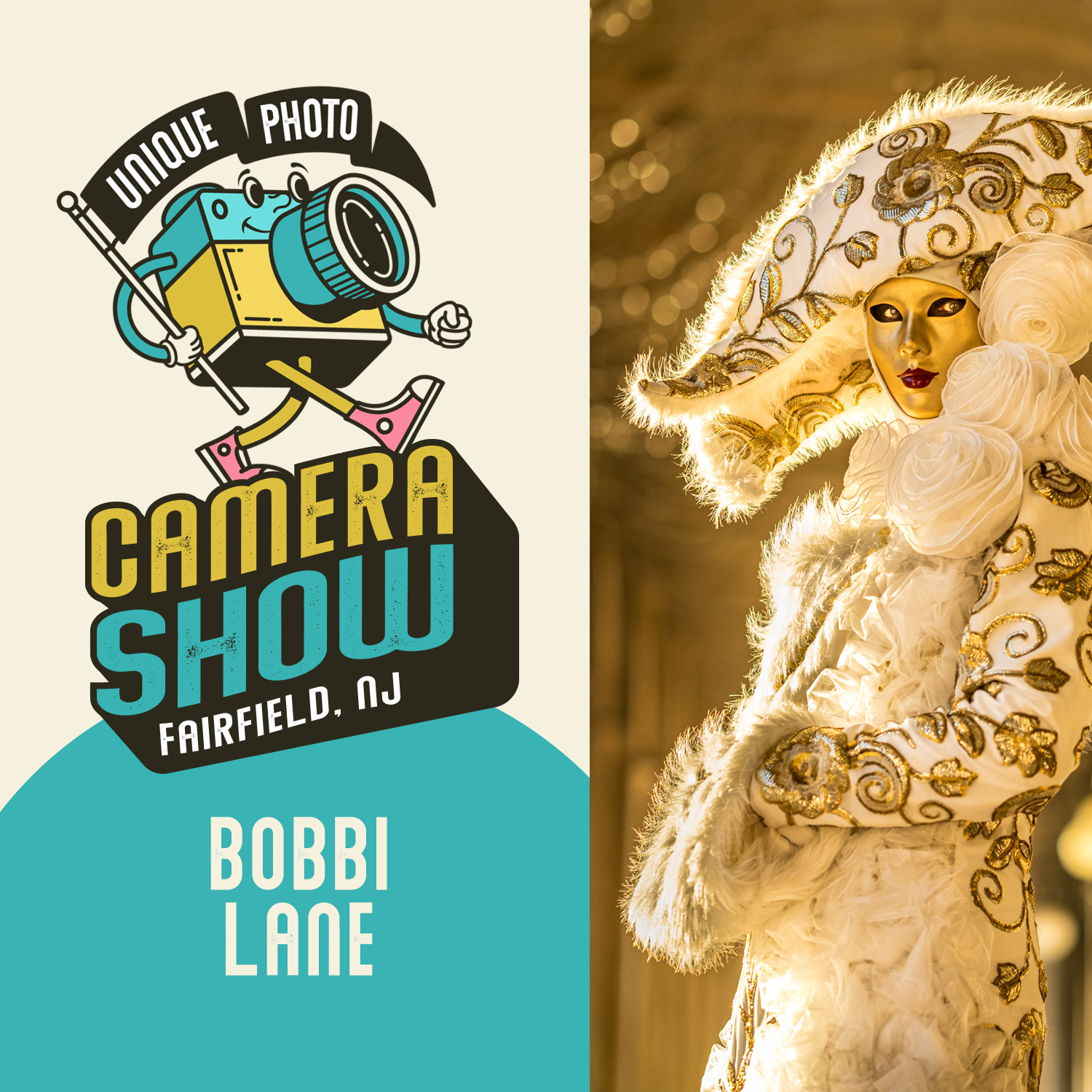
If your travel goals include stronger portraits, better environmental framing, or more confidence photographing people on the road, learning-based products may provide more value than adding another accessory. Travelers trying to keep their loadout small can especially benefit from improving technique instead of overpacking.
Accessories That Are More Niche for Travel
Useful, But Not for Every Traveler
The Canon EOS Webcam Accessories Starter Kit for EOS Rebel Cameras is more relevant for creators who want to use their camera for streaming, remote communication, or post-trip content creation. It is not a core travel-photography recommendation, but it may appeal to travelers who mix vlogging, remote work, and stills.
The Nissin PS 8 Power Pack for Select Canon Cameras is even more specialized. For most travelers, especially those trying to stay light, a flash power pack adds complexity. But for advanced shooters producing travel portraits or event-style imagery on location, it can support a more demanding workflow.
Our Pick
Our Pick: Zeiss Batis 18mm f/2.8 AF lens for Sony Full Frame E-Mount Cameras
If the goal is to answer the classic travel-camera debate of image quality versus portability, this lens represents the best option in the available product set for travelers who care most about photographic results. It gives serious Sony full-frame shooters a premium ultra-wide tool that is ideal for landscapes, architecture, and immersive travel scenes.
That said, the best value mindset for many travelers is still to keep the kit small and manageable. If convenience is your top concern, pairing your existing camera with a compact carry solution is the more practical move. But on pure travel-image potential, the Zeiss Batis 18mm earns the recommendation.
Conclusion
Travel photography always involves compromise. Some users will happily carry a premium lens to capture the highest-quality files possible, while others would rather stay nimble and enjoy the trip with a lighter everyday setup. The right answer depends on what you shoot, how you travel, and how much gear you are comfortable carrying from morning to night.
For photographers who want to refine their travel kit, learn new techniques, or explore premium optics and accessories, Unique Photo offers a strong mix of gear and educational resources to help you build the setup that matches your travel style.