Choosing the right images for a portfolio or photo contest can be harder than making the photographs in the first place. Strong editing is what turns a collection of good shots into a clear, memorable statement about your vision. Whether you are preparing a printed portfolio, refining a contest submission, or building confidence in your own taste, these practical tips can help you narrow your selection with purpose.
Start With Your Goal Before You Start Editing
1. Define what the images need to do
A portfolio and a contest entry are not always judged the same way. A portfolio should show consistency, range, and your point of view over time. A contest submission often needs immediate impact, technical quality, and a strong fit with the theme or category.
Before selecting anything, ask yourself:
- Who will see this work?
- Is the goal to show versatility or a signature style?
- Does the contest reward storytelling, technique, originality, or emotional impact?
If you are still developing your eye, educational experiences can help sharpen how you evaluate images. Workshops like Macro and Landscape Photography at Duke Farms with Michael Downey can be especially useful for understanding what makes a scene portfolio-worthy in the first place.

Edit Ruthlessly and Avoid Near-Duplicates
2. Pick the strongest frame, not every good frame
One of the most common mistakes photographers make is including too many similar images. If you have five photos from the same moment, choose the one with the best gesture, cleanest composition, and strongest emotional pull. A tight edit almost always looks more professional than an oversized selection.
A useful exercise is to print small proofs and lay them out physically. Seeing images together makes repetitions stand out much faster than scrolling on a screen. Ordering test prints like Unique Photo Lab 4x6 Print Glossy can make this process more tactile and objective.
Look for Cohesion Without Making Everything the Same
3. Build a set that feels unified
Your images do not need to be identical in color palette, subject, or location, but they should feel like they belong together. Cohesion can come from your treatment of light, subject matter, framing style, or emotional tone.
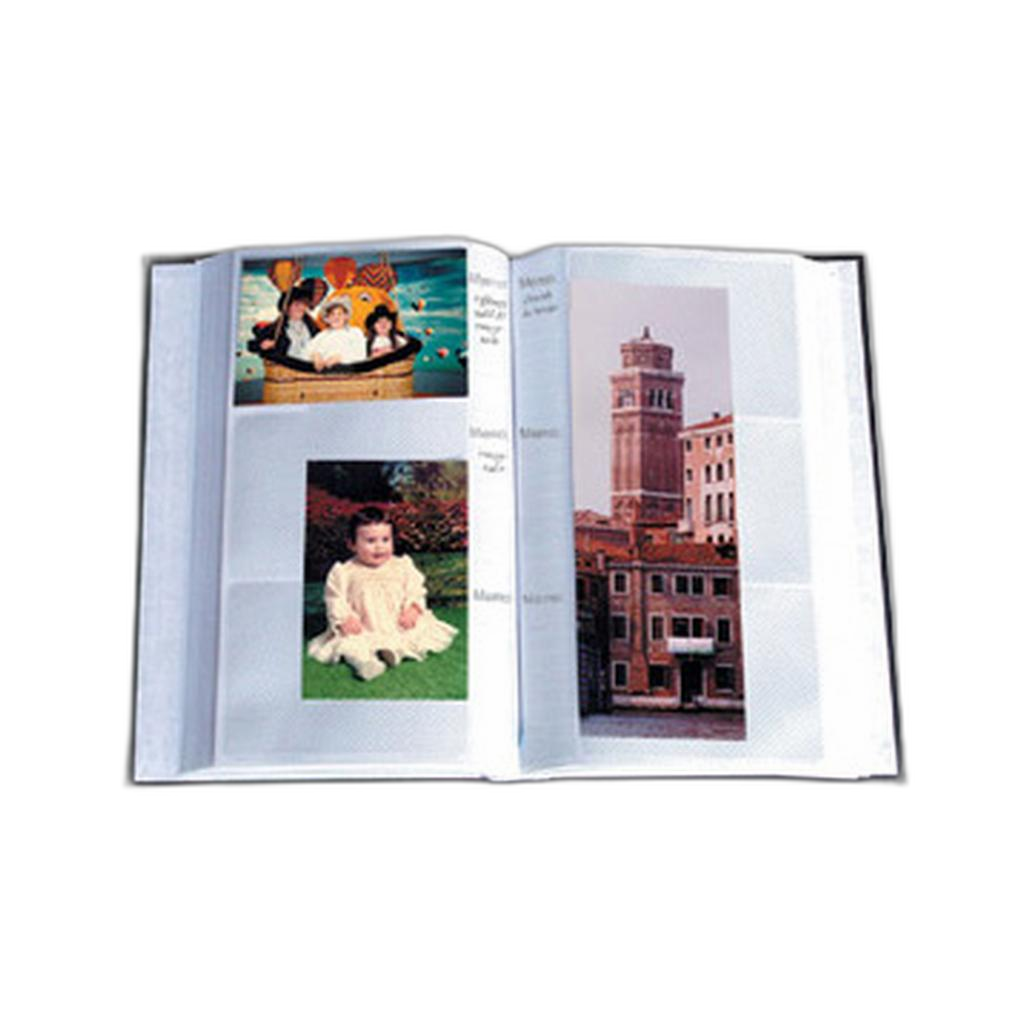
For printed reviews, it helps to keep selected images organized in sequence. A physical organizer such as the Pioneer 4 x 6 In. Bi-Directional Memo Photo Album (200 Photos) - Black gives you a simple way to group images, reorder them, and jot down notes about why each frame made the cut.

Choose Images That Show Intent, Not Just Technical Skill
4. Prioritize meaning and voice
Sharpness and exposure matter, but they are not enough on their own. Judges and reviewers are often drawn to photographs that feel intentional. Ask whether each image says something specific. Does it reveal a perspective, tell a story, or create a mood that lingers?
Experiences that emphasize storytelling, like EXPO: Stories from the Road - Photography Across Worlds w. Matthew Borowick, can be a great reminder that memorable selections often come from photos with narrative depth, not just visual polish.
Match the Submission to the Theme
5. Enter images that fit the category clearly
For contests, relevance matters. Even an excellent photo can underperform if it feels only loosely connected to the prompt. Read the rules carefully and be honest about whether your image fits the category naturally or if you are trying to force it in.
If you are selecting from specialty work, think about whether the image offers something distinctive within the theme. For example, a visually unusual outing like Photograph Fluorescent Zinc Ore at Sterling Hill Mine might produce striking entries for contests centered on color, abstraction, science, or low-light creativity.

Print Before You Submit or Present
6. Review your images off-screen
Prints reveal things monitors can hide. Distracting edges, weak tonal transitions, oversharpening, and color issues are often easier to spot in print. If you are presenting a physical portfolio or submitting to a contest that may be viewed in print, evaluating hard copies is essential.
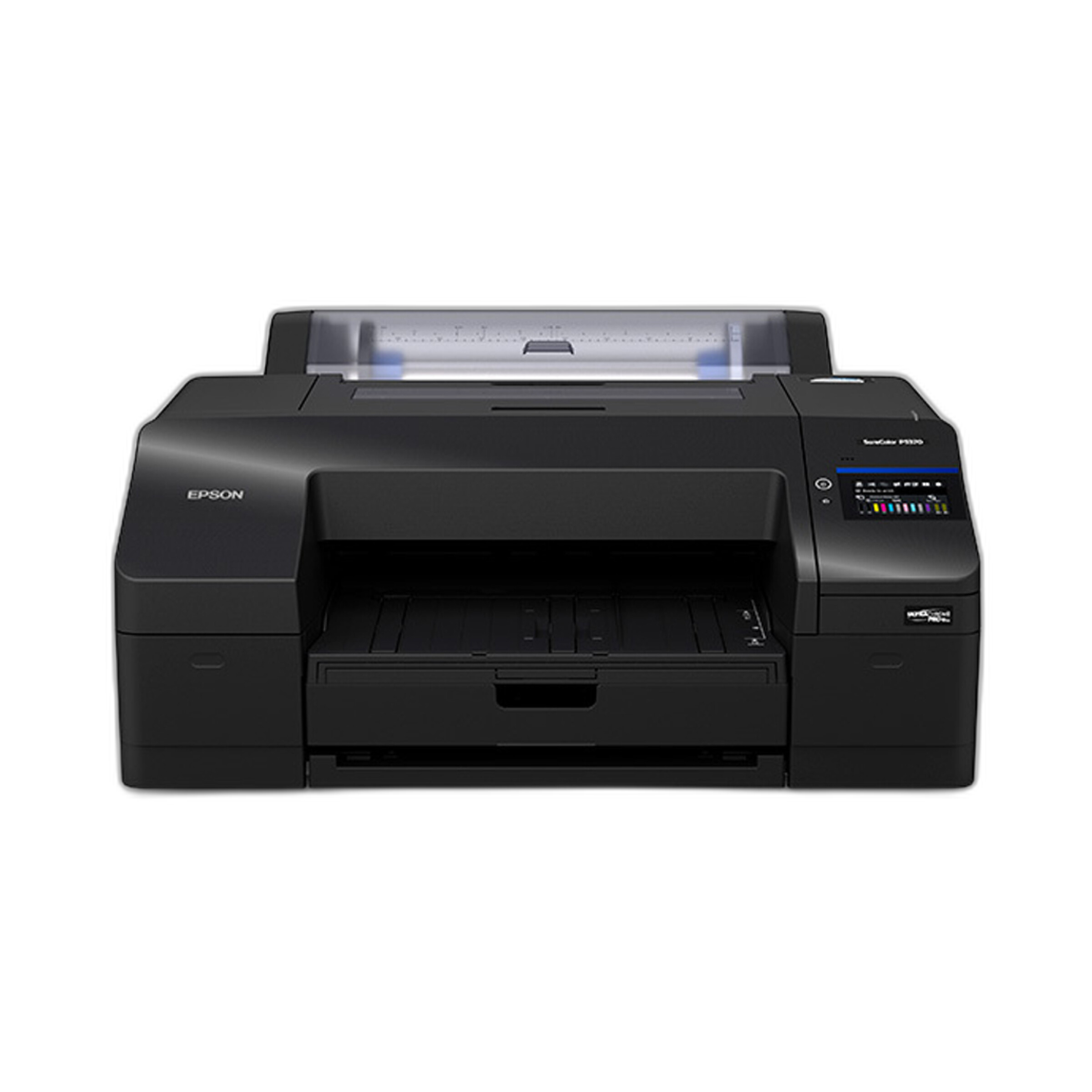
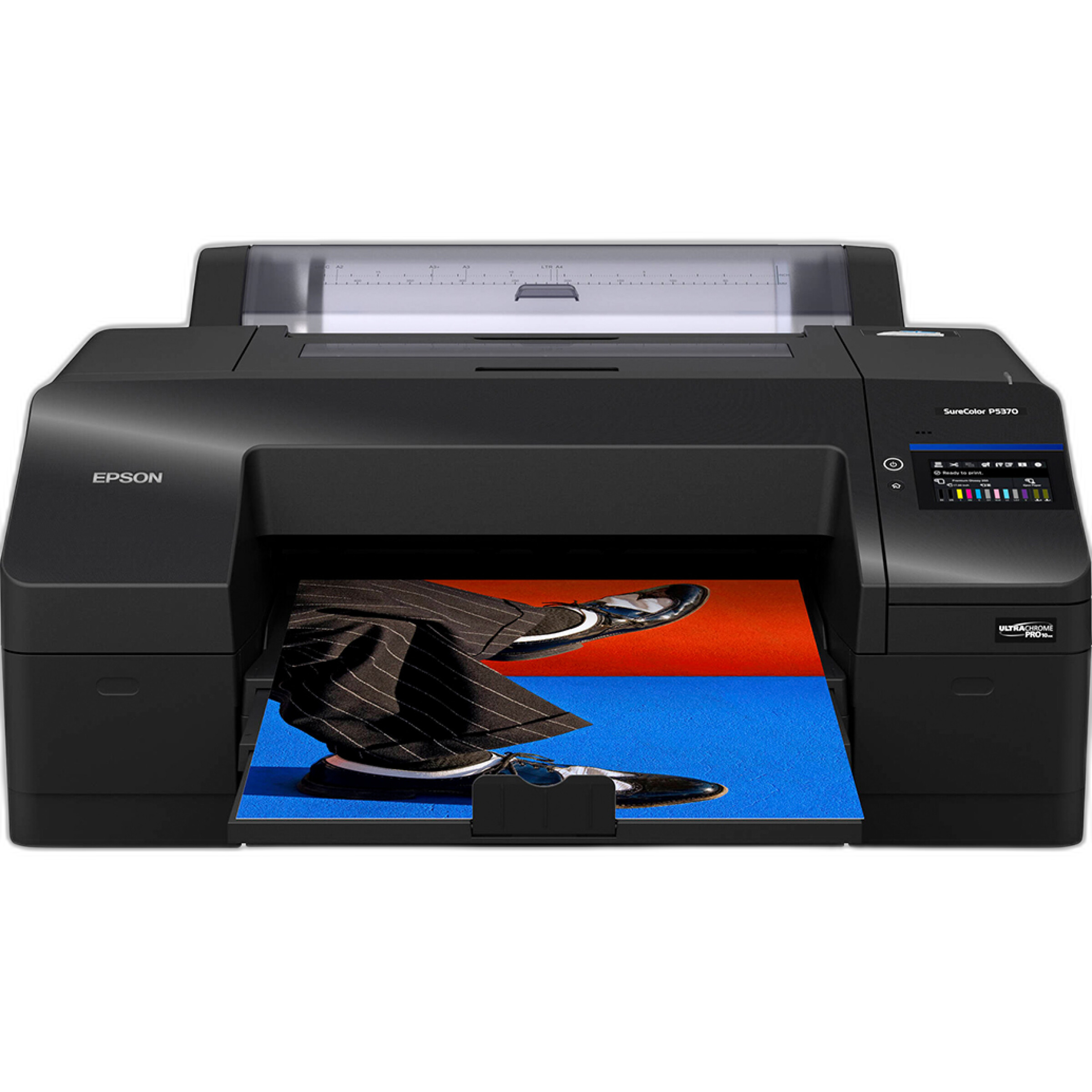
For photographers who want more control over presentation, a printer like the Epson SureColor P5370 17-Inch Professional Photographic Printer can help produce exhibition-quality output for final review, portfolio assembly, or competition prep.
Sequence Matters in a Portfolio
7. Open strong, vary the rhythm, and finish stronger
A portfolio is not just a set of images; it is a viewing experience. Begin with one of your strongest images to create confidence. Then vary pacing with wider scenes, details, quieter moments, and stronger visual peaks. End with an image that leaves a lasting impression.
If you maintain multiple portfolio versions, expandable organization helps. Pioneer Album Refill Pages for BP-200 Album (30 Photos) can be useful when you want to adjust the edit over time without rebuilding your whole presentation from scratch.
Get Feedback, But Keep Your Own Voice
8. Invite critique from people who understand the context
Feedback is most useful when it comes from photographers, editors, or instructors who know the difference between personal taste and effective selection. Ask them which images feel essential, which ones feel repetitive, and whether the set sounds like one photographer speaking.
At the same time, do not let too many opinions flatten your style. Your portfolio should still feel like yours. One practical way to review work with mentors or peers is to keep a printed selection in a simple presentation format, such as the Pioneer TS-246 Oxford Brass Corner Photo Album, especially when you want to compare edits side by side in person.
Conclusion
Selecting images well is a skill every bit as important as making them. The best portfolio and contest entries come from clear goals, disciplined editing, thoughtful sequencing, and honest self-review. Print your work, study it carefully, and do not be afraid to cut good images in service of a stronger overall set. When you are ready to refine your presentation, explore prints, albums, educational events, and output tools at Unique Photo to help your best work stand out.