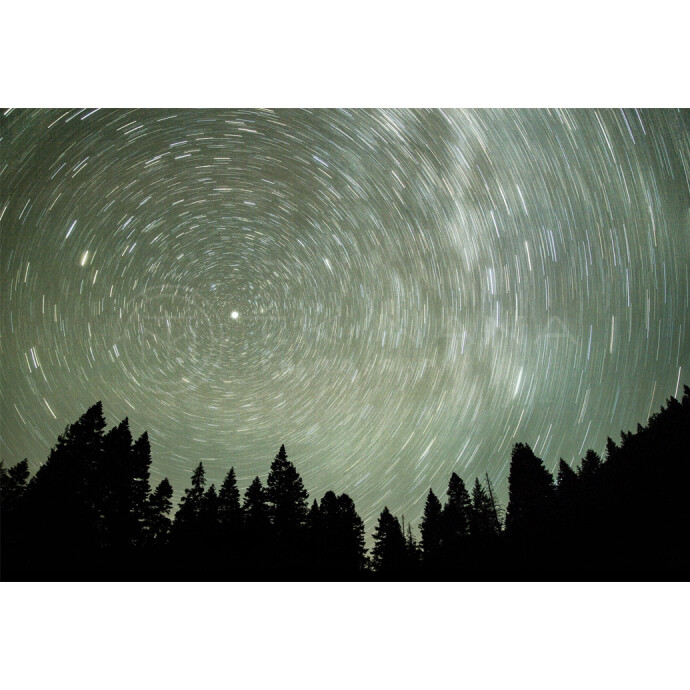
Entering your first local photography competition can feel equal parts exciting and intimidating. The good news is that you do not need to be a full-time pro to submit work that stands out. A strong entry usually comes down to preparation, thoughtful editing, and understanding what judges are looking for. These tips will help you approach your first competition with confidence while sharpening the skills that matter most.
1. Start by Reading the Rules Carefully
Know the category, file requirements, and deadlines
Before you even choose an image, read the competition guidelines closely. Local contests often have specific themes, size limits, editing rules, and submission formats. An excellent photo can be disqualified simply because it was entered in the wrong category or exported at the wrong dimensions.
If you are still learning how to match your work to a theme or build a stronger visual story, events like EXPO: Stories from the Road - Photography Across Worlds w. Matthew Borowick can be a great source of inspiration for thinking beyond a single pretty image and toward photographs that communicate something meaningful.
2. Choose One Strong Image Instead of Your Personal Favorite
Pick the photograph that fits the contest best
Your favorite image may carry sentimental value, but judges only see what is in the frame. Choose the photograph with the clearest subject, strongest composition, and best fit for the category. Ask yourself whether someone seeing it for the first time will immediately understand why it belongs in the competition.
If you enjoy nature and scenic work, a workshop like Macro and Landscape Photography at Duke Farms with Michael Downey can help you develop the kind of intentional composition and attention to detail that often makes a contest image more competitive.

3. Edit with Restraint
Make your image look polished, not overprocessed
Editing is important, but first-time entrants often go too far with saturation, clarity, sharpening, or HDR effects. Judges typically respond better to clean, controlled processing that supports the image rather than calling attention to itself.
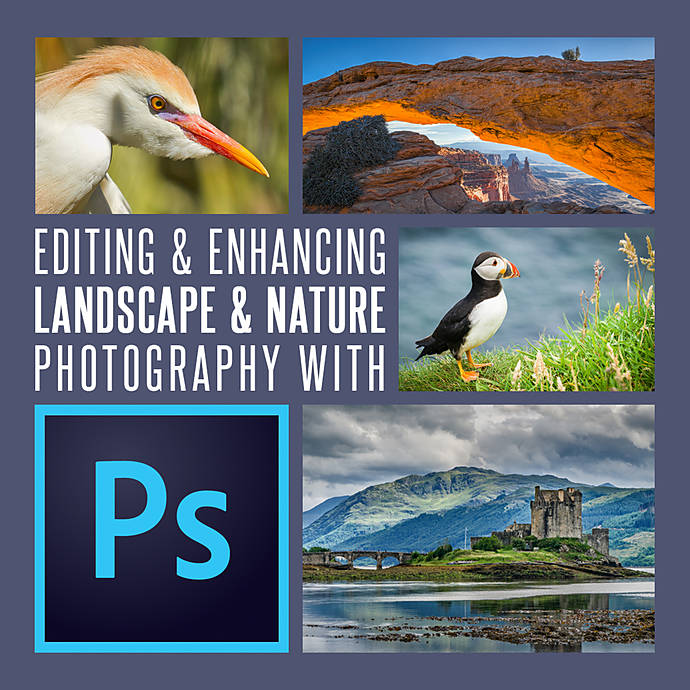
If post-production is an area you want to strengthen, Editing and Enhancing Landscape and Nature Photography with Photoshop is a smart way to learn practical refinements that improve your final submission without making it look heavy-handed.
4. Make Sure the Technical Quality Holds Up
Check focus, exposure, noise, and print readiness
Even creative images can lose points if they are soft in the wrong place, poorly exposed, or full of distracting noise and artifacts. Zoom in and inspect your file carefully before submitting. If the competition includes prints, make sure your image has enough resolution and looks good at the final display size.
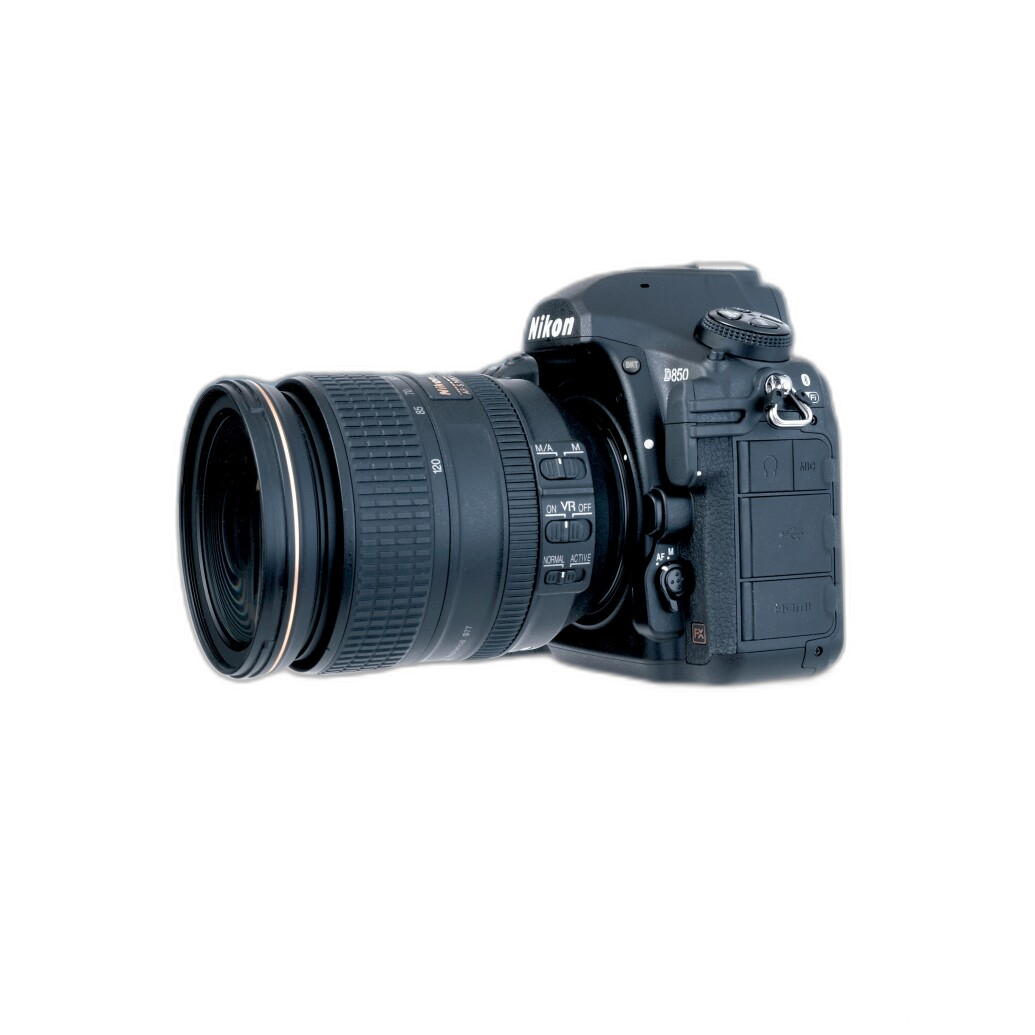
If you are still mastering your camera, a title like the Nikon D850 Guide to Digital SLR Photography by David Busch can help you better understand settings, autofocus behavior, exposure control, and other fundamentals that directly affect competition-ready image quality.
5. Match Your Subject to Your Strengths
Enter the category where you already make your best work
Do not feel pressured to enter every category. If your strongest images are landscapes, portraits, macro, street, or night skies, focus there. Your first competition is a better time to present work that feels natural to you than to experiment with a completely unfamiliar genre.
For example, if you love photographing the night sky, training like UUOnline: Astrophotography 4-Part Series with Temu Nana or UUOnline: Astrophotography 4-Part Series with Temu Nana (Session 2) can help you build a more polished astrophotography portfolio for future local contests.

6. Get Feedback Before You Submit
A second opinion can reveal what you missed
One of the best things you can do before entering is ask a trusted photographer, instructor, or photo group for honest critique. They may notice a distracting edge element, a crop that feels too tight, or an edit that looks unnatural. Small adjustments can make a big difference.
Classes and presentations can be especially helpful here because they expose you to different perspectives on storytelling, sequencing, and image selection. EXPO: Stories from the Road - Photography Across Worlds w. Matthew Borowick is a great example of the kind of educational event that can broaden your eye and help you evaluate your own work more critically.
7. Present Your Work Professionally
Titles, file names, and prints all matter
Presentation is part of the competition experience. Use a clean, appropriate title if one is required. Follow file naming instructions exactly. If you need to print and mount your image, keep the finish and presentation neat and consistent with the tone of the photograph.
Photographers who want to improve the polished, final look of their work may benefit from classes like Product Photography and Post Production Editing with Blake Taylor, which emphasize careful presentation and finishing choices that translate well to competition submissions.
8. Do Not Be Afraid to Enter Film or Alternative Work If It Fits
Originality can help you stand out
Some local competitions welcome film, experimental, or alternative process work. If that is where your voice feels strongest, it may help your images stand apart from a field dominated by digital captures. Just be sure the competition rules allow it and that your scans or prints are presented cleanly.
If you are curious about building confidence with analog techniques, Film Lovers Event: Intro to Film Photography (Philly) can be a fun way to explore a different approach and potentially develop future competition work with a distinctive look.
9. Treat the First Competition as a Learning Experience
Winning is great, but growth is the real goal
Your first local competition should not be a pass-or-fail test of your talent. It is a chance to learn how judging works, see what kinds of images rise to the top, and understand how your own work is perceived. Whether you place or not, you will come away with more insight for your next submission.
Over time, workshops, books, and educational events help build the technical and creative foundation that competitions reward. The more you shoot, edit, review, and refine, the stronger your entries become.
Conclusion
Entering your first local photography competition is a big step, and it is one worth taking. Focus on following the rules, choosing your strongest image, editing carefully, and presenting your work professionally. Most importantly, use the experience to grow. If you are looking to sharpen your skills before your next submission, Unique Photo offers classes, books, and events that can help you build confidence behind the camera and in post.