Introduction: Why Metering Still Matters With Manual Cameras
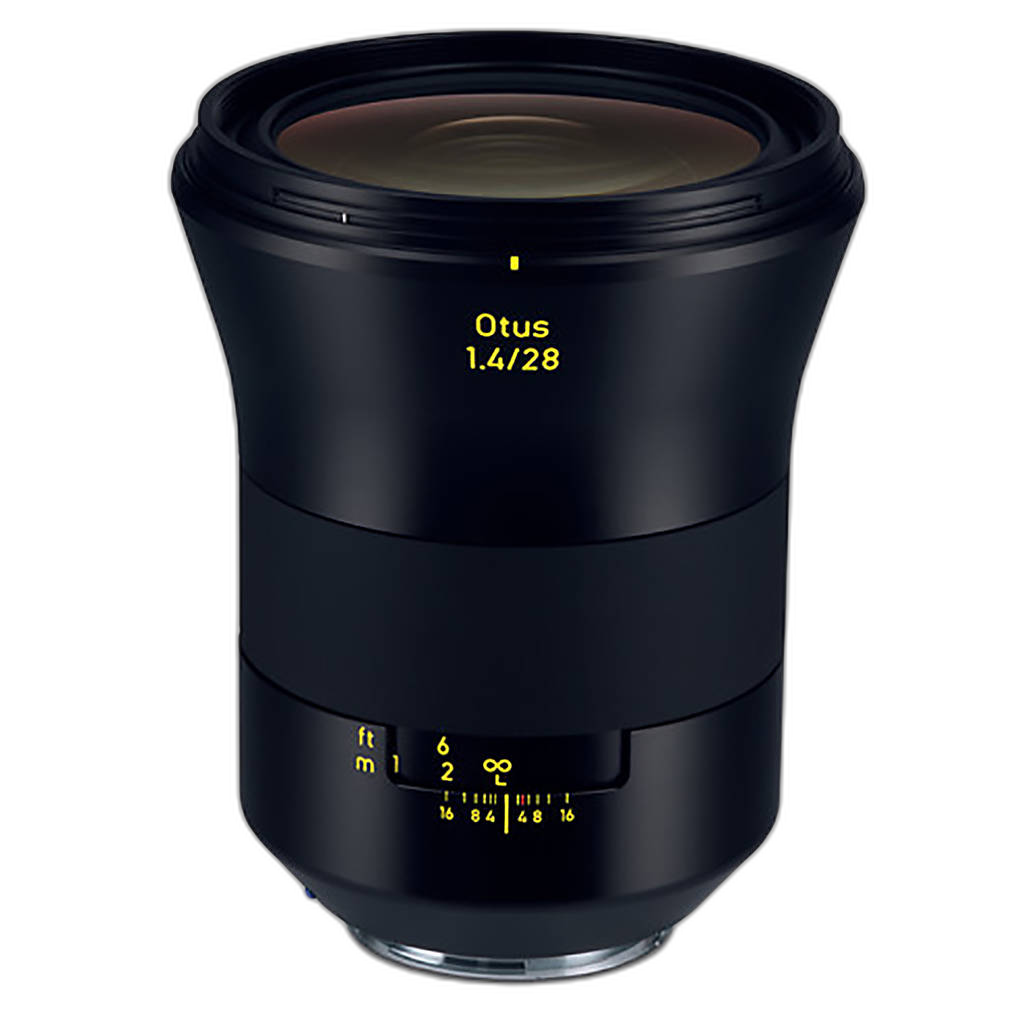
Metering is one of the defining skills of shooting with manual cameras. Whether you are working with film, adapting manual-focus glass to digital bodies, or simply choosing to slow down your process, exposure technique has a direct impact on consistency, highlight retention, shadow detail, and overall image character. For this review-style guide, the Zeiss 28mm f/1.4 OTUS Manual Focus Lens for Nikon ZF.2 serves as an excellent example of the kind of precision tool that rewards careful manual exposure work.
The OTUS line is positioned as premium, uncompromising optics for photographers who want maximum image quality and complete control. That makes it especially relevant in a discussion about metering techniques with manual cameras: this is not a lens for casual point-and-shoot use, but for deliberate image-making where focus, aperture choice, and exposure are all part of the craft.
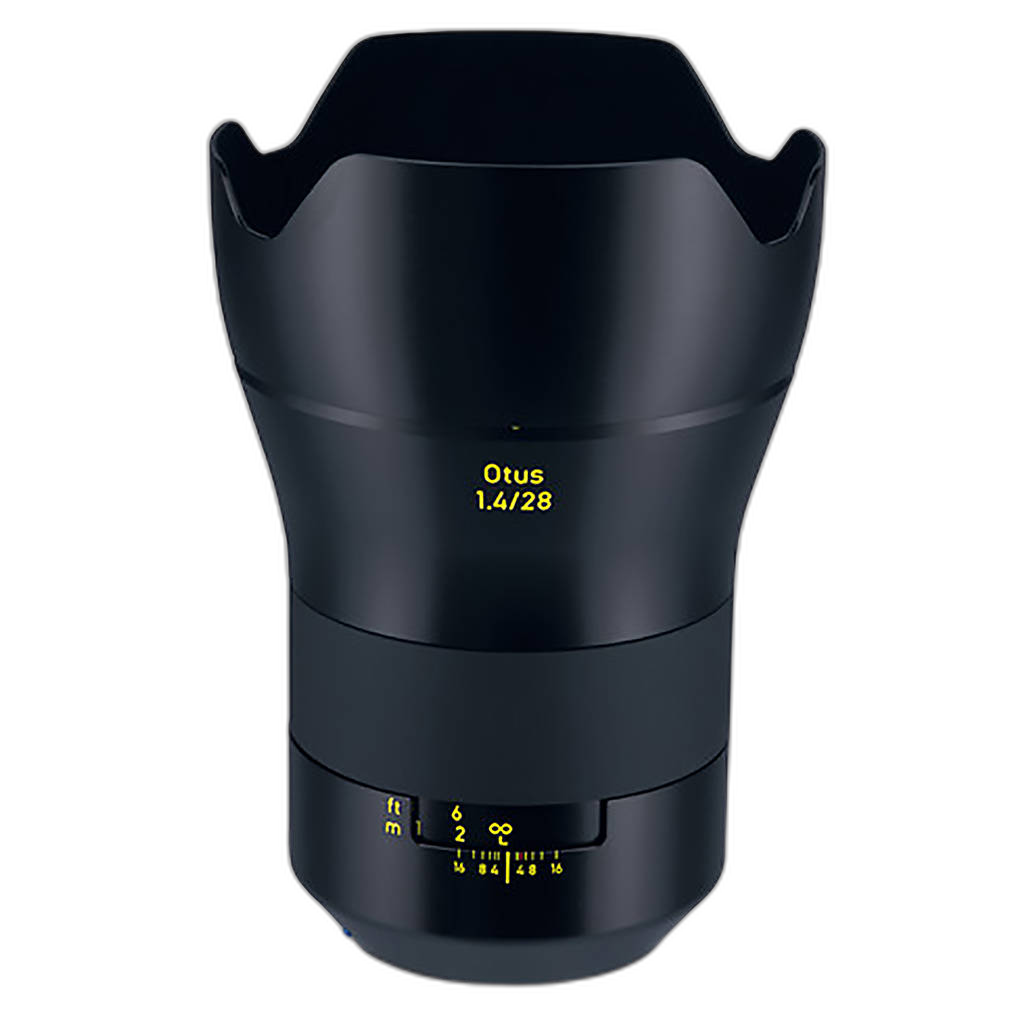
In practice, a lens like this encourages photographers to think like traditional shooters. You evaluate the scene, consider dynamic range, decide what part of the image matters most, meter for it, and then shoot with intent. That experience is exactly why manual metering remains so valuable today.
Product Positioning: A Lens That Demands and Rewards Precision
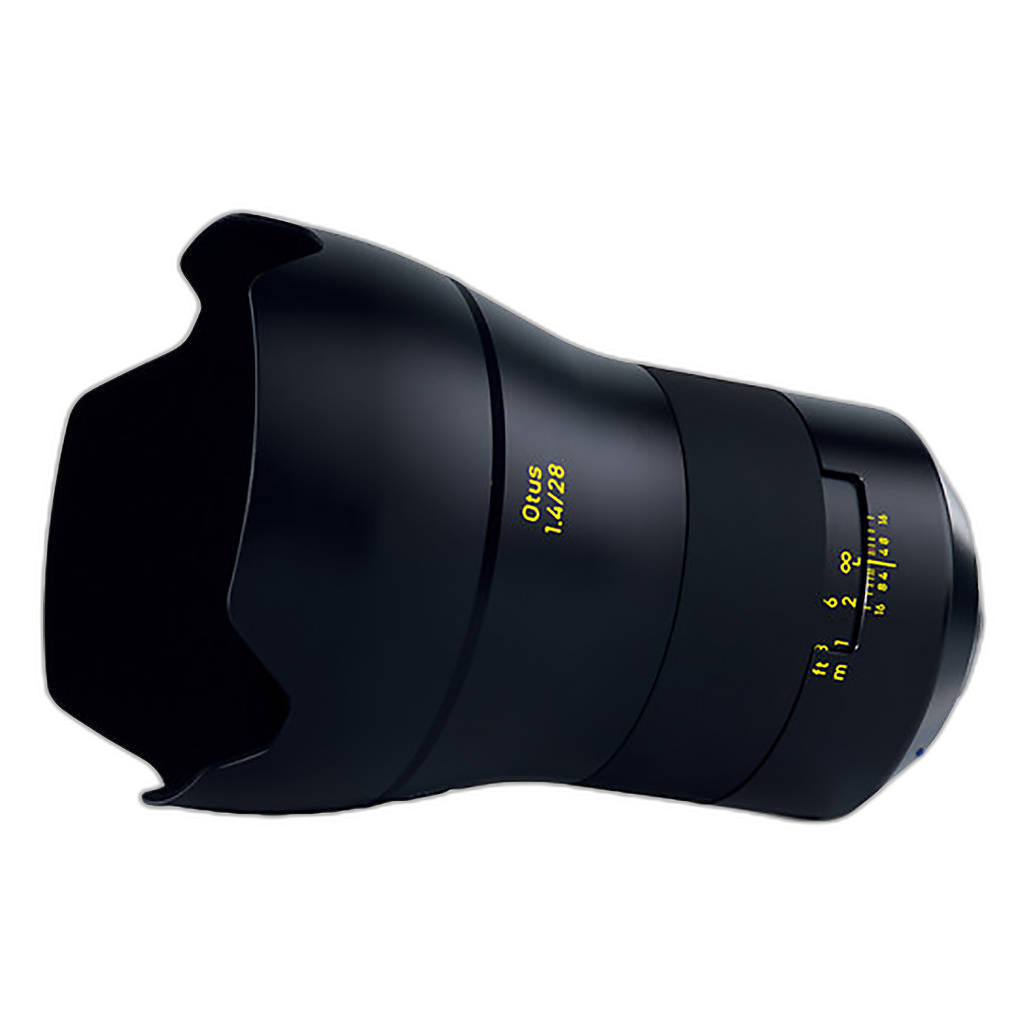
The Zeiss 28mm f/1.4 OTUS is a high-end manual focus wide-angle lens built for photographers who prioritize edge-to-edge sharpness, refined rendering, and exceptional low-light capability. It is not merely a nostalgic manual lens; it is a modern optical statement piece. On a manual or semi-manual shooting setup, it becomes an ideal platform for evaluating exposure technique because its rendering is clear enough to reveal even subtle metering errors.
At 28mm and f/1.4, this lens can handle environmental portraiture, street photography, landscape work, architecture, and low-light scenes. Those are also genres where metering decisions vary dramatically. A backlit portrait requires a different strategy than a high-contrast city street or a sunset landscape. The OTUS does not hide those decisions from the user. Instead, it puts them front and center.
Key Metering Techniques With Manual Cameras
1. Center-Weighted Metering for General Use
For many manual camera users, center-weighted metering is the most practical starting point. It gives priority to the middle portion of the frame while still considering surrounding brightness. With a lens like the Zeiss 28mm f/1.4 OTUS, center-weighted metering works well for walkaround photography, environmental portraiture, and documentary-style shooting.
The advantage here is predictability. If your subject is near the center, your exposure readings are usually easy to interpret. This is especially useful when using a manual-focus lens, since you are already spending more time composing and confirming focus. The downside is that strongly backlit scenes or compositions with bright skies can still fool the meter, often resulting in underexposed subjects.
2. Spot Metering for High-Contrast Scenes
Spot metering is the precision tool of manual exposure. When working with manual cameras, this technique is invaluable for scenes with dramatic lighting differences. You meter a specific tonal area, then place that tone intentionally in your exposure scale.
For example, with the OTUS shooting a portrait against a bright window, spot metering the subject's face provides a much more useful reading than averaging the whole scene. Likewise, in street photography, spot metering a patch of midtone pavement or a subject's clothing can help maintain consistency as people move through changing light.
The caution with spot metering is that it requires judgment. If you meter something too bright and render it as middle gray, your image will underexpose. If you meter deep shadow and treat it as a midtone, you may overexpose. The technique is powerful, but it depends on understanding tone placement.
3. Incident Metering for Repeatable Accuracy
When available, an incident light meter remains one of the best companions for manual camera work. Instead of measuring reflected light off the scene, it measures the light falling onto the subject. This often produces more reliable exposures in difficult conditions, especially with subjects wearing very dark or very bright clothing.
Used with a lens as optically revealing as the OTUS, incident metering can help ensure skin tones stay natural and exposure remains consistent from frame to frame. It is particularly effective in portrait sessions, studio setups, and controlled outdoor work where the light on the subject is stable.
The limitation is convenience. Incident metering is slower than relying on an in-camera meter and less practical for fast-moving shooting situations. But for deliberate photography, it is often the most dependable approach.
4. Sunny 16 and Experience-Based Exposure
Manual camera photographers should not overlook the value of estimation. The Sunny 16 rule is still relevant: in bright sunlight, set aperture to f/16 and shutter speed to the reciprocal of your ISO. From there, adjust based on cloud cover, shade, or backlighting.
With a fast lens like the Zeiss 28mm f/1.4 OTUS, Sunny 16 becomes more than a fallback. It becomes a way to move quickly while maintaining confidence in changing outdoor conditions. Many experienced film shooters rely on this method when they want to work intuitively without repeatedly checking a meter.
This technique is less precise than spot or incident metering, but it is often surprisingly effective. It also builds stronger photographic instincts over time.
How the Zeiss 28mm f/1.4 OTUS Supports Better Exposure Discipline
Manual Aperture Control Encourages Intentional Shooting
One of the greatest strengths of the OTUS in a manual workflow is that it naturally slows you down. Because you are focusing manually and thinking about aperture deliberately, you are more likely to evaluate the light carefully before releasing the shutter. That is a major benefit for photographers trying to improve metering technique rather than rely on automation.
Wide f/1.4 Aperture Expands Low-Light Options
The fast maximum aperture gives meaningful flexibility when light levels drop. In practical terms, that means you can preserve shutter speed or lower ISO without immediately compromising exposure. On manual cameras, this is especially helpful because small metering mistakes in dim conditions can become more obvious. A fast aperture gives you room to work.
High Resolution Makes Exposure Errors Visible
Excellent lenses reveal everything, including mistakes. The OTUS offers exceptional clarity and contrast, which means underexposure, clipped highlights, or poor shadow placement can stand out more clearly in final images. While that may sound unforgiving, it actually makes the lens a strong learning tool for mastering exposure.
Pros and Cons
Pros:
- Outstanding optical quality that rewards careful metering and deliberate shooting
- Manual focus design pairs naturally with traditional exposure workflows
- Fast f/1.4 aperture offers flexibility in low light
- Excellent for photographers who want complete control over image-making
- Wide 28mm focal length suits landscapes, environmental portraits, architecture, and street work
Cons:
- Manual operation is slower than autofocus alternatives
- Large, premium lens better suited to intentional shooting than casual carry
- Requires stronger metering technique to get the most from demanding scenes
- Best results come with experience, especially in high-contrast light
Real-World Take: Is This a Good Lens for Learning Metering?
Yes—provided the photographer actually wants to engage with the craft. The Zeiss 28mm f/1.4 OTUS is not a shortcut lens. It does not automate decision-making, and that is exactly why it works so well in the context of manual camera metering. It pushes the shooter to think about where highlights should fall, how much shadow detail matters, and whether the scene should be exposed for mood or accuracy.
Beginners may find the combination of manual focus and manual exposure demanding, but serious enthusiasts and advanced shooters will appreciate the feedback loop it creates. Meter carefully, shoot thoughtfully, and the results will show it.
Verdict and Recommendation
For photographers exploring metering techniques with manual cameras, the Zeiss 28mm f/1.4 OTUS Manual Focus Lens for Nikon ZF.2 is a superb review subject and an exceptional creative tool. Its premium optics, manual-focus handling, and fast aperture make it especially well suited to photographers who want to refine exposure discipline rather than depend on automation.
If your goal is to become more confident with center-weighted readings, spot metering, incident metering, or exposure estimation, this lens provides the kind of image quality that makes those techniques meaningful. It is best for serious photographers who value process as much as results.
If you are ready to invest in a precision manual-focus lens and continue building your exposure skills, Unique Photo is the place to buy the Zeiss 28mm f/1.4 OTUS.