Travel Lens FAQ: How to Choose a Lightweight, Versatile Setup
A great travel lens should help you move quickly, pack light, and still come home with images you love. Whether you shoot city streets, landscapes, food, portraits, or short video clips, the best choice is usually the lens that balances portability, focal range, and image quality for the way you actually travel.
Below, our team at Unique Photo answers common questions about lightweight, versatile travel lens setups and the accessories that can make your trip more comfortable and productive.
What makes a good travel lens?
A strong travel lens usually checks four boxes: manageable size, useful zoom range or flexible focal length, dependable autofocus, and solid optical performance in changing conditions. For many photographers, that means choosing a compact standard zoom that can handle wide scenes and tighter compositions without constant lens changes. If you prefer a smaller kit, a lightweight prime can also be an excellent travel option, especially for street photography or low-light shooting.
The key is to think about your destination and shooting style. If your trip includes architecture, interiors, and scenic overlooks, wider coverage matters. If you want one lens for family moments, street scenes, and details, a standard zoom often delivers the most versatility with the least hassle.
Is one versatile zoom better for travel than carrying multiple lenses?
For many travelers, yes. A single versatile zoom reduces weight, saves space, and helps keep dust off your camera sensor because you are changing lenses less often. It is also a practical choice when you are moving through airports, walking long distances, or shooting in fast-changing environments where there is no time to stop and swap gear.
That said, multiple lenses can still make sense if your priorities are more specialized. A photographer focused on ultra-wide landscapes, wildlife, and nighttime scenes may benefit from a two-lens setup rather than asking one lens to do everything. The best travel kit is the one you will actually want to carry all day.
Should I prioritize low weight or maximum focal range?
Most travelers are happiest when they prioritize weight first and range second. Extra reach sounds appealing when you are shopping, but a lens that is too large or heavy often gets left in the hotel. A slightly shorter zoom that stays on your camera all day is usually more valuable than a bigger lens that becomes a burden by lunchtime.
If you know you will be shooting distant subjects such as wildlife, sports, or compressed city views from observation decks, more focal range can absolutely be worth it. But for general travel photography, a compact lens with a practical everyday range is often the sweet spot.
Are prime lenses still a smart choice for travel?
Absolutely. Prime lenses remain a favorite for travelers who want the smallest possible setup, brighter apertures, and a more intentional shooting experience. A compact wide or normal prime can be excellent for street photography, environmental portraits, cafés, museums, and evening scenes.
The tradeoff is flexibility. If you do not want to zoom with your feet or if your trip includes a lot of varied subjects in a short amount of time, a zoom may feel easier. But if you value light weight, discretion, and low-light capability, a prime-focused travel kit can be incredibly rewarding.
How important is lens size when I also shoot travel video?
Lens size matters even more when video is part of the plan. A lighter lens is easier to balance on compact stabilizers, less tiring during handheld shooting, and generally more comfortable for long walking tours or destination coverage. If you build out a travel video rig, lightweight support accessories can also improve handling without making your kit feel overly bulky.
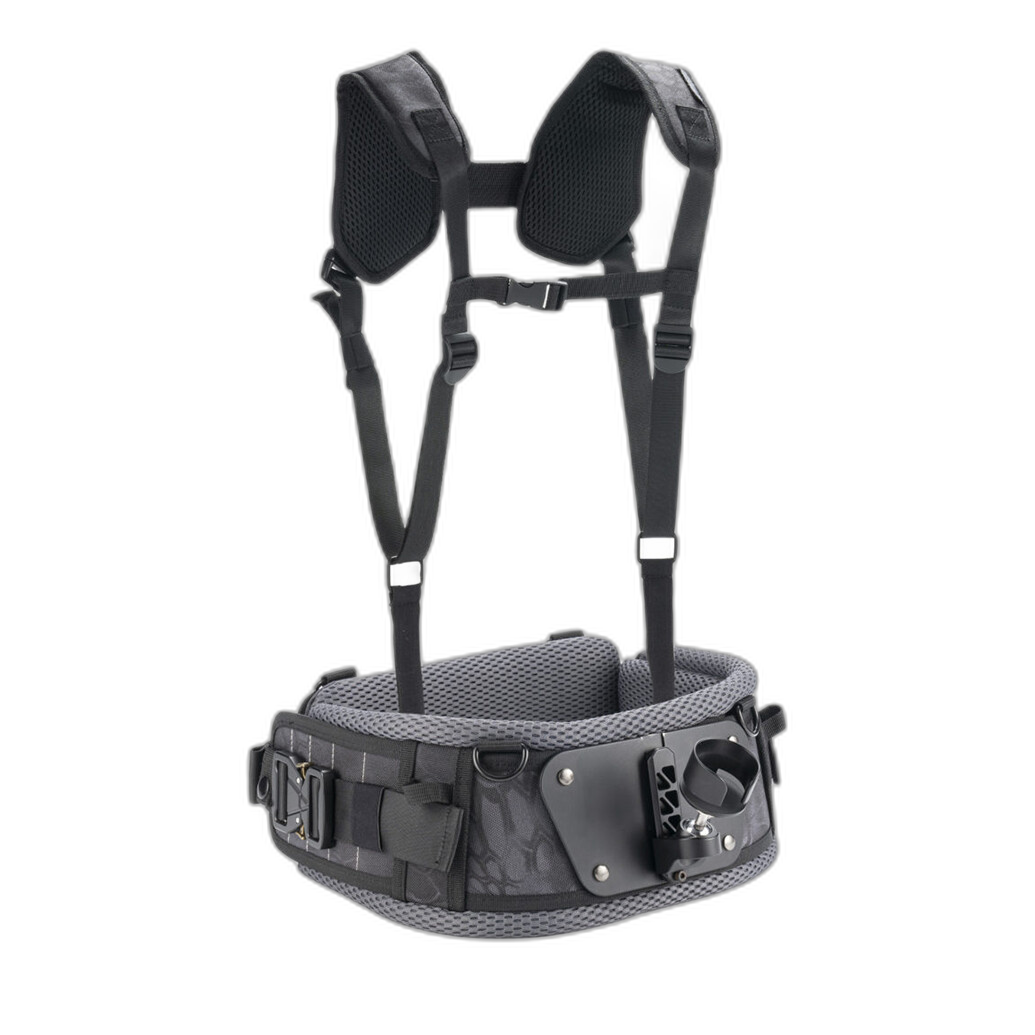
For creators using gimbals or compact cinema-style setups, the Tilta Lightweight Gimbal Support Vest can help reduce fatigue on longer shoots and provide more comfort when filming for extended periods on location.
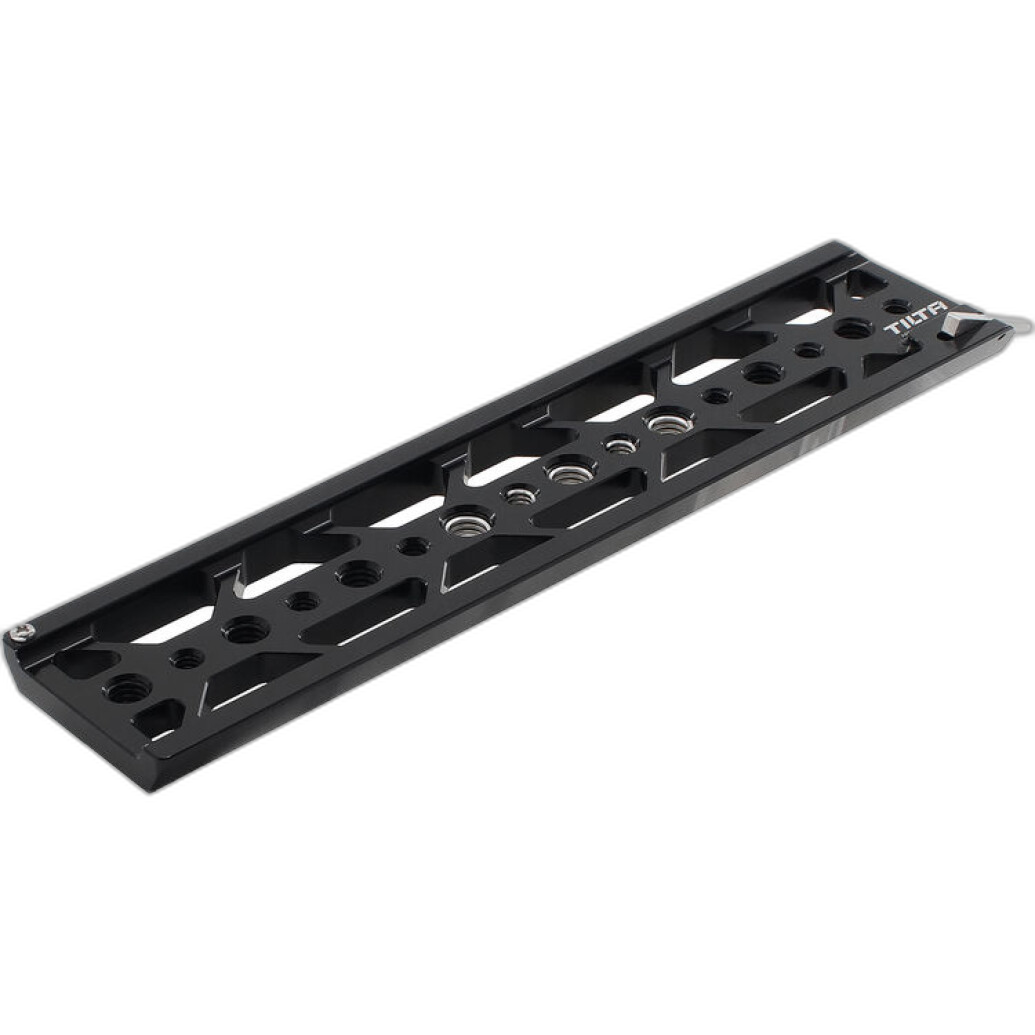
If your setup needs a more stable base for accessories or balancing, the Tilta 10 Lightweight Dovetail Plate (Black) is another useful option for keeping a lightweight rig organized and travel-ready.
What is the downside of choosing the lightest lens possible?
The smallest lens is not automatically the best lens. Ultra-compact designs may give up some aperture speed, edge sharpness, weather resistance, or ergonomic comfort compared to larger options. In practical terms, that might mean less low-light flexibility, more reliance on higher ISO settings, or a handling experience that feels less balanced on certain camera bodies.
That does not mean compact lenses are a compromise you should avoid. It simply means you should choose intentionally. If your priority is seeing more and carrying less, a small lens can be the ideal answer. If you frequently shoot indoors, at night, or in difficult weather, a slightly larger lens may justify the extra weight.
How can I improve my travel photography beyond just buying a lens?
Your lens matters, but your editing, sequencing, and image selection are what turn travel snapshots into a cohesive body of work. One of the best ways to improve is to get feedback from working professionals who can help you identify what is strong in your images and what to refine next.
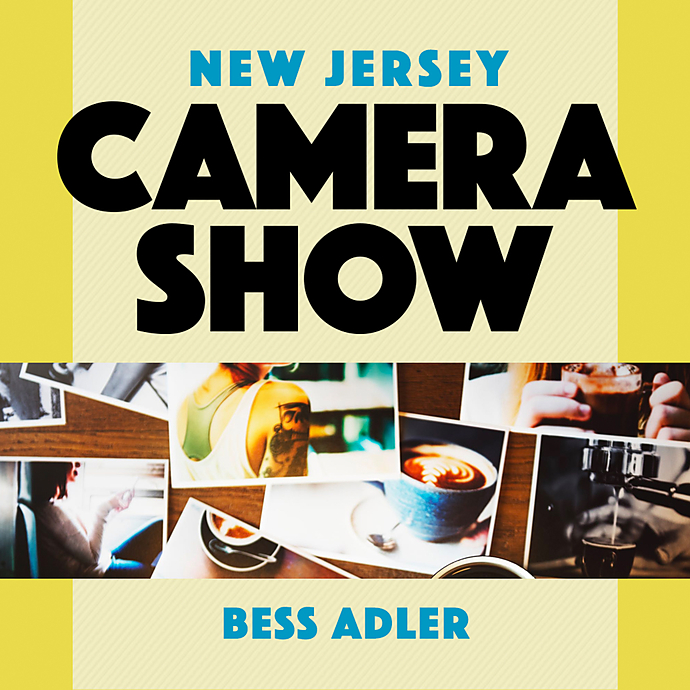
Unique Photo regularly offers portfolio review opportunities and educational events that can help you grow as a photographer after your trip. For example, NJCS: Portfolio Reviews with Bess Adler (Fujifilm) is a great example of the kind of hands-on learning experience that can help you better understand what makes your travel work stand out.
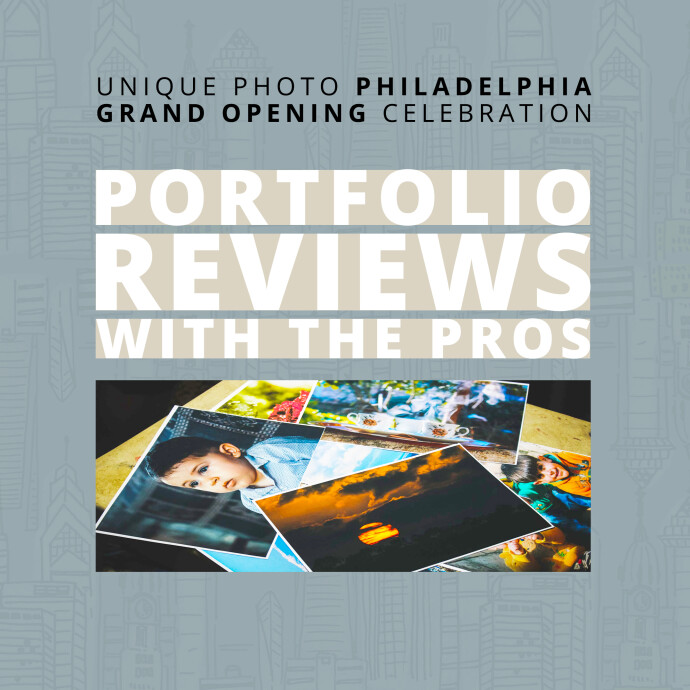
Travel photographers can also benefit from broader review and critique opportunities such as Portfolio Reviews with the Pros (Philly), which are especially useful when you want guidance on editing a series, choosing your strongest images, or building a more consistent visual style.
How do I decide between an all-purpose lens and a more specialized travel kit?
Ask yourself three questions: What do I photograph most, how much do I want to carry, and how often am I willing to change lenses? If your answer is "a little of everything" and "not much," an all-purpose travel lens is probably the better fit. If your trip has a clear purpose like landscapes, wildlife, or documentary street work, a specialized kit may produce better results.
Many photographers settle on a hybrid approach: one versatile lens for daytime walking and one small specialty lens for specific situations like low light or portraits. That keeps the kit manageable while still giving you room to be creative.
What accessories help keep a lightweight travel kit comfortable?
Comfort becomes a major factor on any trip where you are on your feet for hours at a time. For photo-video creators, reducing strain can be just as important as reducing bag weight. If you are filming throughout the day, the Tilta Lightweight Gimbal Support Vest can help distribute load more effectively for longer shooting sessions.
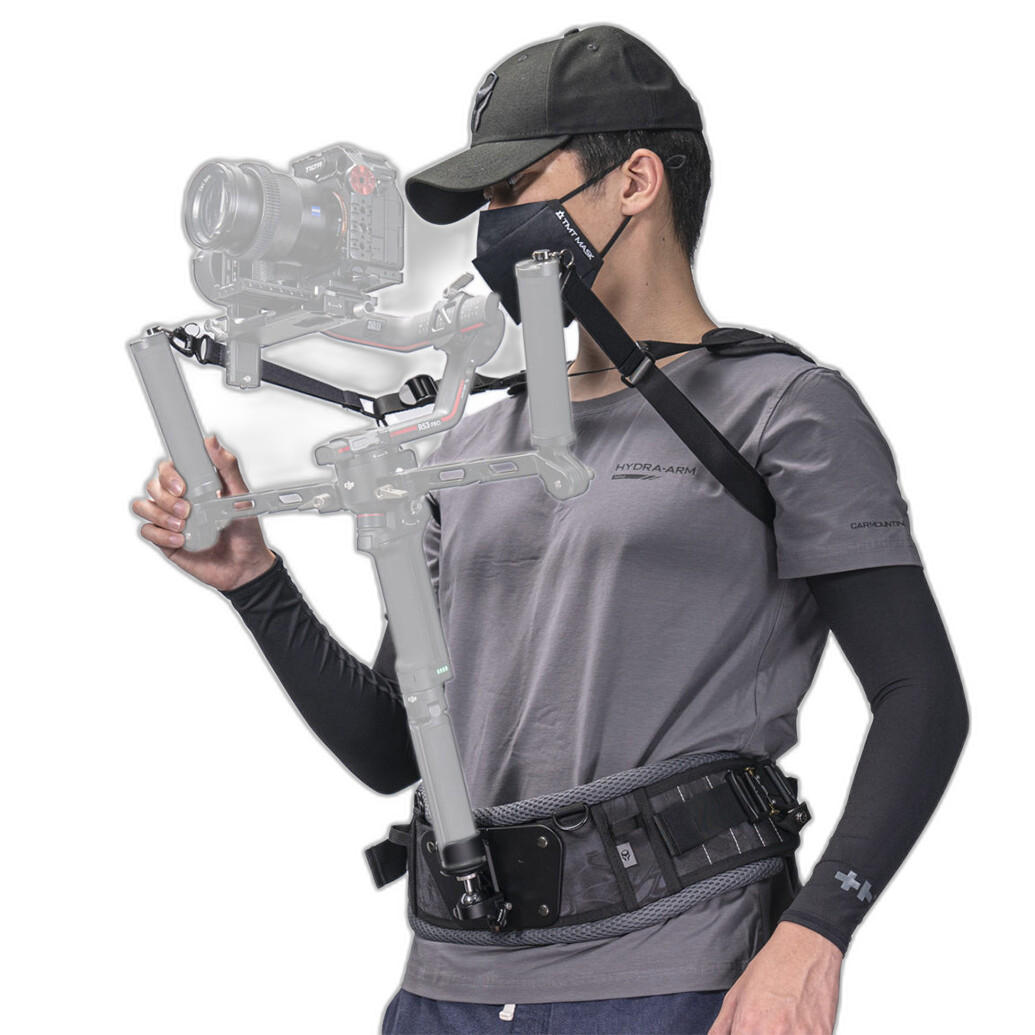
And if your rig includes rails or support components, the Tilta 10 Lightweight Dovetail Plate (Black) offers a practical way to maintain a compact, modular setup that is easier to transport.
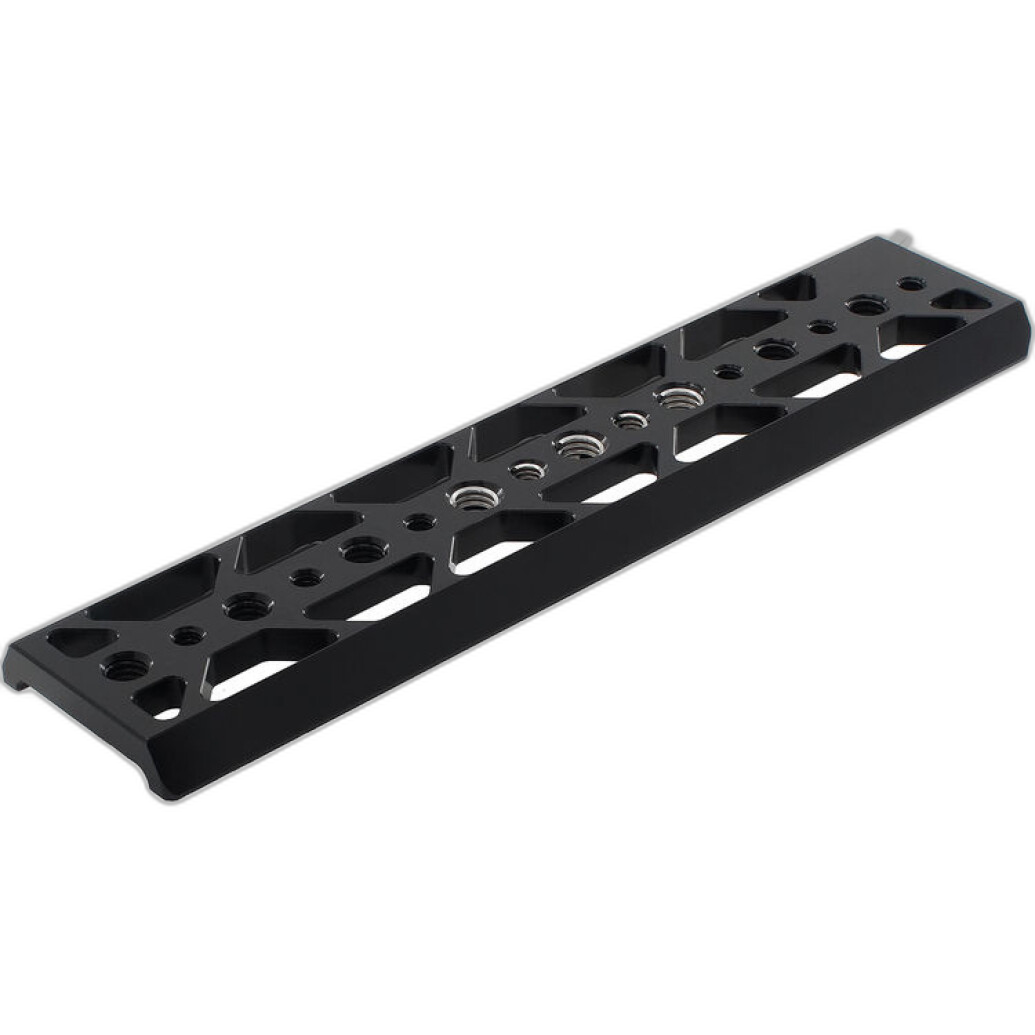
The overall goal is simple: create a kit you can comfortably carry from morning to night without sacrificing the ability to capture the images or footage your trip inspires.
Choosing a travel lens is really about matching your gear to your pace, your subjects, and your tolerance for weight. If you are building a lighter travel setup or looking for accessories and educational events to support your next trip, explore the latest gear and learning opportunities at Unique Photo.