If you’ve been shooting video on a DSLR and are ready to move into mirrorless, this guide is for you. Mirrorless cameras bring major advantages for videographers: better autofocus in video, stronger stabilization, more compact bodies, improved EVF/live-view shooting, and easier adaptation of existing DSLR lenses. The key is choosing a setup that fits the way you shoot—whether that means building around a high-resolution full-frame system, keeping your kit light for travel and run-and-gun work, or making the most of EF glass you already own.
Below, we’ll walk through practical gear recommendations for a smooth DSLR-to-mirrorless transition, including cameras, lens strategies, adapters, and a few smart accessories that help complete a video-ready kit.
What Changes When You Move from DSLR to Mirrorless for Video?
The biggest shift is how the camera handles focusing and framing during recording. Mirrorless systems are designed around live view, which makes them especially strong for hybrid creators and video-first shooters. You’ll also gain access to newer lens ecosystems, compact bodies, and in many cases better subject detection and tracking.
- Autofocus: Eye, face, and subject tracking are typically much more reliable for video than older DSLR systems.
- Lens flexibility: Many mirrorless systems can adapt DSLR lenses, letting you transition gradually.
- Stabilization: In-body image stabilization can be a major upgrade for handheld shooting.
- Size and weight: Smaller bodies are easier to rig, travel with, and carry for long shoots.
Quick Comparison: Best Gear Paths for DSLR-to-Mirrorless Videographers
| Product | Best For | Why It Stands Out | Transition Advantage |
|---|---|---|---|
| Sony a7R VI Mirrorless Camera | Advanced hybrid shooters and professional creators | Full-frame mirrorless performance in a modern Sony system | Excellent long-term platform for video and lens growth |
| OM SYSTEM OM-5 Mirrorless Camera | Travel, handheld, and lightweight video kits | Compact body and portable system size | Easy move for shooters prioritizing mobility |
| Used Nikon Zf Mirrorless Camera with 40mm f/2 SE Lens | Creators wanting a stylish, capable used full-frame entry point | Includes lens and offers strong value in a used kit | Lower-cost entry into mirrorless with a ready-to-shoot package |
| Used Sigma MC-11 Mount Adapter Canon EF Lenses to Sony E | Canon DSLR users moving to Sony | Lets you keep using EF lenses on Sony E bodies | Helps protect your existing lens investment |
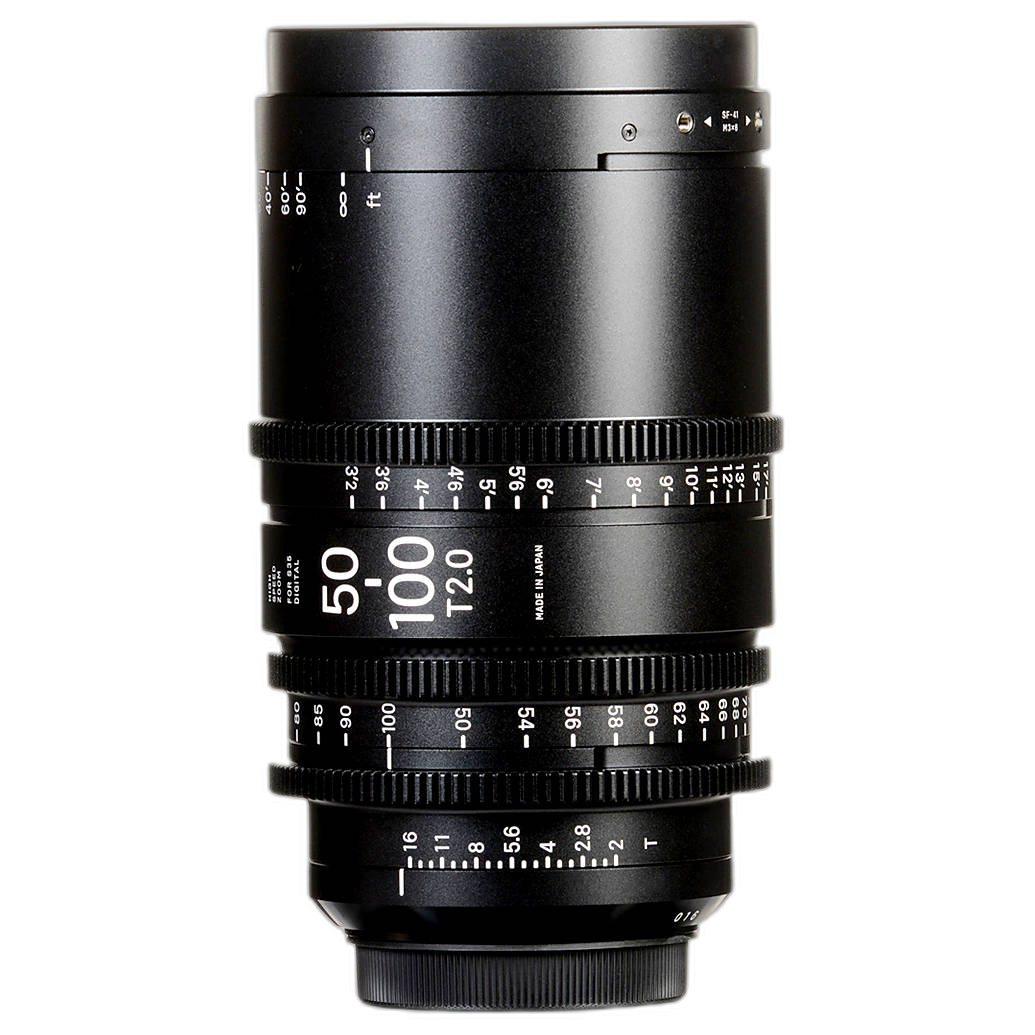
| Sigma 18-35mm T2 and 50-100mm T2 Lenses with Case (Canon EF) | Cine-focused shooters with EF workflows | Fast T2 cinema zoom pair for controlled productions | Strong option if your transition still includes EF lens use |
Our Pick
Sony a7R VI Mirrorless Camera is our top recommendation for DSLR users making a serious move into mirrorless videography. It offers a modern Sony mirrorless platform with room to grow, access to one of the deepest native lens ecosystems in the industry, and a strong path for hybrid creators who shoot both video and stills. If you want a system you can build around for years, this is the standout choice.
Recommended Gear
Sony a7R VI Mirrorless Camera
For DSLR shooters who want to step into a high-end mirrorless system for video, the Sony a7R VI Mirrorless Camera is an excellent place to land. Sony’s mirrorless ecosystem is one of the strongest for videographers, with broad native lens support, third-party options, and a mature accessory market for cages, monitors, audio gear, and gimbals.
Why it makes sense for videography:
- Full-frame mirrorless platform with professional growth potential
- Ideal for creators who need both strong stills and advanced video capability
- Wide Sony E-mount ecosystem for upgrading over time
- Excellent choice if you plan to expand into native mirrorless lenses
If your DSLR setup is starting to feel limiting in autofocus, body size, or lens adaptability, this is the kind of camera that can modernize your workflow fast.
OM SYSTEM OM-5 Mirrorless Camera (Silver, Body Only)
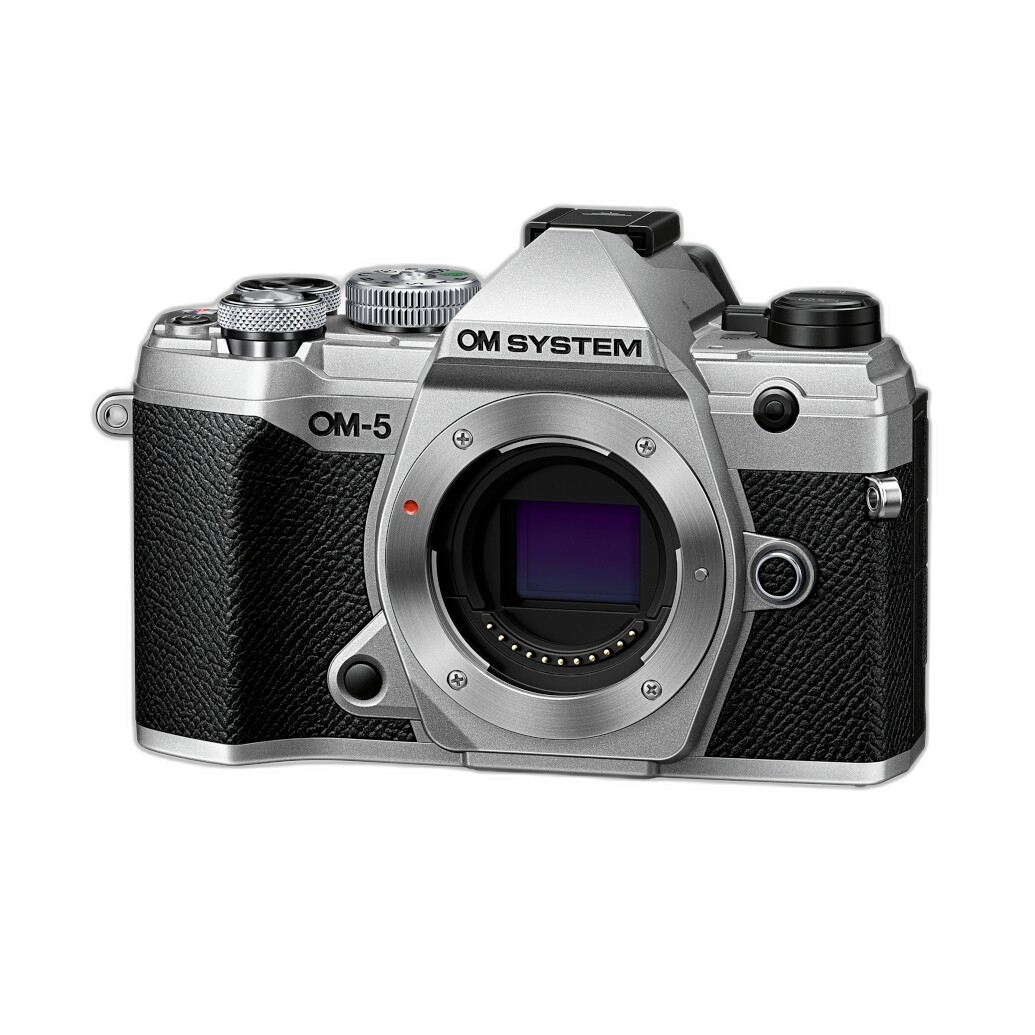
The OM SYSTEM OM-5 is a smart option for videographers who want a compact, travel-friendly mirrorless body. If your DSLR rig has become too bulky for daily carry, vlogging, hiking, or run-and-gun shooting, moving to a smaller system can change how often you actually bring your camera with you.
This model is especially appealing if portability is one of your main reasons for switching. A smaller kit can be easier to stabilize, easier to pack, and less fatiguing during longer handheld sessions.
- Compact body for mobile video creators
- Good fit for lightweight handheld setups
- Great option for travel filmmakers and outdoor shooters
- Lets you build a mirrorless kit that stays small
Used Nikon Zf Mirrorless Camera with 40mm f/2 SE Lens - Excellent
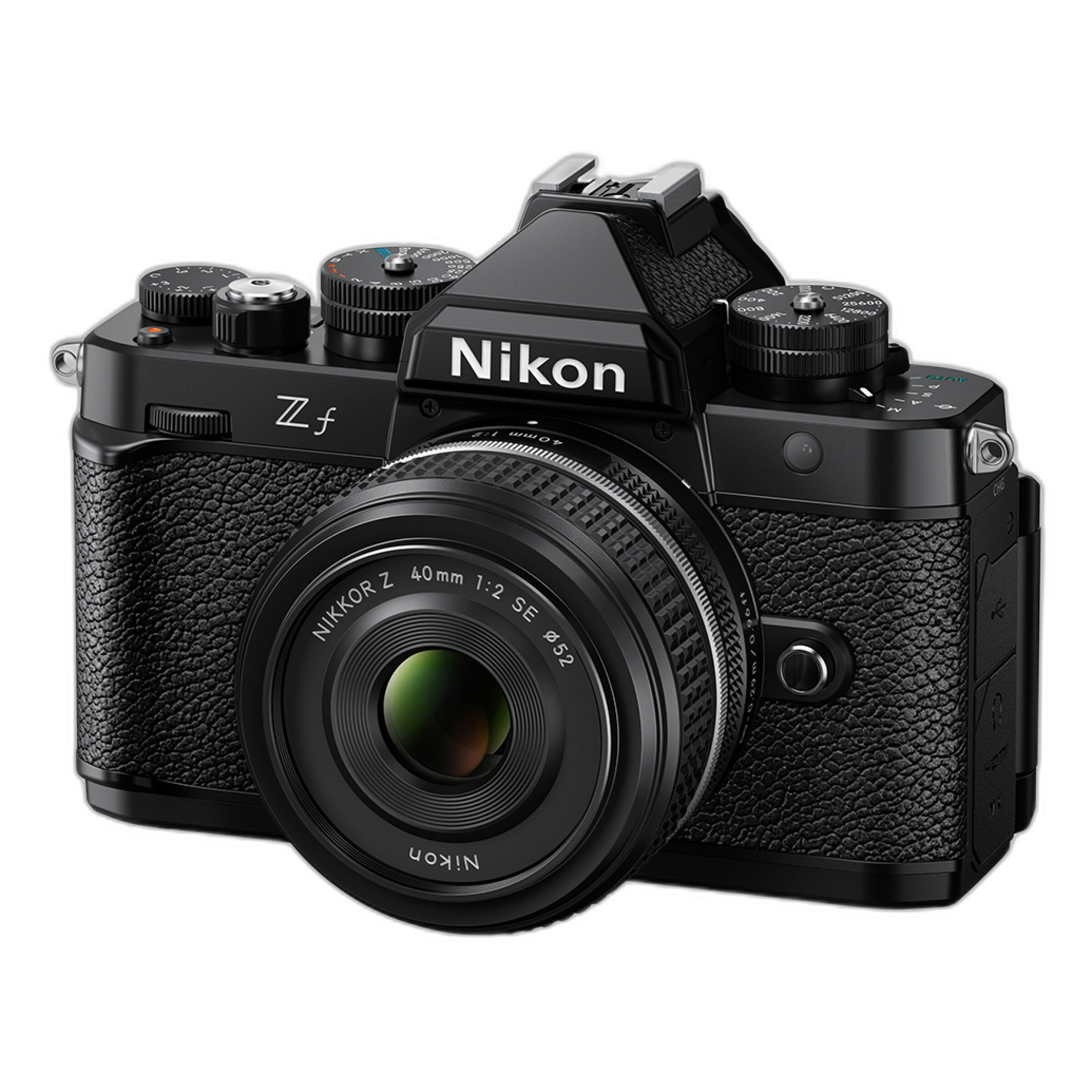
If you want to move into mirrorless without buying everything new, the Used Nikon Zf Mirrorless Camera with 40mm f/2 SE Lens is a very attractive path. For many DSLR users, the biggest barrier to switching is total system cost. A used mirrorless kit lowers that hurdle while still giving you the advantages of a newer shooting platform.
The included 40mm f/2 lens also makes this a practical starter setup for general-purpose video, behind-the-scenes content, documentary-style shooting, and lifestyle work.
- Great value for photographers and videographers transitioning on a budget
- Includes a usable everyday lens right away
- Strong mirrorless entry point if you prefer buying used gear
- Ideal if you want a simpler all-in-one starter package
Used Sigma MC-11 Mount Adapter Canon EF Lenses to Sony E - Excellent
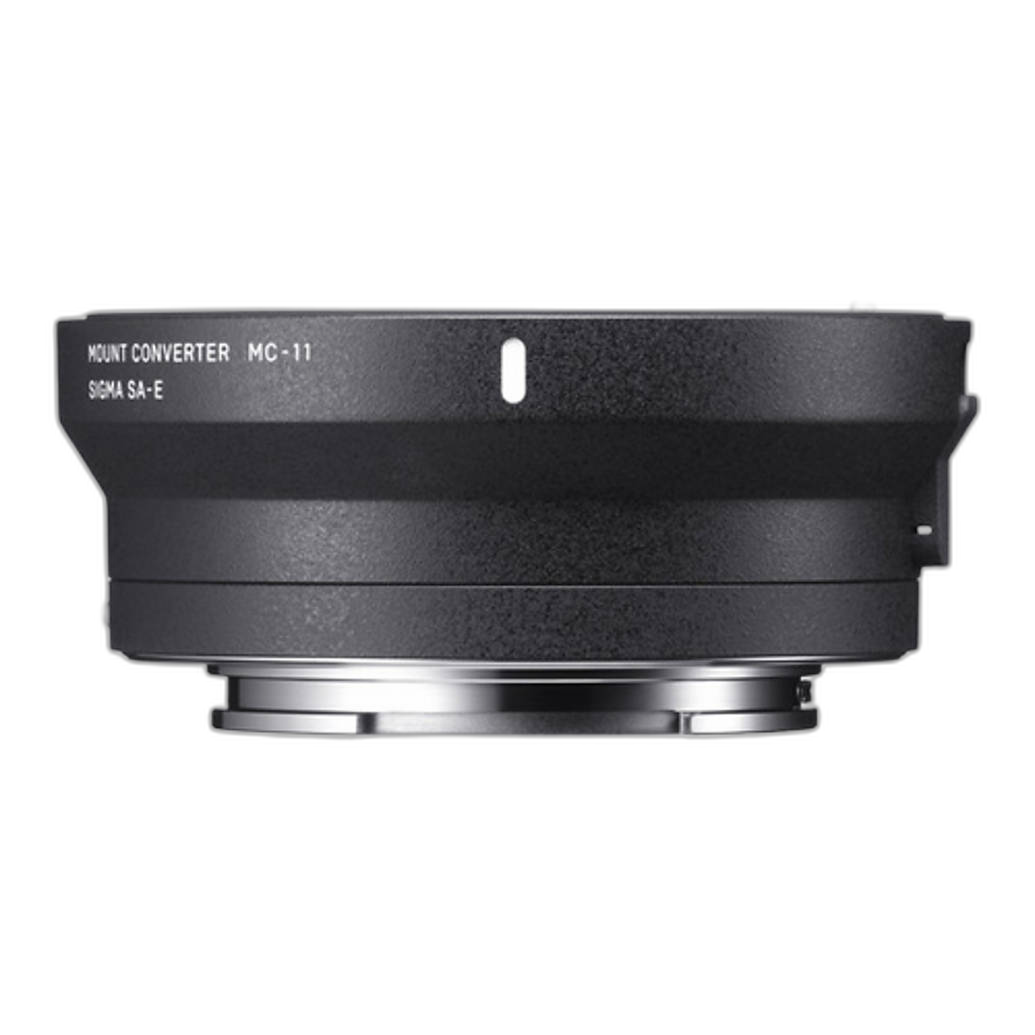
For Canon DSLR users, one of the most practical ways to move to mirrorless is to keep using your EF lenses while you upgrade the camera body first. The Used Sigma MC-11 Mount Adapter Canon EF Lenses to Sony E is a smart bridge product for exactly that purpose.
This adapter helps reduce the cost of switching systems all at once. Instead of replacing every lens immediately, you can move to a Sony body and continue working with compatible Canon EF glass as you build toward native Sony lenses over time.
- Excellent transition tool for Canon DSLR shooters moving to Sony E-mount
- Helps preserve the value of your existing EF lens kit
- Makes gradual system migration more affordable
- Ideal for shooters who already own quality Canon glass
Sigma 18-35mm T2 and 50-100mm T2 Lenses with Case (Canon EF)
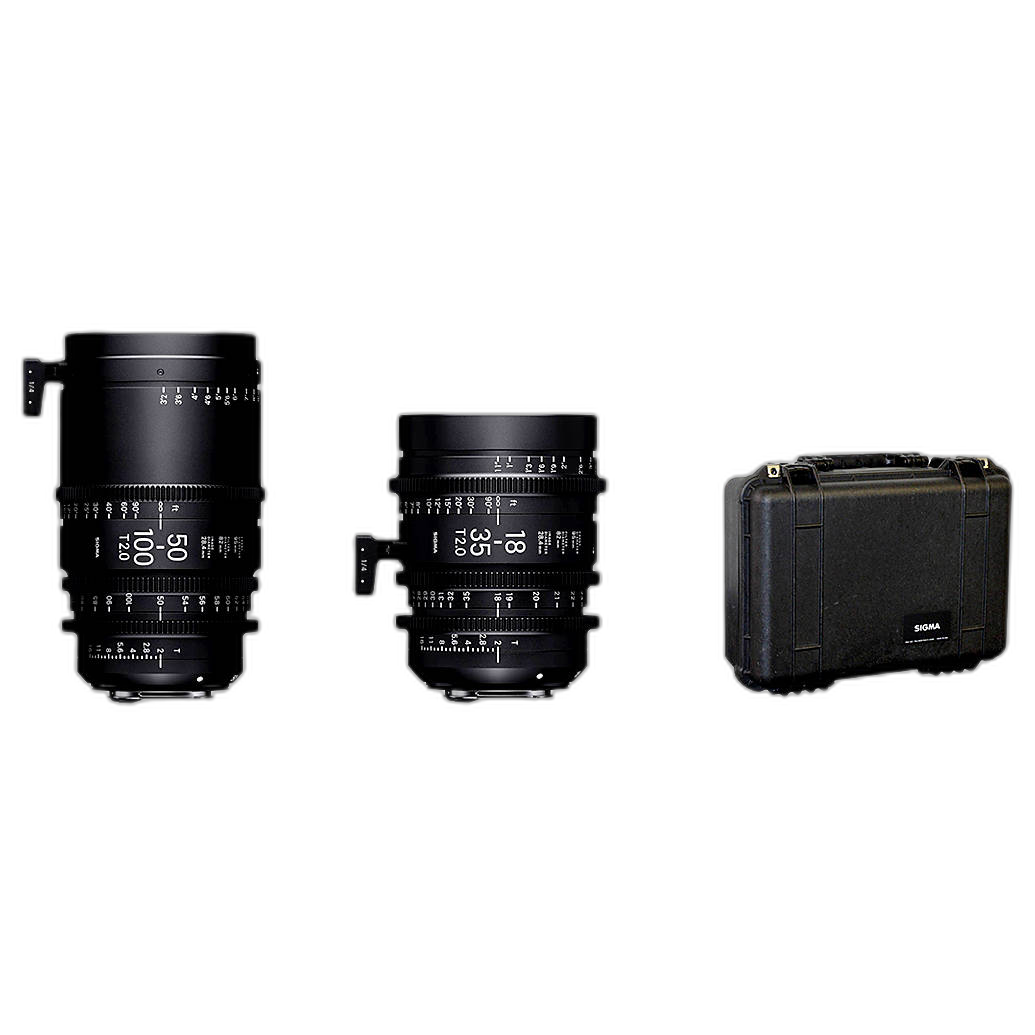
If your videography is more production-focused, the Sigma 18-35mm T2 and 50-100mm T2 Lenses with Case (Canon EF) deserves a close look. This is a serious cine-oriented option for creators who need a matched zoom pair with fast T-stops and more consistent cinema handling.
These lenses are especially compelling if your DSLR workflow already revolves around EF-mount glass and you want to keep that foundation during your mirrorless transition. Paired with the right adapted setup, they can help you maintain a professional lens package while upgrading your body platform.
- Strong choice for narrative, commercial, and controlled video productions
- Fast T2 apertures support low-light work and shallow depth of field
- Useful for EF-based shooters transitioning without abandoning cine glass
- Comes with a case for storage and transport
Think Tank V2 Mirrorless Mover 10 Cool Grey
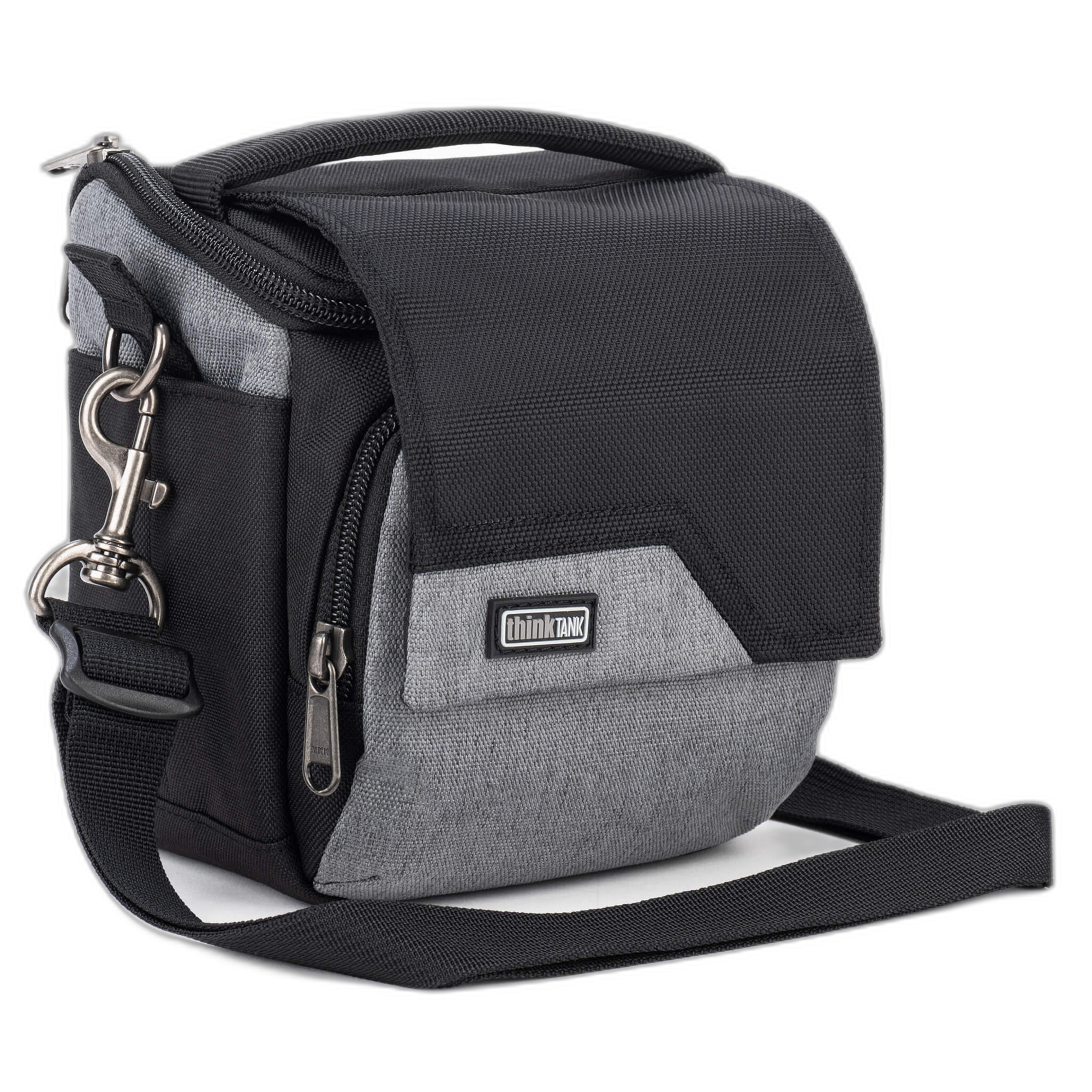
When you switch from DSLR to mirrorless, your bag strategy often changes too. The Think Tank V2 Mirrorless Mover 10 is a useful reminder that a smaller camera system can also mean a more compact, efficient carry setup.
For solo creators, event shooters, and travel videographers, a dedicated mirrorless bag can help keep a body, lens, battery, cards, and small accessories organized without overpacking.
- Designed for smaller mirrorless kits
- Good fit for lightweight shooting days and travel
- Helpful for creators downsizing from bulky DSLR bags
- Practical accessory for an everyday video setup
Canon Lenses: Finding the Right Lens for You
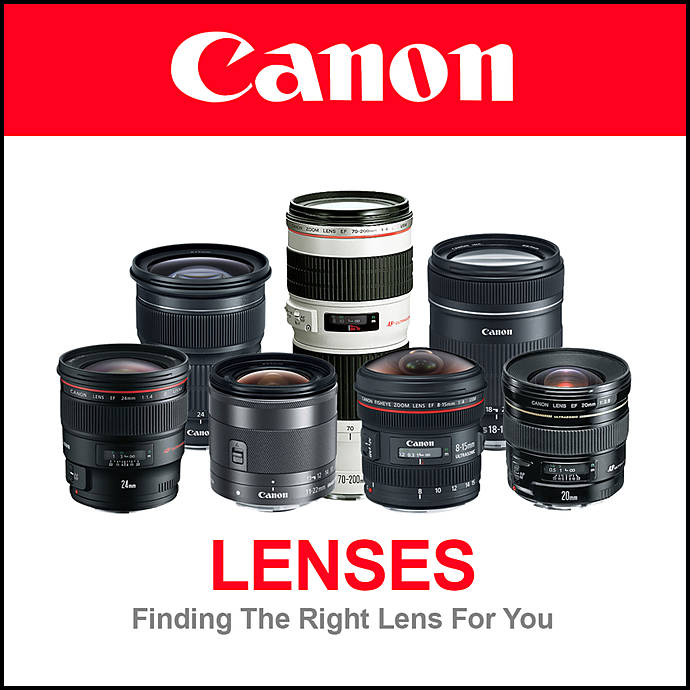
If you’re still working out your lens strategy, Canon Lenses: Finding the Right Lens for You can be a valuable resource. One of the biggest questions when switching to mirrorless is whether to keep adapting DSLR lenses or start fresh with native mirrorless glass. Learning which focal lengths and lens types actually match your style can save you money and help you build a more effective kit.
This is especially relevant for Canon users deciding which EF lenses are worth keeping during the transition and which should eventually be replaced.
Understanding Your Sony Mirrorless Camera: Intermediate (Sony)
Switching systems means learning new menus, autofocus settings, exposure tools, and custom controls. Understanding Your Sony Mirrorless Camera: Intermediate (Sony) is a great next step for videographers who want to get more out of a Sony body after making the jump.
If you’re moving from a DSLR to Sony mirrorless, education can shorten the learning curve and help you use your camera more efficiently on real shoots.
Should You Adapt DSLR Lenses or Buy Native Mirrorless Lenses?
This is one of the most important decisions in the transition process.
Adapt your DSLR lenses if:
- You already own high-quality EF glass
- You want to spread out the cost of switching
- You’re moving to Sony and want a gradual upgrade path
Buy native mirrorless lenses if:
- You want the best size, balance, and autofocus performance
- You’re building a long-term video kit from scratch
- You want to fully commit to a new mount ecosystem
For many videographers, the smartest answer is a hybrid approach: adapt your best DSLR lenses now, then add native mirrorless lenses as your needs and budget evolve.
Best Upgrade Paths by Shooter Type
| Shooter Type | Recommended Path |
|---|---|
| Canon DSLR videographer with EF lenses | Sony a7R VI + Sigma MC-11 adapter to keep using EF glass during the transition |
| Travel or run-and-gun creator | OM SYSTEM OM-5 + compact mirrorless carry solution like the Think Tank bag |
| Budget-conscious mirrorless upgrader | Used Nikon Zf kit for a lower-cost ready-to-shoot full-frame package |
| Cine-oriented filmmaker with EF workflow | Sigma 18-35mm T2 and 50-100mm T2 lens set as part of an adapted EF-based production setup |
Final Thoughts
Switching from DSLR to mirrorless for videography is less about abandoning everything you own and more about choosing the right upgrade path. If you want the strongest long-term system, the Sony a7R VI Mirrorless Camera is our top pick. If portability matters most, the OM SYSTEM OM-5 is an appealing lightweight option. If budget is the main concern, the Used Nikon Zf with 40mm f/2 lens is a smart way to enter mirrorless with a practical starter package. And if you’re a Canon DSLR shooter, the Sigma MC-11 adapter can make the transition far easier by letting you keep working with EF lenses.
For help choosing the right camera, lens strategy, or accessories for your workflow, shop with Unique Photo to compare mirrorless options, adapters, used gear, and educational resources all in one place.