Online photography contests can be a great way to gain exposure, challenge your creativity, and build confidence in your work. The best entries usually do more than show technical skill—they tell a story, fit the contest theme, and feel polished from capture to final edit. If you want to improve your odds, these practical strategies can help you submit stronger images and stand out for the right reasons.
Start by Reading the Contest Brief Carefully
1. Match the theme exactly
One of the biggest mistakes photographers make is submitting a strong image that does not truly fit the category. Before you upload anything, study the theme, rules, file requirements, deadlines, and judging criteria. If a contest calls for travel storytelling, for example, an educational event like EXPO: Stories from the Road - Photography Across Worlds w. Matthew Borowick can help sharpen your sense of narrative and sequence—qualities judges often notice immediately.
2. Check technical specifications before exporting
Pay close attention to image dimensions, color space, file type, and maximum file size. A beautifully edited photo can still be rejected if it does not meet submission standards. Creating a contest-specific export preset can save time and prevent last-minute errors.
Choose Images With a Clear Point of View
3. Submit photos that say something
Judges review many technically competent images, so emotional impact and originality matter. Look for photographs with a strong subject, intentional composition, and a clear mood. Instead of asking, “Is this sharp?” also ask, “Will someone remember this image after seeing fifty others?”
4. Show depth through storytelling
Even a single frame can suggest a larger story. Strong contest entries often include a sense of place, timing, or human connection. Learning from programs such as Macro and Landscape Photography at Duke Farms with Michael Downey can help you refine how you compose scenes with purpose, whether you are entering nature, landscape, or detail-oriented categories.

Polish Your Editing Without Overdoing It
5. Edit for impact, not distraction
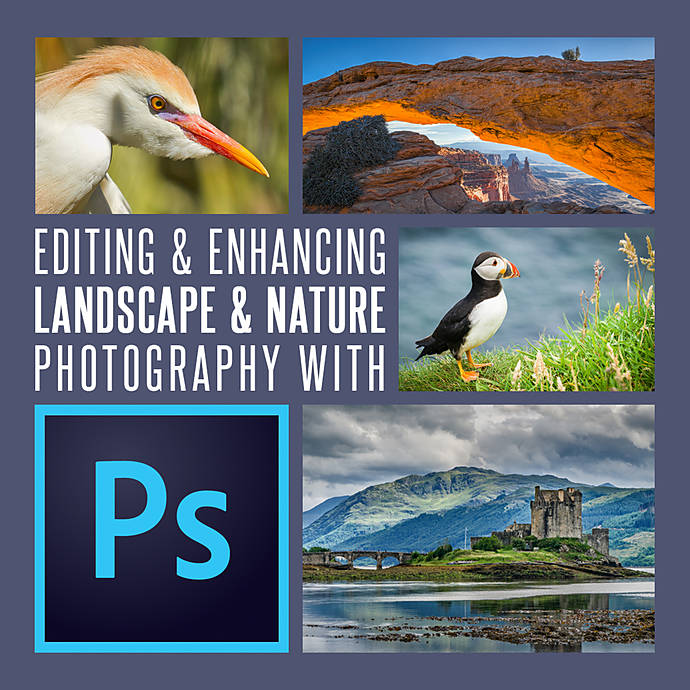
Thoughtful post-processing can elevate an image, but heavy-handed edits can hurt your credibility. Focus on color accuracy, contrast, local adjustments, dodging and burning, and cleanup that supports the subject. If you want to strengthen your finishing skills for nature or scenic entries, Editing and Enhancing Landscape and Nature Photography with Photoshop is the kind of training that can help you produce cleaner, more competition-ready files.
6. Keep your style consistent with the subject
A dramatic edit may work for one contest and feel out of place in another. Make sure your retouching choices support the category and mood. Product and still life submissions, in particular, benefit from precision; classes like Product Photography and Post Production Editing with Blake Taylor highlight the kind of detail and discipline that can improve technical contest categories.

Strengthen Your Technical Foundation
7. Know your camera well enough to react quickly
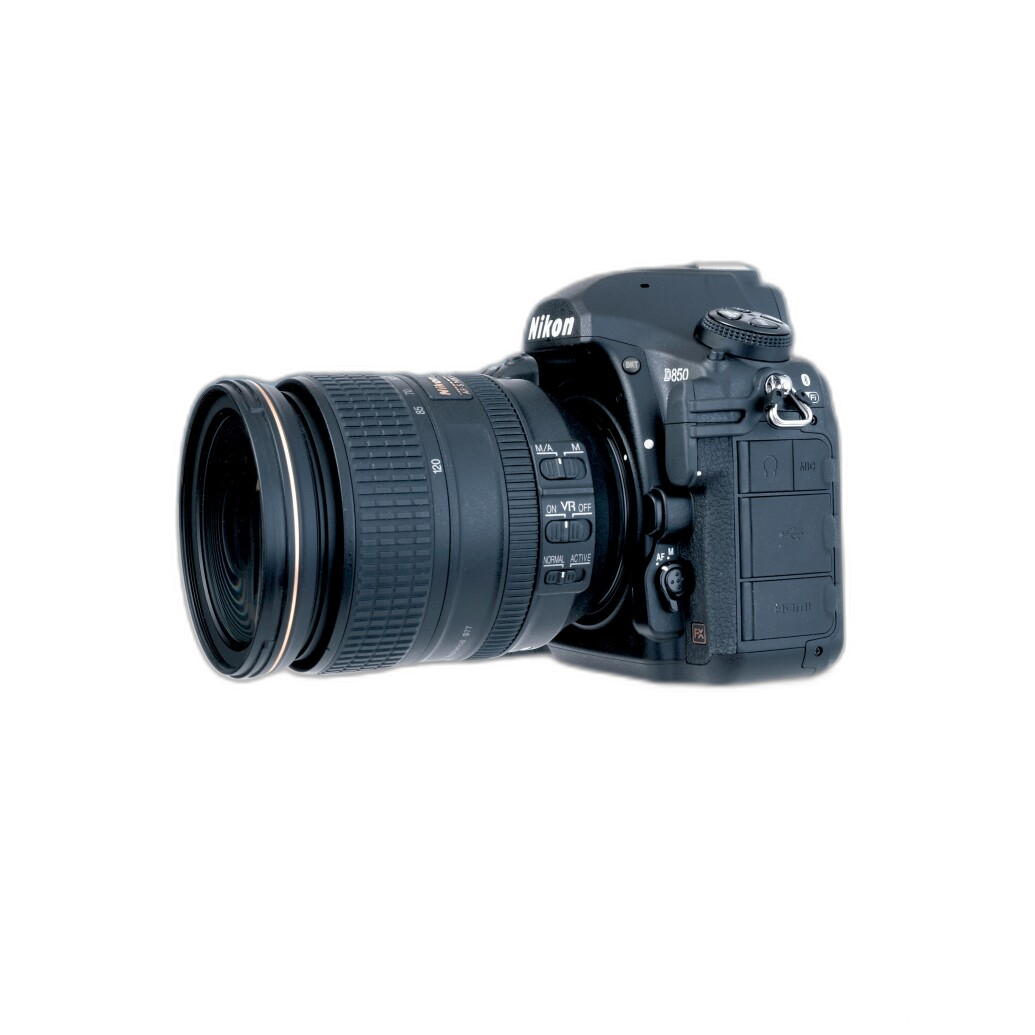
Many winning images come from moments that do not last long. The better you know your gear, the easier it is to get exposure, focus, and framing right under pressure. If you are working with a DSLR like the Nikon D850, a resource such as the Nikon D850 Guide to Digital SLR Photography by David Busch can help you master settings and features you may not be using yet.
8. Practice in specialized genres to stand out
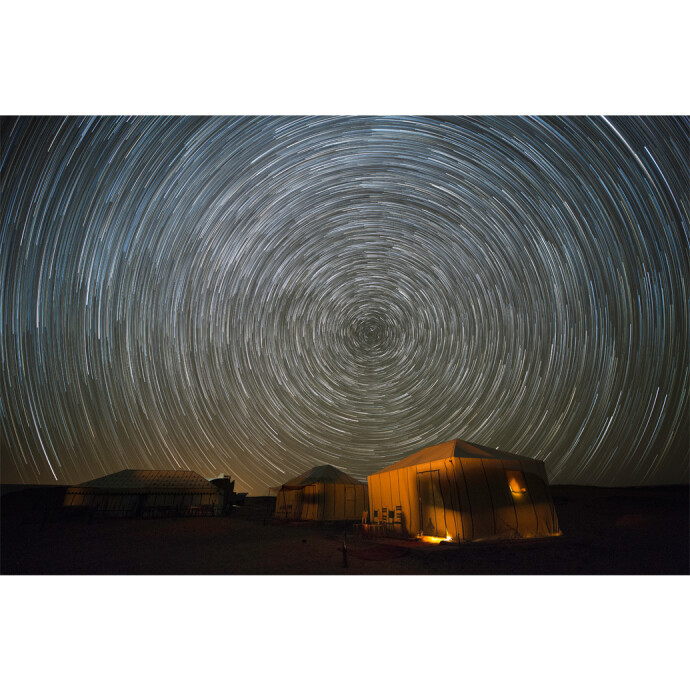
Contests often include niche categories where preparation really shows. Night sky and low-light entries, for example, demand planning and technical confidence. Programs like UUOnline: Astrophotography 4-Part Series with Temu Nana or UUOnline: Astrophotography 4-Part Series with Temu Nana (Session 2) can help photographers build the capture and processing skills needed for more ambitious submissions.

Present Your Entry Professionally
9. Write a strong title and caption when allowed
If the contest includes optional text, use it wisely. A concise title and brief caption can add context without explaining away the image. Keep the language simple, relevant, and aligned with the mood of the photograph.
10. Review your submission like a judge would
Before entering, step away from the image and come back with fresh eyes. Check for dust spots, awkward crops, unnatural saturation, and anything at the frame edges that pulls attention from the subject. It can also help to compare your image at thumbnail size, since many judges first see submissions small on screen.
Keep Learning and Enter Strategically
11. Enter contests that fit your strengths
Not every contest is the right fit for every photographer. Focus on categories that match your style, experience, and best work. If you shoot film, events like Film Lovers Event: Intro to Film Photography (Philly) can be a great way to deepen your craft and develop a distinctive look that separates your work from more conventional digital entries.
12. Treat every contest as feedback
You will not win every time, and that is part of the process. Save your submissions, track where they performed well, and notice which images consistently get attention. Over time, you will develop a sharper instinct for what resonates with viewers and judges.

Conclusion
Winning online photography contests usually comes down to preparation, intention, and presentation. Choose images that fit the brief, edit with restraint, and keep building your skills so your next submission is stronger than your last. Whether you are refining your storytelling, learning advanced editing, or exploring a new specialty, Unique Photo offers classes, events, and educational resources to help you grow as a photographer and compete with confidence.