Introduction
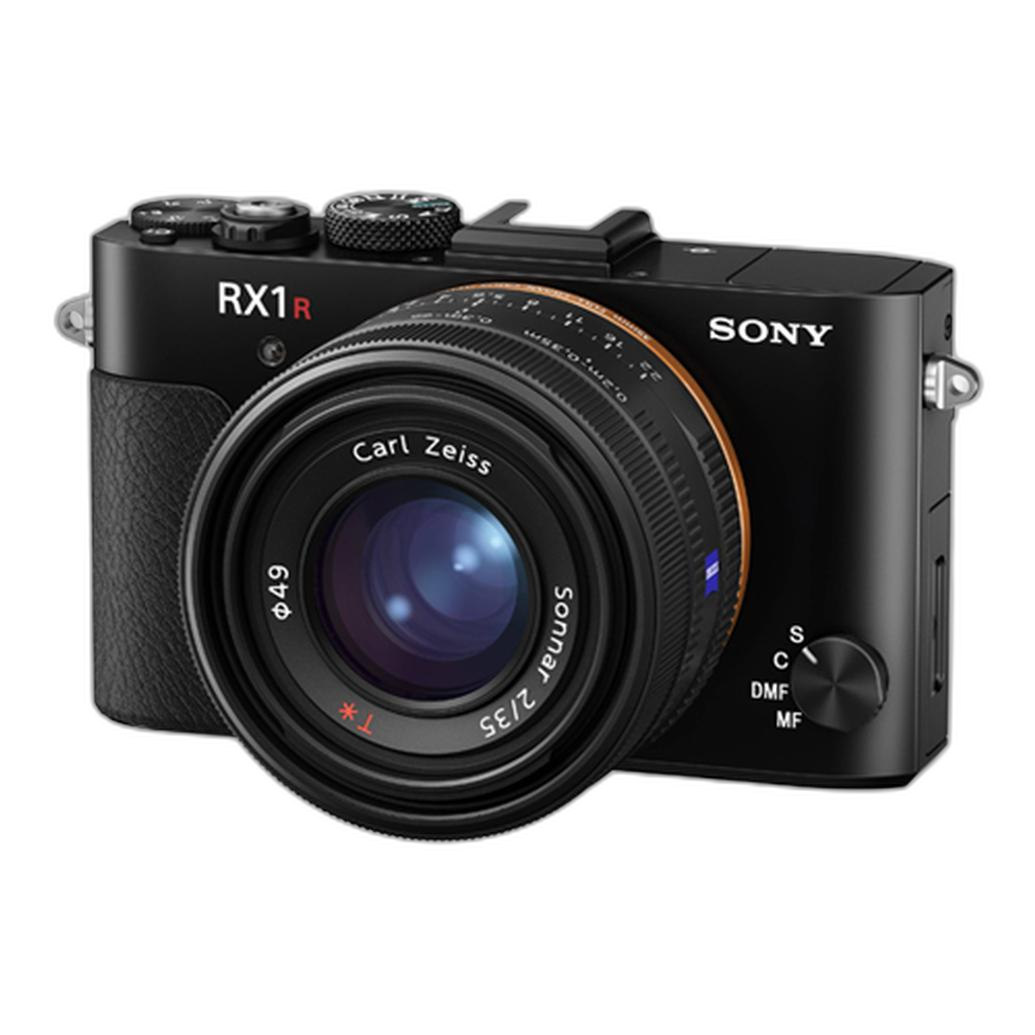
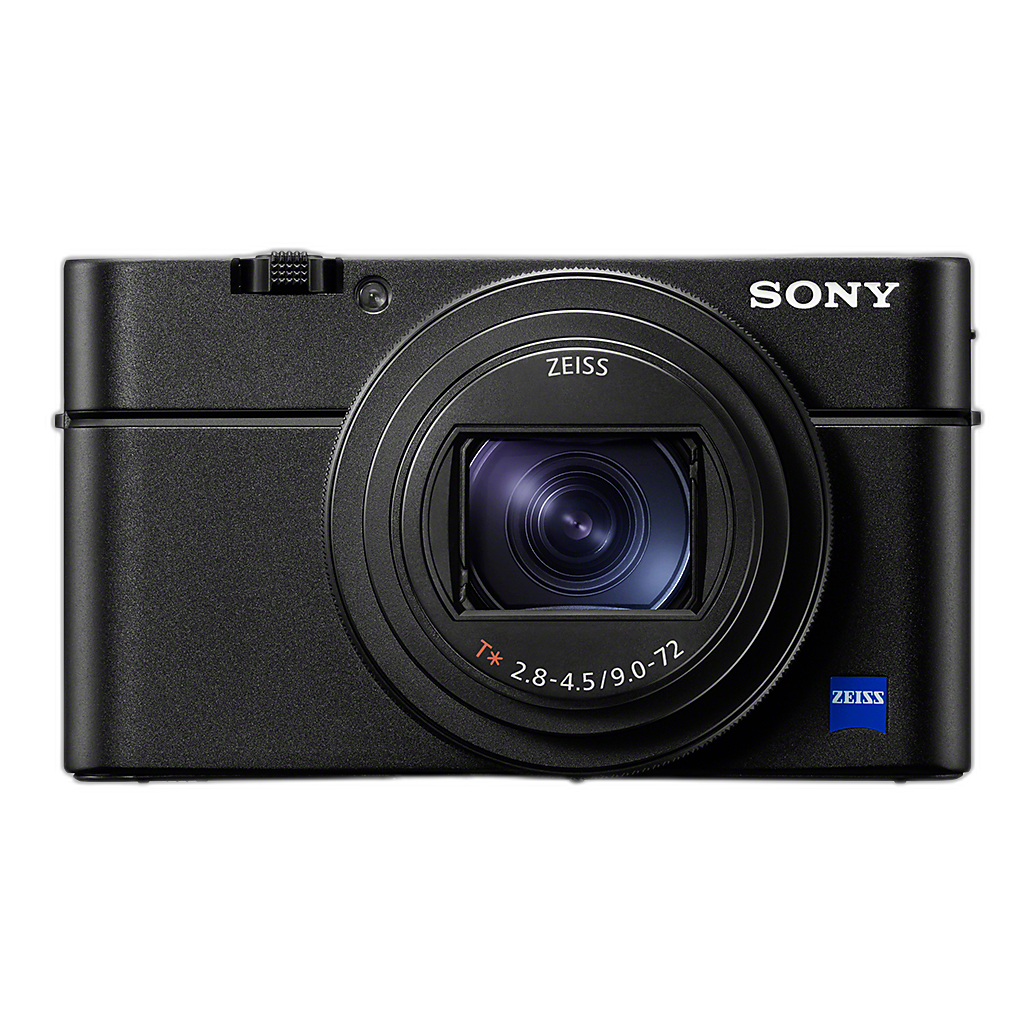
Getting sharp handheld shots at night is always a balancing act between shutter speed, camera stability, available light, and noise control. For photographers trying to work without a tripod, the gear you choose can make a major difference. In this comparison, we’re looking at two compact cameras that make the most sense for handheld night photography from the available products here: the Sony Cyber-shot DSC-RX1R II and the Sony Cyber-shot RX100 VII. We’ll also compare two supporting tools that can help in specific low-light scenarios: the Rocky Nook Enthusiast’s Guide to Night and Low-Light Photography and the Freewell Light Pollution Reduction Filter for select DJI Osmo Action cameras.
The goal is simple: if you want sharper handheld images after dark, which option gives you the best practical advantage, and what techniques matter most?
Side-by-Side Comparison
| Product | Category | Best Use for Night Handheld Shooting | Main Advantage | Main Limitation |
|---|---|---|---|---|
| Sony Cyber-shot DSC-RX1R II | Compact digital camera | High-quality handheld night street, travel, and environmental photography | Large full-frame sensor for stronger low-light image quality | Less flexible than a zoom compact |
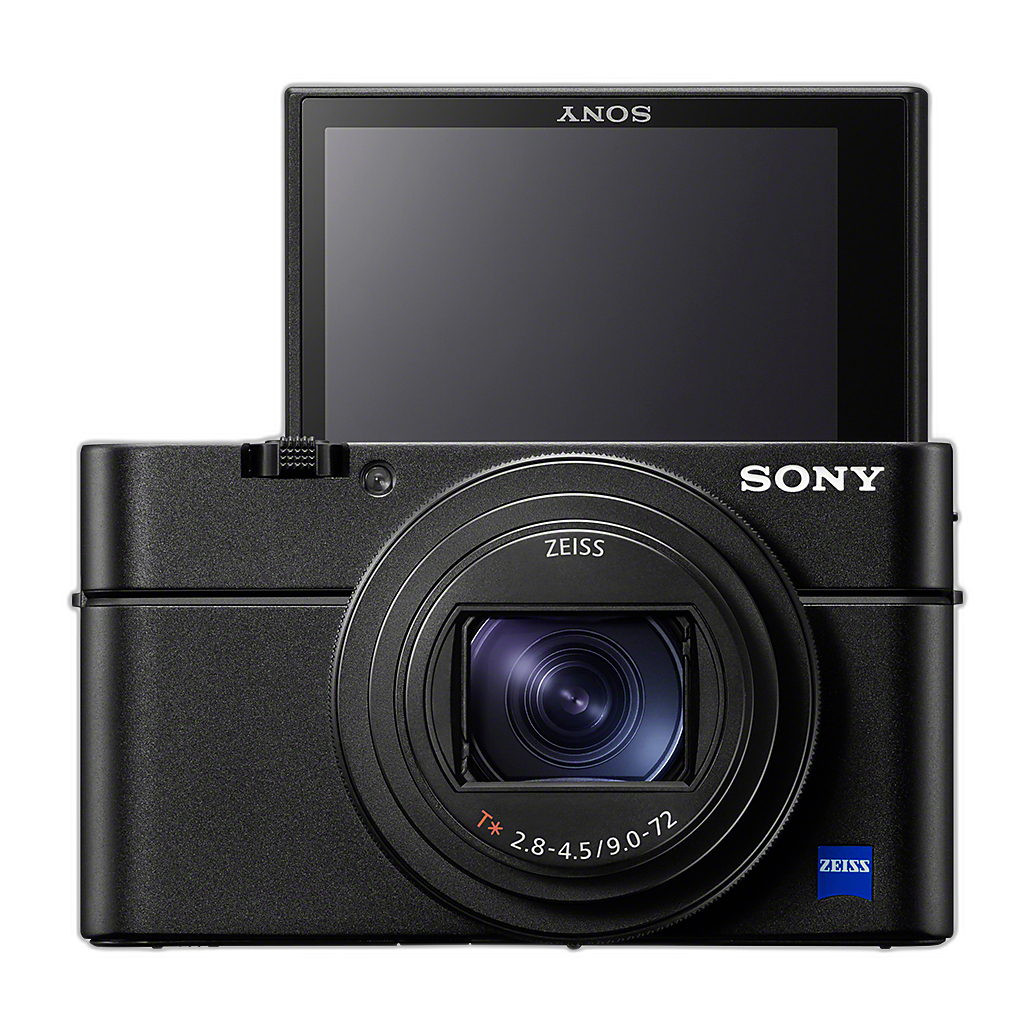
| Sony Cyber-shot RX100 VII | Compact digital camera | Portable night shooting when you want reach and all-around convenience | Pocketable design with zoom versatility | Smaller sensor is less forgiving in very dim light |
| Rocky Nook Enthusiasts Guide Night Low-Light Photo Alan Hess | Photography book | Learning better low-light technique | Improves shooting decisions and technique | Not a hardware solution |
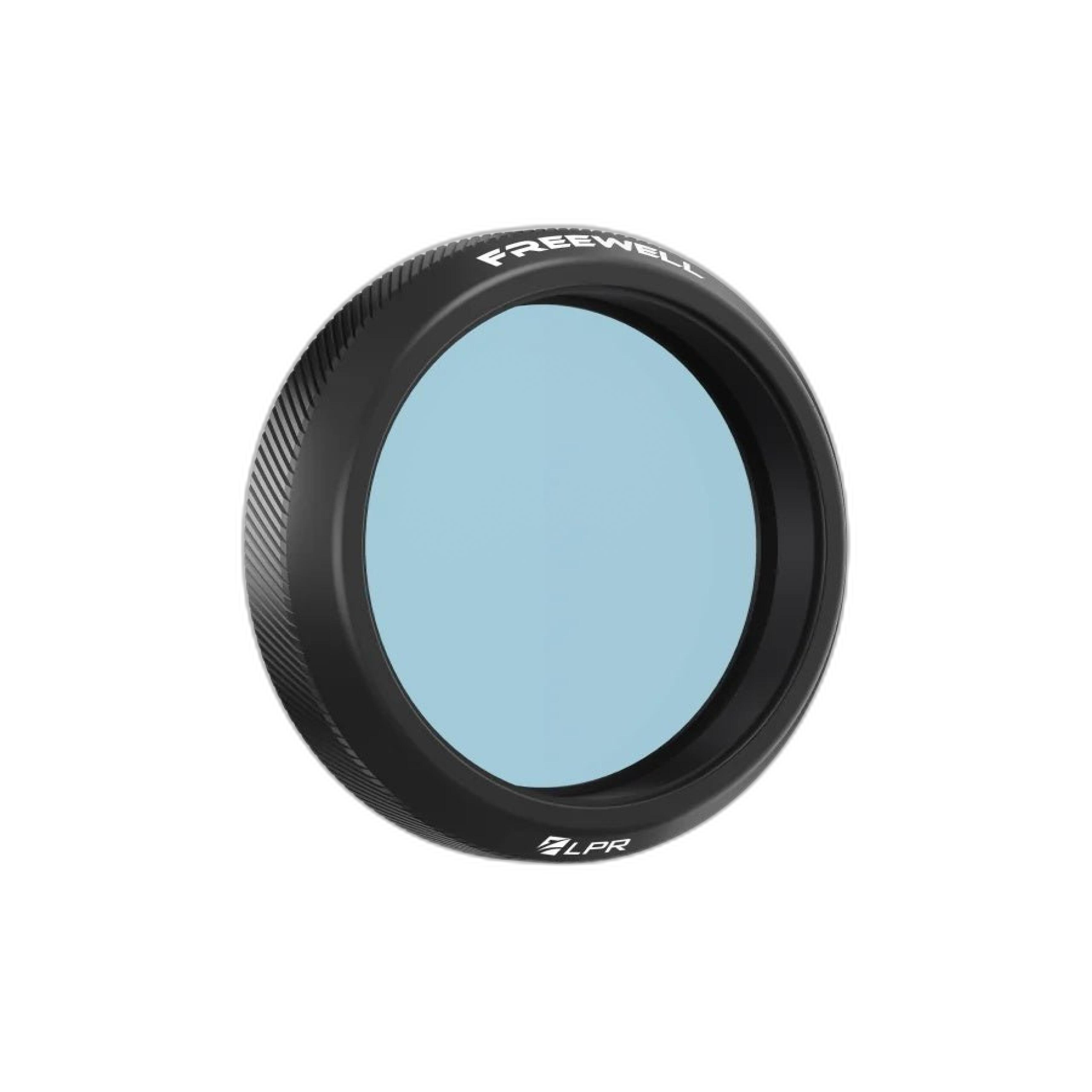
| Freewell Light Pollution Reduction Filter for Select DJI Osmo Action Cameras | Filter/accessory | Night scenes for supported action cameras in urban lighting | Helps reduce color cast from artificial light pollution | Only for select DJI Osmo Action cameras, not these Sony cameras |
What Actually Makes Night Handheld Shots Sharp?
Before comparing products directly, it helps to define what creates sharp handheld images at night. In most cases, you need:
- A fast enough shutter speed to freeze your own hand movement and subject movement
- Good low-light sensor performance so you can raise ISO without the image falling apart
- A stable shooting technique including posture, bracing, and smooth shutter press
- Lens and focal length choices that let you work at safer shutter speeds
That means the camera body matters, but technique matters just as much. For many shooters, the sharpest upgrade is not always more megapixels or more features. It is often a better low-light sensor and better habits.
Tip #1: Favor the Camera with the Stronger Low-Light Foundation
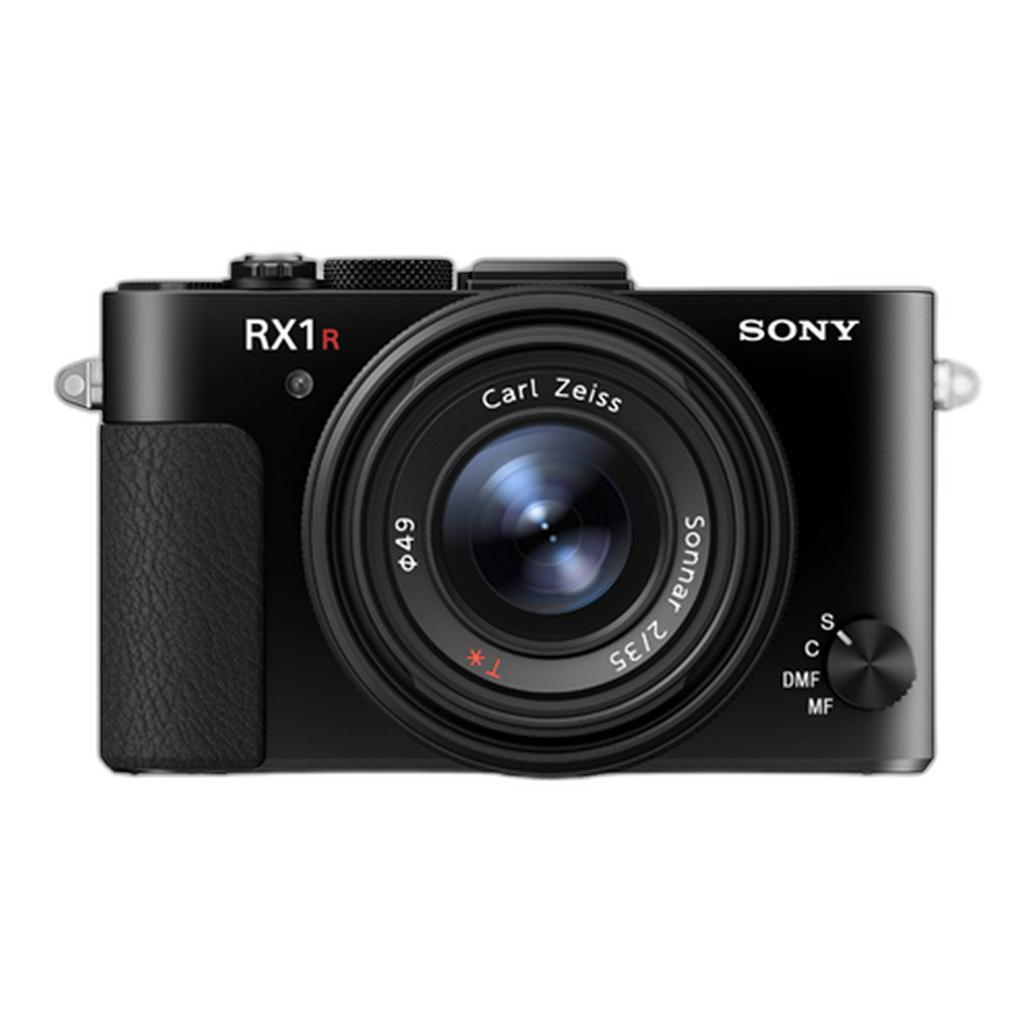
Between the two Sony models, the RX1R II is the more night-focused choice for handheld still photography. Its full-frame design gives it a clear edge when light levels drop. In practical terms, that means you have a better chance of using a shutter speed fast enough to stay sharp while keeping image noise under better control.
The RX100 VII is still a very capable compact, especially when portability is the top priority, but in darker scenes it has to work harder. If your main goal is handheld sharpness after sunset, sensor size is a major advantage.
Tip #2: Keep Shutter Speed Higher Than You Think
A common mistake in night photography is letting shutter speed drop too low because the scene looks still. Even tiny body movement can soften an image. As a general guideline, handheld shooters should try to stay at a shutter speed that matches or exceeds the effective focal length, and often go faster if possible. For moving people, traffic, or street scenes, you may need more speed than that.
This is where the RX1R II again has a practical advantage: stronger low-light performance can let you maintain those safer shutter speeds more easily. The RX100 VII, however, offers flexibility if you want to reframe quickly with a zoom rather than move your feet, which can help you react faster in candid nighttime situations.
Tip #3: Use Better Handheld Technique Before Raising ISO Too Far
No camera can completely overcome poor handheld technique. To improve sharpness at night:
- Tuck your elbows into your body
- Lean against a wall, pole, or railing when possible
- Control your breathing and press the shutter gently
- Shoot short bursts; often one frame will be sharper than the others
- Use wider focal lengths when possible, since they are generally easier to hold steady
This is exactly where the Rocky Nook Enthusiast’s Guide to Night and Low-Light Photography becomes surprisingly relevant in a comparison like this. A camera upgrade helps, but a solid low-light guide can teach the habits that consistently improve real-world sharpness.
Category-by-Category Analysis
Best Camera for Pure Night Image Quality
Winner: Sony Cyber-shot DSC-RX1R II
If your priority is the cleanest handheld night stills from a compact camera, the RX1R II is the stronger choice. Its larger sensor gives you more room to work in dim environments, especially when you need to preserve detail while keeping shutter speeds practical.
Best Camera for Portability and Flexibility
Winner: Sony Cyber-shot RX100 VII
The RX100 VII makes a compelling case for photographers who want a truly travel-friendly camera that can handle a wide variety of scenes. If you’re walking at night and want one compact camera that is easy to carry everywhere, this model is the more convenient option. That convenience can matter because the best camera for night shooting is often the one you actually have with you.
Best Investment in Technique
Winner: Rocky Nook Enthusiast’s Guide
For many photographers, sharper handheld shots at night come from smarter settings and steadier handling more than from buying a different camera right away. A dedicated low-light photography guide can help you understand when to increase ISO, when to accept motion blur creatively, and how to brace yourself for better sharpness. If you already own a capable camera, education may be the most cost-effective upgrade.
Best for Correcting Urban Night Color Casts on Action Footage
Winner: Freewell Light Pollution Reduction Filter
This accessory is more specialized. It is not a direct solution for the Sony cameras in this comparison, but for shooters using a compatible DJI Osmo Action camera in city lighting, a light pollution reduction filter may improve the look of nighttime footage by reducing some of the color contamination from artificial lights. It is more about image rendering than handheld sharpness, but it can be useful in the right setup.
Practical Night Shooting Advice by Scenario
For Street Photography
Choose the RX1R II if you care most about image quality and low-light confidence. Keep your shutter speed up, watch subject movement, and use available light sources like storefronts and street lamps to your advantage.
For Travel and Everyday Carry
Choose the RX100 VII if size and flexibility matter most. Its portability makes it easier to carry during long evenings, and that can lead to more successful shots simply because it is always available.
For Learning to Improve What You Already Own
If you’re not ready to upgrade cameras, start with the Rocky Nook guide and focus on technique. Night photography rewards careful practice more than many other genres.
Our Pick
Our Pick: Sony Cyber-shot DSC-RX1R II Digital Camera
For achieving sharp handheld shots at night, the Sony RX1R II is the clearest recommendation in this comparison. Its full-frame sensor gives it the strongest foundation for low-light photography, helping you maintain better shutter speeds and cleaner image quality in dim scenes. If your goal is handheld nighttime still photography with the highest image quality of the options shown here, this is the camera to choose.
If you value compact convenience above all else, the RX100 VII is the better portability pick. And if you already have a camera you like, the Rocky Nook guide may be the smartest next purchase for improving your night technique.
Conclusion
Sharp handheld night photography comes down to the right blend of camera capability, realistic shutter speed choices, and disciplined technique. In this comparison, the Sony RX1R II stands out as the best tool for photographers who want the strongest handheld low-light performance, while the Sony RX100 VII remains a highly appealing alternative for those who prioritize portability. Add in a strong educational resource like the Rocky Nook guide, and you can improve your results no matter what camera you use. If you’re ready to upgrade your night shooting setup, explore these tools and more at Unique Photo.