Introduction: Choosing the Right Field of View for Environmental Portraits
Environmental portraits live in the space between portraiture and storytelling. The subject matters, but so does the room, street, studio, landscape, or workplace around them. That is why the wide-vs.-standard lens debate is so important: the focal length you choose changes not only composition, but also the emotional feel of the image.
For this review, we are looking at several strong options that represent both sides of the conversation: the Sigma 24mm F2 DG Contemporary as a true wide environmental portrait choice, the Sigma 28-70mm f/2.8 Contemporary DG DN as a highly practical standard zoom, the Sigma 28-105mm f/2.8 DG DN Art as a more expansive premium zoom solution, and the OM SYSTEM M.Zuiko Digital ED 25mm f/1.2 PRO as a fast standard prime for photographers who want shallow depth of field and a more natural perspective.
Rather than treating this as a technical spec battle, the real question is simple: which lens type makes better environmental portraits? The answer depends on how close you like to work, how much context you want in frame, and how much subject separation you need.
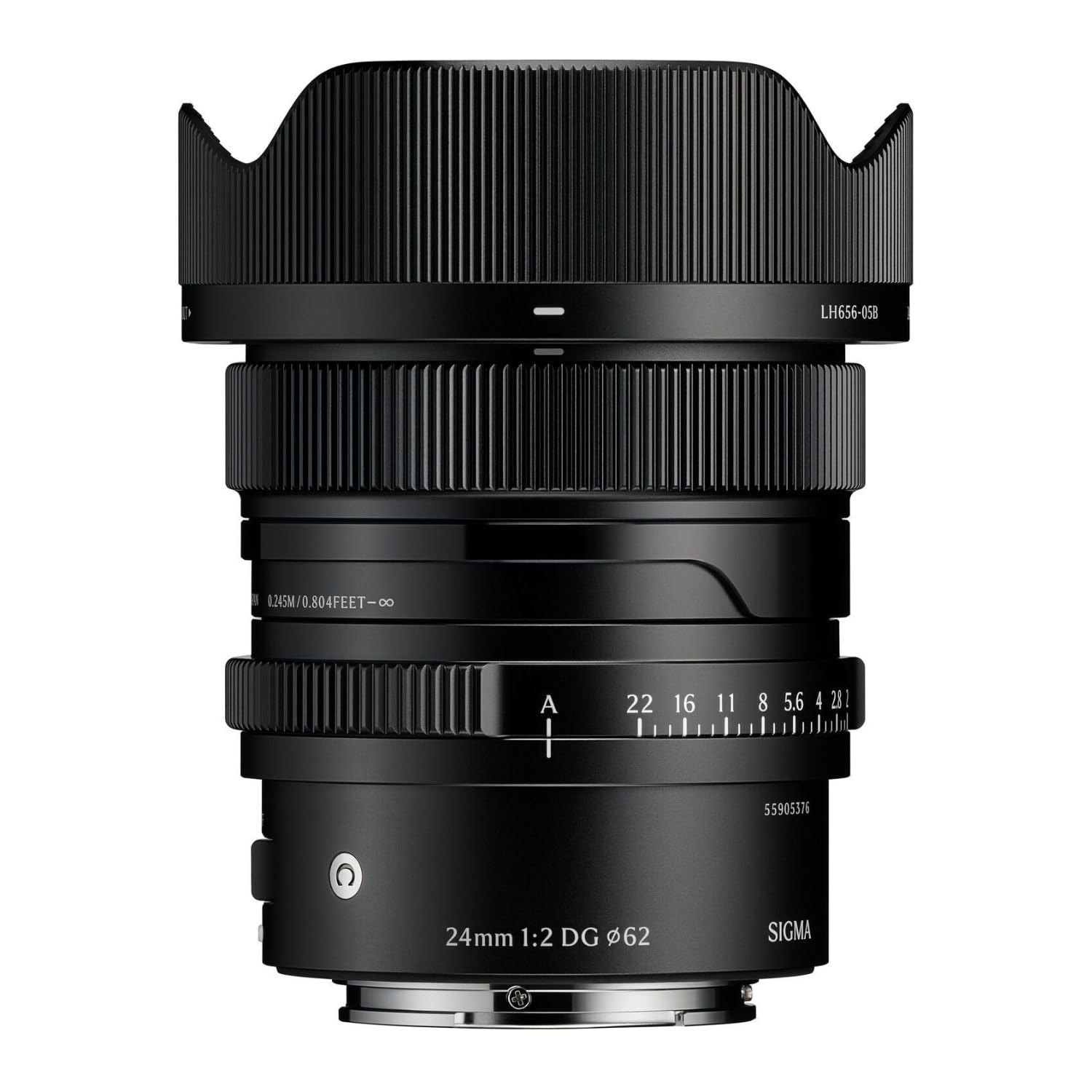
Wide Lens Perspective: Sigma 24mm F2 DG Contemporary
The Sigma 24mm F2 DG Contemporary is the lens in this group that most clearly embraces the classic environmental portrait philosophy. A 24mm focal length invites you to include architecture, interiors, landscapes, and workspaces in a way that feels deliberate rather than incidental. If your portraits are about a chef in a kitchen, a musician in a rehearsal space, or a traveler in a city scene, 24mm makes a compelling case.
Why 24mm Works for Environmental Portraits
A wide lens forces you to think about the background as part of the portrait. That can be a major creative advantage. Instead of blurring everything away, you can show where the subject is and what they are doing. At 24mm, lines, foreground elements, and depth all become compositional tools. This can make portraits feel more immersive and cinematic.
The Sigma 24mm F2 also hits a sweet spot in speed and portability. An f/2 aperture is bright enough for low-light work and gives you meaningful separation at close distances, while the compact size keeps the setup approachable for documentary-style portrait sessions.
What to Watch Out For at 24mm
The same qualities that make 24mm exciting can also make it unforgiving. If you move too close to your subject, facial features can stretch unnaturally, especially near the edges of the frame. This means 24mm rewards careful placement. Keep your subject closer to the center, be aware of edge distortion, and compose with intent.
For photographers who are experienced with wide-angle portraiture, this is not a drawback so much as a technique requirement. But if you prefer relaxed, straightforward framing, 24mm may feel a little demanding.
Best Use Case
The Sigma 24mm F2 is best for photographers who want environmental portraits with strong place, mood, and context. It is less about flattering compression and more about storytelling energy.
Standard Zoom Flexibility: Sigma 28-70mm f/2.8 Contemporary DG DN
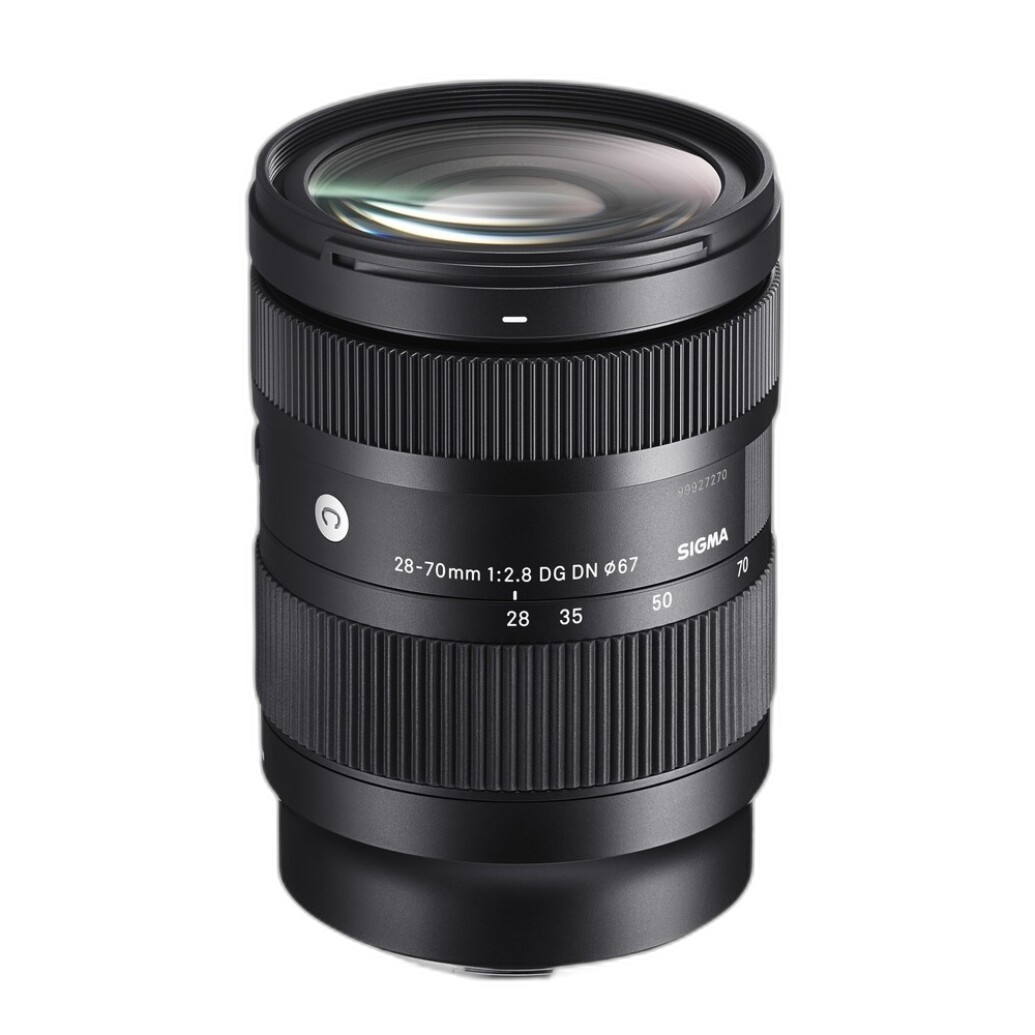
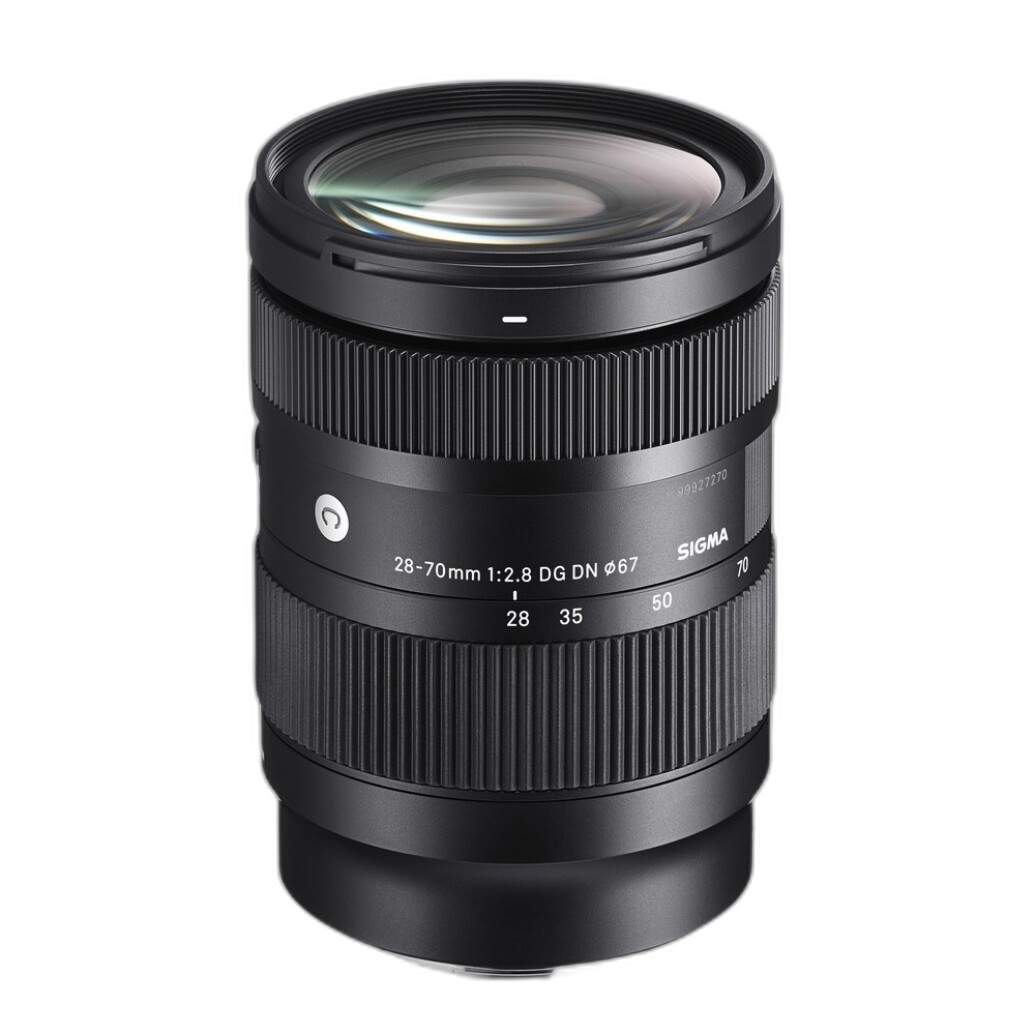
If the 24mm lens is the specialist, the Sigma 28-70mm f/2.8 Contemporary DG DN is the all-rounder. Available for both Sony E and L-Mount, this lens starts just wide enough for contextual portraits and moves into more traditional portrait territory as you zoom toward 50mm and 70mm.
Why 28-70mm Is So Practical
Environmental portraits are rarely static. You may begin with a full-body image in a room, then tighten into a half-body frame, then capture a detail portrait without changing lenses. That is exactly where the Sigma 28-70mm shines. At 28mm, you can preserve a sense of location; around 35mm to 50mm, you get a natural documentary perspective; at 70mm, you can isolate the subject with more flattering compression.
The constant f/2.8 aperture is especially useful here. While it will not deliver the same blur as an f/1.2 prime, it still gives enough subject separation for professional-looking portraits while keeping the lens relatively compact and versatile.
How It Compares to a Wide Prime
Compared with the 24mm F2, the 28-70mm is less dramatic but more forgiving. Perspective distortion is easier to control, and the lens gives you multiple portrait looks in one package. It may not create the same immersive wide-angle style, but for many photographers that is exactly the point: it keeps environmental portraits balanced and natural.
Who It Is For
This is arguably the safest recommendation for photographers who shoot editorial, travel, lifestyle, or client portraits and need one lens that can do almost everything. It is also one of the strongest values in this group, especially if you want professional speed without the bulk of a larger zoom.
Premium Range and Reach: Sigma 28-105mm f/2.8 DG DN Art
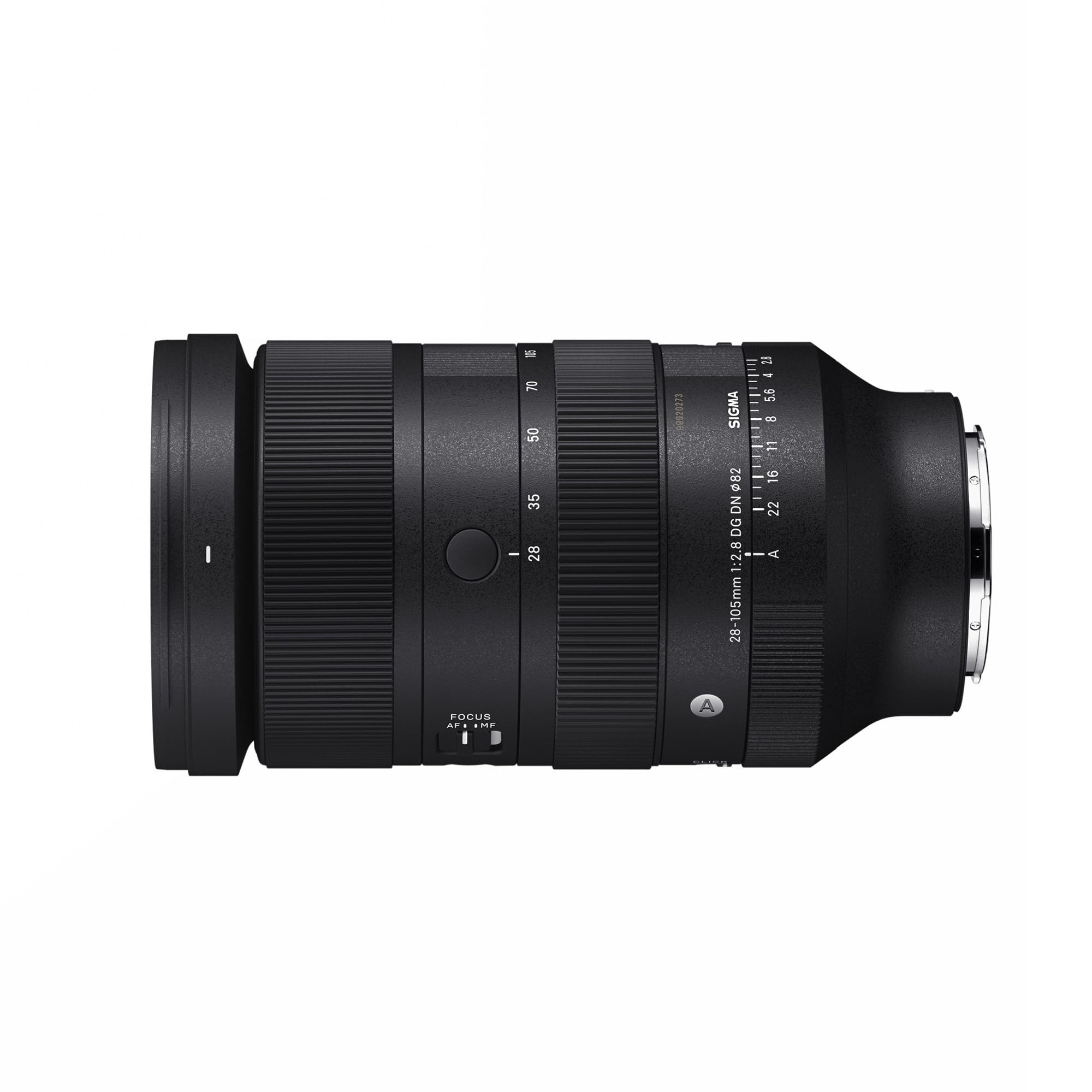
The Sigma 28-105mm f/2.8 DG DN Art expands on the same idea as the 28-70mm, but with more reach and a more premium, high-performance orientation. For environmental portraits, that extra range matters more than you might think.
Why 105mm Adds Value
Environmental portrait sessions often evolve. You may start with a wide contextual frame, but then realize the location is busy and you want to simplify the image. At 85mm to 105mm, you can compress the background, clean up distractions, and create a more refined portrait without giving up the option to zoom back out when needed.
The major strength of the 28-105mm f/2.8 Art is that it combines context and isolation in one lens. At the wide end, it still plays in the environmental space. At the long end, it becomes a serious portrait tool. For professionals who want fewer lens changes and maximum creative flexibility, this lens is extremely compelling.
The Tradeoff
The downside is predictably size and weight. A lens with this range and a constant f/2.8 aperture is not the most discreet option for casual walk-around shooting. If you prioritize compactness, the 28-70mm is easier to carry. But if you want one premium zoom that can cover environmental portraits and classic portrait looks with authority, the 28-105mm stands out.
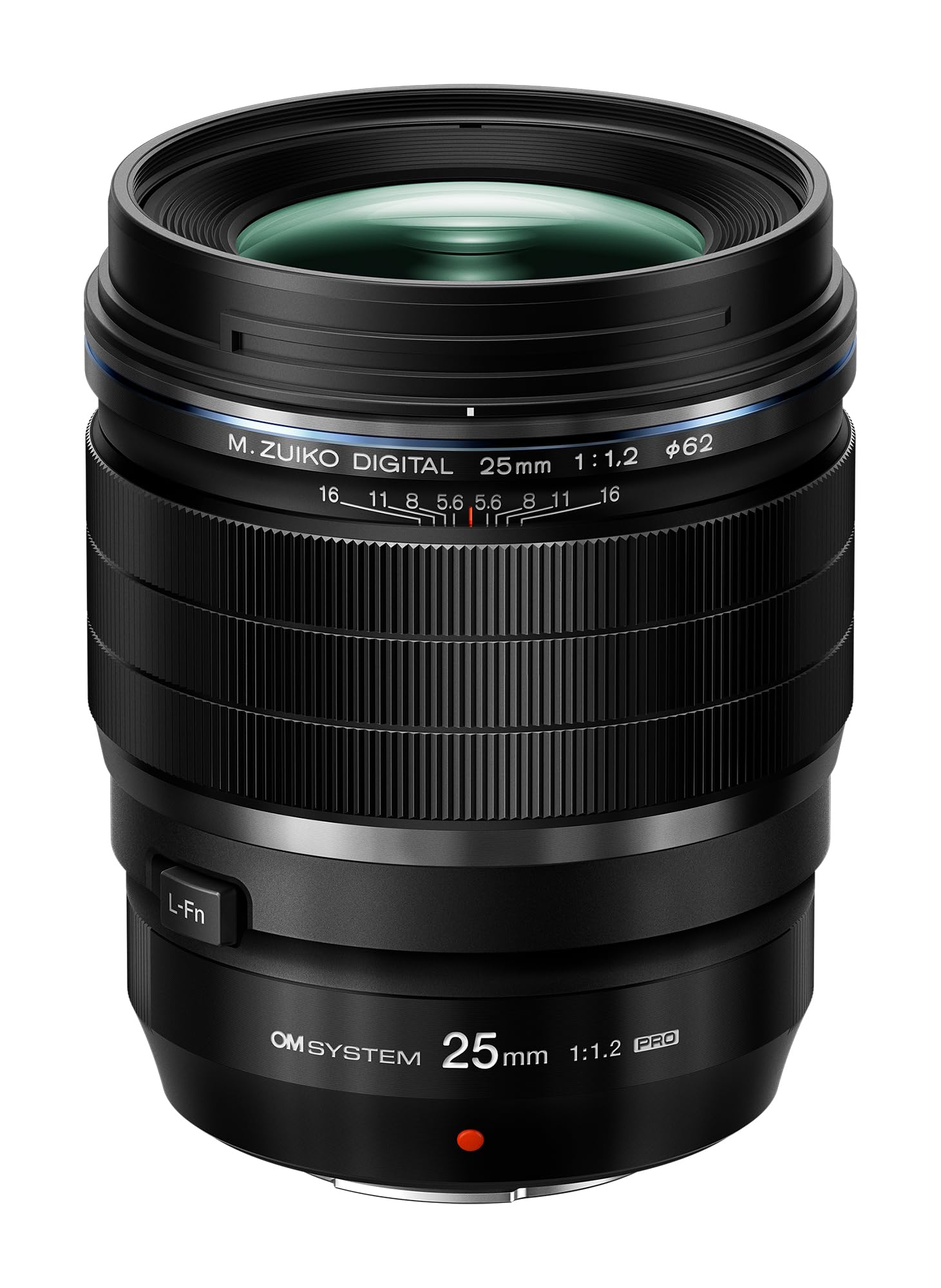
Standard Prime Character: OM SYSTEM M.Zuiko Digital ED 25mm f/1.2 PRO
The OM SYSTEM M.Zuiko Digital ED 25mm f/1.2 PRO takes a different path. On Micro Four Thirds, this focal length delivers a standard-angle field of view, making it much closer to a classic normal lens than a wide environmental lens. That makes it particularly attractive for photographers who want environmental portraits that feel natural and intimate rather than exaggerated.
Why a Fast Standard Prime Works So Well
Standard focal lengths are often overlooked in environmental portrait discussions because they are less dramatic than wides and less traditionally flattering than short telephotos. But in practice, they are among the most honest and versatile perspectives available. They show enough of the environment to build context while keeping proportions realistic.
The standout feature here is the bright f/1.2 aperture. That gives photographers more low-light flexibility and stronger subject isolation than the zooms in this comparison. If your idea of an environmental portrait includes visible surroundings but still benefits from a soft, luminous background, this lens has clear appeal.
Where It Fits
This is the strongest choice in the group for photographers who prefer a natural eye-level perspective and want the aesthetic advantages of a fast prime. It is less about dramatic spatial storytelling and more about refined, intimate environmental portraiture.
Wide vs. Standard for Environmental Portraits: Which Look Is Better?
Here is the simplest way to break it down:
Choose a Wide Lens if You Want Storytelling First
A lens like the Sigma 24mm F2 is ideal when the environment is central to the portrait. It emphasizes space, foreground, and atmosphere. This approach is excellent for editorial, documentary, travel, and creative lifestyle work where the location is part of the subject's identity.
Choose a Standard Lens if You Want Balance and Flattery
A standard focal length, whether from the OM SYSTEM 25mm f/1.2 PRO or the midrange of the Sigma zooms, tends to produce more natural proportions and easier compositions. It is often better for client work, lifestyle sessions, and portraits where context matters but should not overpower the person.
Choose a Standard Zoom if You Need Flexibility
The Sigma 28-70mm f/2.8 Contemporary is the practical sweet spot for many photographers. It gives you enough width for context, enough reach for more traditional portrait framing, and enough speed for professional results. The Sigma 28-105mm f/2.8 Art pushes that flexibility even further for photographers who want a premium do-it-all lens.
Pros and Cons
Sigma 24mm F2 DG Contemporary
- Pros: excellent storytelling perspective, compact form factor, bright f/2 aperture, strong creative look for immersive environmental portraits
- Cons: less forgiving for faces at close distances, requires more careful composition, not as versatile as a zoom
Sigma 28-70mm f/2.8 Contemporary DG DN
- Pros: highly versatile range, constant f/2.8 aperture, compact for a standard zoom, ideal balance of context and portrait control
- Cons: less distinctive than a prime, not as wide as 24mm for dramatic environmental scenes, less background blur than faster primes
Sigma 28-105mm f/2.8 DG DN Art
- Pros: outstanding range for both environmental and classic portraits, constant f/2.8, premium flexibility, excellent one-lens solution
- Cons: larger and heavier, more than some photographers need for casual portrait sessions
OM SYSTEM M.Zuiko Digital ED 25mm f/1.2 PRO
- Pros: natural standard perspective, beautiful subject separation, strong low-light capability, ideal for intimate environmental portraits
- Cons: less environmental breadth than a wider lens, fixed focal length limits quick reframing compared with zooms
Verdict: The Best Lens Type for Most Environmental Portrait Photographers
If the goal is to pick one approach that works best for the widest range of environmental portrait situations, the standard zoom wins. Specifically, the Sigma 28-70mm f/2.8 Contemporary DG DN is the most balanced choice in this lineup. It gives photographers the ability to include context without overcommitting to the distortion and compositional demands of a true wide lens. It is flexible, fast enough for professional portrait work, and adaptable to real-world shoots.
That said, the Sigma 24mm F2 DG Contemporary is the more exciting creative choice if you know you want immersive, place-driven imagery. The Sigma 28-105mm f/2.8 DG DN Art is the premium option for photographers who want maximum range and fewer compromises. And the OM SYSTEM 25mm f/1.2 PRO is a standout for those who love the honest perspective and shallow depth of field of a fast standard prime.
For most buyers, the recommendation is straightforward: start with the Sigma 28-70mm f/2.8 if you want versatility, choose the Sigma 24mm F2 if you want visual drama, and step up to the Sigma 28-105mm f/2.8 Art if your portrait work demands a more comprehensive professional tool.
If you are ready to compare these lenses in more detail or buy one for your next portrait project, Unique Photo is an excellent place to shop for new and select used options.