Sony Wide-Angle Landscape Lens FAQ: Sharpness, Vignetting, and Best Picks
Choosing a wide-angle Sony lens for landscape photography often comes down to more than focal length alone. Corner sharpness, vignetting, filter use, portability, and how a lens behaves in real outdoor conditions all matter, especially when you are printing large or shooting high-resolution full-frame bodies.
At Unique Photo, we help photographers look beyond comparison charts and focus on how a lens performs in the field. Below, we answer the most common questions about Sony wide-angle landscape options and highlight several excellent lenses available from our Sony lineup.
How should landscape photographers interpret corner sharpness when comparing wide-angle Sony lenses?
Corner sharpness is important for landscapes because detailed foliage, rock textures, architecture, and horizon lines often extend all the way to the edges of the frame. In general, a lens comparison tool can be very helpful for spotting trends, but it should not be treated as the only source of truth. Small differences at the extreme corners may be visible at 100% magnification yet far less noticeable in real prints, web delivery, or images with layered atmospheric depth.
For landscape work, the most useful question is not simply which lens wins a corner test, but whether the corners are strong enough at the apertures you actually use. Many landscape photographers work around f/8 to f/11, where several Sony wide options perform very well across the frame. If you need maximum edge-to-edge consistency at ultra-wide focal lengths, a premium zoom like the Sony FE 12-24mm f/2.8 GM gives you both excellent optical quality and framing flexibility in a single lens.
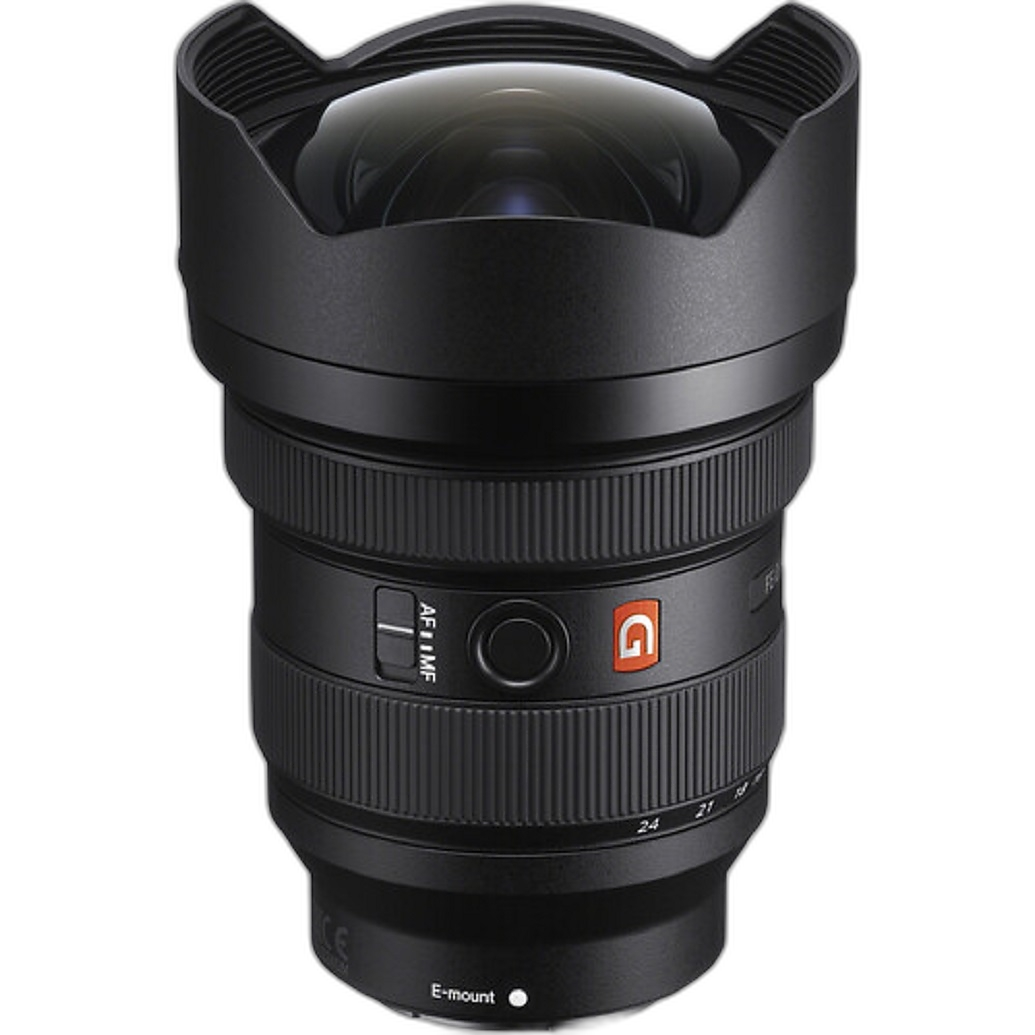
The 12-24mm f/2.8 GM is especially appealing for photographers who shoot seascapes, dramatic foreground compositions, interiors, or expansive mountain scenes where corner performance and compositional control both matter.
What matters more for landscapes: prime-lens sharpness or zoom flexibility?
That depends on how you shoot. Prime lenses often appeal to photographers who want a compact kit, very strong optical performance, and the discipline of a single perspective. Zoom lenses appeal to photographers who work quickly, hike with one primary wide lens, or need to fine-tune composition without changing position.
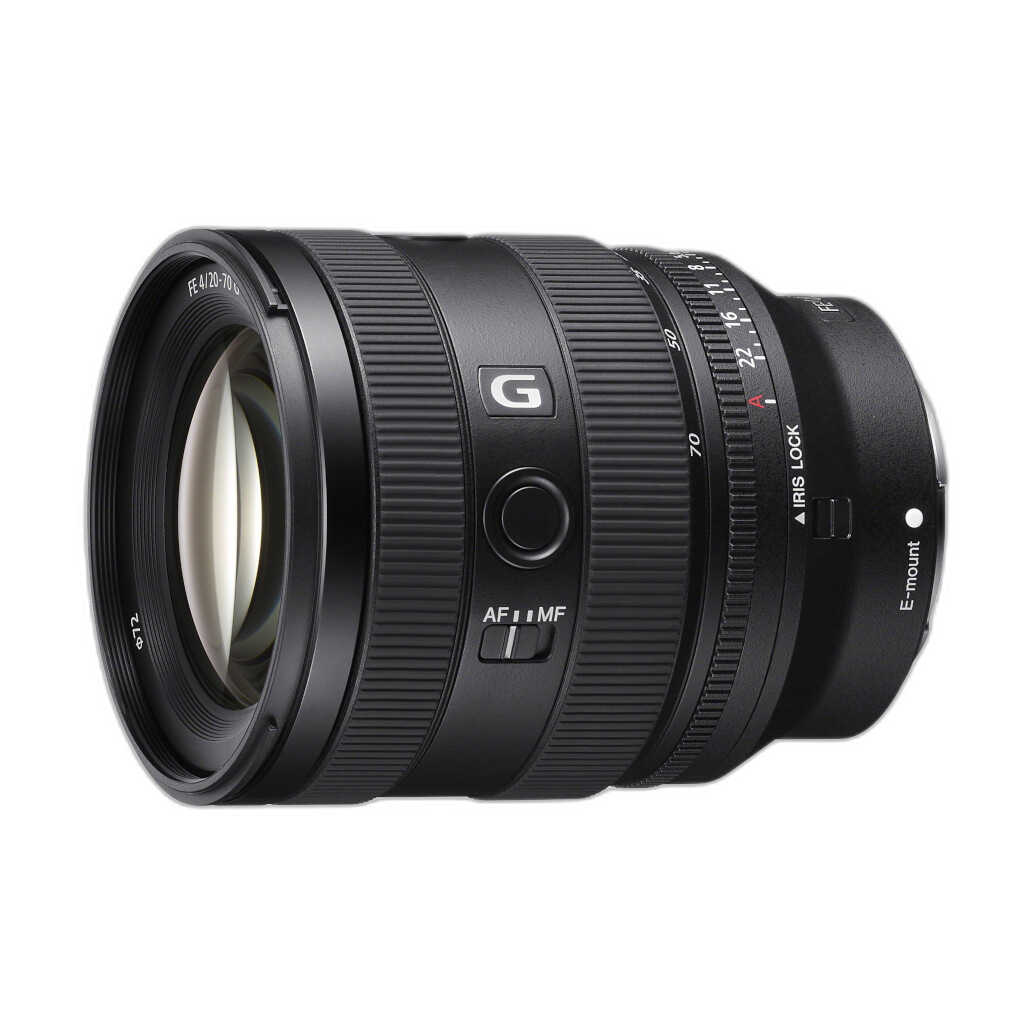
For many landscape shooters, zoom flexibility wins in practice. A lens such as the Sony FE 20-70mm f/4 G is especially useful because it starts wider than a standard zoom while still covering normal focal lengths. That makes it an excellent travel and landscape lens when you want to move from broad vistas to tighter environmental details without swapping lenses.
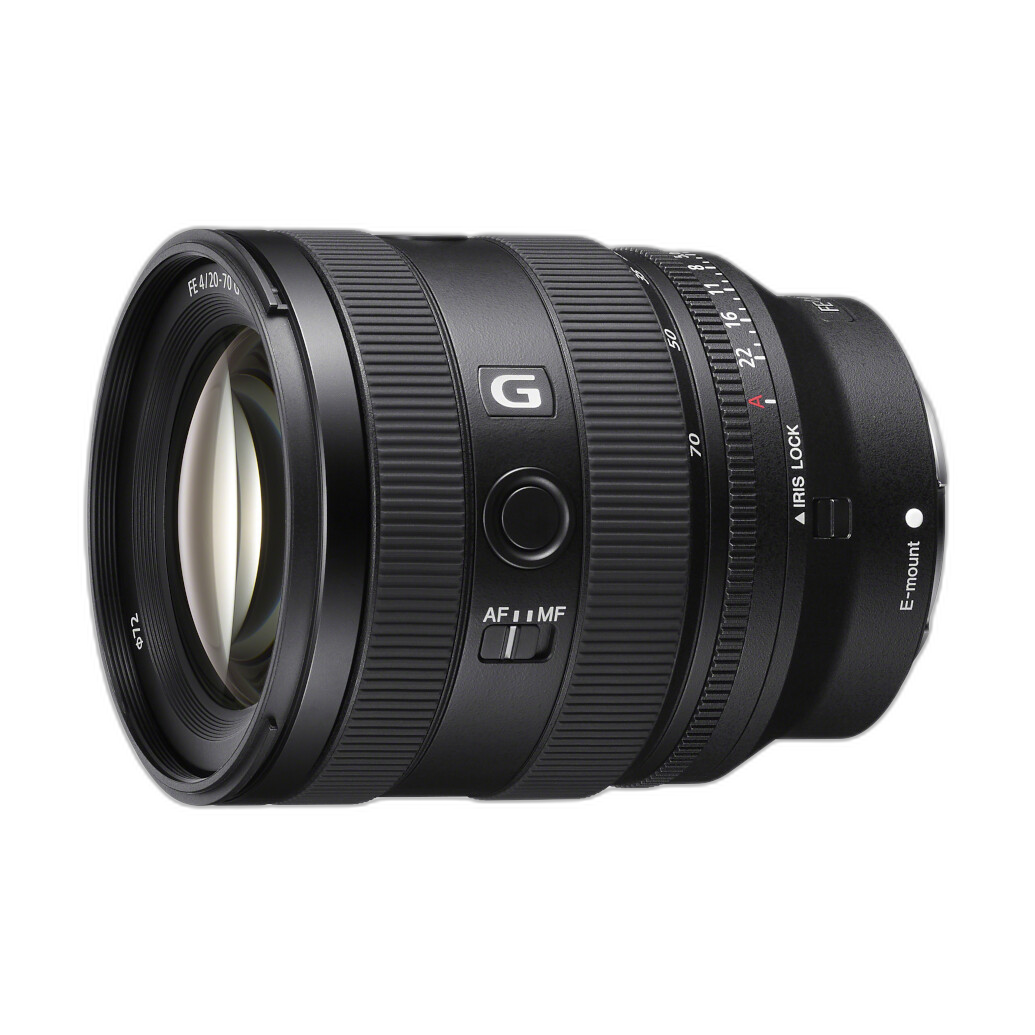
If your style centers on dramatic ultra-wide scenes, the 12-24mm f/2.8 GM offers a more specialized solution. If you prefer an all-day hiking lens with landscape versatility, the 20-70mm f/4 G is one of the smartest options in the Sony system.
Is vignetting still noticeable at small apertures like f/8 or f/11?
In many real-world landscape situations, vignetting becomes much less significant once you stop down. By f/8 or f/11, natural light falloff is often mild enough that it will not distract from the image, and in some scenes it can even help guide the eye toward the center of the composition. On modern Sony bodies, in-camera corrections and raw profile support also make vignetting easy to address during post-processing.
What matters more is whether the remaining falloff affects your specific subject. Clear blue skies, stitched panoramas, and architectural lines may reveal lens shading more readily than forest scenes, sunsets, or layered mountains. If you regularly photograph minimal skies or scenes requiring perfectly even tonality, it is worth checking corrected and uncorrected files rather than relying on charts alone.
For most landscape photographers, stopped-down vignetting is a manageable issue and rarely a deal-breaker compared with factors like composition range, weather resistance, and overall sharpness.
Can real-world photos differ from comparison-tool results?
Absolutely. Lens comparison tools are valuable, but they are controlled tests. Real photographs introduce variables such as focus distance, field curvature, atmospheric haze, sensor alignment, stabilization behavior, shutter technique, diffraction, and post-processing choices. A lens that looks slightly weaker in a lab-style comparison may still produce outstanding landscape images when used at its optimal aperture and focused carefully.
This is why field results matter so much. Sunrise and sunset light, foreground depth, and natural texture can reduce the importance of tiny chart differences. On the other hand, photographers who shoot flat scenes, cityscapes, or starry skies may notice edge behavior more readily. The best approach is to combine technical comparisons with realistic expectations about your output: prints, client delivery, social sharing, or gallery work.
At Unique Photo, we often recommend evaluating lenses based on both test data and intended use. A technically excellent lens only becomes the right lens if it also matches your workflow in the field.
Which Sony lens is best if I want the widest possible landscape view?
If your goal is maximum coverage on Sony full-frame, the Sony FE 12-24mm f/2.8 GM is the standout choice in this group. The 12mm end creates an expansive perspective that is ideal for dramatic foreground emphasis, tight shooting spaces, and sweeping environmental scenes. It is a top-tier option for photographers who want premium build quality and high-end optical performance for demanding landscape work.
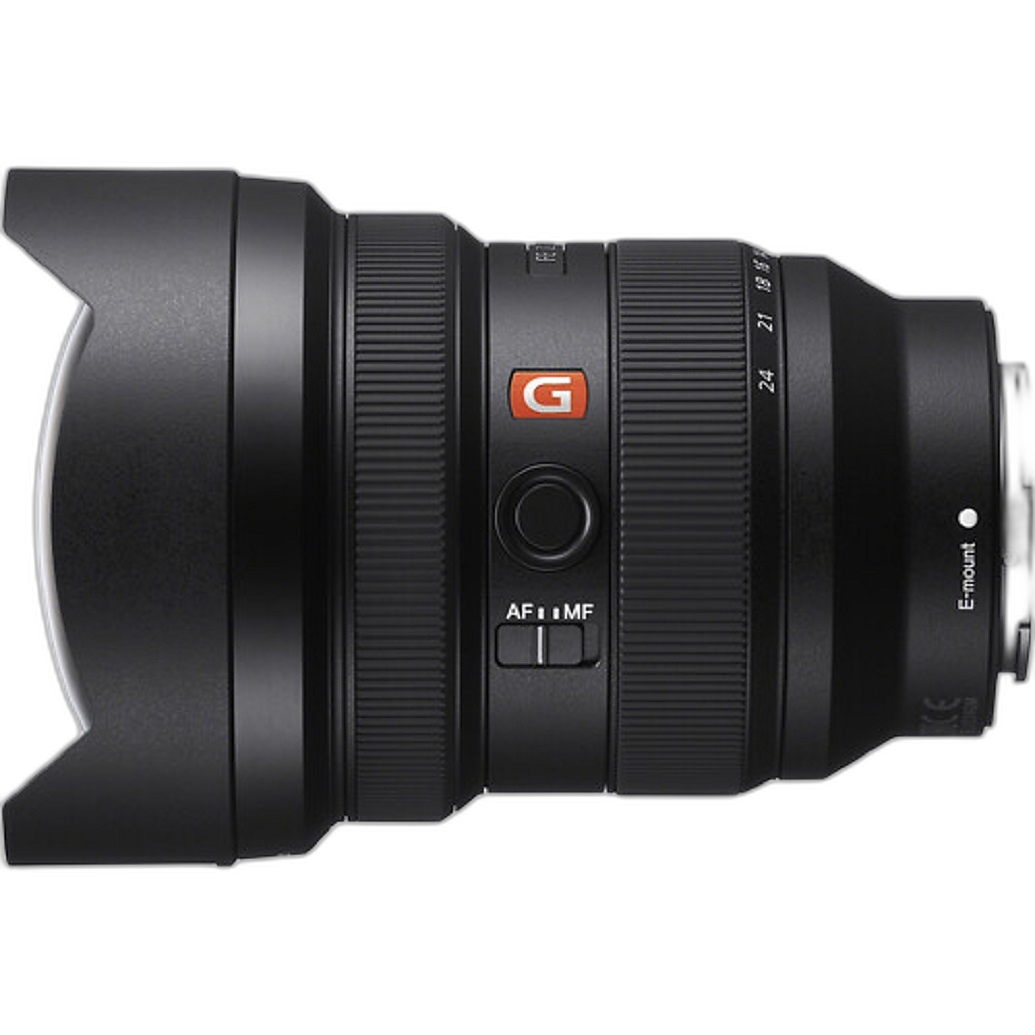
If buying new is not your first priority, a used copy in excellent condition can be a smart way to access pro-level glass while managing budget. Unique Photo also offers a Used Sony FE 12-24mm f/2.8 GM Lens in excellent condition for photographers looking for strong value in an ultra-wide system.
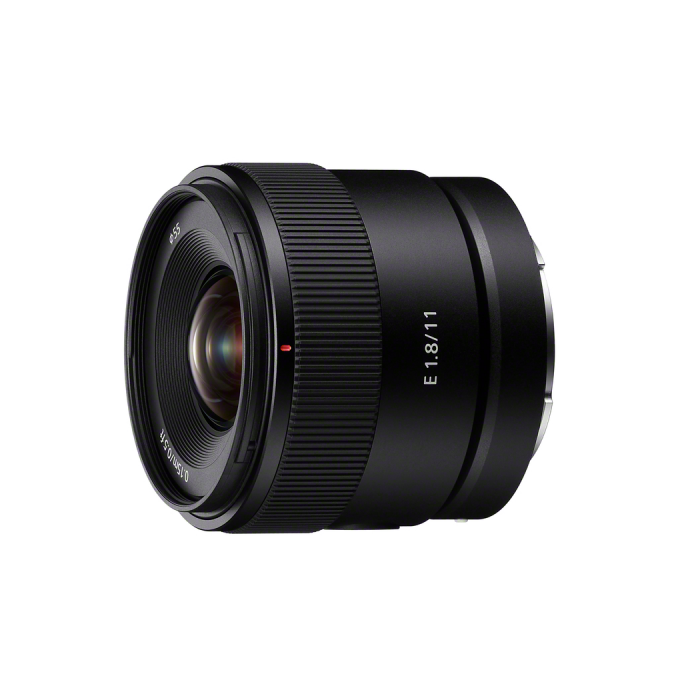
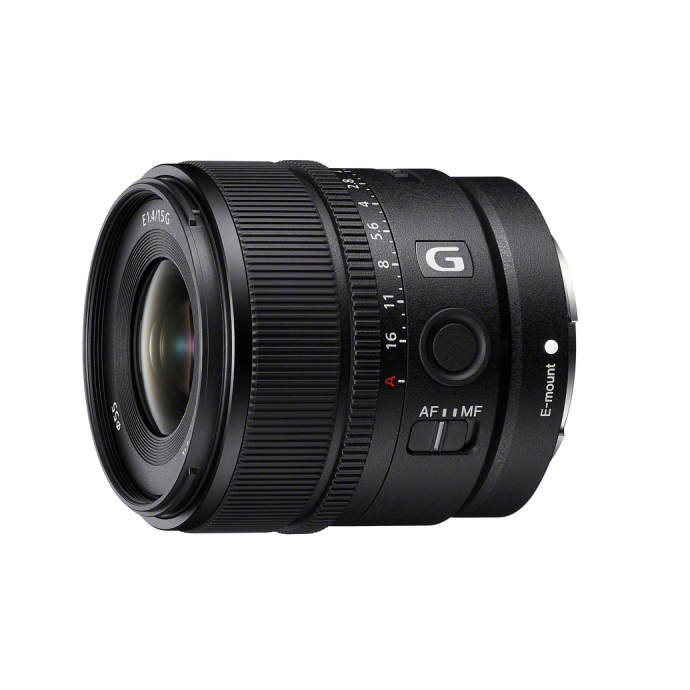
Are APS-C Sony shooters better off with the 11mm f/1.8 or 15mm f/1.4 G for landscapes?
For APS-C users, the answer depends on whether width or speed is more important. The Sony E 11mm f/1.8 is the stronger pick if you want an ultra-wide field of view for big vistas, dramatic compositions, or travel landscapes in tight locations. It gives you a perspective that feels more specialized and expansive.
The Sony E 15mm f/1.4 G is a more moderate wide-angle option and can be especially attractive for photographers who want a fast lens that also works beautifully for environmental portraits, low-light travel, and general creative shooting. For APS-C landscape photographers who do not always want an extreme look, it is a very flexible choice.
If value matters, Unique Photo also carries used excellent-condition versions of both lenses, giving APS-C shooters more room to build a capable kit without overspending.


Is a fast aperture important for landscape photography, or should I prioritize something else?
For classic daylight landscapes, maximum aperture is usually less important than sharpness at mid apertures, resistance to flare, portability, and focal-length usefulness. Since many landscape images are captured around f/8 or f/11, an f/2.8 or even f/4 lens can be more than sufficient.
That said, fast apertures still provide real benefits. They can help with astrophotography, low-light blue-hour scenes, handheld travel shooting, and subject isolation when you want a more creative environmental image. This is where fast wide lenses can serve double duty, especially if your photography includes night skies or documentary-style travel in addition to landscapes.
If you mainly shoot tripod-based landscapes in daylight, prioritize focal range and field performance. If you also shoot starscapes or low-light scenes, a faster lens may be worth the extra investment.
Should I buy new or used when building a Sony landscape kit?
Both options can make sense. Buying new is ideal if you want the latest packaging, full retail presentation, and the confidence of a fresh start on a premium lens. Buying used in excellent condition can be a very smart move for landscape photographers, especially because lenses often have long service lives when cared for properly.
For example, a used Sony FE 20-70mm f/4 G can be a practical choice for photographers who want a versatile full-frame landscape zoom at a more approachable price point. The same is true for the used 12-24mm f/2.8 GM if your goal is premium ultra-wide capability without stretching the budget as far as a new purchase would require.
At Unique Photo, used gear can be a great way to expand your system thoughtfully, whether you are upgrading your primary landscape lens or adding a specialty focal length.
What is the best all-around recommendation for Sony landscape photographers?
There is no one perfect answer, but there are clear best-fit options. If you want the broadest dramatic perspective and premium ultra-wide performance, the Sony FE 12-24mm f/2.8 GM is the standout choice. If you want one lens that can handle landscapes, travel, and everyday shooting with less lens swapping, the Sony FE 20-70mm f/4 G is one of the most balanced options in Sony full-frame.
APS-C photographers should look closely at the Sony E 11mm f/1.8 for expansive scenes and the Sony E 15mm f/1.4 G for a slightly less extreme, highly versatile wide-angle option. Your ideal pick depends on whether you value extreme width, compositional flexibility, low-light capability, or budget efficiency.
Ultimately, comparison tools are useful starting points, but the best landscape lens is the one that supports your real shooting style. If you are ready to upgrade your Sony landscape kit, explore new and used Sony lenses at Unique Photo and find the focal length that matches the way you actually shoot.