Best Sony Beginner Lenses: How to Use Lens Comparison Results
Choosing your first lens upgrade for a Sony mirrorless camera can feel overwhelming, especially when comparison tools show charts, scores, and technical terms that are not always obvious in real-world shooting. At Unique Photo, we recommend using those results as a guide—not as the only answer—so you can match a lens to your camera format, budget, and favorite subjects.
Below, we break down the most common beginner questions about prioritizing Sony lenses, spotting strong value options, and understanding what sharpness and bokeh ratings actually mean when you are deciding what to buy.
Which Sony lenses should a beginner prioritize first?
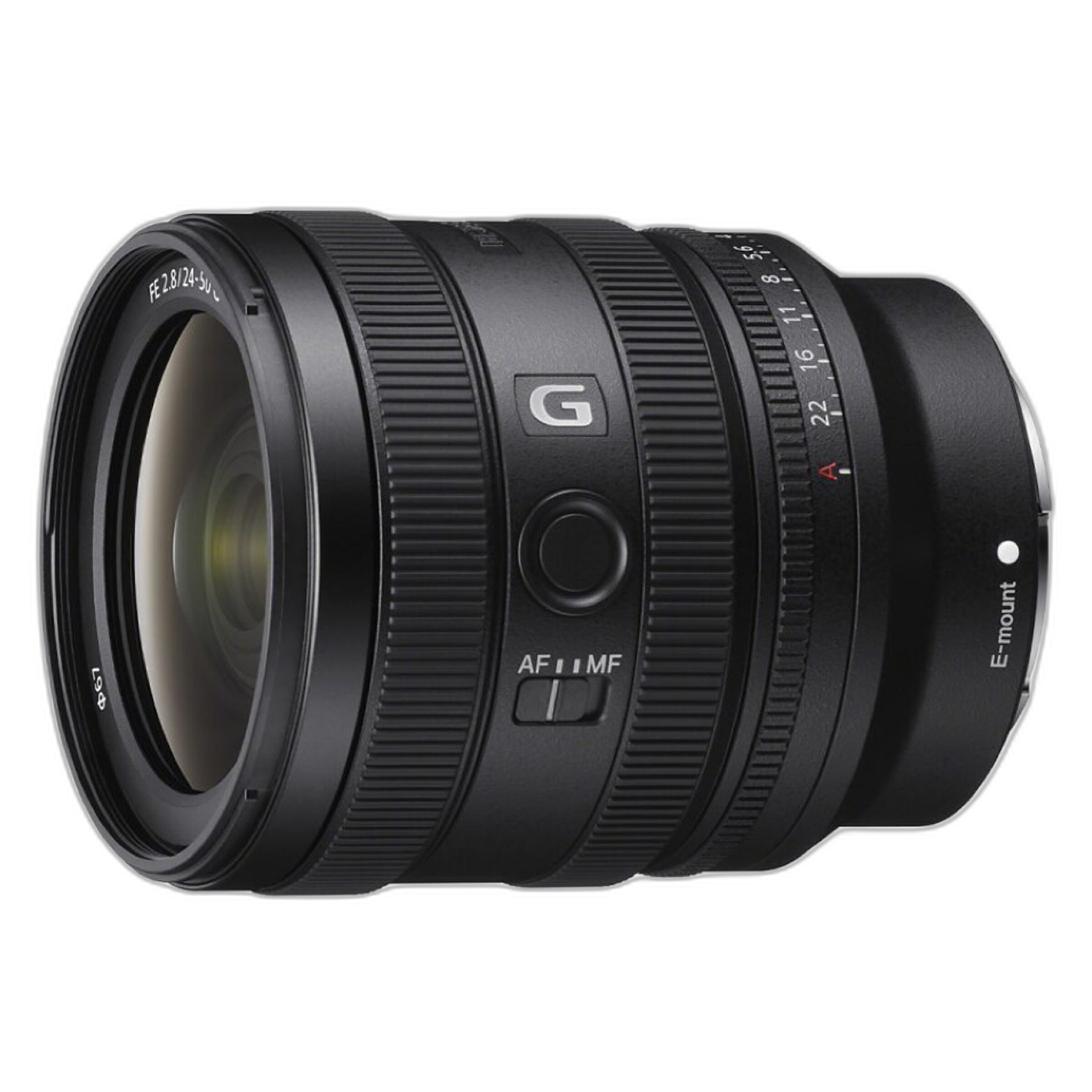
For most beginners, the best first upgrade is a fast standard zoom. It gives you flexibility for everyday photography, portraits, travel, family events, and even some detail shots without requiring frequent lens changes. If you shoot full-frame Sony, a compact option like the Sony FE 24-50mm f/2.8 G Lens is a smart place to start because it pairs a useful everyday range with a bright f/2.8 aperture. That combination is especially helpful when you want better low-light performance and more background separation than a basic kit lens can usually provide.
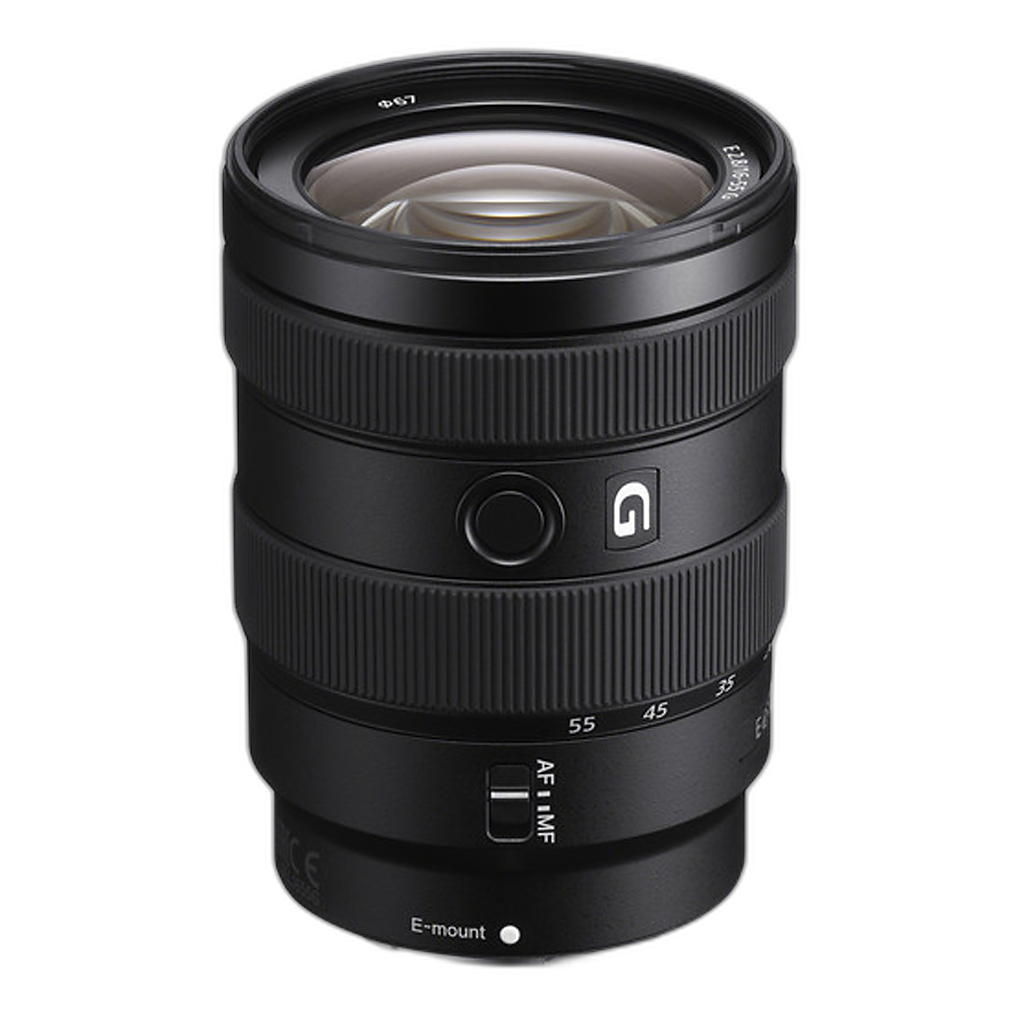
If you use a Sony APS-C camera, the Sony E 16-55mm f/2.8 G lens is one of the strongest all-around upgrades. Its focal range is extremely practical for day-to-day shooting, and the constant f/2.8 aperture makes it much more capable indoors and for portraits than slower starter zooms.
A useful beginner rule is simple: start with the lens that covers the situations you shoot most often. For many photographers, that means a standard zoom before adding an ultra-wide or a prime.
What does a lens comparison tool usually favor for beginners?
Comparison tools often reward lenses that balance sharpness, aperture, size, and versatility. For beginners, that usually means high-quality standard zooms rise to the top because they solve many problems at once. They are easier to learn with than specialty lenses, and they let you figure out whether you enjoy portraits, landscapes, street photography, or travel before investing in something more specialized.
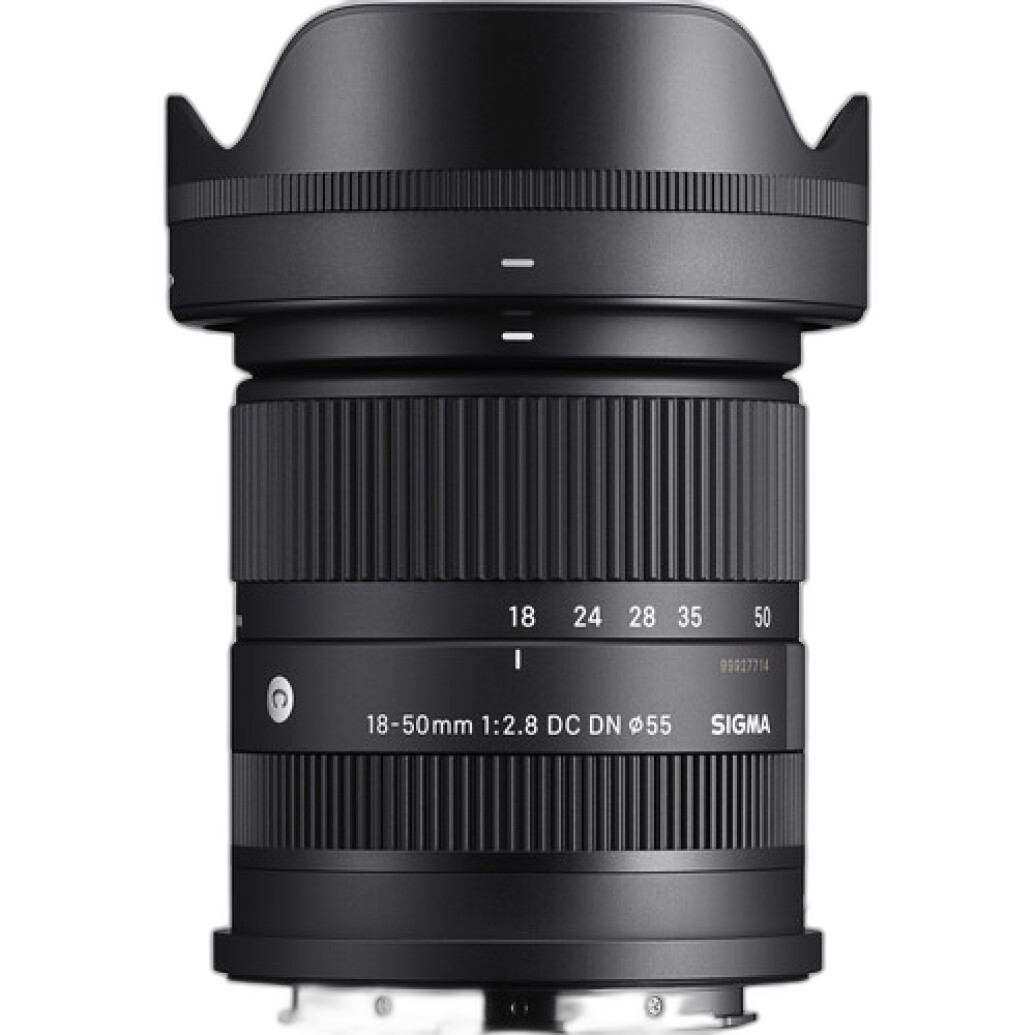
In practice, this is why lenses like the Sony FE 24-50mm f/2.8 G Lens, Sony E 16-55mm f/2.8 G lens, and Sigma 18-50mm f/2.8 DC DN Contemporary Lens for Sony E make so much sense. They all give you a useful zoom range and a bright constant aperture, making them strong learning tools rather than niche purchases.
Are there any underappreciated budget-friendly choices beginners should consider?
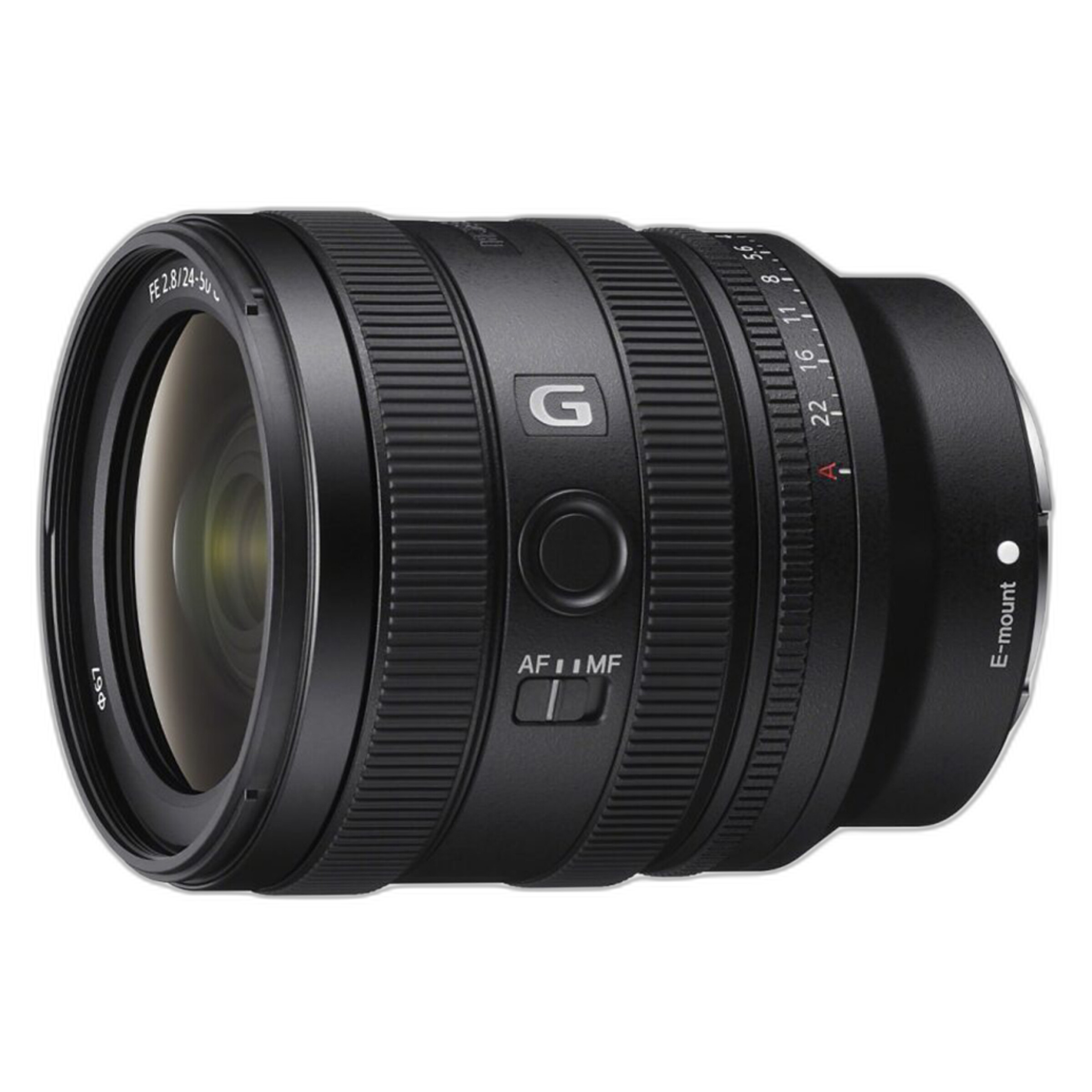
Yes. Budget-conscious shoppers should not overlook used gear or compact third-party options. A used lens in excellent condition can be one of the smartest ways to move up in image quality without stretching your budget too far. For example, the Used Sony FE 24-50mm f/2.8 G Lens - Excellent and Used Sony 16-55mm f/2.8 G Lens for Sony E Mount - Excellent can offer a more accessible path into premium optics.
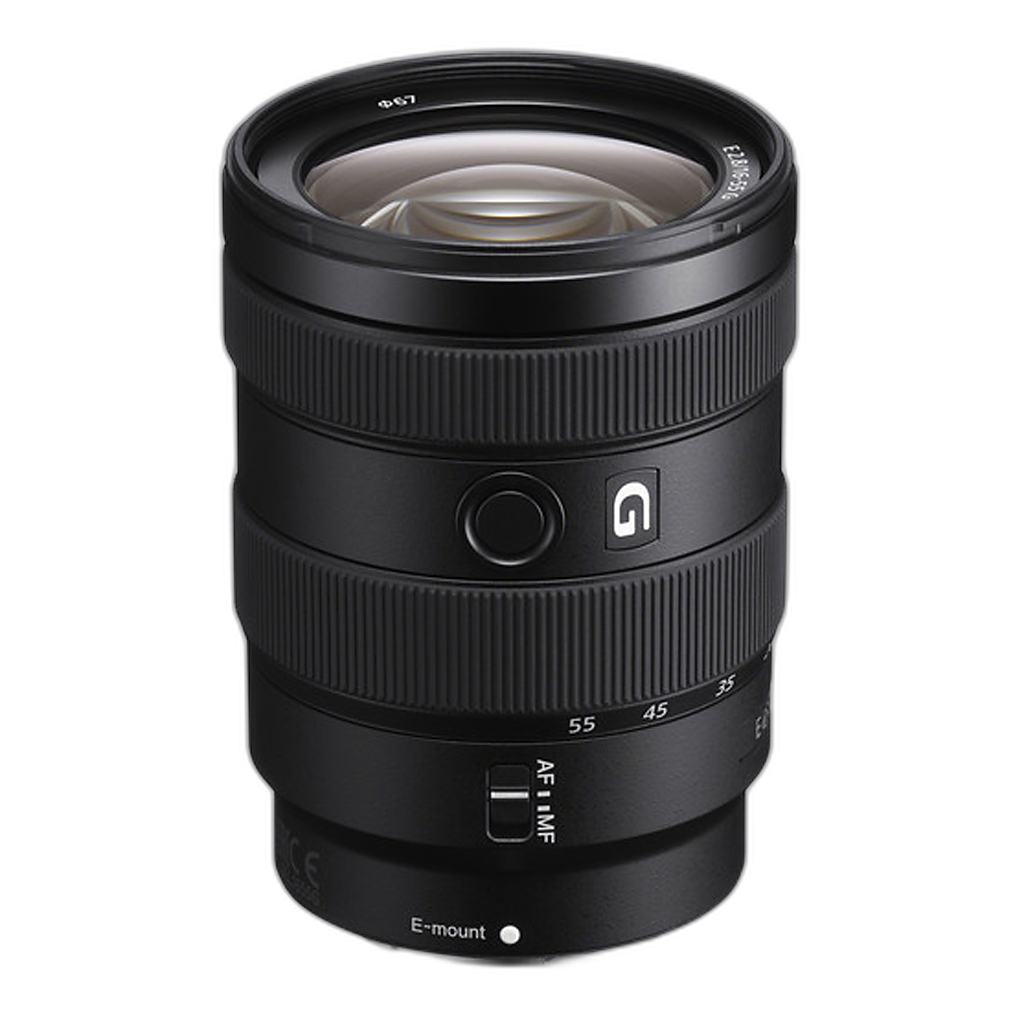
Another underappreciated value pick is the Sigma 18-50mm f/2.8 DC DN Contemporary Lens for Sony E. It is especially attractive for APS-C users who want a lightweight lens with a bright aperture and strong everyday usability. Comparison tools may not always explain just how meaningful that portability is, but for beginners, a lens you actually carry often beats a lens with slightly better test numbers that stays at home.
How should I choose between a standard zoom and a wide-angle zoom?
A standard zoom should usually come first unless you know that your main focus is landscape, architecture, interiors, or vlogging in tight spaces. Standard zooms are more versatile for learning composition because they cover common focal lengths used for portraits, daily life, food, travel, and street scenes.
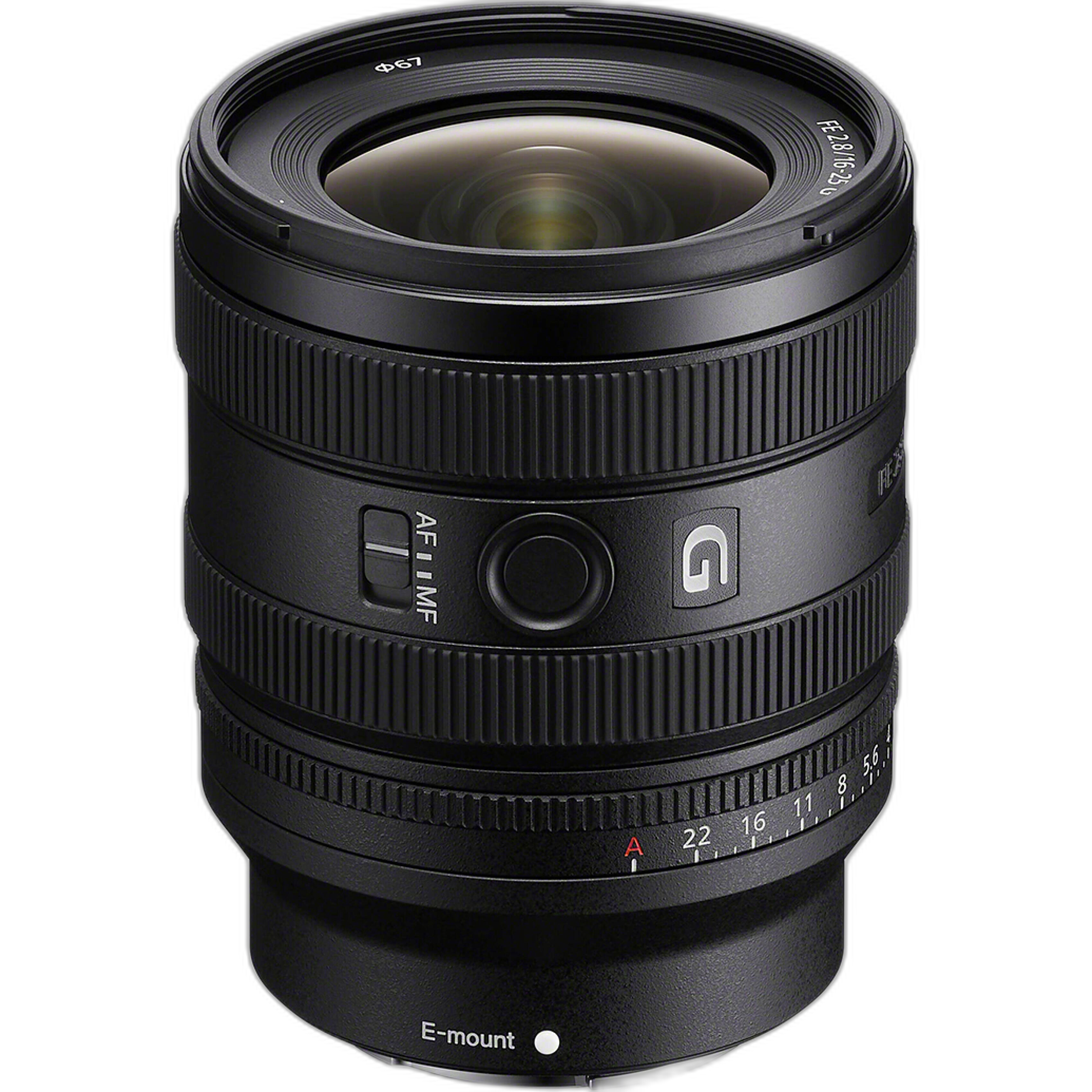
A wide-angle zoom such as the Sony FE 16-25mm f/2.8 G Lens is a better second lens for many full-frame shooters. It expands your creative options dramatically for dramatic perspectives, environmental portraits, interiors, and sweeping scenes. If comparison results make this lens look appealing, that is likely because lenses in this range can deliver excellent edge-to-edge detail and a very distinct look.
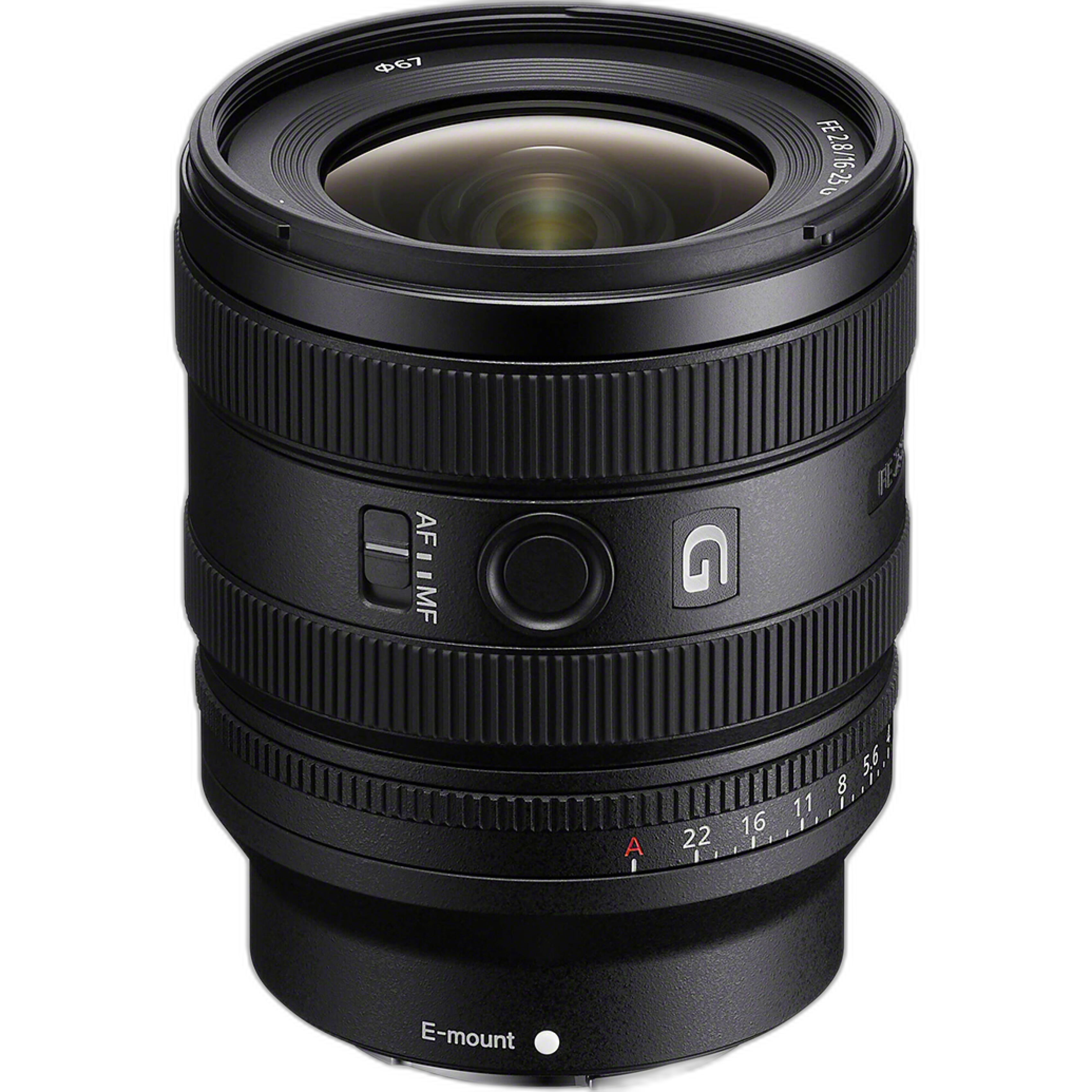
If budget is a concern, the Used Sony FE 16-25mm f/2.8 G Lens - Excellent can be a practical way to add that ultra-wide perspective after you already own an everyday zoom.
How do I read sharpness results in a lens comparison tool?
Sharpness scores are helpful, but they need context. Beginners often assume the highest number automatically means the best lens, yet real-world use is more nuanced. Start by asking three questions: where in the frame is the lens sharpest, how consistent is it across the zoom range, and does it stay strong at the aperture you plan to use most?
For example, if you mostly shoot portraits, perfect corner sharpness may matter less than strong center sharpness and smooth rendering at wider apertures. If you shoot landscapes, edge and corner performance become more important. A lens with excellent sharpness at f/5.6 may look incredible for daylight travel photos but might not be your best option if you mostly shoot indoors at f/2.8.
That is one reason standard f/2.8 zooms remain such strong recommendations. They often provide very good sharpness while still giving beginners more flexibility in lower light. When evaluating comparison results, look for consistency, not just peak numbers.
How should beginners interpret bokeh ratings?
Bokeh ratings describe the visual quality of out-of-focus areas, not just how blurry the background gets. A higher bokeh result generally suggests smoother, less distracting blur and more pleasing highlight rendering. For beginners, the practical takeaway is that aperture and focal length both matter. A lens at f/2.8 can blur the background nicely, but a faster prime can often produce a more dramatic separation effect.
If your priority is portraits or subject isolation, a lens like the Sigma 50mm f/1.4 EX DG HSM Standard Lens for Sony - Black is worth understanding as a creative step beyond a standard zoom. Its wider aperture can create a shallower depth of field and a more pronounced portrait look than an f/2.8 zoom. Even if a comparison tool places versatile zooms higher overall for general use, a fast 50mm prime may still be the more satisfying choice for someone focused on portraits and background blur.
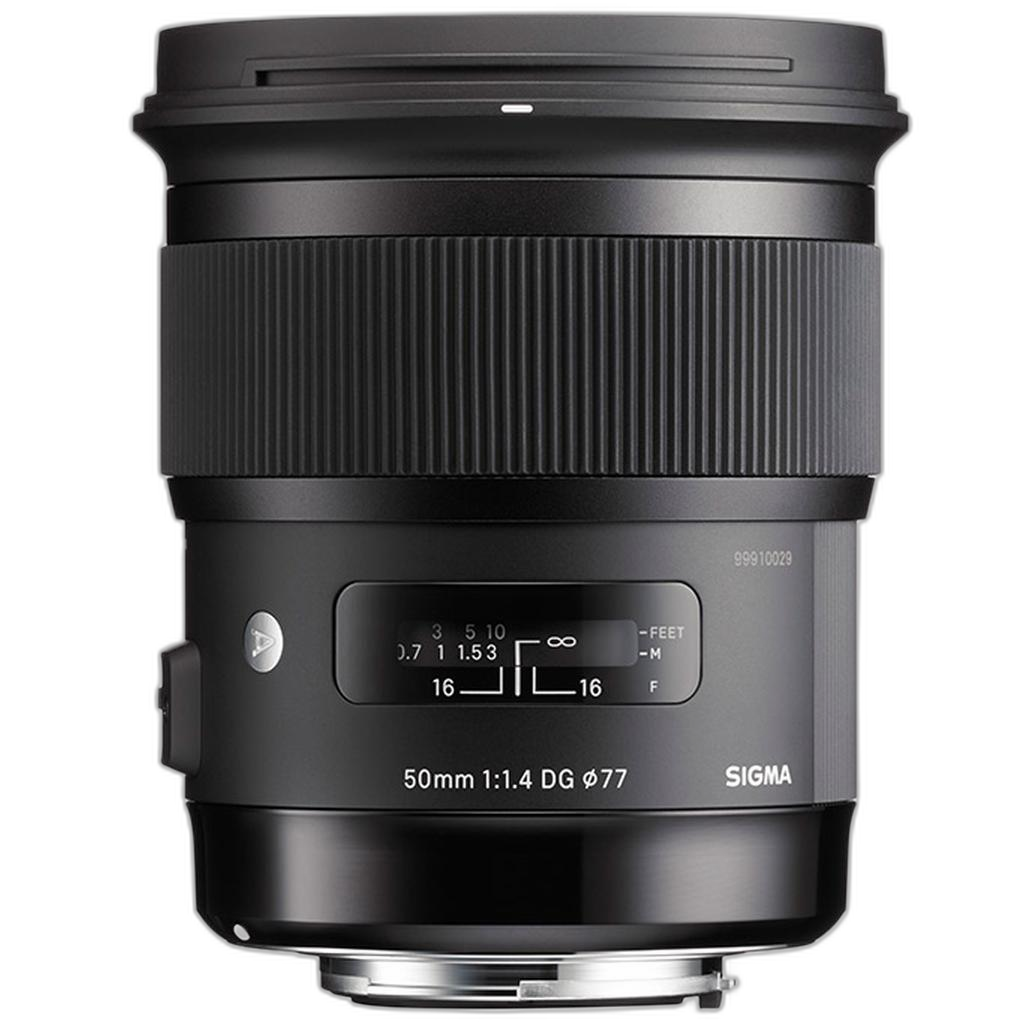
In short, bokeh scores are useful, but think in terms of your subject matter. Everyday versatility and pleasing blur are not always the same goal.
Should I buy new or used for my first Sony lens upgrade?
Both are excellent options. Buying new is ideal if you want the latest release, full retail packaging, and maximum peace of mind. Buying used can be the better strategic move when you want to step up into higher-quality glass sooner. Many beginners make faster progress with a better lens purchased used than with a lesser lens bought new simply to stay within a fixed budget.
At Unique Photo, used options like the Used Sony FE 24-50mm f/2.8 G Lens - Excellent, Used Sony FE 16-25mm f/2.8 G Lens - Excellent, and Used Sony 16-55mm f/2.8 G Lens for Sony E Mount - Excellent are especially compelling for shoppers comparing image quality against cost. If the comparison tool points you toward a premium lens, checking used inventory can make that recommendation much more attainable.
What is the best lens setup for a Sony beginner on APS-C versus full-frame?
For APS-C shooters, a strong starter path is the Sony E 16-55mm f/2.8 G lens or the Sigma 18-50mm f/2.8 DC DN Contemporary Lens for Sony E. Both are excellent all-purpose choices, with the Sony leaning more premium and the Sigma offering standout portability and value.
For full-frame shooters, the Sony FE 24-50mm f/2.8 G Lens is a highly practical everyday lens, while the Sony FE 16-25mm f/2.8 G Lens makes an excellent companion if you also shoot landscapes, interiors, or travel scenes. Together, they create a very capable two-lens setup without excessive weight.
The key is to match the lens to your sensor format first, then your style of shooting, and only then to comparison rankings. A lens can score well on paper and still be the wrong fit if it does not suit your camera or shooting habits.
What is the smartest way to use comparison results before buying?
Use comparison results to narrow the field, then translate the data into real shooting priorities. Look at focal range, aperture, size, weight, and intended use just as closely as any performance metric. A beginner who wants one lens for everything may be happiest with a compact standard zoom, while someone who already knows they love portraits might get more joy from adding a fast prime sooner.
If you are deciding between several strong options, think in terms of what problem the new lens is solving. More low-light ability? Better background blur? Wider framing? Sharper results at the edges? Once you identify that goal, the best choice becomes much clearer.
At Unique Photo, we always recommend balancing test results with practical shooting needs. Whether you are shopping for a new Sony FE 24-50mm f/2.8 G Lens, a versatile Sony E 16-55mm f/2.8 G lens, a compact Sigma 18-50mm f/2.8 DC DN Contemporary Lens for Sony E, or a value-focused used lens, we can help you choose the option that makes sense for your camera and your budget.
Ready to upgrade your Sony kit? Explore new and used Sony and Sigma lenses at Unique Photo to find the right first lens—and the right next step—for your photography.