Shopping for your first camera can feel overwhelming, especially when you are trying to stay on budget. The good news is that beginners do not need the most expensive body or a huge kit to start making great images. In fact, a smart starter setup often means choosing simple gear, buying selectively, and focusing on accessories that help you shoot more comfortably and consistently. Here are a few practical tips to help you build an affordable beginner camera kit without overspending.
1. Start with the type of photography you actually want to try
Pick a camera style that matches your goals
Before worrying about specs, think about what sounds fun to shoot. If you love instant prints and a more hands-on creative experience, a used instant film option can be a memorable starting point. A camera like the Used Polaroid SX-70 Alpha 1 Camera w/ Close Up Kit can introduce beginners to composition and lighting in a very direct way, since every frame counts.
If you are curious about vintage photography and want to experiment with classic gear, an older film model such as the Used Ermanox Ernemann Camera With 100mm f/2 may appeal to collectors or adventurous learners. For true beginners on a budget, though, the key is choosing a camera that encourages practice rather than one that feels intimidating or overly specialized.
2. Consider used gear to stretch your budget further
Used cameras can be a smart first step
One of the best ways to save money is to look at used equipment. A used camera can often give you a more interesting shooting experience for less than buying new. This is especially helpful for beginners who are still figuring out what they like.
Used film cameras, including options like the Polaroid SX-70 Alpha 1, can be a fun and affordable entry into photography if you are comfortable learning the basics at a slower pace. Just make sure you understand the condition notes and whether the camera is best for active use, experimentation, or collection.
3. Keep your kit small and easy to carry
A lightweight setup helps you practice more often
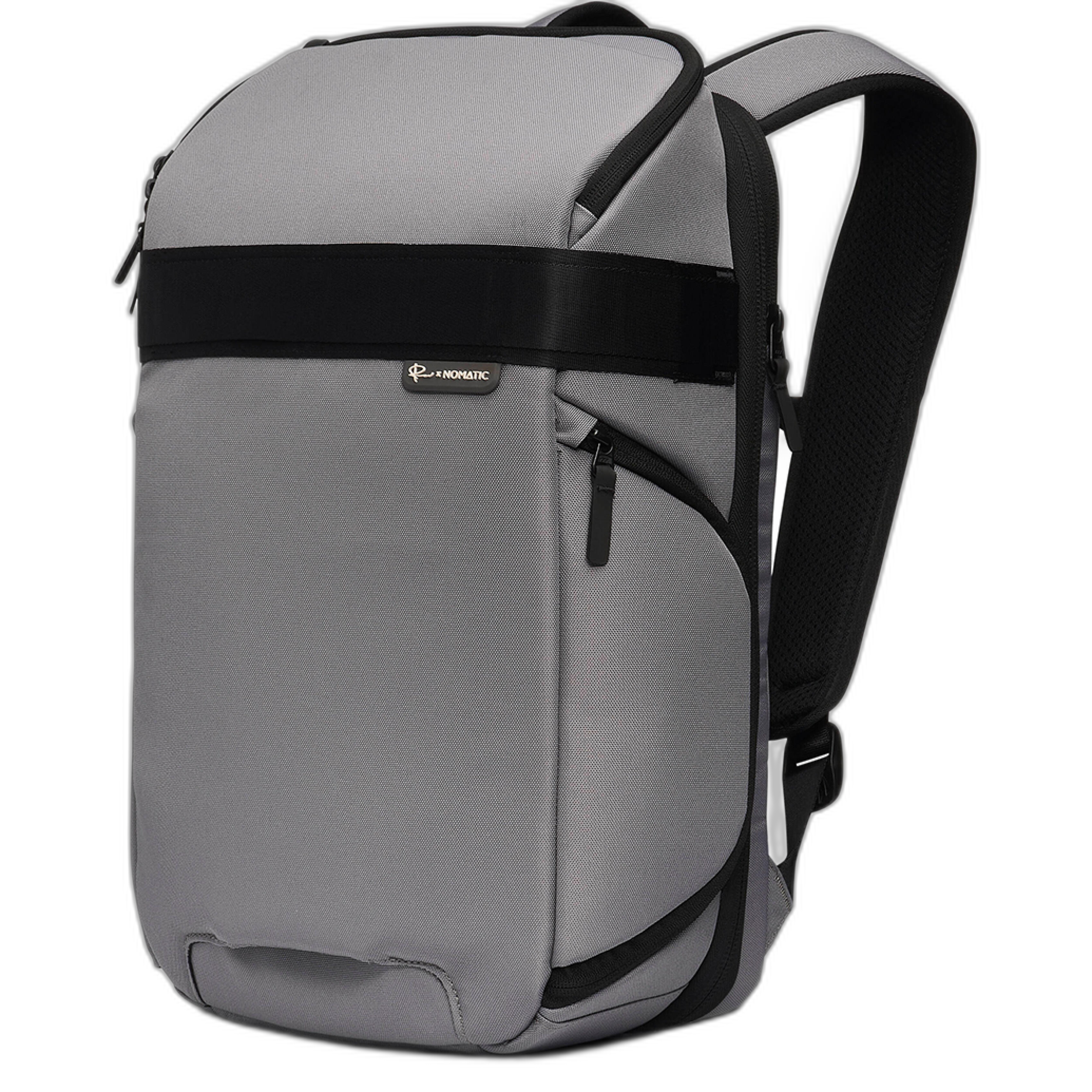
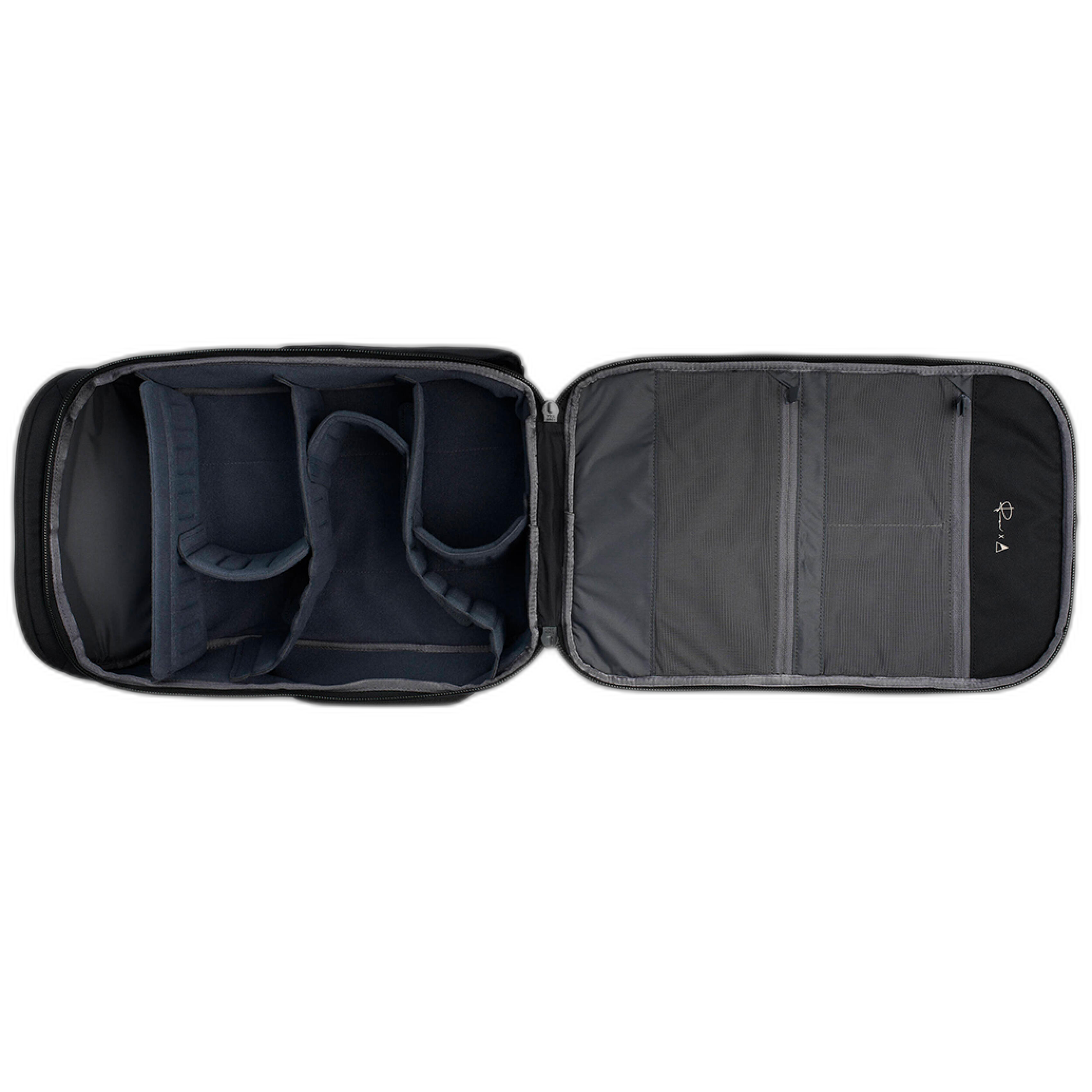
Beginners often assume they need a large bag full of gear, but a compact kit is usually better. The easier your camera is to bring along, the more likely you are to actually use it. A comfortable bag like the Nomatic Luma Camera Pack 18L - Stone gives you enough room for a starter setup without encouraging overpacking.
If you prefer to travel even lighter, a comfortable strap can make a big difference for day-to-day shooting. The PGYTECH Camera Strap Slim - Vintage-Olive Green is the kind of accessory that makes carrying your camera feel less like a chore and more like second nature.
4. Do not overspend on lenses right away
Learn with one lens before upgrading
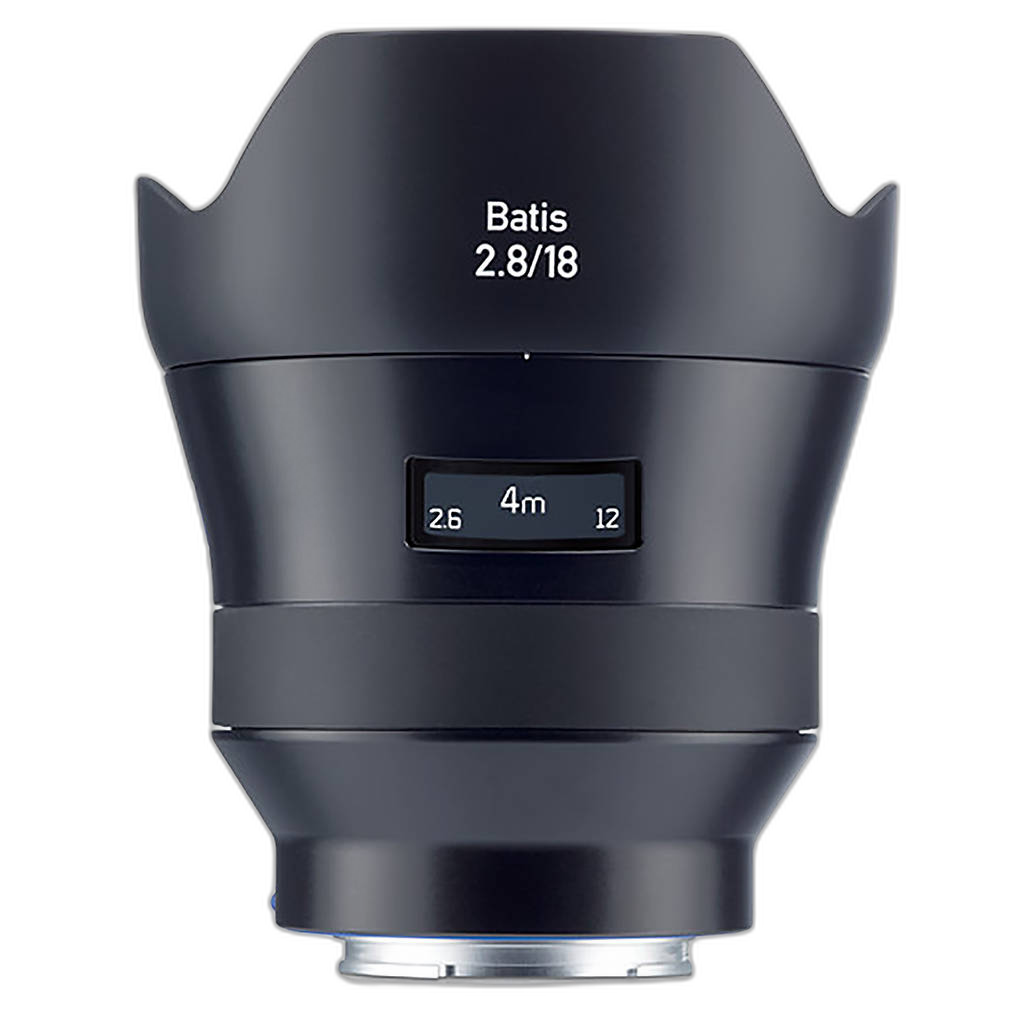
Many beginners make the mistake of putting too much of their budget into premium lenses before they know what focal lengths they enjoy. A lens like the Zeiss Batis 18mm f/2.8 for Sony E-Mount is an excellent optic, but it is also a more advanced purchase that makes more sense once you know you love wide-angle photography, landscapes, interiors, or travel work.
For most beginners, it is smarter to start simple, shoot often, and upgrade later based on experience instead of impulse. Budget-friendly photography is usually about buying less, not more.
5. Budget for essential support items, not just the camera
Accessories can improve the beginner experience
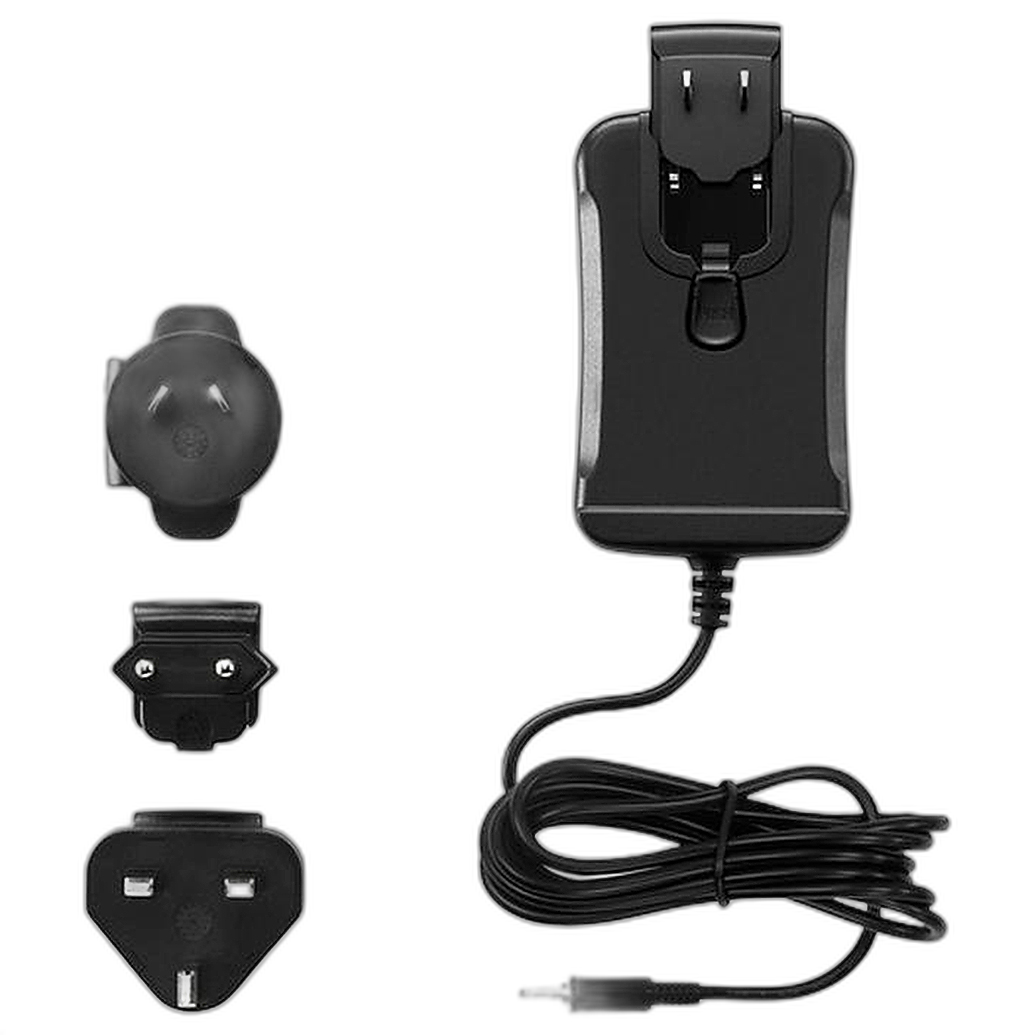
Your first camera budget should include room for the practical extras that keep you shooting. A reliable power accessory, for example, can save frustration if you are using video-oriented equipment or building a small content kit. The Blackmagic Design Power Supply for Pocket Cinema Camera is a reminder that power solutions matter just as much as camera choice when planning a complete setup.
Even if your first camera is not a cinema model, the bigger lesson holds true: reserve part of your budget for batteries, storage, straps, and carrying protection so your setup is actually usable every day.
6. Think about long-term value, including protection
Warranties can matter when you upgrade later
Beginners on a budget are often focused on the lowest price, but value also includes peace of mind. As you move up to more advanced gear in the future, warranty coverage may become part of the buying decision. Products like the Nikon Care 2-Year Camera Warranty or the RED Extended Warranty - KOMODO-X are examples of how photographers and filmmakers protect bigger investments over time.

For a first setup, you may not need an extended plan immediately, but it is smart to think ahead and understand total ownership cost before committing to any system.
7. Focus on learning, not on having the perfect setup
The best beginner camera is the one you will keep using
The most important recommendation for budget-conscious beginners is to avoid chasing perfection. A simple used camera, a practical strap, and a bag that makes your gear easy to carry can be enough to get started. Build your kit around real shooting habits, not hype.
As your skills grow, you will have a better sense of whether you want to invest in premium lenses, backup power, or system-specific protection plans. Starting small gives you room to learn without regret.
Conclusion
When choosing a starter camera on a budget, the smartest move is to keep things practical: buy for the kind of photography you want to try, consider used gear, and leave room in your budget for the accessories that help you shoot comfortably. Whether you are exploring instant film, vintage cameras, or planning your first interchangeable-lens setup, a thoughtful beginner kit can go a long way. If you are ready to start building your setup, Unique Photo is a great place to explore camera gear, used finds, and accessories that make learning photography more enjoyable.