Entering a photo contest is not just about capturing a great image—it is also about presenting that image in the strongest possible way. This guide is for photographers who want to improve their chances by focusing on the technical details judges notice: exposure accuracy, sharpness, file quality, print presentation, and safe delivery of finished work. Whether you are submitting digitally, printing for exhibition, or preparing portfolio pieces inspired by contest-winning standards, the right equipment can help your entry look polished and professional.
If you are wondering which technical settings matter most, start with the essentials: shoot at the lowest practical ISO for maximum image quality, use an aperture that supports your creative intent without sacrificing important detail, maintain critical focus on the subject, and export or print at the highest quality allowed by the contest rules. Beyond camera settings, presentation tools such as trimmers, printers, and protective wraps can make a major difference when your image is viewed by judges in print or in person.
What Judges Typically Notice First
Before buying gear, it helps to understand what contest judges often evaluate from a technical perspective:
- Exposure: highlights should retain detail and shadows should support the mood without becoming muddy.
- Sharpness: intentional focus placement is critical, especially for portraits, wildlife, and macro work.
- Noise control: excessive ISO noise or overprocessed files can distract from the image.
- Color and tonality: skin tones, blacks, whites, and midtones should feel controlled and believable.
- Print finishing: clean edges, accurate sizing, and professional output matter for physical submissions.
- Presentation and handling: damaged prints or poorly protected gear can derail an otherwise strong entry.
The Most Important Technical Settings for Contest Entries
While gear helps, strong contest results begin with smart capture choices:
- ISO: use the lowest ISO that still allows proper shutter speed and stability.
- Aperture: choose based on subject isolation or depth of field needs; avoid stopping down so far that diffraction softens the image.
- Shutter speed: make sure it is fast enough to freeze subject movement or camera shake unless blur is intentional.
- White balance: keep color consistent and natural, especially under mixed lighting.
- RAW capture: gives you the most flexibility for highlight recovery, color correction, and refined final output.
- Resolution and output: always match export or print specs to the contest requirements exactly.
Once your file is strong, presentation equipment becomes the next big factor.
Recommended Equipment for Stronger Contest Presentation
Rotatrim Technical Series 2150
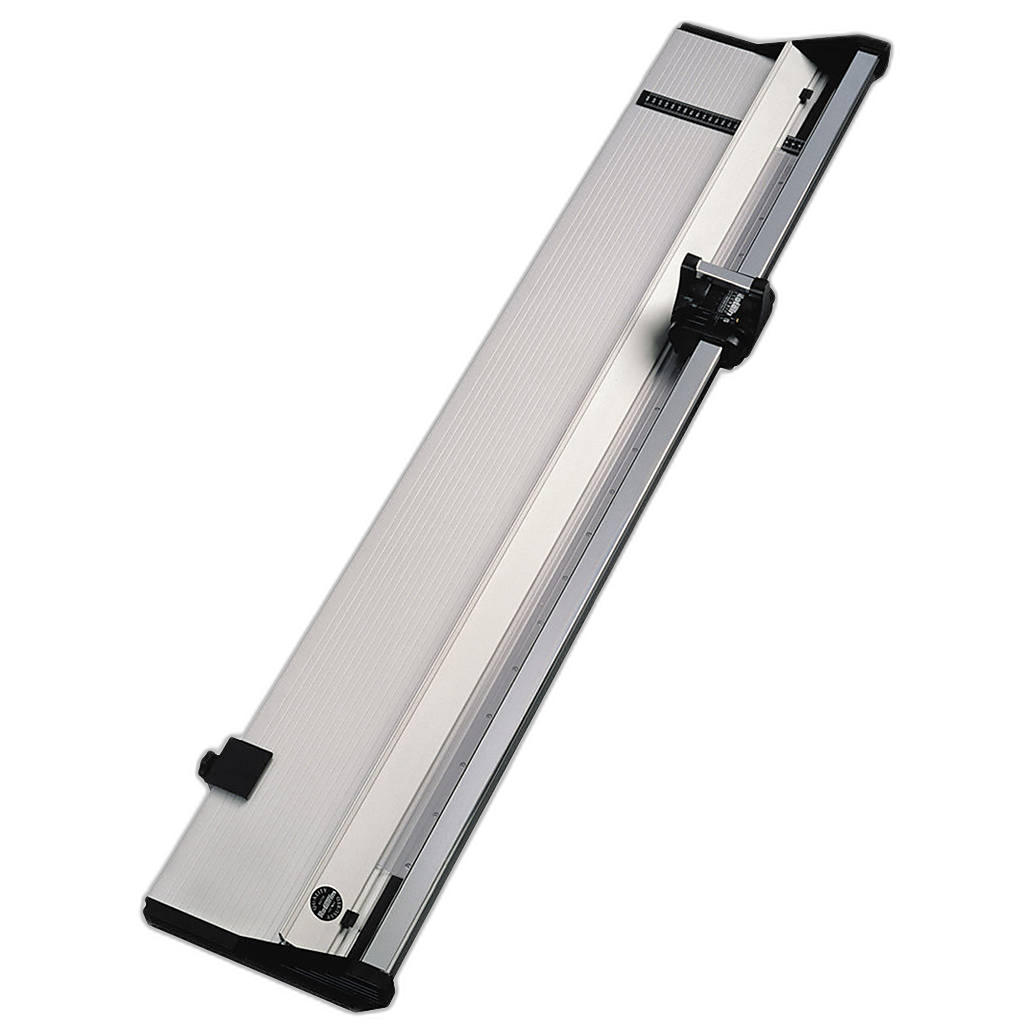
If your contest involves printed entries, mounting, or portfolio presentation, precise trimming is one of the most important finishing steps. The Rotatrim Technical Series 2150 is ideal for photographers who want crisp edges and consistent sizing on prints, mats, or presentation materials. Judges may not consciously think about trimming accuracy, but they absolutely notice when a print looks professionally finished.
Best for: print competition entries, portfolios, exhibition prep, and clean border finishing.
Rotatrim Technical Series Base Extension 1550
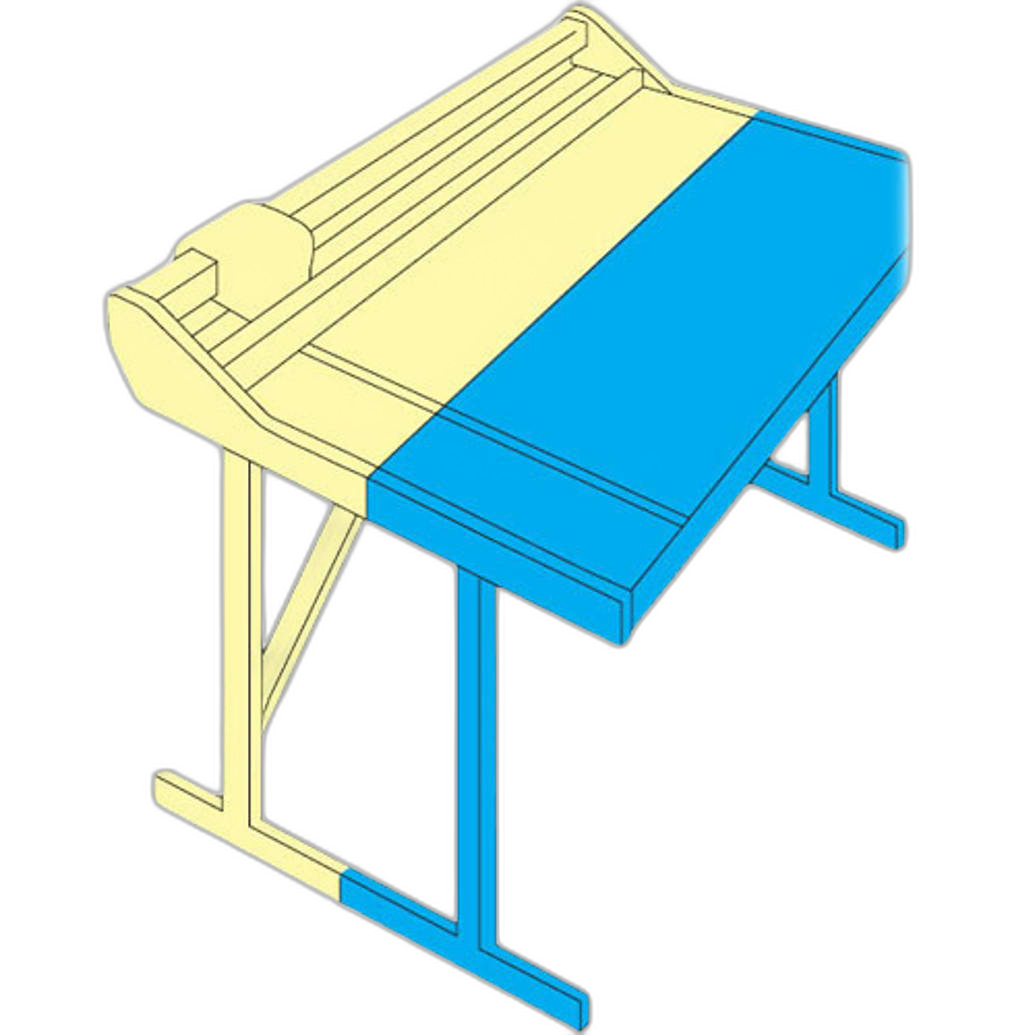
For photographers working with larger prints or needing more support during finishing, the Rotatrim Technical Series Base Extension 1550 is a useful add-on. Contest prints need to stay flat and aligned during trimming, and extra support can improve consistency when handling oversized output.
Best for: larger print workflows and more stable finishing setups.
Epson SureColor T3770EDR 24in Large Format CAD/Technical Printer (Dual Roll)

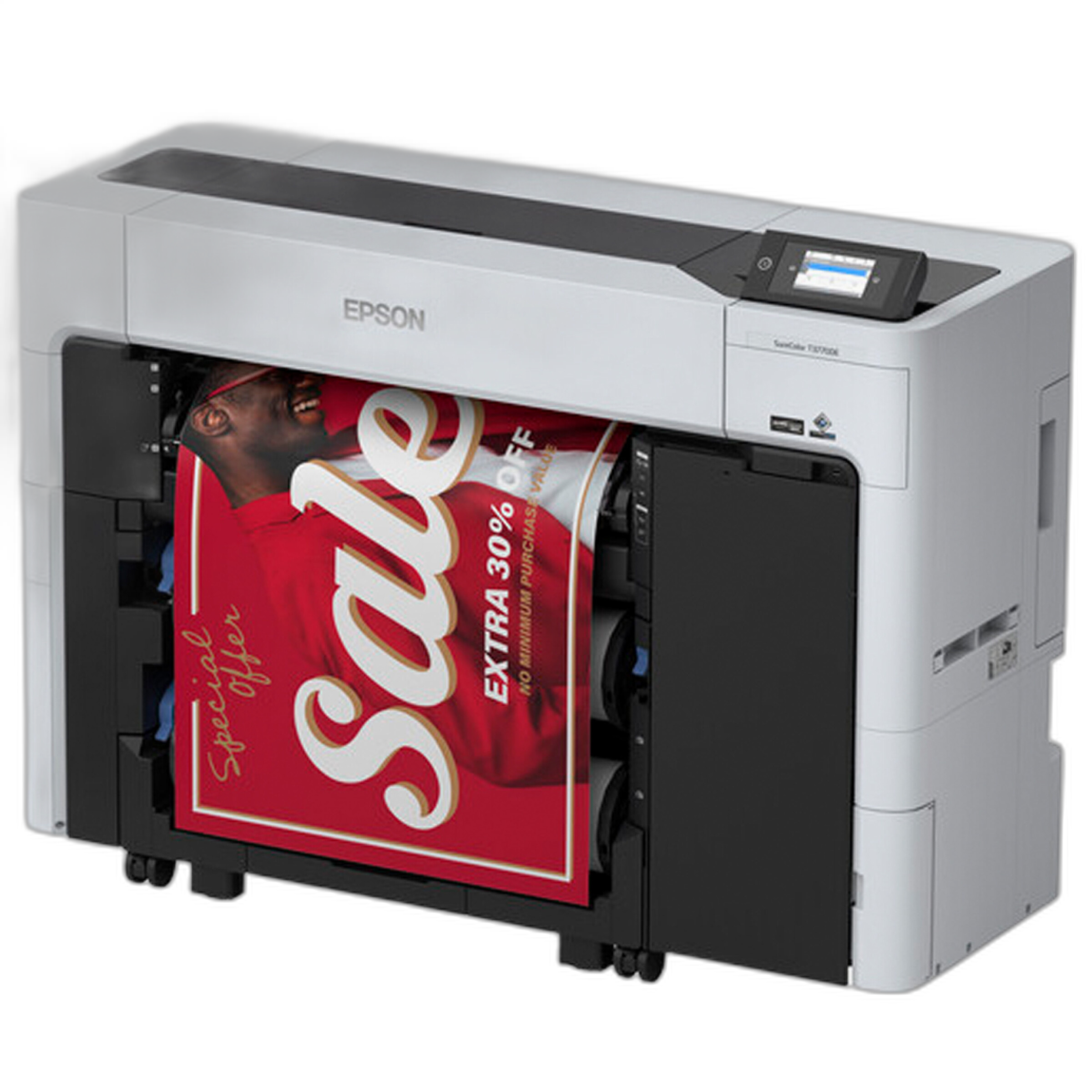
When contest rules call for physical output, consistent printing becomes a major advantage. The Epson SureColor T3770EDR offers large-format capability for photographers who want control over size, layout, and presentation. For technical, architectural, documentary, or fine-art submissions where exact output dimensions and reliable print workflow matter, having an in-house printer can streamline preparation and reduce deadline stress.
Best for: photographers producing large-format entries, proofing layouts, and controlling print turnaround in-house.
3 Legged Thing Wrapz Swirls Equipment Wrap 3-Pack 12 Inch 15 Inch 18 Inch
Contest preparation often means transporting lenses, backup bodies, accessories, and sometimes finished materials. Protective wraps help prevent cosmetic wear and minor bumps while keeping your gear organized. A multi-size pack is especially useful if you shoot in multiple categories and carry different kit combinations.
Best for: organizing and protecting cameras, lenses, and accessories during travel to shoots or judging events.
3 Legged Thing Wrapz Busseat Medium Equipment Wrap 15 x 15 Inch
A medium equipment wrap is a practical option for contest shooters who want lightweight protection for a camera body, mid-sized lens, or accessories. If your entry depends on arriving with your gear in reliable condition, basic protection is a smart, affordable investment.
Best for: mirrorless kits, primes, compact accessories, and travel protection.
3 Legged Thing Wrapz Busseat X-Large Equipment Wrap 24 x 24 Inch
For larger lenses, bodies with grips, or delicate support gear, the X-Large Wrapz option offers more coverage. This is especially useful if your contest workflow involves travel, on-location shooting, or storing equipment in larger rolling bags without dedicated dividers.
Best for: larger camera setups, telephoto lenses, and extra coverage in transit.
3 Legged Thing Wrapz Retro Medium Equipment Wrap (15 x 15 IN)
This medium wrap serves the same protective role with a different style option. It is a simple but useful accessory for photographers who want to separate equipment in a bag, protect delicate surfaces, or wrap smaller presentation tools used during contest prep.
Best for: flexible accessory protection and compact gear organization.
UUOnline (Free): NJ Monthly 2020 Cover Search Contest Winners Reveal

While not a piece of equipment, studying contest-winning work is one of the smartest ways to improve your own entries. This Unique Photo online session can provide useful insight into what makes winning images stand out, including styling, storytelling, technical refinement, and final presentation.
Best for: photographers who want inspiration and a better sense of contest expectations.
Quick Comparison Table
| Product | Best Use | Why It Matters for Contest Entries |
|---|---|---|
| Rotatrim Technical Series 2150 | Trimming prints and presentation materials | Helps create clean, professional-looking final submissions |
| Rotatrim Technical Series Base Extension 1550 | Supporting larger finishing workflows | Improves stability and consistency with bigger prints |
| Epson SureColor T3770EDR 24in Printer | In-house large-format printing | Gives control over timing, size, and output presentation |
| 3 Legged Thing Wrapz Swirls 3-Pack | General gear protection | Keeps contest kit organized and safer in transit |
| 3 Legged Thing Wrapz Busseat Medium | Compact gear wrapping | Protects smaller camera setups and accessories |
| 3 Legged Thing Wrapz Busseat X-Large | Larger gear wrapping | Useful for bigger lenses and body/lens combinations |
| 3 Legged Thing Wrapz Retro Medium | Accessory and medium gear protection | Adds simple, flexible protection during travel or storage |
| UUOnline Contest Winners Reveal | Learning and inspiration | Shows how successful entries are presented and judged |
How to Choose the Right Gear for Your Contest Workflow
If you mainly submit digital entries, prioritize capture quality, editing discipline, and educational resources that help you understand what winning images look like. If you submit prints, finishing and output tools become much more important. A strong print workflow usually means:
- Reliable printing at the correct size
- Accurate trimming and clean borders
- Safe transport for both gear and finished materials
- Enough time to proof and reprint before the deadline
For many photographers, the best investment is not flashy gear but the equipment that removes avoidable mistakes from the process.
Final Thoughts
The technical settings that matter most for contest entries are the ones that protect image quality: low-noise capture, precise focus, strong exposure control, and careful final output. On the equipment side, presentation tools can be just as important as capture tools, especially when print submissions are involved.
If you want the most practical upgrade for contest presentation, start with the Rotatrim Technical Series 2150. If you need in-house output control for larger work, consider the Epson SureColor T3770EDR. And if your process involves travel or location shooting, adding protective wraps is an easy way to safeguard the gear behind your best images.
For photographers preparing their next competition entry, Unique Photo offers useful tools, accessories, and learning resources to help turn a strong image into a polished submission.