Maintaining and Cleaning 35mm Film Cameras: What We’re Comparing
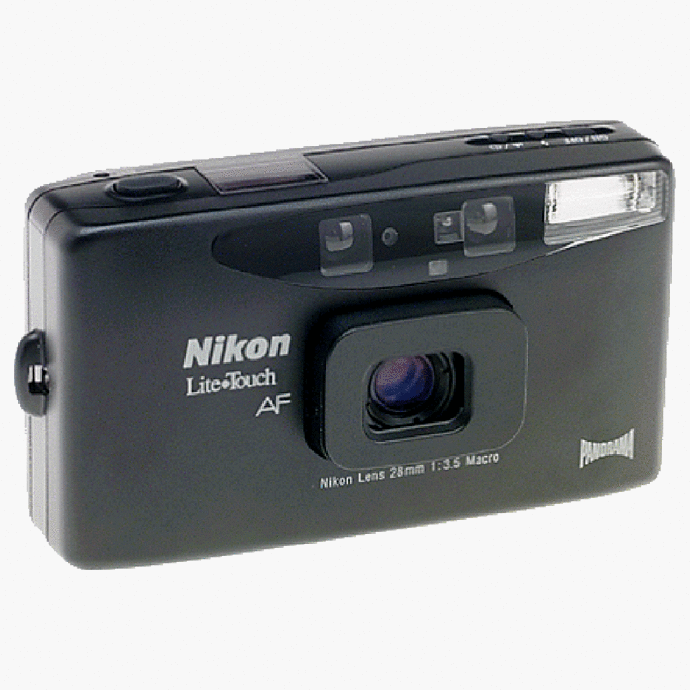
Keeping a 35mm film camera in reliable shooting condition takes a different approach depending on the type of camera you own. In this comparison, we’re looking at maintenance priorities for two common used-film-camera styles: a classic mechanical rangefinder and a compact electronic point-and-shoot. Using the Used Wenk Wenka 35MM Rangefinder With 50MM F/2.8 - Good and the Used Nikon Light Touch 35MM Point and Shoot - Excellent as examples, we’ll compare how cleaning routines, storage habits, lens care, and problem prevention differ between these categories.
For film photographers shopping used gear, this matters because proper care can dramatically improve reliability, preserve image quality, and help avoid expensive repairs.
Side-by-Side Comparison
| Category | Wenk Wenka 35MM Rangefinder | Nikon Light Touch 35MM Point-and-Shoot |
|---|---|---|
| Camera Type | Mechanical rangefinder | Compact electronic point-and-shoot |
| Main Maintenance Focus | Exterior cleaning, rangefinder/viewfinder clarity, lens cleaning, shutter and advance smoothness | Battery contacts, lens cover operation, flash readiness, film transport, exterior controls |
| Lens Care Priority | High; fixed lens glass condition strongly affects image quality | High; retracting lens area must stay free of dust and obstruction |
| Sensitive Areas | Viewfinder windows, focus mechanism, film door seals, aperture/shutter controls | Motorized lens mechanism, battery compartment, DX contacts, flash and electronics |
| Cleaning Tools Best Suited | Blower, soft brush, microfiber cloth, lens cleaning fluid, cotton swabs used carefully | Blower, microfiber cloth, dry swabs, gentle contact cleaning for battery terminals |
| Avoid | Over-lubrication, excessive solvent use, forcing stiff controls | Liquids near electronics, forcing lens covers, storing with old batteries installed |
| Storage Priority | Dry environment to prevent fungus and haze | Dry environment plus battery removal for long-term storage |
| Best For Owners Who Want | Hands-on, preventive mechanical care | Simple upkeep with attention to electronic reliability |
Category-by-Category Maintenance Comparison
1. Exterior Cleaning and Handling
A rangefinder like the Wenk Wenka usually tolerates careful exterior cleaning well, especially on metal top plates and manual controls. Dust can be removed with a blower and soft brush, followed by a lightly dampened microfiber cloth on non-optical surfaces. The key is to keep moisture away from seams, engraved markings, and viewfinder windows.
The Nikon Light Touch, by comparison, benefits from an even gentler touch. Compact point-and-shoot cameras often use lighter plastics, sliding covers, and tightly packed electronics. Wiping the shell with a dry or barely damp microfiber cloth is usually safest. Any grit around the lens door should be blown away rather than rubbed, since rubbing can scratch the finish or push debris into the mechanism.
Comparison takeaway: the rangefinder invites slightly more direct manual cleaning, while the point-and-shoot requires more caution around moving parts and electronics.
2. Lens Cleaning Priorities
Lens cleaning is crucial for both camera styles, but the process differs. On a fixed-lens rangefinder, you can usually access the front element easily. Start with a blower, then a clean lens brush if needed, and only then use a microfiber cloth or lens tissue with a small amount of lens-safe cleaning solution. Never apply fluid directly to the lens.
On a point-and-shoot such as the Nikon Light Touch, the retractable lens design adds risk. Dust around the lens barrel should be removed before the camera powers the lens in and out. If dirt accumulates near the extending mechanism, it can affect smooth operation. Clean the exposed front element gently, but avoid pressing on the lens assembly.
If you also shoot with interchangeable optics, the same careful glass-cleaning habits apply to used lenses such as the Used Fujinon W 35MM F/2.8 M42 Mount Lens: blow off dust first, minimize wiping, and store in a dry environment to reduce fungus risk.
3. Viewfinder and Window Care
For a rangefinder, the viewfinder is more than a framing window—it is part of focusing accuracy. Dirty front windows, haze, or internal contamination can make focusing and composition more difficult. Exterior window glass can be cleaned carefully with the same sequence used for lenses: blower first, then a microfiber cloth. Internal haze, however, is a service issue and should not be attacked with home disassembly unless you are experienced.
With a point-and-shoot, the viewfinder is usually simpler, but still worth keeping clean. Smudges can make framing unpleasant, and dirt around the finder or AF windows may interfere with operation on some models. A gentle wipe is usually enough.
Comparison takeaway: viewfinder cleanliness is more mission-critical on the rangefinder, while on the point-and-shoot it is more about usability and sensor window clarity.
4. Film Chamber and Transport Areas
Both camera types need a clean film path, but again the priorities differ. On a mechanical rangefinder, check the pressure plate, take-up spool area, and film chamber for dust, residue, or degrading light seals. Use a blower and soft brush; avoid leaving fibers behind. If foam seals are sticky or crumbling, replacement is smarter than repeated cleaning.
On the Nikon Light Touch, the film transport is automated, so cleanliness matters, but forcing anything matters more. Keep the chamber free of debris and inspect the pressure plate for dirt or scratches. Never poke into motorized parts or DX coding contacts with aggressive tools.
Comparison takeaway: manual cameras reward inspection and preventive upkeep; motorized compacts demand a lighter, less invasive approach.
5. Battery and Electronic Reliability
This is where the point-and-shoot clearly needs more attention. Remove batteries during long storage periods, and inspect contacts regularly for corrosion. If you see mild residue, a careful cleaning of the battery terminals can help, but avoid excess liquid. Electronic compacts are often rendered unusable by battery leakage far more often than by normal wear.
A mechanical rangefinder may not rely heavily on batteries at all, depending on design, so electronic maintenance is less central. That said, if it includes a meter battery compartment, the same anti-corrosion habits apply.
Comparison takeaway: battery discipline is essential for point-and-shoot ownership and only occasionally important for older mechanical bodies.
6. Common Problems You Should Not “Clean Away”
Some issues are not dirt—they are repair problems. On a rangefinder, stiff focus, inaccurate rangefinder alignment, shutter capping, or heavy internal haze generally call for professional service. On a point-and-shoot, non-extending lenses, flash faults, transport errors, or intermittent power often point to electronic or mechanical failure rather than simple grime.
The biggest mistake film camera owners make is assuming every problem can be solved with deeper cleaning. If a camera needs force to operate, stop and reassess.
7. Storage and Long-Term Prevention
Both cameras benefit from cool, dry storage away from humidity, basement dampness, and attic heat. Humidity is the enemy of lens coatings, internal optics, and film-camera longevity. Silica packs in a cabinet or sealed storage container can help, as long as airflow and periodic inspection are part of the routine.
For the rangefinder, proper storage helps prevent fungus, haze, and degraded leatherette or seals. For the point-and-shoot, storage also protects electronics and reduces the chance of battery damage. Avoid leather cases for long-term sealed storage if they trap moisture.
Best Cleaning Kit Approach for Each Type
| Tool | Best Use on Rangefinder | Best Use on Point-and-Shoot |
|---|---|---|
| Rocket blower | Lens, finder windows, film chamber dust | Lens cover area, front element, body seams |
| Soft brush | Top plate edges, dials, shutter area exterior | Around buttons and seams only, very lightly |
| Microfiber cloth | Body panels and lens glass finishing wipe | Exterior shell and finder window |
| Lens cleaning solution | Safe in small amounts on front/rear glass surfaces | Use sparingly on exposed front element only |
| Cotton swabs | Useful for tight exterior corners if nearly dry | Useful for battery compartment cleaning with care |
Our Pick
Our Pick for easier long-term maintenance: the Wenk Wenka 35MM Rangefinder.
If your main concern is keeping a 35mm film camera clean and operational for years, a mechanical rangefinder is usually the more maintenance-friendly choice. It gives you better access to the lens and exterior controls, has fewer electronic failure points, and makes preventive care more straightforward.
Pick the Nikon Light Touch 35MM Point and Shoot if you want maximum convenience in shooting and are comfortable being more cautious with storage, batteries, and retracting lens mechanisms. It is simpler to use day-to-day, but generally less forgiving when electronic issues appear.
Final Thoughts
Maintaining and cleaning a 35mm film camera is less about aggressive deep-cleaning and more about consistent, careful prevention. Rangefinders and point-and-shoots both benefit from dust control, gentle lens care, dry storage, and regular inspection, but the right routine depends on whether your camera is primarily mechanical or electronic.
If you’re shopping used film cameras or accessories, Unique Photo is a great place to compare options and find gear that fits your shooting style—whether that means a hands-on classic rangefinder or a convenient compact 35mm point-and-shoot.