Sony Lens Comparison Tools vs Real-World Shooting: FAQ for Better Lens Choices
Online lens comparison tools can be extremely helpful, especially when you want a fast visual reference for sharpness, contrast, or focal length differences. But as many photographers and filmmakers quickly discover, charts and beta comparison tools only tell part of the story. Real-world shooting adds variables like autofocus behavior, handling, flare control, consistency, and the way a lens supports your creative workflow.
At Unique Photo, we recommend using comparison tools as a starting point rather than the final answer. Below, we break down the most common questions shoppers ask when evaluating Sony E-mount lenses and explain how to balance lab-style comparisons with real shooting experience.
Do lenses ever perform better or worse in real shooting than they do in online comparison tools?
Absolutely. A lens that looks merely average in a side-by-side test can become a favorite once you use it on an actual shoot. That is because many comparison tools emphasize static image qualities such as center sharpness or edge detail, while real-world shooting also reveals color rendering, flare behavior, focus consistency, and how the lens responds under pressure.
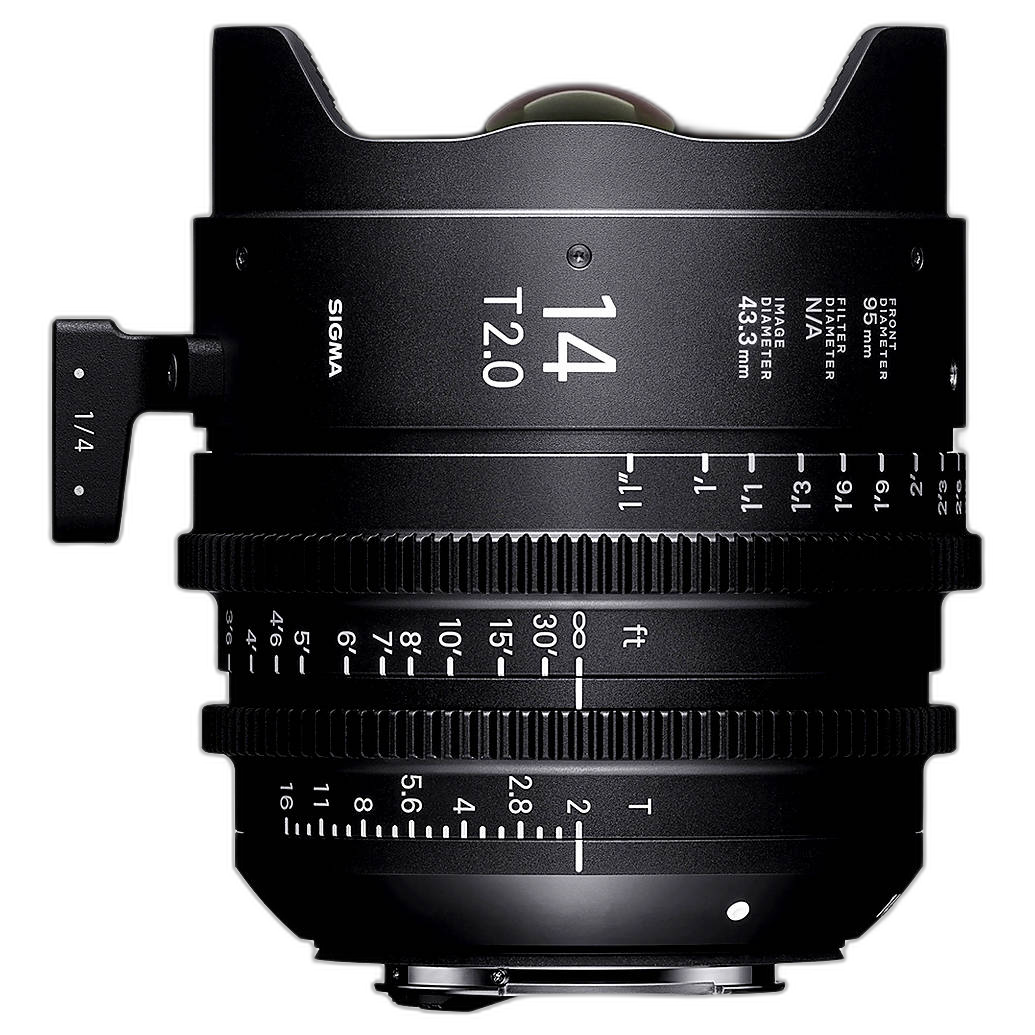
For example, a wide-angle cine option may not be chosen only for resolution charts. A lens like the Sigma 14mm T2 FF High-Speed Prime Lens for Sony E can be especially compelling when you need dramatic perspective, controlled low-light performance, and a cinema-oriented mechanical design for repeatable focus pulls. In practical production, those traits often matter more than a simple side-by-side crop.
The opposite can also happen: a lens may test impressively in a controlled comparison but feel less satisfying on location if it is difficult to balance on a rig, less confidence-inspiring in build, or less consistent in focus operation. That is why hands-on evaluation remains so important.
Why can a lens that looks similar on paper feel very different in practice?
Specifications and sample image tools do not fully communicate the shooting experience. Two lenses can share the same mount and appear close in sharpness, yet differ substantially in ergonomics, focus throw, front diameter, weight distribution, and consistency across a production setup.
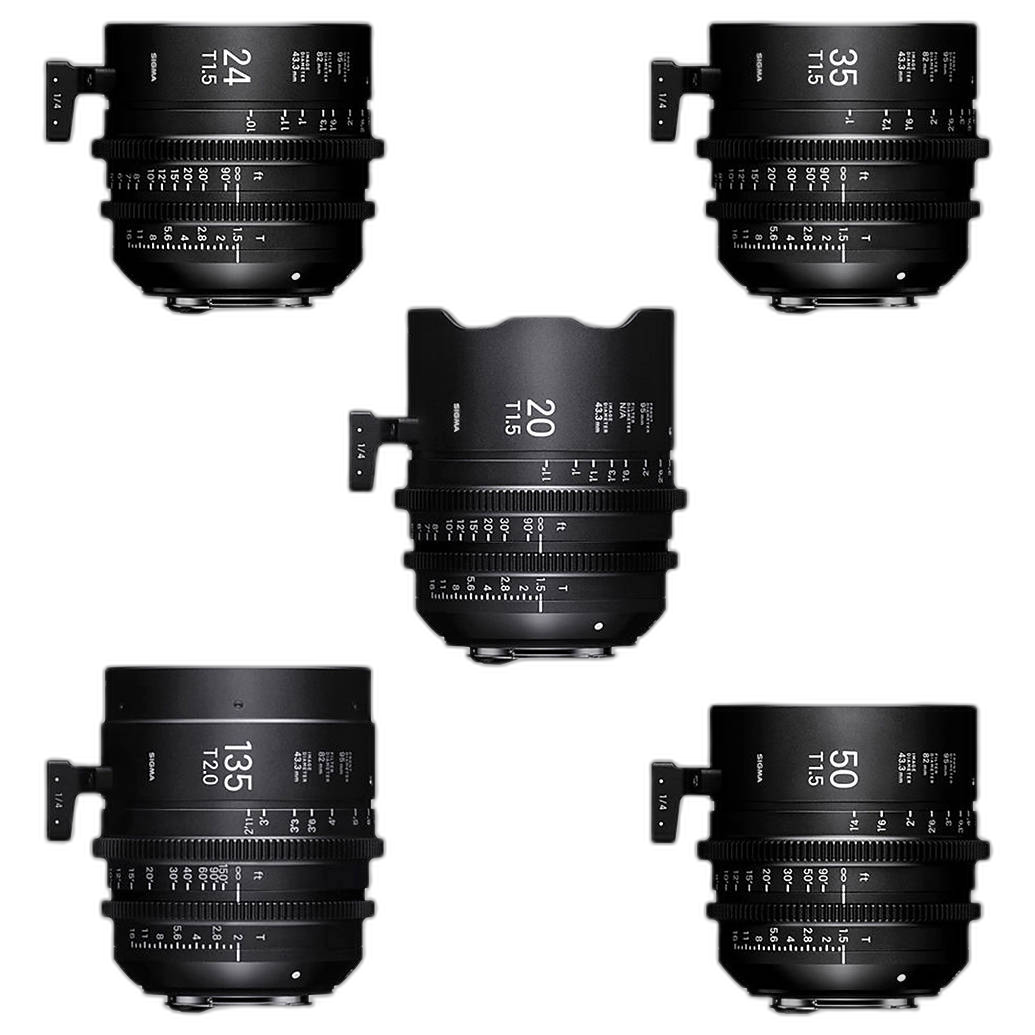
This is particularly relevant for filmmakers building a Sony E-mount cinema kit. A matched set such as the Sigma T1.5 FF High-Speed 5 Prime Lens Kit with Case for Sony E gives shooters a more unified handling experience across focal lengths. That consistency can save time during lens swaps, support more predictable focus-pulling, and simplify accessory compatibility on set.
In other words, practical usability often becomes the deciding factor after the initial image test is over.
How should I factor in autofocus speed if a comparison tool does not show it?
Autofocus performance is one of the biggest blind spots in many comparison systems. A static test frame cannot tell you how quickly a lens acquires focus, how confidently it tracks a moving subject, or whether it hunts in dim conditions. If you shoot events, portraits, sports, documentary work, or hybrid photo/video, those are critical details.
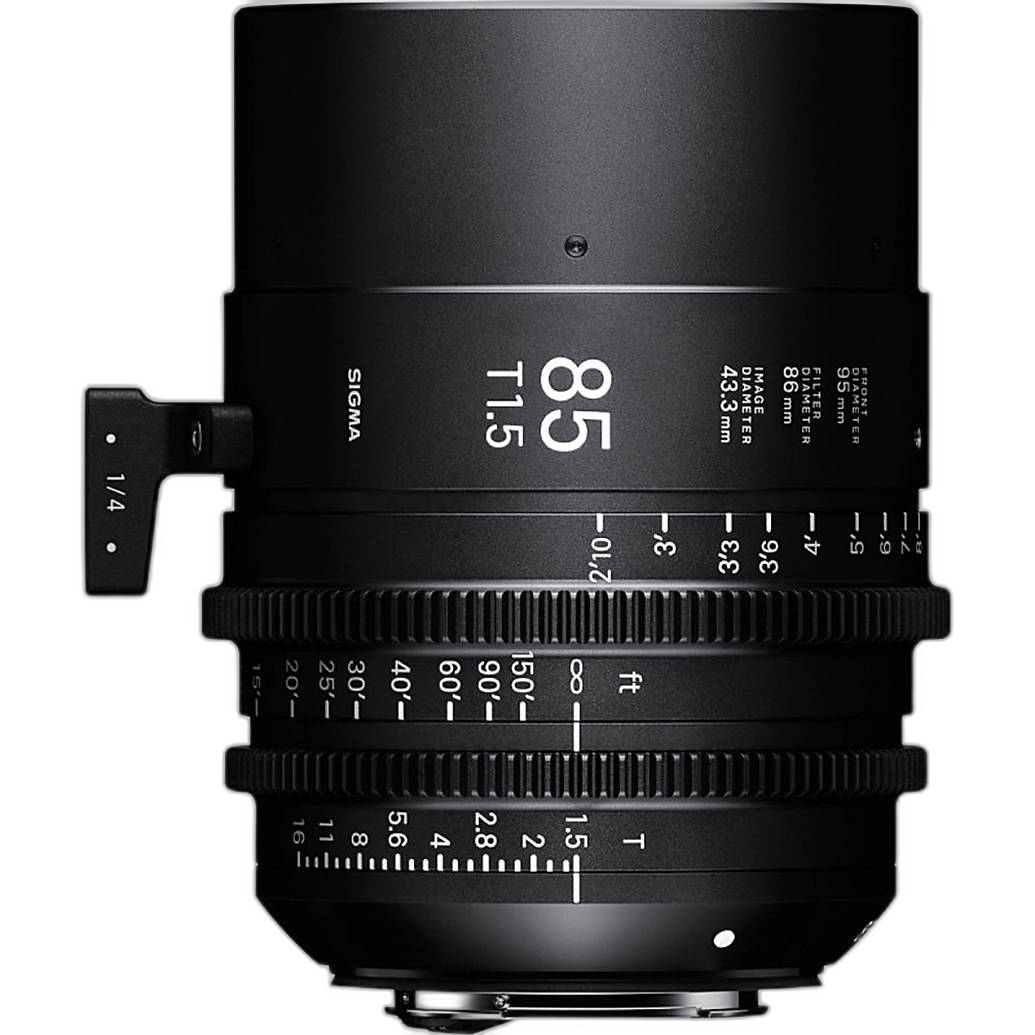
For cinema lenses, the conversation changes slightly. Many cine shooters prioritize manual focus precision over autofocus altogether. In that case, a lens such as the Sigma 85mm T1.5 Fully Luminous FF High-Speed Prime Lens for Sony E may be more appealing because of its cinematic rendering, fast T1.5 aperture, and controlled manual operation rather than AF speed. That makes it an excellent example of why the best lens depends on how you shoot, not just how a comparison tool ranks it.
If autofocus is mission-critical for your work, we suggest combining online research with hands-on testing, manufacturer specifications, and expert guidance from the Unique Photo team.
How important are build quality and handling compared to test-chart results?
They are often more important than people expect. Build quality affects long-term durability, confidence on paid jobs, and the overall efficiency of your workflow. A lens can produce beautiful images, but if it does not hold up to frequent transport, weather changes, rigging, or repeated focus adjustments, it may become frustrating over time.
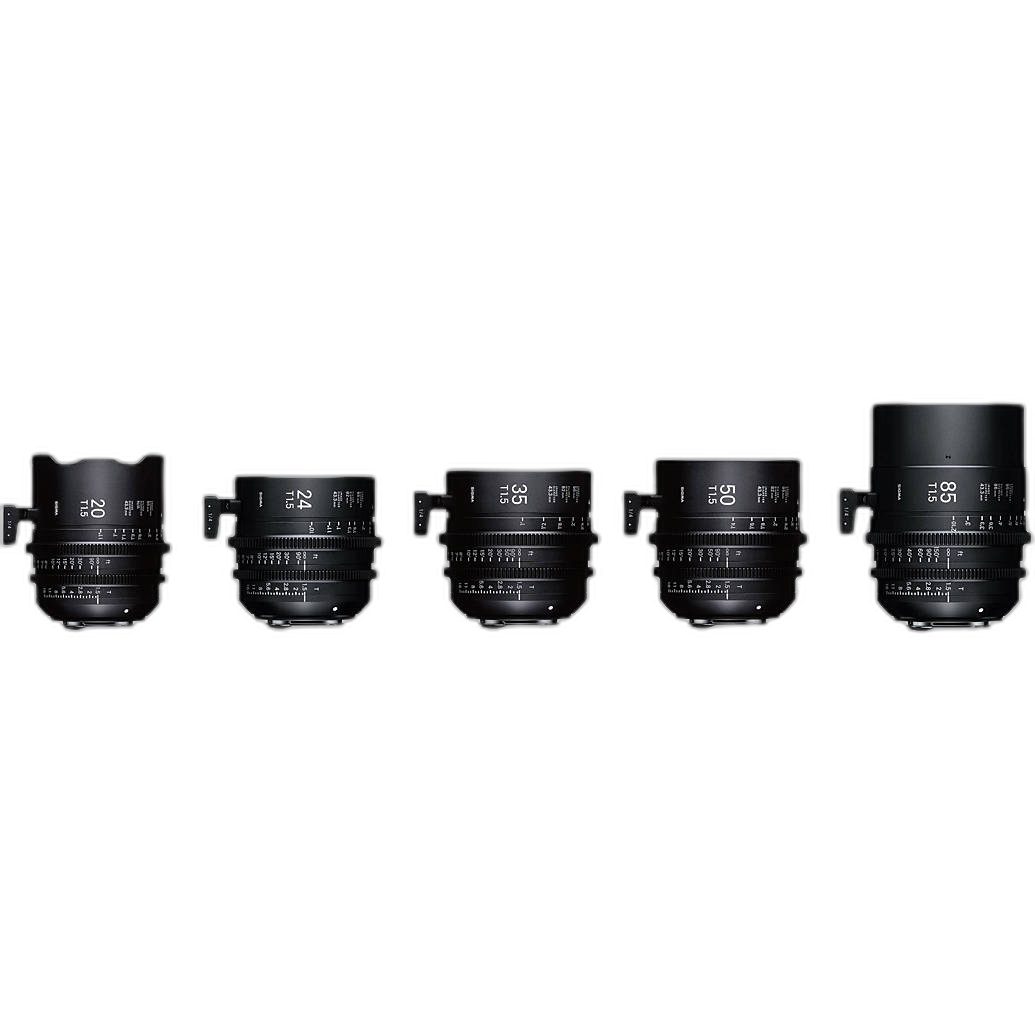
Handling also matters in subtle ways. A lens that balances well on a gimbal, shoulder rig, or tripod setup can make long shooting days easier. Cine-focused designs are especially valuable here. Products like the Sigma T1.5 FF High-Speed 5 Fully Luminous Prime Lens Kit with Case for Sony E are designed for production environments where consistent operation, mechanical precision, and matched performance across lenses can be just as important as raw image quality.
When comparing options, ask yourself not only, “Which lens tests better?” but also, “Which lens supports the way I actually work?”
What kinds of real-world traits should I pay attention to beyond sharpness?
Sharpness is only one piece of lens character. Depending on your style, you may care just as much about flare resistance, contrast, bokeh rendering, field curvature, focus breathing, low-light performance, and color consistency with other lenses in your kit.
For example, a wide cine prime like the Sigma 20mm T1.5 Fully Luminous FF High-Speed Prime Lens for Sony E can be valuable not just because it is sharp, but because its fast T1.5 aperture and cinema design make it attractive for narrative work, music videos, and low-light productions where image character and control matter.
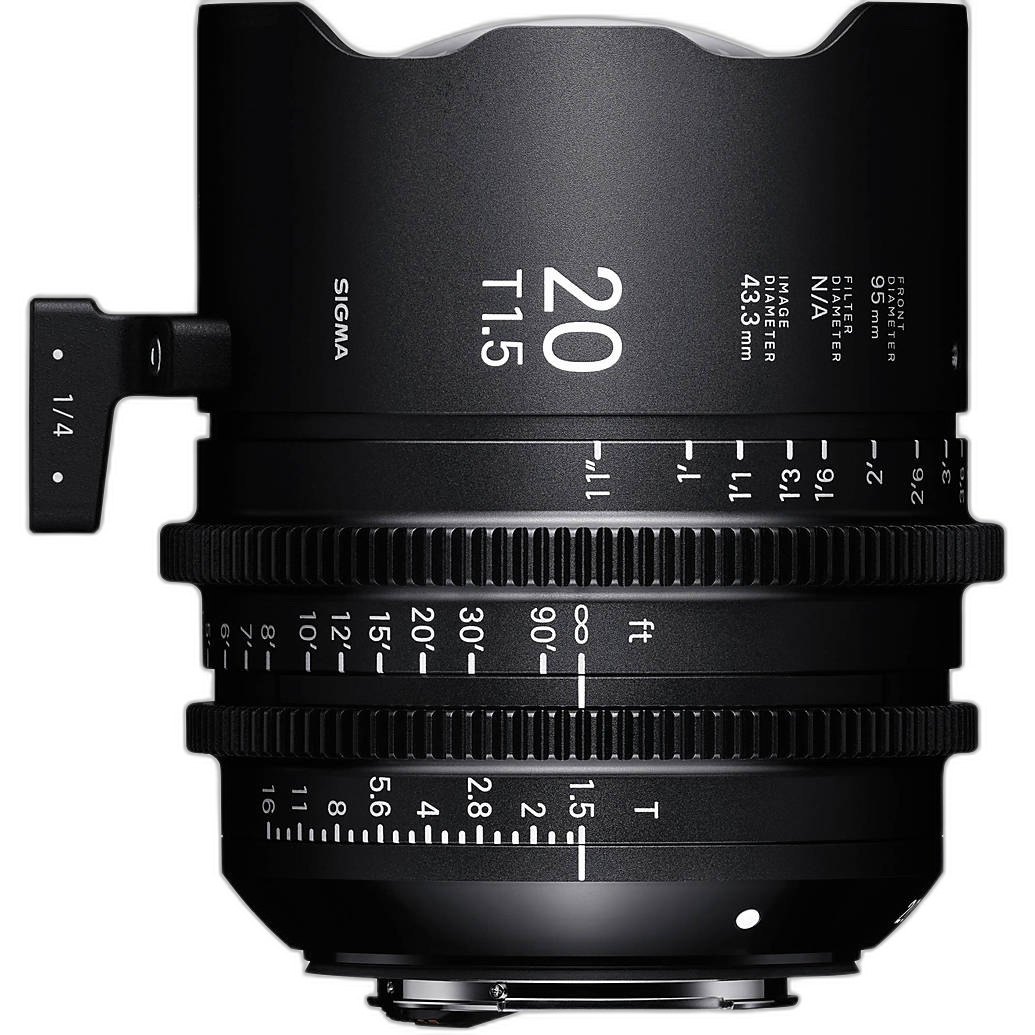
These qualities often show up only after a lens is used in backlit scenes, night exteriors, interviews, or moving camera setups. That is why field use can reveal strengths that comparison tools miss entirely.
What do we wish lens comparison tools included for more realistic recommendations?
The most useful next step for comparison tools would be a broader evaluation of shooting behavior, not just image crops. Shoppers would benefit from data and demonstrations related to autofocus reliability, focus breathing, flare response, build quality, manual focus feel, and performance consistency across different distances and lighting conditions.
Video users would also gain a lot from seeing matched footage rather than only still samples. A lens may look excellent in a static frame but reveal breathing, less pleasing highlight rolloff, or different contrast characteristics during motion. For buyers assembling a true cinema package, seeing how a set performs together is especially important. A kit like the Sigma 14/135mm T2 FF High-Speed Fully Lum. Prime Lens Kit for Sony E, Metric, makes sense when your priority is a consistent visual language across focal lengths instead of isolated single-lens performance.
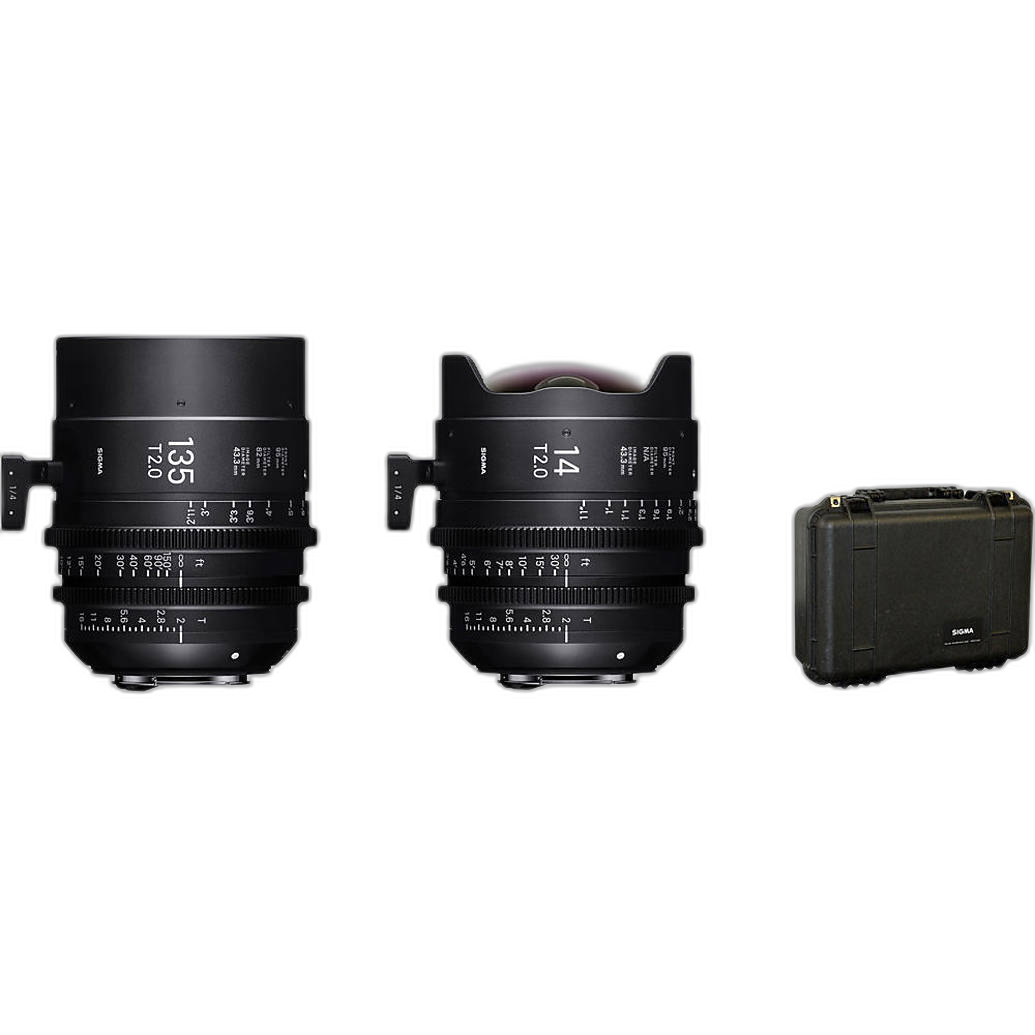
In short, better tools would account for workflow, not just optics.
Are lens kits a smarter choice than buying one lens at a time?
That depends on your goals. If you are exploring a specific focal length or building your kit gradually, a single lens purchase can be the most practical route. But if you already know you need a dependable, cohesive set for commercial, narrative, or client work, a kit can offer better long-term value and greater consistency.
A set such as the Sigma 14mm T2 and 135mm T2 FF High-Speed Prime Lens Kit with Case for Sony E is a good example of how specialty focal lengths can anchor a production package. Likewise, broader five-lens kits can streamline your setup and help ensure a more matched look from shot to shot.
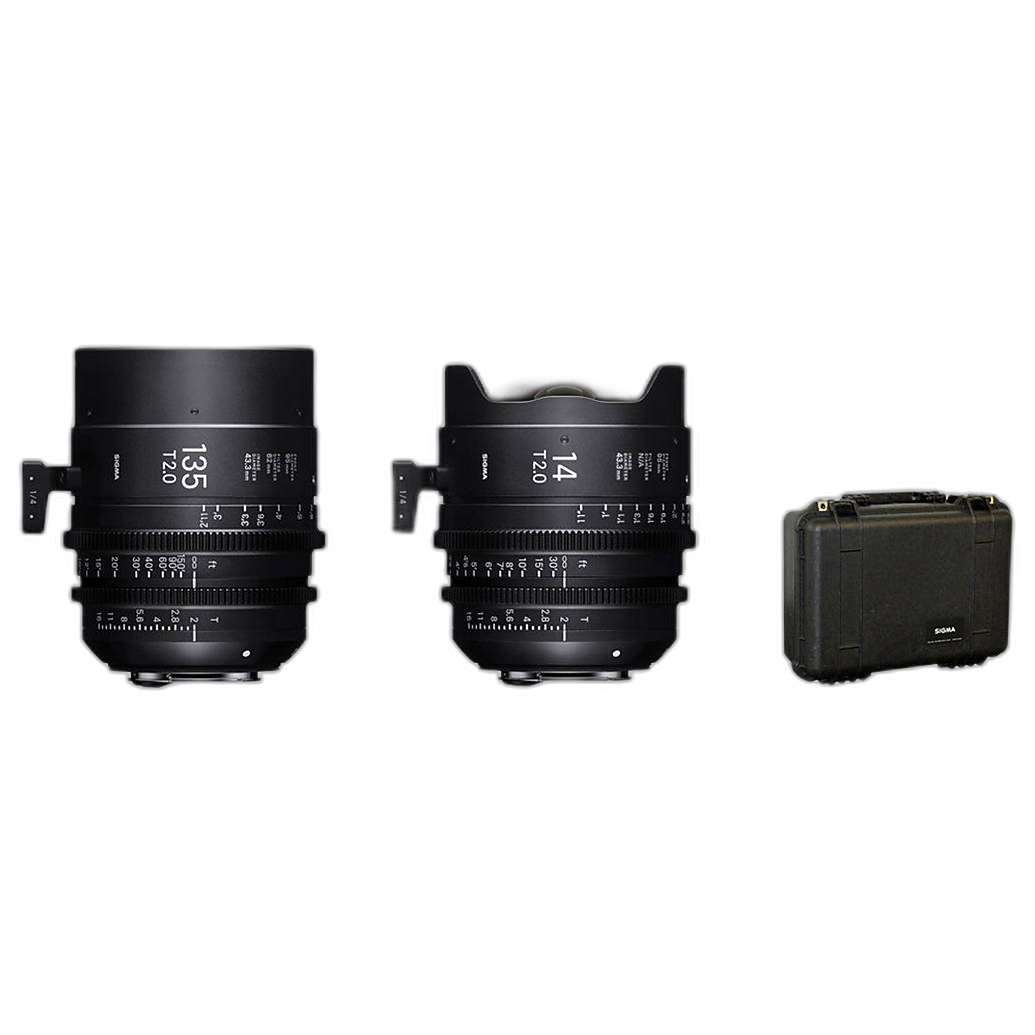
If your work includes multicam shoots, controlled lighting, follow-focus systems, or regular lens swaps, a matched set often becomes the more efficient investment.
How should I use online comparison tools without letting them make the decision for me?
The best approach is to treat comparison tools as a filter, not a verdict. Start by narrowing your options based on focal length, mount, aperture, and general rendering. Then move to the questions that matter in real use: What are you shooting? How do you focus? What support gear do you use? Do you need a compact stills setup, or a production-ready cinema lens system?
From there, weigh practical factors such as handling, consistency, and intended application. A lens that is ideal for controlled filmmaking may not be the same lens you would choose for fast-moving still photography. Comparison tools help identify candidates, but real-world needs determine the winner.
At Unique Photo, we are happy to help you sort through those tradeoffs and find the right Sony E-mount option for your workflow, whether you need an individual cine prime or a complete matched Sigma lens kit.
Online lens comparisons are useful, but they are only one part of choosing the right gear. If you want guidance that goes beyond test charts and beta tools, explore Sony E-mount lens options at Unique Photo and connect with our team for expert recommendations tailored to how you actually shoot.