If you currently shoot with an APS-C camera, you have probably wondered whether moving to a full-frame system is really worth it. It’s one of the most common questions photographers and hybrid creators ask at Unique Photo, especially as more affordable full-frame bodies, used gear options, and creator-focused video systems enter the market.
The short answer: upgrading from APS-C to full-frame can absolutely be worth it, but not for everyone. Your shooting style, budget, lens collection, and creative goals matter more than the sensor size alone. In this guide, we’ll break down the real-world differences between APS-C and full-frame, who should upgrade, who should wait, and what to consider before buying your next camera.
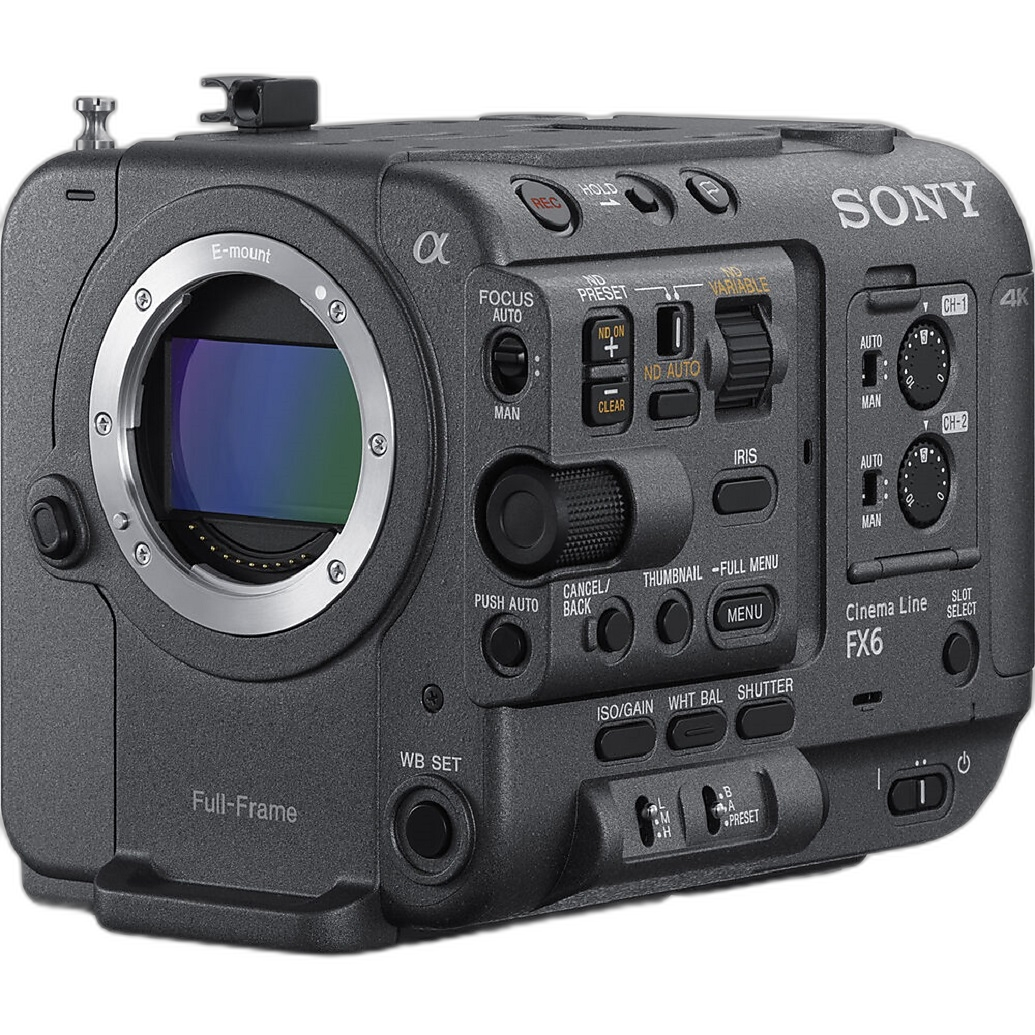
What Is the Difference Between APS-C and Full-Frame Cameras?
The main difference is sensor size. APS-C sensors are smaller than full-frame sensors, while full-frame sensors are roughly equivalent in size to a frame of 35mm film. That larger sensor area affects several important aspects of image quality and shooting experience.
In practical use, full-frame cameras typically offer:
- Better low-light performance
- Greater dynamic range in many models
- Shallower depth of field for stronger background blur
- A wider field of view with the same focal length
APS-C cameras, on the other hand, often provide:
- Lower overall system cost
- Smaller and lighter camera bodies
- More affordable lenses
- Extra effective reach for sports and wildlife due to crop factor
For many users, APS-C already delivers excellent image quality. That’s why the real question is not whether full-frame is better on paper, but whether it improves your results enough to justify the cost.
Is Full-Frame Better for Low-Light Photography?
One of the biggest reasons photographers upgrade to full-frame is low-light performance. In general, a larger sensor can gather more light, which often means cleaner files at higher ISO settings. This can be especially useful for wedding photographers, event shooters, concert photographers, documentary creators, and video professionals working in available light.
If you frequently find yourself shooting indoors, at night, or in unpredictable lighting, full-frame can give you more flexibility in both stills and video. You may notice smoother tonal transitions, less visible noise, and more usable shadow detail compared to many APS-C bodies.
That said, not every full-frame upgrade is dramatic. Sensor technology, processing, lens speed, and exposure technique all matter. A newer APS-C camera can outperform an older full-frame body in some situations. At Unique Photo, this is why many customers compare generations of cameras rather than sensor sizes alone.
Does Full-Frame Give You Better Background Blur?
Yes, full-frame generally makes it easier to achieve shallow depth of field. If you love portraits with creamy bokeh, environmental portraits with strong subject separation, or cinematic interview shots, full-frame can be appealing.
Because full-frame uses a larger sensor, you can get a shallower depth of field at the same framing and aperture compared to APS-C. For portrait photographers, lifestyle shooters, and video creators, this can be one of the most noticeable benefits of upgrading.
However, APS-C users should remember that lens choice matters just as much. A fast APS-C prime lens can still create beautiful blur. If your current system already gives you the look you want, full-frame may be more of a luxury than a necessity.
Is Full-Frame Worth It for Video Creators?
For many video shooters, the move from APS-C to full-frame is about more than image quality. It can also affect lens behavior, framing, and overall production style. Full-frame video systems are popular for interviews, branded content, documentary work, weddings, and commercial productions because they offer strong low-light performance and a cinematic field of view.
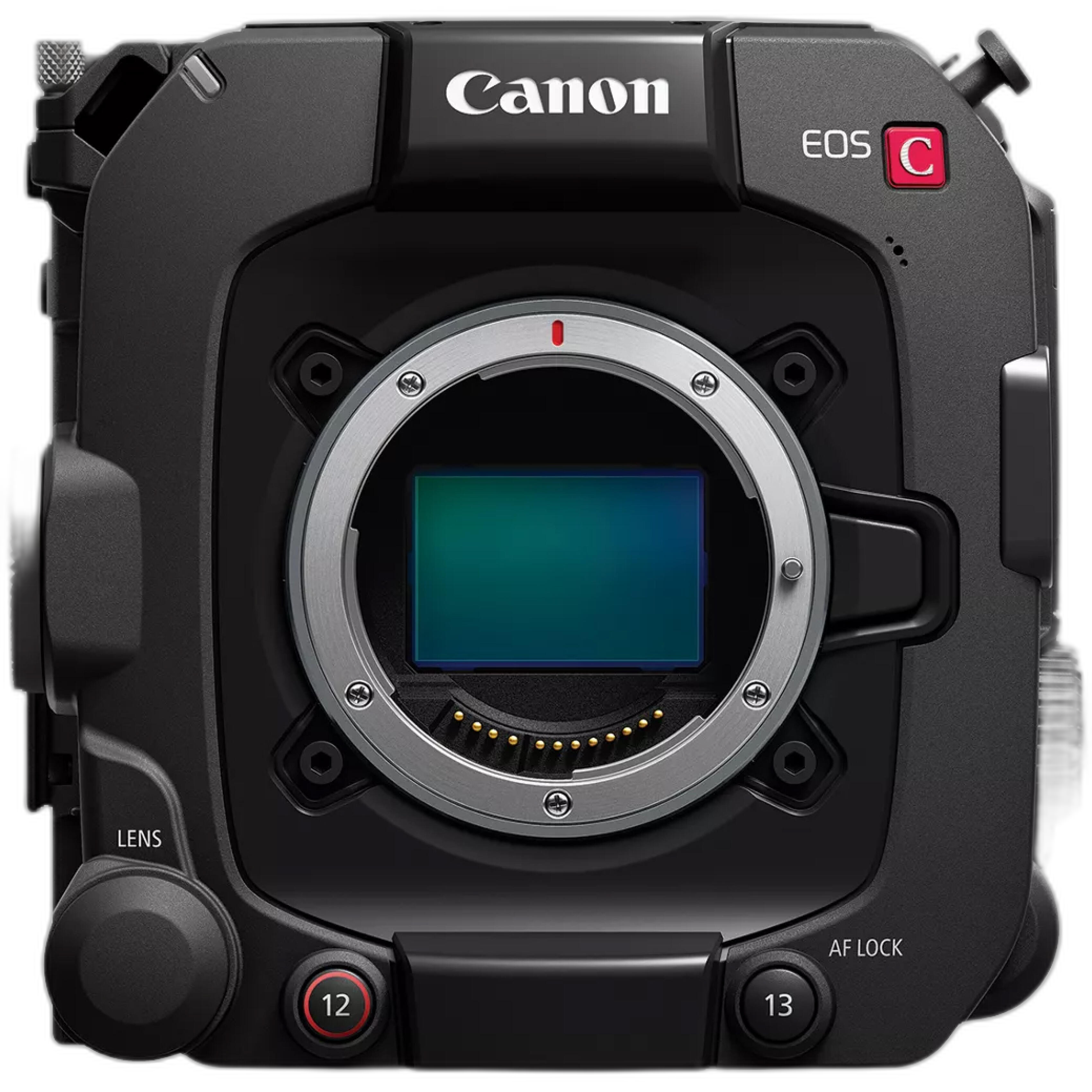
For example, professional full-frame cinema options like the Canon EOS C400 6K Full-Frame Digital Cinema Camera and the Sony FX6 Full-Frame Cinema Camera show how heavily the industry values full-frame capture for serious production environments. These are not entry-level models, but they illustrate where full-frame shines: dynamic range, flexibility, and high-end imaging workflows.
Creators building toward professional video work may also look at systems such as the Sony PXW-FX9 XDCAM 6K Full-Frame Camera System or specialized tools like the Sony FR7 Cinema Line Full-Frame PTZ Robotic Camera. While these models sit well above beginner price points, they demonstrate how full-frame remains a major format across cinema, live production, and hybrid content creation.
If your goal is casual vlogging, travel video, or social-first content, APS-C may still be the smarter value. But if you want stronger low-light results, more cinematic subject separation, and room to grow into higher-end production, full-frame becomes easier to justify.
Who Should Upgrade from APS-C to Full-Frame?
Upgrading to full-frame makes the most sense if you consistently run into the limitations of your current camera. You may be ready if you are:
- Shooting weddings, events, or concerts in dim environments
- Creating portraits and wanting more subject isolation
- Producing professional or commercial video
- Printing large images and wanting maximum file flexibility
- Working in high-contrast scenes where dynamic range matters
- Building a long-term lens system around full-frame glass
At Unique Photo, many photographers find the upgrade worthwhile once their camera is directly affecting paid work, client expectations, or creative consistency.
Who Should Stick with APS-C for Now?
APS-C still makes a lot of sense for a huge number of photographers. You may not need to upgrade if you are:
- Mostly shooting outdoors in good light
- Happy with your current image quality
- Trying to keep your kit compact and travel-friendly
- Focused on sports or wildlife where crop factor is helpful
- Working within a tighter budget
- Still learning photography fundamentals
In many cases, spending money on a better lens, lighting, tripod, or editing setup will improve your results more than changing sensor formats. That’s especially true for beginners who haven’t yet maxed out what their APS-C gear can do.
What Are the Hidden Costs of Upgrading to Full-Frame?
The camera body is only part of the equation. One of the biggest mistakes buyers make is underestimating the total cost of switching systems or moving into full-frame lenses.
Before upgrading, consider:
- Lenses: Full-frame lenses are often larger and more expensive
- Accessories: You may need new batteries, cards, cages, or supports
- Storage: Higher-resolution files and advanced video formats require more space
- Editing power: Larger stills and video files may demand a faster computer
This is where shopping with a trusted retailer like Unique Photo can help. Comparing new, used, and pro-level gear side by side makes it easier to build a system that fits your budget instead of overspending on specs you may not need yet.
Can Buying Used Full-Frame Gear Make the Upgrade More Affordable?
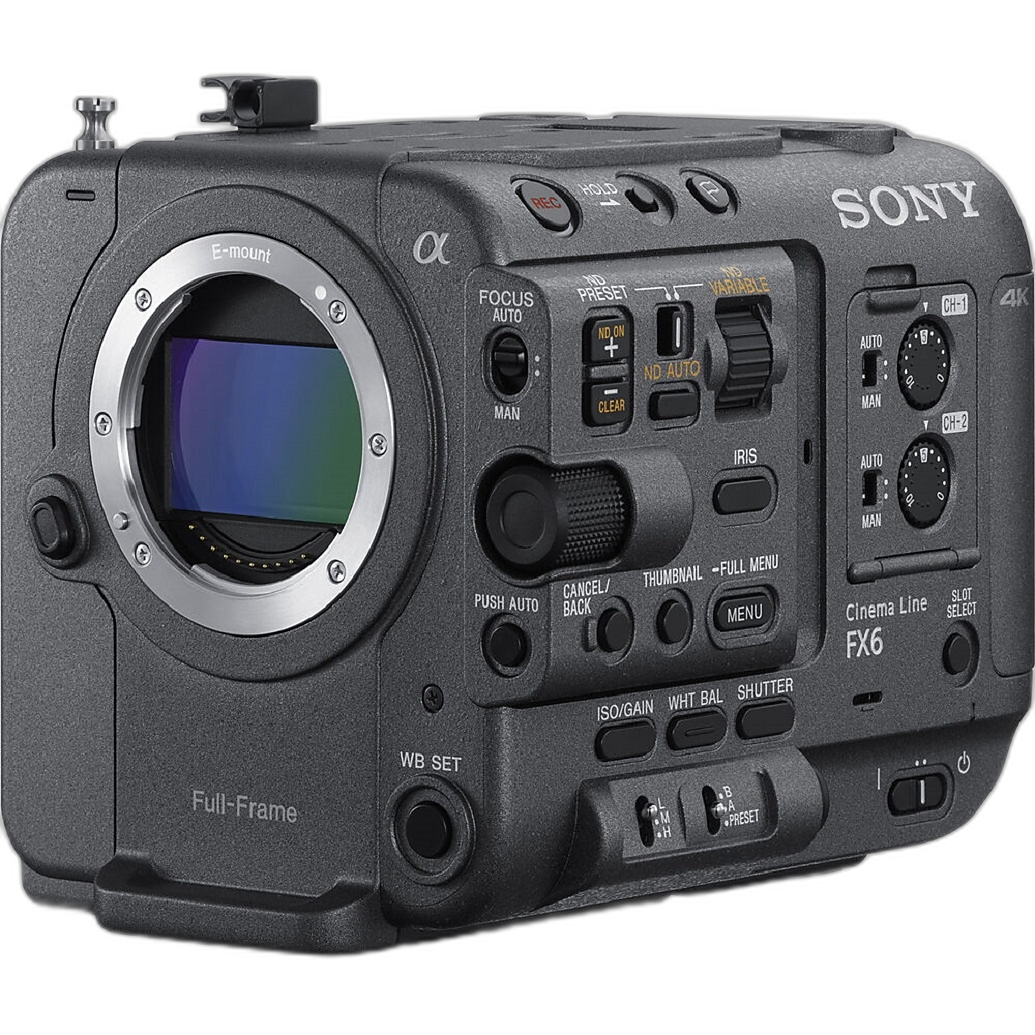
Absolutely. One of the smartest ways to enter full-frame without stretching your budget is to consider used gear. For shoppers interested in professional video systems, options like a Used Sony FX6 Full-Frame Cinema Camera - Good or Used Sony FX6 Full-Frame Cinema Camera - Excellent can make a premium format more accessible.
Used gear can be especially appealing if you want full-frame performance for client work but need to control upfront costs. Unique Photo’s used department is a practical place to look when balancing value and performance, especially for creators moving into more demanding projects.
Even older full-frame still cameras can sometimes be a worthwhile step for photographers who prioritize sensor size over the latest autofocus or video features. The key is matching the camera to your actual needs rather than chasing full-frame just because it sounds more advanced.
APS-C vs Full-Frame for Portraits, Weddings, Travel, and Wildlife
Portraits: Full-frame often has the edge thanks to better subject separation and low-light performance. If portraits are your specialty, the upgrade can be meaningful.
Weddings and Events: Full-frame is often worth it here because lighting conditions can change quickly, and clean high-ISO files matter.
Travel: APS-C may still win for portability. Smaller bodies and lenses are easier to carry all day.
Wildlife and Sports: APS-C remains very competitive because the crop factor gives your telephoto lenses more apparent reach.
Video and Cinema: Full-frame is highly desirable for many professional productions, which is why so many advanced cinema systems at Unique Photo are built around it.
Will Full-Frame Make You a Better Photographer?
Not automatically. A full-frame camera can expand your creative options, but it won’t replace good composition, lighting, timing, or lens selection. Many incredible images are made every day on APS-C cameras, and some photographers upgrade only to realize their bottleneck was technique, not equipment.
If your current camera is reliable and your results are strong, there is no urgency to switch. But if you are regularly limited by noise, dynamic range, depth of field, or professional workflow demands, full-frame may be the right next step.
So, Is It Worth Upgrading from APS-C to an Entry-Level Full-Frame Camera?
For the right shooter, yes. Entry-level full-frame cameras can be a worthwhile upgrade if you need better low-light performance, want more control over depth of field, or are stepping into more serious photography or video work. For others, APS-C remains the better balance of portability, affordability, and performance.
The best upgrade path depends on what you shoot, how often you shoot, and where you want your work to go next. If you are unsure, Unique Photo is a great place to compare systems, explore used full-frame options, and think through whether your money is better spent on a body, a lens, or a more complete kit.
Before you decide, it can also help to explore related categories on Unique Photo such as full-frame cinema cameras, used camera gear, and video production equipment. Internal links to full-frame cameras, used camera deals, and lens collections would be useful next steps for readers researching the move from APS-C.