Sony Lens Compare Beta: What We’re Comparing and Why It Matters
Sony’s Lens Compare Beta tool is designed to make lens shopping easier by putting focal lengths, apertures, and lens types side by side. In theory, that sounds useful. In real-world shooting, though, a comparison tool is only as helpful as the questions you bring to it. Specs can point you in the right direction, but they do not always tell you how a lens will actually fit your work, whether that means portraits, landscapes, interiors, astrophotography, or travel.
To see how accurate or helpful a tool like Sony Lens Compare Beta might feel in practice, it helps to look at lenses that are genuinely very different in use. Below, we compare several Sigma options for Sony E shooters that represent very different shooting priorities: an ultra-wide zoom, an ultra-wide prime, a fast environmental portrait prime, and a specialty telephoto portrait lens. These are the kinds of choices where a basic comparison tool may be helpful at first glance, but where real-world context matters a lot more.
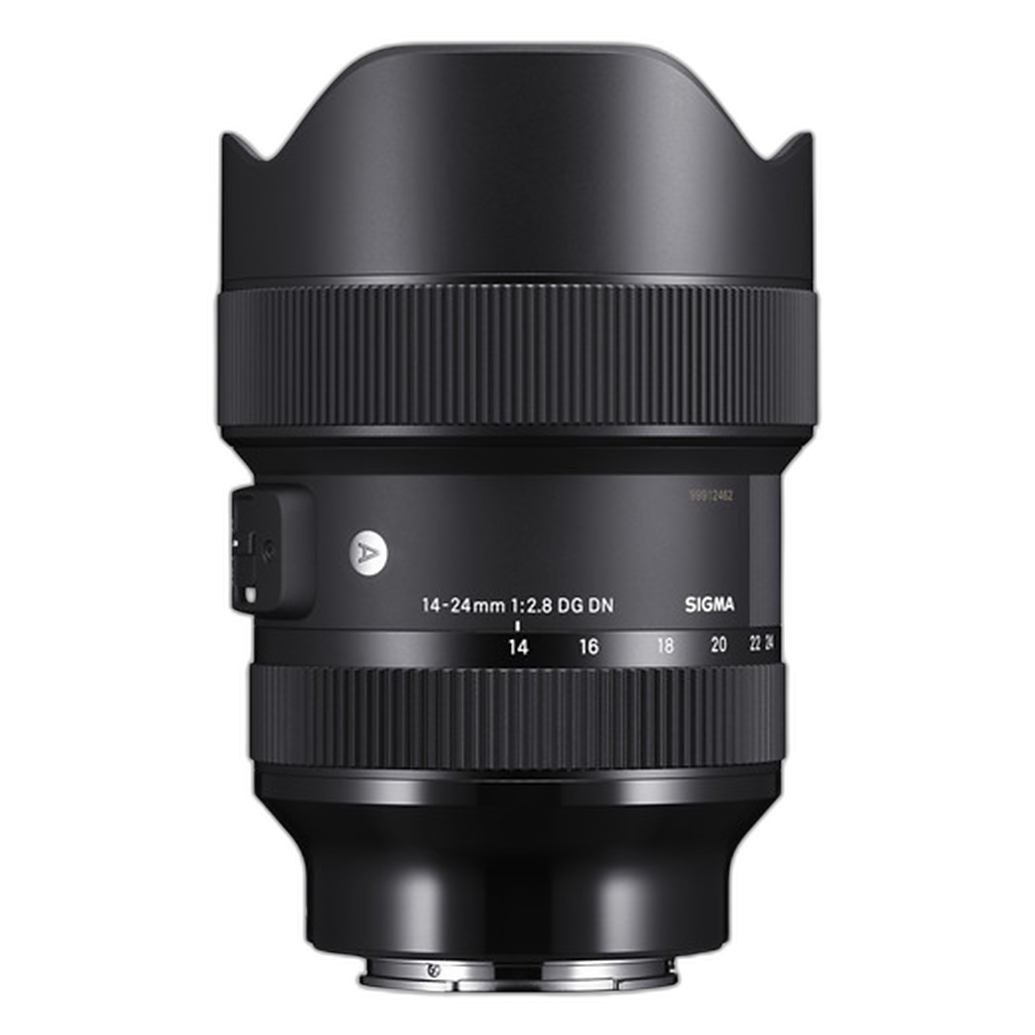
Side-by-Side Specs Comparison
| Lens | Mount | Type | Focal Length | Max Aperture | Best For | Real-World Notes |
|---|---|---|---|---|---|---|
| Used Sigma AF 14-24mm f/2.8 DG DN Art Lens for Sony E - Excellent Condition | Sony E | Zoom | 14-24mm | f/2.8 | Landscapes, interiors, architecture, events | Most versatile ultra-wide option here |
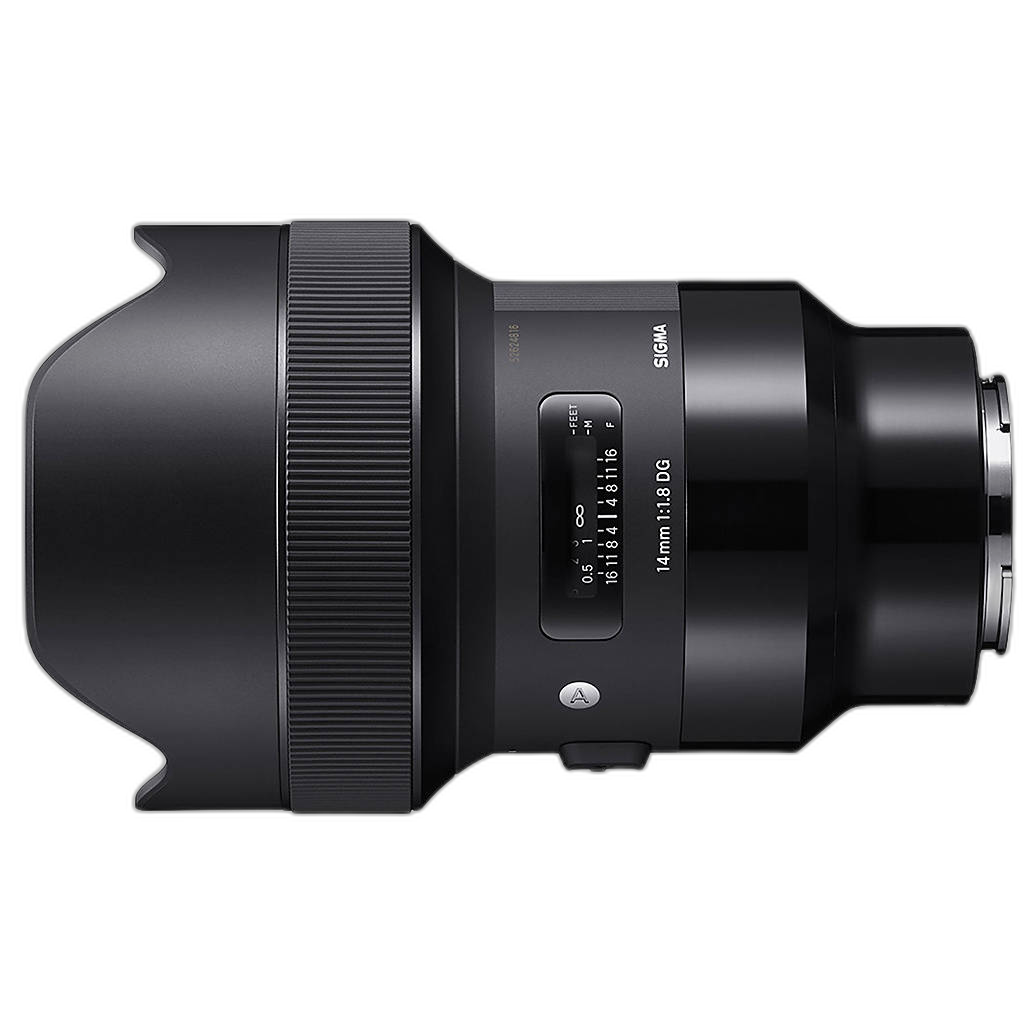
| Used Sigma 14mm f/1.8 ART for Sony E - Excellent | Sony E | Prime | 14mm | f/1.8 | Astro, dramatic ultra-wide work, low light | Faster than the zoom, but far less flexible |
| Used Fair Sigma AF 35mm f/1.2 DG DN Art Lens for Sony E | Sony E | Prime | 35mm | f/1.2 | Environmental portraits, wedding work, low light | Shallow depth of field and a more natural perspective |
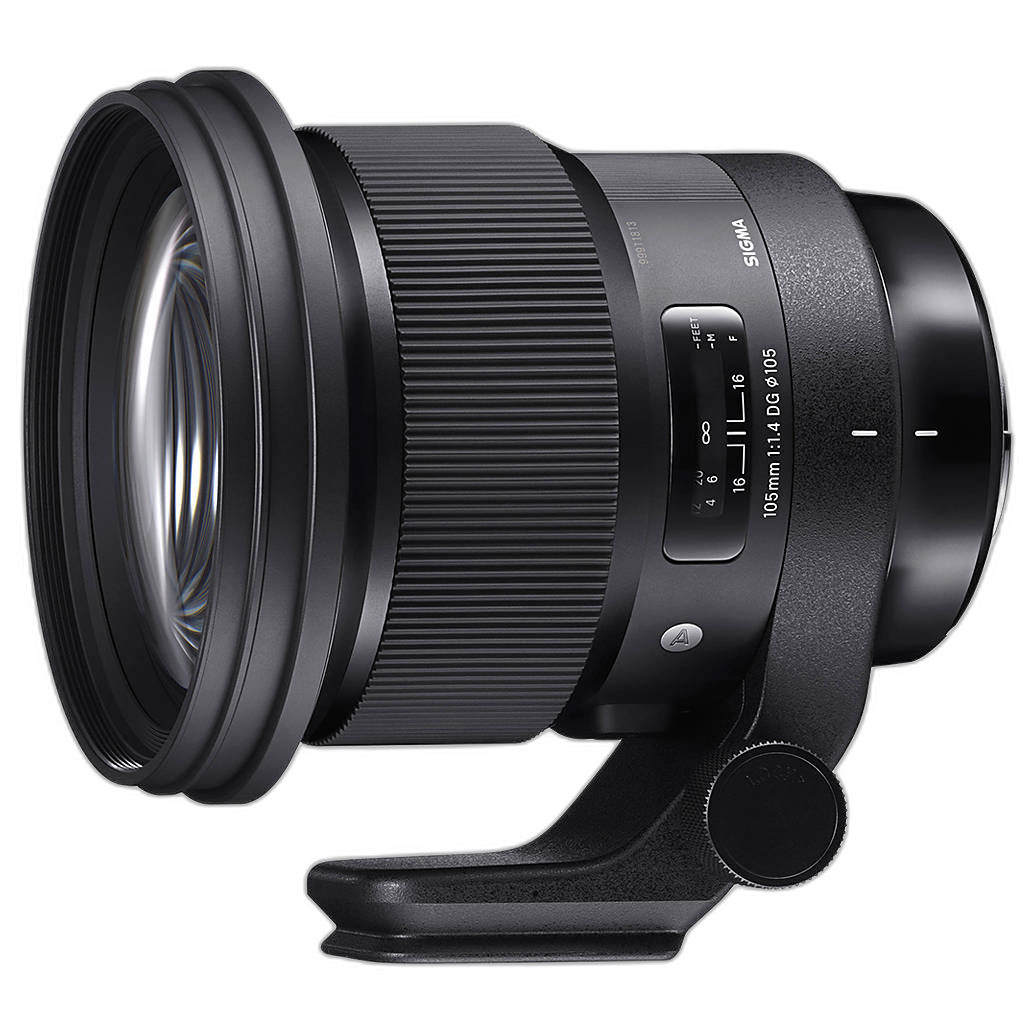
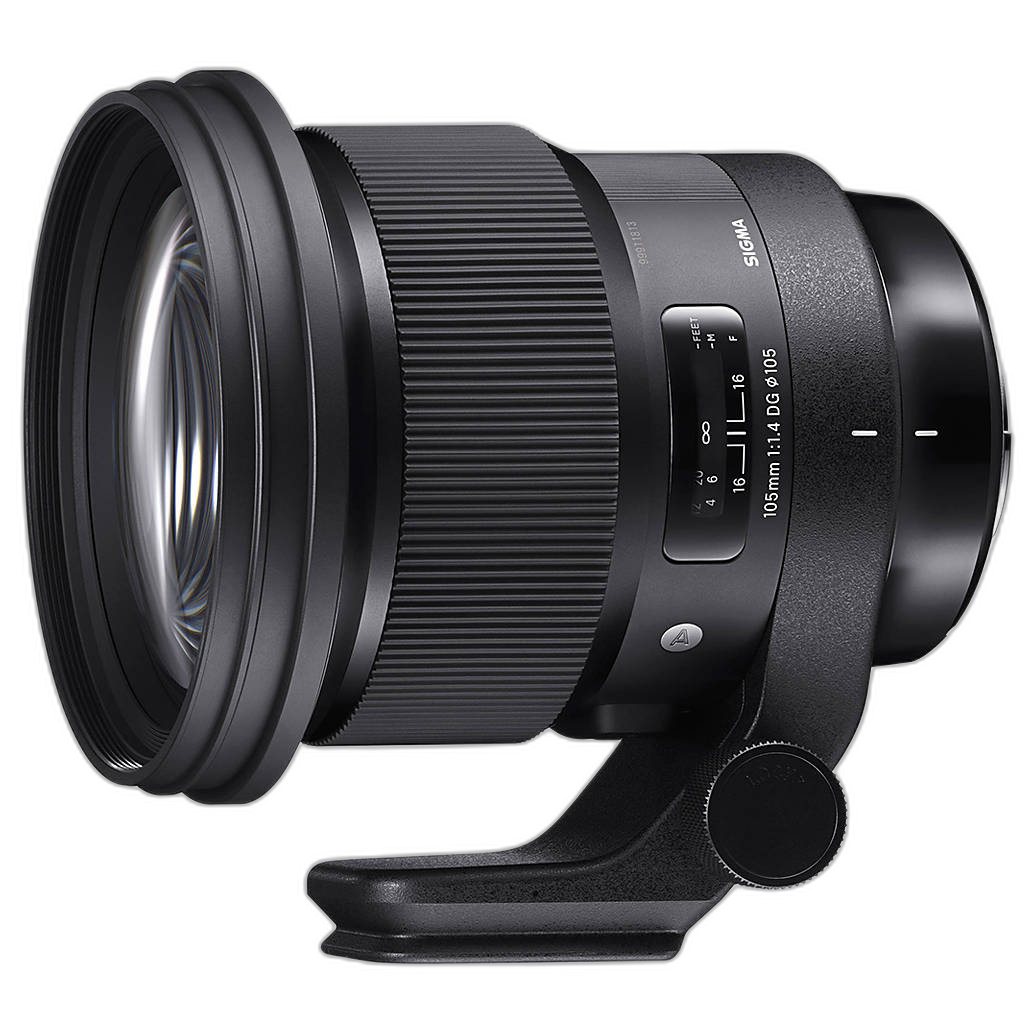
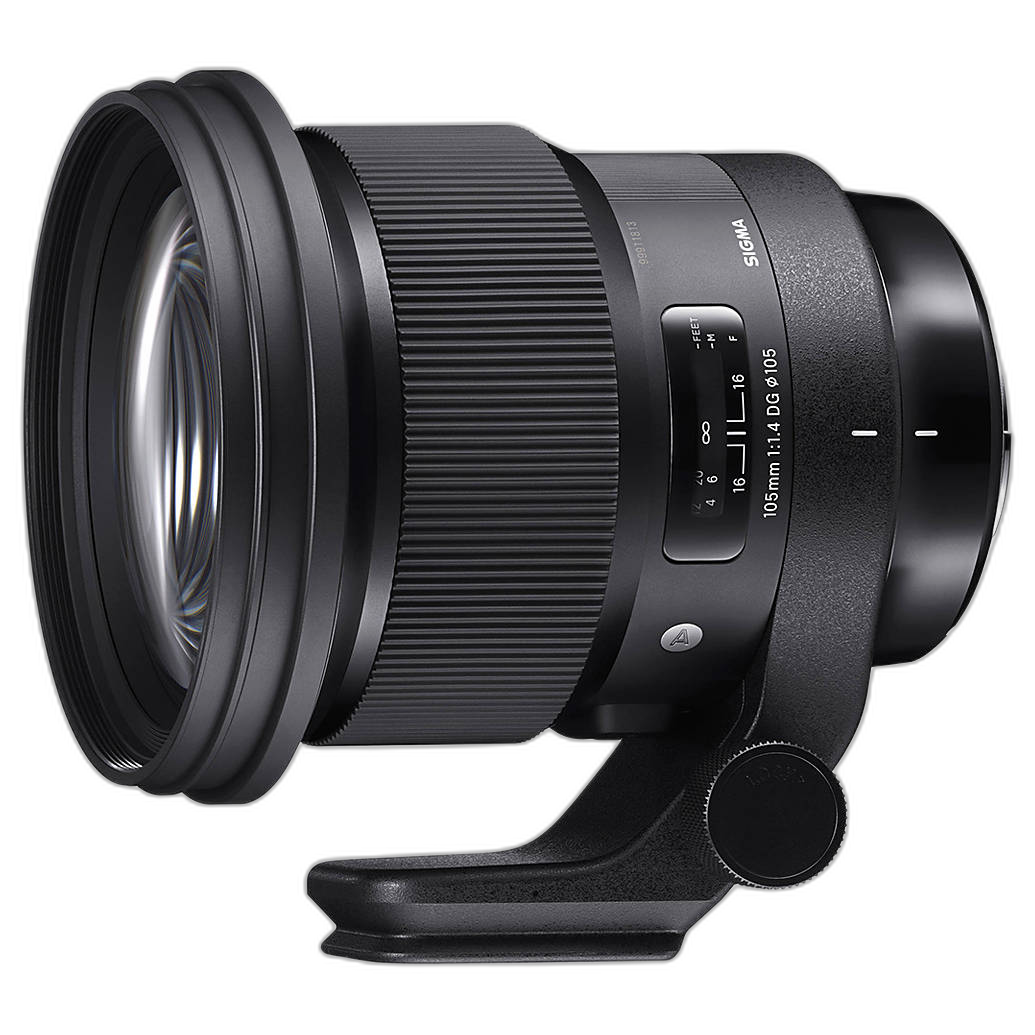
| Used Sigma 105mm f/1.4 DG HSM Art Lens for Sony E - Excellent | Sony E | Prime | 105mm | f/1.4 | Portraits, compression, subject isolation | Specialist portrait lens with striking look |
| Used Good Sigma 105mm f/1.4 DG HSM Art Lens for Sony E | Sony E | Prime | 105mm | f/1.4 | Portraits, compression, subject isolation | Same optical concept, different used condition grade |
| Used Fair Sigma 105mm f/1.4 DG HSM Art Lens for Sony E | Sony E | Prime | 105mm | f/1.4 | Portraits, compression, subject isolation | Potential value choice for budget-focused portrait shooters |
Where Sony Lens Compare Beta Can Be Helpful
At a basic level, Sony Lens Compare Beta can be helpful for sorting out the obvious differences. A tool like that should make it easy to see that a 14-24mm f/2.8 zoom is aimed at a different job than a 105mm f/1.4 portrait prime. It should also quickly show that a 35mm f/1.2 trades reach for speed and a more everyday perspective.
That kind of top-level comparison is genuinely useful for buyers who are still deciding on category first: ultra-wide, standard wide, or portrait telephoto. If your needs are broad and you are still narrowing down what kind of lens belongs in your kit, a comparison tool can save time.

Where a Comparison Tool Often Falls Short
The problem is that most lens choices are not made on paper alone. A comparison page may tell you maximum aperture and focal length, but it usually does not tell the full story about handling, balance, shooting style, or how often you will really use that lens in the field.
For example, a photographer comparing the Sigma 14mm f/1.8 Art to the Sigma 14-24mm f/2.8 DG DN Art may initially focus on the aperture difference. That is valid, especially for astro and low-light work. But the more important real-world question may be whether you need the creative flexibility of zooming from 14mm to 24mm more often than you need the extra light of f/1.8. A comparison tool can list both numbers. It cannot decide your shooting habits for you.
Ultra-Wide Flexibility: Sigma 14-24mm f/2.8 DG DN Art vs Sigma 14mm f/1.8 Art
This is one of the clearest examples of where Sony Lens Compare Beta might be accurate, but only partially helpful. Yes, the specs are straightforward: one is a zoom, one is a faster prime. But in use, these lenses solve different problems.
The Sigma 14-24mm f/2.8 DG DN Art is the more practical choice for many Sony E shooters. If you photograph interiors, architecture, landscapes, travel scenes, or events in tight spaces, the range from 14mm to 24mm is a major advantage. You can reframe without moving as much, which matters when you are up against a wall or working quickly.
The Sigma 14mm f/1.8 Art, on the other hand, is the more specialized creative tool. If your goal is night sky work, dramatic low-light scenes, or an especially bold ultra-wide look, that extra speed matters. The tool may show that f/1.8 is brighter than f/2.8, but the real-world takeaway is that this is not just a spec bump. It changes the kind of work the lens encourages.
Environmental Portraits vs Tight Portrait Compression: 35mm f/1.2 vs 105mm f/1.4
This is another area where comparison tools can oversimplify. The Sigma 35mm f/1.2 DG DN Art and Sigma 105mm f/1.4 DG HSM Art are both fast primes, but they create completely different images.
The 35mm f/1.2 is ideal when you want context around your subject. Wedding photographers, documentary shooters, and portrait photographers who like to keep the environment in the frame will appreciate what 35mm does. The look is immersive and natural, while f/1.2 offers strong subject separation for a wide-angle lens.
The 105mm f/1.4 is the opposite kind of portrait tool. It is about distance, compression, and separation. This is the lens for standout headshots, flattering perspective, and creamy backgrounds. A compare tool may tell you that 105mm is longer and f/1.4 is slightly slower than f/1.2, but that misses the point. In practice, these lenses are not really substitutes for each other. They are choices based on style.
Used Condition Grades: A Real-World Detail Comparison Tools Don’t Explain Well
One especially practical limitation of a general comparison tool is that it may not help much when the lenses are optically the same but sold in different condition grades. That is the case with the Sigma 105mm f/1.4 DG HSM Art options listed here in Excellent, Good, and Fair condition.
On paper, these versions are effectively identical in focal length and aperture. A spec tool will not tell you much beyond that. But for a real buyer, the condition grade can be just as important as the optical design. If image quality and core performance are your priority, a Fair-condition copy may be a compelling value. If cosmetics, long-term confidence, and cleaner physical condition matter more, Excellent may be the better fit.
That is a reminder that “accurate” specs are not always the same thing as a “helpful” buying decision.
How Helpful Is Sony Lens Compare Beta for Real-World Shoots?
The short answer: it is helpful as a starting point, but not as a final answer.
If you already understand your shooting style, a comparison tool can confirm the obvious differences quickly. It can help you narrow the field and avoid apples-to-oranges confusion. That is valuable.
But if you are trying to answer deeper questions like “Which lens will I actually carry most?” or “Which look fits my portrait style?” or “Will I benefit more from focal-length flexibility or extra aperture?” then the tool becomes less decisive. Real-world shoots involve movement, subject distance, location constraints, and creative preference. No spec chart fully captures that.
Our Pick
Our Pick: Used Sigma AF 14-24mm f/2.8 DG DN Art Lens for Sony E - Excellent Condition
If the goal is to choose the lens that best shows the limits of Sony Lens Compare Beta while still making the strongest real-world case for most shooters, the Sigma 14-24mm f/2.8 DG DN Art stands out. It is the most broadly useful option in this group for Sony E users who shoot landscapes, interiors, travel, architecture, and event work. Compared with the 14mm f/1.8, it gives up some speed but gains flexibility that matters on actual assignments. Compared with the 35mm f/1.2 and 105mm f/1.4, it serves a much wider range of scenarios.
If you need a specialist portrait look, the 105mm f/1.4 is the more artistic choice. If you need astro performance, the 14mm f/1.8 may be the better fit. But for the broadest practical value, the 14-24mm f/2.8 is the strongest all-around recommendation here.
Conclusion
So, has anyone found Sony Lens Compare Beta accurate or helpful for real-world shoots? Yes, to a point. It is accurate enough for top-line differences and helpful for early-stage narrowing. But the real-world usefulness depends on whether you move beyond the spec sheet and think about how a lens behaves in your kind of shooting.
That is why it helps to compare lenses not just by numbers, but by purpose. At Unique Photo, you can shop used and hard-to-find gear with a clearer sense of how each lens fits actual photography, not just a feature list.