When you're packing light for a trip, your camera has to earn its place in the bag. That is why travel photographers so often debate compact point-and-shoots versus smartphones. Phones are always with you, but a dedicated travel camera can still offer better zoom reach, stronger handling, more intentional shooting, and image quality that feels more photographic. If you are trying to decide what kind of portable camera makes sense for travel, these tips will help you narrow it down.
Start by Defining Your Travel Style
1. Match the camera to the way you actually travel
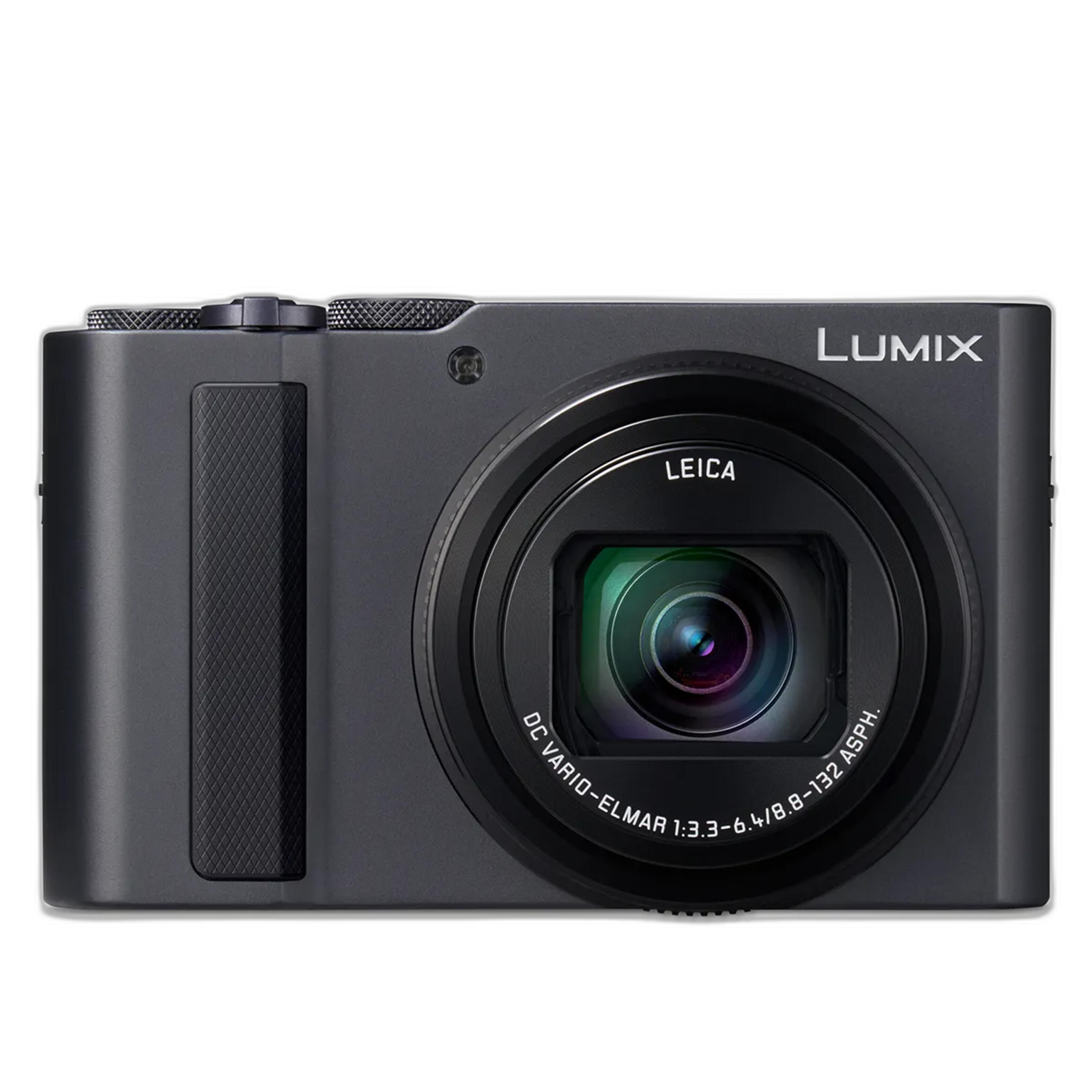
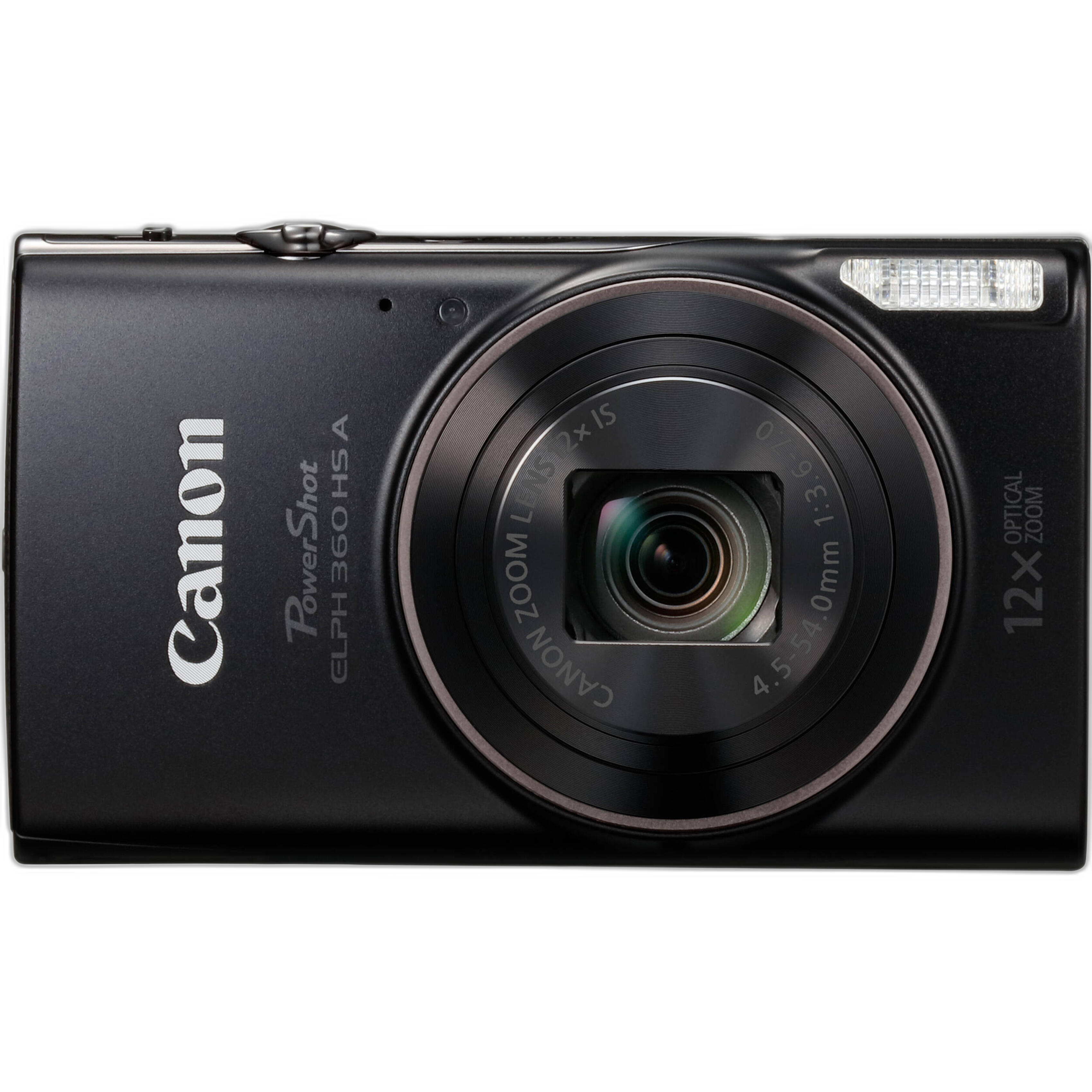
The best portable camera is not always the smallest one. Think about whether your trips are built around city walking, hiking, food photography, museums, family travel, or landscapes. A traveler who wants a pocketable everyday option may prefer something like the Canon PowerShot ELPH 360 HS, which keeps things simple and compact. If your trips involve everything from street scenes to distant architecture or wildlife from a lookout, a camera with a more versatile zoom like the Panasonic LUMIX ZS300 may be a better fit.
- For ultra-light packing: prioritize size and ease of use.
- For all-day sightseeing: look for comfortable handling and flexible zoom.
- For more image-focused travel: consider larger-sensor compact options or even a premium used model.
Do Not Dismiss the Smartphone Question
2. Be honest about when a phone is enough and when it is not
Smartphones are incredibly capable, especially in bright light and for quick sharing. But travel is one of the clearest situations where a dedicated camera still makes sense. Optical zoom is a major advantage when you cannot physically get closer, whether you are photographing details on a cathedral, a performer across a plaza, or a landscape feature in the distance.
The Panasonic LUMIX ZS300 is a strong example of why travelers still carry a compact camera. It gives you a real camera shooting experience and more reach than a phone, while remaining easy to carry all day. On the other hand, if your priority is simply having something more photographic than a phone without adding much bulk, the Canon PowerShot ELPH 360 HS is an approachable option.
Prioritize Zoom for Travel Flexibility
3. A versatile zoom can matter more than interchangeable lenses
Travel often means unpredictable subjects. One moment you are photographing a street market, and the next you are trying to frame a mountain ridge from a moving boat. In those situations, an all-in-one compact can be more practical than carrying extra lenses.
The Panasonic LUMIX ZS300 in black or silver is especially appealing for travelers who want a compact body with broad everyday usefulness. Instead of switching lenses or relying on digital crop from a phone, you get a built-in zoom that can handle a much wider variety of scenes. That convenience is one of the biggest reasons point-and-shoot cameras remain relevant for travel.
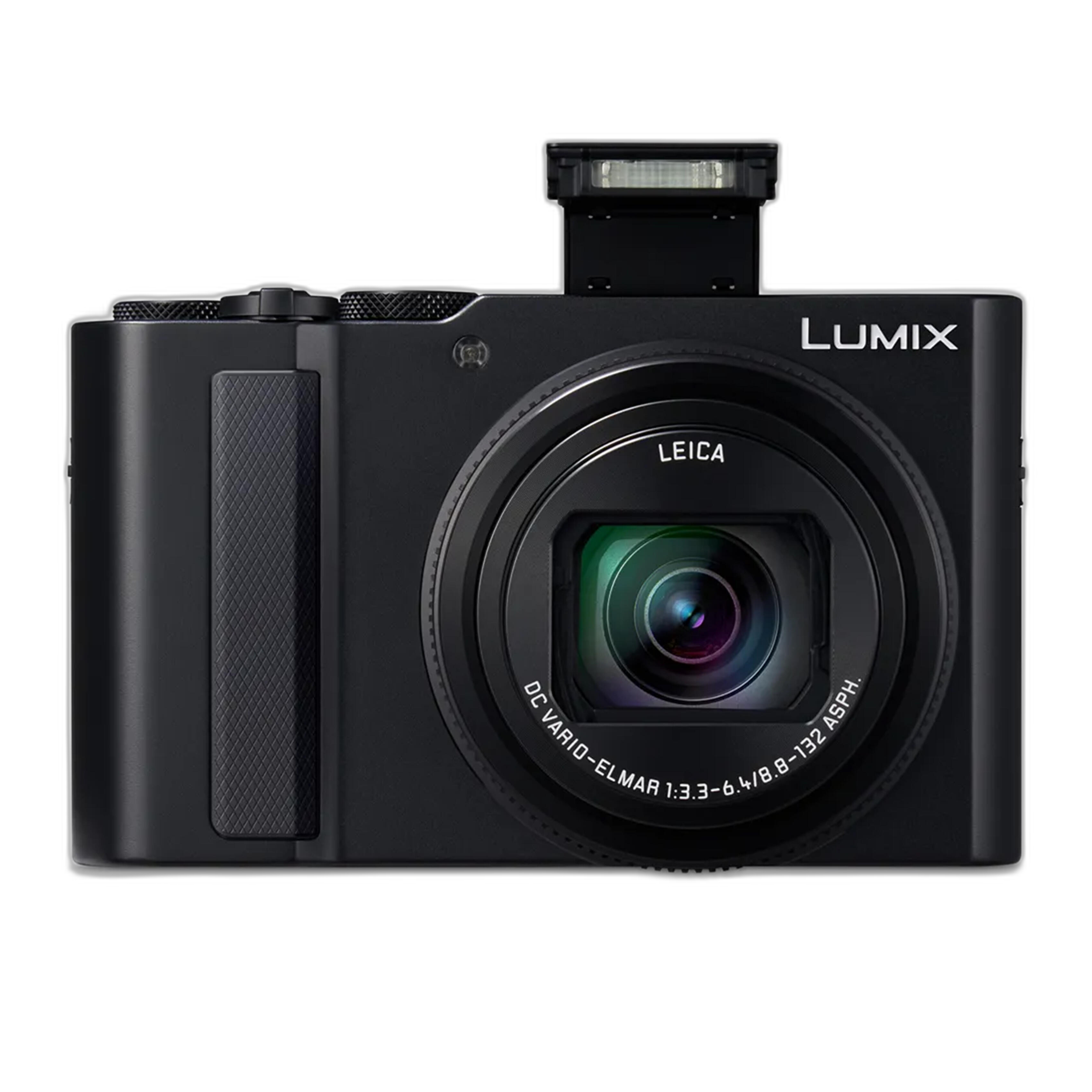
Image Quality Still Matters
4. Look beyond megapixels and think about the overall shooting experience
Travel photographers often say they want better image quality, but that can mean several things: cleaner files, better color, more natural background separation, or simply images that feel less processed than a smartphone capture. A dedicated camera gives you more control over how the final image looks, which can be especially rewarding if you edit your photos later.
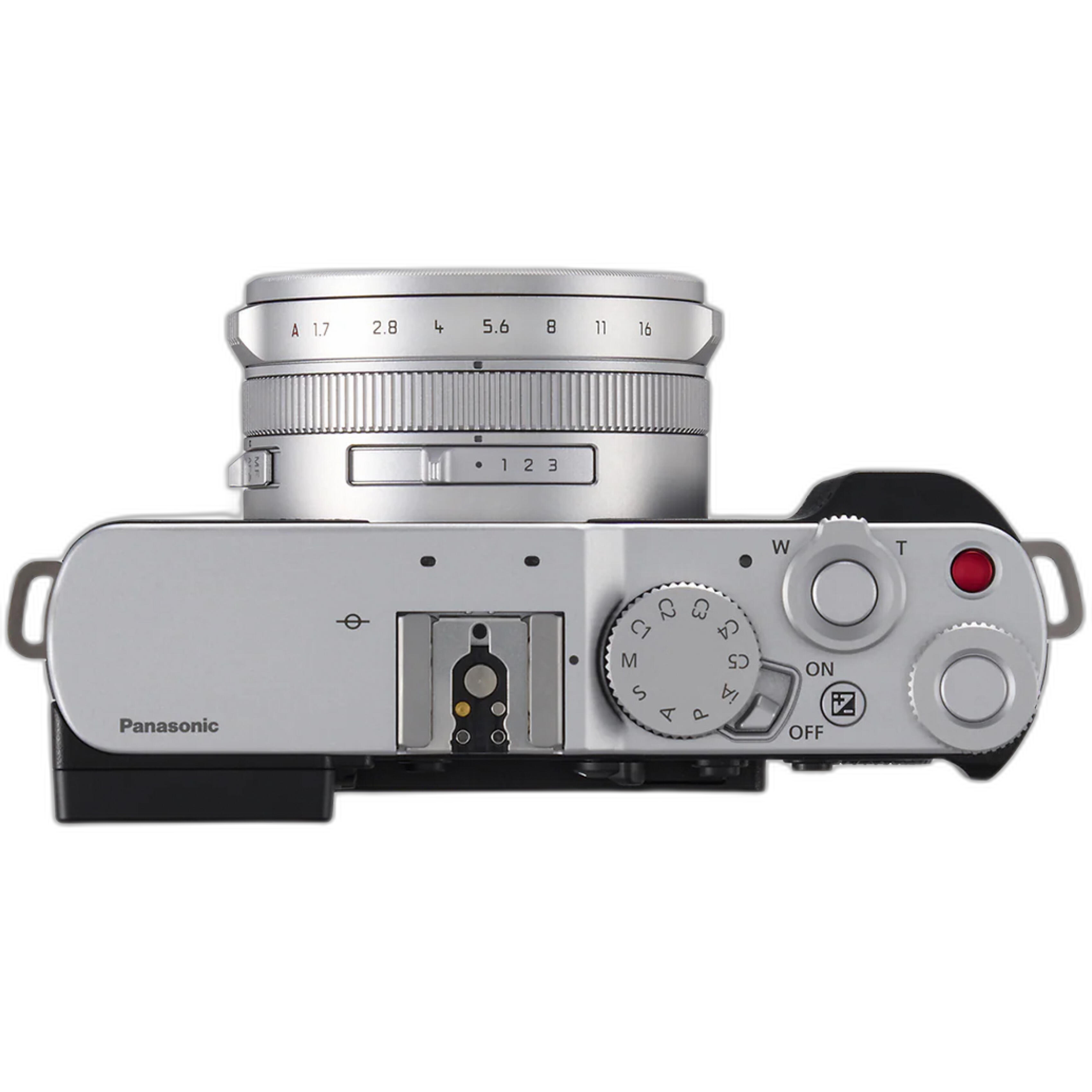
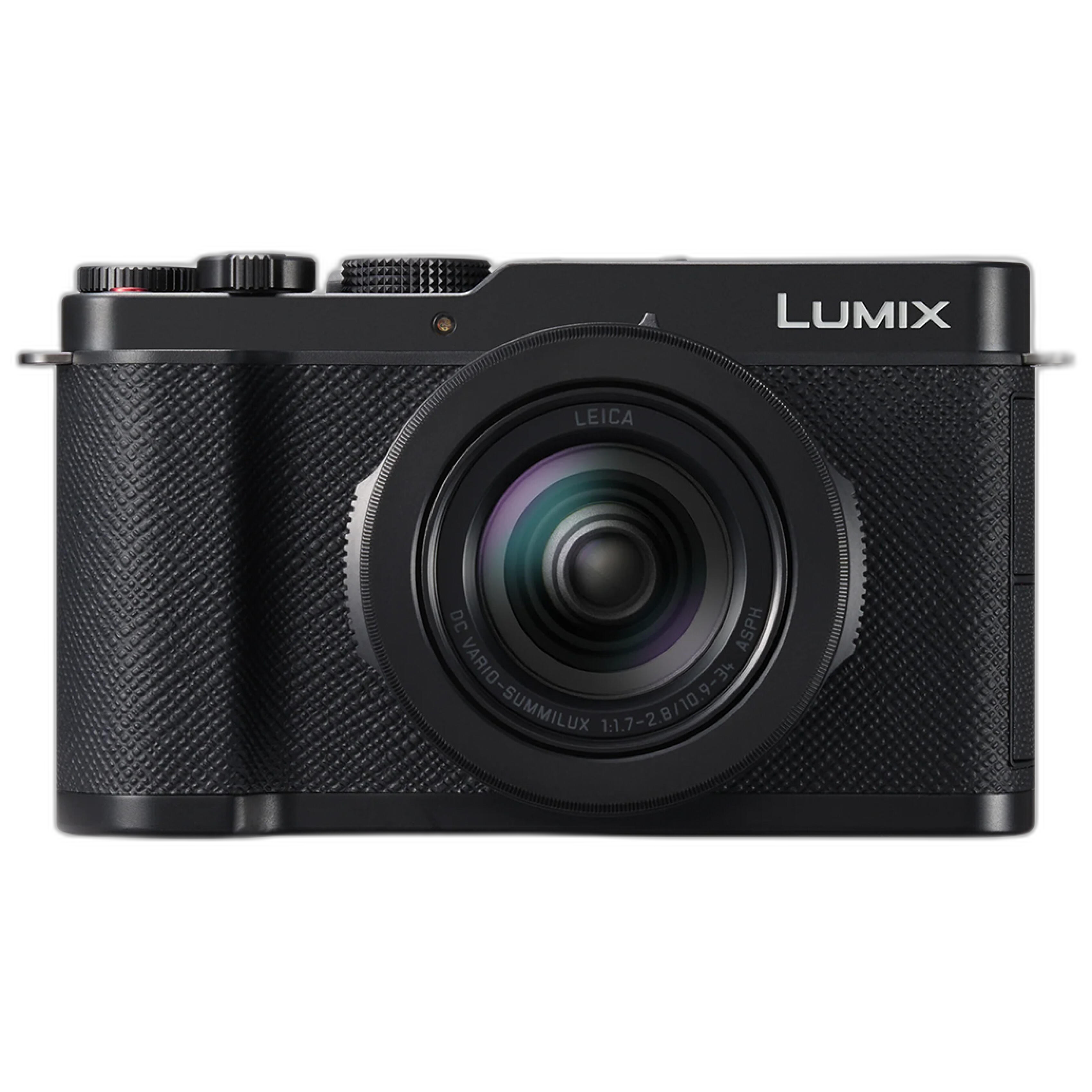
If image quality is your main goal, it may be worth considering stepping beyond basic entry-level compacts. A model like the Panasonic Lumix L10 M4/3 Compact Camera offers a more enthusiast-oriented feel in a portable form, making it attractive for travelers who want a balance of compactness and stronger photographic capability. For those who appreciate classic premium compacts, used options such as the Used Leica D-Lux 3 Digital Camera or even the Used Contax T3 35mm Point and Shoot Camera can be compelling depending on whether your travel style leans digital nostalgia or film shooting.
Think About Durability and Weather Concerns
5. Travel cameras should be easy to carry in imperfect conditions
Many travelers ask about weather sealing because they know trips rarely happen in perfect weather. If you expect rain, sea spray, dust, or frequent outdoor use, it is smart to check build quality and how comfortably the camera fits into your day bag or jacket pocket. Even if a compact camera is not fully weather sealed, choosing one you are comfortable carrying consistently is often more important than buying a larger camera you leave behind in the hotel.
A slim model like the Canon PowerShot ELPH 360 HS disappears into a pocket, while the Panasonic LUMIX ZS300 gives you more shooting flexibility for changing scenes. The right answer depends on whether portability or range matters more on your trips.
Do Not Overlook Used and Premium Compact Options
6. A used camera can be a smart travel companion
Travel photography is one area where used gear can make a lot of sense. A premium compact from an earlier era may still produce beautiful results and offer a distinctive shooting experience. The Used Leica D-Lux 3 Digital Camera is a great example for photographers who appreciate compact design and character. The Used Contax T3 35mm Point and Shoot Camera, meanwhile, speaks to travelers who love the idea of carrying a legendary film camera for a more deliberate, memory-driven approach to documenting a trip.
Used gear also lets you explore higher-end compact cameras without always jumping to a brand-new premium price point.
Choose a Camera You Will Actually Carry Every Day
7. The best travel camera is the one that stays with you from breakfast to sunset
This is the tip that matters most. It does not matter how strong the specifications are if the camera feels too bulky, too precious, or too complicated for real travel use. The ideal portable travel camera should be easy to grab when you head out the door and enjoyable enough that you want to keep shooting.
- If you want simple pocketability, look at the Canon PowerShot ELPH 360 HS.
- If you want zoom versatility in a compact body, the Panasonic LUMIX ZS300 stands out.
- If you want a more enthusiast-oriented compact feel, consider the Panasonic Lumix L10 M4/3 Compact Camera.
- If you want character and a unique shooting experience, explore used options like the Leica D-Lux 3 or Contax T3.
Conclusion
Choosing a portable travel camera comes down to balancing convenience, zoom range, durability, and the kind of image quality you want to bring home. Smartphones are great for casual capture, but a dedicated compact camera still offers real advantages for travelers who want more flexibility and a more satisfying photographic experience. If you are ready to find the right travel-friendly camera for your next trip, Unique Photo is a great place to compare options, explore used gear, and pick the camera that fits your style.