
Landscape photographers comparing Sony lenses usually care less about headline speed and more about how a lens behaves at infinity, against bright light, and in the corners. In this guide, working shooters share what to look for, trade sample-image tips you can try today, and weigh in on whether a popular “Beta” lab-style score really highlights the performance factors that matter in the field. All gear mentioned is available at Unique Photo, where you can handle lenses in-store or chat with our specialists before your next trip.
Best Sony E-mount lenses for landscape photography
There’s no single “best” lens—coverage, weight, filter support, and budget shape the kit. These standouts cover most landscape scenarios:
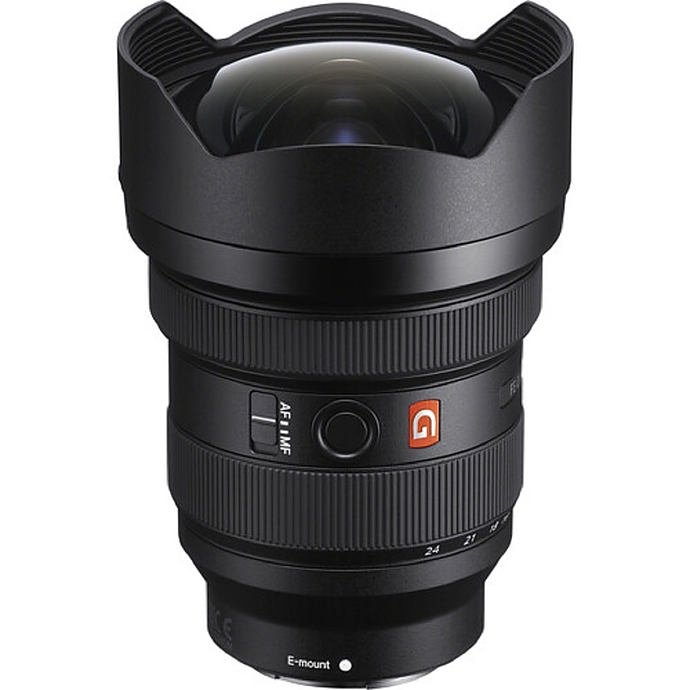
- Sony FE 12–24mm f/2.8 GM: Exceptional ultra-wide coverage for epic vistas, nightscapes, tight interiors, and dramatic foregrounds. Wide-open performance is very strong, and stopped down it’s among the cleanest corners in its class.
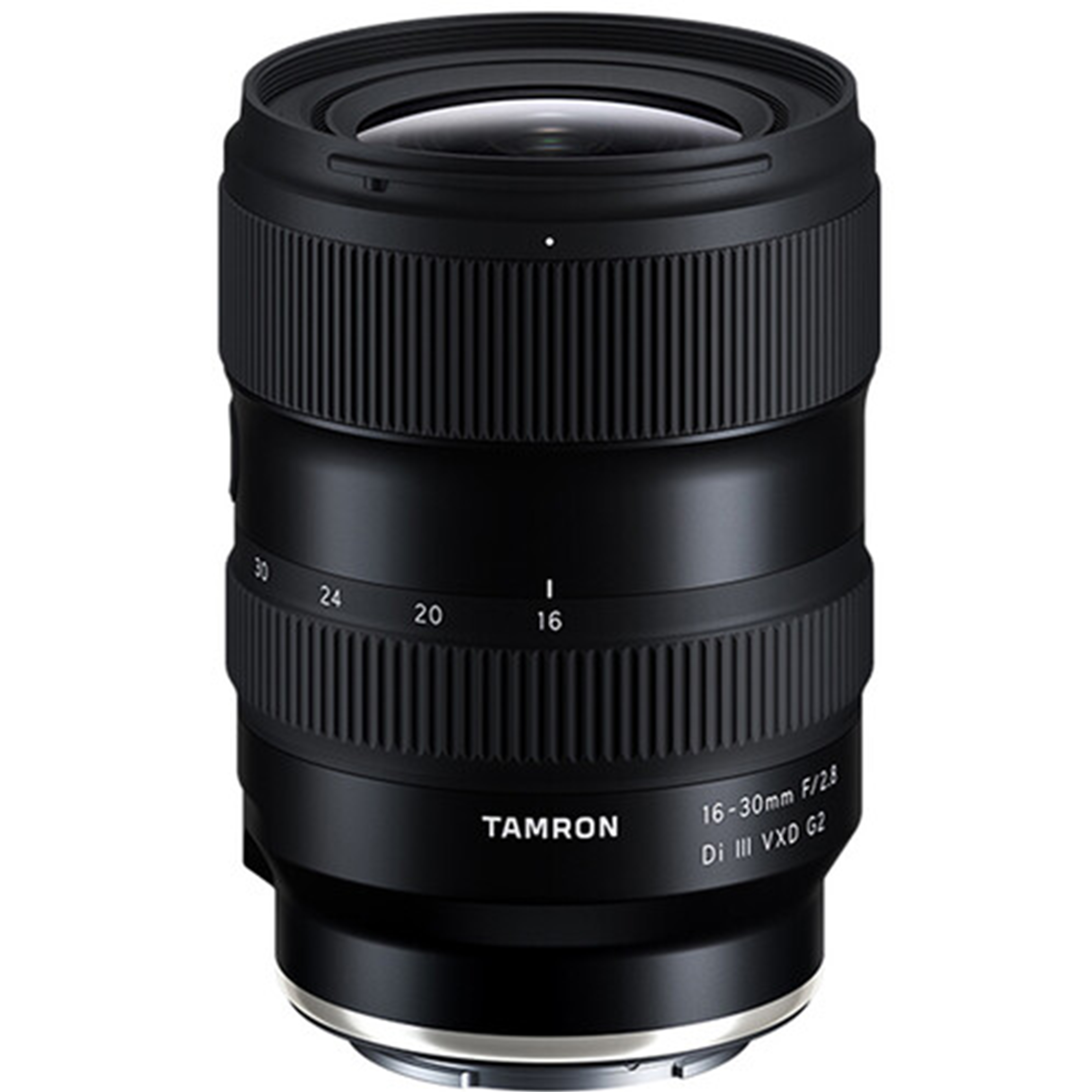
- Tamron 16–30mm f/2.8 Di III VXD G2: A versatile, lighter ultra-wide with constant f/2.8 and excellent value. Great for hikers who want pro-level sharpness without the heft.
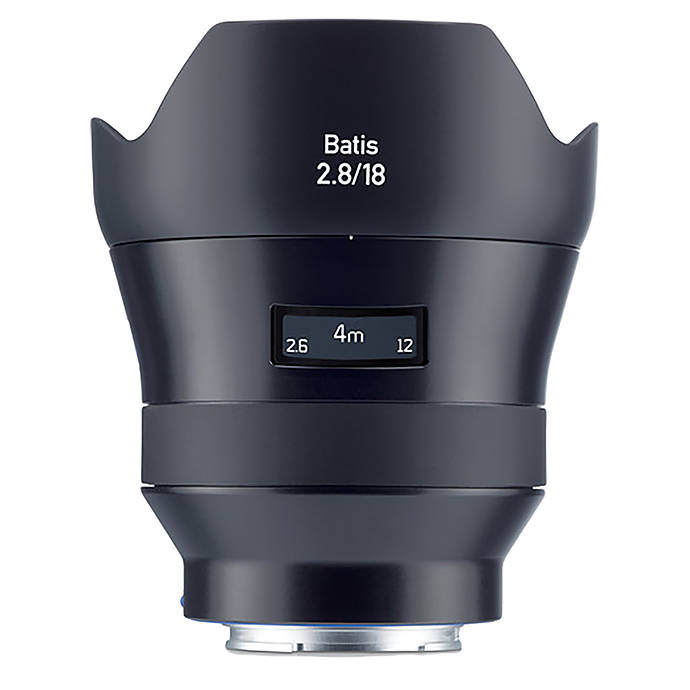
- Zeiss Batis 18mm f/2.8: Petite prime with crisp, contrasty rendering, pleasing sunstars, and low distortion—ideal when you want to travel light but keep premium image quality.
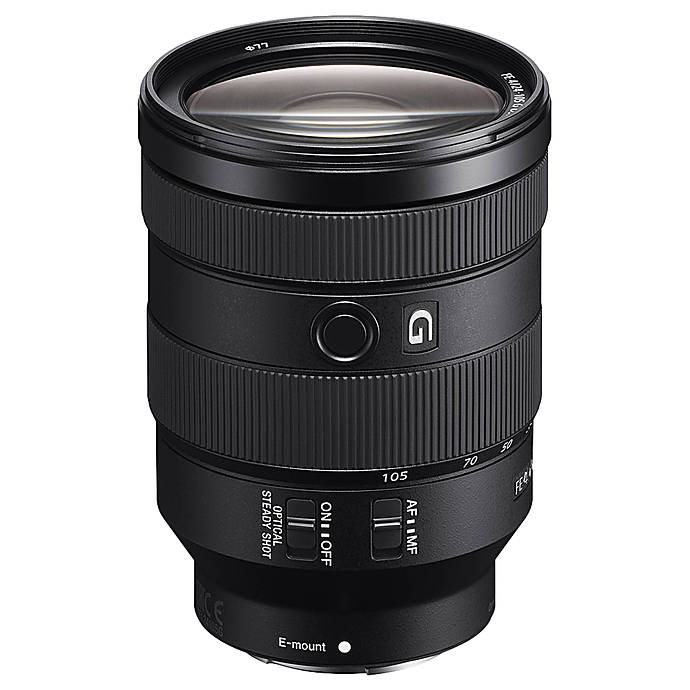
- Sony FE 24–105mm f/4 G OSS: The do-it-all walk‑around for hikers who want ultrawide‑to‑short‑tele framing without swapping glass. Stabilization helps for blue-hour handhelds and stitched panoramas.
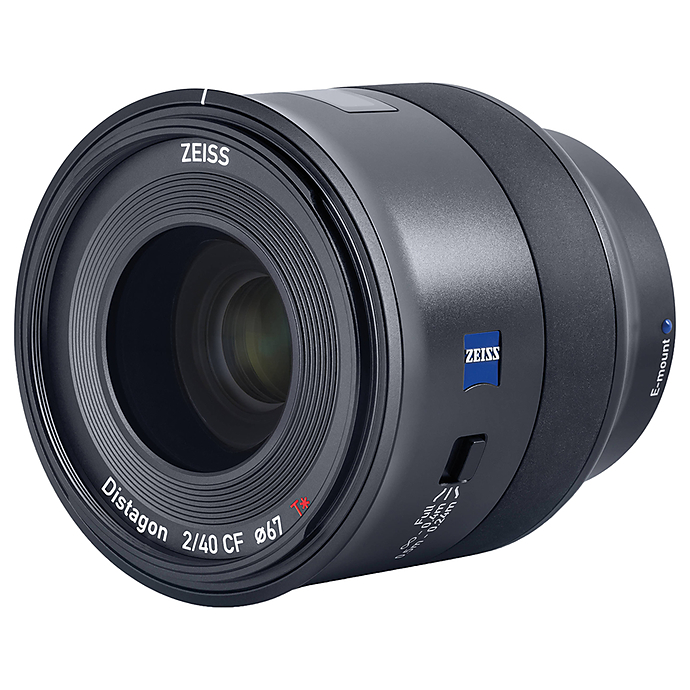
- Zeiss Batis 40mm f/2 CF: A mid‑wide environmental lens for detail‑rich scenes, woodland scenes, and stitched panoramas. Close focus is a bonus for foreground‑centric compositions.
How to compare Sony landscape lenses: the performance factors that matter
Photographers in our community consistently evaluate these criteria when choosing landscape glass:
- Corner and edge sharpness at infinity: Check performance at f/5.6–f/11 to see if corners catch up to the center, and note any field curvature that can throw corners out of focus even when stopped down.
- Coma and sagittal astigmatism: Critical for Milky Way and city lights. Look for tight star shapes from center to corners at your night aperture (f/2–f/2.8 when possible).
- Flare resistance and ghosting: Shoot into the sun at sunrise/sunset. Good coatings yield contrasty files with minimal veiling flare and small, tidy ghosts.
- Sunstars/diffraction spikes: If you love sunstars, examine the shape and cleanliness around f/11–f/16 and consider blade count and blade shape.
- Distortion and software reliance: Landscape work often needs straight horizons. Some lenses depend on in‑camera/RAW corrections; inspect uncorrected behavior when possible.
- Vignetting: Often artistic, but heavy vignetting can complicate astro and multi‑frame blending.
- Color and microcontrast: Harder to quantify than MTF, but it affects how foliage texture and distant haze render.
- Filters and holders: Flat front element or bulbous? Screw‑in filters are fastest; bulbous designs need a dedicated holder. Example: the NiSi 100mm Filter Holder for the FE 14mm f/1.8 GM makes an ultra‑fast astro setup manageable.
- Stabilization and IBIS synergy: Useful for handheld blue hour and video. Lighter bodies benefit from OSS in mid‑range zooms like the 24–105mm f/4 G OSS.
- Weight, balance, and sealing: Matters on long hikes and in bad weather. GM and G2 builds offer robust sealing; primes save weight.
- Focus breathing and focus shift: Relevant if you shoot timelapse or focus pulls for landscape video.
Sony G Master vs Tamron vs Zeiss Batis for landscapes
Here’s how working photographers frame the tradeoffs:
- Sony FE 12–24mm f/2.8 GM: Class‑leading coverage and wide‑open sharpness for nightscapes. Bulbous front means a holder system for rectangular filters, but the image quality payoff is substantial for dramatic ultrawides.
- Tamron 16–30mm f/2.8 G2: A lighter, pack‑friendly alternative with strong performance across the frame and traditional 82mm filters for quick ND/CP use.
- Zeiss Batis primes (18mm, 40mm): Travel‑friendly, with crisp microcontrast and distinctive Zeiss rendering. If you prioritize minimalism and hiking efficiency, a two‑prime kit can be ideal.
- Sony FE 24–105mm f/4 G OSS: The flexible companion for landscapes plus travel, offering everything from ultrawide frames to compressed perspectives without lens changes.
Real‑world sample images: how to trade and test
Photographers often learn more from shared RAWs than from specs. Try this simple, comparable “trade” set with friends or your local Unique Photo community:
- Ultra‑wide dawn/dusk frame: Sun just in or near the frame; test flare and sunstars at f/11.
- Infinity landscape at f/8: Focus mid‑distance; evaluate edge‑to‑edge sharpness and field curvature.
- Night sky: Shoot at your widest aperture; inspect coma and sagittal behavior in the corners.
- Woodland detail: Overcast scene at mid apertures; check microcontrast, color, and fine texture.
- Backlit foliage: Look for veiling flare, color fringing, and contrast retention.
Share uncompressed RAWs with metadata, and keep framing and exposure as consistent as possible to make A/B comparisons meaningful.
The “Beta” score debate: does it highlight the right performance factors?
Many photographers reference a lab‑style, aggregate “Beta” score when researching lenses. It’s a quick datapoint, but pros debate whether it prioritizes what matters for landscapes:
- Pros of Beta: Consolidates MTF, transmission, and AF metrics into an easy snapshot for broad comparisons; helpful for narrowing a shortlist.
- Cons for landscape use: Beta may weight center MTF and AF more than corner behavior, flare resistance, sunstars, or distortion with/without profiles. Those are crucial for real‑world landscapes.
Bottom line: Use Beta as a starting point, but verify with sample RAWs, corner crops at infinity, and against‑the‑sun tests. What looks identical in a chart can diverge dramatically when you’re shooting into golden‑hour haze or tracking pinpoint stars.
Lens‑by‑lens field notes (with examples)
Sony FE 12–24mm f/2.8 GM — Nightscape‑friendly speed with high corner integrity and excellent coma control for an ultra‑wide. Use a dedicated holder for grads/NDs.
Tamron 16–30mm f/2.8 G2 — Travel‑friendly weight, fast aperture, and classic 82mm filters. Great balance of value and performance for hikers and travelers.
Zeiss Batis 18mm f/2.8 — Sharp, contrasty, and compact. A reliable prime for clean sunstars and low‑distortion vistas.
Sony FE 24–105mm f/4 G OSS — Versatility leads: a single‑lens solution for day hikes that still delivers strong sharpness and stabilization for blue‑hour handholding.
Zeiss Batis 40mm f/2 CF — Overlooked landscape gem for layered scenes, stitched panoramas, and close‑up foregrounds with a natural perspective.
Video‑first landscape creators: a special mention
If you blend stills with motion, consider power‑zoom options designed for cinema‑grade control. The Sony PZ 28–135mm f/4 G OSS is a popular all‑rounder for landscape video work, and Unique Photo frequently has used copies—an economical way to step into cine‑style control without the bulk of dedicated cinema glass.

Filters and accessories for Sony landscape work
For bulbous‑front ultrawides, a dedicated holder keeps your filter workflow smooth; the NiSi 100mm Filter Holder for the FE 14mm f/1.8 GM is a great example of how to equip a fast astro lens for long‑exposure landscapes. For standard‑front lenses, a quality circular polarizer and a 3–6‑stop ND cover most daytime needs. Keep your OEM hoods handy for flare control and weather protection, and always pack a microfiber for mist and sea spray.
Conclusion: building your Sony landscape kit with confidence
When comparing Sony landscape lenses, prioritize the behaviors that charts can miss: edge‑to‑edge performance at infinity, flare resistance, sunstar quality, and filter practicality. Trade RAWs with friends, shoot the same scenes, and decide with your eyes. At Unique Photo, you can handle lenses side‑by‑side, ask our experts about sample results, and pick the setup that fits your trail and your vision.
Internal linking suggestions (Unique Photo):
- Shop Sony E‑mount lenses (anchor: “Sony E‑mount Lenses”)
- Explore Sony G Master lenses (anchor: “Sony G Master Lenses”)
- Browse Tamron lenses for Sony (anchor: “Tamron Lenses for Sony E”)
- Check Zeiss Batis primes (anchor: “Zeiss Batis for Sony E”)
- Landscape filters and holders (anchor: “ND, GND, and Polarizing Filters”)
- Used lenses at Unique Photo (anchor: “Used Sony Lenses”)
- Education: classes and events (anchor: “Photography Classes & Workshops”)