Sony Event Lenses: What Members Actually Use vs. What the Beta Tool Suggests
Event photographers often compare lens advice from planning tools against what really works once the lights go down, timelines slip, and subjects start moving fast. In this comparison, we’re looking at two popular Sony event-shooting options—the Sony FE 12-24mm f/2.8 GM and the Sony FE 24-105mm f/4 G OSS—through the lens of practical member experience. The debate is familiar: should you trust a Beta recommendation that favors coverage and flexibility, or lean on field-tested habits built around speed, positioning, and workflow? For event work, the answer usually depends on whether you need dramatic room coverage, dependable all-day range, or a combination of both.
Side-by-Side Specs Comparison
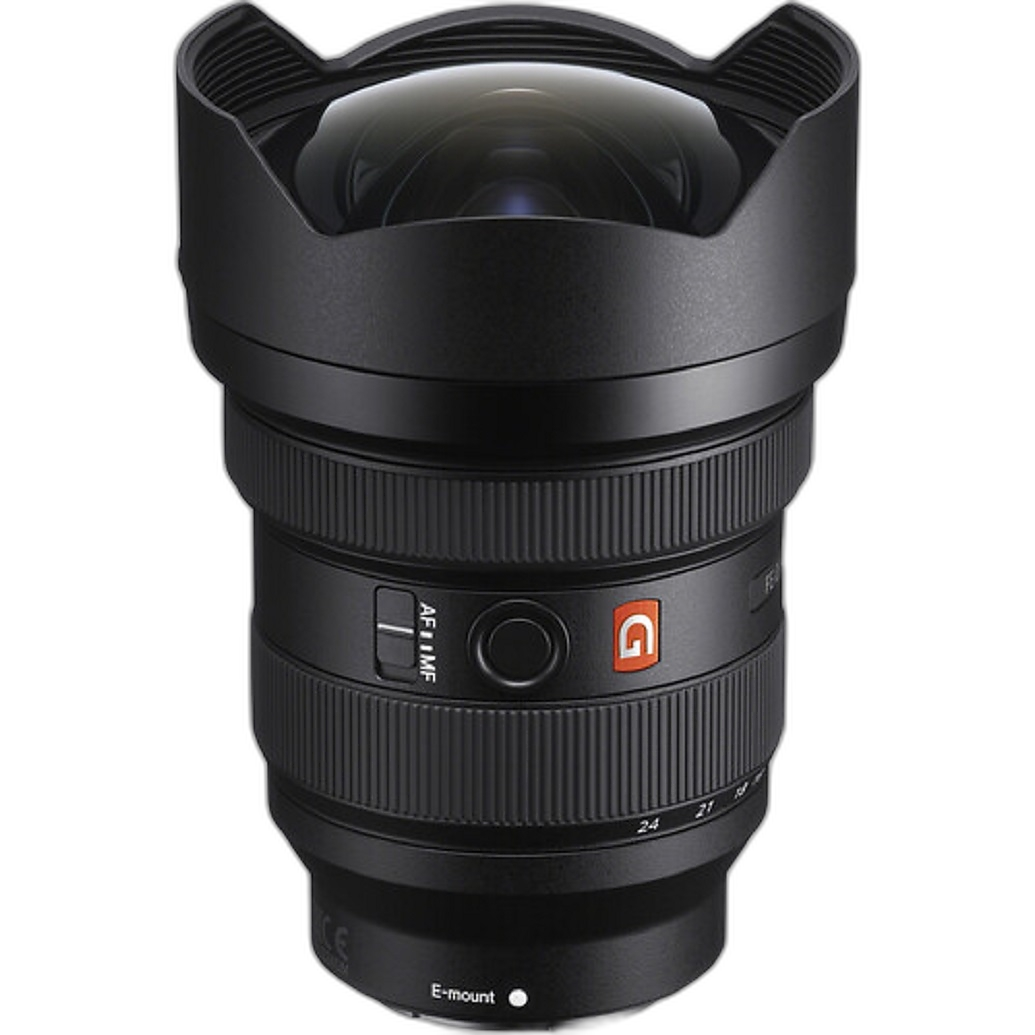
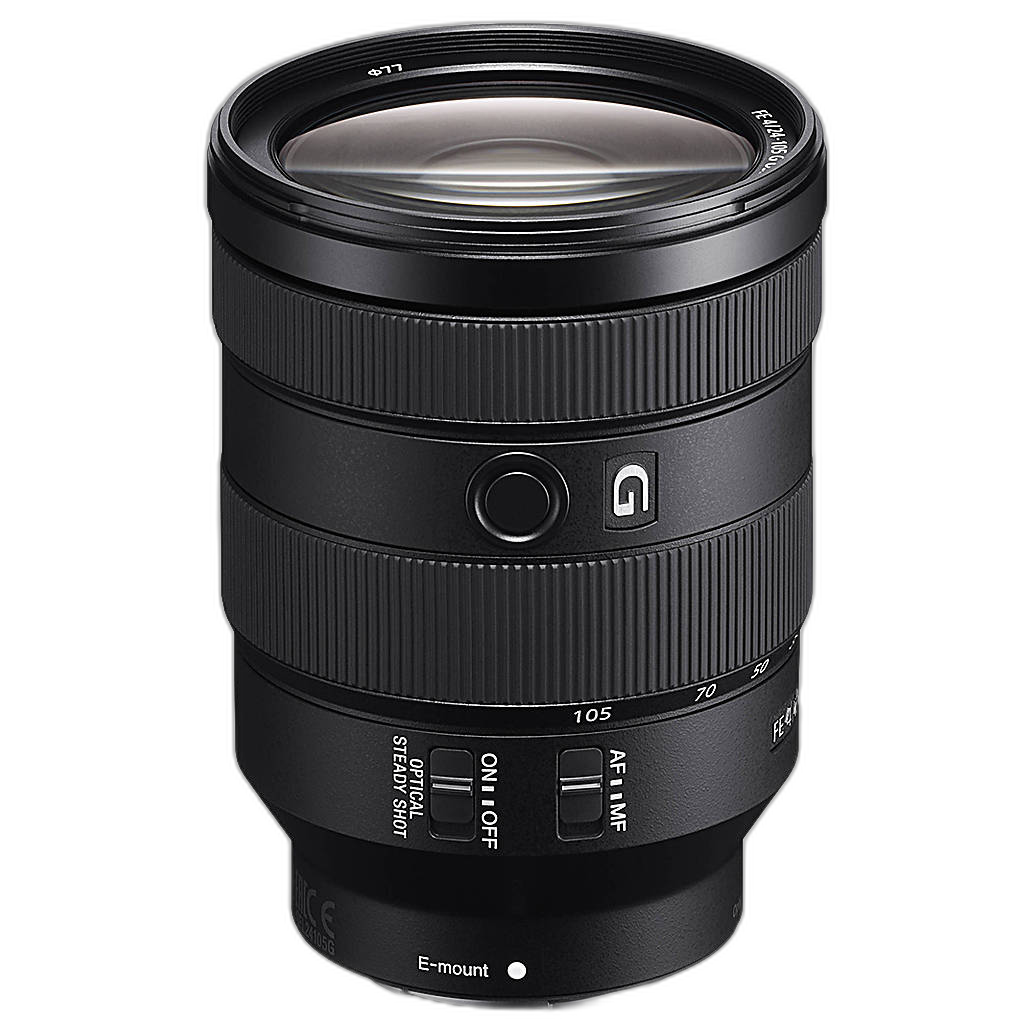
| Feature | Sony FE 12-24mm f/2.8 GM | Sony FE 24-105mm f/4 G OSS |
|---|---|---|
| Lens Type | Ultra-wide zoom | Standard zoom |
| Focal Length | 12-24mm | 24-105mm |
| Maximum Aperture | f/2.8 | f/4 |
| Best Event Use Case | Dance floor, venue overviews, crowded interiors, environmental storytelling | Ceremonies, candids, portraits, speeches, general event coverage |
| Strength | Coverage in tight spaces and low-light wide scenes | Versatility and reduced lens changes |
| Tradeoff | Limited reach for portraits and stage moments | Slower aperture in darker venues |
| Workflow Impact | Great as a specialty second lens | Often works as the primary event lens |
What the Beta Tool Usually Gets Right
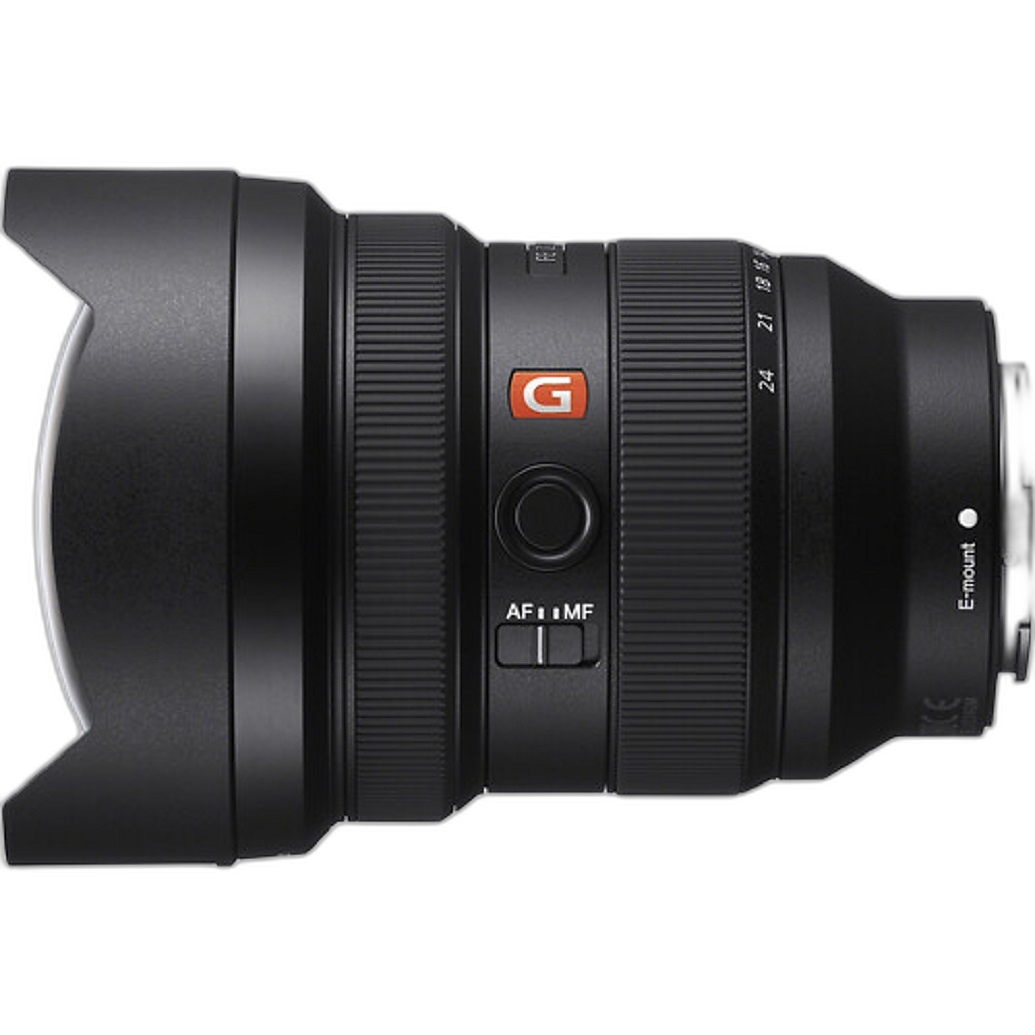
The Beta tool’s value is that it can quickly frame lens choice around scene type. For event coverage, that often means recommending an ultra-wide when the assignment involves cramped venues, architecture, large groups, or immersive dance-floor images. In that sense, the 12-24mm f/2.8 GM makes a lot of sense. It gives shooters the ability to capture the full environment without backing into a wall, and the f/2.8 aperture helps when ambient light matters.
On the other hand, members with a lot of event experience often point out that tools can overvalue edge-case coverage and undervalue how often a lens stays on the camera all day. That’s where the 24-105mm f/4 G OSS keeps coming up in practical discussions. It may not feel as exciting on paper as a flagship ultra-wide, but in real event conditions, its range solves more problems in fewer moments.
Range and Flexibility in Real Event Settings
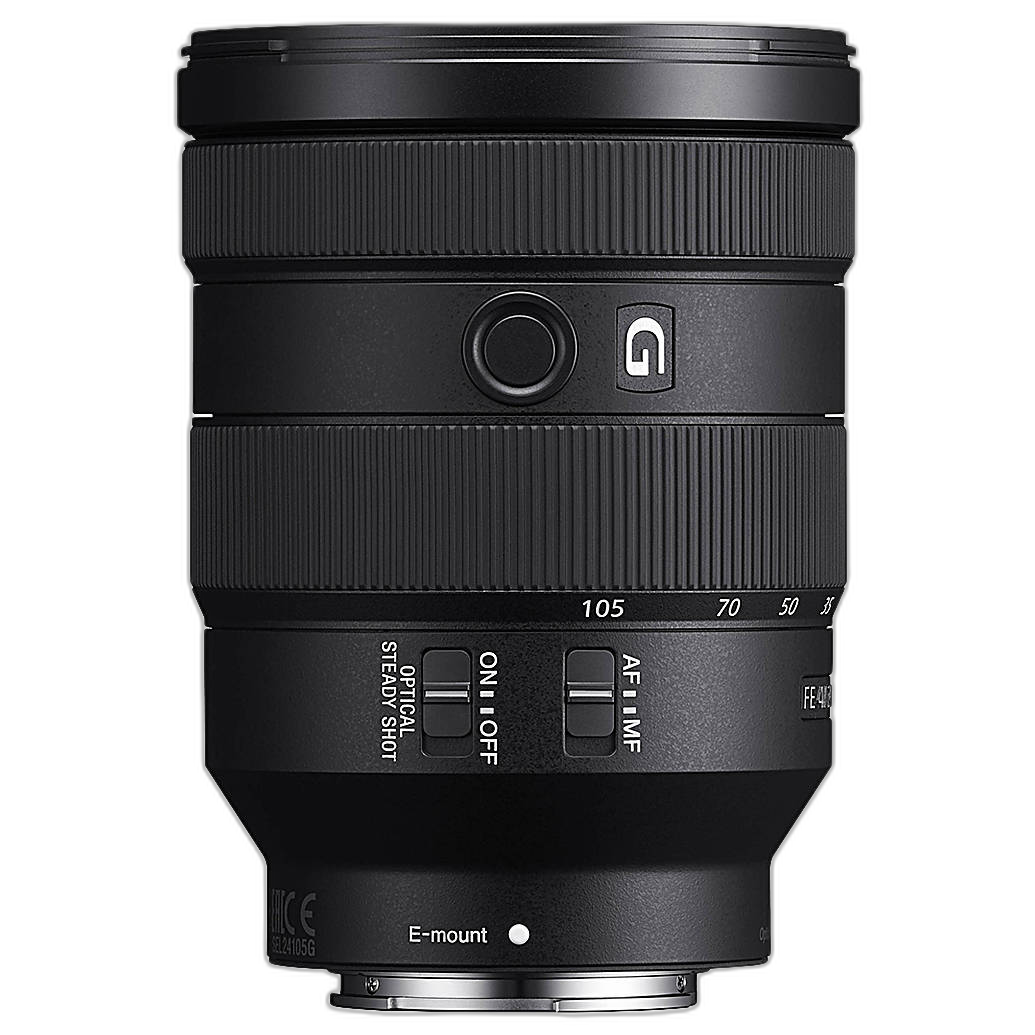
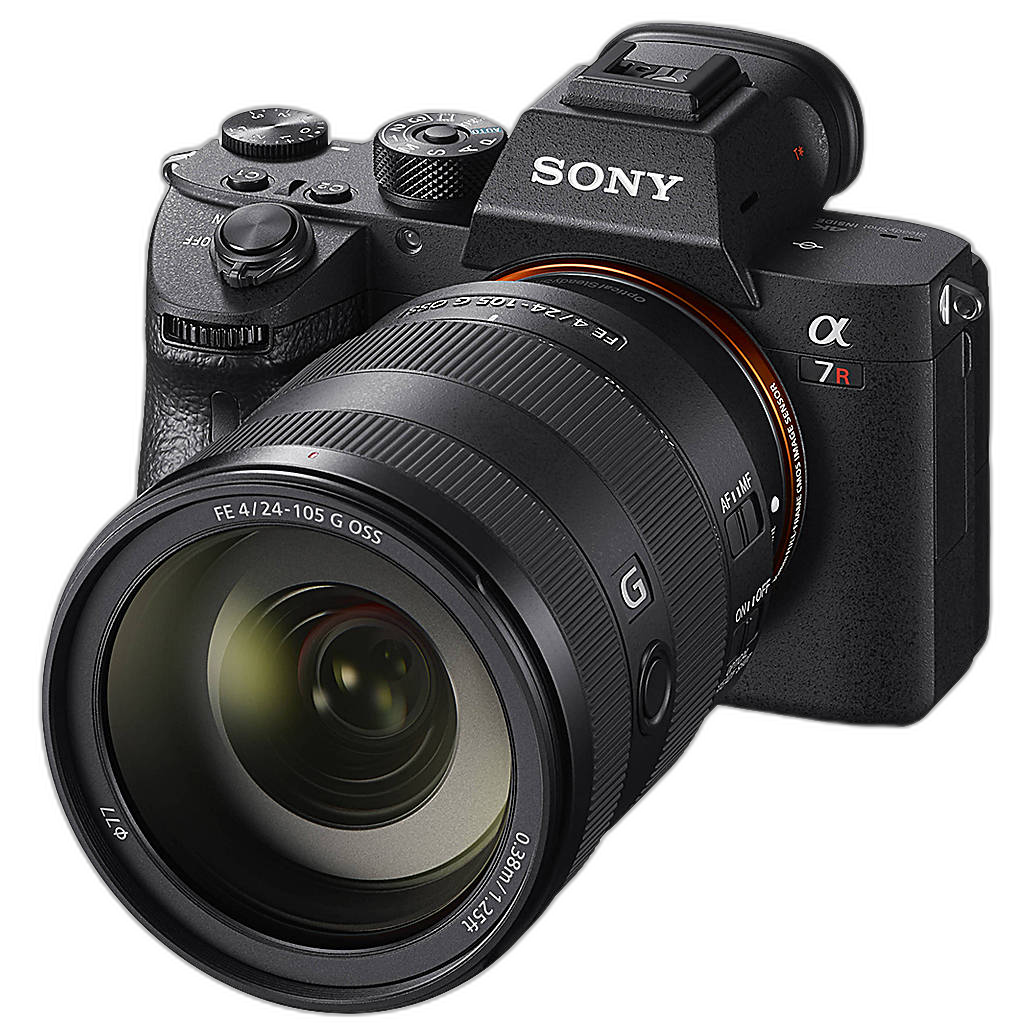
For weddings, parties, corporate events, and live gatherings, range can matter more than theoretical optical specialization. The Sony FE 24-105mm f/4 G OSS covers wide establishing shots, mid-range candids, tighter speaker frames, and quick portraits without forcing frequent swaps. Members who prioritize workflow often prefer this kind of lens because event coverage is about reacting quickly, not just maximizing image drama.
By contrast, the Sony FE 12-24mm f/2.8 GM is exceptional when you know you need an exaggerated sense of space or when the venue physically limits movement. It shines for packed receptions, dramatic interiors, or scene-setting imagery, but many shooters would treat it as a targeted tool rather than their only event lens.
Low-Light Practicality
This is where the Beta tool’s recommendations can spark the most debate. On paper, an f/2.8 lens is naturally appealing for dim venues. The 12-24mm GM has that advantage, and when combined with modern Sony full-frame bodies, it can be extremely effective for ambient-heavy coverage.
Still, experienced members often note that focal length affects low-light usability too. A slower 24-105mm f/4 can still be the better practical option if it prevents missed moments caused by lens changes or bad positioning. Optical stabilization also supports handheld flexibility in certain slower-paced parts of an event. So while the Beta tool may prioritize aperture, real-world users may prioritize shot completion rate.
Workflow Tips Members Tend to Prefer
In event shooting, workflow usually wins over theory. A few field-tested habits consistently outperform purely spec-driven selection:
- Use the 24-105mm f/4 G OSS as the default walk-around lens for ceremonies, entrances, speeches, and candid coverage.
- Bring the 12-24mm f/2.8 GM as a second-body or second-lens option for venue overviews, big group energy, and dance-floor storytelling.
- Pre-visualize which parts of the timeline truly need ultra-wide coverage instead of keeping a specialty lens mounted too long.
- Reduce lens changes during key moments; event shooters often lose more shots to swaps than to imperfect focal length.
- Match your lens choice to your shooting distance habits. If you prefer to work from the edge of the room, the longer zoom range is usually more useful.
When the Ultra-Wide Is the Better Choice
The Sony FE 12-24mm f/2.8 GM is the stronger choice if your event style leans cinematic, immersive, and environment-first. It’s especially compelling for high-energy receptions, architectural interiors, behind-the-scenes prep in small rooms, and any assignment where context matters as much as the subject. Members who love this lens tend to use it intentionally, not generically.
When the Standard Zoom Is the Better Choice
The Sony FE 24-105mm f/4 G OSS is the better fit if you want one lens to handle most of the day with minimal interruption. It’s the practical option for event shooters who value consistency, efficient workflow, and fewer missed moments. In many real-world discussions, this is the lens members describe as the one that simply gets the job done from start to finish.
Our Pick
Our Pick: Sony FE 24-105mm f/4 G OSS Lens
For most event photographers, the Sony FE 24-105mm f/4 G OSS is the smarter practical choice. While the Beta tool may correctly identify situations where the 12-24mm f/2.8 GM is ideal, the 24-105mm is the better all-around answer for real assignments because it covers more of the event day with fewer compromises. If you are choosing one lens for flexible event work, this is the one we’d recommend first.
Conclusion
The Beta tool can be helpful as a starting point, especially for identifying specialty needs like ultra-wide coverage in tight venues. But member experience shows that practical lens choice for events is usually driven by workflow, reliability, and how often a lens can stay mounted when the pressure is on. For most shooters, the Sony FE 24-105mm f/4 G OSS is the more dependable event partner, while the Sony FE 12-24mm f/2.8 GM remains a powerful specialty option for dramatic wide coverage. If you’re building out a Sony event kit, Unique Photo is a great place to compare your options and choose the lens that fits the way you actually shoot.