Introduction: A Practical Mid-Range Portrait Setup for Real-World Shooters
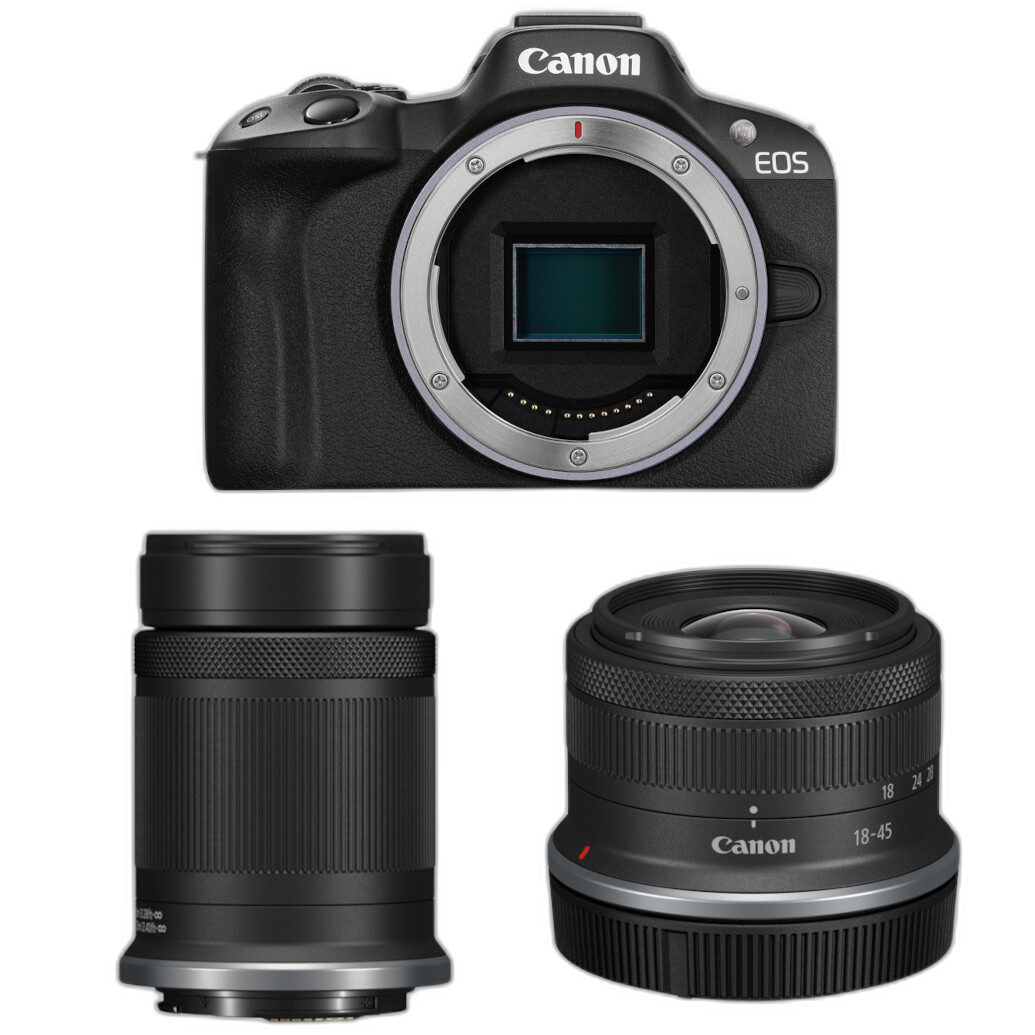
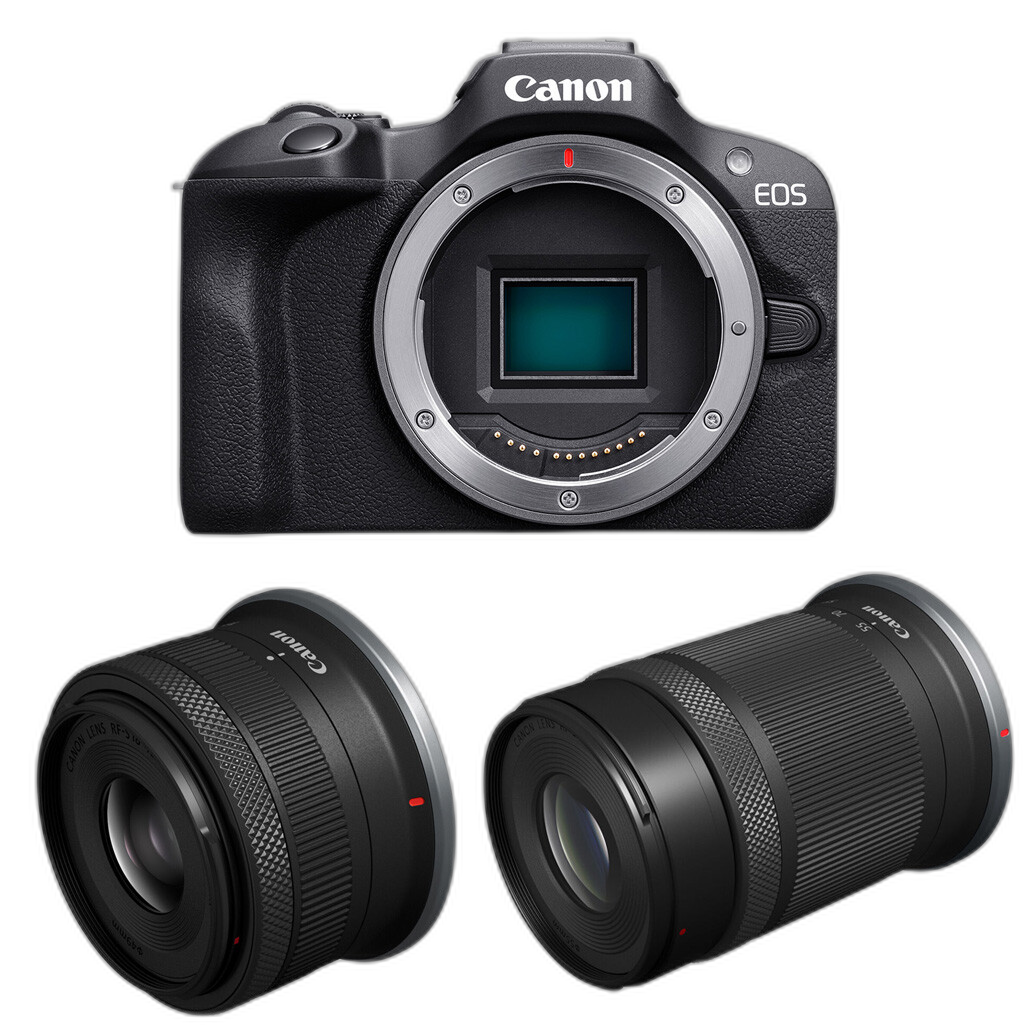
When photographers talk about the best mid-range lenses for portrait photography, they usually mean versatile zooms that give flattering compression, comfortable working distance, and enough reach for headshots without demanding premium pro-level budgets. In that sense, Canon’s RF-S 55-210mm lens, included in kits like the Canon EOS R50 Mirrorless Camera (Black) with RF-S 18-45mm and 55-210mm Lenses and the Canon EOS R100 Mirrorless Camera with RF-S 18-45mm and RF-S 55-210mm Lenses, stands out as one of the most approachable options for newer portrait shooters.
Rather than reviewing a single standalone lens product, this article focuses on the real portrait-photography value of these Canon kits because they place a useful mid-range telephoto zoom into the hands of users who want better portraits without jumping immediately to expensive fast primes. User experience around lenses in this range tends to be consistent: photographers appreciate the flexibility of framing, the flattering look from longer focal lengths, and the ability to move from environmental portraits to tighter compositions without changing lenses constantly.
For portrait photographers shopping in the mid-range category, the biggest question is not always absolute sharpness or the widest aperture. It is often: Does this setup help me make better portraits consistently? Based on user feedback patterns and practical shooting logic, the answer with Canon’s RF-S 55-210mm-equipped kits is yes—especially for casual portrait shooters, family photographers, and enthusiasts building their first mirrorless portrait setup.
Product Positioning: Why These Canon Kits Matter for Portrait Photography
The Canon EOS R50 and Canon EOS R100 kits are positioned as entry-friendly mirrorless systems, but the inclusion of the RF-S 55-210mm is what makes them relevant to portrait photographers. While the bundled RF-S 18-45mm is useful for everyday shooting, the 55-210mm zoom is the lens that changes the portrait experience. It gives photographers access to classic portrait-friendly focal lengths that help separate a subject from the background and create a more flattering perspective.
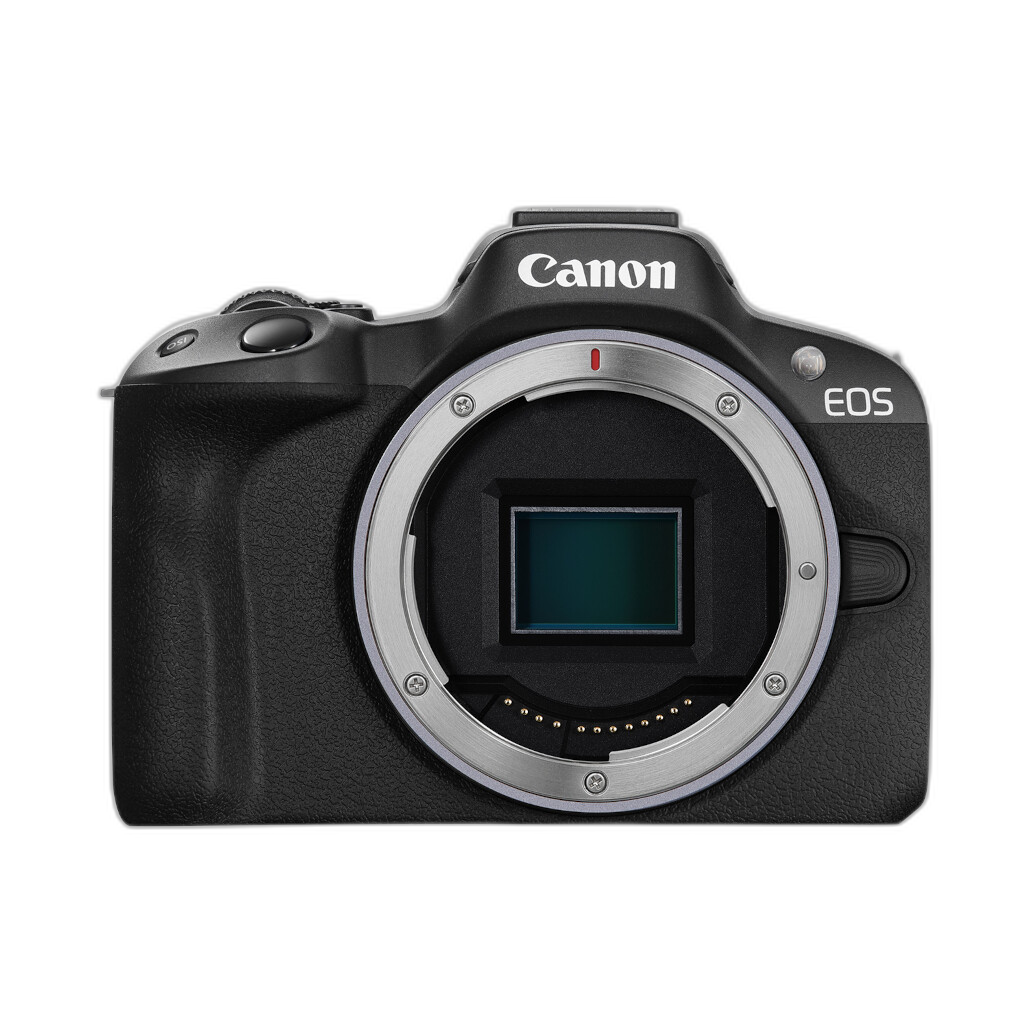
The R50 kit is the more advanced and responsive option for users who want a stronger overall shooting experience, while the R100 kit keeps costs lower for budget-conscious buyers who still want strong portrait potential. In both cases, the telephoto zoom is the star for portrait work.
Key Features for Portrait Photography
RF-S 55-210mm Focal Range Delivers True Portrait Versatility
This is the biggest reason these kits deserve attention in a mid-range portrait discussion. On an APS-C Canon mirrorless body, the RF-S 55-210mm provides an angle of view that is especially useful for portraits. Users often report that the mid-to-long telephoto end is where portraits begin to look more refined: faces appear more natural, backgrounds feel less busy, and photographers can frame tightly without physically crowding the subject.
At the shorter end, the lens works for half-body and environmental portraits. As you zoom further, it becomes easier to isolate facial features and create the polished look many people associate with dedicated portrait lenses.
Better Subject Separation Than Standard Kit Zooms
Even though this is not an ultra-fast aperture portrait lens, user experience often shows that longer focal lengths can still create attractive background blur. The compression effect from shooting toward the telephoto end helps separate subjects from distracting surroundings, especially outdoors. This makes the 55-210mm a meaningful upgrade over relying only on an 18-45mm kit lens for portraits.
For photographers working in parks, streets, schools, or family-event settings, that extra reach can make a dramatic difference in image character.
Comfortable Working Distance Improves Natural Expressions
One overlooked strength of a mid-range telephoto portrait lens is the photographer-subject relationship. When shooting portraits with wider lenses, photographers often need to stand close, which can make subjects feel self-conscious. With the RF-S 55-210mm, users can back up and give the subject more breathing room. That often leads to more natural expressions, especially with children, couples, and non-professional models.
This is a recurring practical advantage in real-world use: people tend to relax more when a camera is not directly in their personal space.
Lightweight System Appeal for Everyday Portrait Shooters
Many portrait photographers are not shooting in a studio all day. They are parents, hobbyists, content creators, and event shooters who want portability. A major user-friendly benefit of these Canon kits is that they remain relatively compact and approachable compared to heavier full-frame systems and larger professional telephoto lenses.
The result is a setup photographers are more likely to carry, and a lens they are more likely to actually use. In mid-range gear, practicality matters just as much as headline specs.
Two-Lens Kit Value Expands Creative Options
Although the telephoto lens is the main portrait tool here, having the RF-S 18-45mm included also adds flexibility. Users can start a shoot wide for location context, then switch to the 55-210mm for tighter portraits. This makes the overall package a better value proposition than buying a body alone and trying to build a portrait kit from scratch.
For photographers still learning their preferred portrait style, this versatility is especially important.
User Experience: What Portrait Shooters Typically Like
In practical portrait use, photographers tend to like three things most about a setup like this:
- Framing flexibility: You can move from looser compositions to tight headshots quickly.
- Flattering perspective: Longer focal lengths generally produce a more classic portrait look.
- Accessibility: The lens comes in a bundle, making portrait-capable reach more affordable.
The Canon EOS R50 kit tends to appeal more to users who want a smoother modern mirrorless experience overall. It feels like the stronger long-term buy for someone who plans to grow in portrait photography. The Canon EOS R100 kit appeals to users who want the mid-range lens benefit at a lower entry price, and that makes it a compelling recommendation for beginners who care more about results than advanced handling.
Portrait Performance in Real Scenarios
Outdoor Portraits
This is where the RF-S 55-210mm shines most clearly. Outdoor backgrounds can become pleasantly compressed and less distracting, and the lens gives photographers room to work without standing too close to the subject. Families, graduation portraits, and casual lifestyle sessions all benefit from this kind of reach.
Events and Candid People Photography
For candid portraits, a telephoto zoom often feels more natural than a wider lens. Users can capture expressions from a distance, which is especially helpful at birthdays, school events, and family gatherings. The lens supports a documentary-style portrait approach that many newer photographers find easier and less intrusive.
Beginner Portrait Learning
For someone learning how focal length changes the look of a portrait, these kits are especially educational. A photographer can compare images taken at 45mm versus 85mm-equivalent-like framing versus the longer end and quickly see why telephoto portrait shooting is so popular.
Limitations to Keep in Mind
Not a Fast Prime Replacement
Photographers seeking ultra-shallow depth of field or low-light portrait performance similar to a dedicated 50mm f/1.8 or 85mm portrait prime should keep expectations realistic. The 55-210mm offers strong versatility, but not the same kind of maximum background blur or low-light speed associated with fast portrait lenses.
Best in Good Light
User experience with lenses in this class is usually strongest outdoors or in bright interiors. For indoor portrait sessions without supplemental lighting, photographers may need to raise ISO or work carefully with available light.
More of a System Recommendation Than a Standalone Lens Review
Because the available products here are camera-and-lens kits rather than the lens sold separately, the recommendation is best understood as a buying strategy: if you want an affordable portrait-capable mirrorless system, these kits provide a smart path into mid-range telephoto portrait photography.
Pros and Cons
Pros
- RF-S 55-210mm is highly useful for flattering portrait focal lengths
- Better subject isolation and compression than a basic standard zoom alone
- Comfortable shooting distance helps subjects relax
- Excellent value as part of a two-lens Canon kit
- Lightweight and approachable for beginners and enthusiasts
- Canon EOS R50 kit offers especially strong long-term growth potential
Cons
- Not as bright as a dedicated fast portrait prime
- Low-light portrait work can be more challenging
- Background blur is good for the class, but not dramatic in all situations
- Portrait specialists may eventually want an additional prime lens
A Brief Note on the Alternative: Reto 3D Film Camera
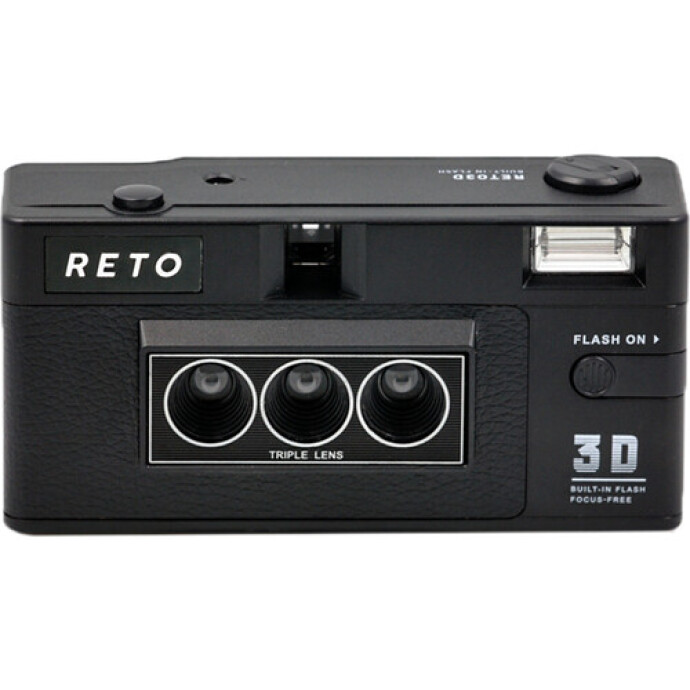
The Reto 3D Film camera with three lenses and built-in flash is an interesting creative product, but it is not a serious match for photographers specifically searching for the best mid-range lenses for portrait photography. Its appeal is novelty, analog experimentation, and 3D-style imaging rather than controlled portrait rendering. For buyers focused on portrait quality, flexibility, and repeatable results, the Canon kits are the far more relevant recommendations.
Verdict: Best Mid-Range Portrait Value for Emerging Canon Shooters
If your goal is to improve your portrait photography without spending heavily on premium glass, the Canon kits that include the RF-S 55-210mm are among the smartest mid-range recommendations in this selection. The lens delivers the focal range portrait photographers actually use, helps create a more flattering look than standard kit zooms, and makes it easier to shoot natural portraits from a comfortable distance.
Between the two, the Canon EOS R50 Mirrorless Camera (Black) with RF-S 18-45mm and 55-210mm Lenses is the stronger overall recommendation for users who want the best experience and room to grow. The Canon EOS R100 Mirrorless Camera with RF-S 18-45mm and RF-S 55-210mm Lenses is the budget pick for photographers who want the same core portrait-lens advantage at a more accessible price.
For shoppers looking to buy a portrait-capable Canon mirrorless kit, Unique Photo is an excellent place to purchase, especially if you want a trusted camera retailer with a strong selection and support for enthusiasts stepping up their gear.