Introduction: Building a Sharper Landscape Kit
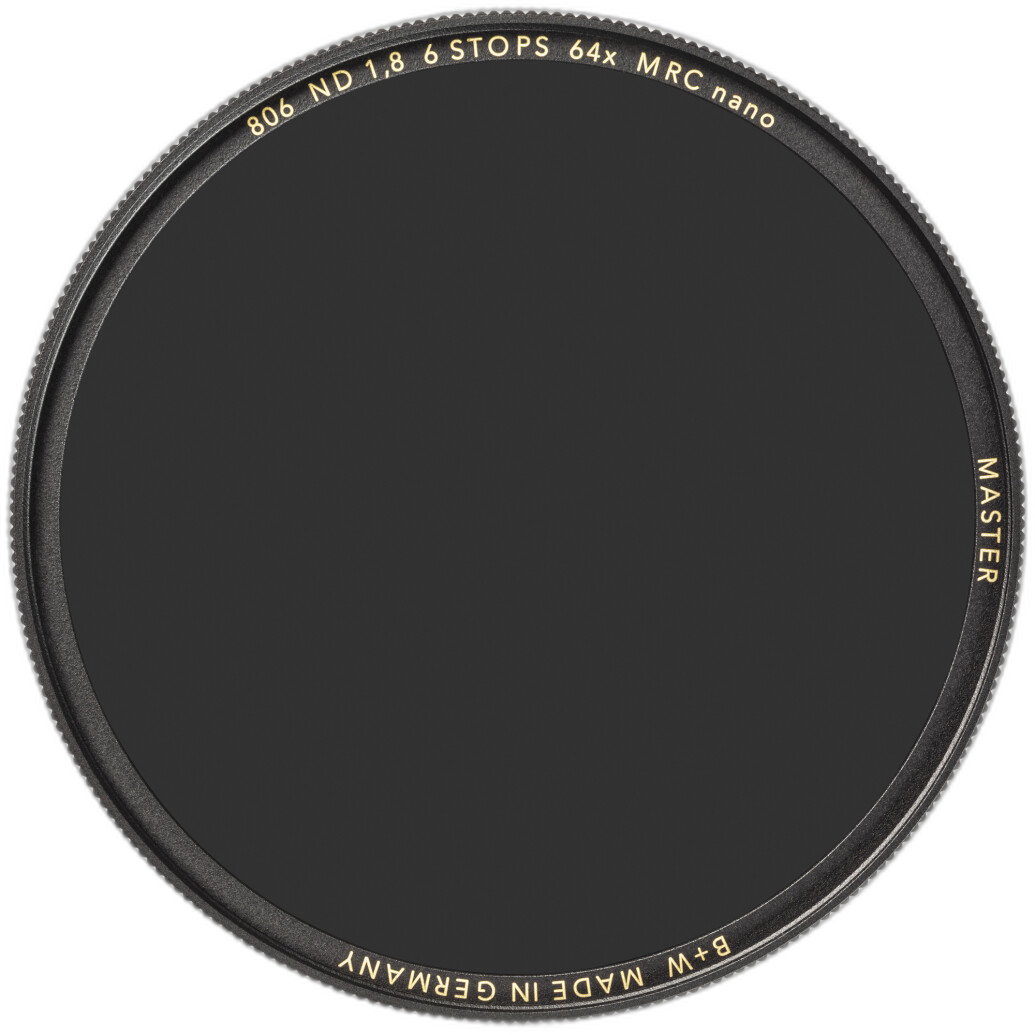
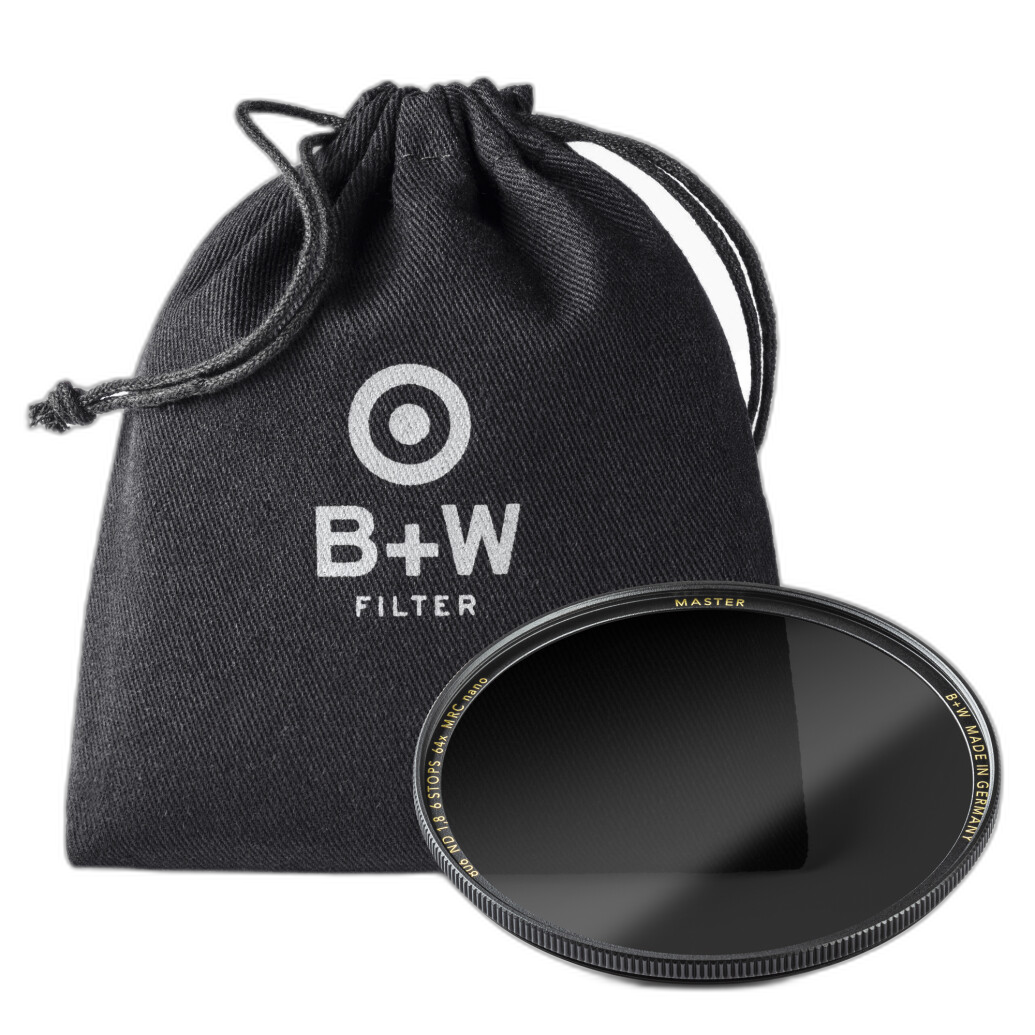
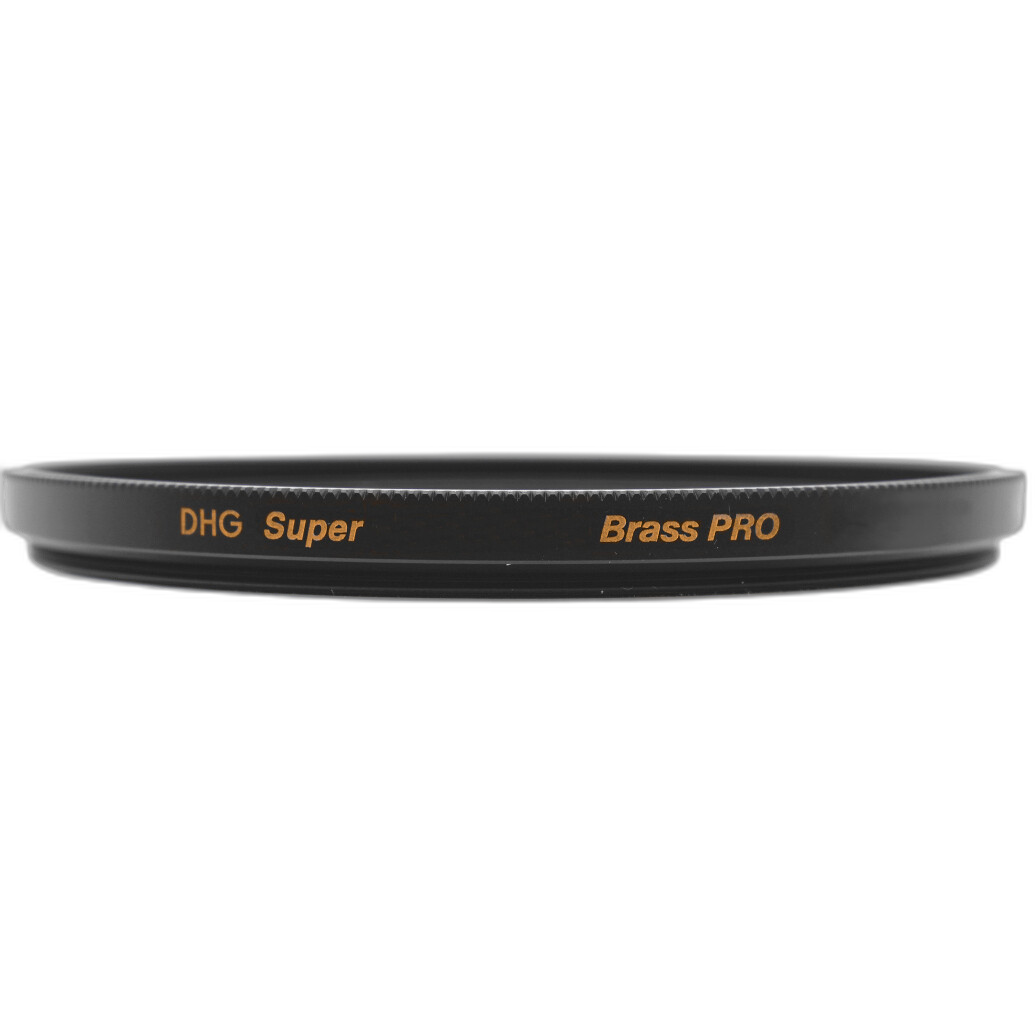
Sharp landscape photography is rarely about one magic setting. It comes from a combination of good technique, stable support, clean optics, and smart filter choices. While tripod selection is always part of the sharpness conversation, filters can either preserve detail beautifully or become the weak link in your setup. In this review-style guide, I’m focusing on two filter options that make practical sense for landscape photographers who want crisp files without sacrificing image quality: the B+W 46mm Master ND 1.8 MRC Nano (806M) Filter and the Marumi 58mm Brass Pro DHG Super UV Filter.
These products serve different purposes, but both can contribute to better real-world sharpness when used correctly. A quality neutral density filter helps you control shutter speed for water, clouds, and motion while maintaining optical integrity. A well-made UV/protective filter can keep your front element clean and protected without introducing flare, softness, or handling issues that cheaper glass often causes.
For photographers refining their landscape technique, the bigger lesson is simple: sharpness comes from the whole system. A stable tripod matters, careful focusing matters, and using filters that don’t degrade your image matters just as much. If you’re shopping for dependable accessories, Unique Photo is a strong place to buy these tools and compare options for your kit.
How Filters Affect Landscape Sharpness
Landscape photographers often add filters for creative or protective reasons, but every extra piece of glass in front of the lens has the potential to affect contrast and detail. Low-grade filters commonly reduce sharpness through poor coatings, weaker glass quality, internal reflections, or imprecise mounting rings. High-quality filters, by contrast, are designed to minimize these issues.
If your goal is maximum sharpness, keep these principles in mind:
- Use multicoated filters to reduce flare and preserve contrast.
- Choose brass or precision-made rings for smoother mounting and less risk of binding.
- Only use a filter when it serves a purpose.
- Pair your filter choice with a solid tripod, remote release, or self-timer for the best results.
- Watch for stacked filters, which can increase flare and vignetting.
In practice, the right filter should disappear from the image-making process. That’s exactly what you want in landscape work.
Review: B+W 46mm Master ND 1.8 MRC Nano (806M) Filter
Why It Helps Landscape Sharpness
The B+W Master ND 1.8 is a 6-stop neutral density filter aimed at photographers who need significantly slower shutter speeds in bright conditions. While ND filters are usually discussed in terms of creativity, they also play a technical role in sharpness. They let you avoid overexposure while staying at your lens’s sharp aperture range rather than forcing compromises. For example, instead of stopping down excessively and inviting diffraction, you can keep the lens around its optical sweet spot and use the ND to manage exposure.
B+W’s Master line is known for strong optical quality, and that matters here. A good ND filter should maintain crispness and color neutrality while avoiding the muddy contrast loss often seen in cheaper alternatives. This makes the filter especially attractive for long-exposure landscapes involving moving water, wind-blown foliage, or fast-moving clouds.
Build Quality and Optical Performance
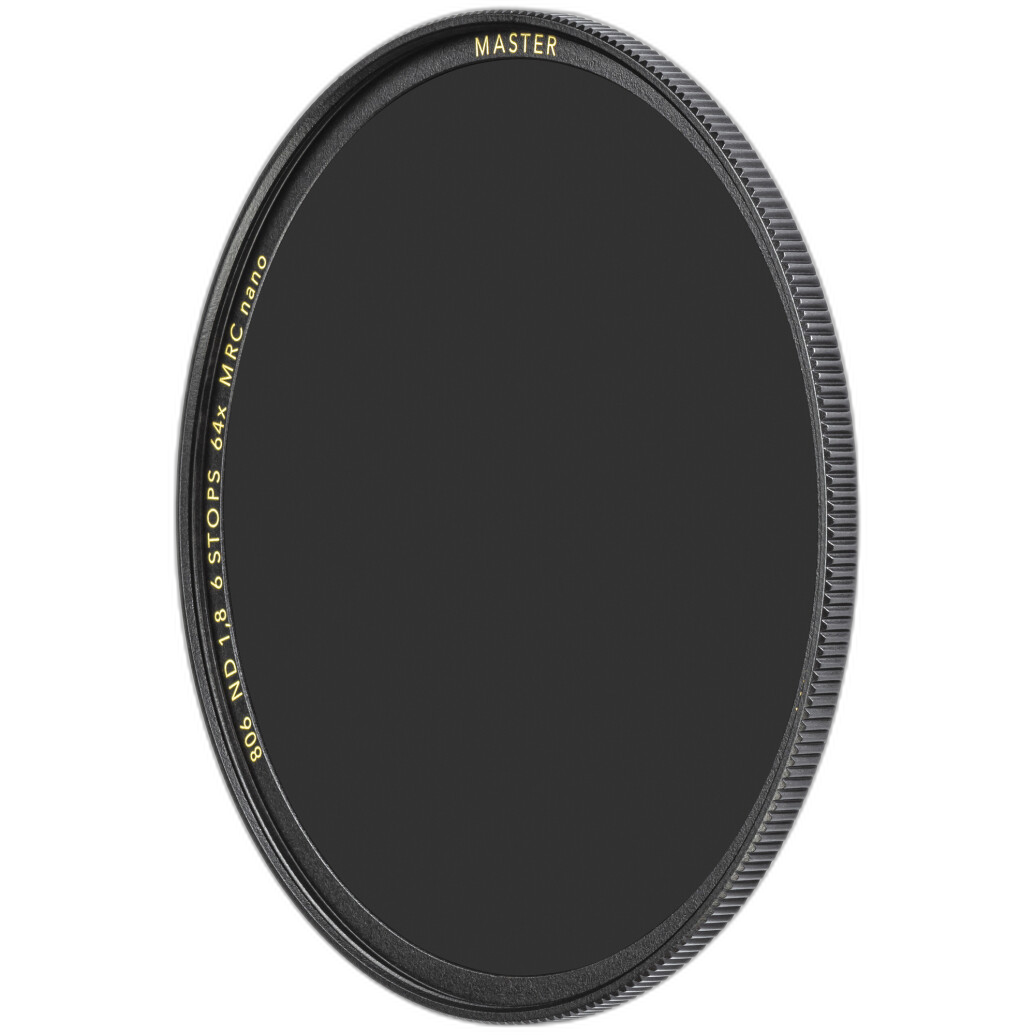
The MRC Nano coating is a major selling point. In landscape photography, front-element cleanliness is critical because smudges, moisture, and dust become more visible when shooting into light or using smaller apertures. Nano coatings improve cleaning behavior and help repel grime, which is a practical advantage on trails, coastlines, and damp mornings.
Optically, the biggest benefit is consistency. A filter like this is less likely to soften fine textures in rocks, trees, and distant detail. It also preserves the microcontrast that gives landscape files their crisp look. If you’re the type of photographer who zooms in to inspect foliage and edge detail, this level of filter quality is worth paying for.
Best Use Cases
- Long exposures of waterfalls and streams
- Cloud movement over mountain or coastal scenes
- Bright daylight shooting at optimal apertures
- Reducing shutter speed without sacrificing image quality
Pros
- Excellent optical quality for maintaining detail
- 6-stop strength is versatile for landscape work
- MRC Nano coating helps resist flare and makes cleaning easier
- Useful for staying in a lens’s sharp aperture range
- Premium build quality inspires confidence outdoors
Cons
- 46mm size limits compatibility unless it matches your lens system
- Premium pricing compared to entry-level ND filters
- Requires stable support and careful technique for best results
Review: Marumi 58mm Brass Pro DHG Super UV Filter
Why It Can Be a Smart Sharpness Accessory
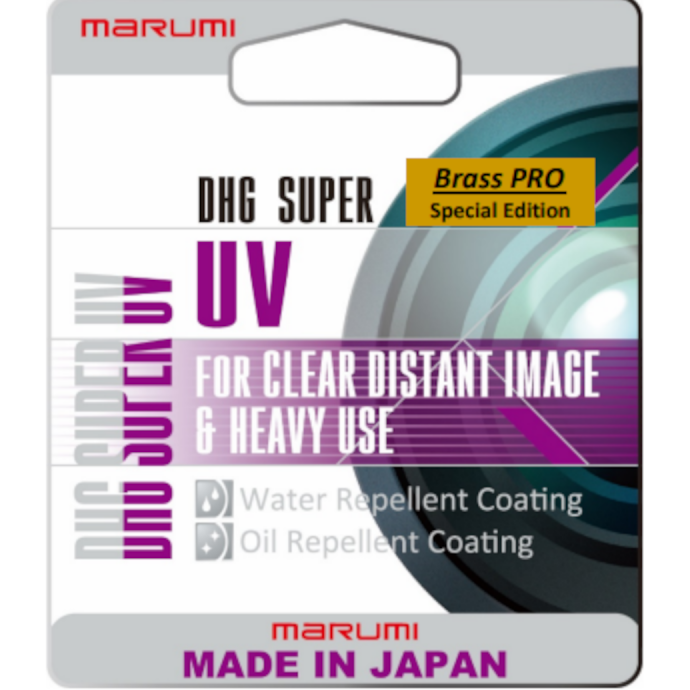
UV filters are often debated, especially among landscape photographers who worry about adding unnecessary glass. That concern is valid. But if you want front-element protection while preserving image quality, the Marumi 58mm Brass Pro DHG Super UV Filter is exactly the kind of product that makes the strongest case for using one.
The value here is not that a UV filter somehow increases resolution. Instead, it protects your lens without introducing the softness, glare, or reduced contrast associated with bargain filters. In real outdoor use, that can indirectly improve sharpness because you’re more likely to keep your lens clean, protected, and ready to shoot in blowing dust, sea spray, or light rain.
Brass Ring Advantage
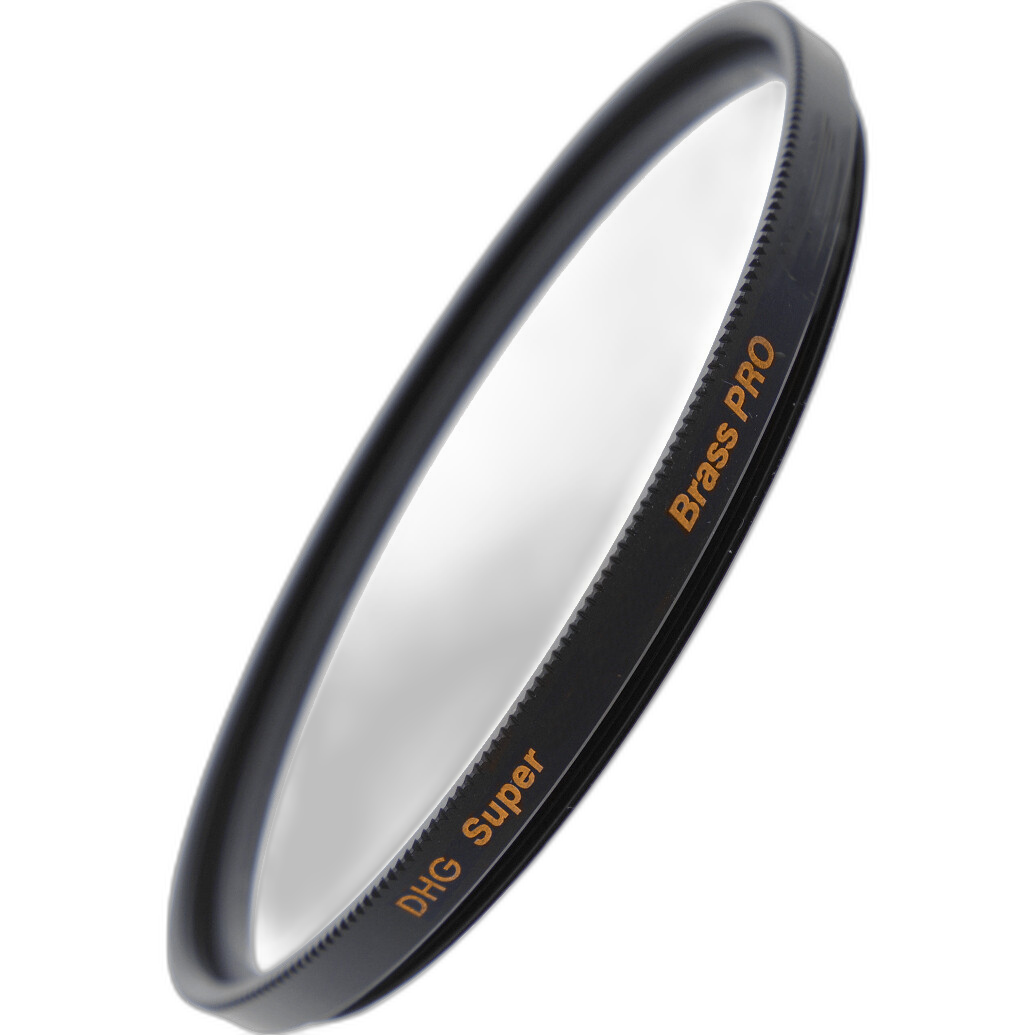
One of the best details of this Marumi filter is the brass construction. Brass rings tend to mount and unmount more smoothly than cheaper aluminum designs and are less prone to binding. For landscape photographers working in cold weather or changing filters quickly on location, that matters more than it may seem. A stuck filter is frustrating; a smooth one encourages careful handling and efficient shooting.
The ring quality also contributes to a more premium fit, which is part of what separates serious filters from basic accessory-bin options.
Image Quality in the Field
On a good lens, a weak protective filter can rob images of contrast before you even notice obvious softness. The Marumi Pro DHG Super UV is built for photographers who want protection but don’t want the “cheap filter look.” If you shoot landscapes in hard side light, around water, or in scenes with strong specular highlights, coatings and glass quality matter. This filter is the kind of product that keeps its impact minimal, which is exactly the point.
For many users, this is the right compromise: mount it for protection in harsh conditions, remove it when conditions are easy and you want the fewest possible surfaces in front of the lens.
Best Use Cases
- General landscape lens protection
- Dusty trails, beaches, and salt-spray environments
- Travel photography where front-element protection is valuable
- Photographers who want premium protective glass instead of low-cost compromises
Pros
- High-quality protective filter with minimal image degradation
- Brass ring improves handling and durability
- Good choice for outdoor and travel landscapes
- Helps preserve contrast better than cheap UV filters
- Useful insurance for expensive lenses
Cons
- Any added glass can still increase flare in difficult light
- UV filters are not always necessary in every shooting situation
- 58mm size only fits compatible lenses
Tripod Choices and Sharpness: The Other Half of the Equation
No filter can fix camera movement. If your goal is sharper landscapes, your tripod matters at least as much as your optics. When evaluating tripod choices, prioritize rigidity over gimmicks. A lightweight tripod may be convenient for hiking, but if it flexes in the wind, your files will show it.
Here are the tripod traits that most directly improve sharpness:
- Leg stiffness: Reduces vibration during long exposures.
- A solid head: Prevents image drift after composition.
- Low center column use: Extending the center column reduces stability.
- Proper height: A tripod that reaches usable height without overextension is easier to work with.
- Weight balance: Heavier setups are often more stable, but the best tripod is still the one you’ll actually carry.
In practical terms, the sharpest landscape setup combines a stable tripod, careful shutter actuation, and filters that preserve contrast rather than hurt it. If you’re using an ND filter like the B+W for long exposures, tripod quality becomes even more important.
Which Filter Is Better for Landscape Photographers?
These two filters are not direct competitors, but they solve different problems well.
Choose the B+W Master ND 1.8 MRC Nano if your landscape style includes waterfalls, seascapes, cloud streaks, or any scenario where controlling shutter speed is part of the creative process. It is the more specialized tool and the one that most actively expands your shooting options while keeping image quality high.
Choose the Marumi Brass Pro DHG Super UV if you want premium front-element protection without settling for low-end optical quality. It’s a practical everyday accessory for photographers who frequently work in rough outdoor conditions.
For many landscape shooters, the ideal answer is both: use the UV filter selectively for protection, and carry a high-quality ND filter for exposures where timing and motion control matter.
Verdict and Recommendation
If sharpness is your priority in landscape photography, don’t think only in terms of camera bodies and lenses. Support gear and filters are part of the final image. Among the options reviewed here, the B+W 46mm Master ND 1.8 MRC Nano (806M) Filter stands out as the more creatively transformative product, delivering serious long-exposure capability without asking you to accept bargain-filter softness. The Marumi 58mm Brass Pro DHG Super UV Filter is the smarter protection choice for photographers who want to guard their lens while maintaining strong optical performance.
My recommendation is straightforward: if you’re actively building a landscape kit, prioritize a sturdy tripod first, then add a premium ND filter like the B+W for creative control. If you regularly shoot in difficult conditions, the Marumi UV filter is a worthwhile protective upgrade over cheap alternatives. You can find both at Unique Photo, which is a reliable place to buy quality landscape photography accessories and compare the right fit for your lens system.