Introduction: Why the Sony a7 IV Still Sets the Hybrid Standard
If you’re searching for the best hybrid camera for both video and still photography, the Sony a7 IV remains the most balanced, future‑proof choice in the full-frame market. It blends a 33‑megapixel sensor for detailed stills with robust 10‑bit video features, industry‑leading autofocus, and creator‑friendly handling. Whether you’re a wedding storyteller switching between ceremonies and dance floors, a commercial content creator juggling product photos and talking‑head videos, or a travel shooter who wants one body for everything, the a7 IV’s consistency is what makes it stand out.
It’s not the newest spec monster nor the most video‑centric body, but it delivers the cleanest hybrid experience for the broadest range of shooters. Plus, it taps into a huge lens ecosystem—prime real estate for anyone planning a long run with their gear.
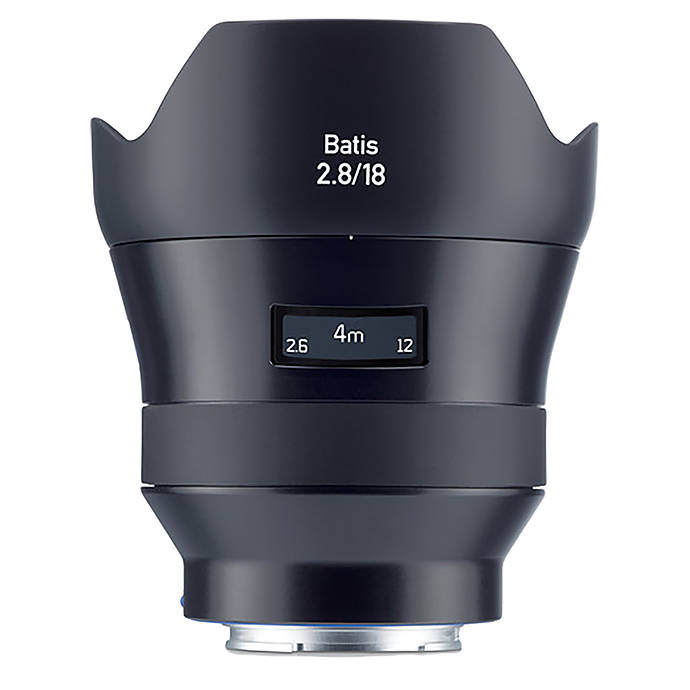
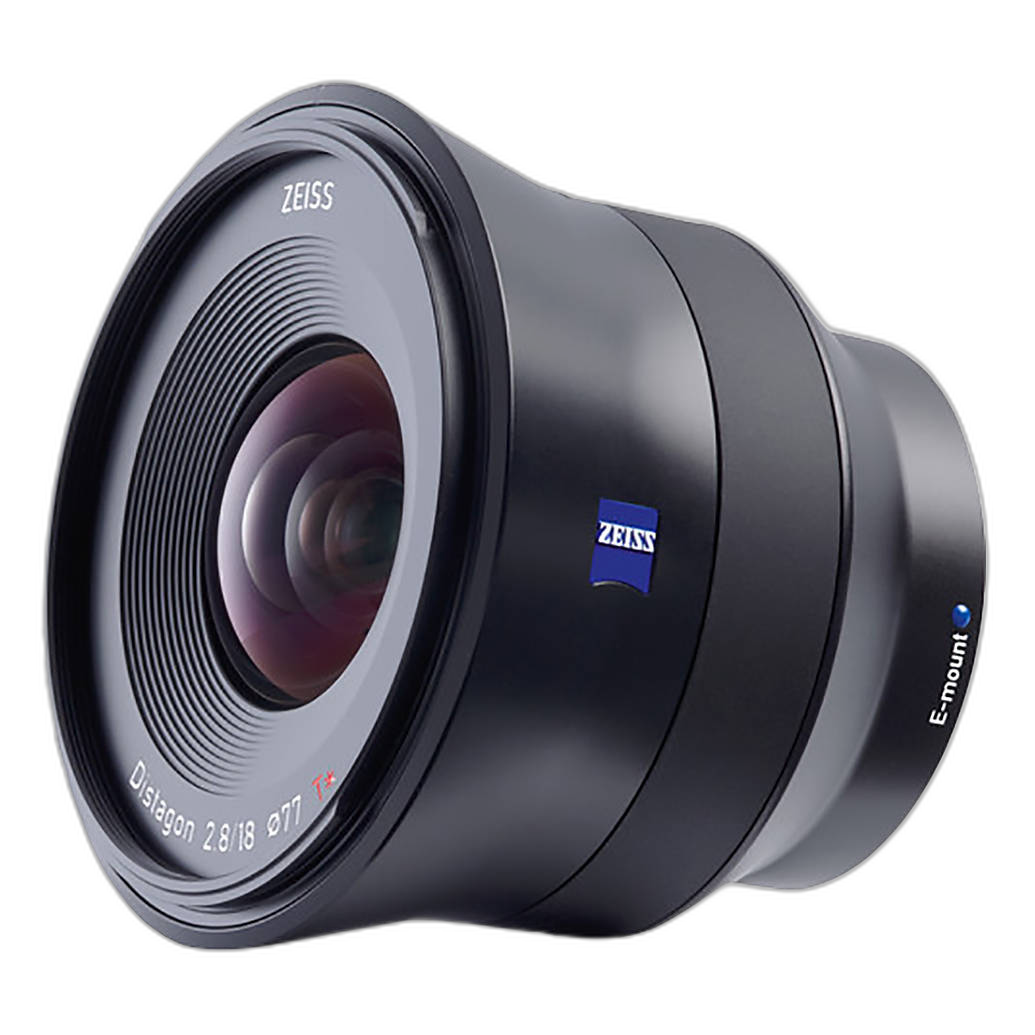
Pairing the a7 IV with a compact ultra‑wide like the Zeiss Batis 18mm f/2.8 (pictured) gives creators crisp, contrasty footage for vlogging and interiors while keeping stills tack‑sharp for landscapes and architecture.
Key Features That Make It a Hybrid Workhorse
High-Resolution Stills Without Sacrificing Speed
The a7 IV’s 33MP full‑frame sensor strikes a sweet spot: it’s high enough for detailed product shots, portraits, and double‑page spreads, yet manageable for workflows that don’t want to choke on massive files. Color is flexible and mature, with excellent skin tones straight out of camera and flexible RAW files for grading and retouching.
10-bit Video That’s Easy to Grade
For video, the a7 IV records 4K up to 60p in 10‑bit 4:2:2, with All‑I and Long GOP options. At 24/30p, footage is oversampled from 7K for excellent detail; at 60p you get a Super 35 crop that’s still sharp and highly usable. Picture profiles like S‑Cinetone provide a cinematic base look for fast turnaround content, while S‑Log3 captures wide dynamic range for colorists.
Autofocus You Can Trust in Both Modes
Sony’s Real‑time Tracking AF with human and animal eye detection remains among the most reliable. For hybrid shooters, that means eye‑lock portraits one minute and confident face tracking in video the next, with minimal hunting under mixed lighting.
Stabilization and Handling Designed for Creators
In‑body image stabilization helps keep handheld stills and gimbal‑light video smoother, and the fully articulating screen makes self‑shooting easy. The dedicated photo/video switch streamlines setup when you bounce between modes, keeping custom settings separate.
Connectivity and Workflow
Dual card slots (one CFexpress Type A/SD combo and one SD UHS‑II) offer redundancy and flexible codecs. USB‑C streaming and fast tethering simplify live content and studio sessions. Battery life is dependable for all‑day hybrid shoots.
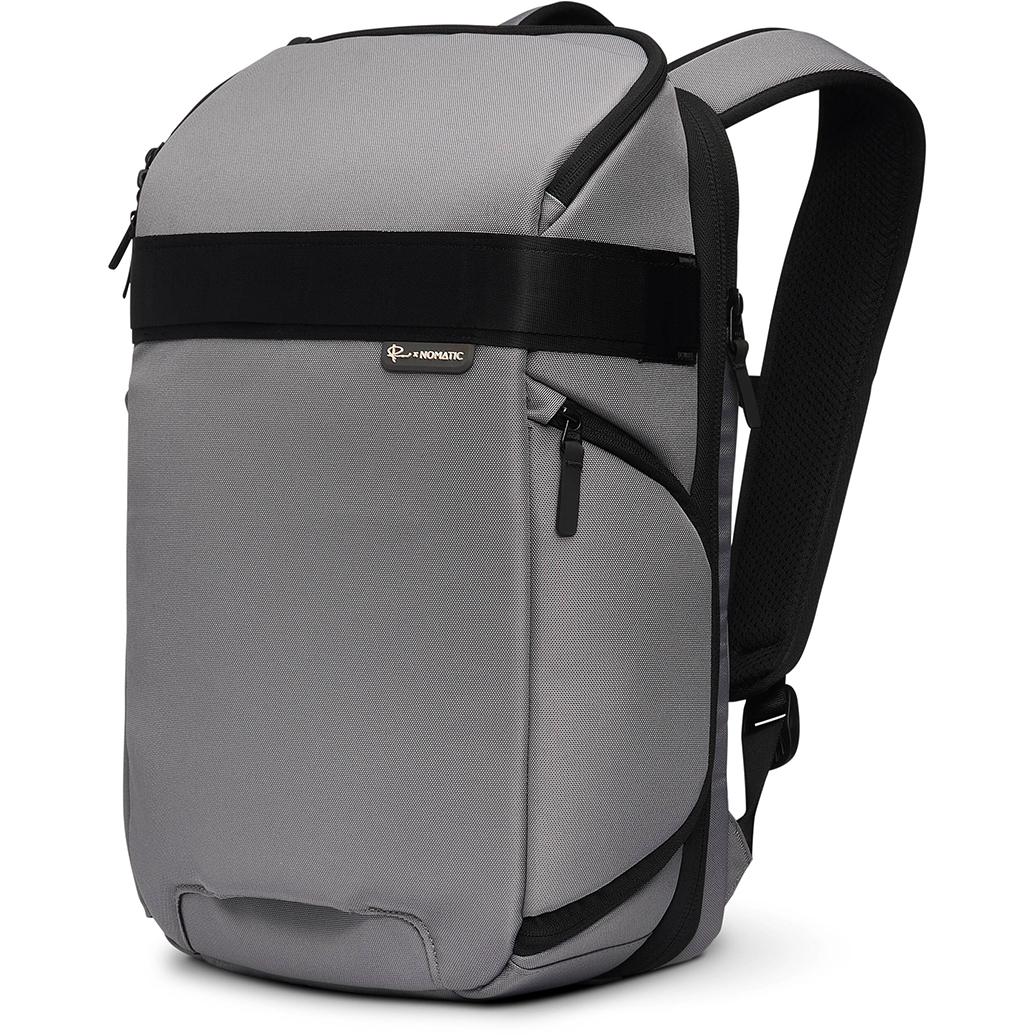
Round out a nimble hybrid kit with smart carry like the Nomatic Luma Camera Pack 18L (pictured). It’s sized right for a body, two lenses, mic, and batteries—perfect for creators who move fast between photo and video assignments.
Real-World Performance
In practice, the a7 IV’s color and AF hit rates reduce retakes, while oversampled 4K at 24/30p delivers crisp footage with manageable rolling shutter. The 60p crop is a practical tradeoff when you need slow motion. Sony’s menus are much improved, the grip is comfortable for long days, and the lens ecosystem—from compact primes to cinema zooms—lets you evolve your kit as your work grows.
Pros and Cons
- Pros
- Balanced 33MP stills and 10‑bit 4K up to 60p for true hybrid flexibility
- Class‑leading AF for faces, eyes, and subjects in both photo and video
- Oversampled 4K 24/30p looks exceptionally detailed
- Dedicated photo/video switch and articulating screen streamline workflow
- Deep E‑mount lens ecosystem with excellent third‑party options
- Cons
- 4K60 uses a Super 35 crop; wide‑angle coverage requires planning
- Rolling shutter is improved but still noticeable in fast pans
- CFexpress Type A media can be pricey if you need top codecs
- IBIS is good, but some rivals stabilize a touch better for walking shots
Who Should Choose It
Wedding and event shooters, brand content creators, travel and doc storytellers, and hybrid freelancers who need reliable AF, attractive color, and a streamlined switch between stills and video will get the most value. Pure video specialists may prefer bodies with open‑gate or higher frame‑rate options, while dedicated photographers who never touch video might favor a higher‑resolution stills camera.
Verdict
The Sony a7 IV remains the best overall hybrid camera for most creators because it prioritizes consistency over extremes: excellent stills, professional‑grade 10‑bit video, bulletproof autofocus, and creator‑friendly ergonomics. It’s the camera you can take to any job and trust to deliver, which is ultimately what “best hybrid” should mean.
Recommendation and Where to Buy
Get the Sony a7 IV at Unique Photo, and consider pairing it with a compact ultra‑wide like the Zeiss Batis 18mm f/2.8 for dynamic establishing shots, plus a thoughtful carry solution such as the Nomatic Luma Camera Pack 18L for fast, lightweight run‑and‑gun work. Unique Photo’s team can help you tailor a lens and accessory kit that fits your hybrid workflow and budget.