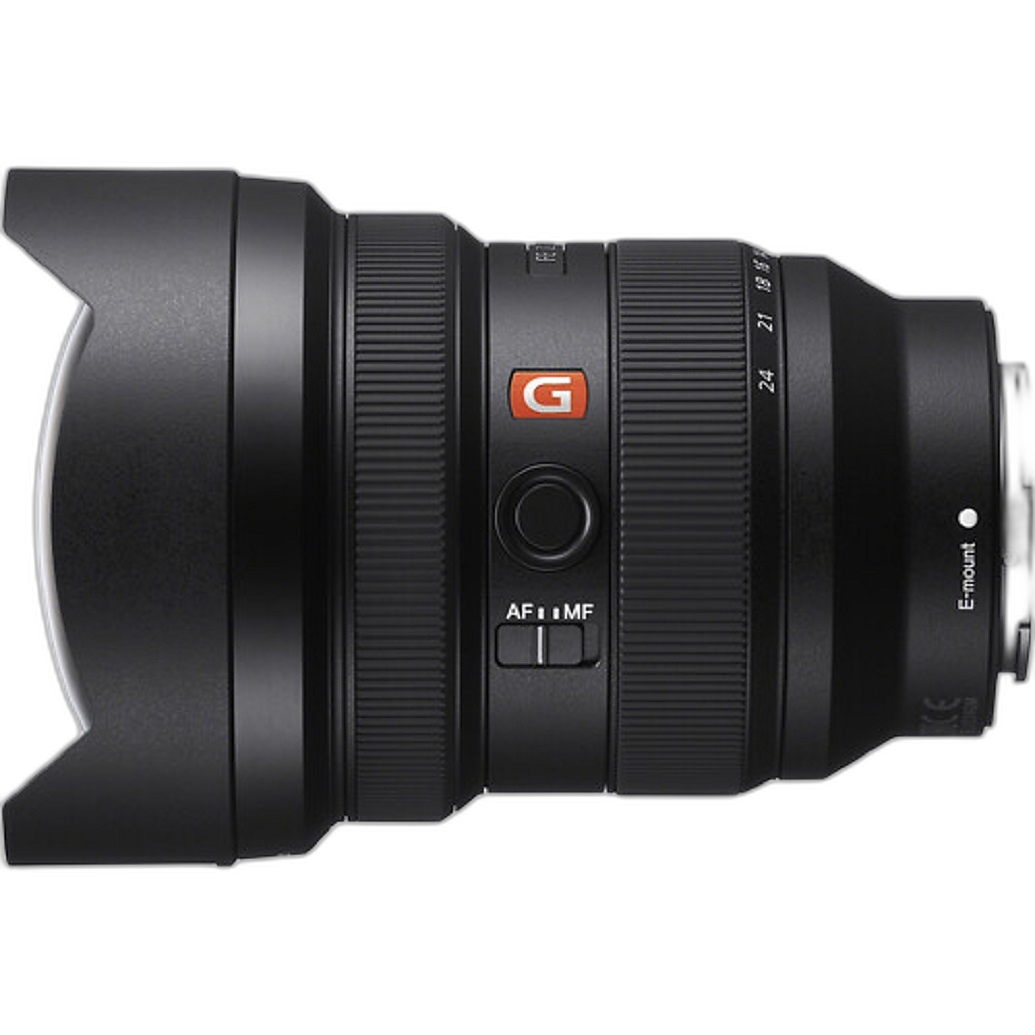
Sony’s Lens Compare Beta is a slick, data-rich way to contrast FE-mount lenses before you buy. But how closely do those charts and simulations predict what you’ll see in the field? As a retailer that helps photographers choose the right glass every day, Unique Photo puts the tool in perspective—highlighting where it’s spot-on, where it can mislead, and how to pair it with hands-on testing for the best decision.
What Sony Lens Compare Beta Shows (and What It Doesn’t)
The Sony Lens Compare Beta tool typically visualizes:
- MTF charts and sharpness/contrast projections
- Distortion and vignetting estimates (often at key focal lengths)
- Bokeh/depth-of-field simulations and aperture effects
- Weight, size, and basic specifications side by side
These insights are invaluable for shortlisting. However, some critical real-world factors aren’t fully captured:
- Autofocus behavior in low light or tracking scenarios
- Focus breathing (vital for video)
- Flare/ghosting and weather impacts
- Copy-to-copy variation and field curvature
- Stabilization performance when combined with IBIS
- Firmware-driven improvements over time
Lab Metrics vs Field Results: Why Lenses Feel Different Outside
Even when two lenses look similar in Sony’s charts, real-world shooting can separate them:
- Autofocus: Charts can’t show confidence and consistency with eye/subject tracking or how quickly a lens snaps to focus in dim venues.
- Focus Breathing: Not always obvious in spec sheets, but it’s a big deal for video framing during racking or when shifting focus at longer focal lengths.
- Stabilization: OSS plus IBIS can outperform expectations—or not—depending on body and firmware. The tool can’t replicate your exact body synergy.
- Flare/Backlight: Coatings and optical design matter. Sunset landscapes or stage lights reveal differences unseen in clean lab conditions.
- Minimum Focus Distance: Close-up rendering and magnification impact subject isolation and detail in the field beyond simple sharpness charts.
- Sample Variation: Real copies can have slight decentering or variance. Benchmarks reflect averages, not an individual sample.
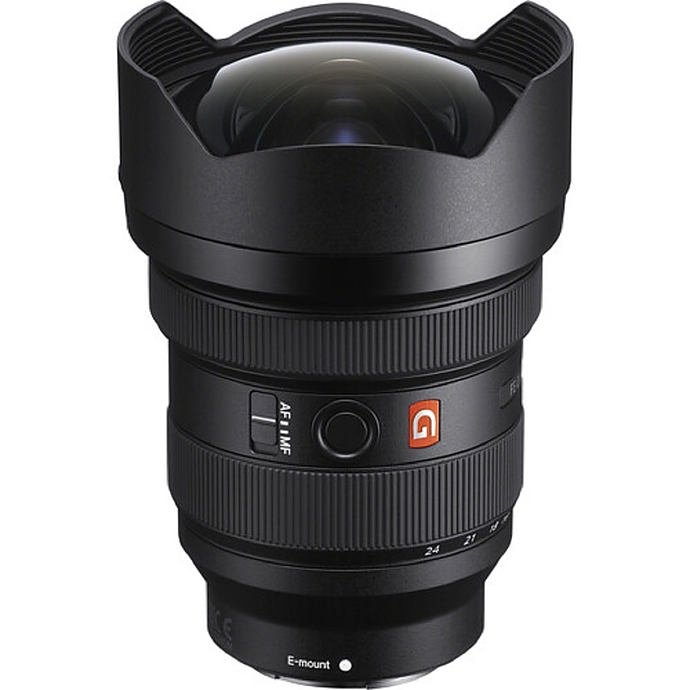
Case Study: Ultra‑Wide Pro Work — Sony FE 12–24mm f/2.8 GM
On Sony’s Lens Compare Beta, the FE 12–24mm f/2.8 GM often shines with strong edge performance for an ultra‑wide zoom and high contrast wide open. In practice, that translates to:
- Architecture/Landscape: Excellent corner integrity and controlled distortion for interior spaces; minor perspective corrections usually handle what remains.
- Astro: Bright f/2.8 aperture across 12–24mm gives you shorter exposures; coma and sagittal performance are well-controlled for pinpoint stars at the edges.
- Flare Control: Coatings help with backlit cityscapes and night scenes, though positioning the sun just outside frame is still good craft.
One practical note: the bulbous front element complicates traditional threaded filters. Dedicated solutions are lens-specific (e.g., specialty holders for certain ultra‑wides); Unique Photo carries accessories like the NiSi 100mm Filter Holder for the Sony FE 14mm f/1.8 GM as an example of the kind of dedicated holder ecosystem ultra‑wide shooters often rely on.
Case Study: All‑Around Travel — Sony FE 24–105mm f/4 G OSS
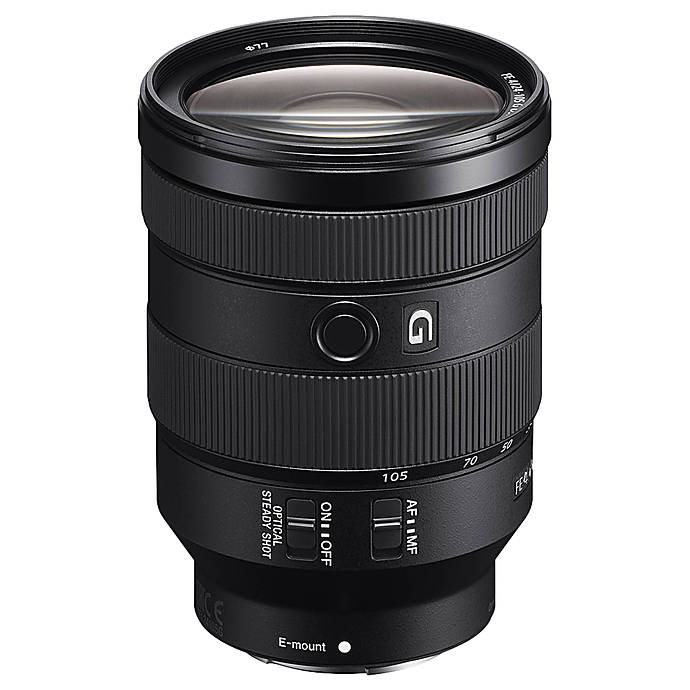
On paper, the FE 24–105mm f/4 G OSS looks like a versatile do‑everything lens—consistent f/4, useful range, and OSS. In the field, those specs deliver:
- Travel/Documentary: Reliable sharpness across the range with pleasing color and contrast; great when you want one lens that does it all.
- Video Utility: OSS plus IBIS on many bodies yields steadier handheld clips; breathing is modest for casual focus pulls.
- Portraits/Details: Close‑focus ability at 105mm offers nice subject separation even at f/4, with rendering that’s natural and controlled.
Sony’s charts will show you crispness and shading patterns, but only field time reveals how securely it hangs onto focus for moving subjects or how it balances on your specific body with accessories.
How to Use Sony Lens Compare Beta Smarter
Leverage the tool as a starting point, then validate with hands‑on testing:
- Define the job: Low‑light weddings, landscapes at infinity, or handheld video? Filter the features that matter most.
- Study the whole frame: Don’t just look at center MTF; check corners across apertures and focal lengths you actually use.
- Consider focus distance: Some lenses peak at mid‑distance; others shine at infinity or up close.
- Check stabilization context: OSS + IBIS varies by body; ask our team which combinations excel.
- Audit breathing and AF: If you shoot video or fast action, in‑person trials are the only way to judge feel and framing consistency.
- Update firmware: Performance can improve post‑launch—charts rarely reflect that evolution.
Quick Checklist: When Charts and Reality May Diverge
- Backlit or stage-lit scenes (flare/ghosting)
- Dim interiors and fast action (AF confidence/tracking)
- Handheld telephoto video (stabilization and breathing)
- Infinity landscapes vs close‑ups (field curvature/plane of focus)
- High‑resolution sensors (small differences become obvious)
FAQ: Is Sony Lens Compare Beta Accurate?
- How accurate are the MTF and sharpness graphs? Very useful for relative resolution and contrast trends, but they can’t show every nuance of field curvature, micro‑contrast, or copy variation.
- Does the tool predict bokeh? Simulations illustrate depth of field and aperture effects, but real‑world bokeh quality (cat’s‑eyes, onion rings, edge swirl) is best judged from actual photos and test shoots.
- Will it show focus breathing for video? Not comprehensively. You’ll want to test breathing on your body with your focusing style.
- Can I compare third‑party brands? The Beta typically centers on Sony lenses; third‑party comparisons may be limited or absent.
Real‑World Picks at Unique Photo
Two standout Sony options that often lead shortlists in the Compare tool—and deliver in the field—include:
- Sony FE 12–24mm f/2.8 GM: A pro‑grade ultra‑wide zoom with exceptional corner performance for interiors, landscapes, and astro.
- Sony FE 24–105mm f/4 G OSS: A travel and everyday workhorse with consistent sharpness, stabilization, and a highly practical zoom range.
Need accessory support? Ultra‑wide shooters frequently use dedicated holders—Unique Photo carries solutions like the NiSi 100mm Filter Holder for the Sony FE 14mm f/1.8 GM to illustrate the kind of tools that make tricky optics more flexible in the field.
Bottom Line
Sony Lens Compare Beta is a strong first filter: it clarifies optical trends, helps you weigh size/weight tradeoffs, and highlights obvious differences. But for autofocus feel, stabilization synergy, flare control, and rendering character, nothing beats real‑world testing. Unique Photo’s specialists can help you interpret charts, set realistic expectations for your camera body, and choose the right lens for how you actually shoot.
Suggested internal links (add hyperlinks):
- Shop Sony FE Lenses
- Explore Sony G Master Lenses
- Sony Full‑Frame Lenses
- Mirrorless Lenses
- Sony Deals and Holiday Deals
- Used Lenses & Trades
- Lens Hoods and Shades