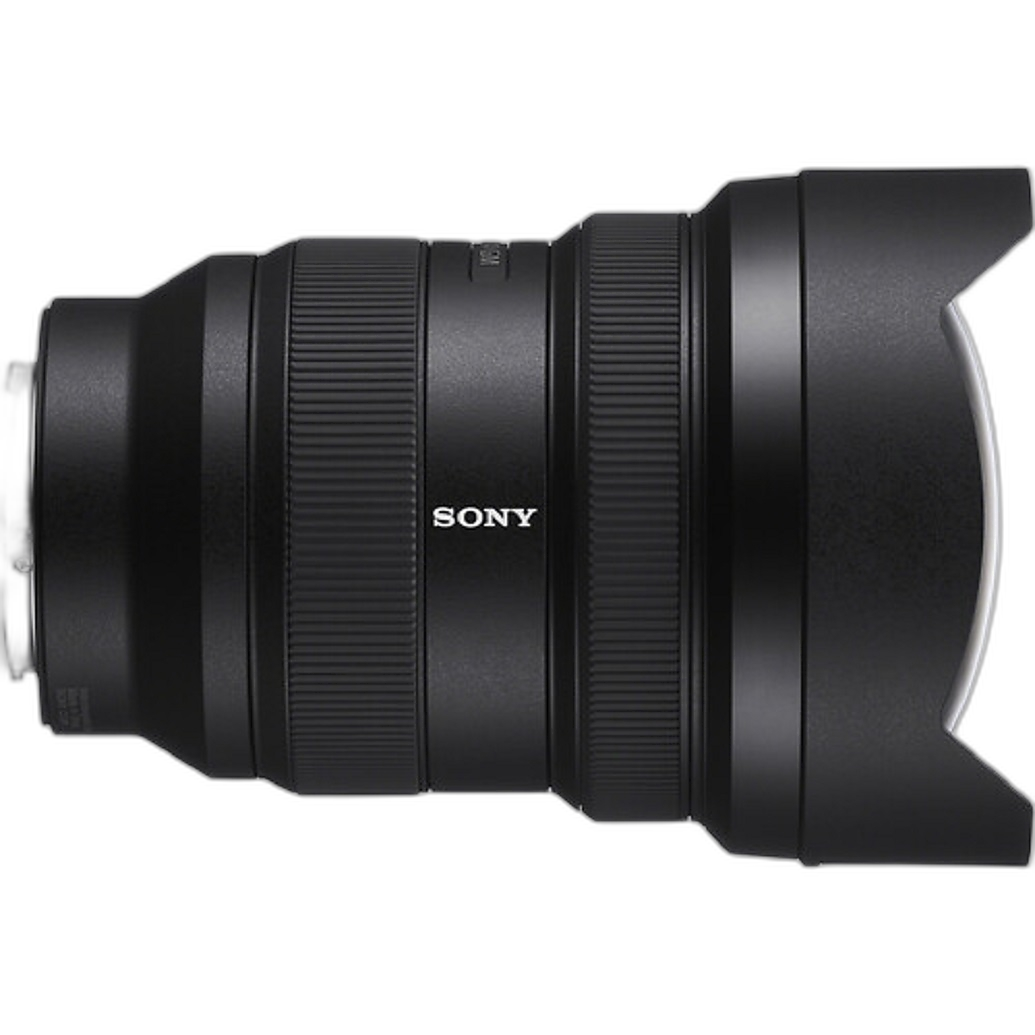
Sony Lens Compare Beta makes it easier than ever to stack Sony E‑mount lenses side by side so you can buy with confidence. As a beta tool, its interface and data may evolve, but the core workflow—shortlisting lenses and evaluating specs, optics, and handling—remains essential. Here are expert, practical tips from Unique Photo to help you get real-world answers from your comparisons and choose the best lens for your Sony camera.
How to use Sony Lens Compare Beta effectively (step by step)
- Define your goal first: Are you shooting landscapes, travel, portraits, sports, video, or macro? This keeps you focused on the specs that matter.
- Filter by format: Confirm you’re comparing lenses that match your camera’s sensor (Full‑Frame vs APS‑C). If you use APS‑C, note the 1.5x field‑of‑view crop.
- Shortlist 2–4 lenses: Too many options can muddy differences. Add your top contenders to compare.
- Scan headline specs, then dive deeper: Aperture, focal range, OSS, weight/size, minimum focus distance, and filter compatibility have real impact in the field.
- Save or screenshot results: Because the tool is in beta, capturing your findings helps you revisit key differences later.
Full‑Frame vs APS‑C: get your field of view right
Before you evaluate sharpness or bokeh, confirm the focal lengths you’re comparing give the framing you expect. On APS‑C bodies like Sony a6700, multiply focal length by 1.5 to estimate coverage. On full‑frame bodies like a7 IV or a1, listed focal lengths are native. This step prevents apples‑to‑oranges comparisons and helps you plan for gaps in your kit.
Specs that matter most when comparing Sony lenses
- Maximum aperture: A faster f/2.8 or f/1.8 helps low light and subject isolation, while an f/4 zoom may save weight and cost.
- Optical SteadyShot (OSS): Helpful for video and low‑light stills, especially on bodies without in‑body stabilization (IBIS). Combined OSS+IBIS can improve stability for many shooting scenarios.
- Weight and dimensions: Balance affects comfort and steadiness, particularly on compact bodies like a7C II.
- Minimum focus distance and magnification: Crucial for close‑ups, product shots, or environmental macro work.
- Filter compatibility: Some ultra‑wides use bulbous front elements and need specialized filter holders or rear gel filters. Always check what the lens supports.
- Weather resistance and build: G Master (GM) and G lenses often emphasize premium construction and seals. Review ratings and notes where available.
Interpreting sharpness and MTF charts in Sony Lens Compare Beta
If the tool shows MTF charts or sharpness data, look for consistency across the frame, not just center sharpness. High, flatter curves suggest strong performance; steep drop‑offs hint at softer corners. Compare wide‑open vs stopped‑down performance to gauge how quickly a lens "cleans up" at typical working apertures like f/4–f/8.
Distortion, vignetting, and flare: what to watch for
Wide zooms commonly show barrel distortion and vignetting at the widest end; telephotos may show pincushion distortion. If the compare tool includes distortion/vignetting notes or examples, factor in how easily these can be corrected in‑camera or in software. Also note any mentions of flare resistance and coatings—important for backlit scenes and night cityscapes.
Video creators: focus breathing, focus drive, and control
- Focus breathing: If the compare view mentions breathing (or shows sample clips), prefer lenses with minimal angle‑of‑view shift while racking focus—especially for interviews and narrative work.
- AF drive type and linear response: Smooth, quiet motors and linear manual focus response are beneficial for video pulls.
- OSS + IBIS: Compare stabilization notes if you shoot handheld; certain focal ranges benefit more from optical stabilization.
Real‑world matchup: ultra‑wide pro zoom vs all‑around travel zoom
Use Sony Lens Compare Beta to contrast specialized performance with everyday versatility. For example:
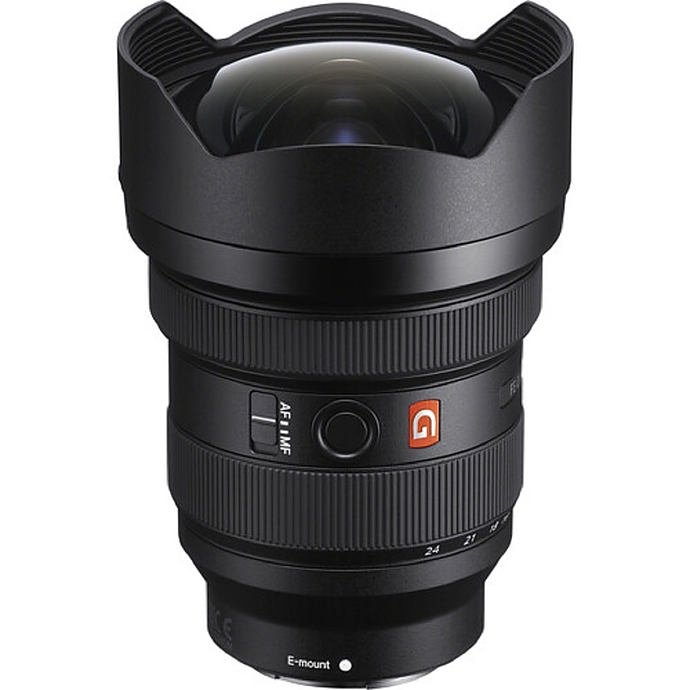
Sony FE 12–24mm f/2.8 GM is a flagship ultra‑wide that’s purpose‑built for landscapes, architecture, interiors, and astro. A bright f/2.8 helps with night skies and indoor work, while the 12–24mm range captures expansive views you can’t get with standard zooms.
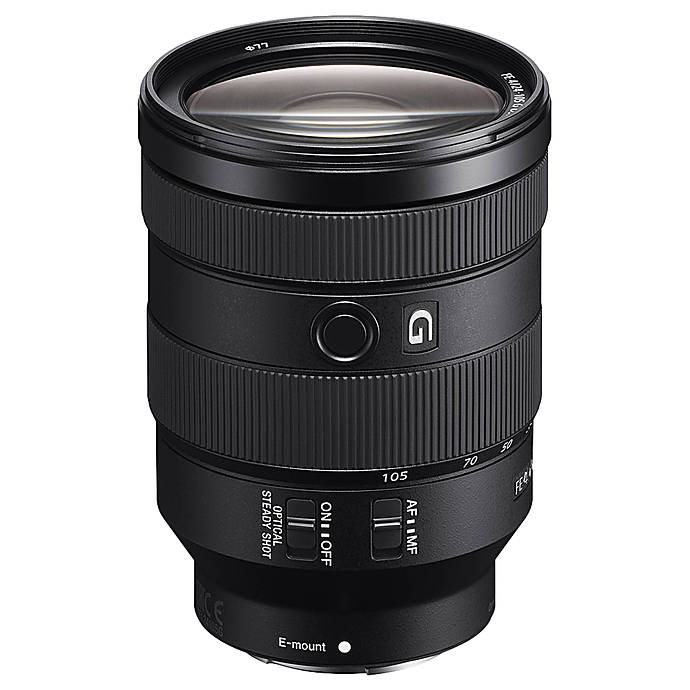
Sony FE 24–105mm f/4 G OSS is a travel‑friendly, do‑it‑all zoom with a constant f/4 aperture and built‑in OSS. It covers environmental portraits, events, street, landscapes, and detail shots without frequent lens changes—ideal when you want one lens to handle a full day.
In the compare tool, check:
- Edge performance at the wide end (12mm vs 24mm) and how quickly each lens sharpens toward the corners.
- Stabilization benefit (OSS on the 24–105mm) for handheld travel and video.
- Weight and carrying comfort across a full day of shooting.
- Filter options: many ultra‑wides limit front filter use—plan accordingly if you rely on ND or polarizers.
Filters and holders for ultra‑wide Sony GM glass
Ultra‑wide zooms with large, curved front elements often need specialized filter solutions. If your comparison points to an ultra‑wide prime like the Sony FE 14mm f/1.8 GM, consider a dedicated holder such as the NiSi 100mm Filter Holder for Sony FE 14mm f/1.8 GM (SKU NIS1076) so you can still run NDs and grad NDs for landscapes and cityscapes. Unique Photo carries a full selection of filters and holders to complete your kit.
Minimum focus distance: small details, big differences
When two lenses look similar on paper, compare minimum focus distance and magnification. For product detail, food, or nature close‑ups, the lens that focuses closer can save you from packing a dedicated macro. If you’re serious about macro precision, a focusing rail/slider like the Kaiser Macro Focusing Stage (SKU KAA205535) can help you nail critical sharpness and focus stacking.
Weight, balance, and handling on your camera body
Numbers alone don’t tell the whole story. A lens might be light yet front‑heavy, or heavier but perfectly balanced. After using the compare tool, handle your short list in person at Unique Photo when possible to feel zoom ring resistance, focus throw, and balance on your specific body with a battery, card, and strap attached.
Price, value, and system thinking
- System fit: Ask whether a lens complements what you own. A 24–105mm f/4 G OSS can fill gaps for travel even if you later add faster primes.
- Future‑proofing: If you plan to move to higher‑resolution bodies, favor lenses renowned for corner sharpness and contrast.
- Accessories: Budget for essentials like filters, hoods, and support—these often make a bigger difference than tiny spec differences.
Quick checklist for Sony Lens Compare Beta
- Confirm sensor format (FF vs APS‑C) and intended field of view.
- Compare max aperture and stabilization for your shooting conditions.
- Evaluate sharpness across the frame at key apertures you’ll actually use.
- Look for distortion/vignetting notes and flare resistance.
- Check minimum focus distance and magnification for close‑up needs.
- Verify filter compatibility and accessory options.
- Weigh the lens and consider balance on your body and gimbal/tripod.
- Read the fine print—features can change as the tool evolves in beta.
Why buy your Sony lens from Unique Photo
Unique Photo is an authorized Sony dealer with expert staff, trade‑in options, and a full ecosystem of filters, hoods, supports, and education. Bring your short list from Sony Lens Compare Beta and we’ll help you validate the right choice for your shooting style, budget, and accessories—online or in store.
Conclusion: turn comparisons into a confident purchase
Use Sony Lens Compare Beta to narrow your options, then validate real‑world fit—sharpness where you need it, stabilization for how you shoot, balance on your body, and accessory support for your workflow. When you’re ready, Unique Photo can match you with the exact lens and accessories to get the shot on day one.
Helpful internal linking suggestions for your site navigation or next steps:
- Sony E‑Mount Lenses
- Sony G Master Lenses
- Sony FE 12–24mm f/2.8 GM
- Sony FE 24–105mm f/4 G OSS
- Lens Filters & Holders (including solutions for ultra‑wides)
- Macro Accessories (e.g., focusing rails)
- Used & Trades: Upgrade path and budget options
- Photo Classes & One‑on‑One Consultations