Choosing the right Sony E-mount glass for breathtaking landscapes and fast-moving wildlife can feel overwhelming. To help, the Unique Photo team put our in-house Sony Lens Compare (beta) criteria—sharpness, autofocus, stabilization, filter compatibility, portability, and value—against two crowd-favorite zooms. Below you’ll find clear recommendations, practical tips, and accessory ideas to build a field-ready kit you’ll love.
Quick picks: Our Sony Lens Compare (Beta) recommendations
- Landscape specialist: Sony FE 12–24mm f/2.8 GM — the ultra-wide for expansive vistas, night skies, and dramatic foregrounds.
- Do‑it‑all hiking/travel zoom: Sony FE 24–105mm f/4 G OSS — versatile reach, stabilized, and filter‑friendly for landscapes and environmental wildlife.
- Wildlife‑first (beyond 105mm): Consider Sony’s telephotos (e.g., 70–200mm, 100–400mm, 200–600mm). Pair one with the 24–105mm for a two‑lens field kit.
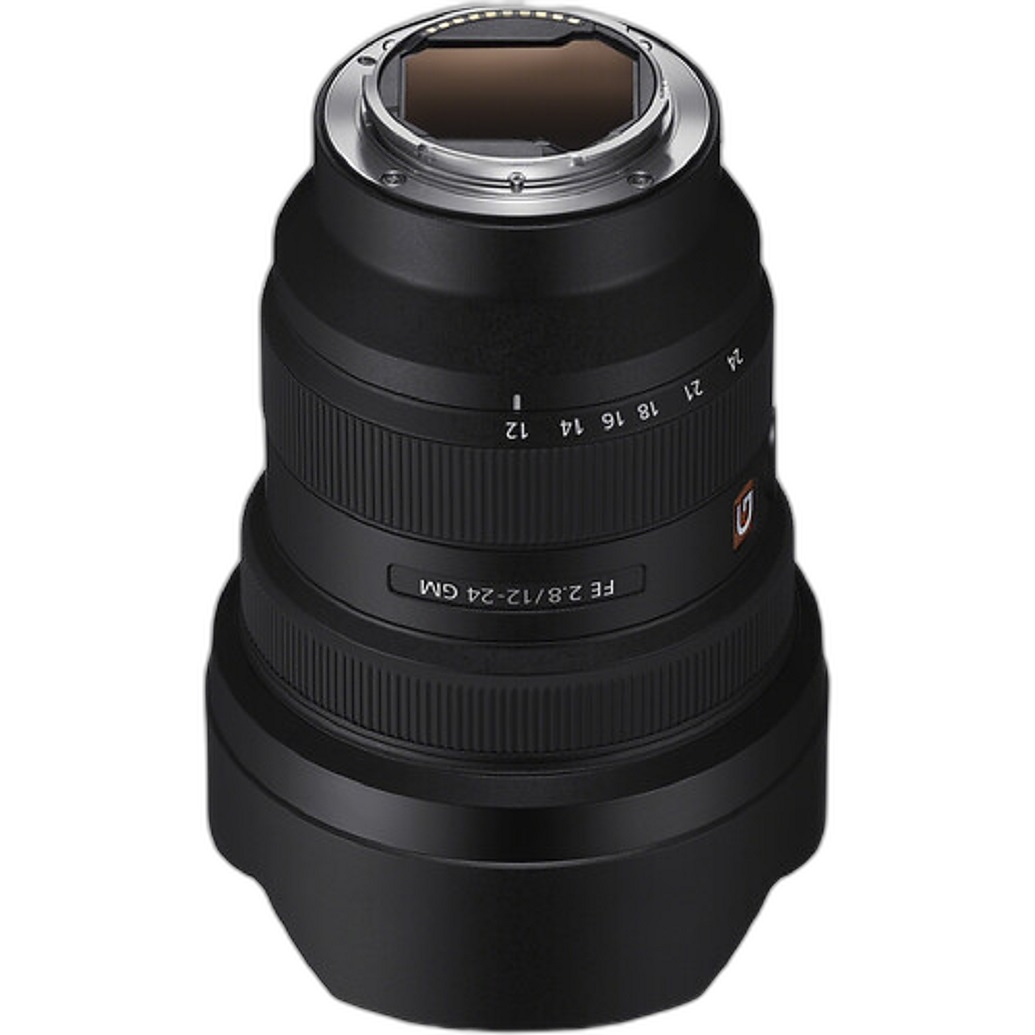
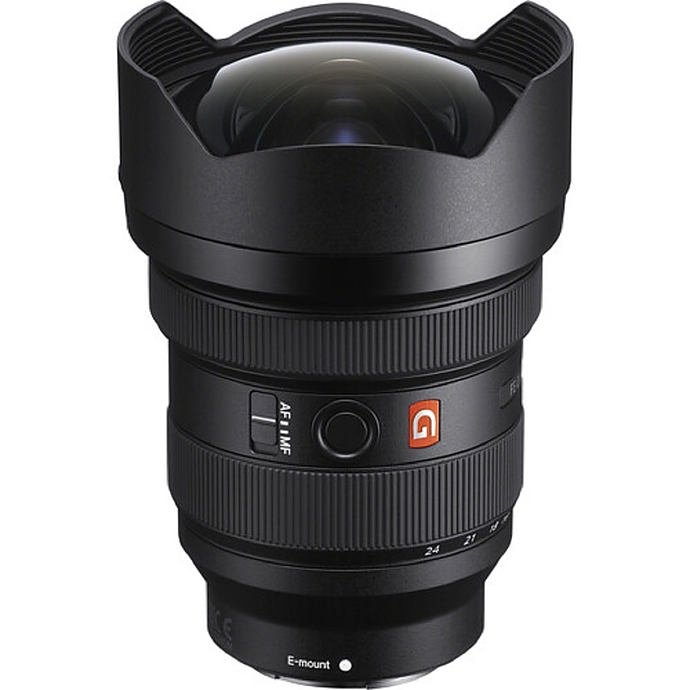
Sony FE 12–24mm f/2.8 GM: The epic landscape lens
The Sony FE 12–24mm f/2.8 GM delivers sweeping perspective, crisp corners, and a bright constant aperture—a dream for landscapes, architecture, and astrophotography. Its fast f/2.8 helps keep ISO low at blue hour and under the stars, while premium G Master optics manage contrasty scenes with impressive control over flare and coma.
Why it stands out in our beta comparison:
- Ultra‑wide coverage captures grand scale and deep foreground detail in a single frame.
- Constant f/2.8 is excellent for nightscapes, aurora, and Milky Way work.
- Pro‑grade build quality and weather‑resistant design for serious field use.
- Rear gel filter slot provides a practical way to use NDs without a front filter thread.
Things to consider:
- No traditional front filter threads due to the bulbous front element; plan for rear gels or a dedicated holder system.
- Works best when you embrace ultra‑wide techniques (leading lines, foreground anchors, and leveling horizons).
Sony FE 24–105mm f/4 G OSS: One lens for 80% of your trip
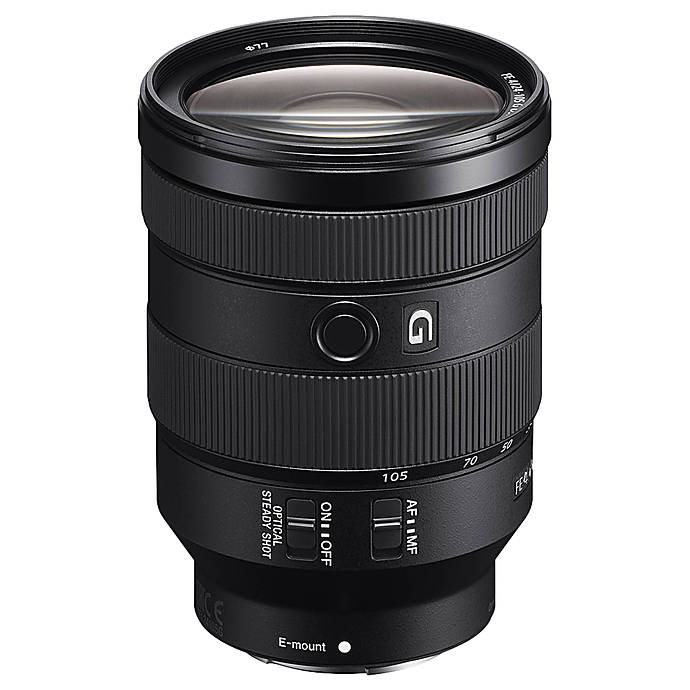
If you want one lens that rarely leaves your camera, the Sony FE 24–105mm f/4 G OSS is the sweet spot. It spans classic landscape focal lengths and reaches into short‑telephoto territory for tight compositions, details, and environmental wildlife portraits. Optical SteadyShot (OSS) helps keep shots sharp at slower shutter speeds—great for handheld travel and golden-hour shooting.
Why it stands out in our beta comparison:
- Flexible range for everything from wide vistas to compressed scenes and details.
- Optical image stabilization pairs well with IBIS on Sony bodies for steady handheld results.
- Accepts standard screw‑in filters, making it easy to use CPLs and NDs.
- Close‑focus capability for near‑macro details like textures, flora, and travel still‑life.
Things to consider:
- At f/4, it’s not the fastest option for astrophotography; plan to raise ISO or use a tripod.
- For distant wildlife, you’ll want more reach; treat this as your landscape/utility zoom in a two‑lens kit.
Which should you choose for landscapes?
- Nightscapes and ultra‑wide drama: Choose the FE 12–24mm f/2.8 GM. Its fast aperture and expansive field of view excel when the sky matters as much as the foreground.
- Hiking light and covering more scenes with one lens: Choose the FE 24–105mm f/4 G OSS. The range eases composition and reduces lens swaps on the trail.
- Waterfalls, seascapes, cityscapes with filters: FE 24–105mm f/4 G OSS makes filter use straightforward; the 12–24mm requires rear gels or a specialized holder.
- High‑resolution bodies (e.g., A7R-series): Both lenses resolve plenty of detail; choose focal length coverage first.
Wildlife and safari: Where these lenses fit—and where you’ll want more reach
For wildlife, focal length rules. The FE 24–105mm f/4 G OSS covers environmental portraits, zoo enclosures, and larger subjects at moderate distance. For birds, safari, or shy animals, plan to add a dedicated telephoto such as a 70–200mm, 100–400mm, or 200–600mm. These pair perfectly with the 24–105mm in a two‑lens kit, giving you wide‑to‑super‑tele coverage without gaps.
Wildlife shooting considerations from our beta framework:
- Autofocus performance: Match your lens to the AF prowess of your Sony body; linear motors and internal focusing help track erratic subjects.
- Stabilization: OSS (lens) plus IBIS (body) improves keeper rate when light dips.
- Hand‑holdability: Balance and grip matter for long days in the field—try before you buy at Unique Photo.
Filters, holders, and accessories for landscape success
- Polarizers: Cut glare on foliage and water, deepen skies, and boost color—simple and effective on the FE 24–105mm.
- Neutral density (ND): Smooth water, stretch clouds, and control shutter speed at midday. Graduated NDs help balance bright skies.
- Ultra‑wide filter solutions: For bulbous‑front lenses, use rear gels or a dedicated holder. Unique Photo stocks systems like the NiSi 100mm Filter Holder for the Sony FE 14mm f/1.8 GM, and similar holders are available for other ultra‑wides.
- Support: A compact travel tripod and an L‑bracket make panoramas and vertical landscapes straightforward.
Hands-on learning: Landscape field workshop
Prefer to learn in the field? Join Unique University for practical, instructor‑led sessions. Our Macro and Landscape Photography at Duke Farms with Michael Downey is a popular, approachable way to master composition, filters, and fieldcraft before your next trip.
Sony landscape and wildlife settings tips
- Landscapes: Use base ISO for maximum dynamic range; bracket exposures for high‑contrast scenes; enable focus peaking for precise hyperfocal work.
- Astro: Work wide open or 1–2 stops down for star sharpness; use manual focus with magnification; employ the 2–5 second timer to avoid shake.
- Wildlife: AF-C with subject tracking; start at action‑stopping shutter speeds; use burst modes; pre‑focus where possible.
FAQ
Can I use screw‑in filters on the FE 12–24mm f/2.8 GM?
It does not accept standard front filters; use rear gel filters or a dedicated external holder designed for ultra‑wide lenses.
Is f/4 fast enough for wildlife?
Yes—in good light. Combine OSS/IBIS with higher ISOs and fast shutter speeds. For low light or subject isolation, a faster telephoto helps.
Do I still need lens stabilization if my Sony body has IBIS?
Lens OSS and IBIS work together on compatible bodies to improve handheld performance, especially at longer focal lengths.
Bottom line
Our Sony Lens Compare (beta) recommendations from Unique Photo are clear: pick the Sony FE 12–24mm f/2.8 GM when your priority is maximum drama and low‑light landscape work, or go with the Sony FE 24–105mm f/4 G OSS when you want one trusted lens for most travel, hiking, and environmental wildlife. Add a telephoto for distant subjects, and you’ve got a robust, lightweight system ready for any adventure.
Suggested internal links for your site editor
- Sony E‑mount Lenses (category page)
- Sony G Master Collection (brand collection)
- Telephoto Lenses for Wildlife (category page)
- Filters & Holders (CPL, ND, graduated ND; include NiSi systems)
- Unique University Workshops (events and classes)
Have questions? Visit Unique Photo in store or chat with our experts online for a personalized lens recommendation.