On-the-Go News Photography: Lenses, Mirrorless Reliability, and Support FAQ
Covering breaking events means traveling light, moving fast, and coming back with sharp, compelling visuals—and increasingly, clean audio. At Unique Photo, we help photojournalists and multimedia reporters build kits that deliver under pressure. Here are concise, field-tested answers to the most common gear questions we hear.
Is a 24–70mm f/2.8 the best all-around lens for news work?
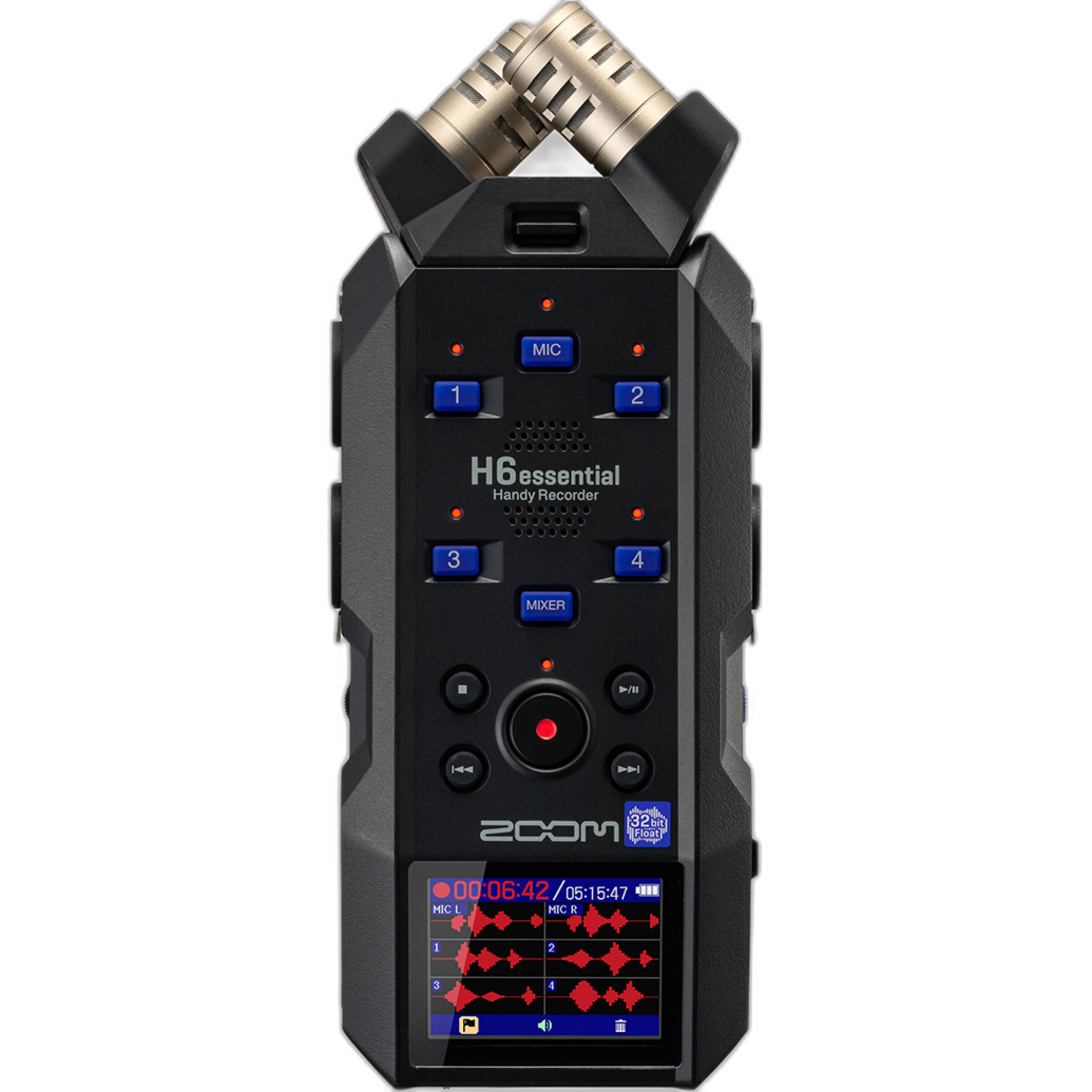
For many shooters, yes—24–70mm f/2.8 offers the right balance of speed, range, and focusing performance for general assignment work. It handles tight portraits at 70mm, context at 24mm, and most indoor lighting with that constant f/2.8. That said, choose based on your beat and body:
- Need more reach in a single lens? Consider a 24–105mm or 24–120mm f/4 for daylight and well-lit events.
- Working in dim council rooms or night scenes? Pair your standard zoom with a fast prime (35mm or 50mm f/1.8) for low light without cranking ISO.
- Sports-heavy assignments often benefit from a 70–200mm alongside a wide/standard zoom.
If you’re weighing brand-specific options or image stabilization differences, our buying guide session can clarify tradeoffs across systems and budgets.
What’s the ideal two-lens kit for fast-paced news?
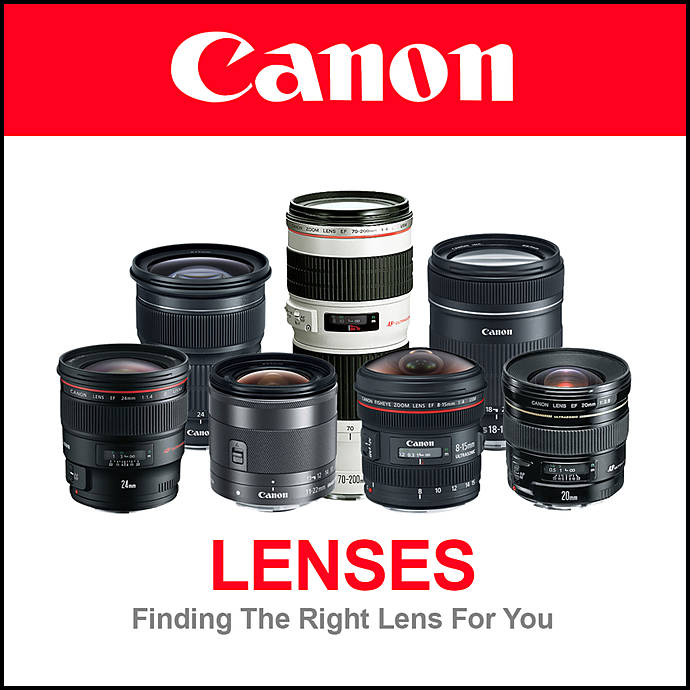
The classic two-zoom combo still rules for versatility:
- Urban/general assignment: 24–70mm f/2.8 + 70–200mm (f/2.8 or f/4 for lighter carry)
- Tight spaces and marches: 16–35mm (or 14–35mm) + 70–200mm
- All-day walking kit: 24–105mm f/4 + 70–200mm f/4 to save weight
- APS-C equivalents: ~17–50mm f/2.8 + ~50–140mm/70–180mm
Build around how you move: if you’re inside press scrums, lean wider; if you’re often on the perimeter, favor the telephoto. Add a compact 35mm or 50mm prime for low-light resiliency without adding much weight.
Are mirrorless cameras reliable enough for fast-paced news coverage?
Modern mirrorless bodies are absolutely ready for daily news: deep buffers, blackout-free EVFs, advanced subject tracking, and silent modes are real advantages. To maximize reliability:
- Use mechanical shutter when artificial lights cause banding; switch to electronic when silence matters and lighting is friendly.
- Set dual-card recording to backup for stills and proxies for video.
- Carry two batteries more than you think you’ll need; map a high-visibility battery indicator to your display.
- Pre-assign custom modes (C1/C2/C3) for “indoor presser,” “street march,” and “night scene” so you can pivot instantly.
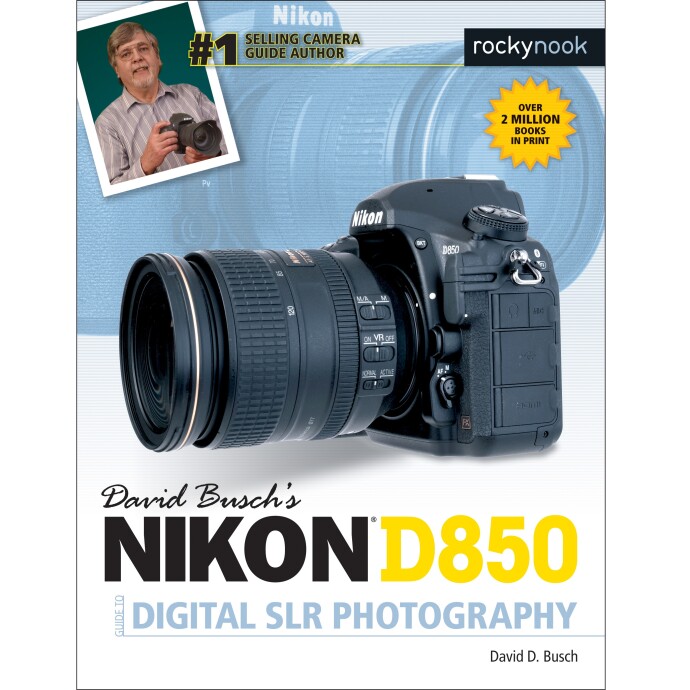
Still on a proven DSLR? That’s fine—many newsrooms run mixed fleets. If you’re refining technique on a workhorse body like the Nikon D850, a strong reference can help you squeeze every ounce of performance from it.
Do I still need fast primes if I carry an f/2.8 zoom?
Yes—one compact prime can save an assignment. A 35mm or 50mm f/1.8 buys you 1–2 extra stops without pushing ISO, keeps shutter speeds up for speech gestures, and delivers clean, intimate environmental portraits. Primes also help in tight media pits where you can’t “zoom with your feet.” If you’re brand-hopping or comparing stabilization and focus breathing for hybrid work, our lens specialists can walk you through tradeoffs in-store or online.
Tripod, monopod, or nothing for run-and-gun?
For moving coverage, a monopod is the sweet spot—support without bulk. It helps stabilize telephoto shots at rallies, keeps video clips steadier, and doubles as a path saver in tight crowds. Pack a compact travel tripod if you expect stand-ups, long exposures at night scenes, or remotely triggered shots. Otherwise, go hand-held with in-body/lens stabilization and keep your kit lean. Look for quick-release compatibility, twist-lock legs, and a minimum folded length that fits your bag’s side pocket.
How do I capture clean audio when I’m primarily a stills shooter?
Audio matters more than ever for web clips and social—don’t rely on a camera’s built-in mic. A dedicated recorder gives you cleaner preamps, safer levels, and flexible inputs. The Zoom H6Essential Series 6-Track 32-Bit Float Handheld Recorder is a field-friendly choice: 32-bit float recording protects against clipping during sudden cheers or sirens, and multiple inputs let you run a reporter’s handheld mic plus a lav or shotgun.
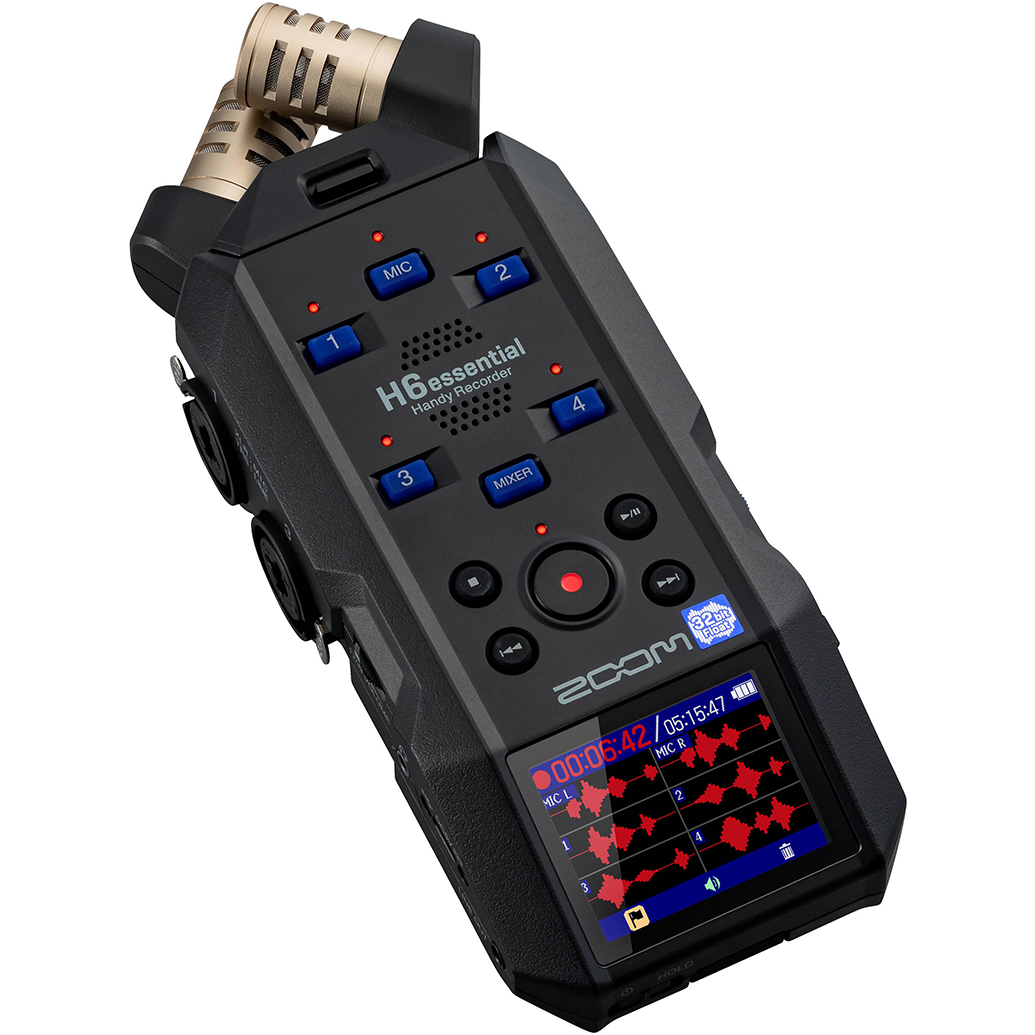
Run a short 3.5mm or line out to your camera for a sync track and keep the high-quality master on the recorder. Monitor on headphones and label files in-camera to speed handoff to desk editors.
What’s in a minimal “go” kit for breaking news?
- Mirrorless or DSLR body with dual card slots, two lenses (24–70 + 70–200 or 24–105 + fast 35mm/50mm)
- Four batteries, two fast SD/CFexpress cards per slot, card wallet
- Compact monopod, small LED panel, rain cover, microfiber cloth
- Audio: handheld recorder with lav/shotgun and short cables
- Notebook, press credentials, high-visibility vest, basic PPE
Keep everything in a shoulder bag or belt system so you can move through crowds without swinging a large backpack.
Any post-production tips to file faster on deadline?
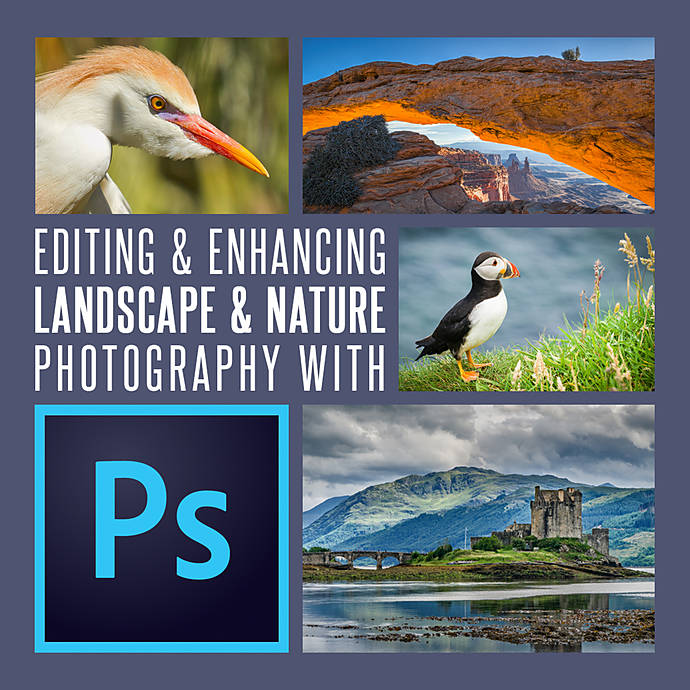
Pre-load metadata templates for bylines and captions, and set auto-apply import presets for noise reduction and tone. Cull decisively using star/flag shortcuts, then export web and wire specs via saved presets. Sharpen selectively for faces and text. Solid Photoshop fundamentals can help you fix tough frames quickly (glare, local contrast, color cast) without over-editing—skills that translate across genres.
Want to dive deeper into lens selection, camera setup, or workflow? Unique Photo offers expert guidance, classes, and a curated gear selection you can test in-store. Visit us online or in our New Jersey superstore to build a kit that’s fast, reliable, and ready for the next call.