News Photography Ethics & Law: Model Releases, Minors, and Editing Guidelines
Working as a news photographer means making fast decisions with lasting consequences. At Unique Photo, we help journalists and freelancers navigate the line between what’s legal, what’s ethical, and what best serves the public interest. This FAQ distills practical guidance to keep your reporting accurate, respectful, and defensible. (This article is educational and not legal advice; consult your editor or an attorney for specific situations.)
Do I need a model release for news photos shot in public?
For editorial use in the United States, images taken in public are generally protected by the First Amendment and typically do not require a model release. Publications may run your photos to report the news, illustrate public events, or document matters of public interest. A release is usually required when the image is used for commercial purposes—such as advertising, promotional materials, or product endorsements—because it implies a person’s association with a brand. If you license to stock agencies, review their policies; many require releases for certain uses even if the shot is editorial.
Key points to remember: (1) Consent is not the same as a release; getting someone’s verbal OK to take a picture doesn’t grant you advertising rights. (2) Expectation of privacy matters—even in public, a private moment (e.g., inside a medical office or through a window with curtains drawn) raises legal and ethical red flags. (3) Property releases can be needed for commercial uses of recognizable trademarks or private interiors. When in doubt, keep the use purely editorial and discuss edge cases with your editor.
What about private property, events, and “credential-only” areas?
Access controls the rules. On a public sidewalk, you generally have the right to photograph what you can see. Inside private venues—arenas, theaters, malls, or press pens—you’re there under terms set by the owner or event organizer. Credentials can grant access but also impose restrictions (e.g., flash bans, shooting positions, or limited publication rights). Never ignore posted rules or cross police lines; trespass and obstruction laws still apply even if you’re on assignment. If security challenges you, de-escalate, relocate to a public vantage point, and document the interaction for your editor.
How should I approach photographing minors in the news?
While editorial images of minors in public are often lawful, ethical practice demands a higher bar. Avoid identifying children in sensitive contexts (crime, medical crises, custody disputes, immigration enforcement, or school discipline). When practicable, get guardian consent and consult your newsroom about naming or showing faces. Steer clear of schools or playgrounds with restrictive policies, and consider angles that protect identity when reporting on vulnerable youth. If you’re an independent photojournalist, establish your standards in writing and stick to them.
Strengthen your approach skills—trust fosters access and better storytelling. Consider our free session, “UUOnline (Free): Photographers and Relationships with Mike Grippi,” which focuses on building rapport and communicating with subjects respectfully. 
What’s the best practice for covering crime scenes, medical incidents, and victims?
Prioritize public interest over prurience. Do not enter restricted areas; don’t publish gratuitous gore; and be mindful of images that could retraumatize victims or families. Many newsrooms avoid identifiable images of sexual assault survivors, suicide victims, or minors affected by violent crime. If a subject asks not to be photographed, weigh the news value and potential harm before proceeding. Maintain a safe distance that doesn’t interfere with first responders, and never handle evidence or cross police lines.
What editing and retouching are ethical in news photography?
Edits should not change the meaning of the scene. Tonal and color corrections, global contrast adjustments, gentle noise reduction, and output sharpening are generally acceptable. What’s not: adding or removing content, heavy cloning, deceptive composites, or extreme color grading that misleads the viewer. Cropping is allowed but should preserve context and avoid misrepresentation. Maintain your RAW files and an audit trail of edits; label any illustrative composites or “photo illustrations” clearly.
To refine your tonal workflow without crossing ethical lines, consider “Photoshop for Photographers with Adobe Certified Instructor Blake Taylor”—it emphasizes clean, accurate adjustments appropriate for editorial standards. 
How do I caption accurately and manage metadata without compromising safety?
Captions are part of the journalism. Verify names, titles, dates, and locations from reliable sources. Avoid speculation and indicate when identities are withheld and why (e.g., “Name withheld at their request”). Use IPTC fields to record time, place, contact info, and caption notes; this supports accountability and chain-of-custody if images are used as evidence. For sensitive subjects, consider generalizing location details (e.g., neighborhood instead of street address) and review with your editor before publication.
Technical precision reduces the need for heavy edits—nail exposure and focus in-camera. Rocky Nook’s “50 Things Photographers Need to Know About Focus” by John Greengo is a concise reference for getting tack-sharp results on deadline. 
Do social media and personal portfolios change the rules?
The legal distinctions remain the same: editorial vs. commercial use. However, social platforms’ terms of service may grant them expansive licenses to your content, and algorithm-driven cropping or auto-enhancement can alter presentation. Avoid attention-grabbing edits that deviate from what ran in the publication. If you blur a face or obscure identifying details for safety, disclose that in the caption. Keep portfolio uses faithful to the published context and credit the outlet when required by your agreement.
Do press credentials give me extra legal rights?
Credentials can facilitate access and logistics but don’t grant immunity from laws. They may let you into media pens, closer risers, or backstage areas—subject to rules you must follow. In public, your rights are largely the same as any citizen’s to photograph what’s visible. If an officer issues a lawful order relating to safety or a perimeter, comply and document. Ask for the public information officer when possible. Keep your editor informed and record incident details immediately.
Are there special considerations when shooting video for news?
Yes. Ethics mirror still photography, but audio introduces wiretapping and consent issues. Some states require all-party consent to record private conversations; ambient sound in public spaces is typically fine, but be cautious in semi-private settings. Avoid editing that changes chronology or meaning without disclosure. Clearly label reenactments or illustrative B-roll. As with stills, maintain original files and timecodes for transparency.
If you’re adding video to your reporting toolkit, we offer several learning options tailored to journalists: “PCS: Video for Photographers with Shiv Verma (Lumix)” for foundational video technique, and “NJCS: Transitions to Video for Still Photographers with Tony Gale (Sony)” for practical crossover skills without compromising editorial integrity. 
For a deeper dive into storytelling choices that separate documentary from narrative work, see “Filmmaking Essentials for Photographers” by Eduardo Angel. It’s a practical guide to sequencing and structure that respects factual reporting. 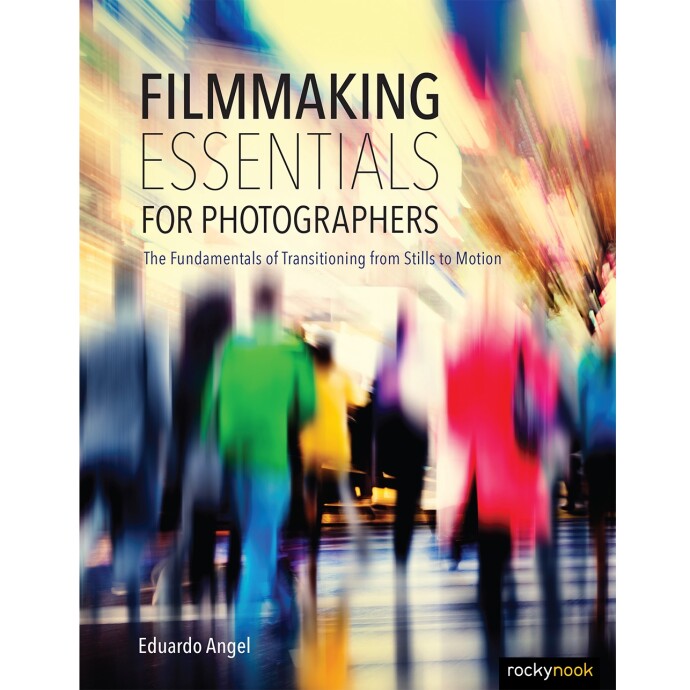
Ethical news photography protects the people you cover and the credibility you’ve earned. Whether you need skills training or gear advice, Unique Photo’s experts are here to help—online and at our New Jersey superstore. Explore our classes and books to sharpen your craft and report the truth with confidence.