Full-Frame vs APS-C vs Micro Four Thirds: Which System to Invest In?
Choosing a camera system is less about a single spec and more about how sensor size intersects with your budget, shooting style, and the ecosystem you plan to build over time. Full-frame, APS-C, and Micro Four Thirds (MFT) each offer compelling advantages—and real tradeoffs. Think of this as a long-term investment review: which format will serve you best over the next 3–5 years as your skills and projects evolve?
What Sensor Size Really Buys You
Sensor size influences three pillars of imaging: low-light performance (signal-to-noise and dynamic range), depth-of-field control, and field-of-view for a given focal length. Larger sensors (full-frame) gather more light per pixel at a given resolution and produce cleaner files at high ISO with more highlight headroom. Smaller sensors (APS-C, MFT) crop the field of view, effectively giving your lenses more “reach,” shrinking kit size and cost, and increasing depth of field at equivalent framing and aperture.
Full-Frame (35mm): Maximum Quality and Flexibility
Image quality and low light
Full-frame excels in dynamic range and high-ISO noise performance. If you routinely shoot dimly lit events, nightscapes, or want generous latitude for post-processing, full-frame files pull ahead.
Depth-of-field control
Portrait shooters and cinematic video creators appreciate the ability to render shallow depth of field with wider apertures, giving that creamy subject isolation that’s harder to achieve on smaller formats.
Ecosystem and cost
Full-frame bodies now range from entry-level to flagship, but lenses—especially fast zooms and long telephotos—remain larger and pricier. The ecosystem is rich and mature across brands, including premium primes and specialty optics.
- Pros
- Best-in-class dynamic range and high-ISO performance
- Most control over shallow depth of field
- Deep, mature lens ecosystems
- Excellent for landscape, portraits, weddings, and commercial work
- Cons
- Higher cost for bodies and lenses
- Larger, heavier kits
- Less “free reach” for wildlife/sports compared to smaller sensors
APS-C: The Versatile Middle Ground
Reach and speed for action
The crop factor (~1.5x/1.6x) is a practical benefit for wildlife and sports, getting tighter framing from smaller, lighter glass. Many APS-C bodies emphasize fast burst rates and advanced autofocus for action.
Value and portability
APS-C offers a compelling cost-to-performance ratio. Bodies and native lenses are generally more affordable and lighter than full-frame equivalents, while still delivering excellent image quality for most uses.
Tradeoffs
You’ll give up some low-light performance and ultimate dynamic range versus full-frame, and achieving ultra-shallow depth of field requires faster (often pricier) primes.
- Pros
- Balanced image quality, size, and price
- Effective telephoto reach without massive lenses
- Strong options for travel, action, and family photography
- Cons
- Less headroom in extreme low light compared to full-frame
- Shallower DOF effects require very fast apertures
- Some systems split lens lines between APS-C and full-frame
Micro Four Thirds: Portability and Stabilization First
Size, weight, and reach
MFT pairs a 2x crop with compact bodies and lenses. A 300mm lens delivers a 600mm-equivalent field of view in a hand-holdable package—huge for hikers, travelers, and long-lens shooters who prioritize mobility.
Stabilization and video features
MFT bodies often lead in in-body image stabilization and video-centric features. The deeper depth of field at equivalent framing is great for run-and-gun filmmaking, vlogging, macro, and documentary work where keeping subjects in focus is key.
Low light and bokeh tradeoffs
Compared to larger sensors, MFT shows more noise at high ISO and less subject separation at the same framing and f-number. Fast primes and good technique can mitigate this, but physics still applies.
- Pros
- Smallest, lightest kits—ideal for travel and long days
- Excellent IBIS and video-friendly features in many bodies
- Telephoto reach without the bulk
- Cons
- More visible noise at high ISO vs. larger sensors
- Harder to achieve ultra-shallow depth of field
- Lower ultimate resolution potential than top full-frame bodies
Real-World Scenarios: Quick Recommendations
- Portraits and weddings: Full-frame for DOF control and low-light flexibility.
- Wildlife and field sports: APS-C or MFT for reach and lighter telephoto setups.
- Travel and hiking: MFT for the smallest kit; APS-C if you want a bit more low-light cushion.
- Hybrid photo/video creators: Full-frame for cinematic look; MFT for stabilization and lighter rigs.
- Budget-conscious enthusiasts: APS-C offers the strongest price-to-performance balance.
Verdict and Recommendation
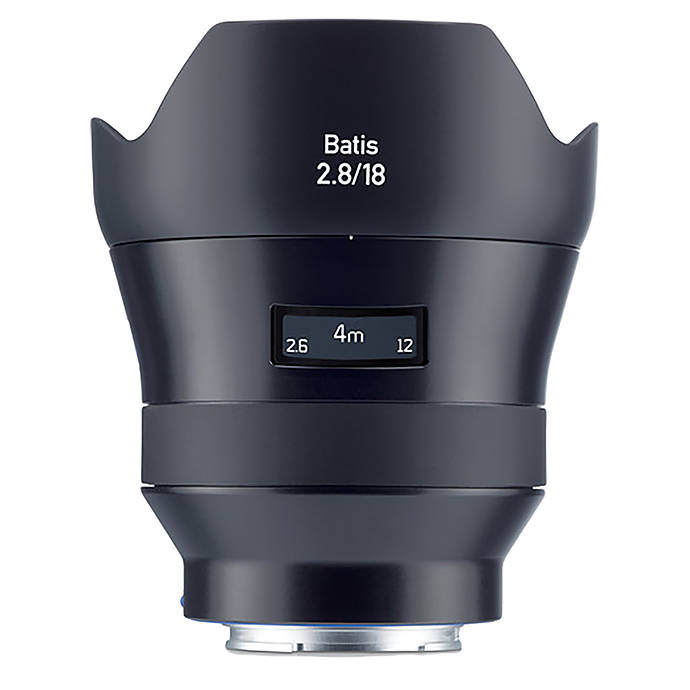
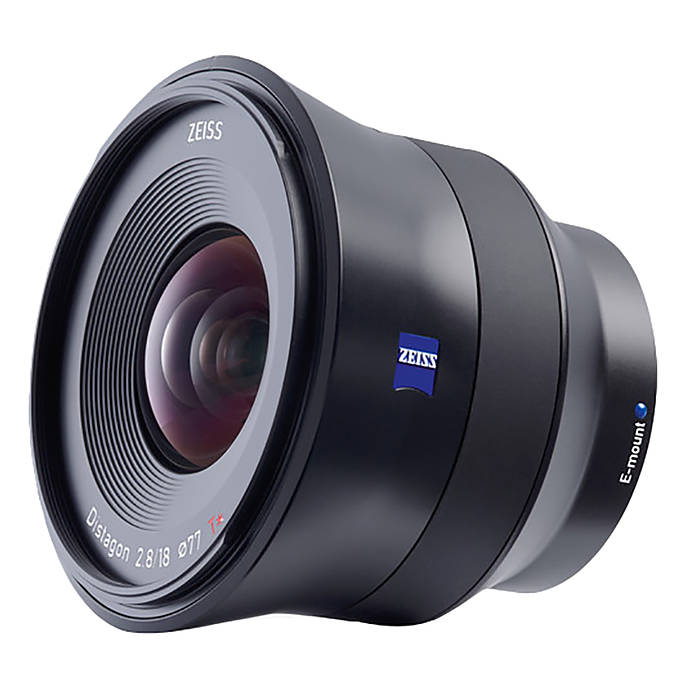
There isn’t a universal “best”—there’s a best-for-you. If you value absolute image quality, editing latitude, and shallow DOF, invest in full-frame and plan for larger lenses (think compact wide primes like the Zeiss Batis 18mm f/2.8 for landscape and architecture). If you want a balanced system for everyday shooting and action without bulk, APS-C hits the sweet spot. If portability, stabilization, and long reach in the smallest package are paramount, Micro Four Thirds is a powerhouse.
Still undecided? Visit or contact Unique Photo to compare systems side-by-side, explore lens options, and get hands-on advice tailored to your shooting style. Build the kit that supports your next few years of growth rather than just your next shoot.