Smartphone vs Compact or Entry-Level Mirrorless: Which Upgrade Makes Sense?
If you love taking photos on your phone but feel limited when the light gets difficult, the subject moves fast, or you want more creative control, stepping up to a dedicated camera can be a smart next move. The big question is whether a compact camera is enough or if an entry-level mirrorless model is the better long-term investment for your photography.
At Unique Photo, we talk with many first-time camera buyers who want better image quality without losing the convenience they enjoy on a smartphone. Here’s how to think through the upgrade and what features matter most when choosing your first dedicated camera.
Will I really see a noticeable image quality difference compared to a flagship smartphone?
In many situations, yes. Today’s premium smartphones produce excellent results, especially in bright light and for casual sharing, but they still rely heavily on computational photography. A dedicated camera typically gives you a larger sensor, more natural background blur, better highlight and shadow control, and stronger performance in low light. You’ll also usually get cleaner files with less over-sharpening and more flexibility when editing.
That said, the difference depends on how and where you shoot. If most of your photos are taken outdoors in daylight and viewed only on social media, the gap may feel smaller. But if you print images, shoot indoors, photograph kids or pets in motion, or want more control over lenses and exposure, a compact or mirrorless camera can be a major upgrade.
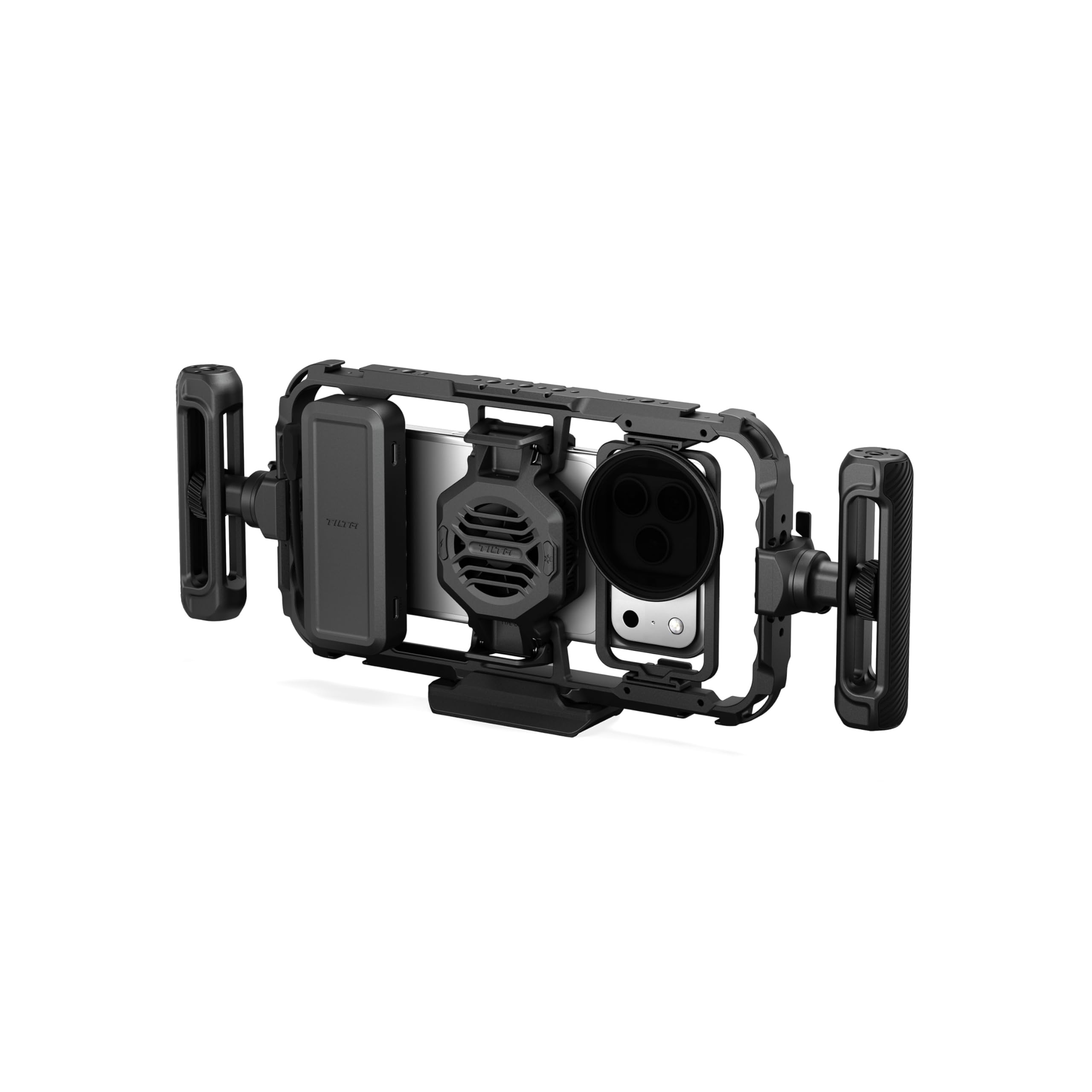
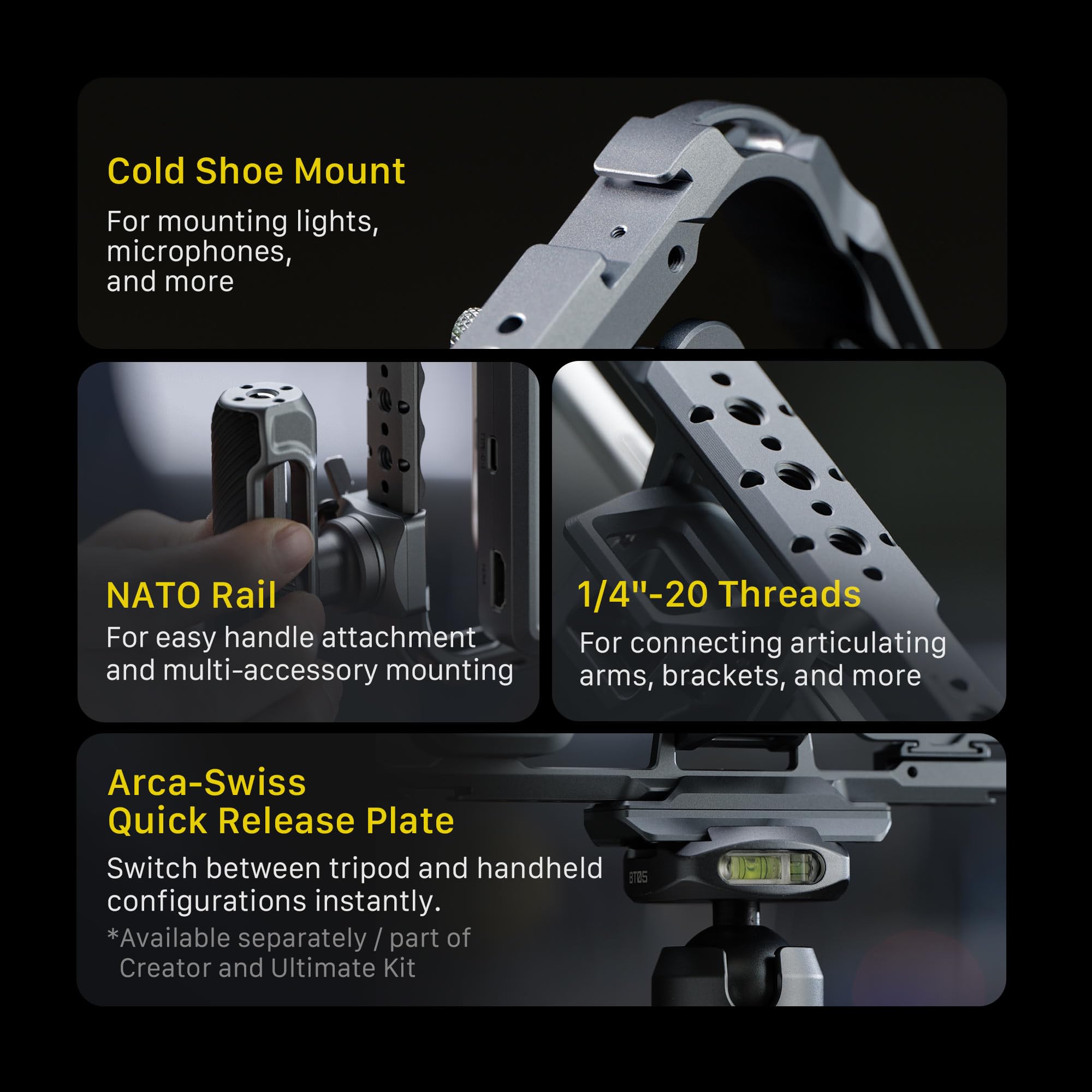
It’s also worth remembering that smartphones remain very capable creative tools. If you want to improve your mobile setup before making a full camera jump, accessories can help you get more from the phone you already use. For example, a support-oriented mobile rig like the Tilta Khronos Universal Smartphone Case Ultimate Kit can make handheld shooting more comfortable and production-ready.
Should I choose a compact camera or start with an entry-level mirrorless camera?
A compact camera is usually the better pick if portability is your top priority. If you want something easy to carry every day, simple to operate, and clearly better than a phone in the right situations, a compact model can be a very appealing middle ground. It keeps the shooting experience straightforward while still giving you dedicated camera handling and optics.
An entry-level mirrorless camera makes more sense if you already know you want room to grow. Mirrorless systems offer interchangeable lenses, stronger autofocus options in many cases, and more creative flexibility over time. They are ideal for buyers who want to learn photography more seriously rather than just improve convenience and image quality.
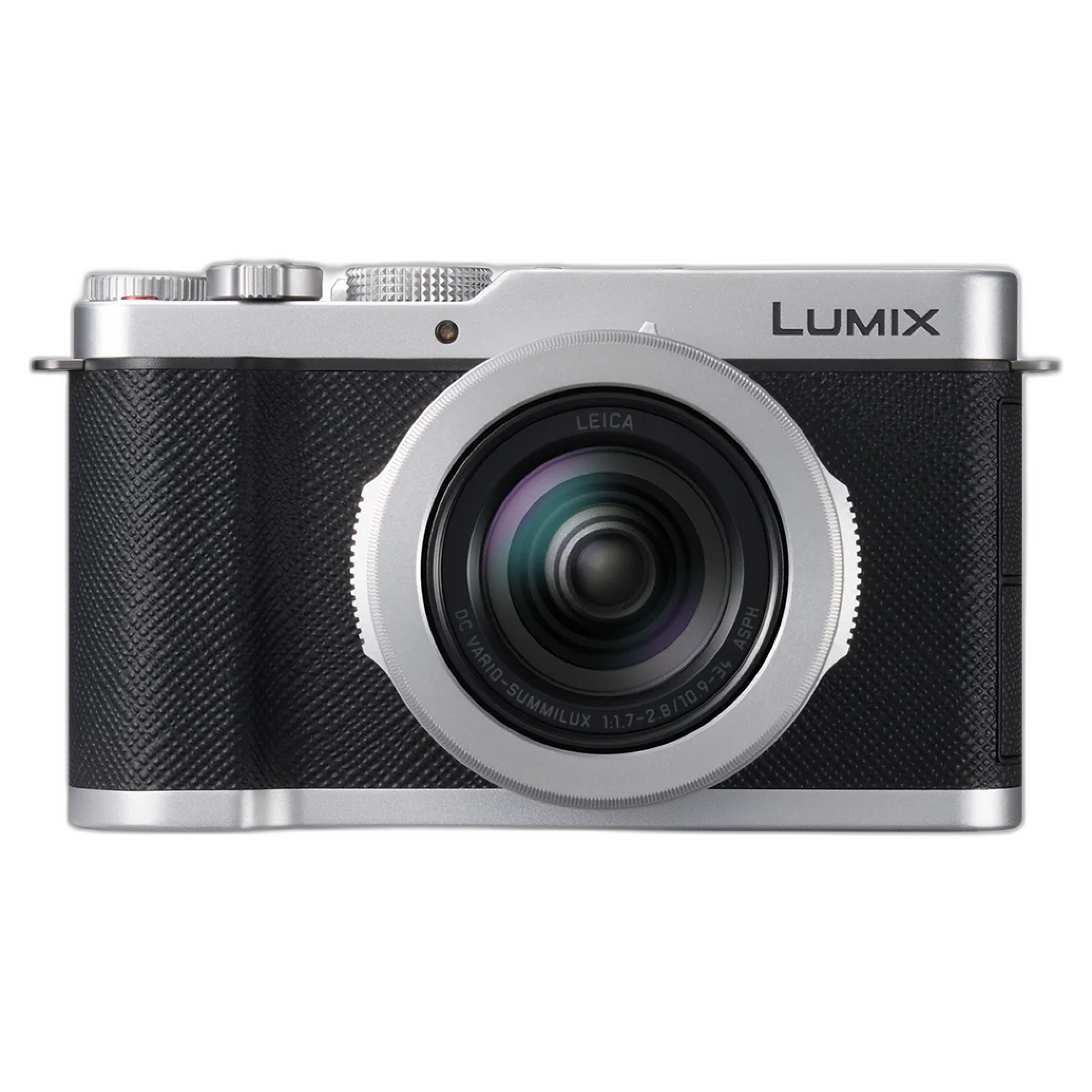
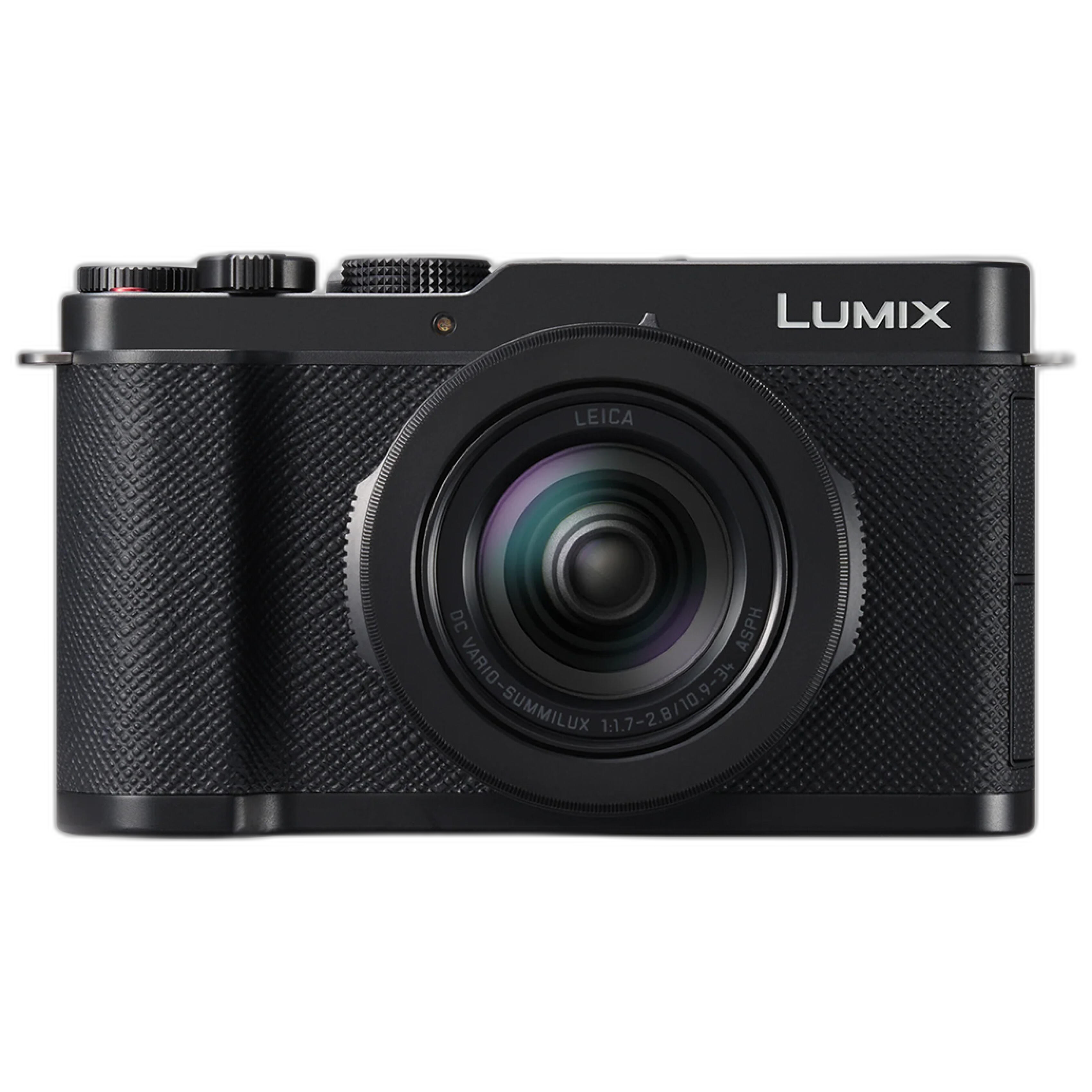
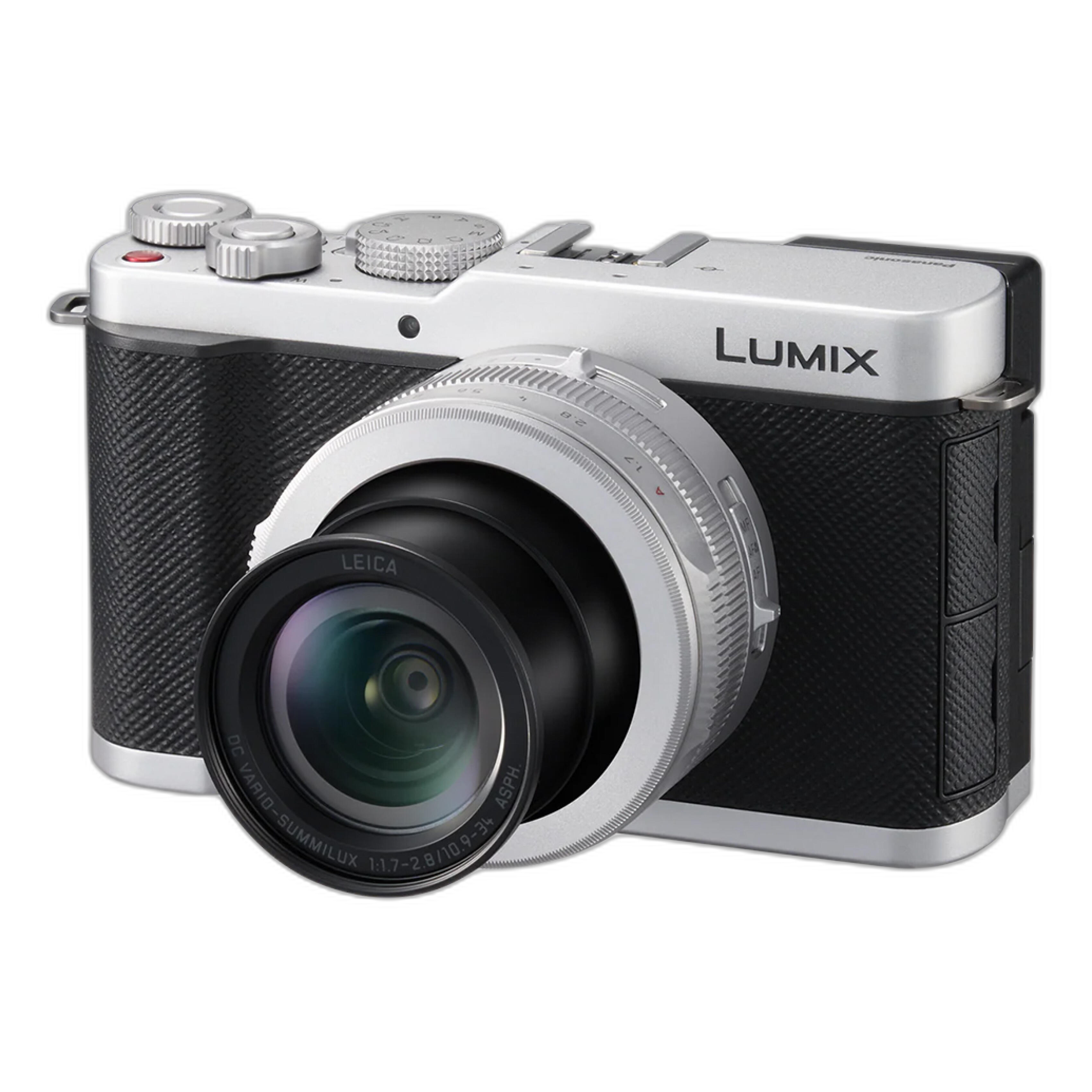
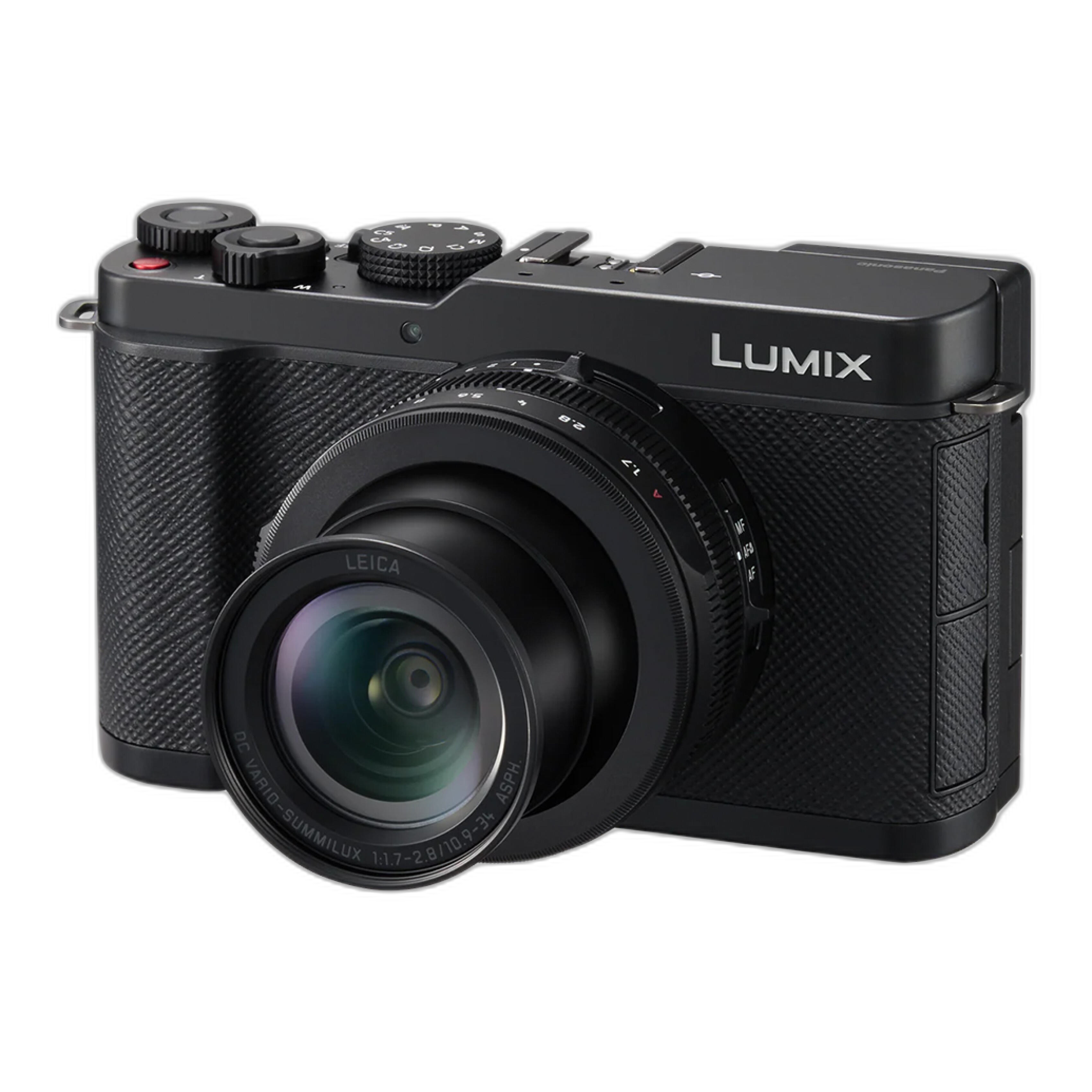
If you are leaning compact, the Panasonic Lumix L10 series is the kind of camera many beginners appreciate because it offers a dedicated-camera experience in a more approachable form factor. For shoppers who want a stylish everyday option, the Panasonic Lumix L10 M4/3 Compact Camera is available in both silver and black.
What should beginners look for in auto modes?
The best beginner-friendly cameras are the ones that let you get great results right away while still making it easy to learn later. Look for dependable full auto exposure, scene recognition, face and eye detection, image stabilization, simple menu design, and a responsive touchscreen if available. These features reduce frustration and help new photographers focus on composition instead of settings.
Strong auto modes matter because your first dedicated camera should not feel like a barrier between you and the moment. A good compact camera often shines here because it is built around quick startup, straightforward shooting, and minimal setup. If you want the experience to feel as close as possible to the simplicity of a phone while still improving photo quality, a compact model is often the easiest transition.
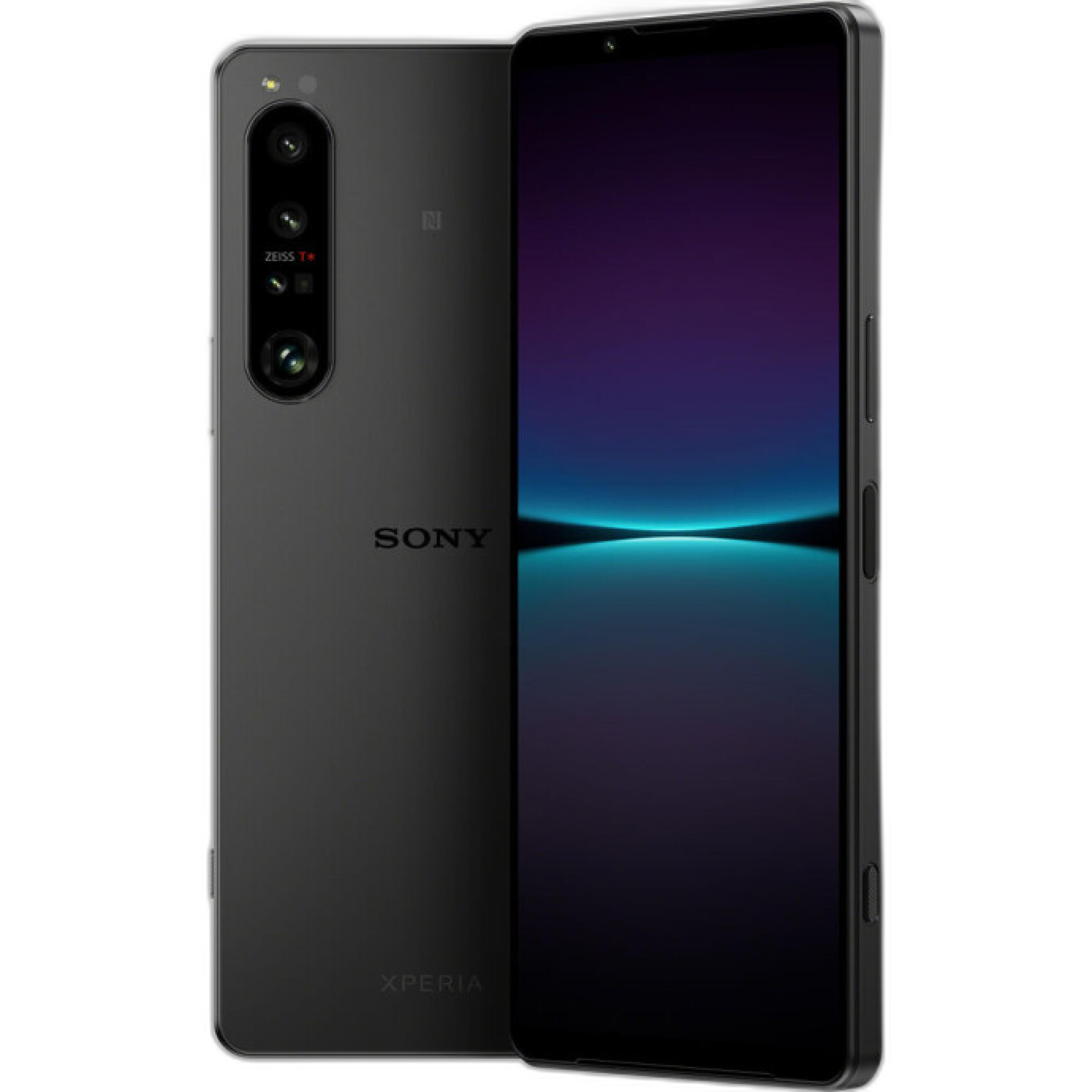
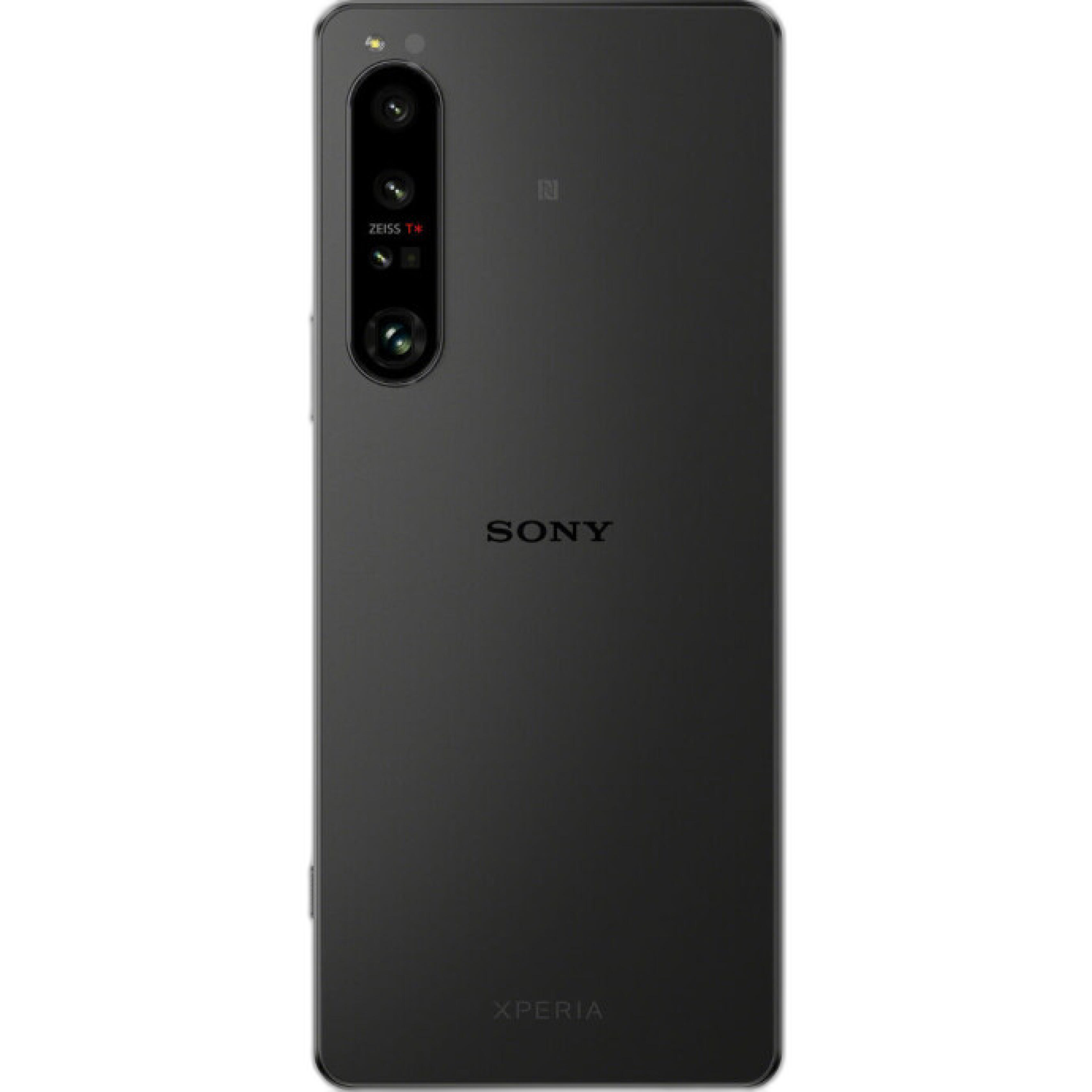
For buyers comparing phone convenience with camera quality, it can even be helpful to think in terms of workflow. Smartphones like the used Sony XPERIA 1 IV are excellent examples of why people get attached to mobile photography: they are always with you, fast to share, and easy to use. A beginner camera should complement that convenience, not make photography feel overly complicated.
How difficult is the learning curve when switching from a smartphone to a dedicated camera?
For most people, the learning curve is real but manageable. The first adjustment is simply slowing down a bit. With a smartphone, a lot of decisions happen automatically in the background. With a dedicated camera, you may need to think more about focus area, shutter speed, aperture, or lens choice. That sounds intimidating at first, but many new photographers start comfortably in auto mode and add manual control one step at a time.
The easiest path is to begin with three basics: how to hold the camera steadily, how to choose the right autofocus mode, and how light affects your image. Once those become second nature, concepts like exposure compensation and depth of field start to make much more sense. Beginners often discover that the learning curve is actually part of the fun, because each new skill leads to visibly better photos.
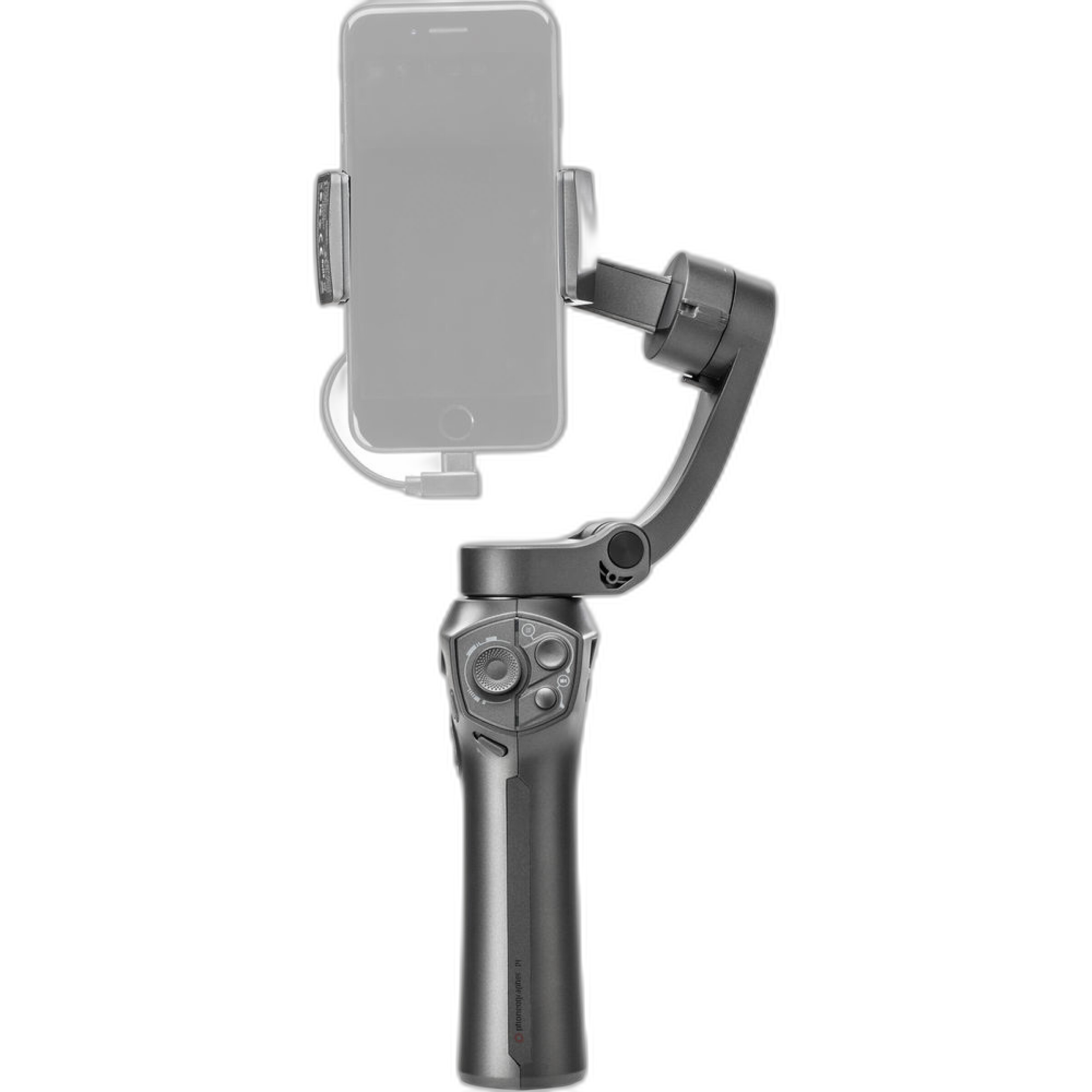
If you plan to keep shooting video or social content with your phone while learning photography, support gear can make that side of your workflow easier too. A stabilizer such as the Benro 3 Axis Handheld Gimbal for Smartphone can help keep phone footage smoother while your dedicated camera handles stills or more intentional shooting.
Are compact cameras still worth buying in the age of powerful phones?
Yes, especially for photographers who want a more focused shooting experience without carrying a larger interchangeable-lens system. Compact cameras remain useful because they give you dedicated ergonomics, optical advantages, and camera-first controls. They can also be a better choice for travel, street photography, and casual family documentation when you want more than a phone but less bulk than a mirrorless kit.
A compact camera also changes how you shoot. Because it feels purpose-built, many photographers become more intentional about framing, timing, and exposure. That alone can improve your results. If your goal is to enjoy photography more, not just collect specs, a compact model can be a very satisfying upgrade.
The Panasonic Lumix L10 M4/3 Compact Camera is a strong example of the kind of compact option that appeals to upgraders looking for a dedicated camera experience without jumping immediately into a full lens ecosystem.
What if I want to post to social media quickly from my camera?
This is one of the most important considerations for smartphone upgraders. A camera with easy phone connectivity can make a huge difference in day-to-day use. Look for built-in wireless transfer features, app-based remote control, and a workflow that lets you move photos to your phone without too many steps. If sharing is inconvenient, many beginners end up using their dedicated camera less often than they expected.
For that reason, buyers who prioritize social posting should think beyond image quality alone. The best camera for you may be the one you can comfortably shoot with, transfer from, and share quickly. In some cases, it even makes sense to keep a strong smartphone workflow alongside your camera kit, especially for behind-the-scenes content, reels, and quick edits.
If mobile content creation is part of your routine, the Sony XPERIA 1 IV remains a capable companion device, and accessories like the Tilta Khronos kit can make phone-based capture more polished for hybrid creators who use both a camera and a smartphone.
Which type of camera is better for travel, family photos, and everyday use?
For travel and everyday carry, a compact camera often wins because it is easier to bring with you consistently. The best camera is still the one you have on hand, and portability matters. If your photography is mostly vacations, weekend outings, meals, day trips, and candid family moments, a compact option can be the most practical upgrade from a phone.
For family photos involving active kids, sports, or indoor scenes, an entry-level mirrorless camera may offer more upside, especially once you pair it with the right lens. Faster autofocus and greater flexibility can be a real advantage when conditions are less predictable. In other words, compact cameras are great for convenience, while mirrorless cameras are better when you expect your needs to expand.
The Panasonic Lumix L10 models in black or silver are worth a look for shoppers who want something approachable and portable for general-purpose photography.
Should I upgrade my phone setup first or buy a dedicated camera now?
If you mainly create content for social media, shoot video clips, and want the fastest possible sharing workflow, improving your phone setup may be the smartest first step. A quality smartphone, a stabilizer, and a better mounting solution can noticeably improve consistency and handling. This path is especially sensible for creators who prioritize convenience over maximum image quality.
If you are already running into limits with low light, subject motion, natural depth of field, or editing flexibility, that usually means you are ready for a dedicated camera. At that point, a compact camera is a great low-friction entry point, while an entry-level mirrorless body is the better long-term system choice.
There is no wrong answer if your buying decision reflects how you actually shoot. Many photographers use both: a smartphone for instant content and a dedicated camera for the images that matter most.
What is the best upgrade path for a beginner who wants to grow?
The best path is the one that keeps you shooting. If you want the easiest transition, start with a compact camera that offers strong automatic performance and easy portability. If you know you want to learn lenses, exposure, and more advanced techniques, skip straight to an entry-level mirrorless system and build from there.
Either way, start simple. Use auto mode confidently, learn what kinds of photos frustrate you on your phone, and choose a camera that solves those problems. For many first-time buyers, that means balancing image quality, ease of use, and phone connectivity rather than chasing the most advanced specs.
At Unique Photo, we can help you compare compact cameras, beginner-friendly mirrorless options, and mobile accessories side by side so you can choose the right fit for your style. Explore our camera selection online or visit us to get hands-on advice from our team.