Starter Lens Kit FAQ for Travel and Portrait Photography
Building your first lens kit can feel complicated, especially when you want gear that handles both travel scenes and flattering portraits. At Unique Photo, we usually recommend starting with a practical focal-length range, then adding one or two specialty lenses that match the way you actually shoot.
The goal is not to buy everything at once. A smart starter kit gives you flexibility for landscapes, street photography, environmental portraits, and tighter headshots without overloading your bag or your budget.
What focal lengths should a beginner cover for travel and portraits?
For most photographers, a strong starter setup covers three jobs: wide views for travel, a normal perspective for everyday shooting, and a short telephoto look for portraits. In full-frame terms, that often means something around 24mm to 35mm for travel scenes, 35mm to 50mm for general use, and 85mm or so for classic portraits. If you shoot Micro Four Thirds or APS-C, the equivalent angles of view shift, so it helps to think in terms of usage rather than the number printed on the lens.
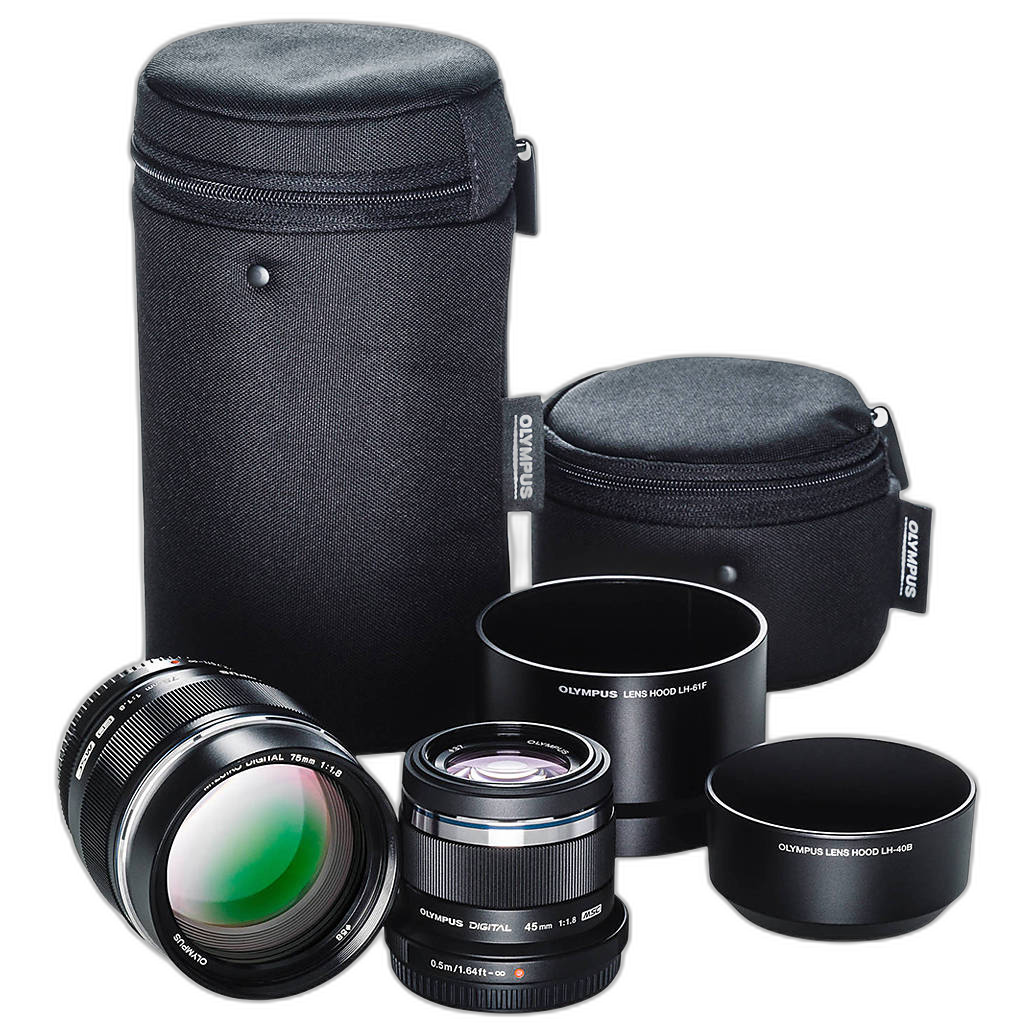
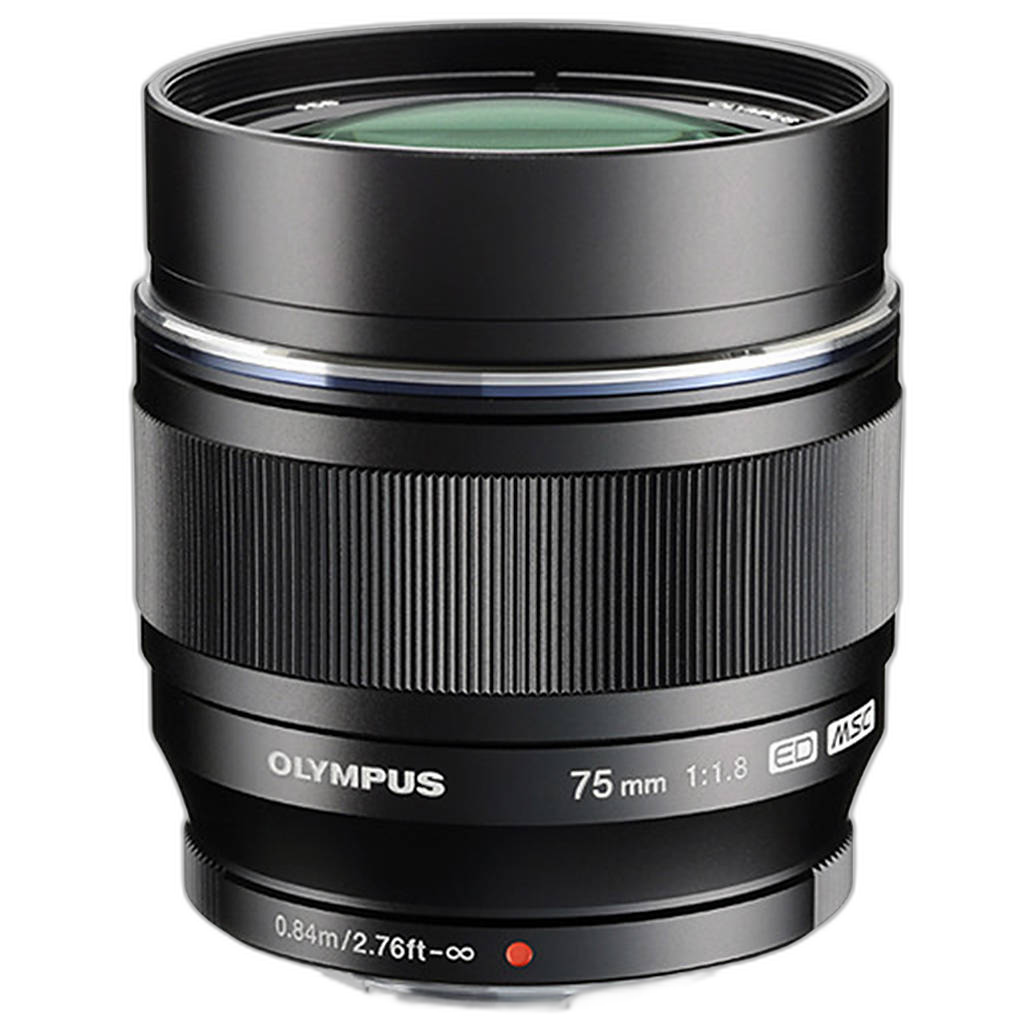
If you prefer a lighter kit, a fast compact prime can be an excellent first addition. For example, the used Olympus M.Zuiko Digital 17mm f/1.8 is a very appealing travel-friendly option for Micro Four Thirds users because it delivers a versatile everyday field of view in a small package. That makes it easy to carry all day while exploring a city, documenting family trips, or capturing environmental portraits indoors.
Should I start with a zoom lens, a prime lens, or both?
A zoom is usually the easiest place to begin because it helps you discover which focal lengths you use most. For travel, a general-purpose zoom can cover architecture, street scenes, food, and casual portraits without frequent lens changes. But once you know your habits, a prime lens often becomes the lens you love most because it can be smaller, brighter, and more creatively inspiring.
A practical approach is to begin with your kit zoom and add one fast prime. That prime gives you better low-light performance, more background blur for portraits, and a simpler shooting experience. If your camera system offers compact primes, they are often one of the best value upgrades you can make early on.
Are affordable prime lenses worth getting over a kit zoom?
Yes, very often. Kit zooms are useful because they are flexible and cost-effective, but affordable primes can noticeably improve image quality, low-light capability, and subject separation. A prime also encourages you to move your feet and think more intentionally about framing, which can help beginners improve quickly.
The used Olympus M.Zuiko Digital 17mm f/1.8 is a good example of why an affordable prime makes sense. A lens like this gives Micro Four Thirds users a bright aperture and a compact design, which is ideal for travel days when you want better performance than a slower zoom but still want a lightweight setup.
What is a good two-lens starter kit for travel and portraits?
If you want to keep things simple, a two-lens kit is often the sweet spot. Lens one should be your everyday lens for sightseeing, indoor shooting, and general scenes. Lens two should be your portrait-oriented option, whether that is a short telephoto prime or a fast normal lens if you prefer environmental portraits.
For a Micro Four Thirds photographer, pairing a compact everyday prime like a 17mm-equivalent option with a portrait lens later can create a lightweight, highly usable kit. If you enjoy experimenting with smartphone-style creativity or compact add-on shooting tools, the Sirui 3 Lens Kit can also serve as a fun way to explore wide-angle, portrait-style, and fisheye looks without committing to larger interchangeable lenses. It is not a replacement for a full interchangeable-lens system, but it can be useful for casual travel storytelling and creative perspectives.
What is a smart three-lens kit if I want more flexibility?
A three-lens starter kit usually works best when each lens has a clear role. One wide or wide-normal lens handles travel and landscapes, one standard lens covers everyday photography, and one portrait lens gives you flattering compression and softer backgrounds. This setup can take you from sunrise cityscapes to dinner-table candids to more polished portraits.
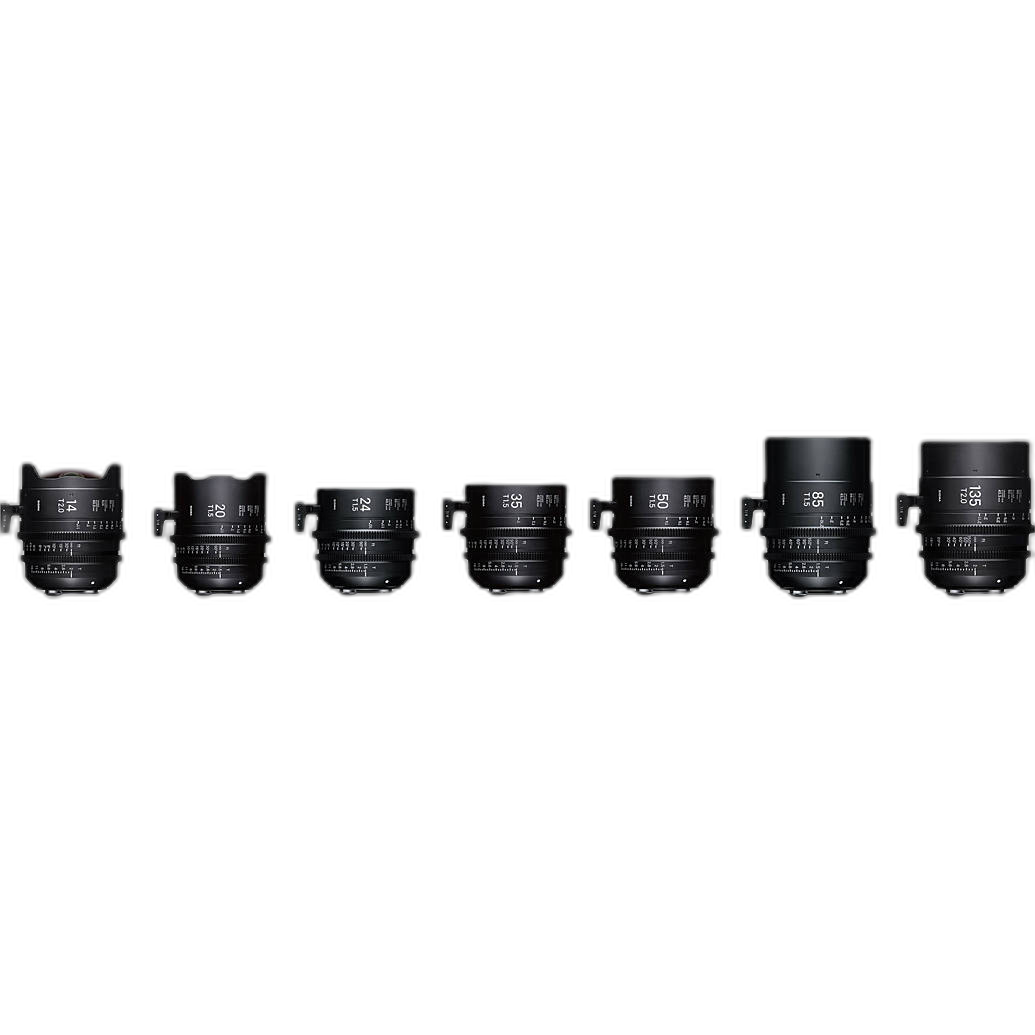
For creators who also produce video and want a more cinematic multi-lens workflow, a matched lens set becomes attractive. Sigma cinema lens kits, such as the Sigma T2/T1.5 FF 7 Fully Luminous Lens Kit for Sony E, Canon EF, or PL mount, are professional-level options built for consistency across focal lengths. These are not typical beginner still-photo purchases, but for hybrid shooters, indie filmmakers, or teams building a serious production package, a coordinated set can streamline both visual consistency and handling.
Is it better to buy third-party lenses or stick with the camera brand?
There is no universal rule that native lenses are always better. Camera-brand lenses often offer excellent autofocus integration, compact design, and strong compatibility with in-camera corrections. Third-party lenses, however, can offer outstanding value, unique focal lengths, and professional optical performance at competitive prices.
The right choice depends on your priorities. If you want the simplest compatibility path and the most straightforward support experience, native lenses are often a safe bet. If you are looking for specialized optics or better value in certain categories, third-party brands can be a smart move. Sigma is a great example of a respected third-party manufacturer with a strong reputation in both still and cinema optics. Their lens kits are especially compelling for filmmakers who need matched rendering across multiple focal lengths.
How much should I budget for my first two or three lenses?
A sensible budget depends on your system and your goals, but most beginners do well by splitting their spending into stages. First, allocate enough for one everyday lens you will actually carry. Second, save for a portrait-focused or low-light-friendly prime. Third, consider a specialty lens only after you know it fills a real need.
Buying used can be one of the smartest ways to stretch your budget. A used lens in excellent condition can deliver strong performance while leaving room for a second lens or accessories. That is one reason pre-owned options like the Olympus M.Zuiko Digital 17mm f/1.8 are appealing to newer photographers who want quality without overspending.
Do I need a dedicated portrait lens right away?
Not always. Many great portraits are made with standard focal lengths, especially environmental portraits that include part of the scene. If your first priority is travel, you may get more value from an everyday lens before buying something longer and more specialized.
That said, if portraits are a major reason you are building a kit, a dedicated portrait lens can be worth adding sooner. It gives you more flattering perspective for faces and more control over background blur. The key is to buy it because it fits your style, not because every beginner checklist says you need one immediately.
Are specialty lenses useful for travel beginners?
Specialty lenses are best as creative extras, not as your foundation. Ultra-wide, fisheye, and add-on creative optics can be fun for landmarks, interiors, and dramatic perspectives, but they should support your main kit rather than replace it.
The Sirui 3 Lens Kit is a good example of a creative toolset that can add variety to casual travel shooting. A wide-angle option can help with tight interiors and expansive city scenes, while fisheye and portrait-oriented add-ons can produce a more stylized look. For photographers who enjoy experimenting, these kinds of tools can expand creativity without requiring a full bag of interchangeable lenses.
What is the best way to choose my first lenses without making expensive mistakes?
Start by thinking about your subjects, not just lens specifications. Ask yourself whether you shoot more architecture or people, whether you travel light or do planned photo outings, and whether you care more about convenience or shallow depth of field. Then choose lenses that solve those real shooting needs.
It also helps to buy in phases, review your images to see which focal lengths you use most, and take advantage of expert guidance before purchasing. At Unique Photo, we can help you compare used and new options, understand crop-factor equivalents, and build a lens kit that makes sense for your camera system and budget.
If you are ready to build a practical starter kit for travel and portraits, shop lenses at Unique Photo and talk with our team for personalized recommendations. Whether you want a compact everyday prime, a creative add-on lens set, or a professional Sigma cinema package, we can help you choose gear that fits the way you shoot.