Film photographers love the tactile experience of shooting manual cameras, but many classic bodies either lack a built-in meter entirely or have meters that are no longer reliable. If that sounds like your setup, this guide is for you. Whether you're shooting a fully mechanical 35mm rangefinder, a medium format camera, or an older body with a questionable meter, learning how to meter properly can dramatically improve your keeper rate.
The good news is that you do not need a built-in light meter to get excellent exposures on film. With a handheld meter, a few dependable techniques, and a better understanding of how film responds to light, you can expose with far more confidence than many in-camera systems allow. Below, we cover practical metering tips and recommend several handheld meters available at Unique Photo that can help film shooters work faster and more accurately.
Why handheld metering matters for film
Film gives you a beautiful look, but it is less forgiving of guesswork than many photographers expect. Negative film usually tolerates overexposure better than underexposure, while slide film demands much tighter precision. A handheld meter helps you measure light directly instead of relying on estimation alone.
For film shooters, handheld meters are especially useful when:
- Your camera has no internal meter
- Your camera meter is inconsistent or no longer calibrated
- You shoot in tricky mixed lighting
- You want more control when rating film at a custom ISO
- You use studio flash or off-camera lighting
A good example of why an external meter matters is an older film camera with a misreading internal meter. If your body is off by even a stop or two, your negatives can suffer quickly.
Quick exposure tips when shooting film without a built-in meter
Before choosing a meter, it helps to understand the methods that make film metering more consistent:
- Meter for the shadows with negative film: Color and black-and-white negative film generally respond well when you protect shadow detail.
- Be precise with slide film: Transparency film has less latitude, so incident metering or careful reflected readings are especially important.
- Use incident metering whenever possible: Measuring the light falling on the subject is often more accurate than measuring reflected light from the scene.
- Learn Sunny 16 as a backup: On a bright sunny day, set f/16 and use a shutter speed close to your film ISO. It is a reliable emergency baseline.
- Bracket when the light is tricky: If the scene is high contrast or unfamiliar, shoot an extra frame above or below your intended setting.
- Be consistent with your film rating: If you prefer Portra 400 at EI 200 or Tri-X at EI 800, meter for that rating consistently.
Recommended light meters for film photographers
For most film photographers, the L-308X-U hits the sweet spot of portability, ease of use, and dependable incident metering. It is compact enough to carry with any film kit and versatile enough for ambient light and flash.
Sekonic L-308X-U Flashmate Light Meter
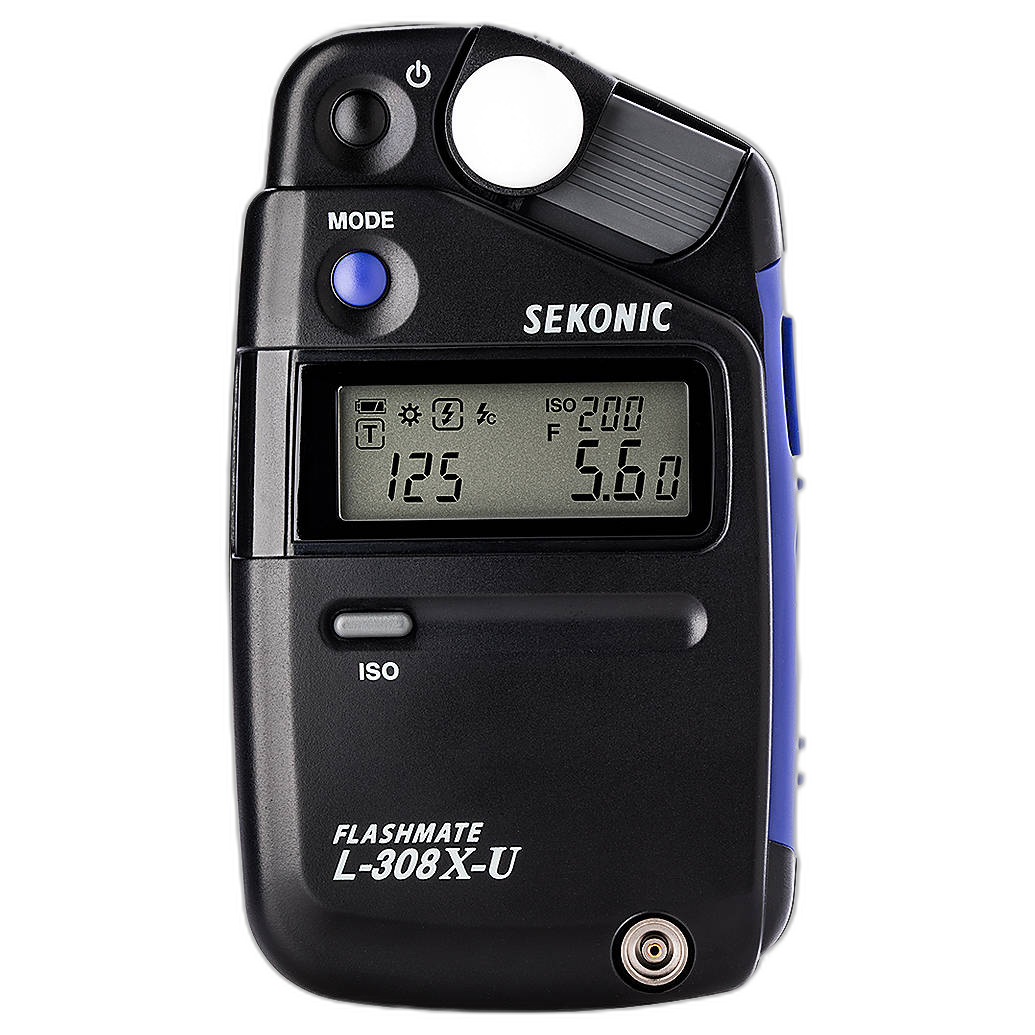
The Sekonic L-308X-U Flashmate Light Meter is one of the best choices for film photographers who want a simple, compact handheld meter they will actually bring along. Its small size makes it ideal for street, travel, and everyday film shooting, especially with meterless 35mm or medium format cameras.
It is particularly appealing for photographers learning handheld metering because it keeps the process approachable. You can quickly take an incident reading, transfer the settings to your camera, and shoot with confidence. It also supports flash, making it useful for photographers who move between natural light portraits and studio setups.
Best for: Everyday film shooters, beginners, travel kits, and hybrid ambient/flash use.
Sekonic L-398A Studio Deluxe 70th Anniversary Edition Light Meter
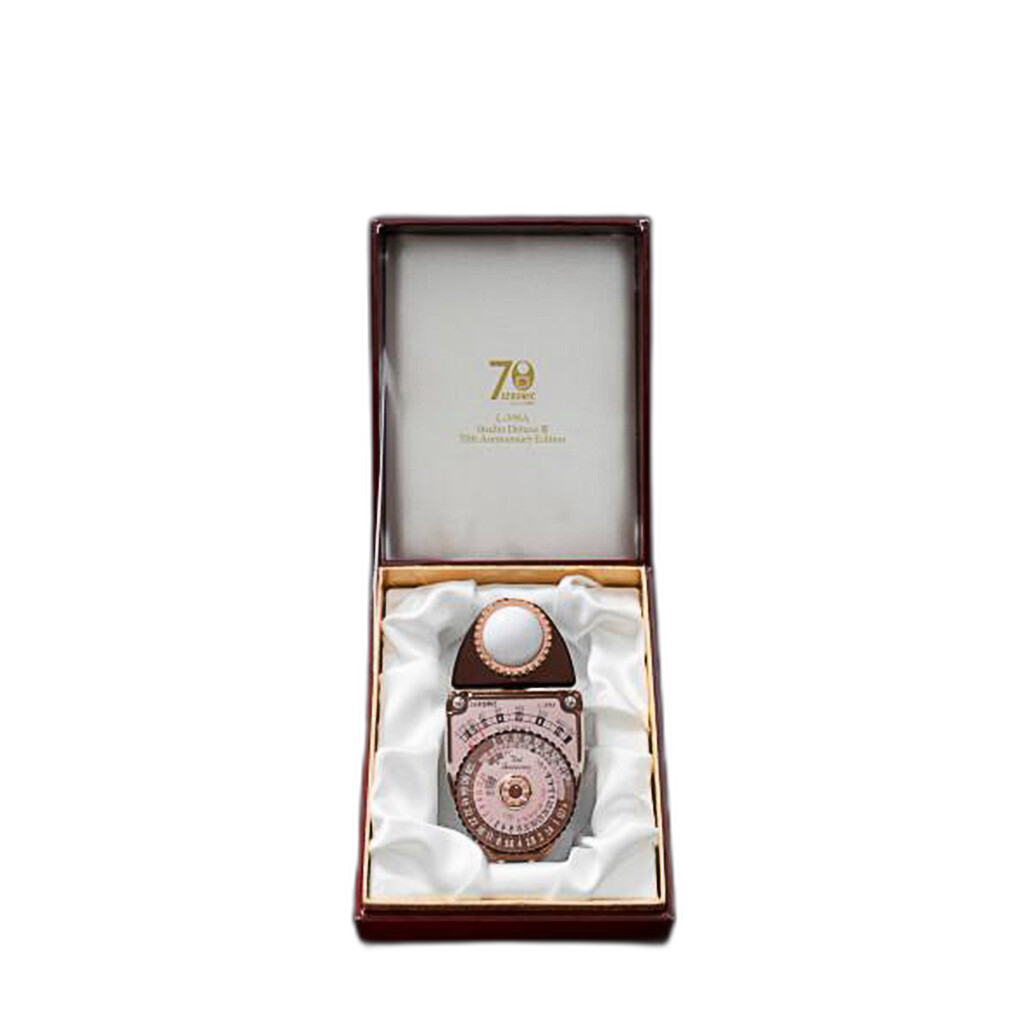
The Sekonic L-398A Studio Deluxe 70th Anniversary Edition Light Meter is a classic option that feels perfectly at home alongside vintage film cameras. Its analog design appeals to photographers who enjoy a more tactile, battery-free workflow and want a meter that matches the spirit of fully mechanical film photography.
This meter is an excellent fit for photographers who primarily shoot available light, portraits, or slower-paced work where careful exposure decisions matter. If you appreciate traditional tools and want a meter with a longstanding reputation among film shooters, this is a compelling pick.
Best for: Traditionalists, battery-free shooting, classic camera kits, and portrait photographers.
Sekonic L-858D-U Speedmaster Light Meter
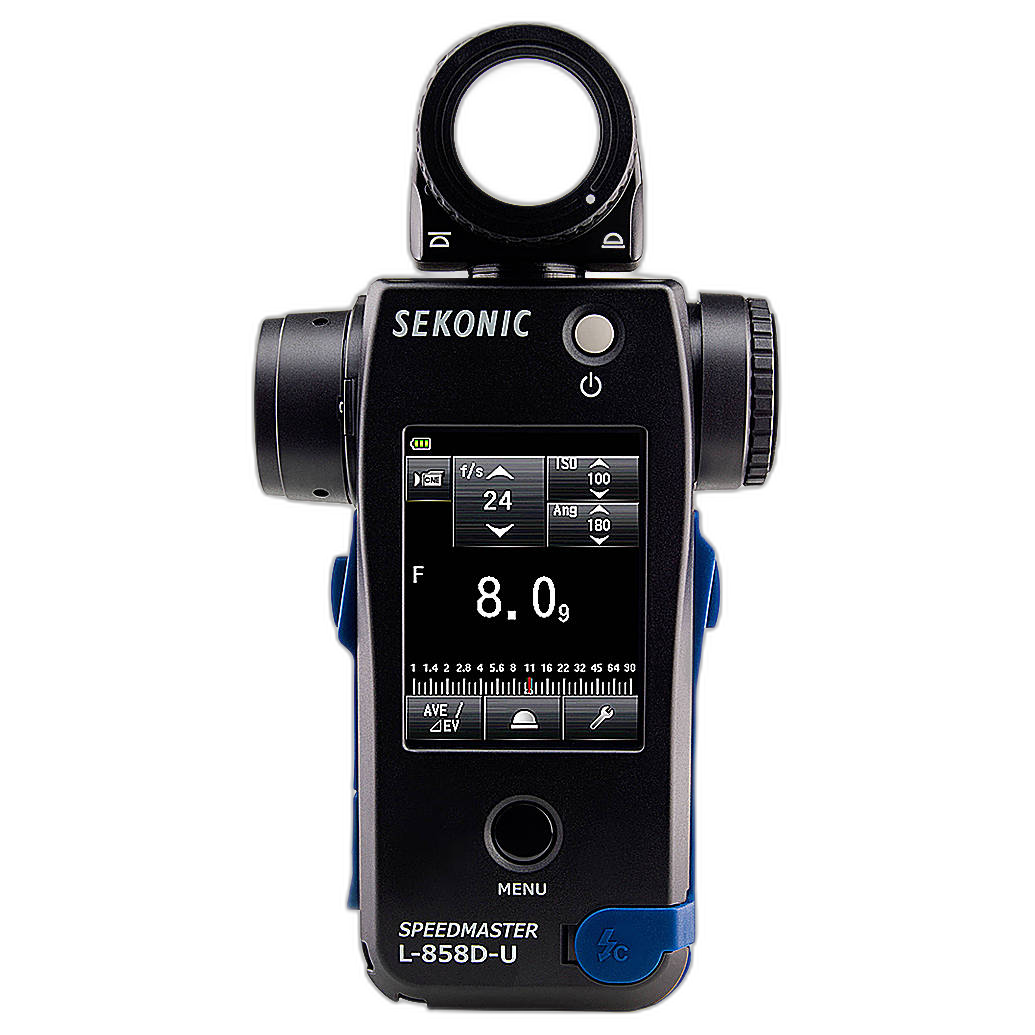
The Sekonic L-858D-U Speedmaster Light Meter is the advanced option in this lineup. For film photographers who work in studio environments, use strobes regularly, or want a high-end meter that can handle demanding lighting situations, this model offers serious capability.
It makes sense for photographers shooting film professionally, especially portrait, fashion, editorial, or commercial work where consistency matters from frame to frame. If you are balancing ambient and flash or need greater control over complex lighting, the L-858D-U is a strong investment.
Best for: Advanced film shooters, studio photographers, flash-heavy workflows, and professional use.
Hensel Strobe Master Light Meter
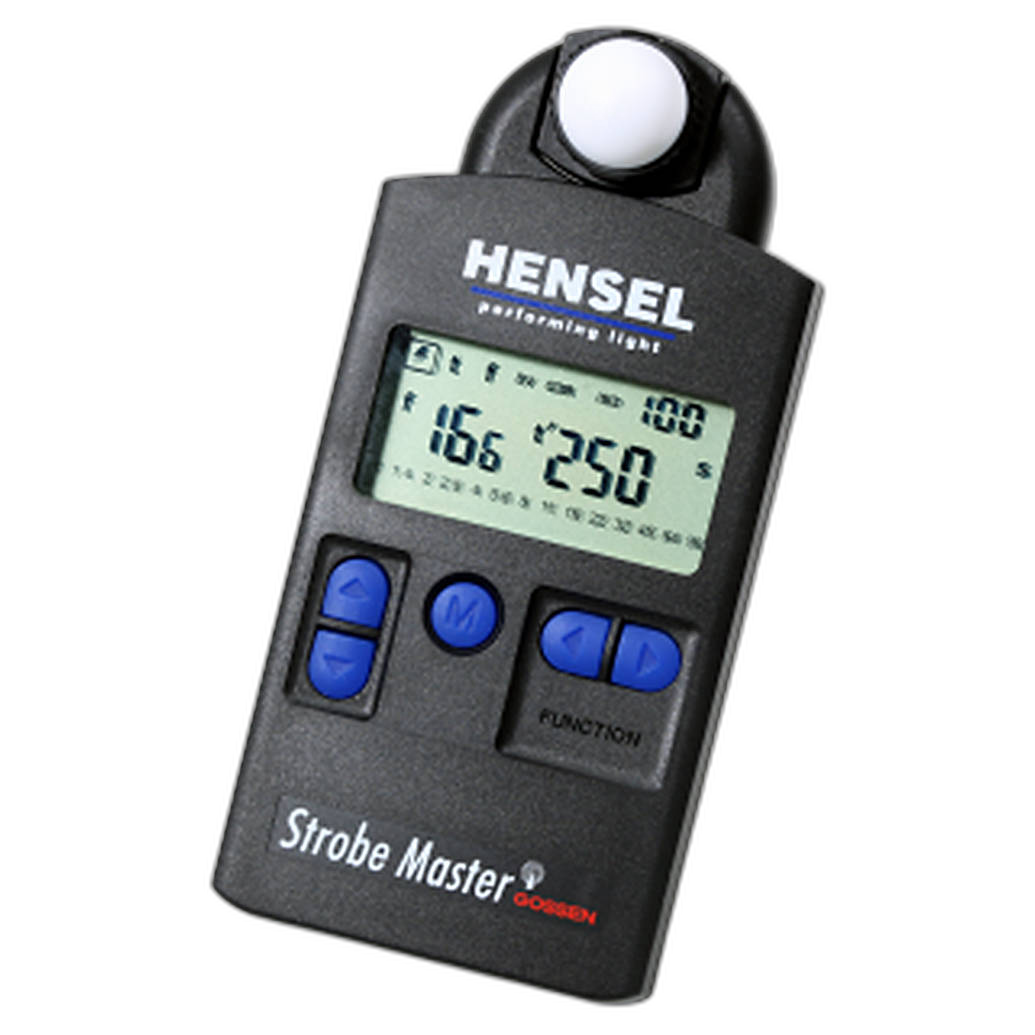
The Hensel Strobe Master Light Meter is geared toward photographers who prioritize lighting control in flash-based environments. If your film work centers on studio portraiture or controlled lighting setups, a dedicated strobe meter can help you dial in repeatable results more efficiently.
For film, that consistency is especially useful because you cannot instantly review results the way you can with digital capture. A reliable reading before pressing the shutter saves film and helps maintain a disciplined shooting workflow.
Best for: Studio film photographers and flash-centric lighting setups.
Used Sekonic L-858D-U Speedmaster Light Meter - Excellent
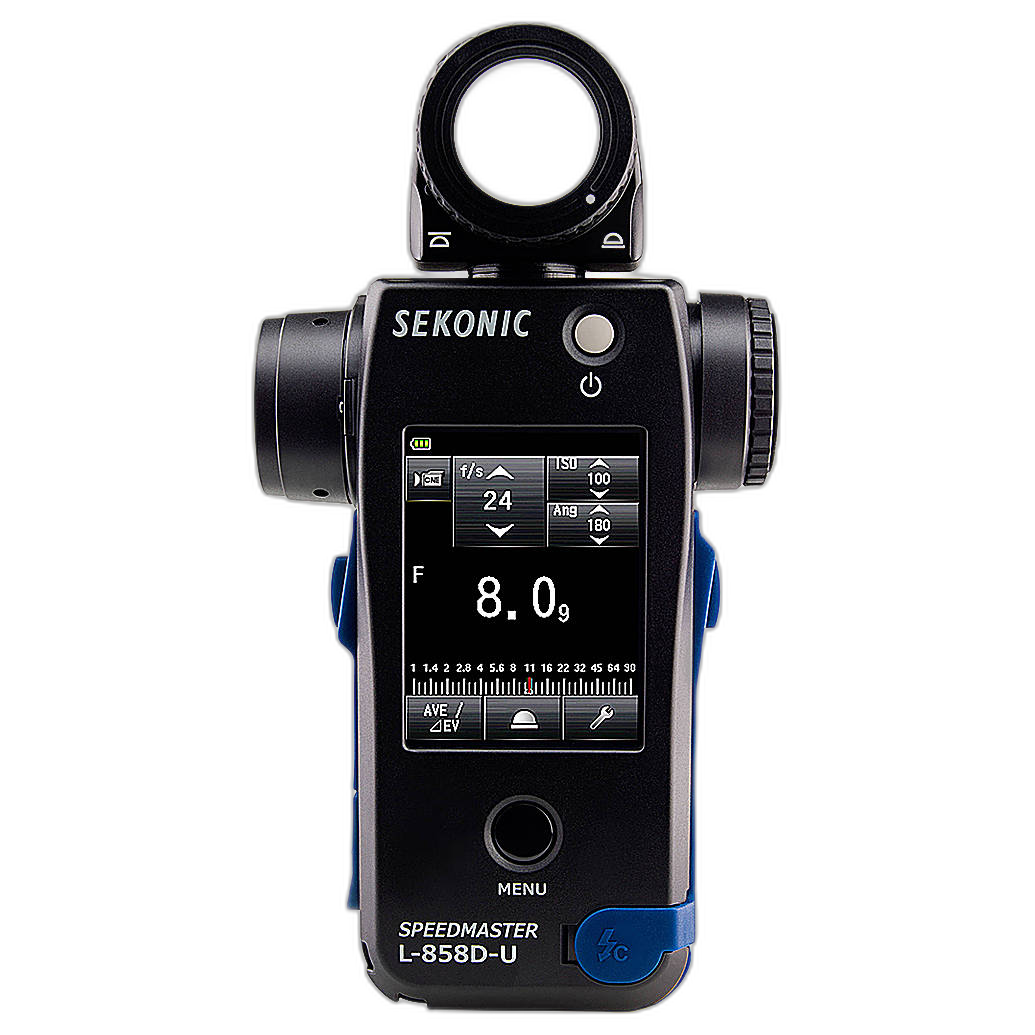
If you want premium metering performance at a potentially more approachable price, the Used Sekonic L-858D-U Speedmaster Light Meter - Excellent is worth a close look. Buying used can be a smart route for film photographers building out a serious kit while staying budget-conscious.
This option gives you access to a pro-level metering tool for demanding film applications, with the value advantage that often comes with pre-owned gear. For many photographers, used gear is one of the smartest ways to step up into more advanced accessories.
Best for: Value-minded advanced users and film shooters wanting high-end capability for less.
Comparison table
| Product | Best For | Why Film Shooters Like It |
|---|---|---|
| Sekonic L-308X-U Flashmate Light Meter | Most film photographers | Compact, easy to use, excellent everyday incident metering |
| Sekonic L-398A Studio Deluxe 70th Anniversary Edition | Traditional film workflows | Classic design, tactile operation, great match for vintage cameras |
| Sekonic L-858D-U Speedmaster | Professional and studio work | Advanced control for complex ambient and flash setups |
| Hensel Strobe Master Light Meter | Studio flash users | Helpful for repeatable flash exposure with film |
| Used Sekonic L-858D-U Speedmaster - Excellent | Advanced users on a budget | High-end performance through a used-value option |
What to look for in a film light meter
When shopping for a meter for film photography, focus on how you actually shoot:
- Portability: If you shoot street or travel film, a compact meter is easier to carry consistently.
- Incident capability: This is one of the most useful features for film because it removes subject reflectance from the equation.
- Flash support: Essential if you use strobes or off-camera flash with film.
- Ease of operation: A meter you understand quickly is one you will trust in the field.
- Workflow fit: Some photographers prefer a modern digital interface, while others want a more classic analog experience.
A note on older or inaccurate camera meters
Some film cameras still include internal meters, but that does not always mean they should be trusted. Meter drift, aging electronics, and battery issues can all affect accuracy. In fact, some used film bodies may specifically note meter problems.
For example, a camera like the Used Leica M6 Classic Black - As Is listed with a meter reading two stops off is a reminder that external metering can be essential. If your internal meter is unreliable, a quality handheld meter gives you a much more dependable baseline and can help extend the practical life of a beloved film camera.
Final recommendation
If you want the best balance of simplicity, portability, and dependable film exposure, the Sekonic L-308X-U Flashmate Light Meter is our top recommendation for most photographers. If you prefer a classic battery-free experience, the Sekonic L-398A Studio Deluxe 70th Anniversary Edition is an excellent match for vintage film workflows. For studio professionals and advanced users, the Sekonic L-858D-U Speedmaster stands out as the premium choice.
No matter how you shoot film, a handheld meter can dramatically improve your consistency and confidence. If you're ready to upgrade your film workflow, shop these light meters and more at Unique Photo.