Smartphone cameras have become remarkably capable, and for many new or casual photographers, that raises a real question: do you still need an entry-level camera system? In community discussions, the answer often comes down to how you like to shoot, what kind of images you want, and how much gear you are willing to carry. If you are trying to decide between upgrading your phone habits or stepping into a dedicated camera setup, these tips can help you weigh ease-of-use, image quality, flexibility, and long-term value.
1. Start by being honest about how you actually shoot
Convenience matters more than many beginners expect
A smartphone wins immediately on accessibility. It is already in your pocket, always charged enough for quick shots, and backed by editing and sharing apps that make the whole process feel effortless. For casual photography, that convenience can outweigh technical advantages on paper.
By contrast, even a compact camera kit asks for a little more commitment. You may want a comfortable strap for walkaround use, such as the PGYTECH Camera Strap Slim - Vintage-Olive Green, because once a camera is hanging at the ready, you are more likely to keep using it rather than leaving it in a bag.
2. Understand where image quality differences show up most
Good light narrows the gap, difficult light widens it
In bright daylight, smartphones can look surprisingly close to entry-level cameras, especially on social media or small screens. Computational photography helps phones boost dynamic range, sharpen detail, and make colors pop with very little effort.
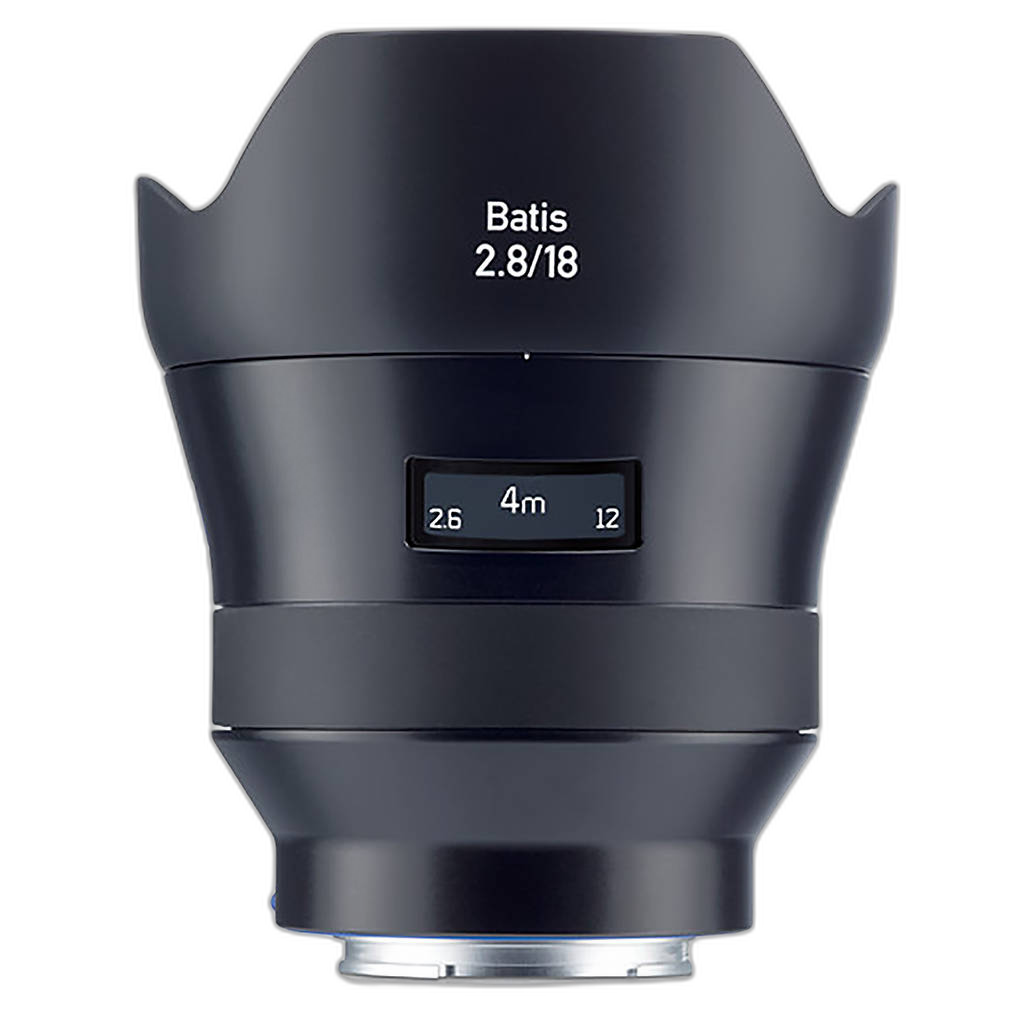
But when lighting gets tricky, dedicated cameras tend to separate themselves. Larger sensors and better optics usually produce cleaner files, more natural background blur, and stronger low-light performance. Lens choice matters too. A wide-angle option like the Zeiss Batis 18mm f/2.8 AF lens for Sony Full Frame E-Mount Cameras shows what a dedicated system can offer in edge-to-edge quality, subject rendering, and control that a phone can only simulate.
3. Think about ease-of-use beyond just the shutter button
Phones are simpler at first, but cameras can grow with you
- Smartphones are easier for point-and-shoot results, automatic HDR, portraits, and instant sharing.
- Entry-level cameras offer physical controls, better ergonomics, and a more educational path if you want to understand exposure, focal length, and depth of field.
Many new photographers discover that while a phone is easier on day one, a dedicated camera becomes more satisfying over time. The grip, buttons, dials, and viewfinder can make the picture-taking process feel more intentional and enjoyable.
4. Factor in the full system, not just the camera body
Buying decisions are often influenced by accessories and portability
A phone is an all-in-one tool. A camera system is exactly that: a system. That means lenses, storage, batteries, straps, and bags all become part of the experience. For some buyers, that is a downside. For others, it is the appeal.
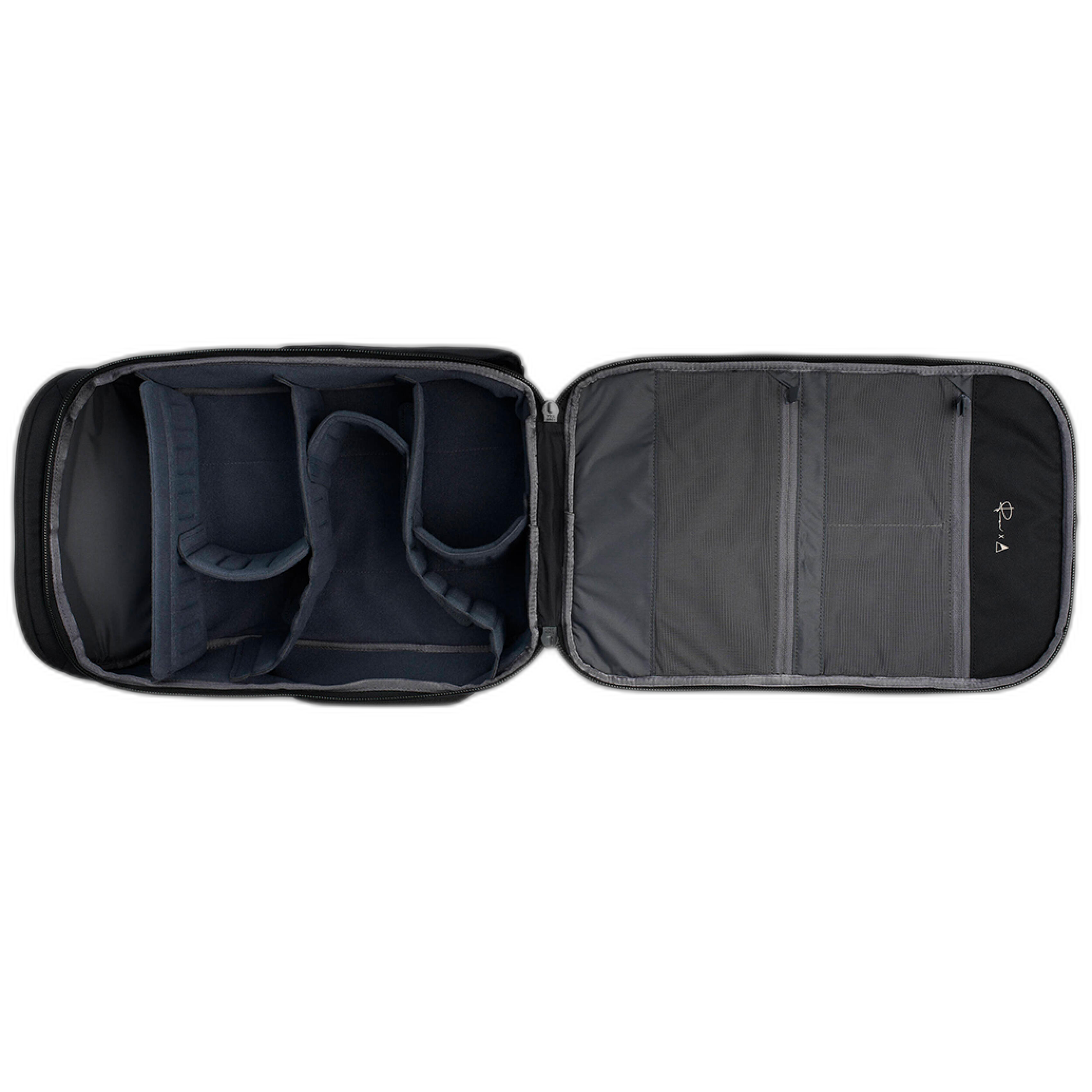
If portability is one reason you hesitate, the right bag can make a difference. The Nomatic Luma Camera Pack 18L - Stone is a good example of how a casual daypack-style camera bag can make an entry-level setup feel less intimidating for travel, city walks, or family outings.
5. Ask whether you want edited-looking images or editable files
Phones deliver polished results fast, cameras leave more room to shape the image
Smartphones are designed to create a finished look right away. Skin smoothing, HDR blending, night modes, and color tuning happen behind the scenes. That is great if you want to take a photo and post it immediately.
An entry-level camera often rewards users who want more control afterward. If you think you may eventually enjoy editing RAW files, adjusting white balance, or recovering highlights and shadows yourself, a dedicated camera system can be a better creative tool.
6. Consider battery life and practical reliability
Your phone does everything, which can be a limitation
Using a smartphone heavily for photos, video, maps, and messaging can drain its battery quickly during a day out. A dedicated camera spreads that workload across separate devices, which some photographers prefer for events, trips, or longer shoots.
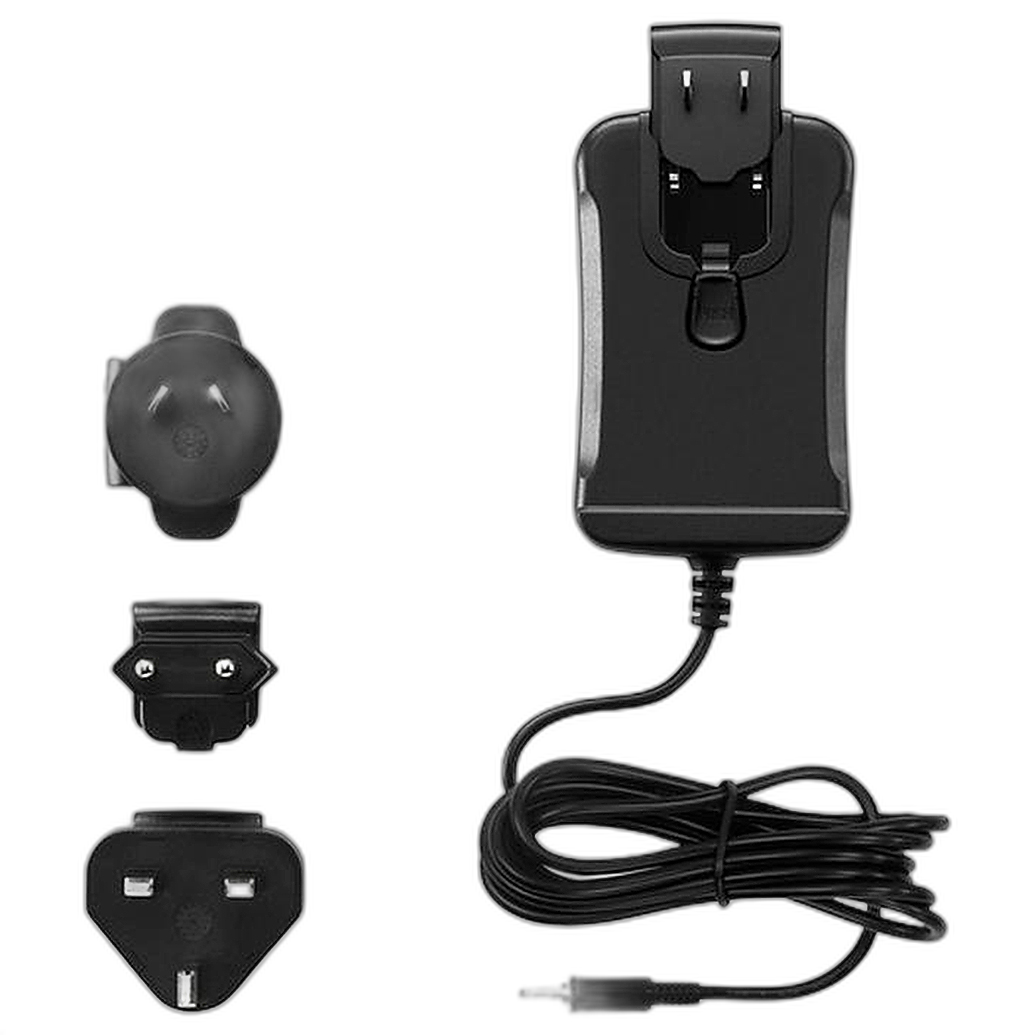
Power solutions matter even more once video enters the conversation. For creators exploring more serious video workflows, support gear like the Blackmagic Design Power Supply for Pocket Cinema Camera highlights one advantage of dedicated systems: they can be configured for more sustained use than a phone.
7. Remember that value is not only about price
The cheapest option upfront is not always the best long-term fit
Many shoppers compare a phone they already own against the cost of an entry-level camera kit, and that is fair. But value also includes usability, lifespan, and how much room you have to grow. A camera system can be expanded with lenses and accessories over time, while phones are replaced as all-in-one devices every few years.
Some buyers also appreciate protection for a bigger investment. Depending on the system, warranty coverage can be part of the decision-making process, especially for users who plan to keep gear longer or travel with it frequently.
8. Separate casual photography from hobby photography
Your interest level should guide your purchase
If you mainly shoot pets, food, vacations, and everyday family moments, a modern smartphone may already be the best fit. It is fast, connected, and good enough for a huge percentage of casual use.
If you find yourself wanting to learn composition more deeply, experiment with lenses, shoot in lower light, or make prints, an entry-level camera is usually the better starting point. The biggest advantage may not be image quality alone, but the way a camera invites you to be more deliberate.
9. Explore different photographic experiences before deciding
Sometimes the joy of a camera matters as much as the specs
Not every buying choice is purely practical. Some people are drawn to photography because the device itself feels inspiring. Used and vintage options can remind new photographers that image-making is also about process and personality. Products like a Used Polaroid SX-70 Alpha 1 Camera or a Used Ermanox Ernemann Camera With 100MM F/2 represent a very different experience from both smartphones and modern entry-level systems, showing how varied the world of cameras can be.
Even if those are not your first purchase, exploring different gear styles can clarify what kind of photographer you want to become.
10. Make your choice based on what will keep you shooting
The best camera is the one you will enjoy using regularly
Community conversations often land on a simple truth: smartphones are unbeatable for convenience, while entry-level cameras still offer meaningful advantages in control, versatility, and image quality when conditions get demanding. Neither option is automatically right for everyone.
If you want simplicity and instant results, your phone may be all you need for now. If you want room to grow and a more immersive photographic experience, an entry-level camera system makes a lot of sense. Either way, building a setup that feels comfortable to carry and use every day can make the biggest difference.
Conclusion
For new and casual photographers, the smartphone-versus-camera debate is less about declaring a winner and more about matching the tool to your habits and goals. Think about convenience, creative control, low-light performance, portability, and whether you want photography to stay casual or become a deeper hobby. If you are ready to compare gear in person or explore accessories that make a camera system easier to live with, Unique Photo is a great place to start.