Choosing the best camera for beginners usually comes down to one big question: should you buy the most affordable option possible, or spend more for features that make learning easier and leave room to grow? The answer depends on what kind of photography excites you, how much complexity you are comfortable with, and whether you want a simple everyday setup or a system you can build over time.
For this review, it is important to be transparent: the available products here are not a lineup of beginner camera bodies. Instead, they represent the kinds of accessories and system pieces that reveal the real budget-versus-features debate. A beginner may save money on a body, but comfort, portability, reliability, and lens quality often shape the ownership experience just as much. That makes this article less about naming a single camera model and more about understanding what features are truly worth paying for when starting out.
If you are shopping at Unique Photo, this is exactly the kind of thinking that helps you build a smarter first kit rather than simply chasing specs.
Why Beginners Struggle With the Budget vs Features Decision
Entry-level buyers often assume that the camera body is everything. In reality, beginners usually benefit most from gear that removes friction. A comfortable bag makes you bring the camera more often. A dependable power accessory keeps you shooting. A good lens can improve image quality more than jumping one class up in camera body. And strong warranty support can matter if you are worried about a major purchase.
That means the best beginner camera is rarely just the cheapest one. It is the one that fits your learning curve and your actual use. Spending less can be smart, but only if you do not cut away the things that make photography enjoyable.
Product Positioning: What These Available Products Tell Us About Beginner Buying
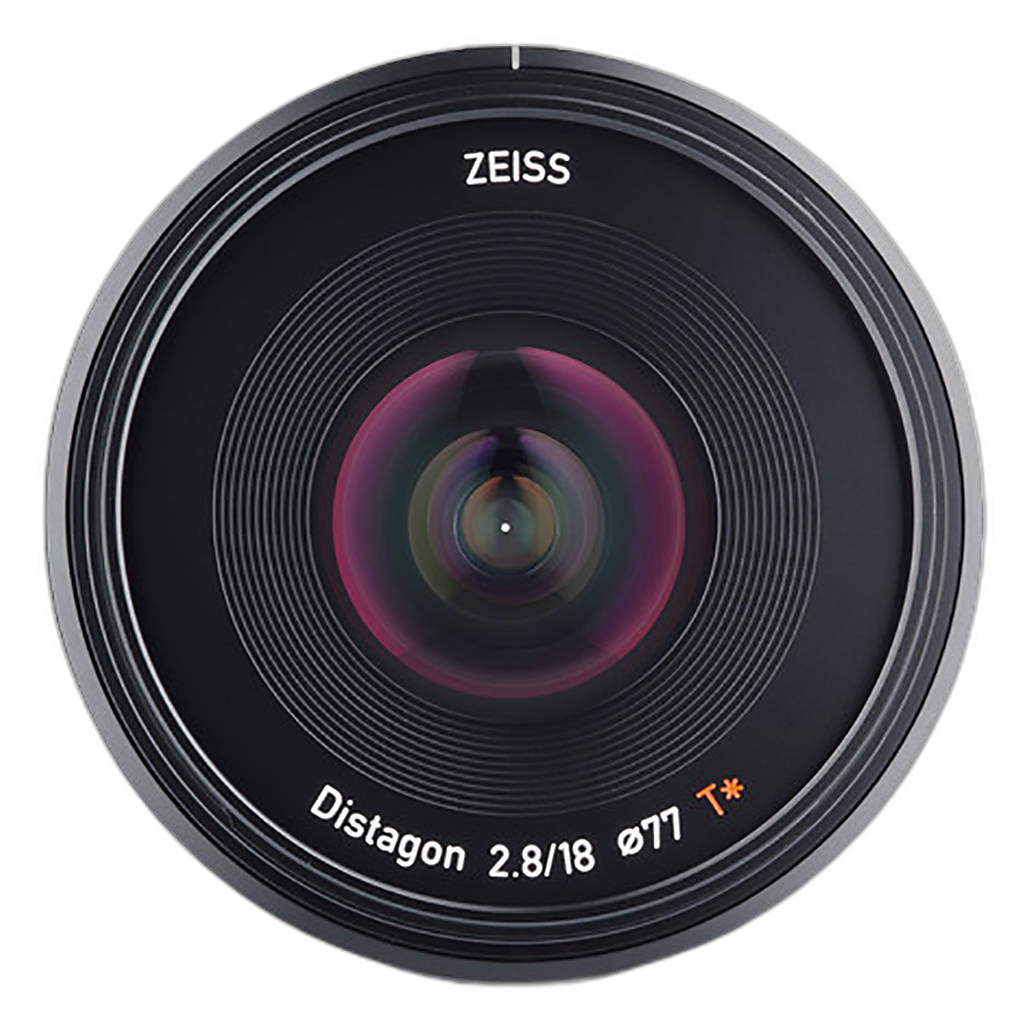
Looking at the products available, three stand out as especially useful when thinking about beginner value: the Nomatic Luma Camera Pack 18L - Stone, the Blackmagic Design Power Supply for Pocket Cinema Camera, and the Zeiss Batis 18mm f/2.8 AF lens for Sony Full Frame E-Mount Cameras. These are not direct substitutes for a beginner camera body, but they each illustrate a different side of the budget-versus-features conversation.
The Nomatic bag represents usability and daily convenience. The Blackmagic power supply represents practical reliability. The Zeiss lens represents premium optical performance and future-proof investment. Together, they highlight how beginners should think: buy the features that materially improve the shooting experience, and avoid overspending on prestige alone.
Key Features That Matter More Than You Think
Comfort and Carry: Nomatic Luma Camera Pack 18L
A beginner is more likely to improve by carrying a camera regularly than by owning the most advanced body on paper. That is where the Nomatic Luma Camera Pack 18L becomes relevant. It is a strong example of how support gear can be a better use of money than chasing one more autofocus mode or a slightly faster burst rate.
The 18L size is practical for a starter setup, offering enough room for a camera body, lenses, accessories, and personal items without pushing into oversized travel-bag territory. For many new photographers, that balance is ideal. A bag that is too small becomes frustrating, while one that is too big often gets left at home.
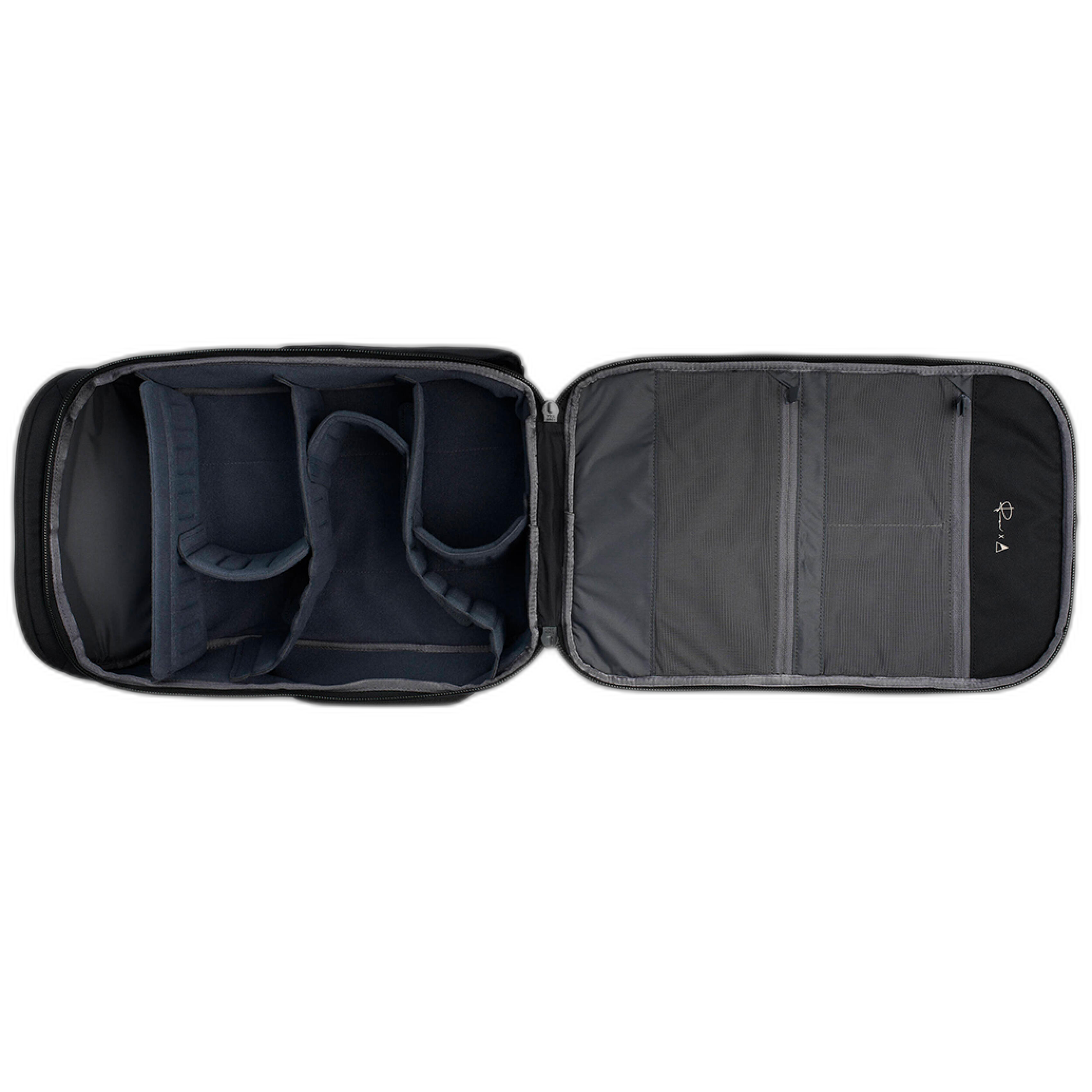
The design also looks modern and understated, which matters more than it may seem. Beginners often want a bag that blends into everyday life rather than screaming camera gear. If your setup feels easy to bring to a park, trip, class, or commute, you are more likely to shoot consistently. That consistency is what improves your photography.
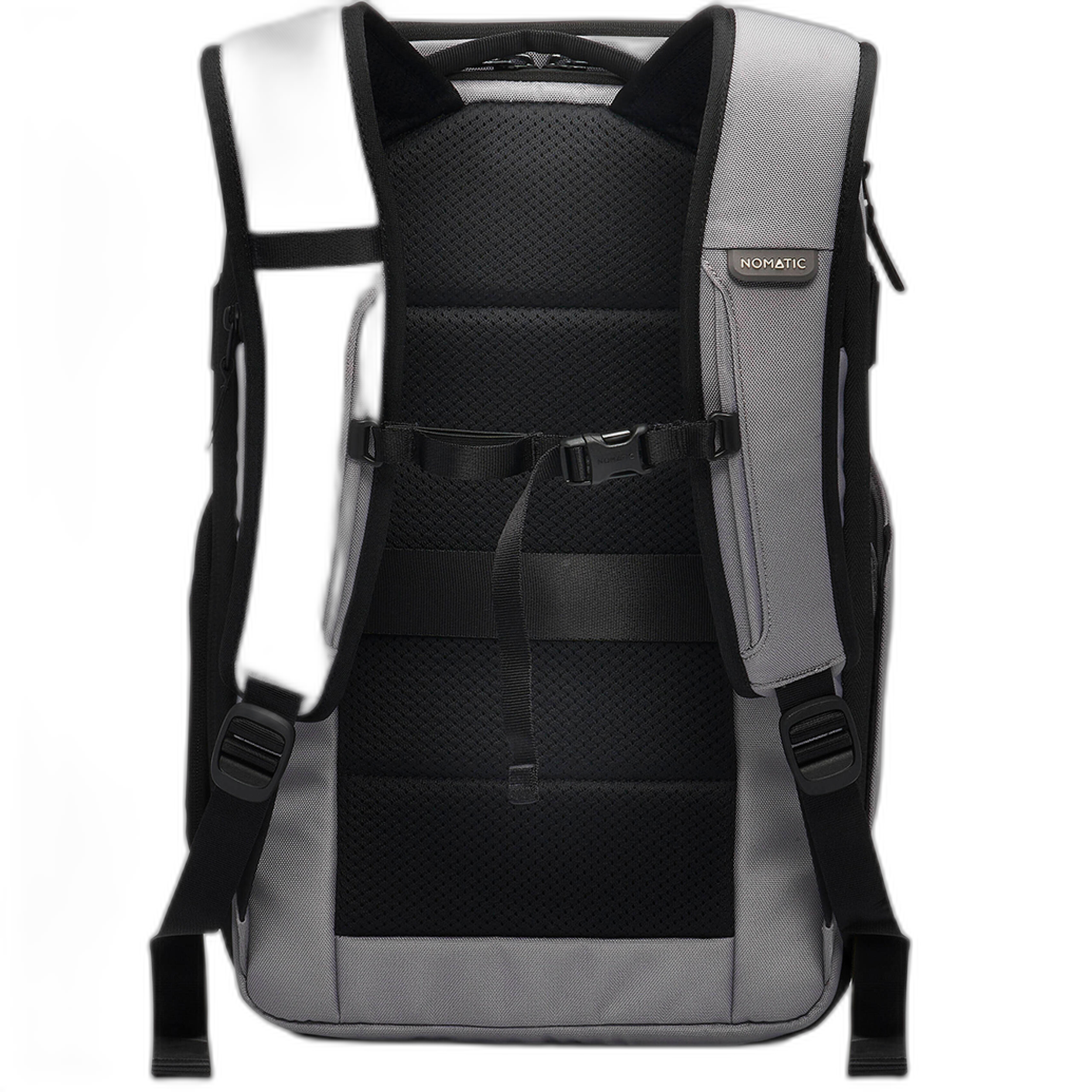
Why this matters for beginners: if your budget is tight, reserving part of it for a quality bag can be smarter than putting every dollar into body specs. Accessibility and protection are beginner-friendly features in the real world.
Reliability and Power: Blackmagic Design Power Supply for Pocket Cinema Camera
Power is an underrated beginner issue. New shooters tend to focus on megapixels and video resolution, then discover that battery anxiety can interrupt a shoot faster than almost anything else. The Blackmagic Design Power Supply for Pocket Cinema Camera is a niche accessory, but it demonstrates a broader beginner lesson: support accessories can remove frustration and make learning smoother.
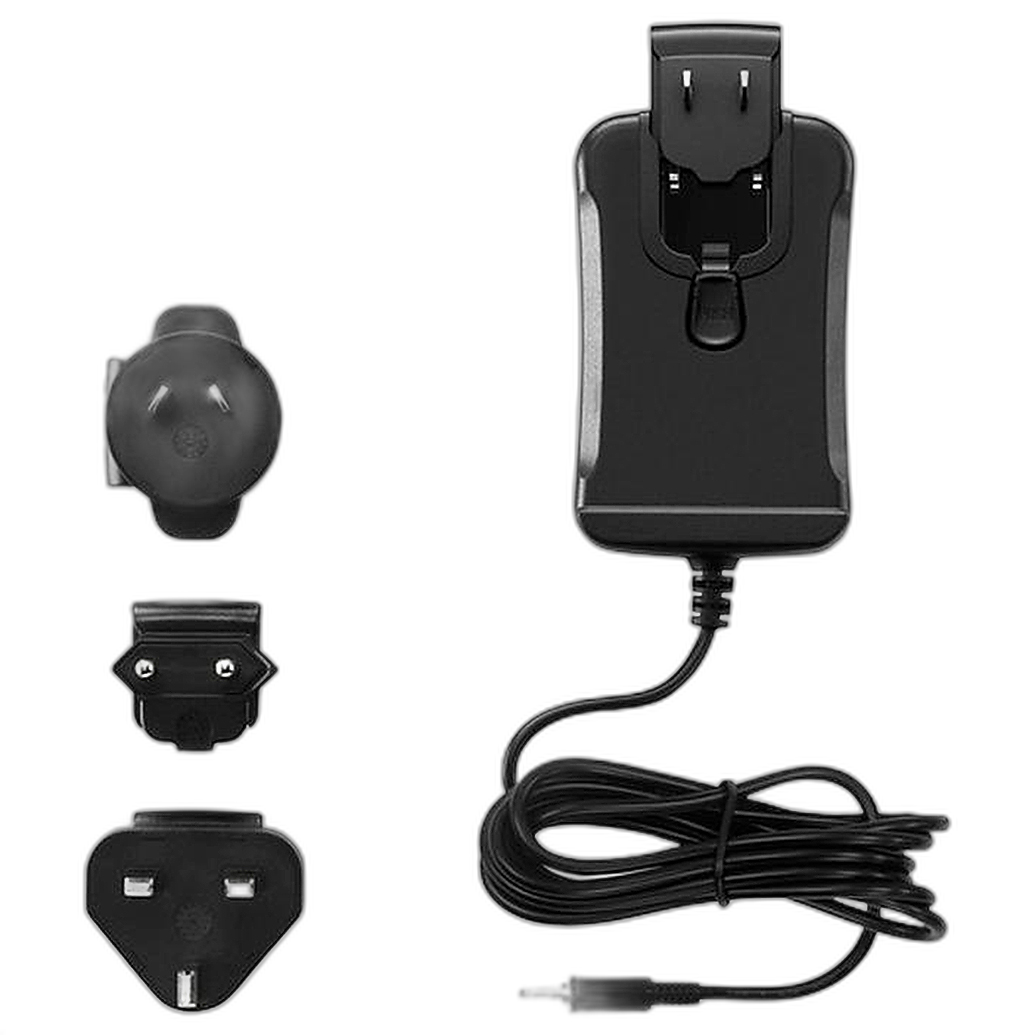
If a beginner is interested in video, interviews, streaming, studio shooting, or long practice sessions, dependable power can matter as much as camera features. There is little value in buying a feature-rich video camera if powering it becomes a constant compromise. For beginners especially, stable operation reduces stress and helps them focus on framing, exposure, and storytelling.
Why this matters for beginners: do not underestimate operational features. A camera that is easy to keep running is often a better beginner choice than a more exciting camera that is difficult to manage.
Image Quality and Long-Term Value: Zeiss Batis 18mm f/2.8 AF
The Zeiss Batis 18mm f/2.8 AF lens is the clearest example here of spending more for features that can truly matter. This is a premium ultra-wide lens for Sony full-frame E-mount cameras, and while it is not a budget beginner purchase, it makes an important point: sometimes the right lens is a better investment than a more expensive camera body.
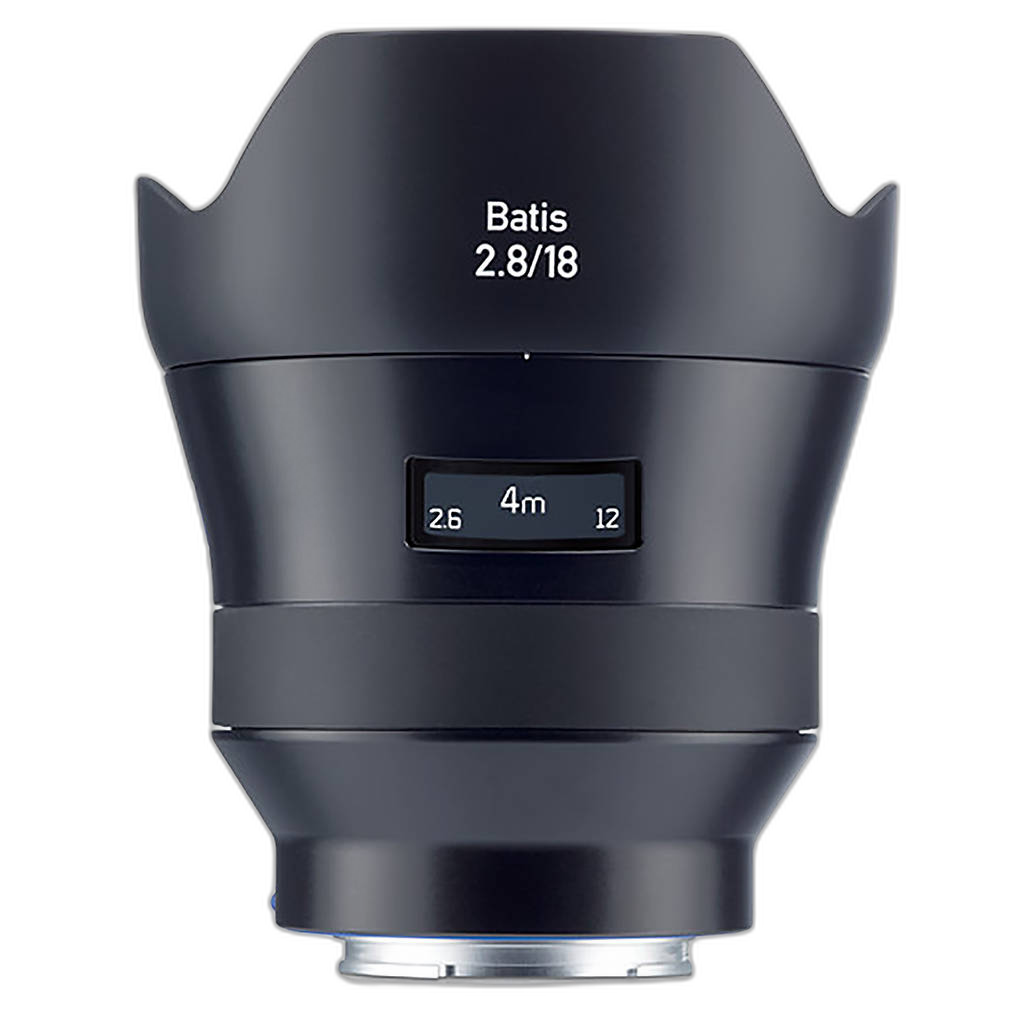
For beginners interested in landscape, architecture, travel, interiors, or environmental storytelling, a high-quality wide-angle lens can dramatically expand creative possibilities. Features like excellent optics, autofocus, and a premium build are not just luxuries if they directly support the kind of photography you want to learn.
That said, this lens also represents the danger of overbuying. An advanced ultra-wide prime may be amazing, but it is only worth it if your camera system and shooting style justify it. Beginners should be careful not to confuse “premium” with “necessary.”
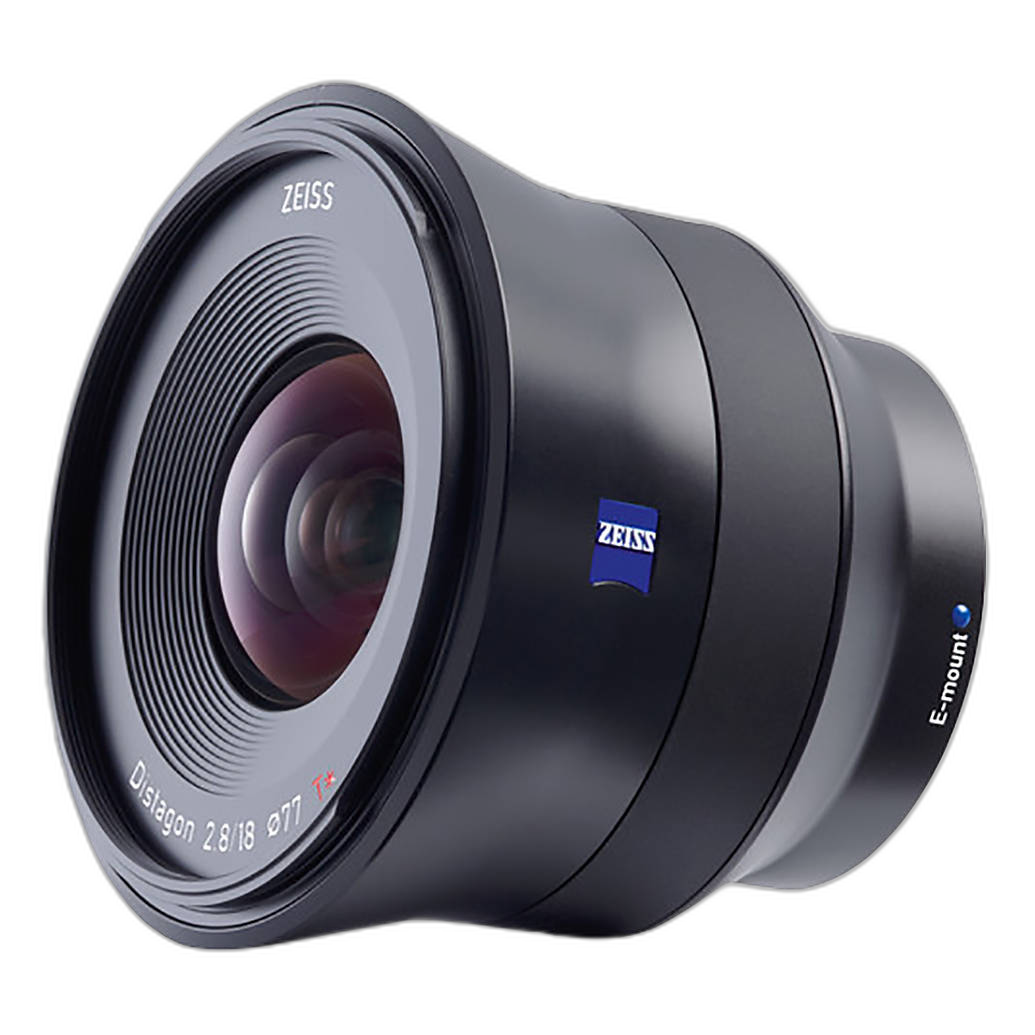
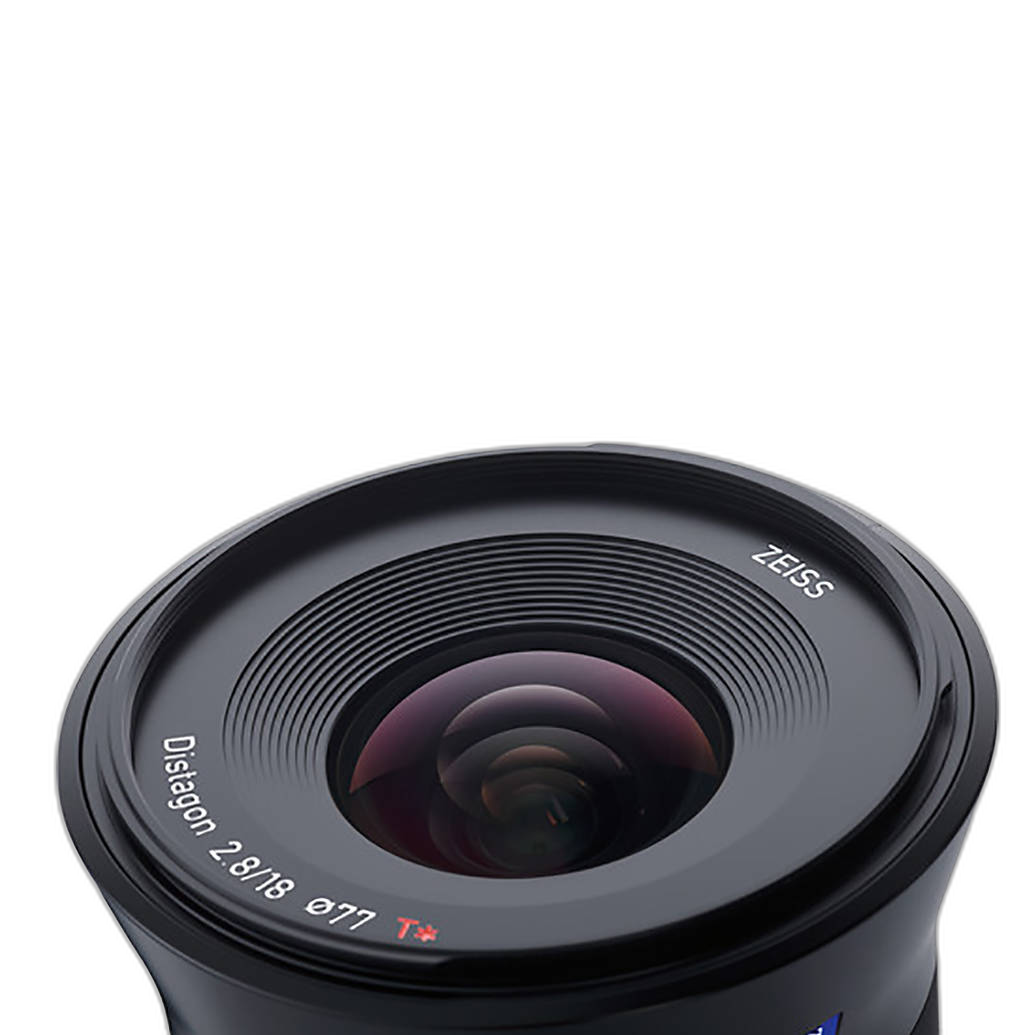
Why this matters for beginners: if you have extra budget, better glass often delivers more visible improvement than a modest step up in camera body class. But only invest at this level if you already know your system choice and creative direction.
Protection and Peace of Mind: Extended Warranty as a Feature
Many beginners overlook warranty coverage, but it is part of the value equation. The available RED Extended Warranty - KOMODO-X is clearly not aimed at entry-level buyers, yet it highlights a useful idea: reliability and support are features too.

For a first-time buyer nervous about making a major purchase, a good protection plan can make a more expensive camera feel safer. If you are torn between a bare-bones cheap option and a more capable model with stronger support from a trusted retailer like Unique Photo, the latter can sometimes be the better long-term choice.
Pros and Cons of Going Budget First
- Pros: lower initial cost, less financial pressure, easier entry into the hobby, more room to discover what you actually like shooting before investing further.
- Cons: may outgrow it quickly, cheaper gear can be less comfortable or less reliable, lower-end systems may limit lens options, and poor ergonomics can discourage practice.
Pros and Cons of Paying for More Features Up Front
- Pros: better room to grow, improved autofocus or image quality potential, stronger build, better ecosystem access, and a more satisfying day-to-day shooting experience.
- Cons: higher upfront cost, more complexity for new users, risk of paying for features you may never use, and potentially less budget left for essentials like bags, storage, batteries, or lenses.
What Beginners Should Actually Prioritize
If you are truly new, prioritize these in order:
- Ease of use: a camera you understand quickly beats a complicated one with elite specs.
- Lens ecosystem: room to grow matters more than one generation of body improvements.
- Comfort and portability: if the setup is annoying to carry, you will use it less.
- Reliability: battery life, charging options, and support should not be afterthoughts.
- One meaningful upgrade area: spend on either a better lens, a better bag, or stronger support accessories rather than trying to max out everything.
Verdict
So, what is the best camera for beginners: budget or features? In most cases, the smart answer is balanced value. Beginners should not buy the absolute cheapest option if it creates friction, poor usability, or a dead-end system. At the same time, they should not overspend on advanced features they do not yet understand.
From the products available here, the clearest beginner takeaway is that practical features often beat flashy ones. The Nomatic Luma Camera Pack 18L stands out as a worthwhile supporting purchase because comfort and organization help beginners shoot more often. The Blackmagic Design Power Supply reminds us that reliability matters. And the Zeiss Batis 18mm f/2.8 shows that premium optics can be worth paying for, but only when your goals and system justify it.
Recommendation: buy a beginner-friendly camera body with a good lens ecosystem, then save part of your budget for the accessories that remove friction from the experience. If you are building your first setup, Unique Photo is an excellent place to buy because you can evaluate not just the camera, but the complete kit that supports it long term.