In 2024, the gap between smartphones and entry-level cameras is smaller than ever—but that does not mean they are the same tool. The right choice depends on how you shoot, what you want to learn, and how much flexibility you need as your skills grow. If you are trying to decide between upgrading your phone or stepping into a dedicated camera system, these tips will help you make a smarter buy.
Start With How You Actually Shoot
1. Choose a smartphone if convenience matters most
If you want the camera that is always with you, a smartphone is still hard to beat. It is fast, connected, easy to edit on, and ideal for social sharing. For casual travel photos, everyday family moments, and quick video clips, many users will be perfectly happy sticking with their phone.
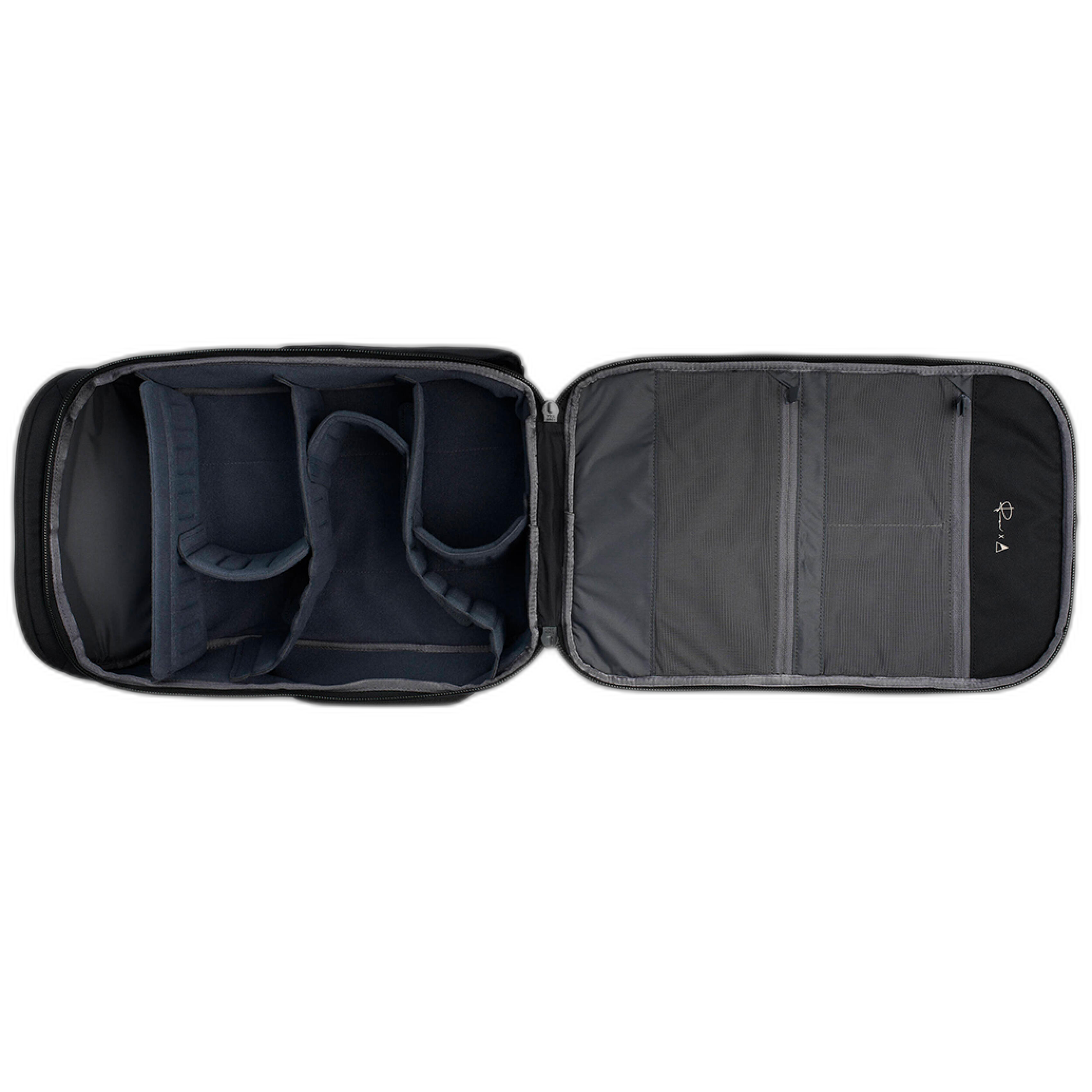
That said, once you begin caring about lens choice, manual control, subject separation, or low-light consistency, an entry-level camera starts to pull ahead. A camera system also fits naturally into a more intentional carry setup, especially if you are building a kit around accessories like the Nomatic Luma Camera Pack 18L - Stone.
2. Choose an entry-level camera if you want room to grow
A dedicated camera makes more sense if you want to improve over time. Better ergonomics, larger sensors, interchangeable lenses, and stronger manual controls give you more creative control than a phone can offer. If your goal is to learn exposure, composition, focal length, and lighting in a deeper way, a starter camera is usually the better long-term investment.
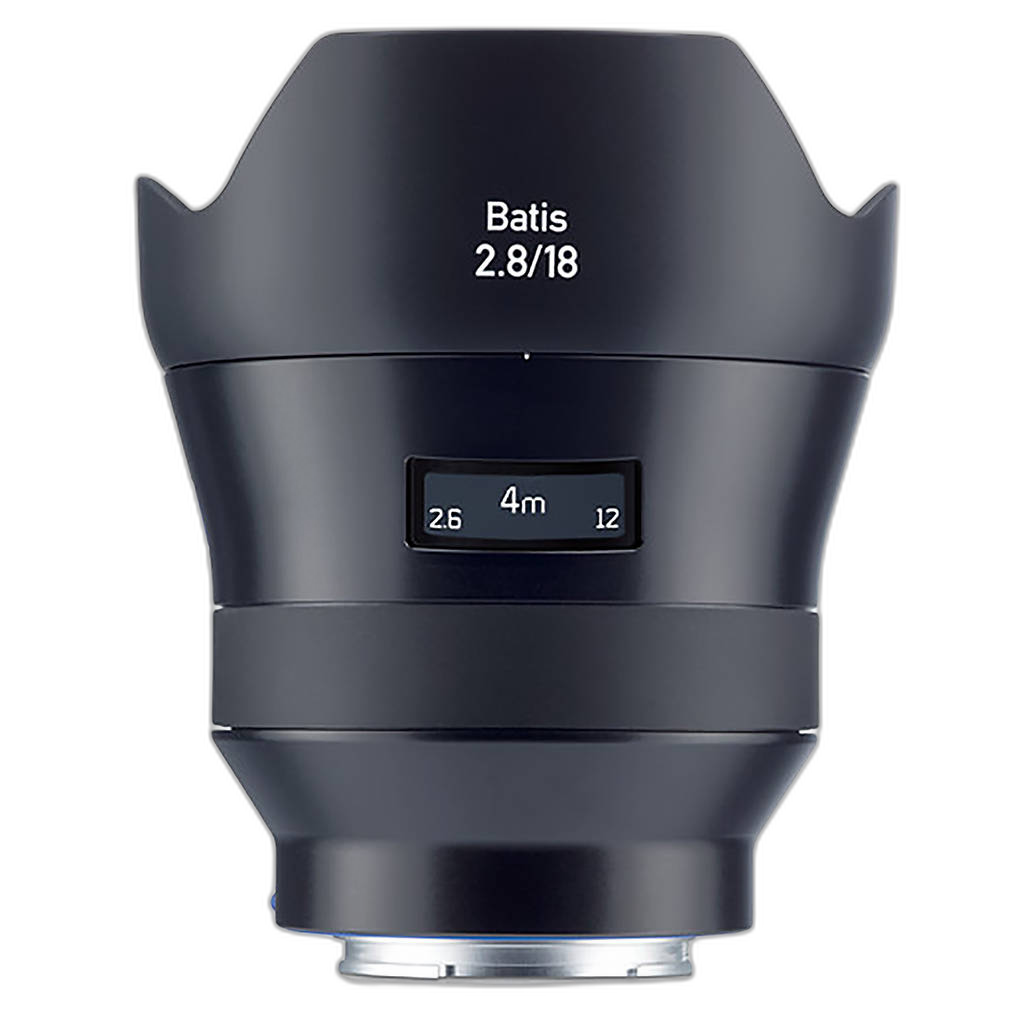
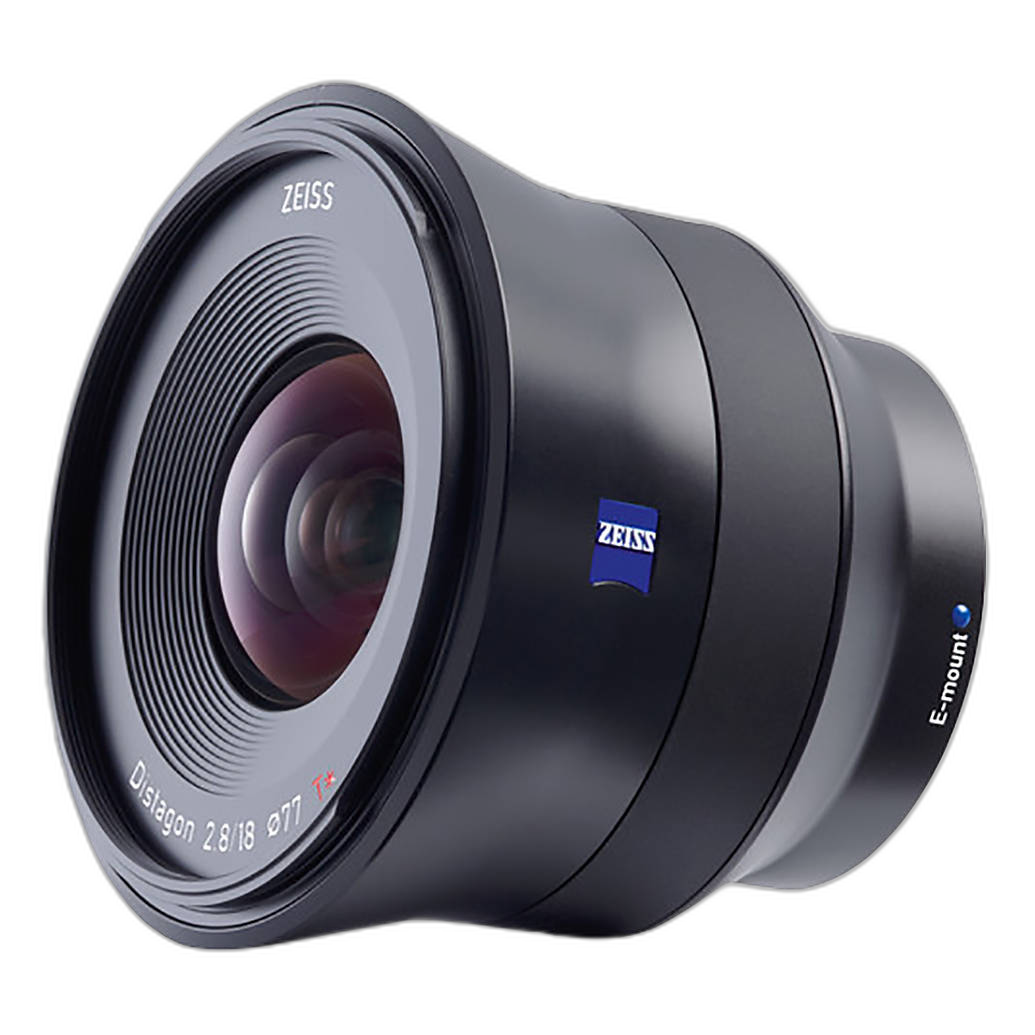
One of the biggest advantages is lens flexibility. A specialized lens can completely change what your camera can do. For example, a wide prime like the Zeiss Batis 18mm f/2.8 AF lens for Sony Full Frame E-Mount Cameras shows how dedicated systems open up landscape, architecture, and environmental storytelling in a way smartphones only simulate computationally.
Think About Image Quality Beyond Daylight
3. Smartphones look great in good light, but cameras are more reliable in difficult conditions
Modern phones produce polished images with HDR, sharpening, and night modes, especially outdoors or in evenly lit scenes. But when the light gets mixed, dim, or fast-moving, entry-level cameras often deliver cleaner files and more natural detail. You usually get better control over highlights, less aggressive noise reduction, and stronger performance with moving subjects.
If you shoot indoor events, concerts, pets, or kids who never stop moving, a real camera will often feel less frustrating. Phones can create impressive results, but they rely heavily on processing. Cameras give you cleaner source material to work with.
4. If you care about editing, cameras usually give you more flexibility
A lot of smartphone images already look “finished” the moment you take them. That can be a plus, but it also limits how far you can push the file afterward. Entry-level cameras generally provide more editing latitude, especially if you want to recover highlights, adjust color precisely, or print larger. For buyers who enjoy Lightroom, Photoshop, or serious color work, a camera system has the edge.
Consider Video, Power, and Practical Use
5. Smartphones are easier for quick video, but cameras can be better for planned projects
If your videos are mostly for TikTok, Instagram Reels, or quick family clips, a phone is often the most efficient option. It is simple, stabilized, and ready to post. But if you want more cinematic control, cleaner lenses, and accessories built around longer shoots, a camera starts making more sense.
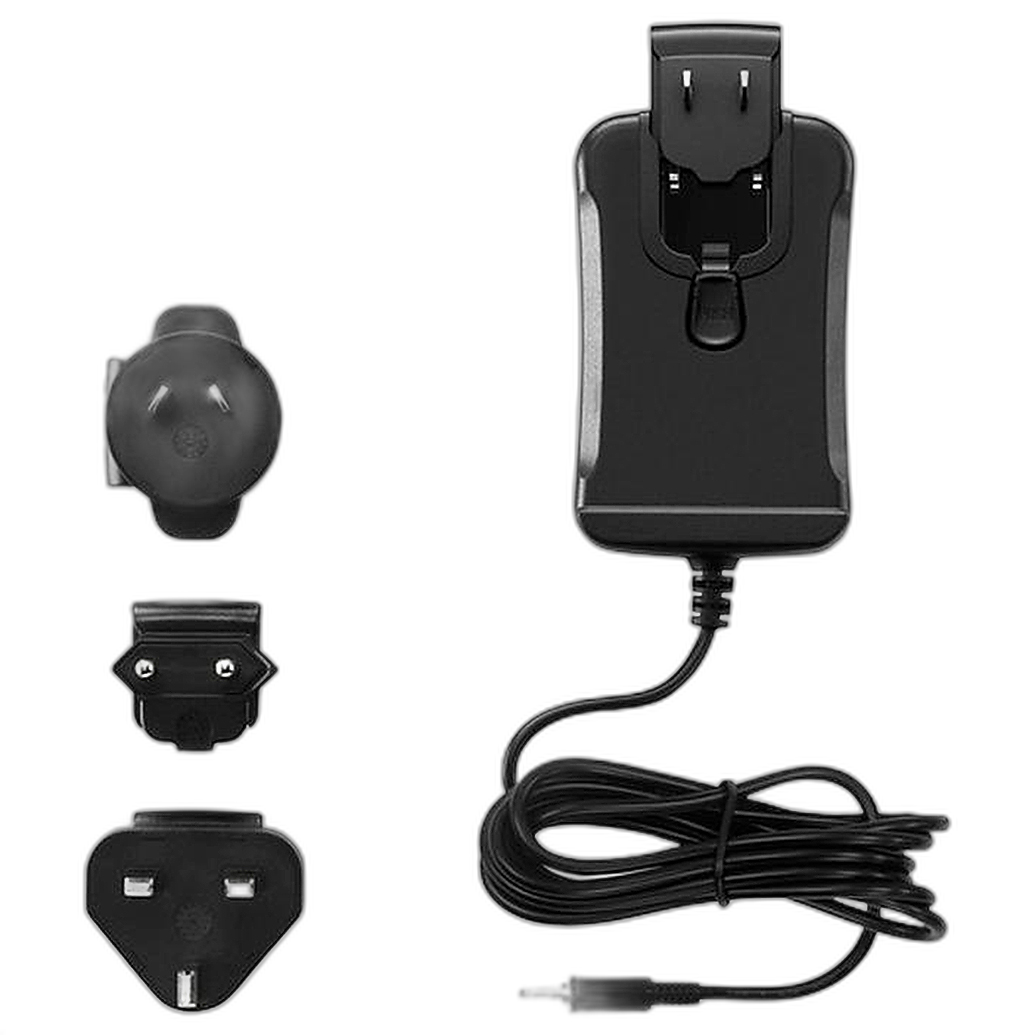
Power is one practical factor many new buyers overlook. Dedicated cameras often require planning for charging and backup power, especially for longer recording sessions. Accessories like the Blackmagic Design Power Supply for Pocket Cinema Camera are a reminder that once you move into camera-based video, you are stepping into a more expandable workflow.
6. Buy for the whole experience, not just the camera body
A smartphone keeps everything in one device. With an entry-level camera, the experience includes storage, carrying comfort, lenses, batteries, straps, and protection. That is not a downside—it is part of what makes a camera system more adaptable—but it does affect your budget.
If you plan to carry your camera often, a good bag matters. The Nomatic Luma Camera Pack 18L - Stone is the kind of accessory that makes a camera easier to live with day to day, whether you are commuting, traveling, or heading out for a weekend shoot.
Be Honest About Budget and Value
7. A smartphone may cost more than you think—and a camera may last longer than you expect
Many people compare an entry-level camera to a phone upgrade without accounting for total cost. A flagship smartphone can easily cost as much as or more than a beginner camera. If photography is a serious hobby for you, a dedicated camera may provide better value because the system can grow over time through lenses and accessories rather than full-device replacement.
It is also smart to think about protection. Extended coverage can matter on higher-end camera purchases, which is why products like the RED Extended Warranty - KOMODO-X and Nikon Care 2-Year Camera Warranty exist. While those specific plans are for different camera tiers, they highlight an important point: dedicated cameras are part of a longer ownership cycle, and support can be part of that decision.

8. If you are not ready for a full digital system, there are other creative paths
Not every buyer falls neatly into “phone” or “entry-level digital camera.” Some photographers are looking for a more tactile, experimental experience. Used and film gear can offer a very different way to learn composition and patience, even if it is not the practical choice for everyone. That is part of the fun of shopping camera gear—you are not just buying specs, you are choosing how you want to create.
Make the Right Choice for Your Style
9. Buy a smartphone if your priorities are speed, simplicity, and sharing
- You mostly shoot everyday life
- You want minimal gear
- You edit and post from one device
- You prefer convenience over system flexibility
10. Buy an entry-level camera if your priorities are learning, control, and image consistency
- You want interchangeable lenses
- You care about low-light performance
- You want better files for editing
- You see photography or video becoming a long-term hobby
If you fall somewhere in the middle, keep using your smartphone until it starts limiting the kind of images you want to make. That is usually the clearest sign it is time to step up to a dedicated camera.
Final Thoughts
There is no wrong answer here—just the right tool for your goals. Smartphones are incredibly capable, but entry-level cameras still offer a more expandable and creatively rewarding experience for photographers who want to grow. If you are weighing your options in 2024, focus less on hype and more on how you actually shoot.
When you are ready to compare gear, accessories, and support for your next step, Unique Photo is a great place to explore what fits your style and budget.