If you are asking, “Should I watermark my contest submissions?”, the short answer is: usually no, unless the contest specifically allows or encourages it. In most photography contests, a watermark can distract judges, interfere with image presentation, and sometimes even violate submission rules. That said, there are situations where photographers still consider watermarking for online display, preview galleries, or portfolio protection.
At Unique Photo, we regularly help photographers prepare images for competitions, exhibitions, and print presentation. Whether you are entering a local camera club challenge or a major international competition, understanding when to watermark and when to leave your image clean can improve both your professionalism and your chances of success.

Do Photography Contests Allow Watermarks?
Before deciding anything, read the contest rules carefully. Many photographers search for “can I submit watermarked photos to a contest?” because policies vary, but most reputable contests prefer or require no visible watermark. Judges want to evaluate composition, technique, storytelling, and impact without visual distractions or identifiers.
There are a few common reasons contests ban watermarks:
- Anonymous judging: A watermark may reveal the creator’s identity.
- Cleaner presentation: Logos and text can pull attention away from the image itself.
- Fairness: Branded images can unintentionally influence judges.
If the rules say “no identifying marks,” that includes signatures, logos, borders with names, and obvious branding. In those cases, adding a watermark could lead to disqualification.
When shopping for camera gear, printing supplies, and submission workflow essentials, many photographers turn to Unique Photo not only for equipment, but also for practical guidance on preparing work for juried review.
Should I Watermark My Contest Submissions for Copyright Protection?
This is one of the biggest concerns behind the search query “should I watermark photos to protect them?” While a watermark may discourage casual copying, it is not a complete copyright solution. A determined user can crop, clone, or otherwise remove many visible marks, especially if the watermark is small or placed near the edge.
More importantly, contest submissions are usually uploaded directly to a controlled platform. In that environment, your better protection methods are:
- Reading the contest licensing terms carefully
- Keeping high-resolution originals and metadata
- Registering your copyright when appropriate
- Maintaining organized backups of source files and edits
A reliable storage workflow matters far more than a visible stamp on the image. For photographers managing RAW files, exports, and alternate submission versions, dependable backup media is essential.
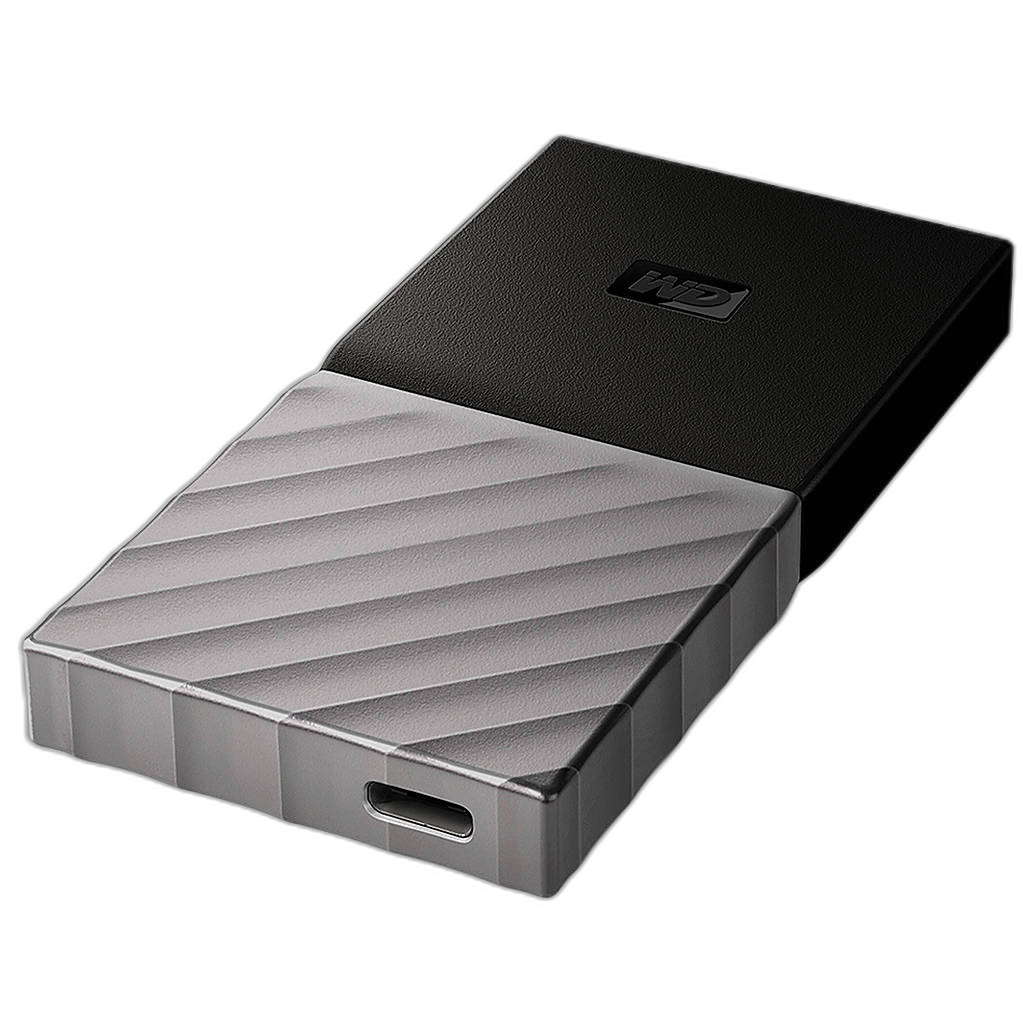
The Western Digital My Passport USB 3.1 External SSD, available at Unique Photo, is a smart fit for photographers who want fast file access and secure storage for contest-ready images, layered edits, and archived originals.
Why Watermarks Can Hurt Your Chances in a Photo Contest
If your goal is to win, place, or receive honorable mention, a watermark can work against you. Photographers often ask “do watermarks affect judging?” and in many cases, yes.
Here is why:
- They distract from the subject. Even subtle text in a corner can pull the eye away from the composition.
- They interrupt visual flow. Judges review many entries quickly, and any interruption can weaken first impression impact.
- They can appear defensive or amateurish. In a formal contest setting, a watermark may signal a lack of confidence in the process or unfamiliarity with submission etiquette.
- They may alter tonal balance. On minimalist, dark, or high-key images, a watermark can become disproportionately prominent.
A clean image almost always presents better in a contest environment. If you have invested in quality capture equipment, strong lenses, and thoughtful post-processing, let the image stand on its own.
When It Might Make Sense to Use a Watermark
Although the answer for actual contest submissions is generally no, there are still situations where watermarking may be useful. If you are posting your shortlisted entry on social media, sharing preview images online, or displaying low-resolution versions before the contest closes, a tasteful watermark can serve as a mild deterrent.
Common cases where photographers use watermarks include:
- Low-resolution website galleries
- Client proofing previews
- Social media teasers
- Blog posts discussing contest work after submission deadlines
Even then, subtlety matters. A giant opaque logo across the center can damage your branding as much as it protects your file. If you do use one outside the contest upload itself, keep it small, unobtrusive, and placed where it does not dominate the image.
Best Practices for Contest Image Submission
If you are preparing images and wondering “how should I submit photos to a contest?”, here are the best practices photographers should follow:
- Read the rules line by line. Check size, format, color space, filenames, metadata, and watermark restrictions.
- Export a clean version. Remove logos, signatures, decorative borders, and branding.
- Keep your metadata organized. Save original capture data and authorship information in your archived files.
- Create separate versions. Make one contest file, one web-sharing version, and one print-ready master.
- Back up everything. Store RAWs, edited TIFFs, JPEG exports, and entry confirmation screenshots.
- Print your finalists when possible. Seeing your work on paper often reveals issues you miss on screen.
Printing is especially helpful for evaluating sharpness, tonal transitions, and overall impact. For photographers who want a fine art look when reviewing or presenting their images, premium paper can make a meaningful difference.

The Epson Exhibition Watercolor Paper Textured (13x19in, 25 Sheets) is a beautiful option from Unique Photo for photographers who want to review contest images as exhibition-style prints before submitting or displaying them.
How to Protect Your Images Without Watermarking Contest Entries
If you are concerned about theft but do not want to sabotage your presentation, there are better alternatives than watermarking your contest image. Search interest around “how to protect photos without watermark” keeps growing for good reason.
Try these strategies instead:
- Register your copyright for stronger legal protection where applicable.
- Submit only to reputable contests with transparent terms and rights policies.
- Use lower-resolution files if the contest permits them for initial rounds.
- Embed metadata with your name and contact information in your archive copies.
- Document your workflow by keeping dated RAW files and edit histories.
- Review rights language carefully to make sure the organizer is not claiming overly broad usage.
At Unique Photo, photographers often ask whether better gear also helps with image protection. While no camera can replace legal and workflow safeguards, strong file management and high-quality originals do make it easier to prove authorship and maintain professional standards.
Does Watermarking Matter More for Online Contests or Social Media Contests?
For social media contests, the answer becomes more nuanced. Some contests require posting publicly with a hashtag, which means your image is being shared in a more open environment. In those cases, photographers may be tempted to add a small watermark. Still, you should first check whether the rules prohibit visible marks.
If public posting is part of the contest, consider this approach:
- Upload a clean image if required for judging
- Post a lightly branded version only if rules allow it
- Avoid oversized logos or center overlays
- Keep a high-resolution master offline and backed up
For creators producing hybrid photo and video content for contests, campaigns, or personal branding, streamlined modern camera kits can simplify the process of making polished entries and promotional follow-up content.

The Canon EOS R7 Content Creator Kit and Canon EOS R8 Content Creator Kit, both available at Unique Photo, are strong options for photographers and creators who want flexible systems for image-making, behind-the-scenes content, and social sharing around contest participation.
What Judges Really Want to See in a Contest Submission
If you want to improve your odds, focus less on visible protection and more on visual excellence. Most judges are looking for:
- Strong composition
- Technical quality
- Originality
- Emotional or narrative impact
- Consistency with the category or theme
- Professional presentation
A watermark rarely helps with any of those. A compelling image made with care, edited with restraint, and submitted according to the rules will nearly always outperform a distracted presentation.
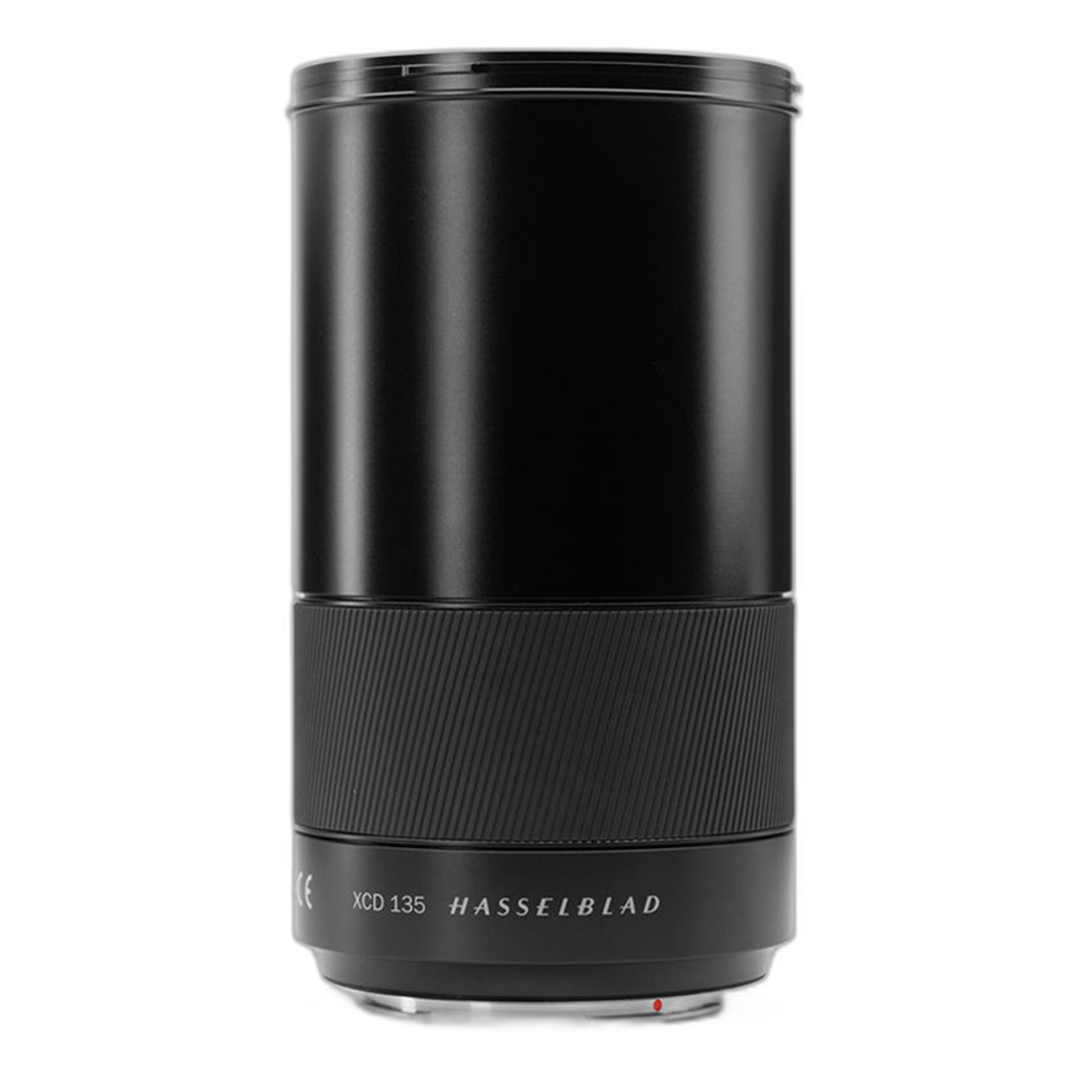
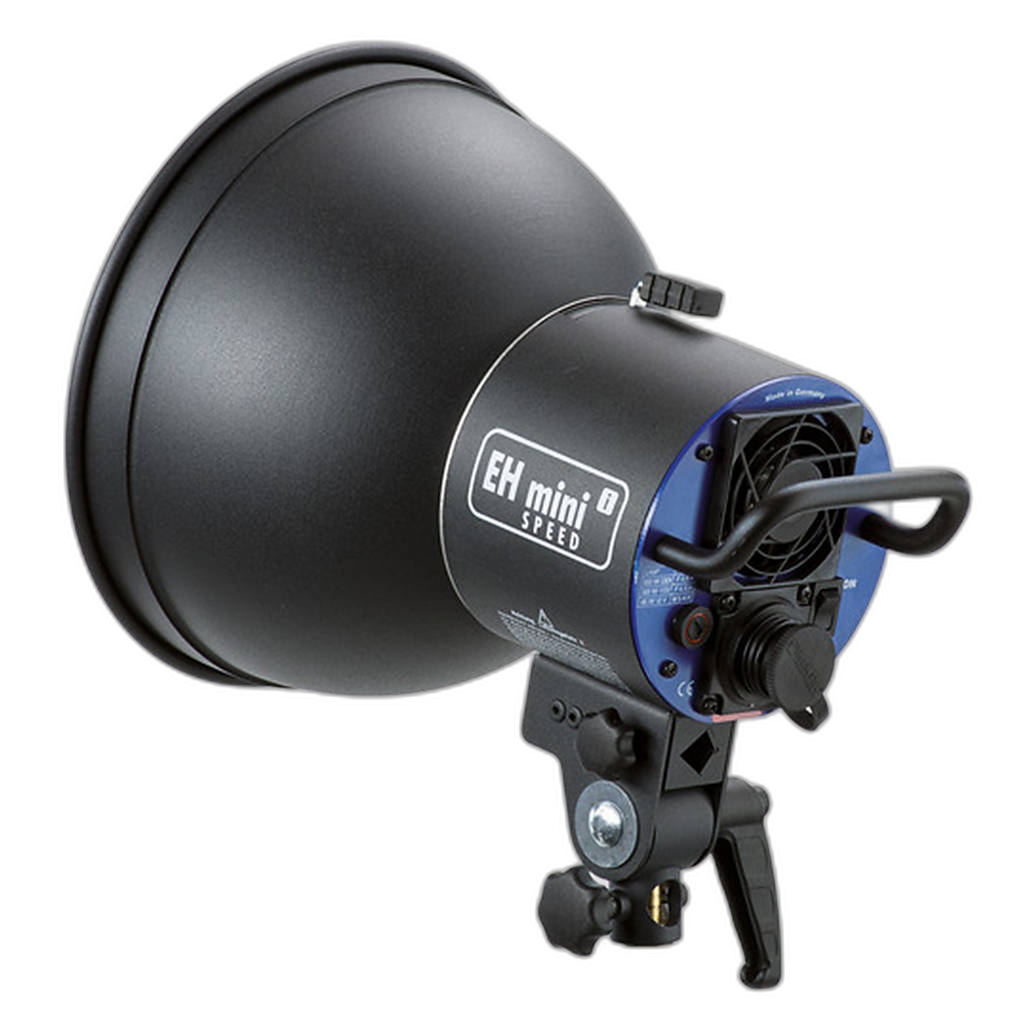
Whether you shoot wildlife with specialized optics, portraits with controlled lighting, or gallery-scale fine art prints, preparation matters. Unique Photo carries everything from advanced lenses and lighting tools to printers, media, and storage, helping photographers build complete contest workflows.
Final Answer: Should You Watermark Contest Submissions?
In most cases, no. If you are submitting to a photography contest, the safest and most professional choice is to send a clean, unwatermarked image unless the rules explicitly say otherwise. Watermarks can distract judges, weaken presentation, and even disqualify your entry if the contest requires anonymous judging.
Use watermarks selectively for web previews or social sharing if allowed, but keep your official contest file clean. Protect your work through copyright awareness, reputable contest selection, organized backups, and strong file management instead.
For photographers building a reliable contest workflow, Unique Photo is a valuable resource for capture tools, storage, printers, papers, and accessories. If you are planning your next submission, consider exploring internal links to mirrorless cameras, external SSD storage, fine art paper, and large-format printing solutions on UniquePhoto.com to help strengthen your image-making and presentation process.