Photography contests can be powerful opportunities to grow your portfolio, gain recognition, and connect with new clients, galleries, and creative communities. Whether you are entering a neighborhood photo competition, a regional camera club challenge, or a major international online photography contest, success usually comes down to more than just submitting a beautiful image. The strongest entrants pair technical quality with strategy, storytelling, careful editing, and close attention to contest rules. At Unique Photo, photographers regularly look for ways to sharpen both their craft and their presentation, and contests are one of the best real-world tests of those skills.
Below are practical best practices for improving your odds in both local and online photography contests, from choosing the right image to preparing files properly and presenting your work professionally.
How to Choose the Right Photography Contest to Enter
One of the most overlooked contest strategies is entering the right contest in the first place. Many photographers submit work broadly without considering fit, audience, or judging style. A better approach is to evaluate each opportunity carefully.
- Study the theme: If the contest is about community, conservation, portraiture, or architecture, make sure your image clearly aligns with that focus.
- Review past winners: This can reveal whether judges favor documentary realism, fine art editing, bold color, minimalism, or emotional storytelling.
- Understand usage rights: Read the terms before entering. Some contests request broad licensing rights; others are far more photographer-friendly.
- Consider your level: Local contests can be ideal for building momentum and confidence, while online global contests may offer larger exposure but tougher competition.
- Match your niche: Landscape, wildlife, street, portrait, and commercial photographers often perform best in categories tailored to their strengths.
If you are building a long-term career, think about contests as part of a broader professional plan. Educational resources available through Unique Photo can help photographers refine that approach. For example, books like Best Business Practices for Photographers by John Harrington can support the professional side of image presentation and career growth.
What Judges Look for in Winning Photography Contest Entries
If you want to win photography contests, it helps to think like a judge. Most judges review many images in a short amount of time, so your work needs to make a strong impression quickly.
Common criteria include:
- Impact: Does the image create an immediate emotional or visual response?
- Originality: Does it offer a fresh perspective, unusual moment, or distinctive treatment?
- Technical excellence: Is the exposure intentional, the focus appropriate, and the file clean and well-processed?
- Composition: Are framing, balance, perspective, and visual flow working together effectively?
- Storytelling: Does the image communicate a clear idea, mood, or narrative?
- Relevance to the category: Even a great image can lose if it does not fit the contest brief.
In local contests especially, storytelling and subject relevance can matter as much as technical perfection. In online contests, where entries often come from around the world, originality and polish become even more important.
How to Select Your Best Photo for a Contest
A frequent mistake is submitting your personal favorite instead of the image most likely to score well. Those are not always the same thing. The best contest image is usually the one that combines clarity, craftsmanship, and category fit.
Use this selection process:
- Start with a short list: Narrow your options to three to five strong candidates.
- Compare at thumbnail size: Contest galleries and judge previews may show small versions first, so strong visual impact matters.
- Check for distractions: Background clutter, merger issues, awkward cropping, and overprocessing can reduce your score.
- Ask for feedback: Get input from trusted peers, a camera club, or photography educators.
- Let the image rest: Revisit after a day or two with fresh eyes before final submission.
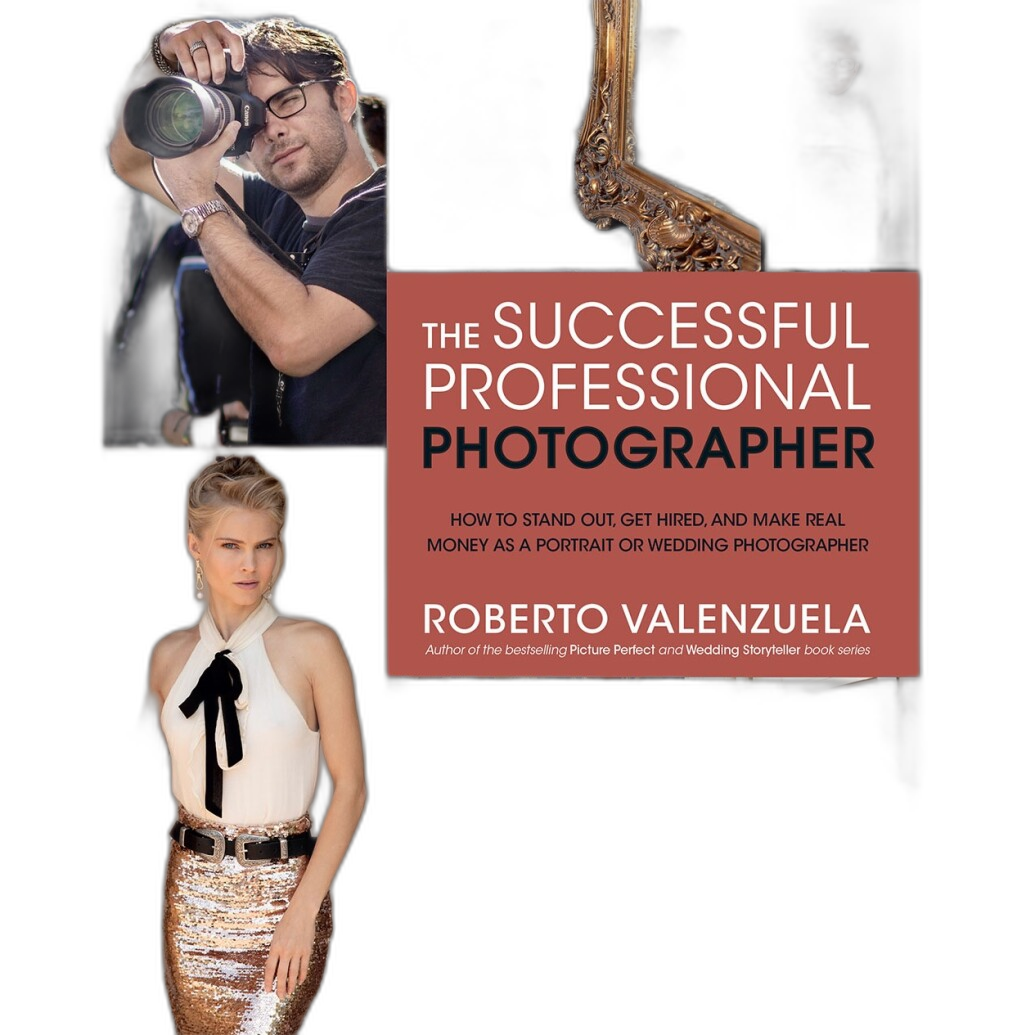
For photographers who want to develop a more competitive body of work overall, educational titles like Successful Professional Photographer by Roberto Valenzuela can be useful references for visual consistency, presentation, and professional thinking.
Best Editing Practices for Photography Contest Submissions
Editing should strengthen the image, not overwhelm it. Judges can often spot heavy-handed processing immediately, especially when HDR effects, oversharpening, excessive noise reduction, or unnatural color grading distract from the subject.
Best practices for editing contest photos include:
- Keep skin tones believable in portrait categories.
- Preserve detail in highlights and shadows whenever possible.
- Avoid halos from aggressive clarity or sharpening tools.
- Retouch carefully and within the contest rules.
- Calibrate your monitor so your color and brightness are accurate.
- Export in the correct color space and file size requested by the organizer.
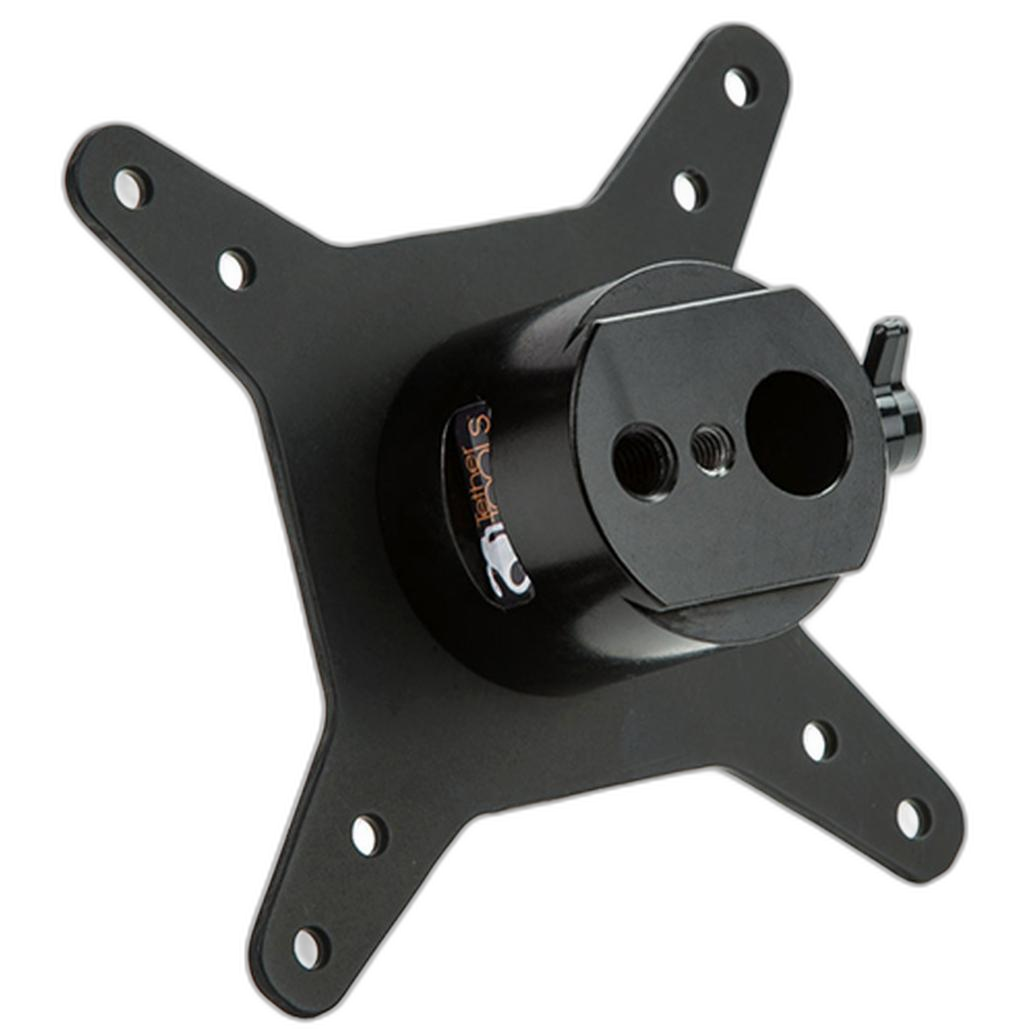
If your workflow includes tethered capture or a more detailed review setup for studio, product, or conceptual competition work, accessories that improve your monitor positioning can be helpful. The Tether Tools Local Vu Monitor Bracket is the kind of workflow tool some photographers use when refining images on set or during collaborative review sessions.
How to Follow Photography Contest Rules Without Disqualification
Many strong entries lose before judging even begins because the photographer missed a technical requirement or rule. This is especially common in online photography contests, where automated systems may reject files instantly.
Double-check these details before uploading:
- File dimensions and maximum file size
- Accepted file format such as JPEG or TIFF
- Naming conventions for submissions
- Metadata rules if anonymity is required
- Capture date restrictions if the contest only accepts recent work
- AI and compositing policies
- Retouching limitations for documentary or photojournalism categories
- Entry deadlines and time zones
For local contests, make sure you understand print requirements too. Paper type, matting instructions, frame rules, and labeling standards can all affect acceptance.
Tips for Winning Local Photography Contests
Local photography contests often reward images that connect with place, people, and community identity. That means your strongest strategy may be different from what works in a large online competition.
To improve your chances in local contests:
- Photograph recognizable but fresh subjects: Show your area in a way others have not seen before.
- Capture authentic moments: Local culture, events, and portraiture can resonate strongly with community judges.
- Research the sponsor: A library, arts council, local business group, or environmental nonprofit may each prefer a different style of image.
- Print carefully: A great file can still underperform if the print quality is poor.
- Attend openings or receptions: Networking is often one of the biggest advantages of local competitions.
Unique Photo serves many photographers who balance creative growth with local exposure, and contests can be a smart way to build recognition close to home while strengthening your resume for future opportunities.
Tips for Winning Online Photography Contests
Online contests are highly competitive because they attract entries from a much larger pool. To stand out, your image must read strongly on screens of all sizes and hold attention in fast-scrolling galleries.
Online photography contest best practices include:
- Prioritize strong subject separation: Images that read clearly at small size often perform better.
- Use concise titles: If titles are allowed, avoid overly vague or overly dramatic wording.
- Write a compelling caption when requested: A short, specific explanation can add context without overexplaining.
- Check mobile appearance: Many judges and viewers first encounter entries on smaller screens.
- Submit early: This gives you time to fix upload issues or replace the wrong file.
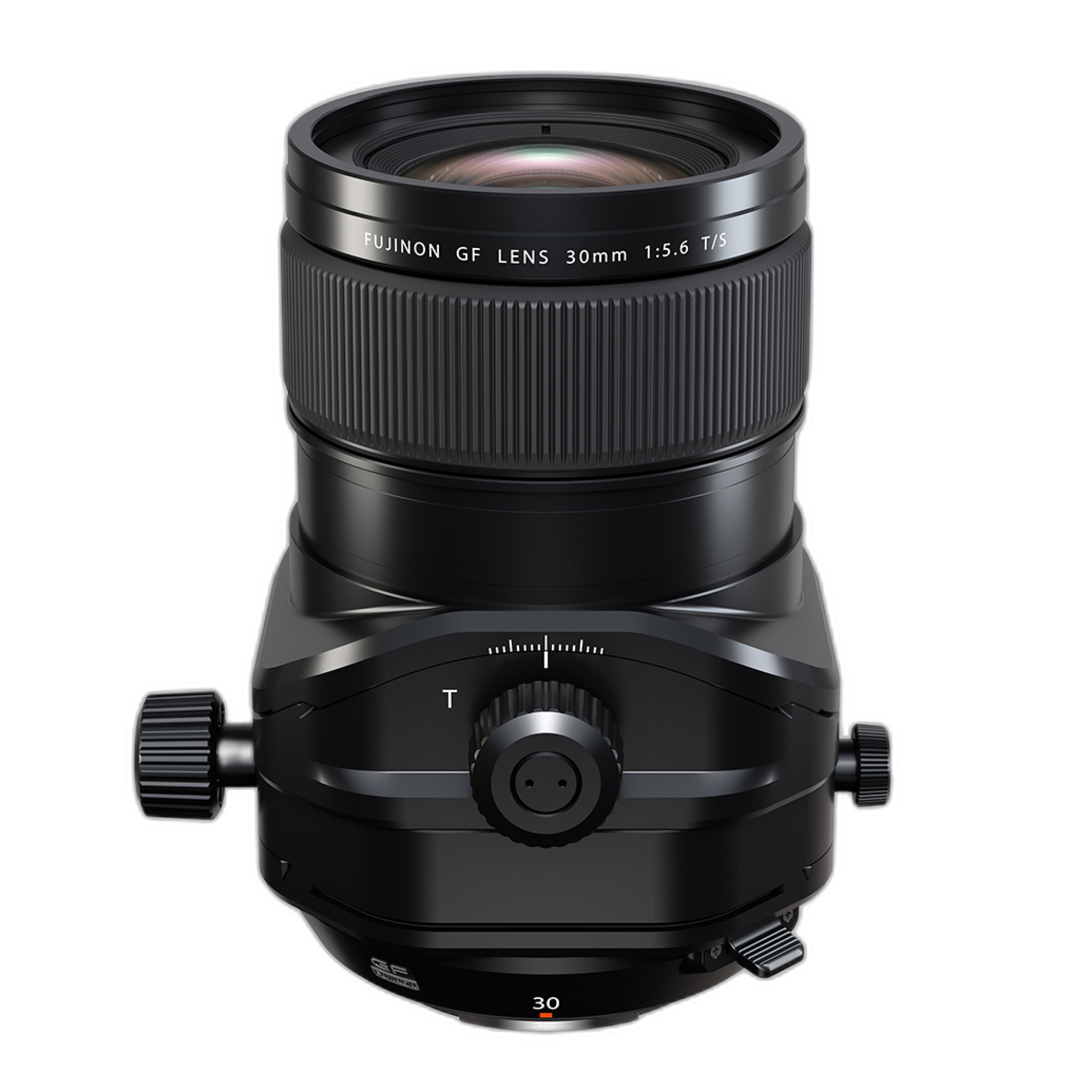
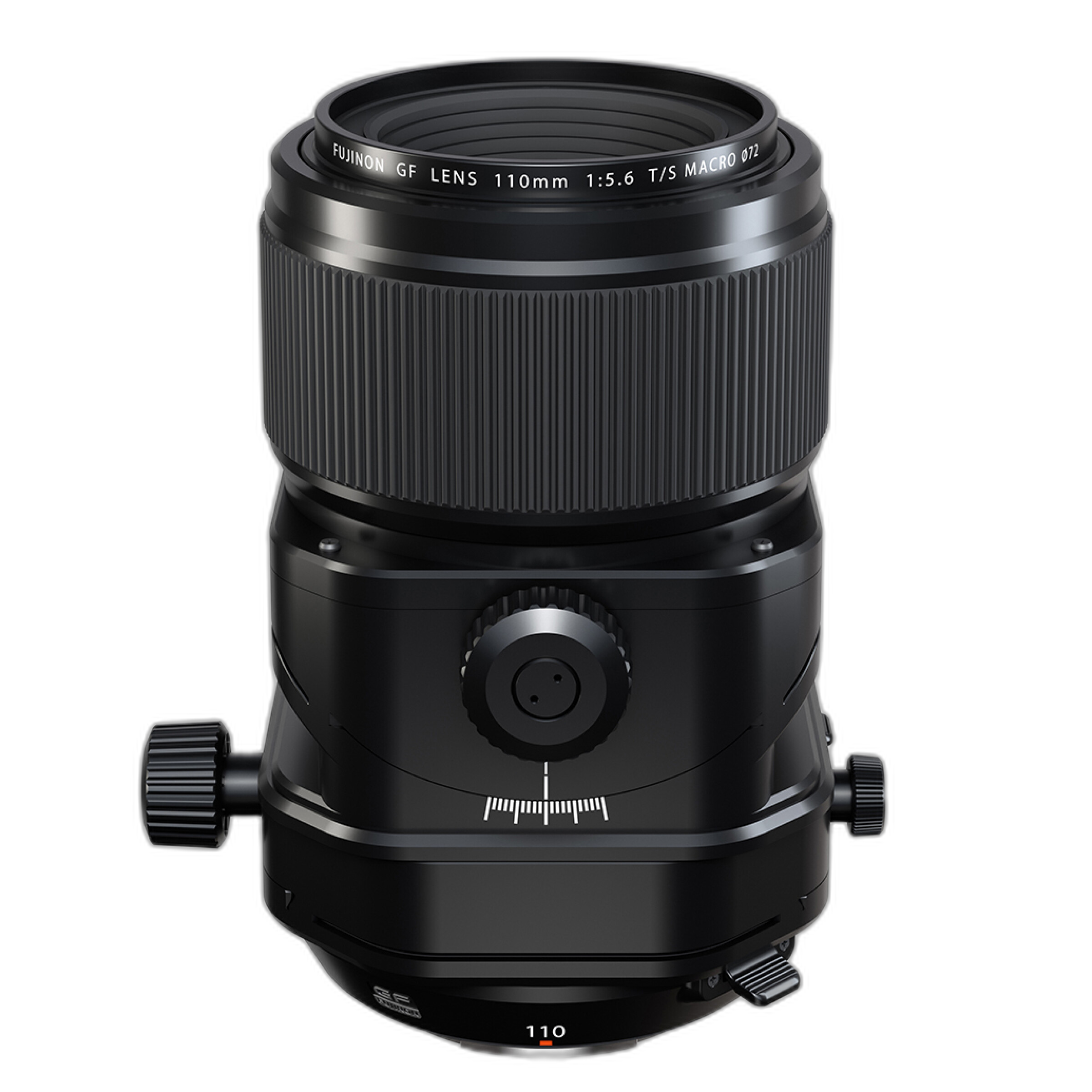
Lens choice can also shape the kind of contest images you create. For example, photographers exploring architecture, interiors, and fine art perspectives may find specialized optics useful for highly controlled compositions. At Unique Photo, advanced tools like the Fujifilm FUJINON GF 30mm f/5.6 T/S Lens and Fujifilm FUJINON GF 110mm f/5.6 T/S Macro Lens can support precise perspective control for categories where detail and geometry matter.
How to Build a Contest-Worthy Portfolio Over Time
Winning contests consistently usually comes from building a stronger body of work, not chasing single lucky submissions. The photographers who place often refine their visual voice over months and years.
To build a more contest-worthy portfolio:
- Shoot personal projects, not just random one-off images.
- Review your own work in batches to identify recurring strengths and weaknesses.
- Practice editing for consistency across a series.
- Enter regularly and learn from results.
- Study judge feedback whenever it is available.
- Take workshops, join critique groups, and keep learning.
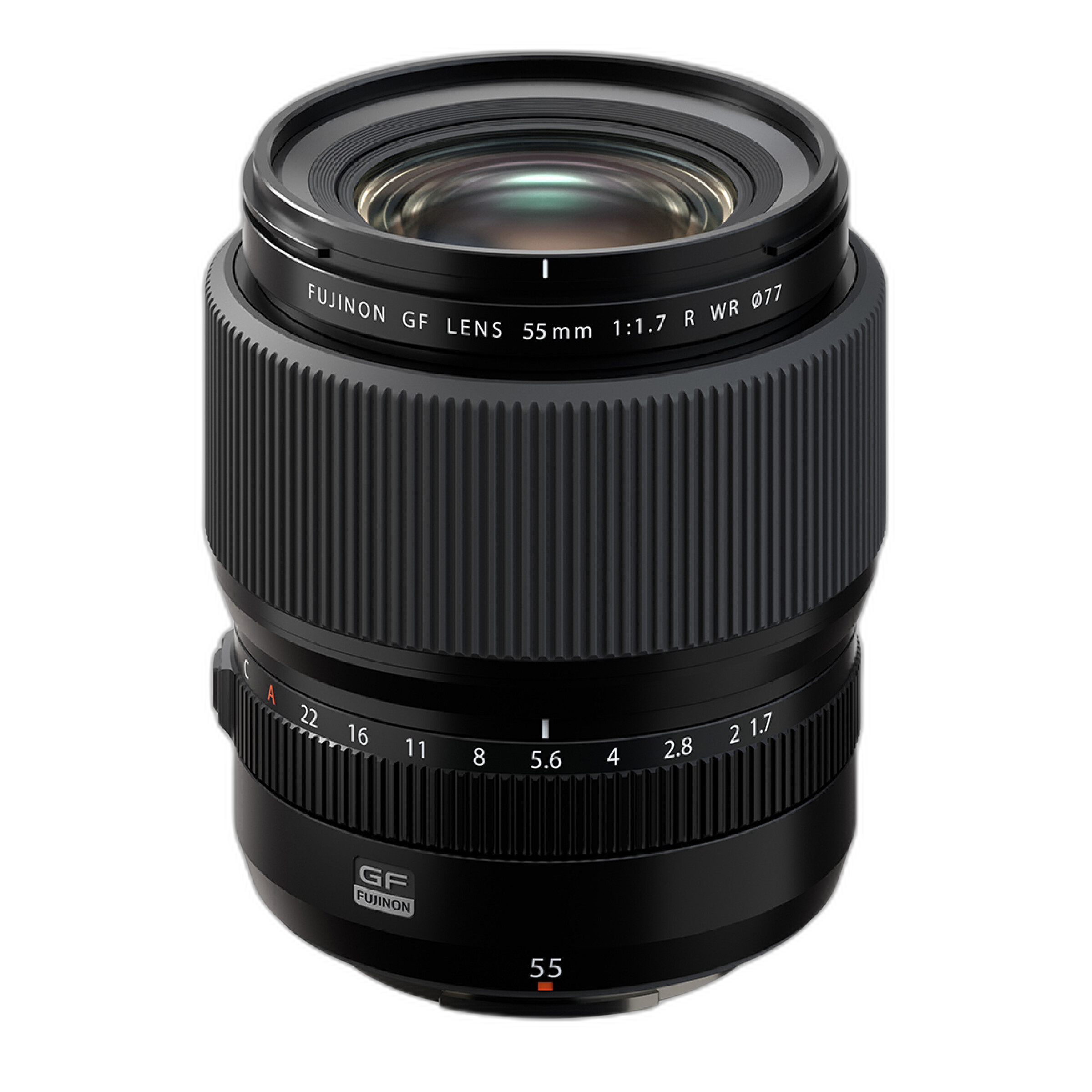
Portrait, lifestyle, and narrative photographers may also benefit from working with lenses that deliver strong subject isolation and visual character. A lens such as the Fujifilm FUJINON GF 55mm f/1.7 R WR Lens can be relevant for photographers developing refined, impactful imagery for portrait-oriented categories.
Common Photography Contest Mistakes to Avoid
Avoiding common mistakes can improve your results almost immediately. Some of the most frequent issues include:
- Entering an image that does not match the category
- Submitting too many similar photos
- Overediting for dramatic effect
- Ignoring print presentation standards
- Using weak titles or confusing captions
- Forgetting to remove watermarks when prohibited
- Missing deadlines due to last-minute uploads
- Failing to archive model or property releases if required
Another mistake is assuming gear alone wins contests. Strong equipment can certainly support your vision, but concept, timing, light, and editing discipline still matter most. Unique Photo is a great place to explore tools that match your style, but the image itself must carry the submission.
Should You Enter the Same Photo in Multiple Contests?
Yes, in many cases you can enter the same image in multiple contests, as long as the rules allow it and the image has not become ineligible due to prior publication or winning status. However, it is smart to be selective.
Consider entering the same image again when:
- The themes are closely aligned
- The audience and judges are different
- The prior contest did not provide meaningful exposure
- You have improved the edit within acceptable ethical limits
Avoid overusing the same photograph to the point that it defines your entire contest presence. Over time, a broader and more recognizable portfolio will serve you better.
Final Thoughts on Winning Local and Online Photography Contests
The best practices for winning photography contests are straightforward: choose contests strategically, follow the rules carefully, edit with restraint, and submit images that communicate clearly and memorably. Local contests can help you build community visibility and confidence, while online contests can expand your reach and put your work in front of a much larger audience. Both are valuable.
If you are looking to sharpen your skills, refine your workflow, or upgrade the tools behind your next submission, Unique Photo is an excellent resource for photographers at every level. Educational books, specialty lenses, and workflow accessories can all play a role in helping you present stronger work with more confidence.
For internal linking opportunities, consider guiding readers to related Unique Photo pages such as photography books, lenses for portrait photography, medium format lens collections, tethering accessories, and educational resources for photographers.