Heavy Mirrorless Setups Need More Than a Basic Gimbal
If you are flying a heavy mirrorless camera body with a fast zoom, cinema-style accessories, wireless video, focus motors, or an external monitor, your stabilizer choice matters a lot more than it does for a stripped-down hybrid rig. In this category, torque, arm clearance, balancing efficiency, accessory support, and overall handling become just as important as headline payload figures. For filmmakers, event shooters, commercial creators, and owner-operators building around larger full-frame mirrorless systems, the right gimbal can mean the difference between a smooth production day and constant rebalancing frustration.
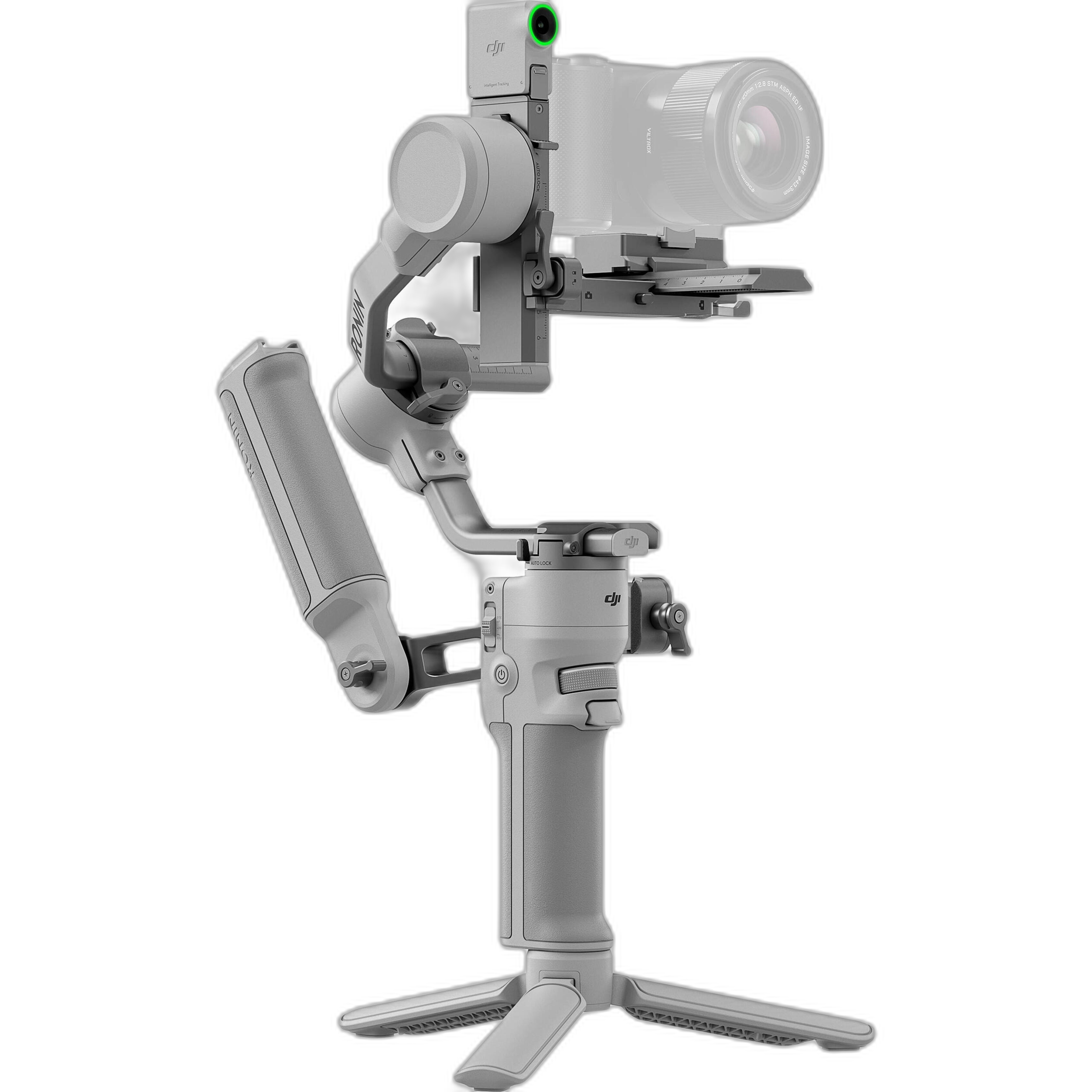
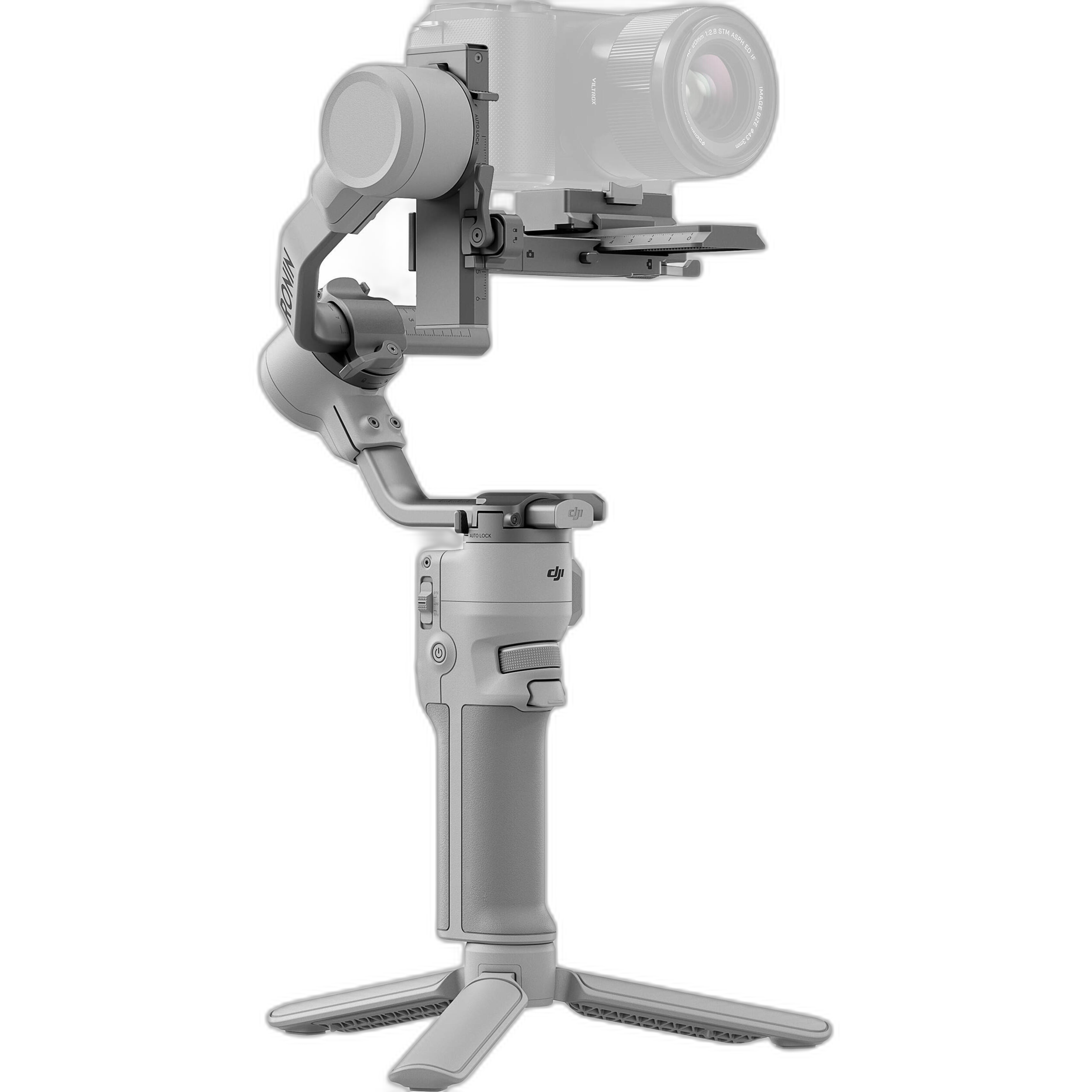
For this review-style roundup, the strongest recommendation for heavy mirrorless setups is the DJI RS 4 Pro Combo, with the Zhiyun CRANE 4 Combo Kit as a compelling alternative for shooters who want a feature-rich stabilizer designed with larger camera builds in mind. Newer and lighter options like the DJI RS 5 Combo may appeal to hybrid users, but for truly heavy mirrorless configurations, the most confidence-inspiring picks are still the more robust platforms. If you are shopping for a professional gimbal, Unique Photo is an excellent place to buy, especially if you want access to trusted camera support gear from DJI, Zhiyun-Tech, and Tilta in one place.
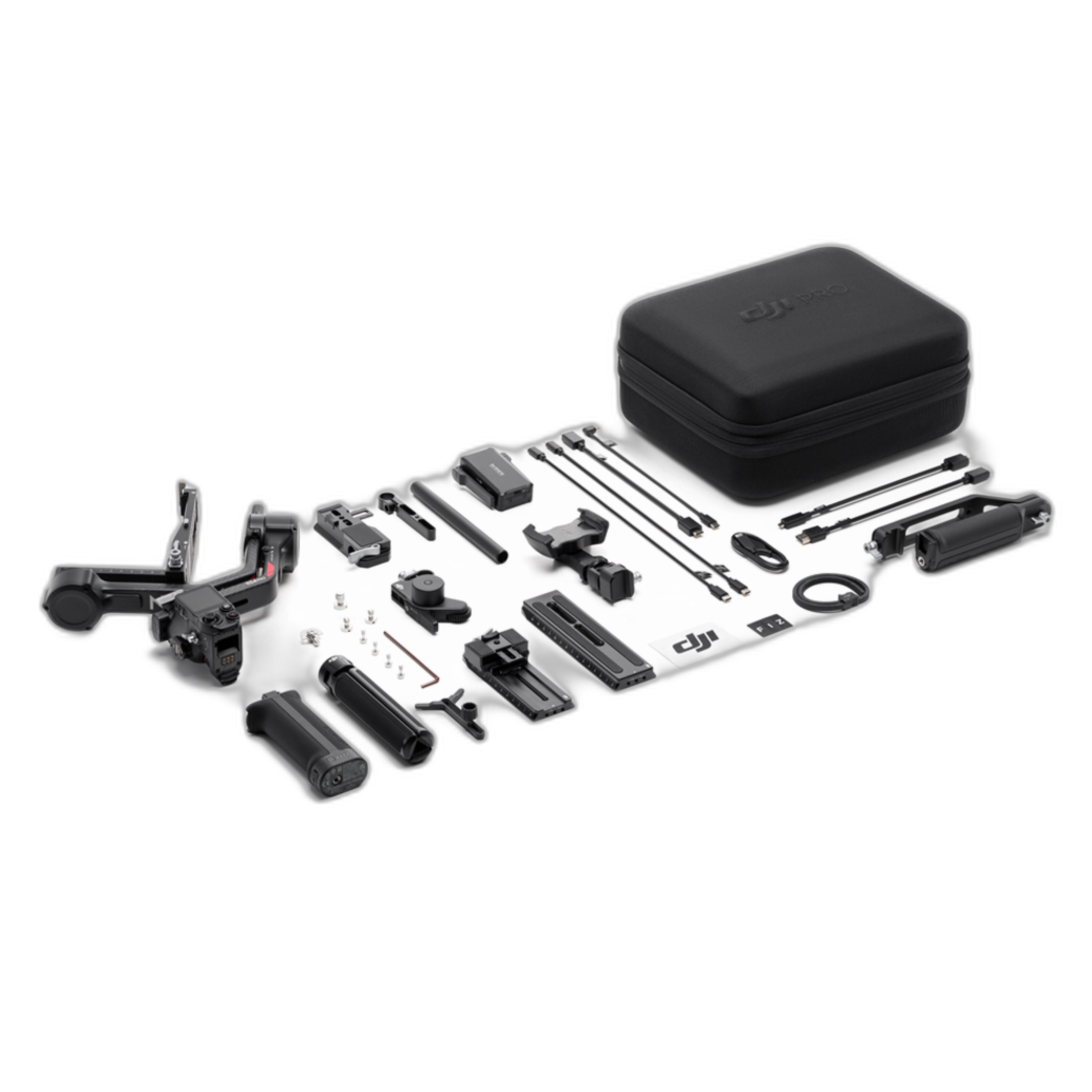
Top Pick: DJI RS 4 Pro Combo
The DJI RS 4 Pro Combo is the standout recommendation here because it hits the sweet spot that heavy mirrorless shooters care about most: strong stabilization performance, pro-level handling, broad accessory integration, and a system that feels built for serious camera packages rather than compact content rigs. If your setup includes a full-frame body paired with a 24-70mm f/2.8, 28-135mm power zoom, cage, focus motor, transmitter, and monitor, this is the class of gimbal you should be considering first.
The Combo configuration is especially appealing because it is aimed at real production workflows. Rather than buying a base unit and immediately adding the pieces that make it more useful on set, many shooters can start with a more complete kit out of the box. That matters when you are balancing heavier gear and want a package that feels production-ready from day one.
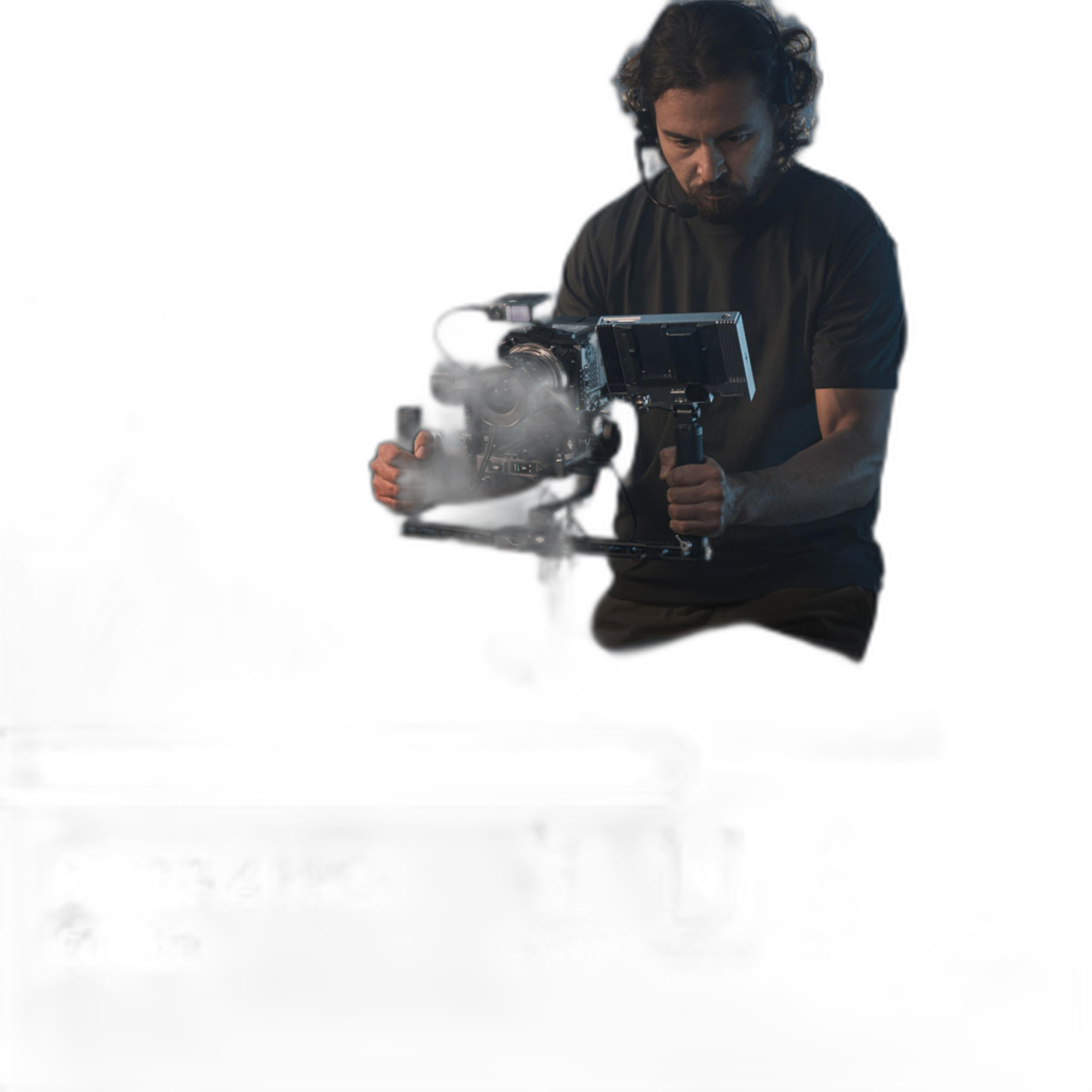
Why It Works for Heavy Mirrorless Rigs
What separates the RS 4 Pro Combo from lighter travel-oriented gimbals is confidence under load. Heavy mirrorless setups can expose the weaknesses in undersized motors, cramped arm designs, and less refined balancing systems. The RS 4 Pro Combo is much better suited to these demands, making it easier to build around larger camera bodies and pro lenses without feeling like you are pushing the stabilizer to its limit.
That overhead matters in the real world. A gimbal may technically support a camera package, but if it feels top-heavy, struggles during dynamic movement, or requires too many compromises with lens choice and accessories, it is not the right tool. The RS 4 Pro Combo is attractive because it is designed for operators who want flexibility and margin, not just minimum compatibility.
Professional Workflow Advantages
Another major advantage is how well the RS 4 Pro fits into professional shooting workflows. Heavy mirrorless users often are not working in isolation; they are integrating focus systems, monitoring solutions, and support accessories. DJI's RS ecosystem has become a strong option for that kind of production environment. For solo operators, this means more room to grow. For small crews, it means a stabilizer that can adapt from run-and-gun to more controlled commercial or narrative work.
In practical use, this makes the RS 4 Pro Combo one of the safest recommendations for advanced shooters who need a stabilizer that scales with their rig instead of forcing them to downsize it.
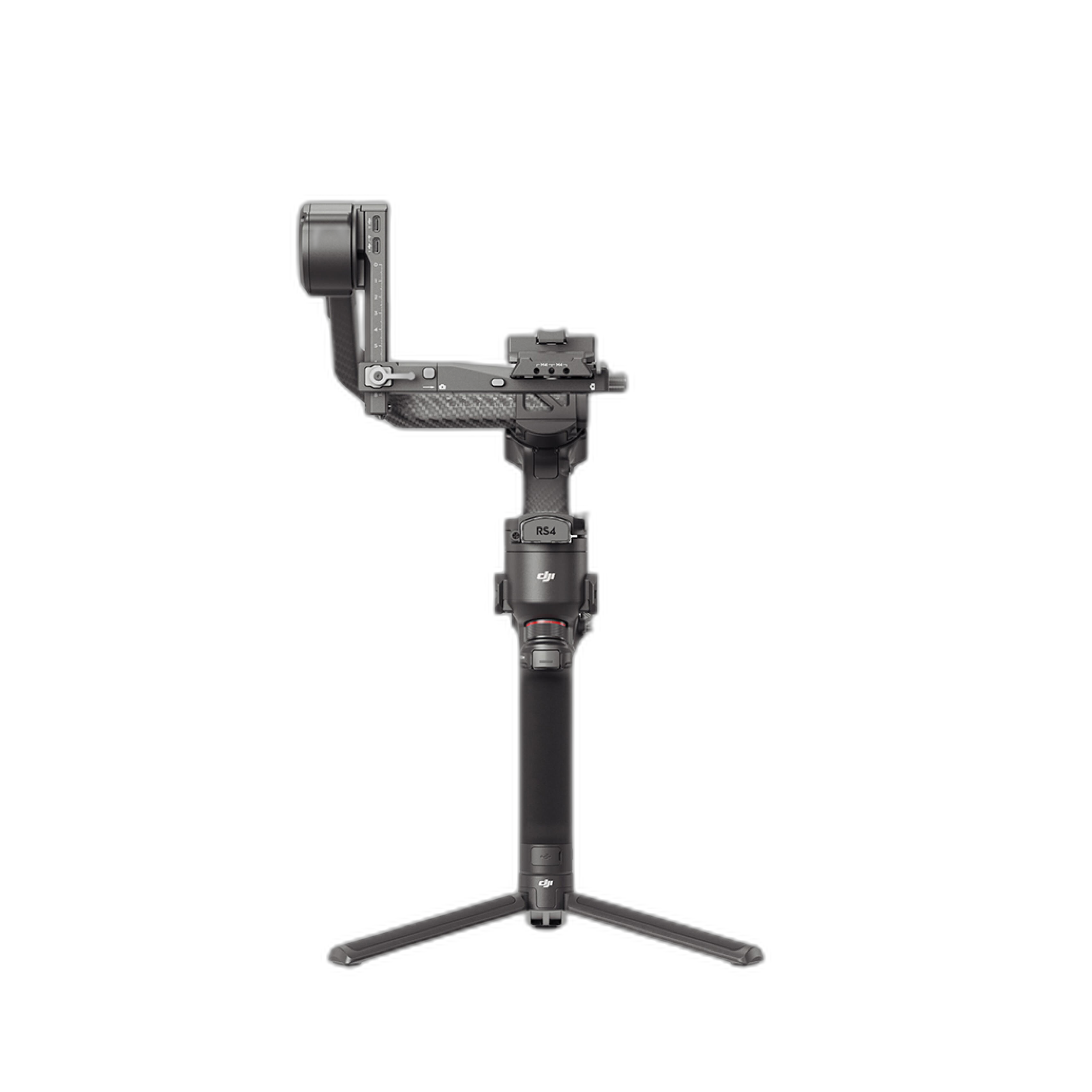
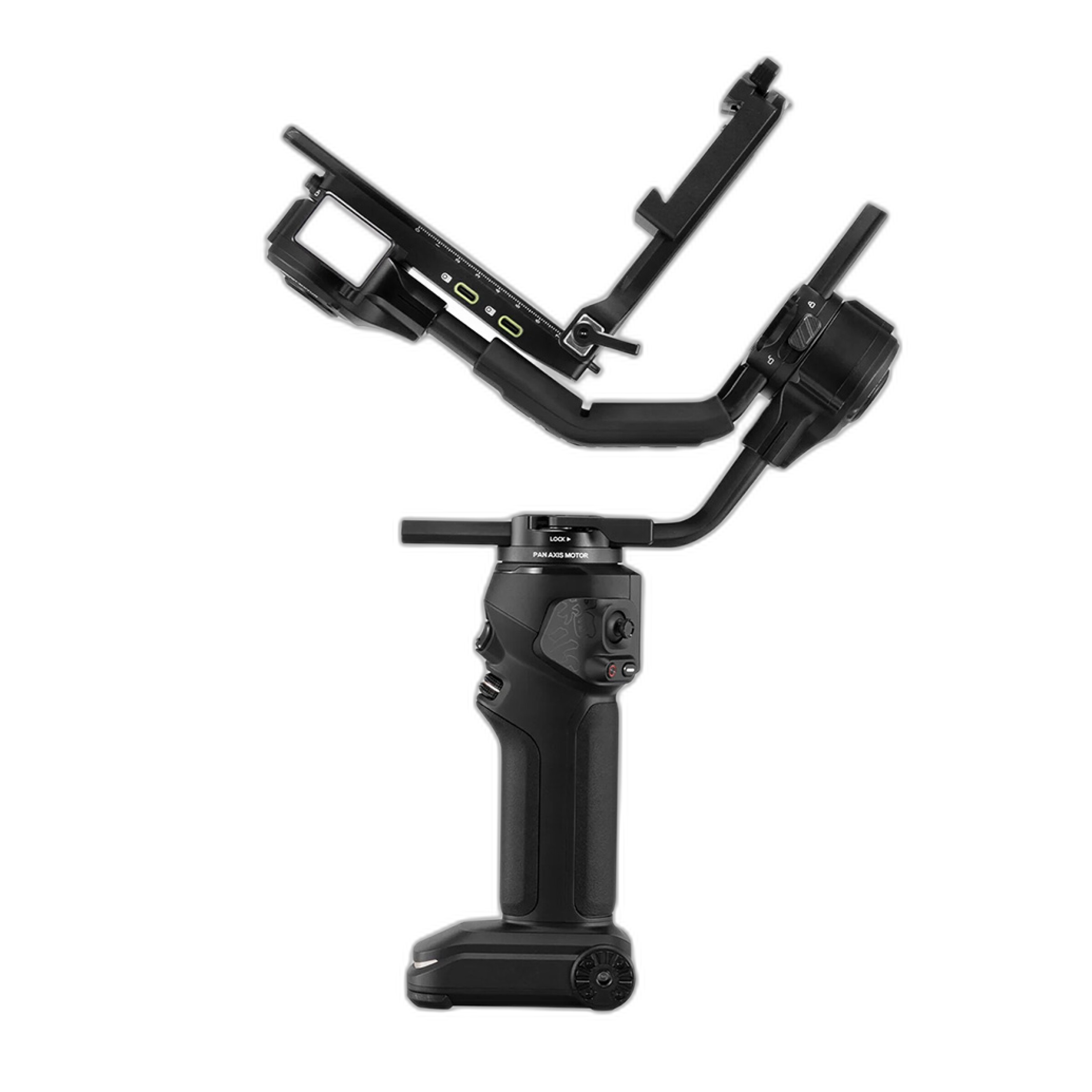
Best Alternative: Zhiyun CRANE 4 3-Axis Handheld Gimbal Stabilizer Combo Kit
The Zhiyun CRANE 4 Combo Kit is a strong alternative for filmmakers who want a heavy-duty handheld gimbal with an equally production-minded design. Zhiyun has clearly aimed this model at more serious camera builds, and that makes it highly relevant for heavier mirrorless users. If you frequently work with full-frame hybrids rigged closer to a compact cinema package than a casual stills setup, the CRANE 4 deserves real consideration.
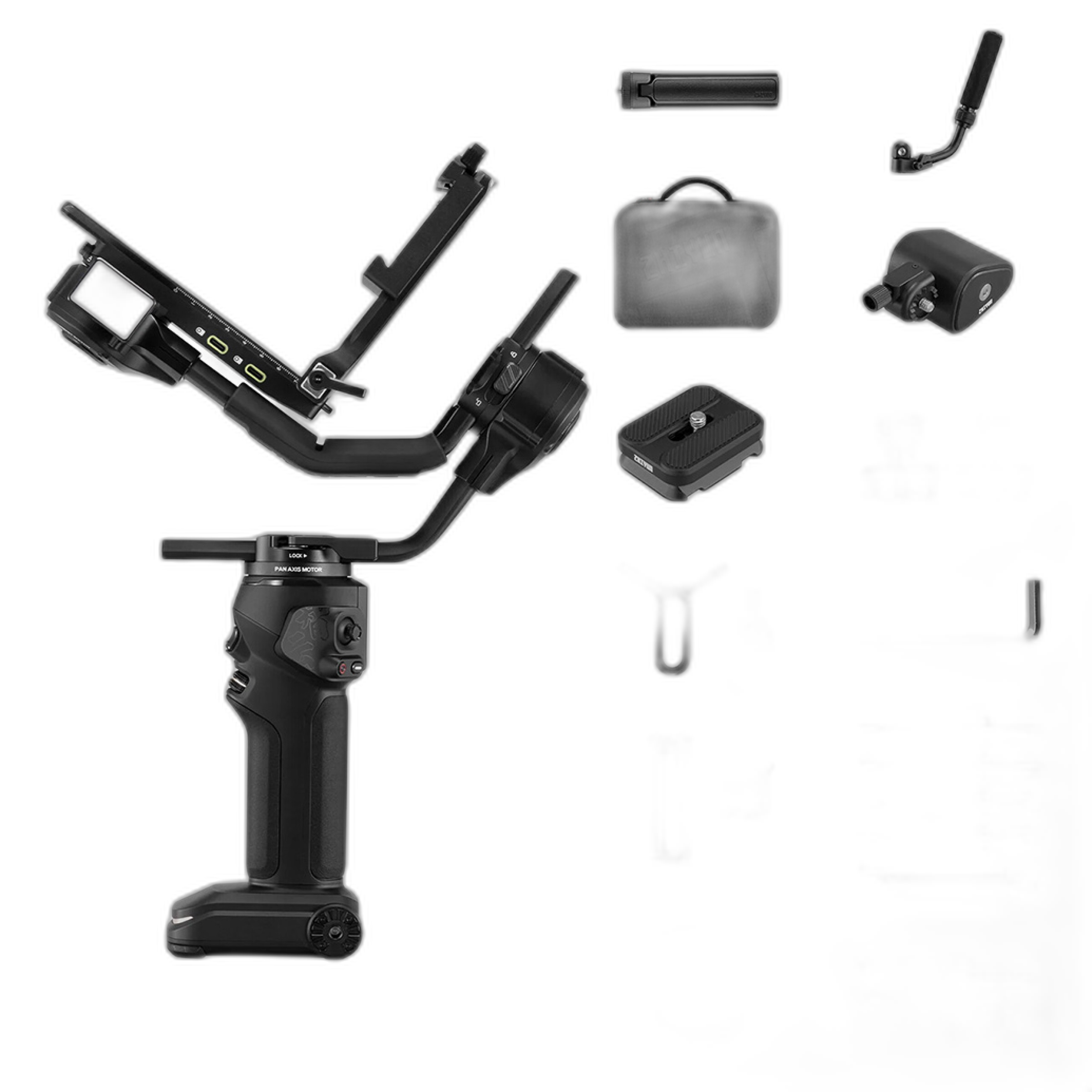
Built for Larger Camera Packages
The CRANE 4's appeal is straightforward: it is made for operators who need more room, more support, and a stronger overall platform for larger cameras and lenses. This is not the kind of gimbal you pick because it disappears into a backpack. It is the kind you pick because your setup is too substantial for compact stabilizers to handle comfortably.
For mirrorless shooters using camera cages, follow focus accessories, and heavier glass, the CRANE 4 offers the sort of design direction that makes balancing and operation feel more realistic. That can be a huge advantage if your work routinely moves between handheld drama, event coverage, branded content, and product cinematography.
Combo Value for Serious Users
The Combo Kit is also meaningful here. Heavy-rig users often need more than the bare stabilizer body to get the most from their system. Bundled accessories can improve setup flexibility and help justify the investment, especially if the gimbal is becoming a central tool in your video kit.
Also Worth Considering: DJI RS 5 Combo
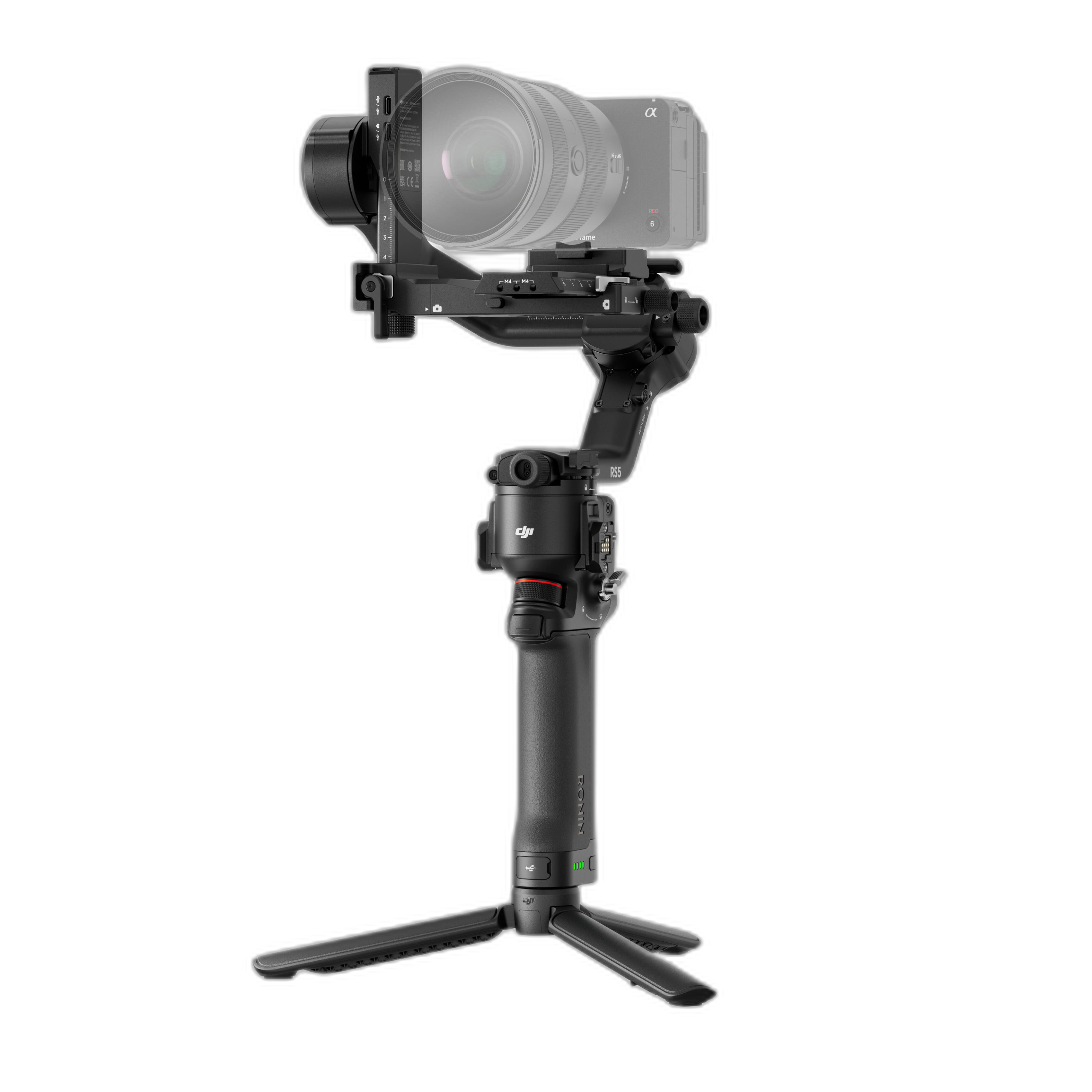
The DJI RS 5 Combo is a modern option that may appeal to creators who want DJI handling and a newer platform while still supporting relatively substantial mirrorless builds. For many hybrid shooters, wedding filmmakers, and commercial creators who run moderately heavy setups, it could be an appealing middle ground between compact convenience and pro capability.
That said, when the discussion is specifically about heavy mirrorless setups, I would still lean toward the RS 4 Pro Combo first because it more clearly projects the kind of overhead and production intent that demanding rigs benefit from. The RS 5 Combo may be an excellent choice for many users, but the RS 4 Pro remains the safer recommendation if your camera package is consistently on the larger side.
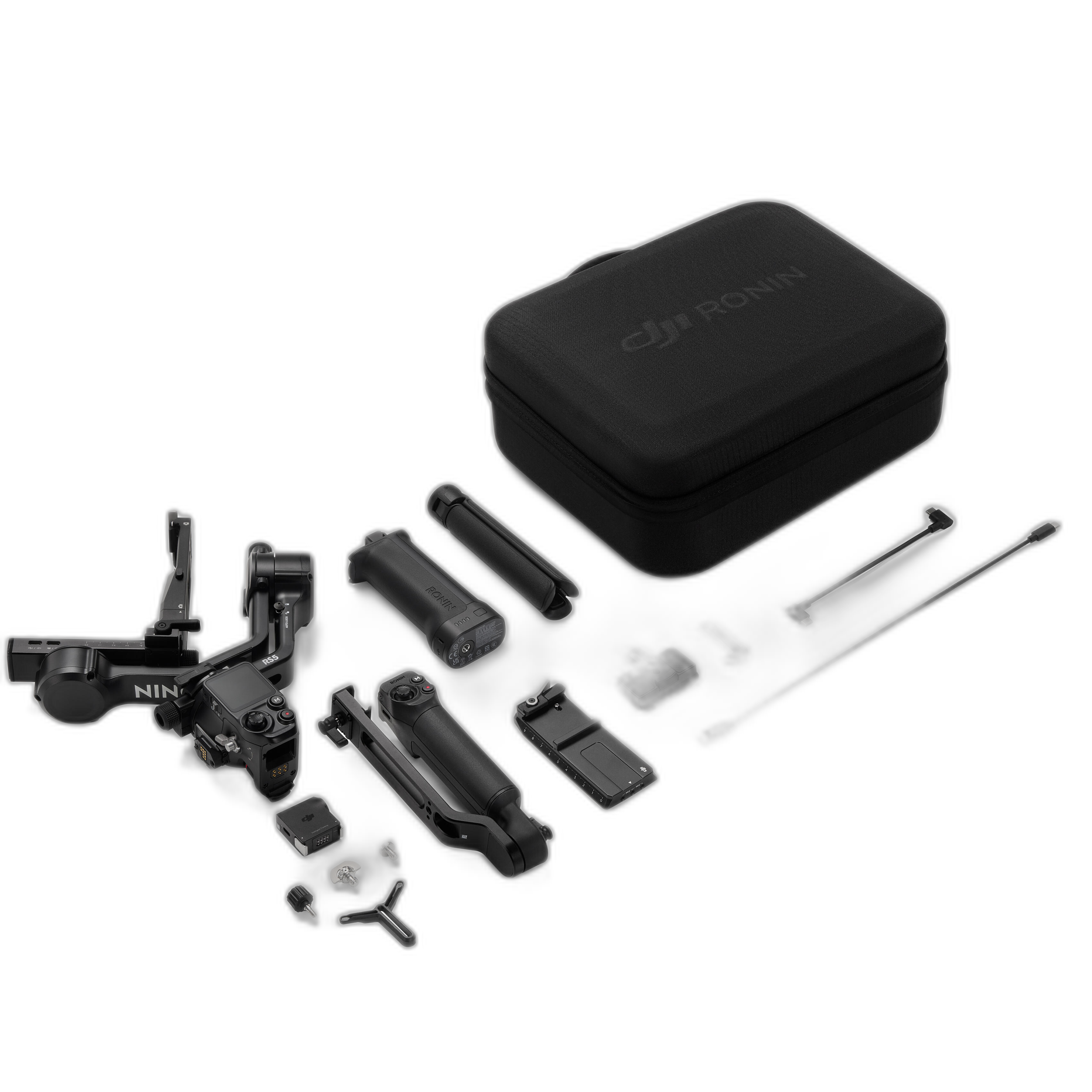
Who the RS 5 Combo Makes Sense For
If your build is heavy but not extreme, and you want a balance of portability and capability, the RS 5 Combo could be the right fit. It looks especially attractive for shooters who move between smaller stripped-down rigs and occasional fully accessorized configurations. In other words, it may be the versatile choice, while the RS 4 Pro is the more specialized heavy-rig recommendation.
Models That Are Less Ideal for Heavy Mirrorless Setups
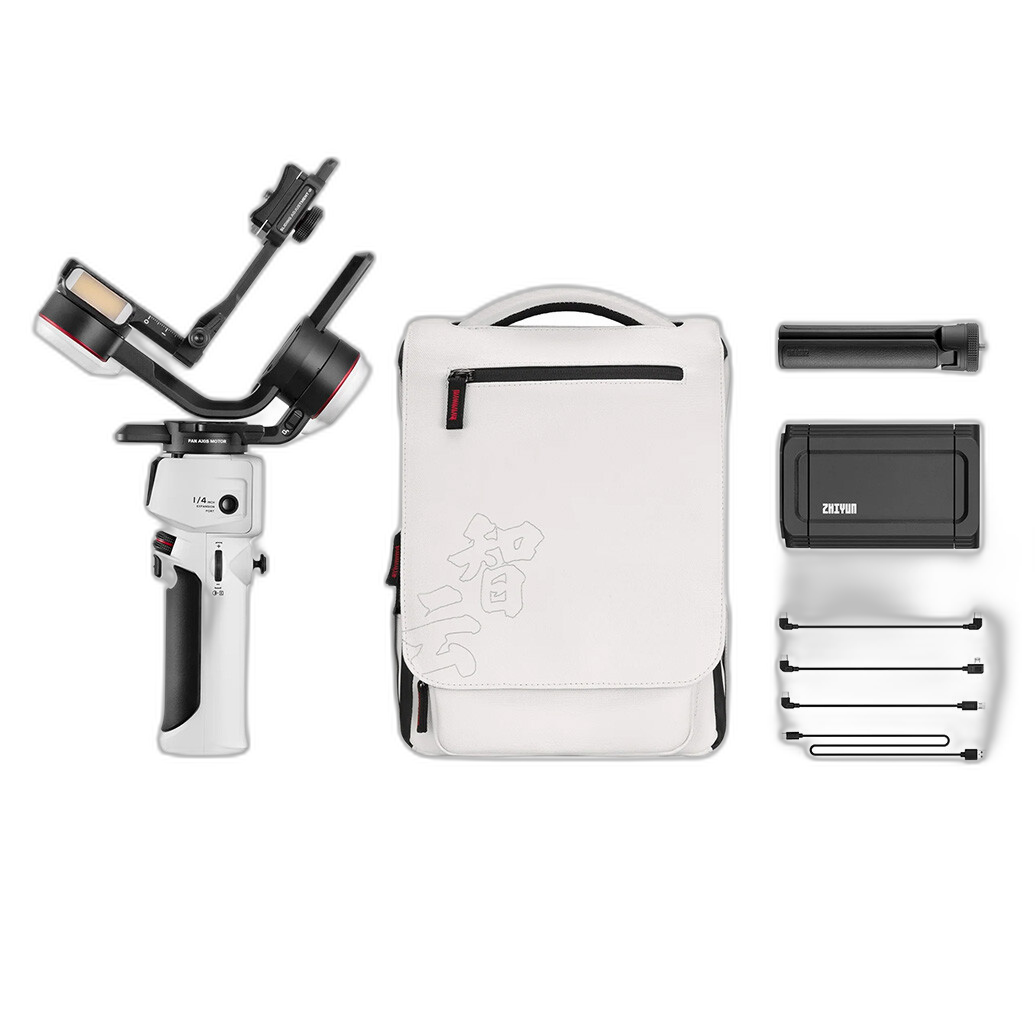
Not every gimbal in this group is meant for large camera builds. The Zhiyun CRANE M3S Handheld Gimbal Stabilizer Combo, DJI RS 4 Mini, and DJI RS 4 Mini Combo are all interesting tools, but they are much easier to recommend for lighter mirrorless cameras, compact primes, travel kits, or creator setups built around portability.
For heavy mirrorless users, these smaller stabilizers can become limiting quickly. Even if a stripped-down body technically balances, the moment you add a brighter zoom, cage, microphone, monitor, or wireless accessory, you are entering territory where larger gimbals are simply more practical and less frustrating to use.
Accessory Context: When Support Gear Matters
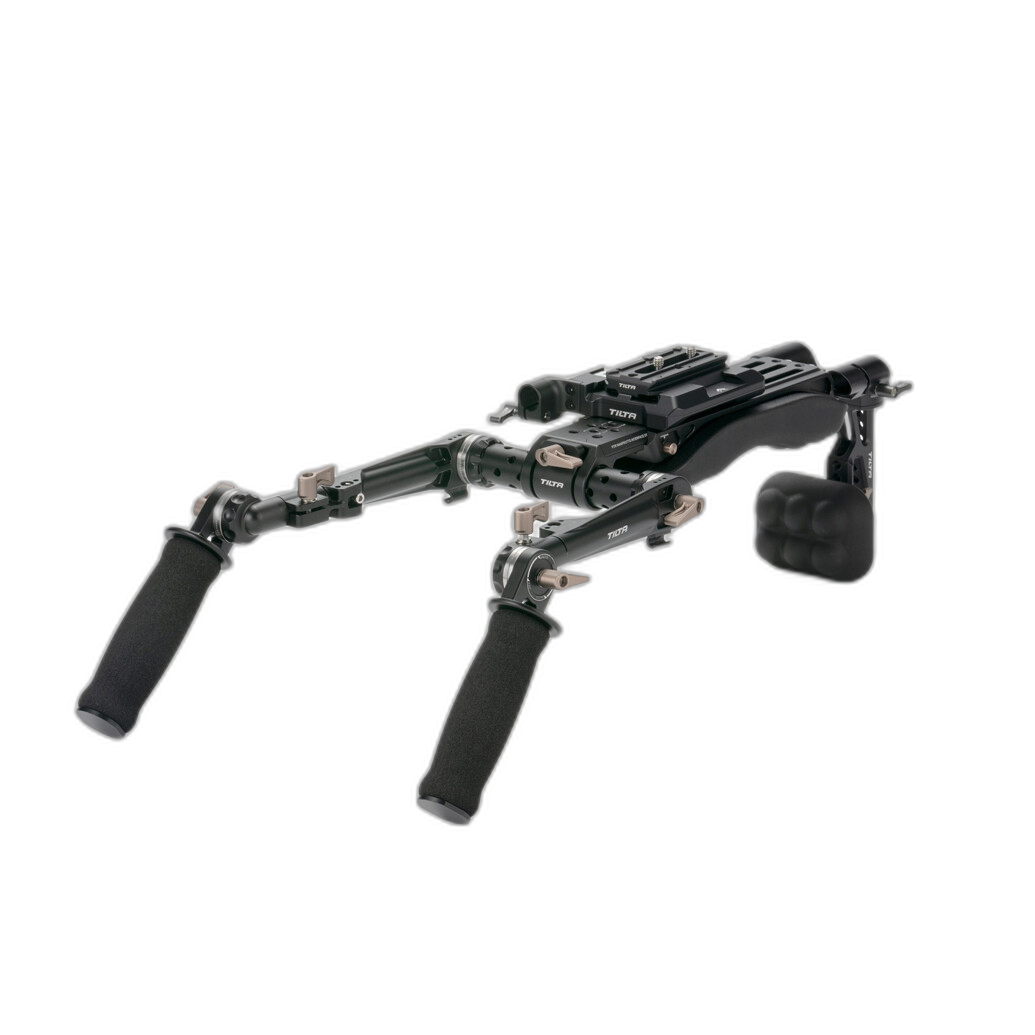
If your so-called mirrorless setup has started to resemble a compact cinema rig, support accessories may also be part of the conversation. The Tilta Lightweight Shoulder Rig - Black is not a gimbal, but it is relevant because not every heavy build is best stabilized by motors alone. Some productions benefit from alternating between a gimbal and a shoulder-mounted setup depending on scene demands, operating time, and lens choice.
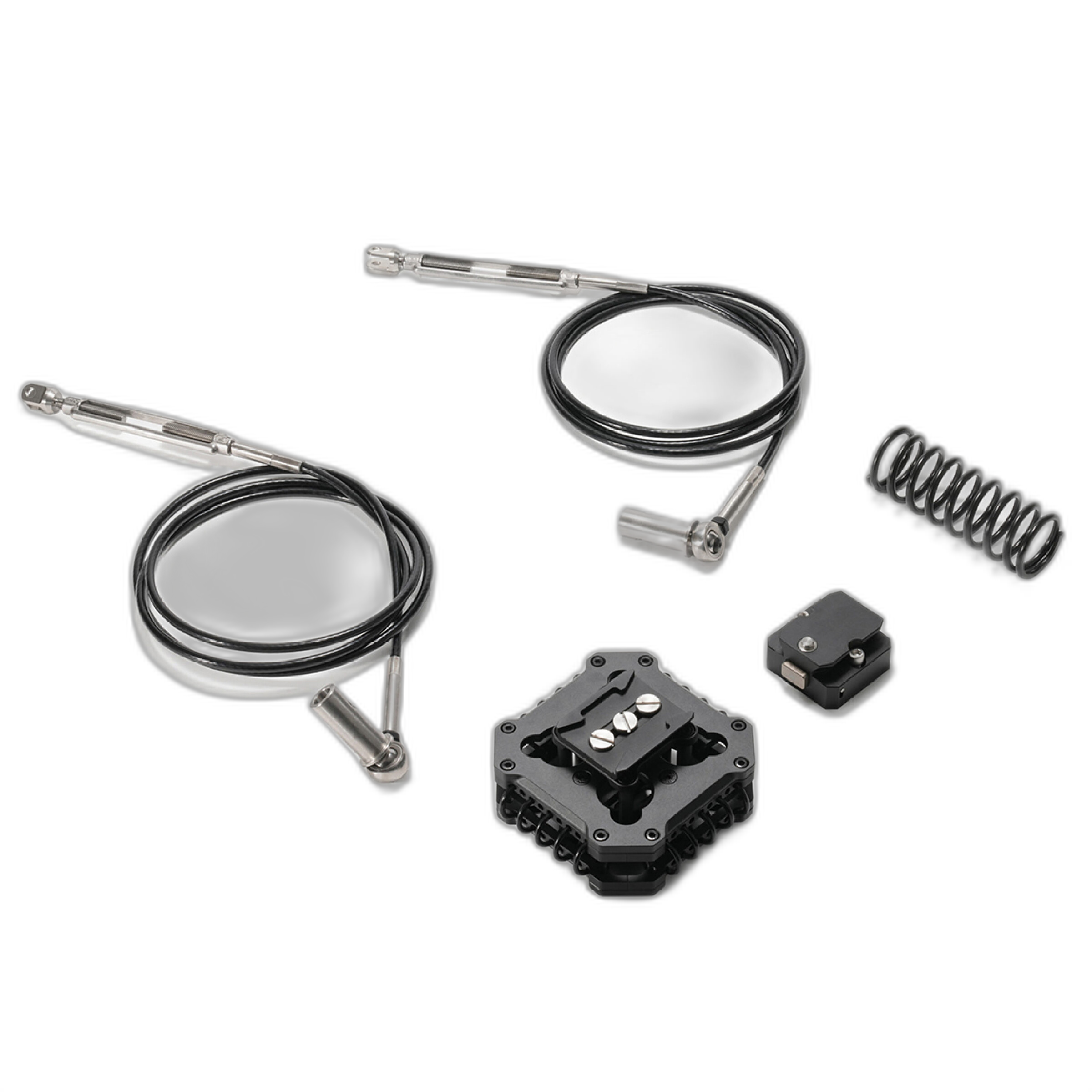
Likewise, the Tilta Hydra Arm Mini Modification Kit for DJI Ronin 2 is far more specialized and aimed at advanced rigging workflows rather than handheld mirrorless stabilization. It is not a direct recommendation for most buyers in this category, but it does underscore an important point: as camera packages get heavier and productions more ambitious, stabilization often becomes part of a larger ecosystem rather than a standalone purchase.
Pros and Cons
DJI RS 4 Pro Combo
- Pros: Excellent choice for heavy mirrorless rigs, production-friendly ecosystem, strong handling for accessorized camera packages, Combo kit adds practical value.
- Cons: Larger and less travel-friendly than compact gimbals, likely more than casual users need, premium investment.
Zhiyun CRANE 4 Combo Kit
- Pros: Designed with larger camera builds in mind, strong alternative to DJI for serious users, Combo format adds usefulness for working filmmakers.
- Cons: Bulkier than lightweight creator-focused models, may be overkill for smaller mirrorless kits.
DJI RS 5 Combo
- Pros: Appealing modern DJI option, likely a strong fit for mid-to-heavy hybrid rigs, good balance of capability and portability.
- Cons: For the heaviest mirrorless setups, the RS 4 Pro Combo still feels like the more confidence-inspiring recommendation.
Verdict
If your priority is finding the best gimbal for a heavy mirrorless setup, the DJI RS 4 Pro Combo is the clearest recommendation in this lineup. It is the model that most convincingly matches the needs of serious operators using larger full-frame bodies, fast zoom lenses, cages, and on-camera accessories. It feels like the most complete answer for buyers who want a stabilizer that can handle demanding production use without constantly flirting with its limits.
The Zhiyun CRANE 4 3-Axis Handheld Gimbal Stabilizer Combo Kit is the best alternate pick and absolutely worth considering if you prefer the Zhiyun ecosystem or want another robust option for larger rigs. The DJI RS 5 Combo is also promising for users who want versatility and newer-platform appeal, but if maximum confidence with heavier setups is your goal, the RS 4 Pro still gets the nod.
For filmmakers ready to buy, Unique Photo is a great place to shop for these gimbals and related support gear, whether you are building a handheld mirrorless rig, upgrading to a more professional stabilizer, or expanding into a full production support system.