When preparing images for a photo contest, one of the biggest questions is also one of the hardest to answer: how much editing is too much? The short answer is that it depends on the rules, the category, and the intent of the competition. The better answer is that successful contest editing usually enhances what was already there rather than inventing something that never existed. If you want your work to stand out for the right reasons, a disciplined editing approach is essential.
At Unique Photo, we regularly see photographers put enormous effort into capture, culling, and post-processing, only to get tripped up by contest guidelines or over-edit an otherwise strong frame. Whether you shoot portraits, landscapes, wildlife, street photography, or short-form visual storytelling, understanding the line between refinement and manipulation can protect your credibility and improve your chances of success.
What photo contest judges usually want to see
Many photographers search for terms like what do photo contest judges look for or how to edit photos for competitions. In most cases, judges are looking for strong composition, timing, storytelling, technical control, and authenticity. Editing matters, but it is rarely the main reason a truly compelling image wins. Instead, editing should support the photograph without calling attention to itself.
Judges often notice when sharpening is excessive, skin retouching looks artificial, HDR processing becomes crunchy, or colors are pushed beyond believability. Even in creative categories, intentional edits should feel purposeful rather than distracting. If the first thing a judge notices is the editing style instead of the subject, moment, or concept, you may have gone too far.
This is especially true in documentary, wildlife, travel, and journalism-adjacent contests, where realism is central. In fine art or conceptual categories, there is often more freedom, but even then, quality and coherence matter more than heavy-handed effects.
How much editing is allowed in photography contests?
If you are wondering how much editing is allowed in photography contests, start with the official rules before opening your editing software. Every contest has its own standards. Some allow only global adjustments like exposure, white balance, contrast, and cropping. Others permit limited retouching. Some allow compositing and AI-assisted tools in designated categories, while others ban them completely.
Commonly allowed edits include:
- Exposure correction
- White balance adjustment
- Highlight and shadow recovery
- Color correction
- Reasonable contrast and saturation adjustments
- Dust spot removal
- Moderate cropping and straightening
- Basic sharpening and noise reduction
Commonly restricted or prohibited edits include:
- Adding or removing major elements
- Sky replacement in documentary-style categories
- Compositing multiple frames without permission
- Excessive skin smoothing
- Altering content in a misleading way
- Using generative AI to create or replace image areas
Always keep your original RAW files and layered edits. Many contests request proof of authenticity from finalists. At Unique Photo, we often recommend a workflow that preserves every step, especially for serious submissions where verification may be required.
Basic photo edits that are usually safe for contest entries
For photographers searching safe editing tips for contest photos, the best guideline is this: edit to match the scene, not your mood. A clean, technically polished file is usually more competitive than an aggressively stylized one.
Here are a few adjustments that are often safe when used carefully:
Exposure and tonal balance
Correcting brightness is expected. Just be careful not to flatten the image by lifting every shadow or recovering every highlight until the file loses depth. Natural contrast helps preserve realism.
Color correction
Adjust white balance to make the image accurate or emotionally appropriate, but avoid turning every sunset neon orange or every forest electric green. Oversaturated colors are one of the fastest ways to make a contest image feel amateurish.
Sharpening and noise reduction
Sharpen enough to improve clarity, especially for print judging, but stop before halos appear. Likewise, use noise reduction with restraint. Over-smoothed files can lose texture and look synthetic.
Cropping
Cropping can strengthen composition, remove distractions, and improve visual impact. But excessive cropping can reduce image quality and reveal that the shot was not composed intentionally in-camera.
Signs you have over-edited your contest photo
One of the most popular related search questions is how to tell if a photo is over-edited. If you are too close to your own work, it can be hard to judge. Look for these warning signs:
- Skin has no texture and looks plastic
- Edges show halos from too much clarity or sharpening
- Colors are unnaturally intense
- Blacks are crushed and highlights are clipped without purpose
- The viewer notices the effect before the subject
- Background blur, masking, or object removal looks obvious
- The image no longer resembles the actual scene or your original file
A good test is to step away from the image for a few hours, then come back and compare your final version to the RAW file. If the edited image feels louder but not stronger, reduce the adjustments. Another smart approach is to ask a trusted peer for feedback before entering. Unique Photo's photography community and educational resources can be especially helpful for getting a second opinion.
Editing for different contest categories
Not every competition defines acceptable editing the same way. If you want better results, match your post-processing style to the category.
Documentary and photojournalism
Keep edits minimal and factual. Avoid content-altering changes. Even small removals can lead to disqualification if they affect the meaning of the image.
Wildlife and nature photography
Most nature contests permit basic global adjustments but prohibit adding or removing animals, branches, or environmental elements. Be especially careful with cleanup tools and selective masking.
Portrait contests
Portrait editing often allows more flexibility, but natural skin tone and texture still matter. Gentle retouching is usually stronger than heavy beauty edits unless the contest specifically embraces fashion or conceptual work.
Fine art and conceptual categories
This is where stronger manipulation may be acceptable, but the execution must be intentional. If you are building a stylized body of work, every edit should support your visual language. Random effects rarely impress judges.
Should you use presets for contest photography?
Another frequent question is are presets okay for photo contests? Presets are fine as a starting point, but they should never be the final answer. Judges can often spot generic one-click looks, especially when toning or contrast is applied without regard for the actual light and subject matter.
Use presets to speed up workflow, then refine each file individually. Dial back exaggerated sliders, check skin tones, and make sure the finished image feels custom rather than formulaic. Contest photos need personal intent, not just a trendy treatment.
Why capture quality still matters more than heavy editing
Strong contest entries begin long before the edit. Better light, timing, composition, and technical precision reduce the need for aggressive post-production. If you are shooting long days, events, time-sensitive assignments, or multi-camera productions, dependable gear and power management can help you get the frame right in-camera.
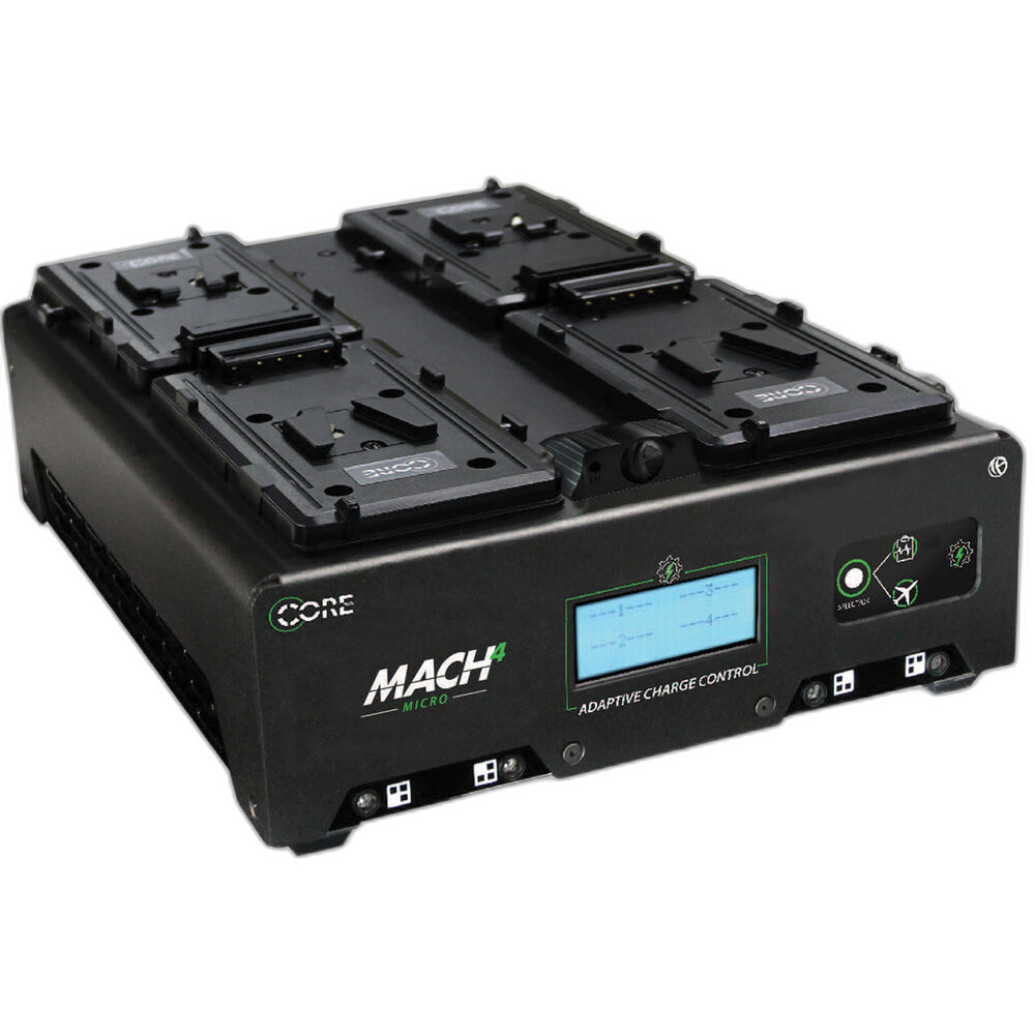
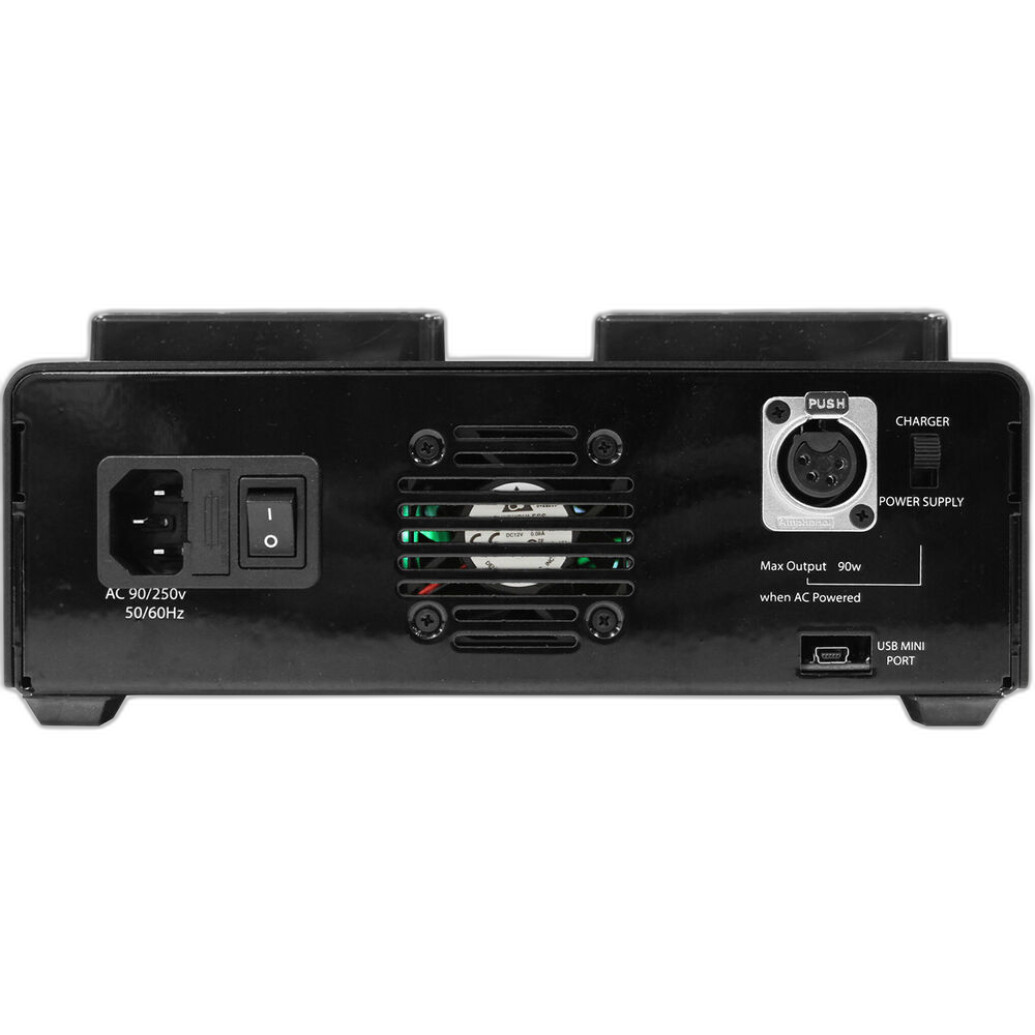
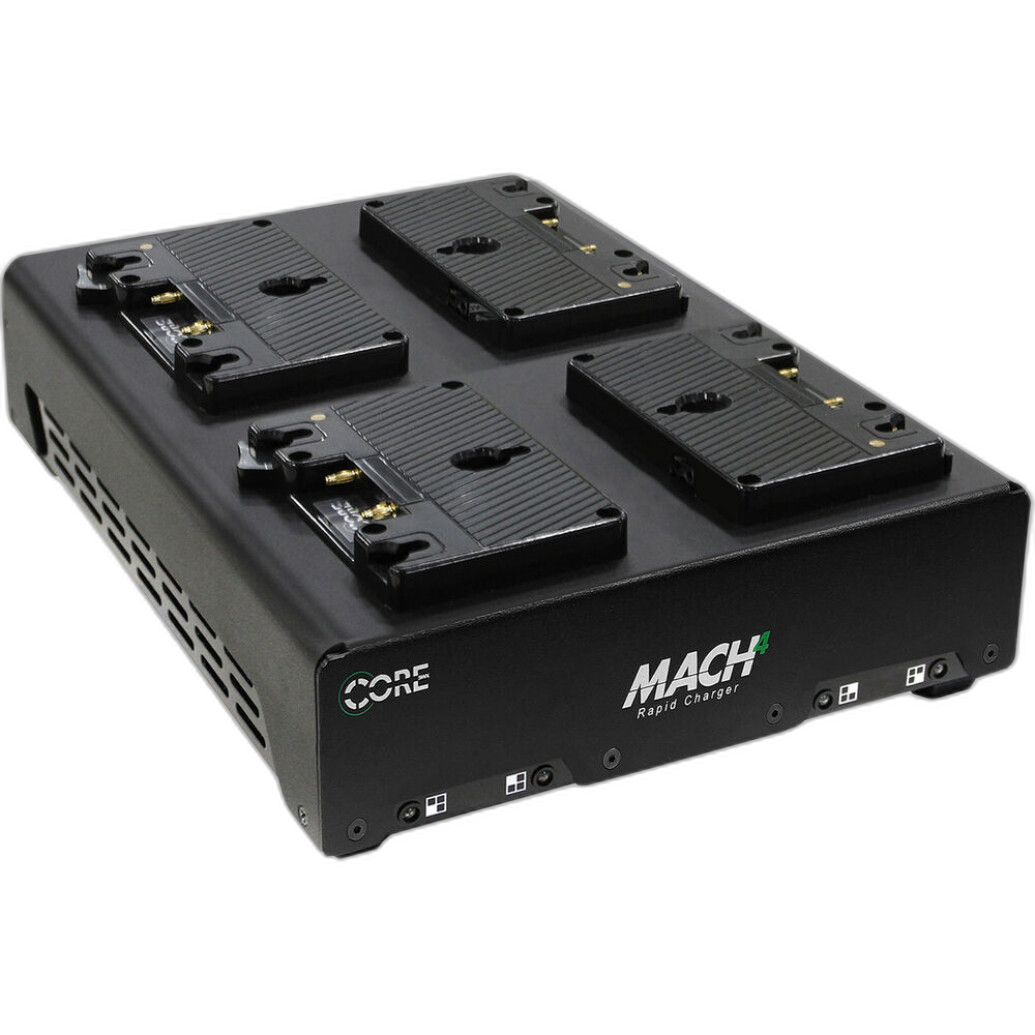
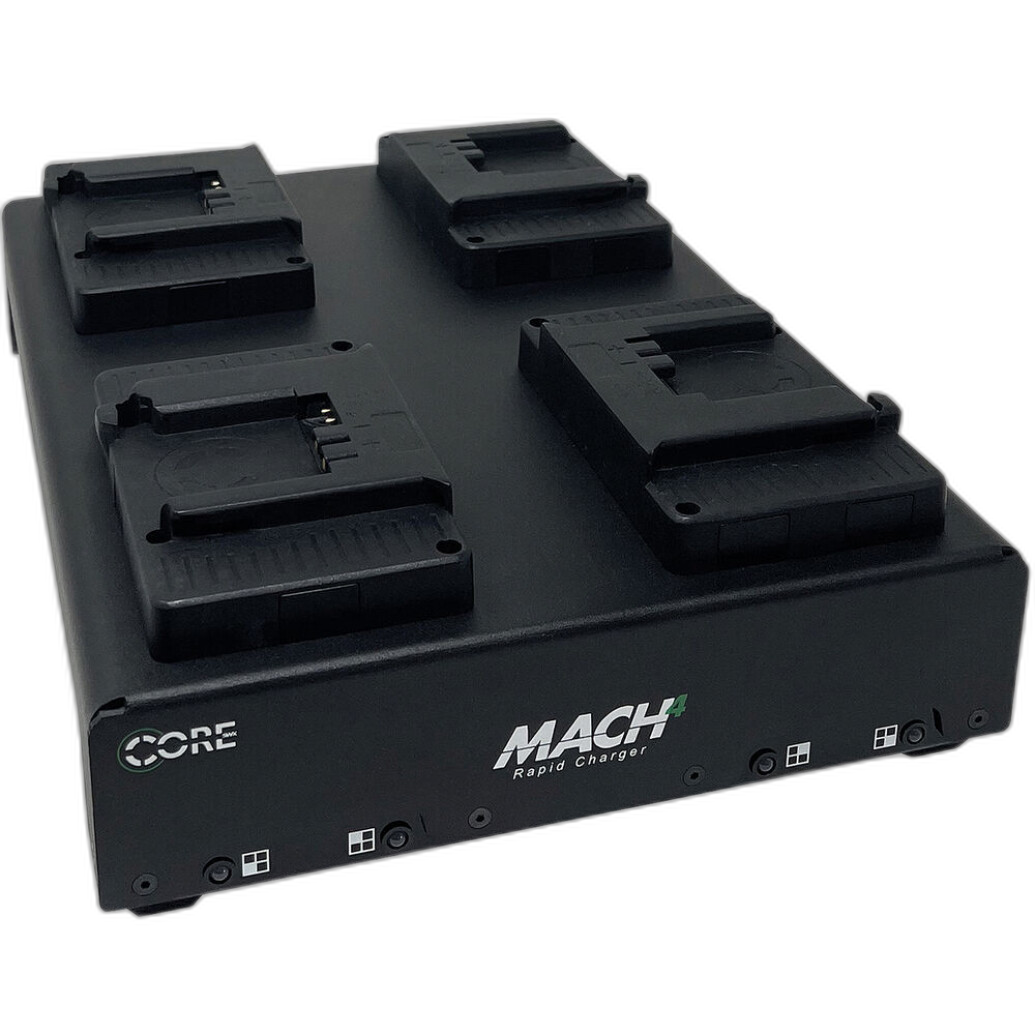
For creators working on extended shoots or video-based competition projects, dependable support gear like the Core SWX Mach4 Micro Four-Position Battery Charger - V-Mount, Core SWX Mach4 Micro Four-Position Battery Charger - Gold Mount, and Core SWX Mach4 4-Position Battery Charger - B-Mount can streamline charging for production days where consistency matters. And for filmmakers or hybrid creators exploring visual storytelling competitions, tools like the Irix Cine Entry Set in Canon RF, Sony E, Nikon Z, Fuji X, or PL mount can help maintain a polished cinematic look from capture through final delivery. Unique Photo carries gear for creators at every stage, from competition-minded photographers to advanced video teams.
Best workflow for editing contest entries
If you want a practical answer to how to edit photos for competitions without overdoing it, use a repeatable workflow:
- Read the contest rules first. Confirm what is allowed before making any major edits.
- Start with technical corrections. Exposure, white balance, lens corrections, and crop come first.
- Make subtle local adjustments. Guide the eye, but do not manufacture drama everywhere.
- Retouch only what would not change the truth of the scene.
- Zoom out often. Judge the image as a whole, not only at 200% magnification.
- Compare against the original. Make sure the final still feels honest and strong.
- Export carefully. Follow file size, color space, naming, and resolution requirements exactly.
- Save your RAW and edited files. Be ready to provide them if requested.
This process keeps you focused on impact and compliance instead of chasing effects. At Unique Photo, we often remind photographers that disciplined editing is part of professional presentation.
How to make your contest photo stand out without over-editing
If your goal is to create a memorable entry, focus on qualities that judges respond to consistently:
- A clear subject
- Strong emotional or narrative impact
- Clean composition
- Intentional use of light
- Technical excellence
- Editing that supports the image rather than dominates it
In other words, the best contest photos are rarely saved by editing. They are elevated by editing. When in doubt, choose restraint. A believable, confident image often feels more sophisticated than one packed with dramatic effects.
Final thoughts: edit with intention, not insecurity
So, how much is too much when editing contest entries? Too much is when the edit starts to overpower the photograph, break the rules, or compromise trust. The strongest contest submissions usually look refined, not rescued. They show control, taste, and confidence.
If you are building your competition workflow, Unique Photo is a great place to explore the cameras, lenses, power solutions, and accessories that help you create stronger files from the start. For internal linking opportunities, consider directing readers to related Unique Photo pages on camera lenses, battery chargers, photo editing accessories, educational classes, and contest-ready printing services or photo labs if available on your site.
When your image is already compelling in capture, your edit only needs to do one job: help the judge see what made it special in the first place.