Best Beginner Camera and Lens Combo Under $1000: FAQ
Shopping for your first camera setup can feel overwhelming, especially when you want the best mix of image quality, versatility, and long-term value without crossing the $1000 mark. At Unique Photo, we usually recommend thinking in terms of a complete system rather than chasing the most expensive body your budget can stretch to.
For most beginners, the smartest approach is to balance a capable entry-level camera with one or two lenses that match the kind of photography you actually want to make. Below, we answer the most common questions about building a strong beginner camera and lens combo on a realistic budget.
Should I prioritize the camera body or the lens on a limited budget?
In most cases, prioritize lenses and overall system value over simply buying the most advanced body possible. A camera body gives you the controls, autofocus, sensor, and shooting experience, but the lens has a huge impact on sharpness, low-light performance, background blur, and your creative flexibility. That is why many beginners are happier with a modest body plus a better lens than with a more expensive body paired with a limiting lens.
A practical budget split under $1000 is often to spend enough on a reliable entry-level mirrorless or DSLR body, then leave room for at least one useful lens beyond the basic kit option if possible. If your budget is tight, a standard zoom can help you learn what focal lengths you enjoy, while a simple prime lens can open the door to portraits and better low-light shooting. The goal is to buy gear you can grow with rather than something you will outgrow immediately.
What is the best type of beginner camera under $1000: mirrorless or DSLR?
Both can be excellent choices for a first setup. Mirrorless cameras are especially appealing for new photographers because they are often lighter, offer live exposure preview in the viewfinder or rear screen, and typically make video and autofocus features more approachable. DSLRs still offer strong value too, especially if you are considering older models or used gear, and their lens ecosystems are broad and well established.
If you value portability, modern autofocus, and a more current platform, mirrorless often makes the most sense. If your priority is stretching every dollar and accessing a wide range of affordable lenses, a DSLR system can still be a smart buy. At this budget, the best answer is often the camera system that lets you afford the right lens combination, not just the body with the longest spec sheet.
Are used cameras a good option for beginners?
Yes, used cameras can be one of the best ways to maximize a beginner budget. Buying used may allow you to step into a better camera body, a better lens, or both, while keeping your total investment under control. The key is to buy from a trusted retailer that evaluates condition carefully and gives you confidence in what you are purchasing.
Used gear can be especially helpful if you want to prioritize image quality and lens selection over having the absolute newest model. Many excellent cameras remain highly capable for portraits, landscapes, travel, and everyday photography long after newer generations appear. A carefully chosen used setup can deliver tremendous value for someone just starting out.
Protection can also matter when you are building a first kit. If you are purchasing gear below the $1000 threshold, an added coverage plan can help you feel more comfortable about your investment. For example, the Mack 5YR Diamond Warranty Under 1000 is a useful option for many camera, lens, video, or flash purchases in this range.
If you want accidental damage protection as well, the Mack 5YR Multi ADH Warranty Under 1000 is another option worth considering for beginner gear that sees frequent travel and everyday use.
What is a good first lens for portrait photography?
For portraits, a fast prime lens is often the best first upgrade after a standard kit lens. Beginners usually benefit from a lens in the normal-to-short-telephoto range because it creates a flattering perspective and makes it easier to blur the background. On APS-C cameras, lenses around 35mm or 50mm are common starting points. On full-frame cameras, 50mm or 85mm focal lengths are popular portrait choices.
A prime lens also helps you learn composition because it encourages you to move your feet and think more intentionally about framing. If portraits are your main goal, it can make sense to start with a basic body and invest the savings in a brighter lens rather than spending everything on the body alone.
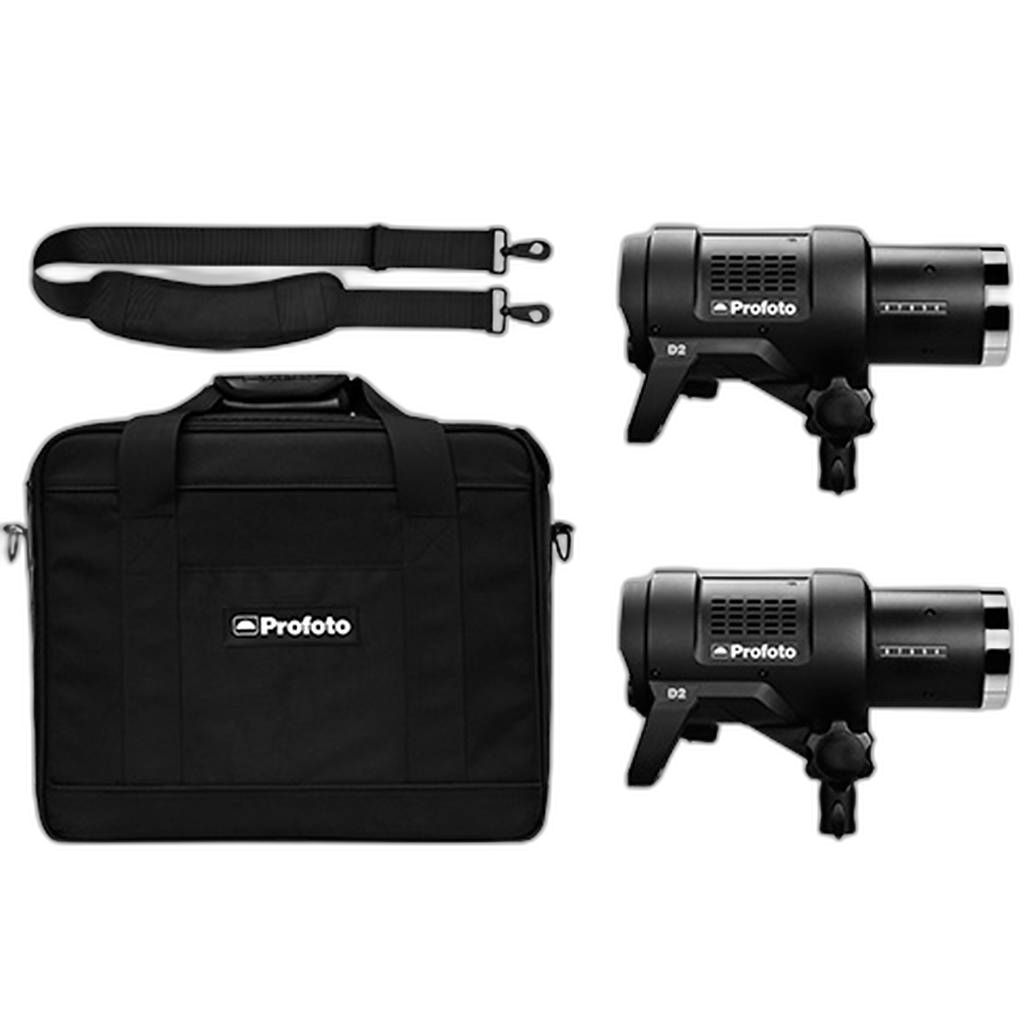
If you plan to explore portrait lighting later, adding a light source becomes a bigger upgrade than replacing your camera body. While professional studio kits sit well above a typical beginner camera budget, they show the direction many portrait photographers eventually grow into. For example, advanced lighting systems such as the Profoto D2 Duo Kit 1000/1000 are built for serious studio work once you are ready to expand beyond natural light.
What is a good first lens for landscape photography?
For landscape photography, your first lens depends on how wide you want your compositions to feel. Many beginners start successfully with the standard kit zoom because it usually covers a useful wide-angle range for travel, scenic views, and general outdoor photography. That makes it a perfectly reasonable place to begin if you want to keep your total cost low.
As your skills develop, you may decide to add an ultra-wide lens for dramatic foreground emphasis and more expansive scenes. However, a standard zoom remains valuable because landscape photography is not only about shooting as wide as possible. It also involves choosing perspective, working with light, and composing carefully. A lightweight standard zoom plus a tripod and good technique can produce excellent results for a new photographer.
Which brands offer the most value under $1000?
Value is less about a logo and more about the total system you can afford. The brands that usually stand out in this budget range are the ones with strong entry-level bodies, affordable lenses, and healthy used inventories. In practical terms, systems with a broad ecosystem often give beginners the easiest upgrade path because you can start simple and add lenses over time.
When comparing brands, consider these questions: How much does the body cost? What does a good portrait lens cost in that mount? Is there an affordable wide-angle or general-purpose zoom available? Are used lenses easy to find? The most valuable brand for a beginner is usually the one that lets you build a balanced kit now while leaving room for future growth.
Is a kit lens good enough, or should I skip it?
A kit lens is often underrated. For a beginner, it can be the most practical way to start because it covers multiple focal lengths in one affordable package and helps you learn what you actually like to shoot. If you are still figuring out whether you prefer portraits, landscapes, street photography, or travel, a kit zoom gives you flexibility without forcing an immediate second purchase.
That said, if you already know that portraits or low-light photography are your main interest, it may be better to pair an affordable body with a prime lens sooner rather than later. The smartest path depends on your goals. Kit lenses are great for discovery; primes are great for specialization.
How should I divide a $1000 budget for a beginner setup?
A balanced approach often works best. One common strategy is to allocate the majority toward a camera body with a versatile starter lens, then reserve part of the budget for an extra battery, memory card, bag, and basic protection plan. Another strategy is to buy a more affordable body and put more money into one high-impact lens, especially if you already know your preferred subject.
Do not forget the accessories that protect your purchase. A warranty can be especially helpful for first-time buyers who plan to carry their camera often or use it in a variety of conditions. The Mack coverage options mentioned above are relevant for many camera and lens purchases in this price category and can add peace of mind while you are learning.
What mistakes should beginners avoid when buying their first camera and lens combo?
The most common mistake is spending too much on the body and not enough on lenses, accessories, or learning. Another is buying a setup based entirely on someone else's needs. A wildlife-focused recommendation may be wrong for someone who wants portraits, and a travel-friendly kit may not suit a future studio photographer.
It is also important not to overlook reliability and support. A trusted retailer matters, especially if you are comparing new and used options. And while lighting gear is not usually part of a sub-$1000 first-camera purchase, it is useful to understand that skill growth often leads beyond camera upgrades alone. For example, photographers moving into studio portraiture may eventually consider systems such as the Hensel Expert D 1000 Kit or Hensel Expert D 1000 Monolight for controlled lighting setups.
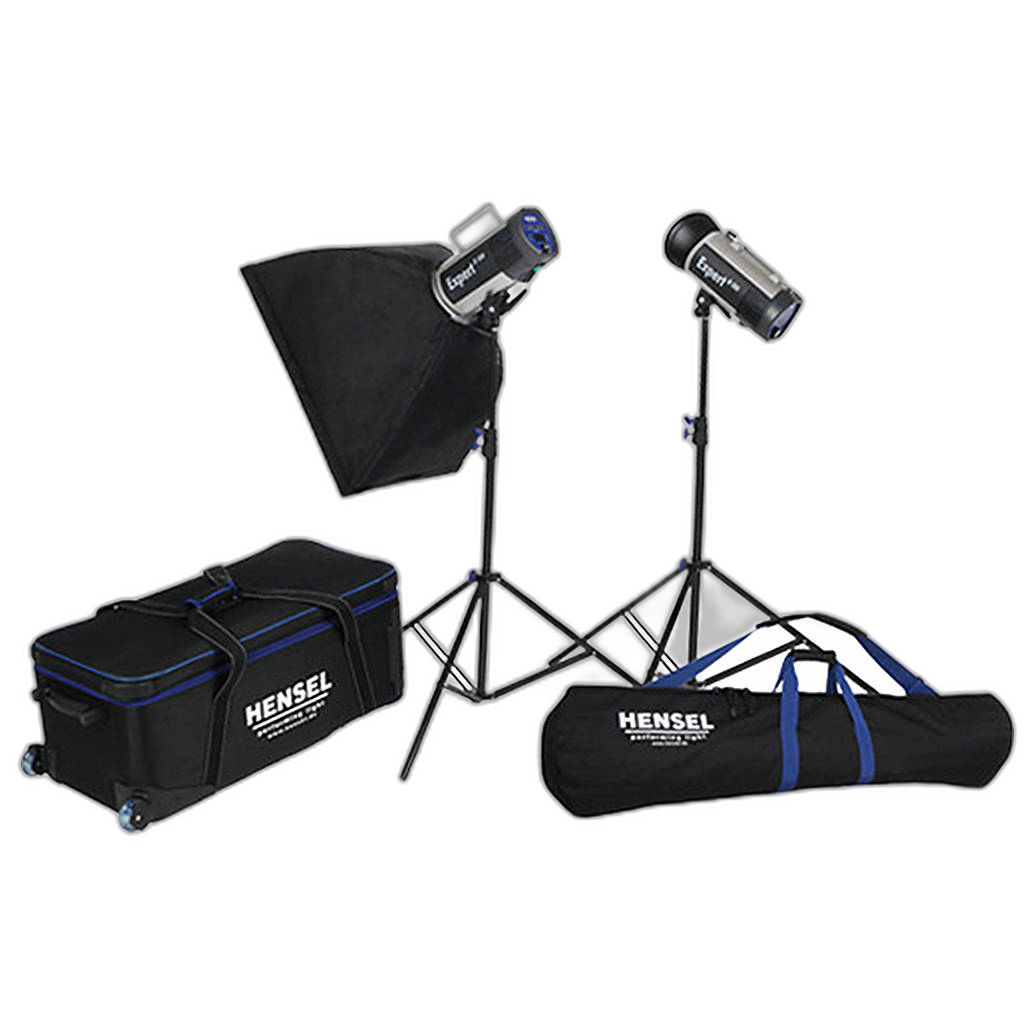
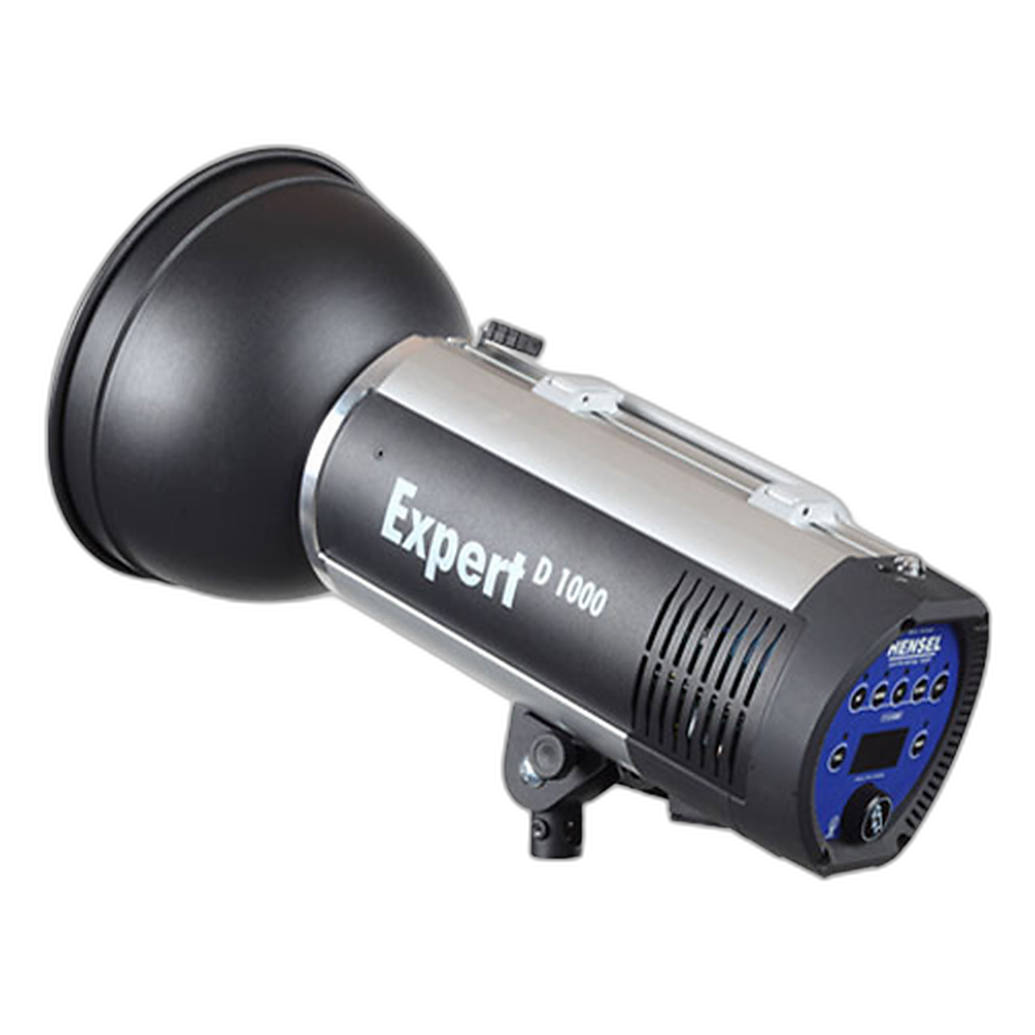
For those exploring secondhand lighting gear down the road, used studio options can also be worth a look, just as used cameras can be. The same principle applies: buy from a knowledgeable source and focus on dependable value.
What is the best overall advice for a beginner buying under $1000?
Choose a camera system, not just a camera body. Start with a setup that matches what you want to shoot most often, and leave room in your budget for the lens or accessory that will make the biggest real-world difference. For many beginners, that means a reliable entry-level body, a practical standard zoom, and a clear plan for the first lens upgrade.
If you are comparing new versus used, kit zoom versus prime, or DSLR versus mirrorless, the right answer is usually the one that gives you the best balance of usability, image quality, and room to grow. Unique Photo can help you sort through those tradeoffs, compare systems, and find the right first camera and lens combo for your budget.
Ready to build your first kit? Shop with Unique Photo to explore beginner-friendly cameras, used gear, protection plans, and future upgrades that help you grow with confidence.