Wildlife Photography Lens FAQ for 2024
Choosing the right wildlife lens in 2024 is about balancing reach, speed, portability, and price. Whether you photograph birds in flight, distant mammals, or small subjects from a blind, the best lens is the one that matches your camera system and the way you actually shoot in the field.
At Unique Photo, we help wildlife photographers compare premium first-party telephotos with high-performance third-party options every day. Below, we answer some of the most common questions about super-telephoto lenses, focal lengths, and stabilization so you can shop with confidence.
Is it worth buying a third-party super-telephoto lens instead of a brand-name lens?
In many cases, yes. Third-party lenses have become much more compelling for wildlife shooters because they often deliver professional-level optics, fast autofocus, and rugged build quality at a price point that can be easier to justify than top-tier first-party glass. The biggest advantage is value: you may be able to step into a faster aperture or a more flexible zoom range without reaching the cost of an exotic prime from your camera brand.
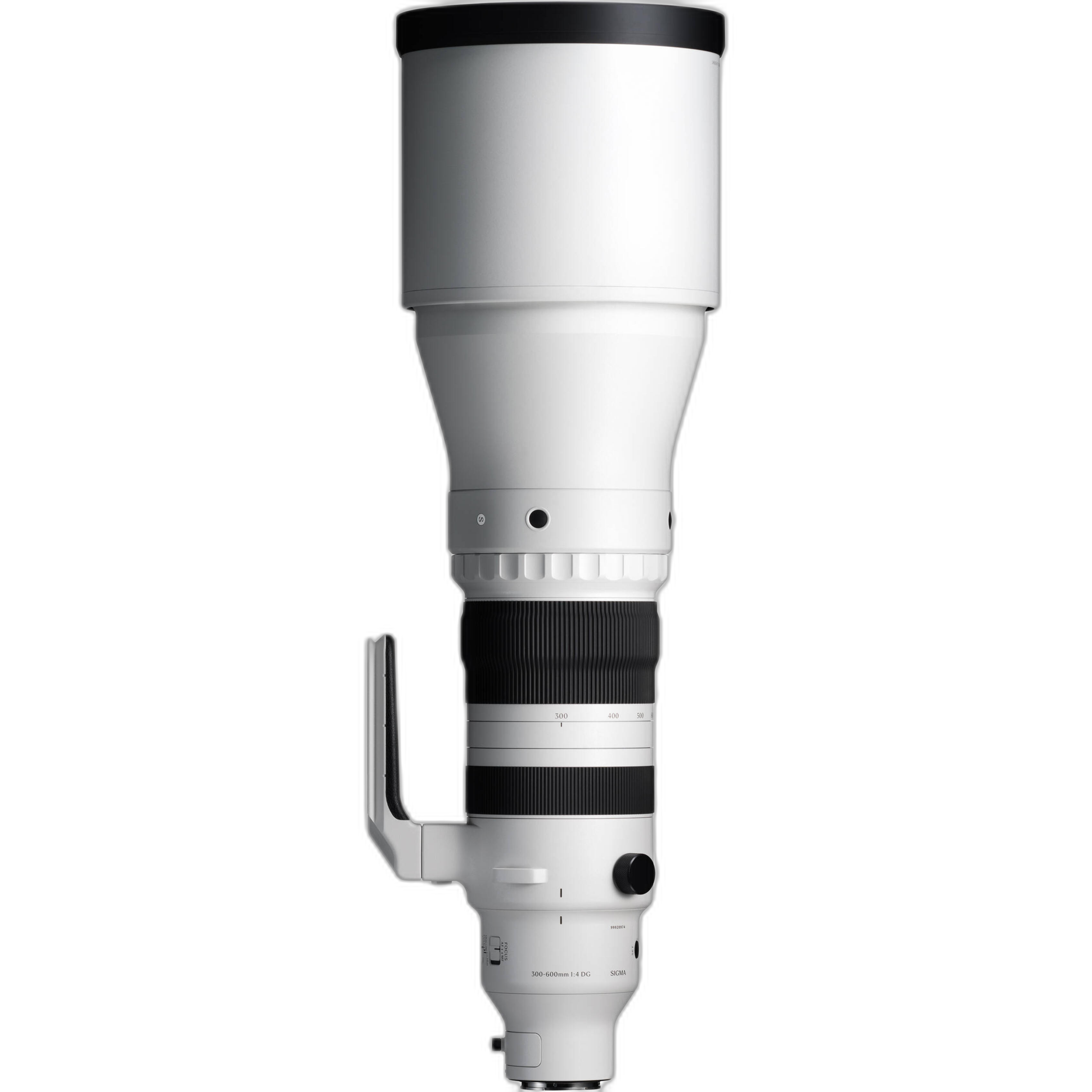
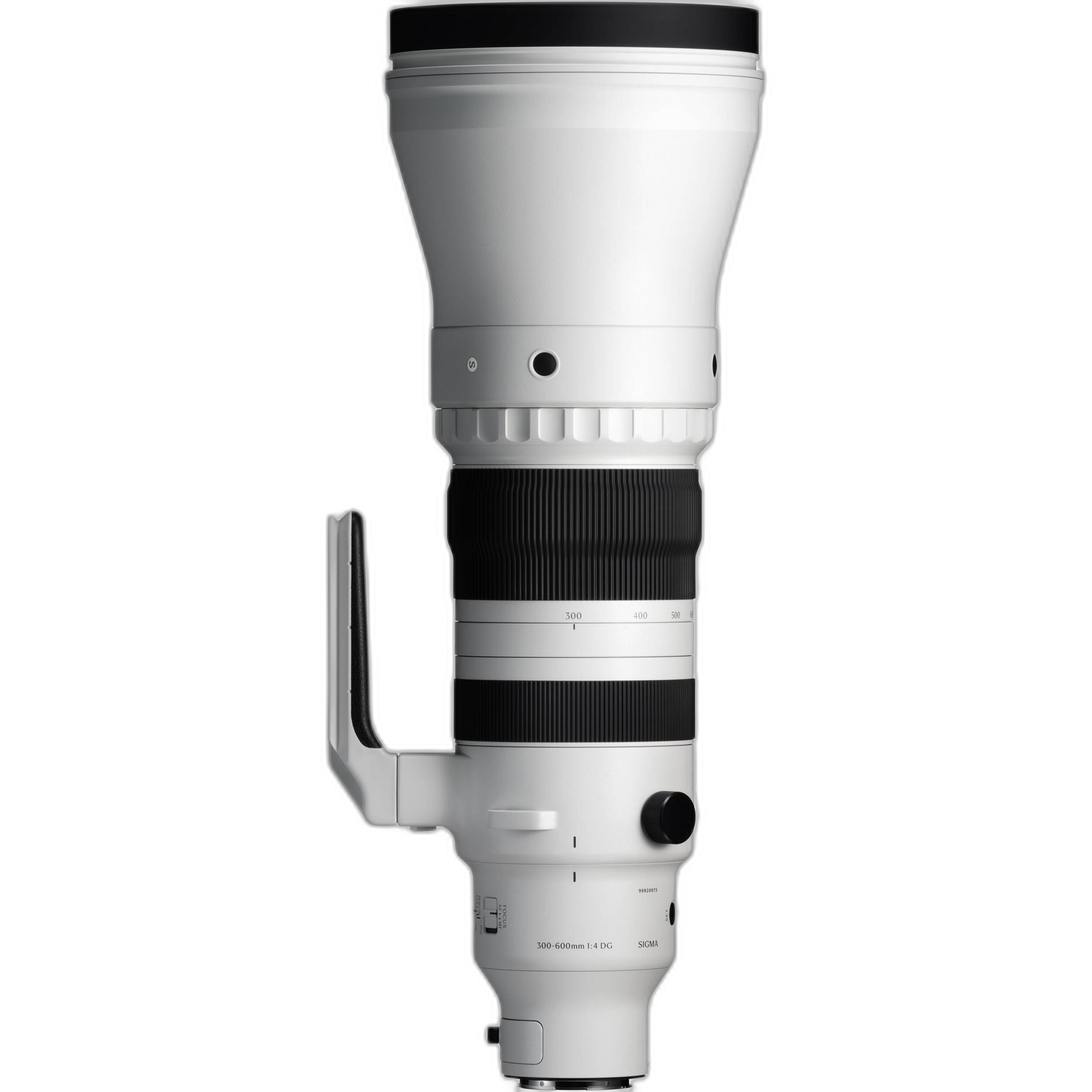
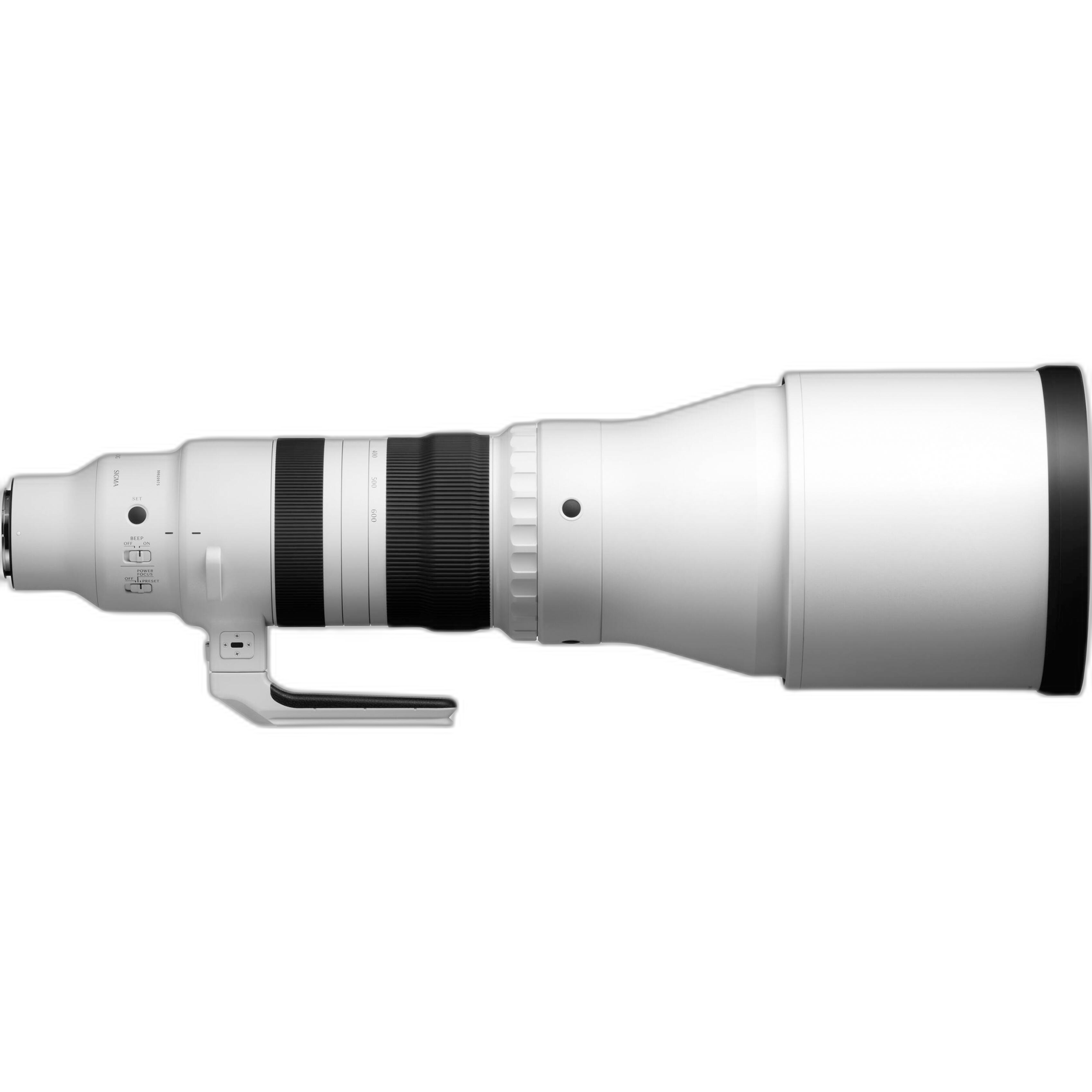
For example, a lens like the Sigma 300-600mm F4 DG OS Sports gives serious wildlife photographers a rare combination of reach and a constant f/4 aperture. That makes it especially attractive for action, low-light wildlife work, and subjects that move unpredictably. If you shoot Sony E or L-Mount, this kind of lens can be a strong alternative to brand-native super-telephoto options when you want high-end performance and a versatile focal range in a single lens.
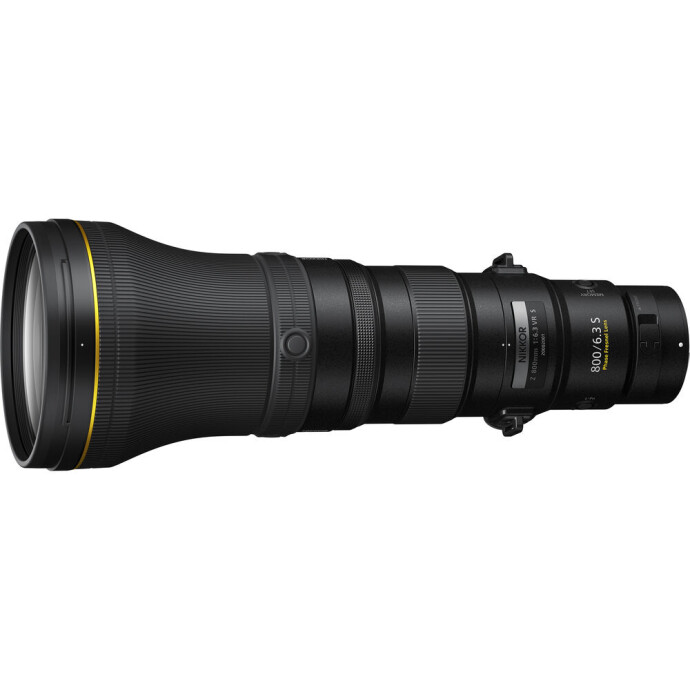
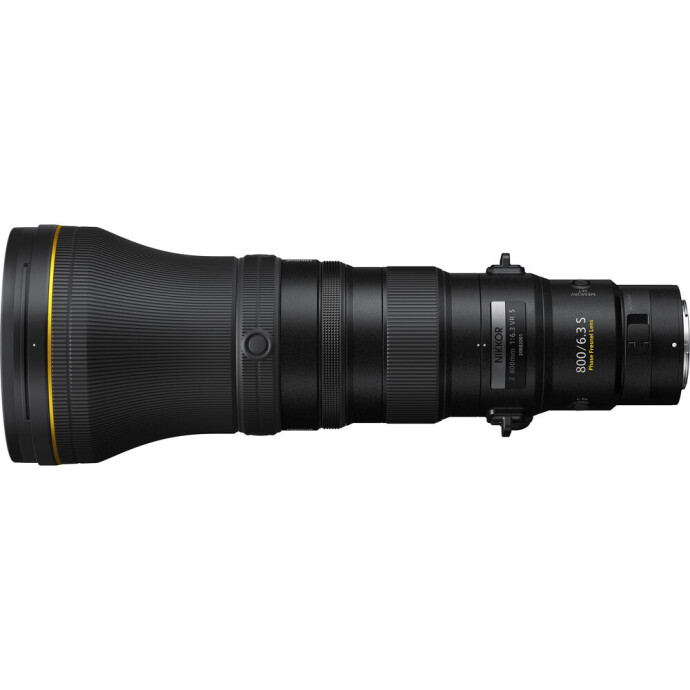
That said, first-party lenses still have clear strengths. Native lenses may offer the deepest autofocus integration, excellent compatibility with teleconverters, and system-specific handling refinements. A lens such as the Nikon NIKKOR Z 800mm f/6.3 VR S is a great example of a purpose-built native wildlife lens designed for Nikon Z users who want long reach with strong optical performance and vibration reduction.
What focal lengths work best for birds in flight?
For birds in flight, there is no single perfect focal length, but 300mm to 600mm is the sweet spot for many photographers. Your ideal choice depends on the size of the bird, how close you can get, and how easily you can keep the subject in frame. Larger birds at closer distances can be very manageable at 300mm or 400mm, while smaller birds or more distant raptors often benefit from 500mm, 600mm, or even 800mm.
A 300-600mm zoom is especially useful because it gives you room to react. If a bird suddenly fills the frame, you can zoom wider to maintain composition. If it stays distant, you can stay at the long end for more subject detail. This flexibility is one reason many wildlife shooters prefer a telephoto zoom for active bird photography.
If your goal is maximum reach for small or faraway birds, an 800mm lens can be a major advantage. The Nikon NIKKOR Z 800mm f/6.3 VR S is a strong option for photographers who regularly work with distant subjects and want more frame-filling results without depending as heavily on cropping.
Are the latest Canon, Nikon, and Sony telephotos better than Sigma or Tamron alternatives?
The best answer is that they are often different more than universally better. Native telephotos from Canon, Nikon, and Sony are usually designed to extract the maximum autofocus performance and system integration from their cameras. They can be exceptional choices for professionals who need every possible edge in tracking reliability, weather sealing, and accessory compatibility.
However, third-party manufacturers have narrowed the gap dramatically. Sigma in particular has built a strong reputation for sports and wildlife lenses that prioritize optical quality, durability, and real-world usability. The Sigma 300-600mm F4 DG OS Sports is an example of a lens that appeals to advanced shooters who want premium reach and brightness in a versatile zoom format rather than a fixed focal length.
Rather than asking which brand is automatically best, it is smarter to ask which lens best fits your subjects, shooting style, and budget. Some photographers prioritize the lightest possible native prime. Others prefer the flexibility and value of a third-party zoom. At Unique Photo, we recommend comparing autofocus behavior, weight, stabilization, and handling just as closely as sharpness charts.
How important is image stabilization for handheld wildlife photography?
Image stabilization is extremely important for handheld wildlife work, especially once you move into longer focal lengths. It helps reduce blur caused by camera shake, improves viewfinder steadiness for subject tracking, and can make a noticeable difference when light levels drop at sunrise, sunset, or in forested environments.
Stabilization does not freeze subject motion, so you still need a fast enough shutter speed for birds in flight or moving animals. But it can make handheld shooting more practical and more consistent, particularly when you are tracking perched wildlife, waiting in one spot for long periods, or working without a monopod.
Lenses like the Nikon NIKKOR Z 800mm f/6.3 VR S include vibration reduction specifically to support long-range handheld shooting. Sigma's OS stabilization in lenses like the 300-600mm F4 DG OS Sports also gives wildlife photographers valuable support when they need mobility in the field.
If you shoot Micro Four Thirds, the OM SYSTEM M.Zuiko Digital ED 300mm f/4 IS PRO remains an especially interesting option because its stabilized design, relatively compact size, and effective 600mm equivalent field of view make it a favorite format for photographers who want reach without carrying the largest full-frame setups.
Should I choose a prime lens or a telephoto zoom for wildlife?
Prime lenses are often chosen for their optical consistency, bright apertures, and specialized reach. They can be excellent for photographers who know exactly what focal length they need and are willing to position themselves accordingly. A long prime like an 800mm is ideal when you routinely photograph skittish or distant animals and want maximum subject size in the frame.
Zooms, on the other hand, are often the more versatile field choice. Wildlife situations change quickly. A deer may emerge close to your position, or an eagle may stay much farther away than expected. With a zoom such as the Sigma 300-600mm F4 DG OS Sports, you can adapt immediately without changing lenses or sacrificing framing options.
If you mostly photograph one type of subject at predictable distances, a prime may be ideal. If you shoot a wide variety of wildlife and value flexibility, a telephoto zoom is often the better all-around solution.
Is 800mm too long for wildlife photography?
Not at all, but it is specialized. An 800mm lens is incredibly useful for small birds, distant waterfowl, and situations where you cannot physically get closer to the subject. It can produce stunning frame-filling images and reduce the need for heavy cropping.
The tradeoff is narrower framing and a steeper learning curve for tracking fast-moving subjects. If a bird changes direction suddenly, an 800mm field of view can feel tight. That is why many photographers pair an 800mm lens with a second body or reserve it for more predictable situations.
For Nikon Z users who regularly need extreme reach, the Nikon NIKKOR Z 800mm f/6.3 VR S is a strong high-end choice. If budget is a concern, shopping used can also be smart. Unique Photo offers a used excellent Nikon NIKKOR Z 800mm f/6.3 VR S lens for photographers who want premium reach while keeping costs under control.

What is the best wildlife lens if I want reach without carrying the heaviest setup?
Portability matters more than many buyers expect. A lens can be optically brilliant, but if it is too large to carry comfortably on hikes, travel days, or long stakeouts, it may spend more time at home than in the field. This is where format and lens design make a real difference.
The OM SYSTEM M.Zuiko Digital ED 300mm f/4 IS PRO is a great example of a wildlife-friendly lens for photographers who prioritize mobility. On an OM System body, it delivers an angle of view equivalent to 600mm on full frame, which is a highly practical range for birds and wildlife. That makes it appealing for nature photographers who want professional reach in a more compact, easier-to-carry kit.
If you want more flexibility while staying in the serious enthusiast or professional category, a zoom can still be worth the extra weight when it helps you cover multiple wildlife scenarios with one lens. The right balance depends on whether you shoot from vehicles, blinds, trails, or organized birding events.
Should I buy a new wildlife lens or consider used gear?
Used gear can be an excellent way to access premium wildlife lenses that might otherwise be out of reach. Super-telephoto lenses are significant investments, so a carefully graded used option can make high-end optics more attainable without forcing major compromises in image quality.
For example, a used excellent Nikon NIKKOR Z 800mm f/6.3 VR S can be a smart buy for serious bird and wildlife photographers who want flagship-level reach at a more approachable price than buying new. Buying from a trusted retailer matters here, because condition grading, inspection, and support all make a difference when you are purchasing advanced gear.

If you want the latest factory-fresh copy, full new-product availability, and the newest inventory, a new lens is still the simplest path. At Unique Photo, we carry both new and used options to help wildlife photographers choose the approach that best fits their budget and goals.
The best wildlife lens for 2024 depends on what you shoot, how you shoot, and how much gear you want to carry. If you are deciding between native super-telephotos, flexible third-party zooms, or compact long-reach options, Unique Photo can help you compare the real-world strengths of each setup and find the right lens for your next outing.