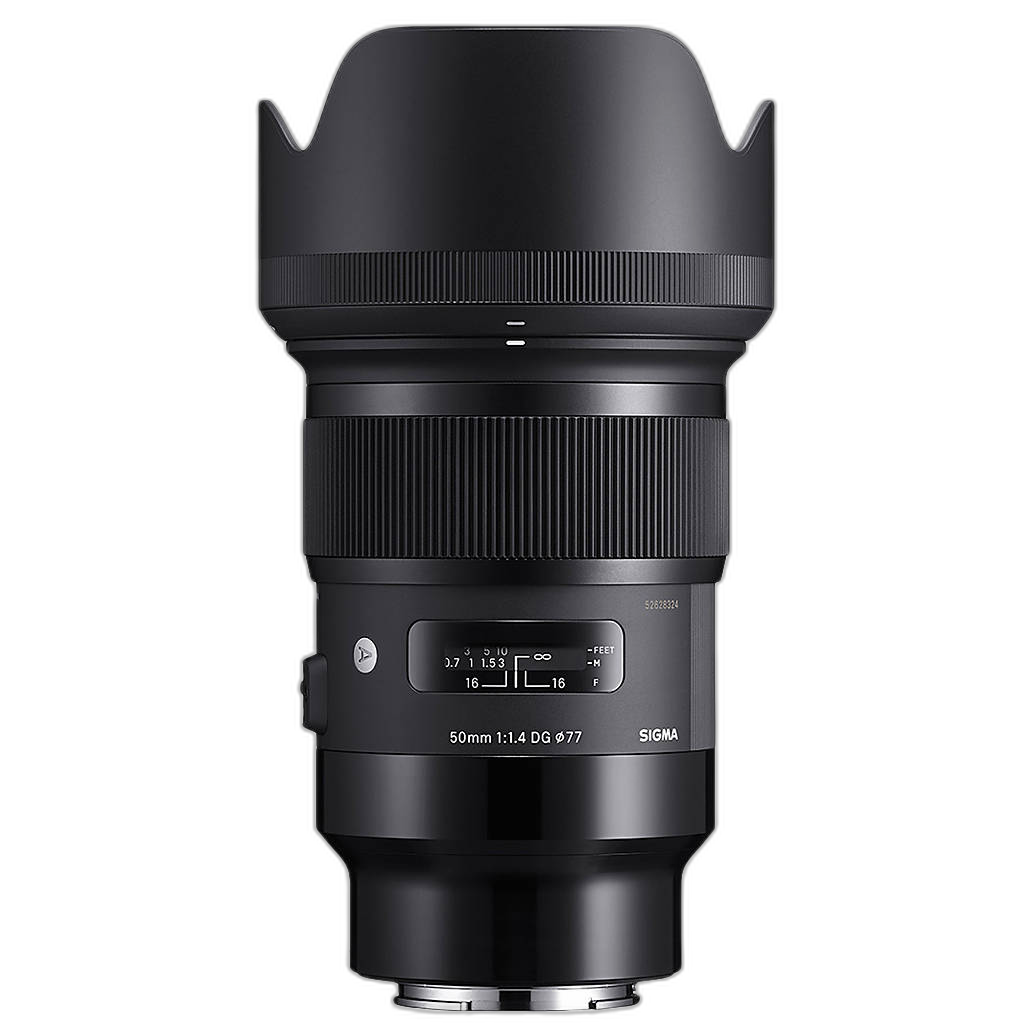
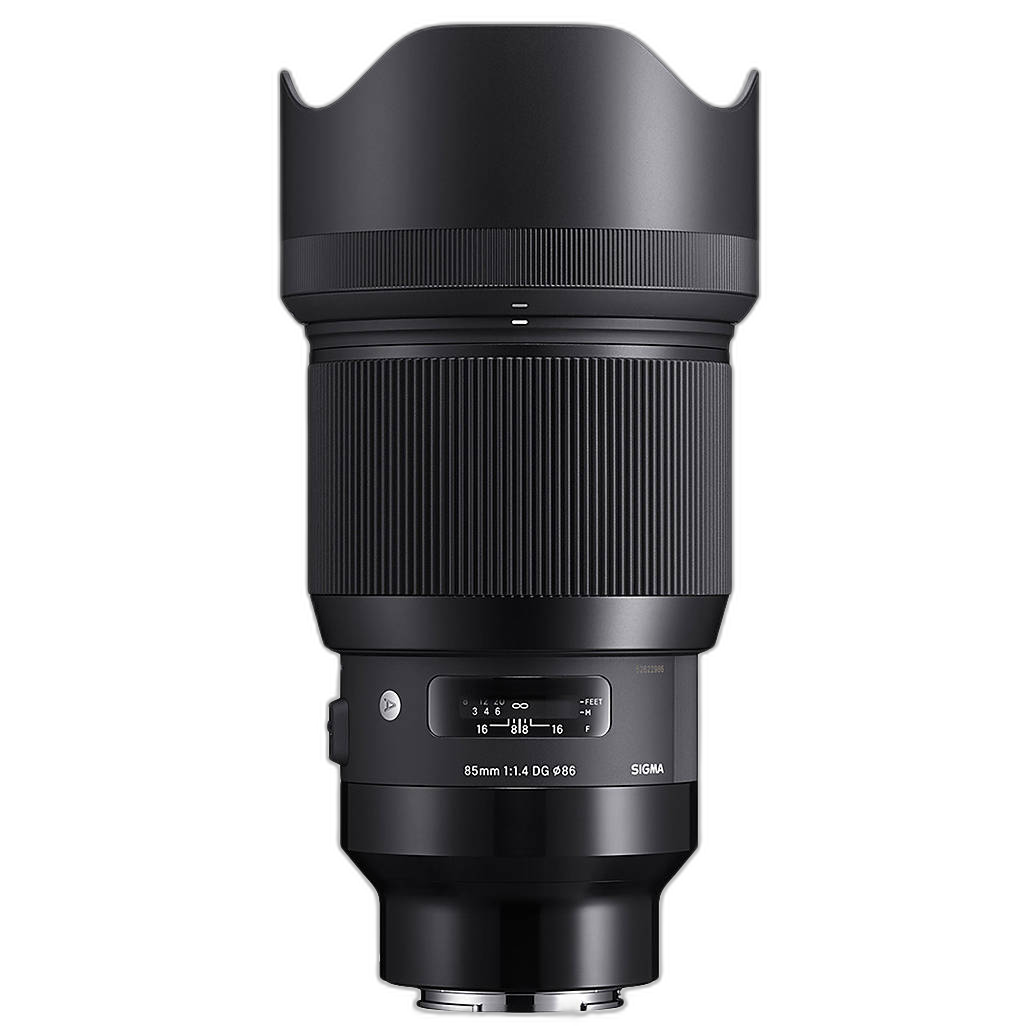
Sony Lens Compare Beta can be a helpful starting point when you’re trying to judge how a lens might behave in dim conditions, but it should not be the only thing you trust. Low-light performance depends on more than a side-by-side comparison tool can fully communicate: maximum aperture, autofocus behavior, flare resistance, contrast, stabilization, subject distance, and even how comfortable a focal length feels for the kind of shooting you do. If you’re comparing fast primes like the Sigma 50mm f/1.4 DG HSM Art Lens for Sony E or a portrait favorite such as the Used Sigma 85mm f/1.4 ART for Sony E - Excellent, the tool can point you in the right direction—but real-world use still matters most.
What Sony Lens Compare Beta Gets Right
1. Use it to compare the obvious specs first
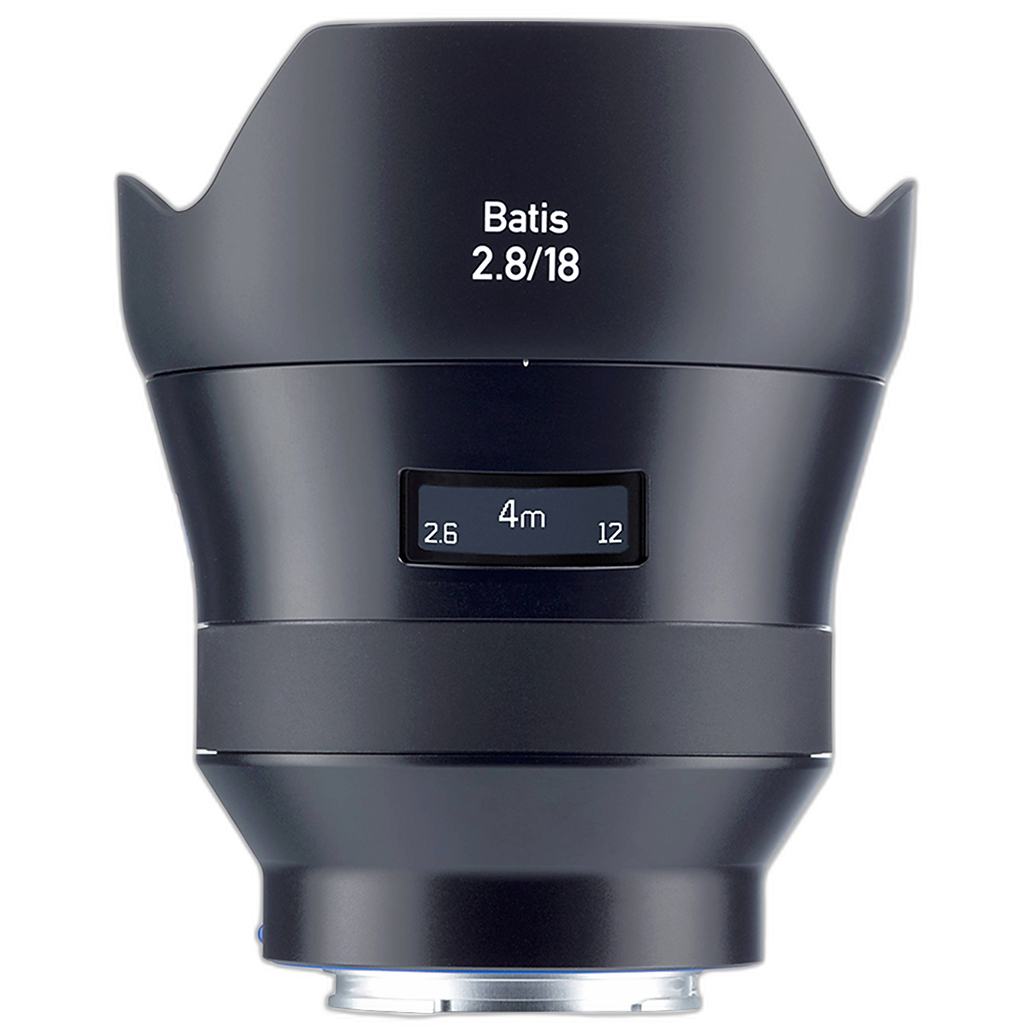
The Beta tool is useful for quickly spotting meaningful low-light differences like maximum aperture and focal length. A lens at f/1.4 will usually give you a stronger low-light advantage than an f/2.8 option, both for exposure and subject isolation. For example, a fast wide-angle option like the Used Sigma 24mm f/1.4 DG HSM Art Lens for Sony E - Excellent will generally gather much more light than an ultra-wide lens such as the Used Zeiss Batis 18mm f/2.8 for Sony E - Like New.
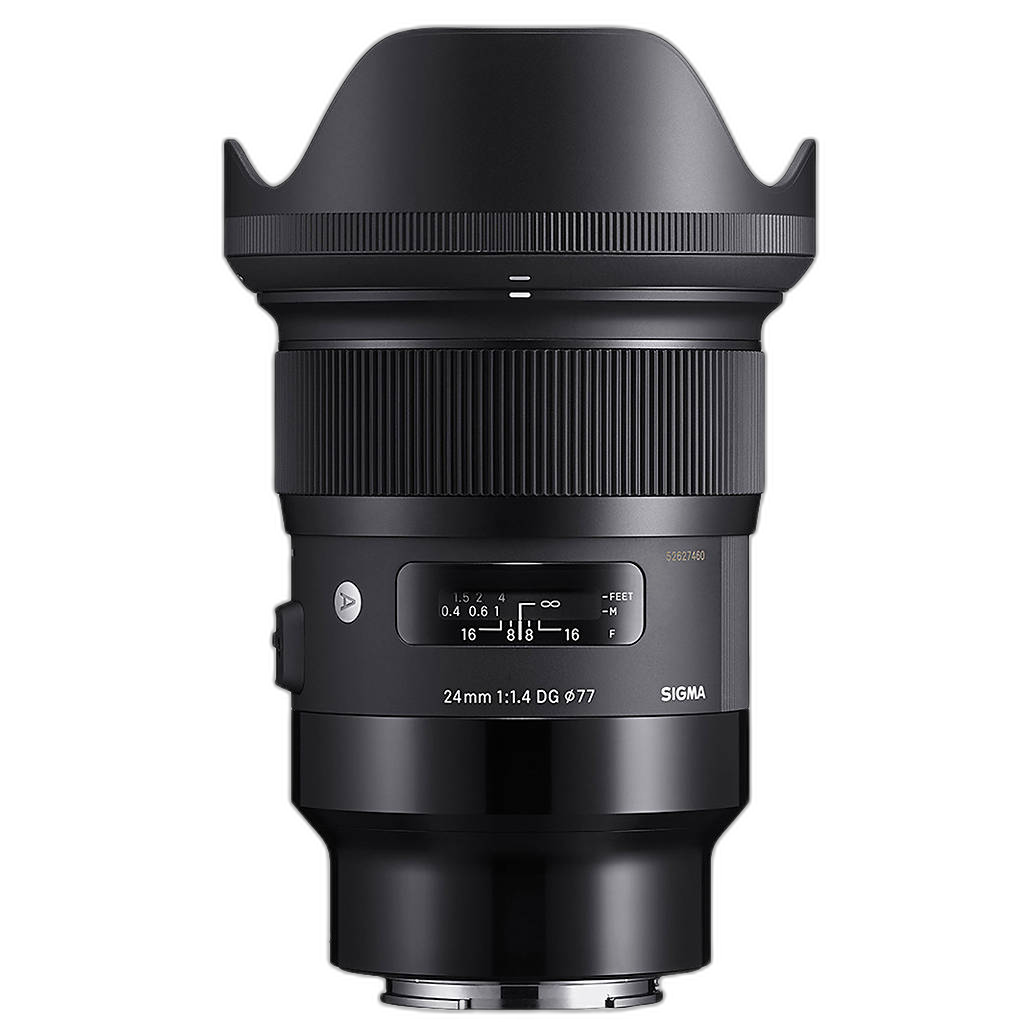
That said, wider lenses can still feel easier to use handheld in low light because camera shake is often less noticeable at shorter focal lengths.
2. Treat sample comparisons as directional, not final
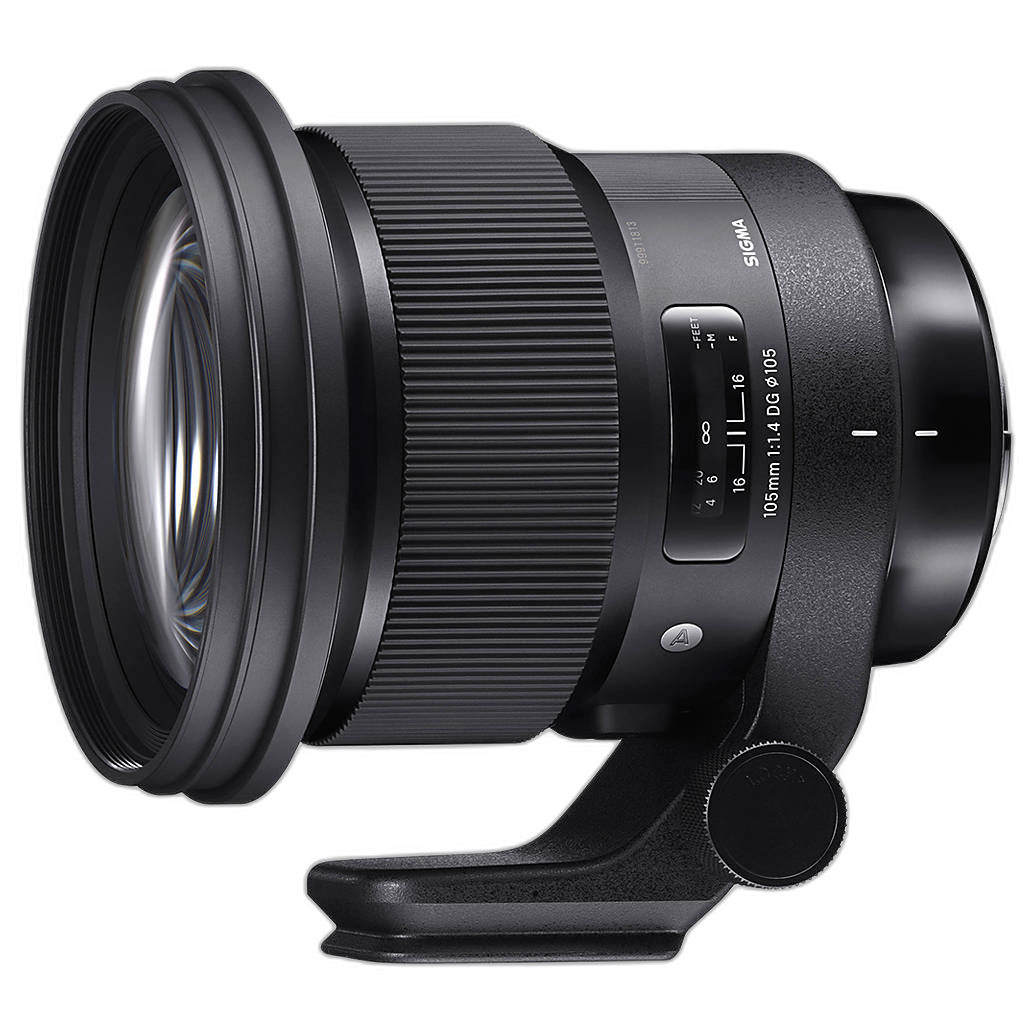
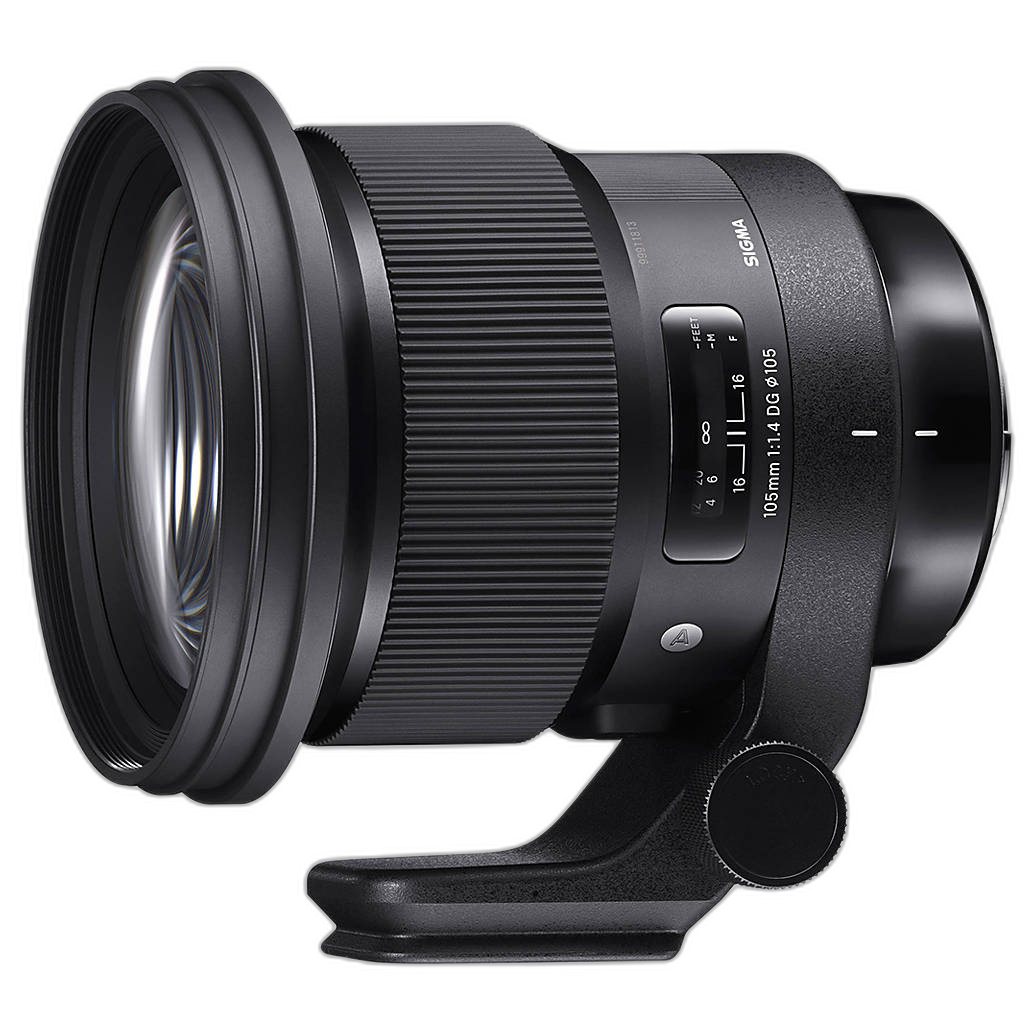
If the tool shows one lens looking brighter, cleaner, or sharper, that’s useful—but only as a rough guide. Exposure settings, focus consistency, processing, and scene choice can all influence what you see. This matters a lot with lenses that are designed for very shallow depth of field, like the Used Sigma 105mm f/1.4 DG HSM Art Lens for Sony E - Excellent. A lens like this can be incredible in low light, but thin focus at f/1.4 means a comparison image may not tell the whole story.
What the Tool Can Miss About Real Low-Light Shooting
3. Autofocus performance matters as much as brightness
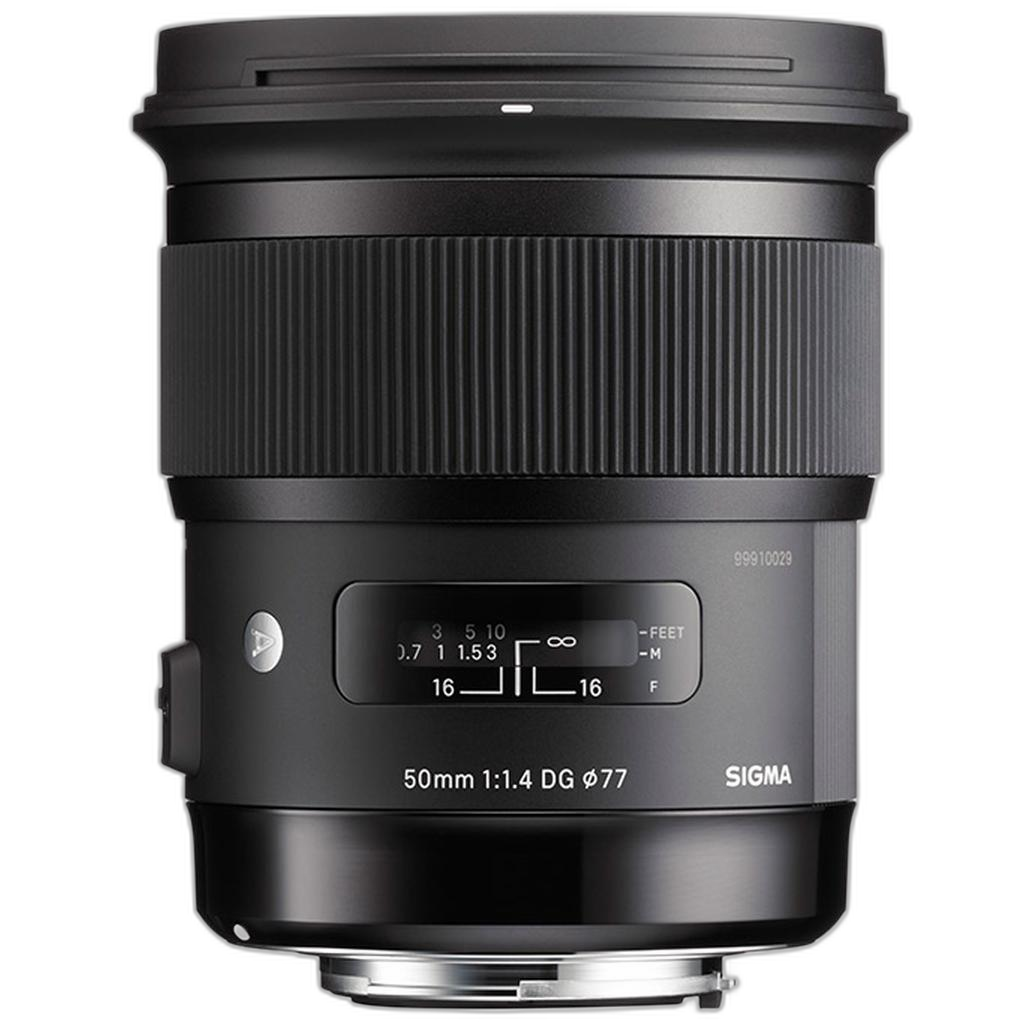
A lens can be fast on paper and still feel less dependable in dark environments if autofocus hunts or slows down. Event, wedding, and indoor portrait photographers know that low-light performance is not just about how much light reaches the sensor—it’s also about how reliably the lens locks focus. If you’re considering something like the Sigma 50mm f/1.4 EX DG HSM Standard Lens for Sony - Black versus the newer Sigma 50mm f/1.4 DG HSM Art Lens for Sony E, the comparison tool may not fully show how each lens feels when focusing under real indoor lighting.
4. Contrast, flare, and rendering affect perceived low-light quality
Two lenses can share the same aperture and still produce noticeably different nighttime results. Better contrast can make images look cleaner. Better flare control can help streetlights, practical bulbs, and headlights stay more controlled. Richer rendering can make a dimly lit portrait feel more polished even before editing. That’s why a direct spec comparison only goes so far.
Portrait shooters often cross-shop lenses like the Used Sigma 85mm f/1.4 ART for Sony E - Excellent and the various Sigma 105mm f/1.4 options because both promise strong low-light capability, but their rendering style, working distance, and handling can influence which one actually performs better for your work.
How to Use Sony Lens Compare Beta More Wisely
5. Match the lens to your shooting scenario
- Indoor portraits: Look at fast primes like 50mm, 85mm, and 105mm f/1.4 options.
- Street and environmental work: A lens like the Used Sigma 24mm f/1.4 DG HSM Art Lens for Sony E - Excellent may be more practical than a longer portrait lens.
- Architecture or very wide scenes at night: The Used Zeiss Batis 18mm f/2.8 for Sony E - Like New may give you the field of view you need, even if it is not the brightest option here.
In other words, trust the tool more when it helps you narrow lenses by use case, and less when you expect it to declare a universal low-light winner.
6. Pay attention to handling and shooting distance
Low-light success is also physical. Heavier lenses can be harder to hold steady for long sessions, while longer focal lengths demand faster shutter speeds. The Used Good Sigma 105mm f/1.4 DG HSM Art Lens for Sony E and Used Fair Sigma 105mm f/1.4 DG HSM Art Lens for Sony E offer tremendous light-gathering ability, but they are best for photographers who specifically want that look and are comfortable with a larger setup.
If you need a more general-purpose low-light lens, a 50mm f/1.4 often feels more flexible day to day.
7. Check real sample images and, if possible, try before you buy
The smartest approach is to use Sony Lens Compare Beta as step one, then confirm your short list with real-world sample galleries, reviews, and hands-on testing. A lens that looks ideal in a comparison tool may feel too tight, too heavy, or not fast enough to focus for the way you shoot. Seeing products in person can quickly answer questions that charts and comparison widgets cannot.
Bottom Line: Trust It Partially, Not Blindly
Yes, you can trust Sony Lens Compare Beta as a useful reference for low-light shopping—but not as the final word. It’s best for comparing basic strengths like aperture, focal length, and broad image characteristics. It’s less reliable for judging autofocus confidence, rendering, flare resistance, and how a lens will actually fit your shooting style in the dark.
If you’re building a low-light Sony kit, fast lenses like the Sigma 50mm f/1.4 DG HSM Art Lens for Sony E, the Used Sigma 85mm f/1.4 ART for Sony E - Excellent, or the Used Sigma 24mm f/1.4 DG HSM Art Lens for Sony E - Excellent are all worth a closer look beyond any Beta comparison page. Explore options at Unique Photo, compare thoughtfully, and choose the lens that performs best for your real-world scenes—not just the one that wins on a screen.