Choosing the best portrait lens for Sony can feel overwhelming, especially when you are balancing focal length, background blur, working distance, and budget. A lens comparison tool can help narrow the field quickly, and the big takeaway from a Sony compare-style approach is simple: there is no single best portrait lens for everyone. Instead, the best option depends on how tight you like to frame, how much subject separation you want, and whether you shoot in studio, on location, or while traveling. Below are practical tips to help you match the right Sony-mount portrait lens to your style.
Start by Matching Focal Length to Your Portrait Style
1. Pick 50mm if you want versatility for portraits and everyday shooting
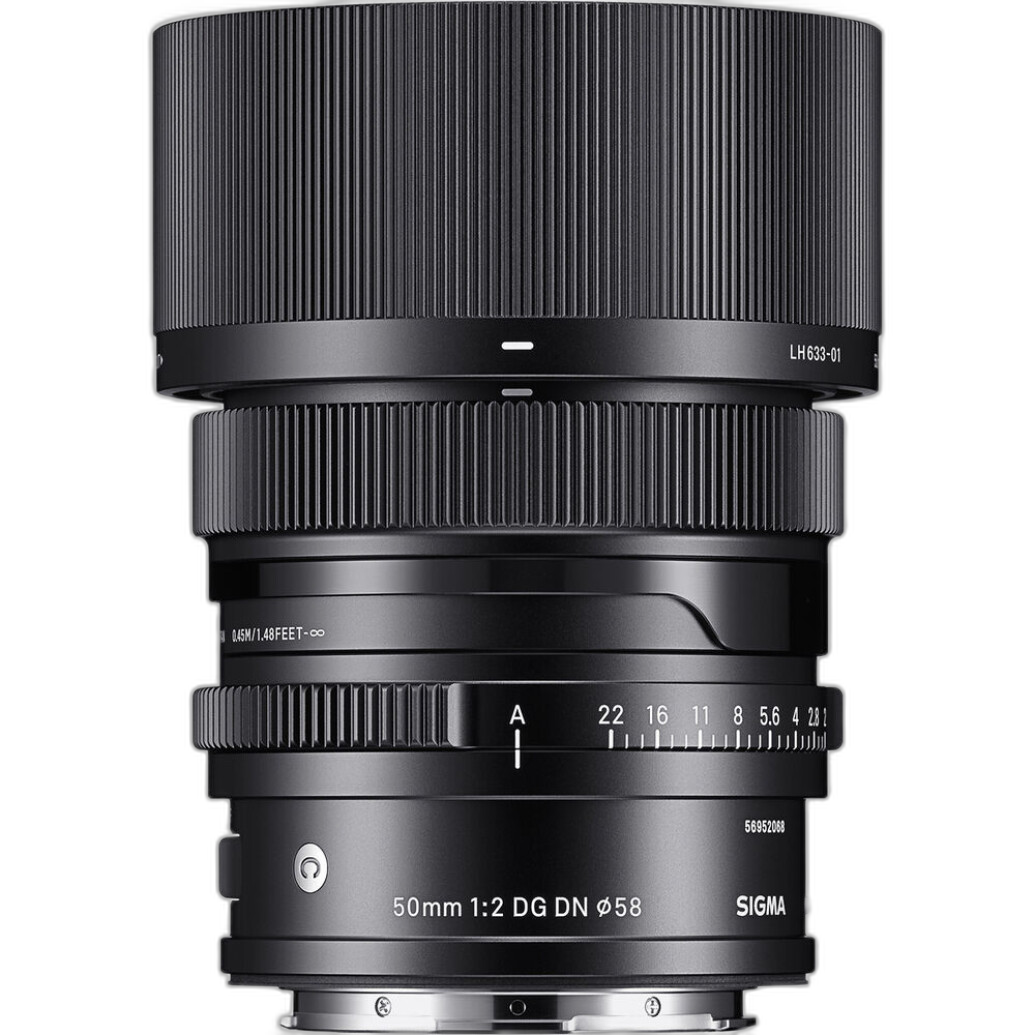
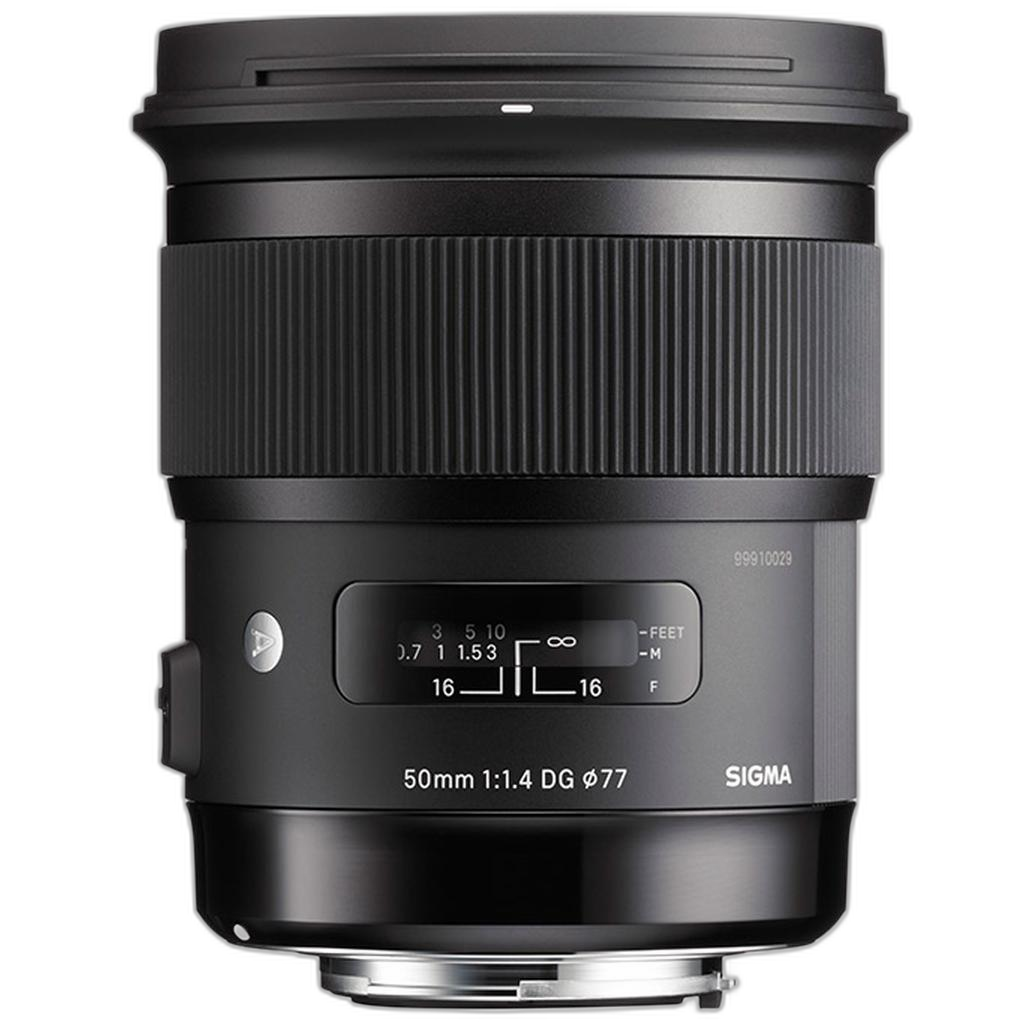
If the comparison points you toward a standard focal length, that makes sense. A 50mm lens is often the easiest place to start because it can handle environmental portraits, half-body shots, and even general walkaround photography. The Sigma 50mm f/1.4 DG HSM Art Lens for Sony E is a strong choice when you want classic portrait rendering with a bright aperture for shallow depth of field. If you prefer something more compact, the Sigma 50mm f/2 DG DN Contemporary Lens (Sony E) offers a smaller, lighter option that still feels very natural for portraits on Sony bodies.
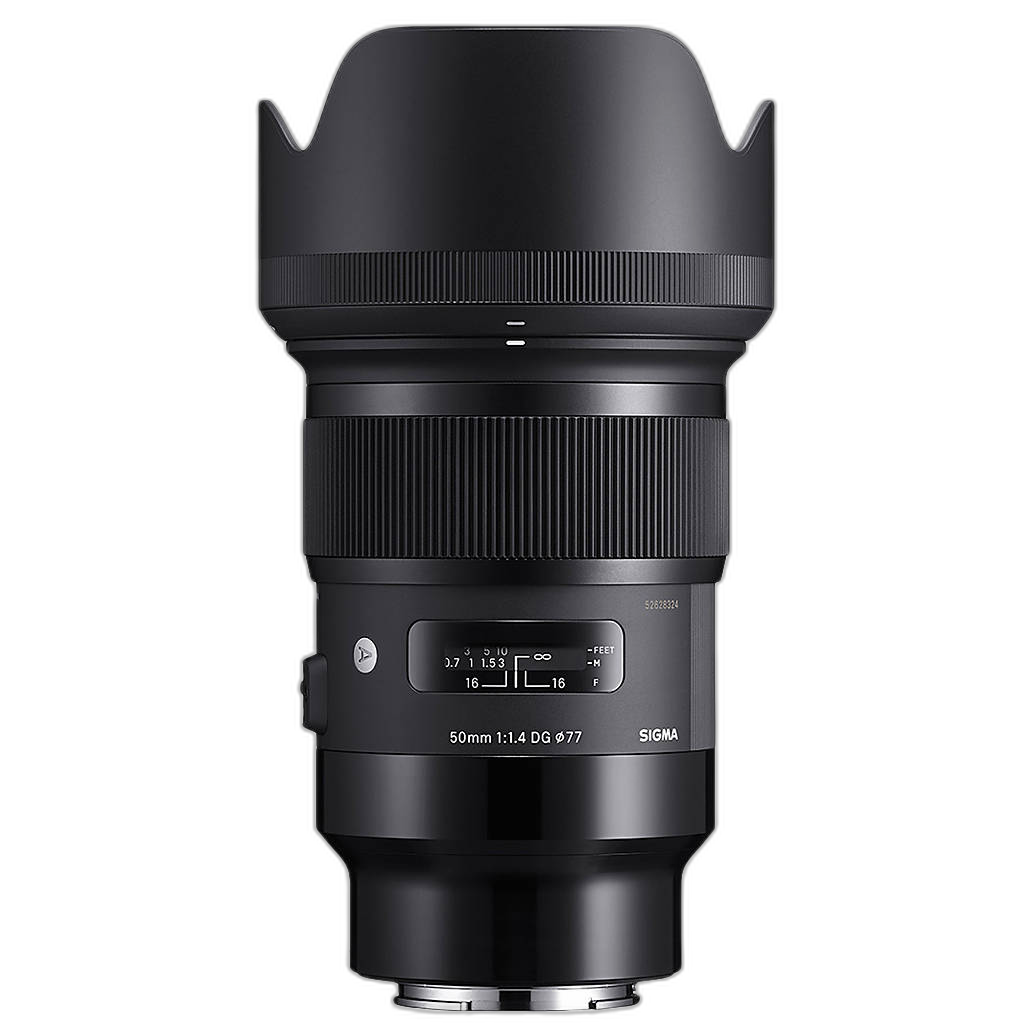
For photographers comparing multiple 50mm options, the difference often comes down to size, speed, and shooting pace. The f/1.4 version gives you more blur and low-light flexibility, while the f/2 option is especially appealing if you like a nimble setup for portrait sessions that move quickly.
2. Move to 75mm to 90mm for a more dedicated portrait look
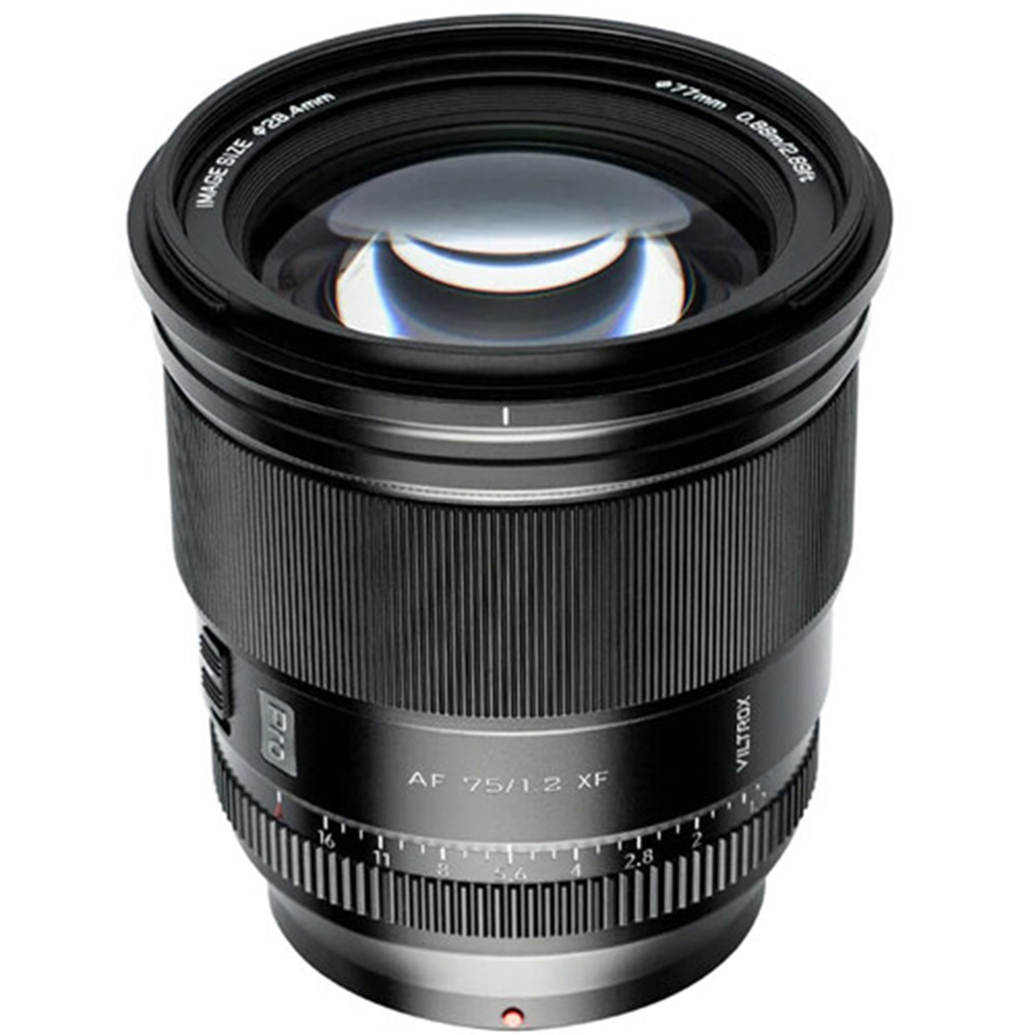
Portrait shooters often discover that the sweet spot starts around the short telephoto range. This is where facial features begin to look especially flattering, and subject separation becomes easier to achieve without standing extremely close. The Viltrox AF 75mm 1.2 E For Sony E stands out here with a very bright f/1.2 aperture, making it an exciting option for photographers who want dramatic background blur and striking subject emphasis.
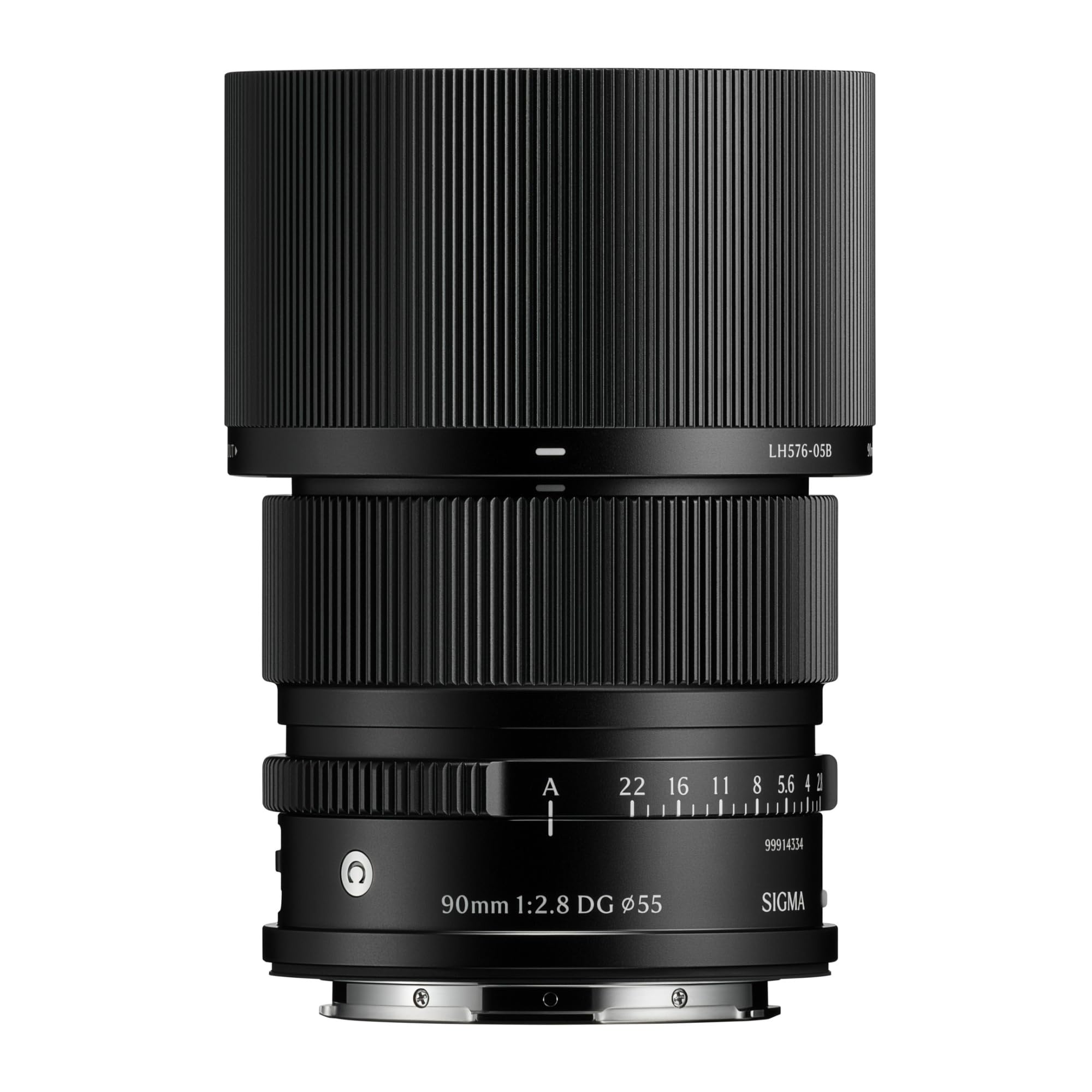
If you want a slightly longer and more understated lens, the Sigma 90mm F2.8 DG Contemporary Lens is another compelling portrait pick. It trades extreme aperture speed for a sleek design and a refined focal length that works beautifully for headshots and tighter compositions.
Use Longer Focal Lengths for Strong Compression and Cleaner Backgrounds
3. Choose 105mm or 135mm when you want premium headshot compression
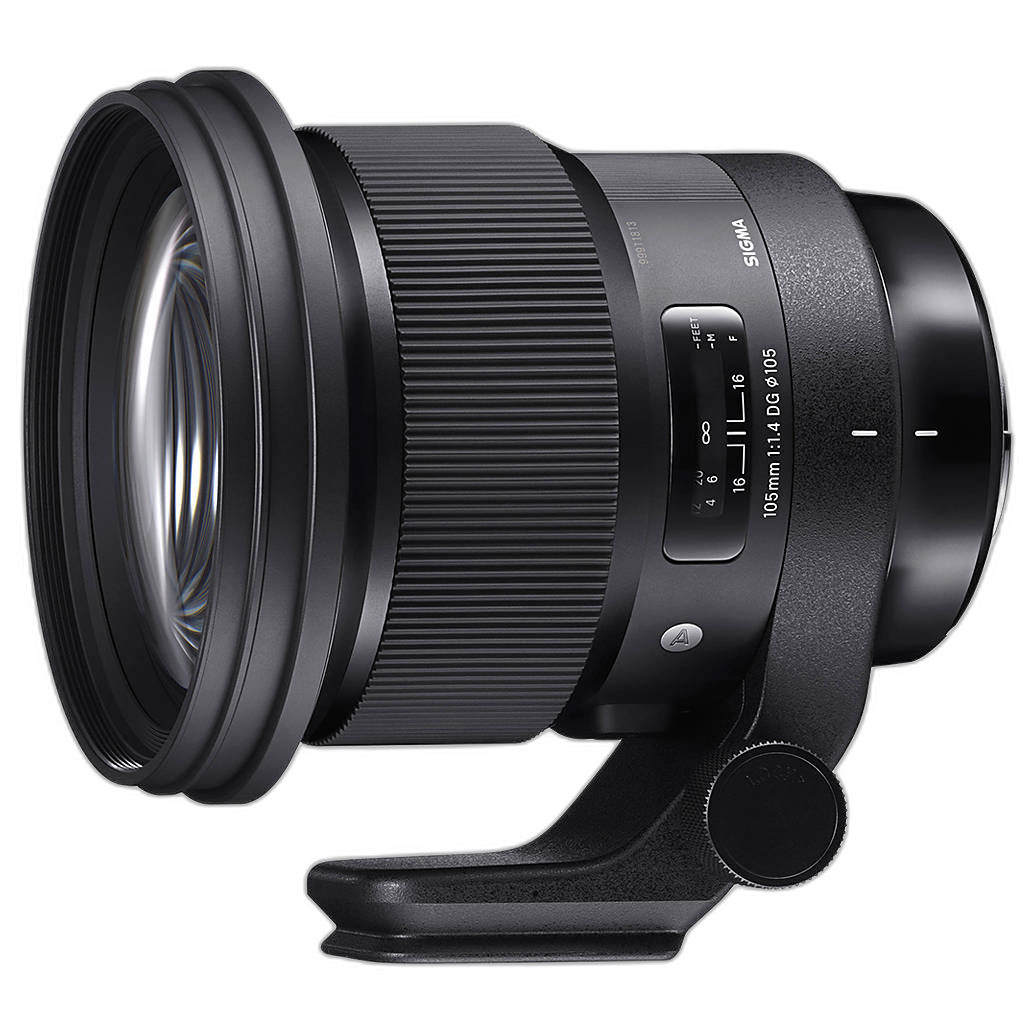
If the Sony compare results keep drawing your eye to longer focal lengths, that is usually because 105mm and 135mm lenses create a distinctly polished portrait look. They compress facial features in a flattering way and make it easier to simplify busy backgrounds. The Used Sigma 105mm f/1.4 DG HSM Art Lens for Sony E - Excellent is a serious portrait lens for photographers who want a signature look with a bright aperture and strong separation.
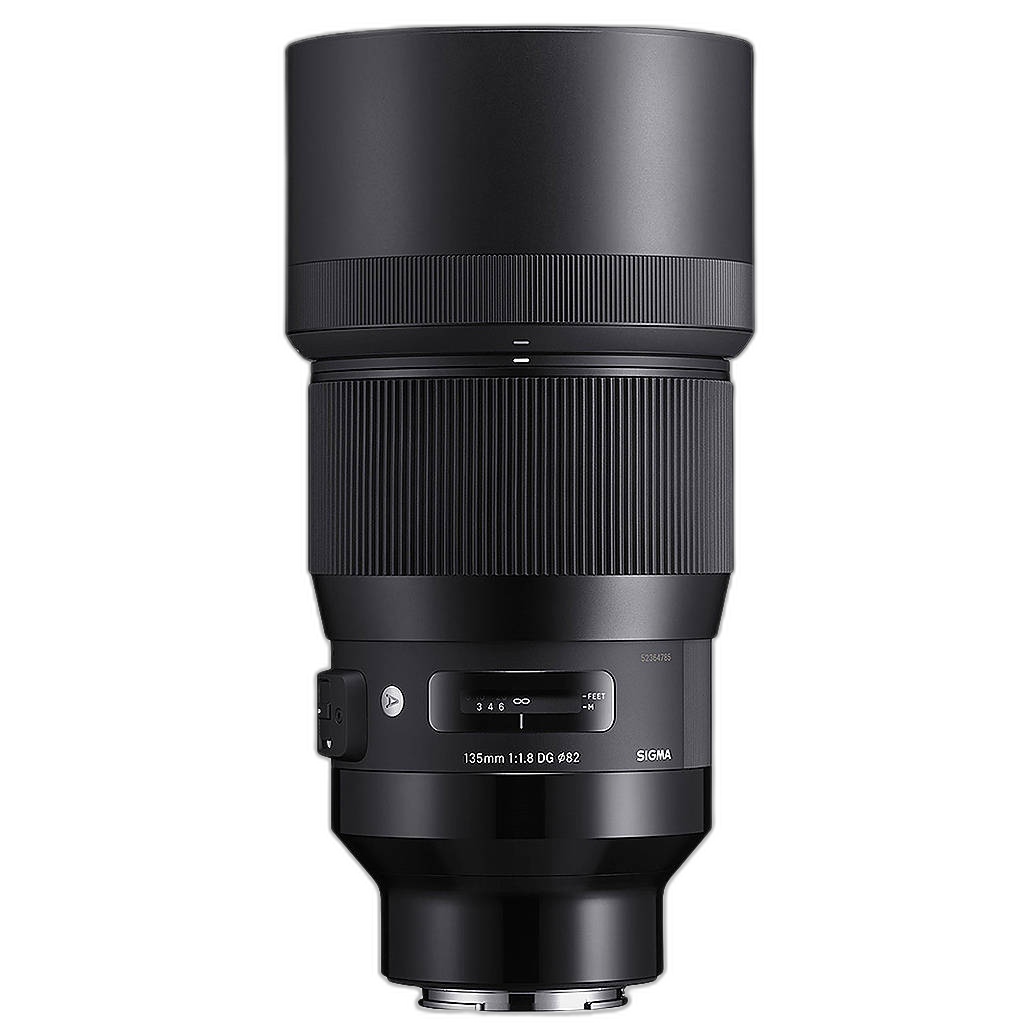
For even tighter framing, the Sigma 135mm f/1.8 DG HSM Art Lens for Sony E is a standout for headshots and outdoor portrait work. Longer lenses like this let you isolate subjects against distant backgrounds with especially creamy blur, though they do require more working distance.
4. Remember that longer is not always better in small spaces
One of the most useful lessons from comparing portrait lenses side by side is that your shooting space matters just as much as image quality. A 135mm lens can look amazing outdoors or in a studio with room to back up, but it may feel restrictive in a living room, office, or small home studio. If your portrait sessions happen in tighter locations, a 50mm, 75mm, or 90mm option may be more practical while still delivering beautiful results.
Consider Aperture, But Do Not Ignore Handling
5. Use fast apertures for maximum separation and low-light flexibility
Portrait photographers often gravitate toward lenses with apertures like f/1.2, f/1.4, or f/1.8 because they make it easier to draw attention to the subject. The Viltrox AF 75mm 1.2 E For Sony E, Sigma 50mm f/1.4 DG HSM Art Lens for Sony E, Used Sigma 105mm f/1.4 DG HSM Art Lens for Sony E - Excellent, and Sigma 135mm f/1.8 DG HSM Art Lens for Sony E all fit that classic portrait formula. These lenses are especially useful if you love creamy backgrounds and often shoot at golden hour or indoors with available light.
6. Smaller apertures can still make excellent portrait lenses
A compare tool can also remind you that portrait success is not limited to the fastest lenses. The Sigma 50mm f/2 DG DN Contemporary Lens (Sony E) and Sigma 90mm F2.8 DG Contemporary Lens prove that compact lenses can still be highly effective for portrait work. If you value lighter gear, easier carrying, and a more discreet setup, these options may fit your workflow better than a larger Art-series lens.
Do Not Overlook Zooms for Portrait Flexibility
7. A fast standard zoom can be the smartest choice for casual portraits
Prime lenses often get most of the attention in portrait discussions, but a zoom can be incredibly useful if you want flexibility. The Sigma 18-50mm f/2.8 DC DN Contemporary Lens for Sony E is a practical option for photographers who shoot portraits alongside events, family sessions, or travel content. At the longer end, it can create flattering portraits while giving you the freedom to widen out instantly for environmental context.
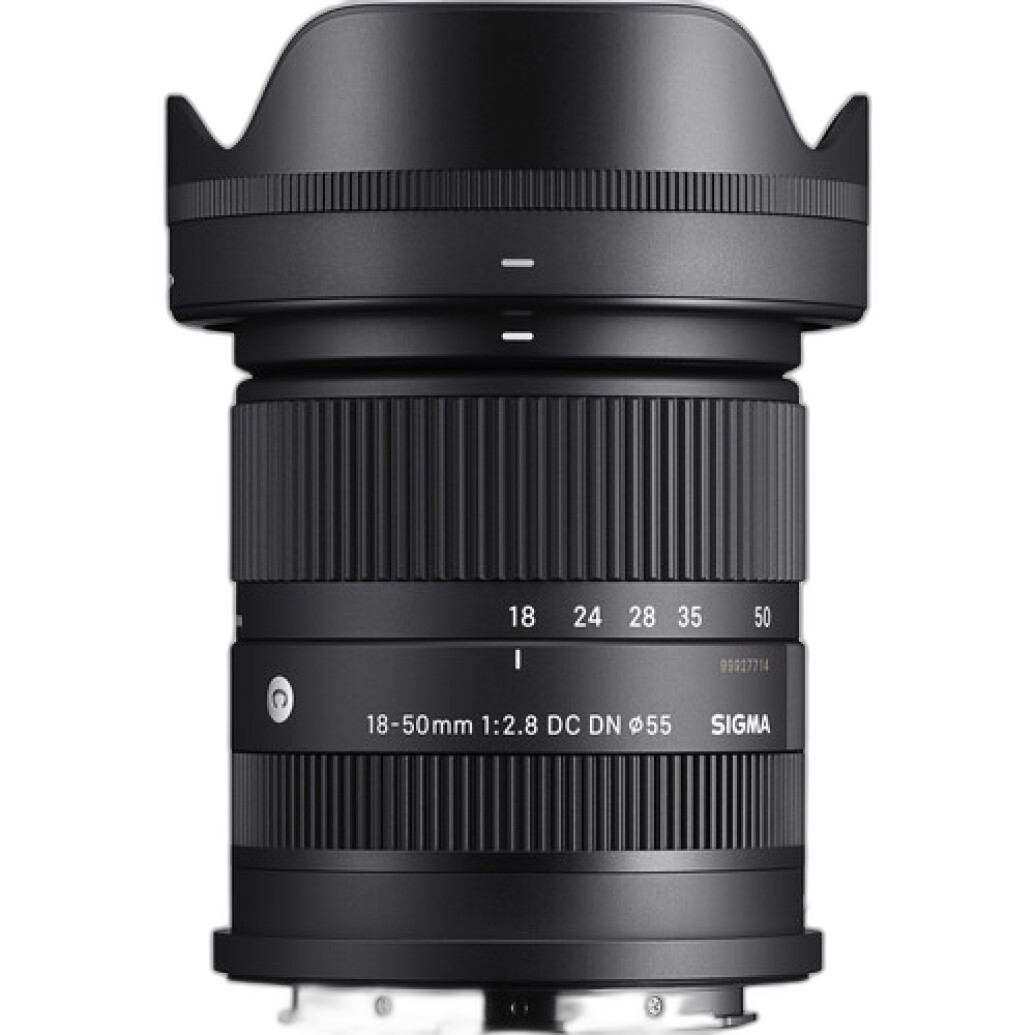
This kind of lens is especially useful if your compare results suggest that you are not yet locked into one favorite portrait focal length. Shooting with a zoom can help you discover whether you naturally prefer 35mm, 50mm, or something longer before committing to a dedicated prime.
Let Budget and Real Use Guide the Final Decision
8. Buy for the portraits you actually shoot
The best portrait lens on paper is not always the best one for your day-to-day work. If you mostly shoot full-body portraits in mixed settings, a 50mm lens may get used more often than a 135mm. If you specialize in headshots, a 90mm, 105mm, or 135mm lens may deliver the look your clients expect. And if you want premium character without paying full price for a new flagship lens, a used option like the Used Sigma 105mm f/1.4 DG HSM Art Lens for Sony E - Excellent can be a smart way to step into a more specialized portrait focal length.
9. Compare older and newer 50mm options carefully
If you are deciding between classic and more current 50mm designs, the Sigma 50mm f/1.4 EX DG HSM Standard Lens for Sony - Black is worth noting alongside the newer Sigma 50mm f/1.4 DG HSM Art Lens for Sony E. A side-by-side comparison can reveal differences in design generation, size, and intended user. For some photographers, the newer rendering and handling of the Art lens will be the clear winner. For others, a different price point may matter more.
Conclusion
What does the Sony compare beta suggest for portrait shooters? In most cases, it confirms that the best portrait lens depends on your preferred framing, available space, and how much you value speed versus portability. A 50mm lens is a versatile entry point, 75mm to 90mm often hits the portrait sweet spot, and 105mm to 135mm delivers a more specialized headshot look with beautiful compression. Explore the options, think about how you really shoot, and if you are ready to upgrade your Sony portrait kit, Unique Photo is a great place to compare lenses and find the right fit.